Peptides for Pain

Showing all 5 results

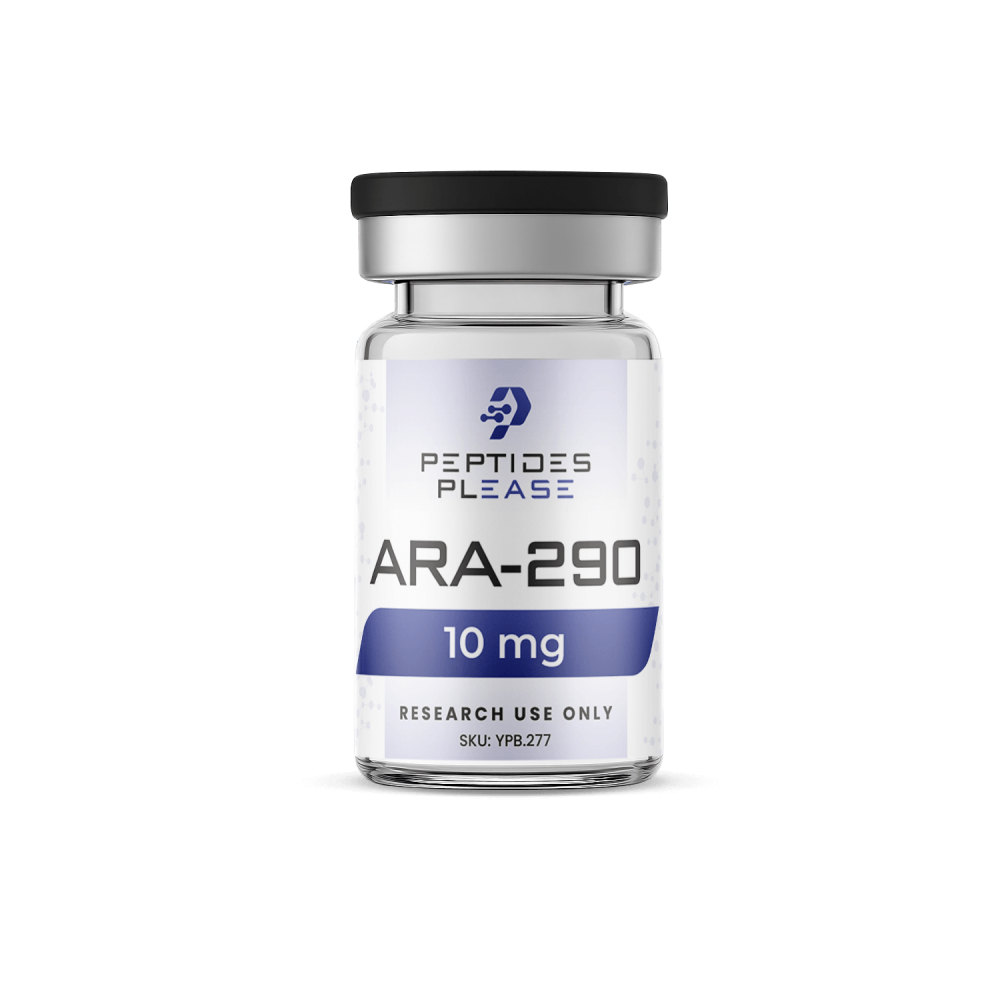
  • Ara 290 Peptide
    ARA-290 (10mg)
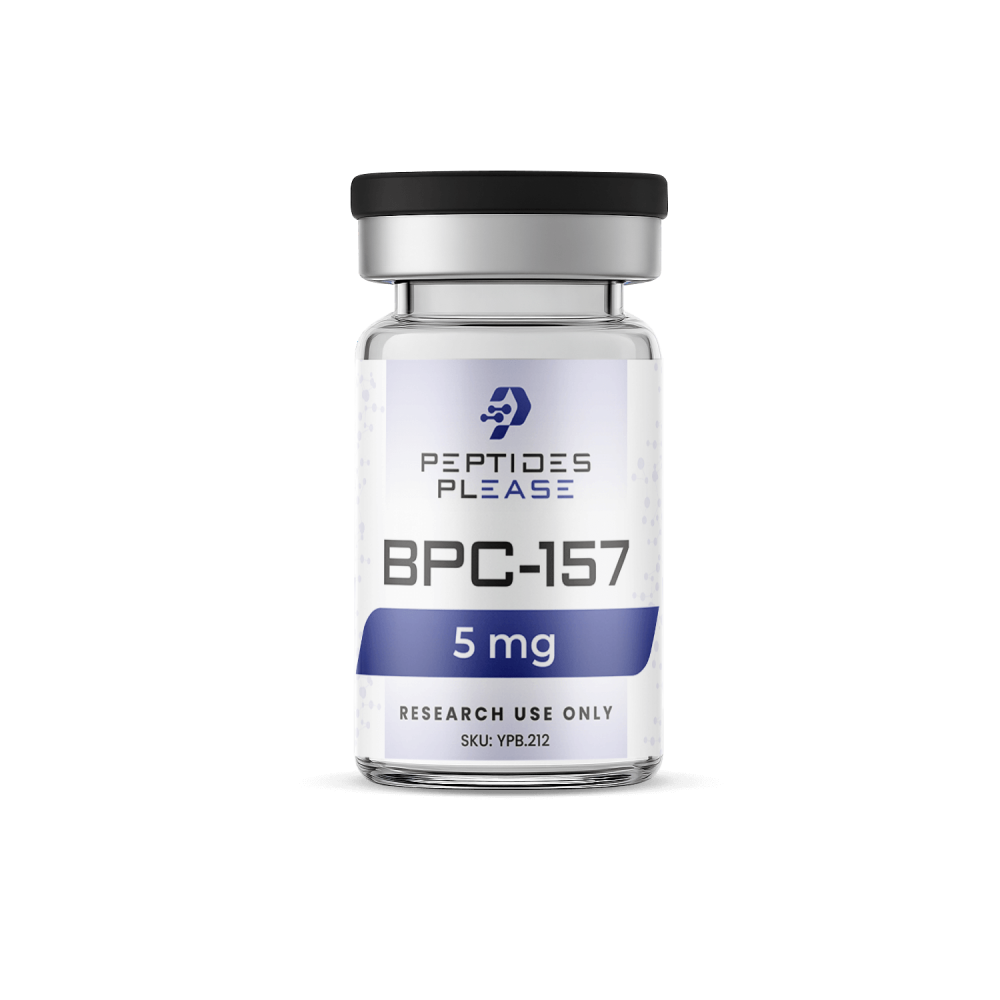
  • BPC-157
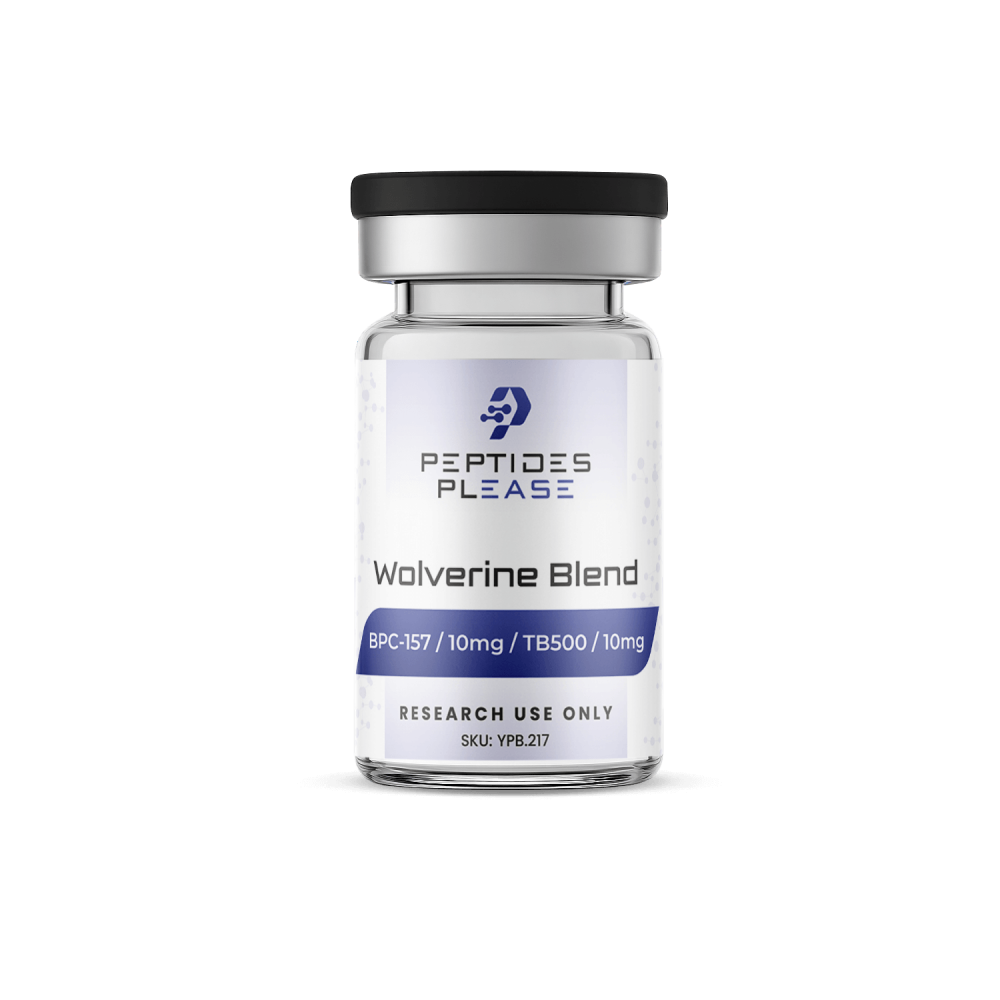
    BPC-157
    Body Protection Compound · 5mg
    Dosage

Peptides for joint pain are becoming a popular solution for those seeking natural approaches to support joint health and pain relief. These short chains of amino acids play a crucial role in stimulating collagen production, which in turn strengthens connective tissues and promotes overall tissue repair. Through peptide therapy—often using hydrolyzed collagen—individuals can enhance the body’s natural ability to rebuild damaged cartilage, reduce inflammation, and restore flexibility. By improving collagen synthesis and supporting the body’s structural integrity, peptides help maintain healthier joints and long-term mobility.

What Peptides Are Good for Joint Pain?

Peptides are short chains of amino acids that can help repair tissues and reduce inflammation. Some peptides show promising results for joint health and pain relief. Here are the most commonly discussed ones:

  • BPC-157 (Body Protective Compound-157): BPC-157 helps heal tendons, ligaments, muscles, and joints. It’s often paired with TB-500 for enhanced recovery and faster tissue repair.
  • TB-500 (Thymosin Beta-4): This peptide supports circulation, speeds up muscle and joint healing, and promotes tissue regeneration. It works well alongside BPC-157.
  • Collagen Peptides: Hydrolyzed collagen, especially forms like FORTIGEL, may reduce pain and improve mobility in people with osteoarthritis. It helps strengthen cartilage and supports smoother joint movement.

Other Peptides Under Study

  • AOD 9604: Shows potential for helping rebuild cartilage in cases of knee osteoarthritis.
  • Pentosan Polysulfate Sodium (PPS): May ease joint pain and stiffness, especially in knee osteoarthritis.
  • GLP-1 Agonists (like Semaglutide): Mainly used for diabetes and weight loss, but are being studied for their possible benefits in bone and joint health.

Find Reliable Peptide Products for Research at PeptidesPlease

Find reliable peptide products for research on our website, where quality and consistency lead to positive outcomes. Our peptides are carefully selected to support studies focused on bone health and improving joint function. With trusted formulations that may aid in tissue repair and bone formation, we provide research-grade products that help scientists explore innovative ways to enhance overall wellness and recovery.

Medical Research on the Use of Peptides for Joint Pain

Medical research shows that specific collagen peptides significantly reduce joint pain (knee, hip) and improve function in both healthy individuals and those with osteoarthritis (OA) by reducing inflammation, supporting cartilage, and promoting tissue regeneration. These peptides may help regulate biological functions involved in inflammatory pathways and also strengthen other connective tissues, blood vessels, and bones. Studies suggest doses around 5g per day for 12 weeks can yield positive effects, though results vary due to differences in peptides, doses, and populations. Other promising compounds like BPC-157 show early potential for bone regeneration and healing but remain experimental, while GLP-1 agonists are being explored for their benefits on bone health and chronic joint pain, emphasizing the need for further research and standardized protocols.

Best Peptides for Joint Pain

Peptides are small protein fragments that play a vital role in healing, recovery, and tissue regeneration. Several peptides have shown potential benefits for relieving joint pain and improving joint health.

  • BPC-157 (Body Protection Compound): Derived from a natural stomach protein, BPC-157 helps speed up the healing of tendons, ligaments, and joints. It reduces inflammation and enhances tissue repair.
  • TB-500 (Thymosin Beta-4): This peptide improves circulation and supports muscle recovery. It also promotes cell movement to injured areas, aiding in overall tissue regeneration.
  • Collagen Peptides (UC-II): Undenatured Type II collagen may help reduce joint inflammation and improve flexibility, especially in the knees. It works by regulating immune responses linked to joint damage.
  • CJC-1295 + Ipamorelin: Used together, these peptides boost growth hormone levels, supporting muscle repair, recovery, and overall tissue regeneration.
  • AOD-9604: This peptide shows promise in promoting cartilage repair and regeneration, particularly in osteoarthritis cases.
  • Pentosan Polysulfate (PPS): PPS helps protect and rebuild cartilage by stimulating matrix production and reducing its breakdown. It’s being studied as a potential osteoarthritis treatment.

Peptides for Joint Pain and Inflammation

Peptides are short chains of amino acids that support healing, reduce inflammation, and promote tissue repair. Several peptides have shown benefits for joint health and pain relief.

  • BPC-157: Known for its strong healing properties, BPC-157 helps repair tendons, ligaments, and even the gut lining. It reduces inflammation and accelerates tissue recovery.
  • Collagen Peptides: Hydrolyzed collagen may help reduce joint pain and improve mobility. It supports cartilage health by increasing proteoglycan content, though effectiveness can vary depending on the source and dosage.
  • HGH-Related Peptides: These peptides stimulate natural growth hormone release, which aids in tissue repair and regeneration. They provide the benefits of growth hormone therapy with lower associated risks.

Peptides for Knee Pain

Peptides are emerging as a potential option for relieving knee pain and improving joint health. Collagen peptides (collagen hydrolysate), taken orally as supplements, have been shown in several randomized controlled trials to help reduce pain from osteoarthritis and enhance joint function. They may also lower the need for anti-inflammatory drugs like NSAIDs.

Another promising compound is BPC-157, a peptide being studied for its regenerative potential in healing muscles, tendons, and ligaments. It may support the repair of injuries or tears, but remains experimental and is commonly delivered through injections. Although research is expanding, more high-quality clinical trials are needed. Peptides are often used alongside or as alternatives to treatments such as platelet-rich plasma (PRP) therapy to address chronic inflammation and support long-term joint health.

Do Peptides Work for Knee Pain?

Peptides, especially collagen peptides, show promise in relieving knee pain by reducing inflammation, improving joint function, and easing discomfort in conditions such as osteoarthritis and activity-related pain. These peptides help slow cartilage degeneration and promote cartilage repair by supporting healthy joint cartilage through their triple helix structure, which strengthens the connective tissues around the knees. Collagen supplements, taken orally or through injections, have been linked to less joint stiffness and better mobility, offering a potential regenerative treatment that may delay the need for surgical interventions. However, research is still ongoing, and professional guidance is essential when considering prescription peptides for safe and effective results.

Injectable Peptides for Joint Pain

Injectable peptides are an emerging form of regenerative therapy used to help with joint pain and cartilage regeneration. These treatments work by reducing inflammation, promoting the repair of tissues such as tendons, ligaments, and cartilage, and supporting cartilage preservation. They can also boost collagen production, increase blood flow, and stimulate the release of growth factors that aid healing. One well-known example is BPC-157, which has shown promise in studies for improving recovery after injuries and reducing discomfort in conditions like osteoarthritis.

Although injectable peptides may offer noticeable pain reduction and better mobility over several weeks, they are still considered part of experimental regenerative medicine. They are typically given through subcutaneous injections and should be used under professional supervision. Potential side effects may include mild irritation or redness at the injection site. Because research is still ongoing, patients are advised to consult a specialist before starting peptide-based treatments for cartilage degradation or joint issues.

Peptides for Arthritis Pain

Arthritis causes inflammation, stiffness, and pain in the joints; however, new research suggests that certain peptides may help alleviate symptoms and promote healing. Peptides are short chains of amino acids—the building blocks of protein—that play vital roles in the body’s repair and immune functions. Human studies suggest several peptides could benefit people with osteoarthritis or rheumatoid arthritis.

  • BPC-157: BPC-157 is known for healing damaged tissues and promoting bone and joint health. It supports wound healing, reduces inflammation, and may help restore joint function. It also aids angiogenesis—the growth of new blood vessels—which improves nutrient supply to injured tissues.
  • Thymosin Beta 4 (TB-500): Thymosin Beta 4, also called TB-500, stimulates tissue repair and regeneration. It enhances angiogenesis and cell migration, speeding up recovery in joints and connective tissues. This peptide is being studied for its potential role in autoimmune diseases such as rheumatoid arthritis.
  • Collagen Peptides (e.g., UC-II): Collagen peptides, an abundant protein in cartilage, help reduce inflammation and support joint flexibility. UC-II, a specific form of collagen, works by positively influencing immune responses, which can improve the range of motion and comfort in those with arthritis.
  • Vasoactive Intestinal Peptide (VIP): VIP has shown promise in human studies for suppressing inflammation and modulating autoimmune components of arthritis. Balancing immune activity, it may help protect joints and alleviate pain in chronic conditions like rheumatoid arthritis.

Are Collagen Peptides Good for Arthritis Pain?

Collagen peptides may help reduce arthritis pain, especially in people with osteoarthritis. Studies suggest they can improve joint function and ease discomfort after a few months of regular use, although more research is still needed. They work by supporting cartilage and connective tissues, which may provide mild pain relief. It’s also important to note that collagen peptides are different from native (undenatured) collagen, as each type has different purposes and effects.

Collagen Peptides for Joint Pain

Collagen peptides may help reduce joint pain and improve movement, especially for people with osteoarthritis. Studies suggest they might work by protecting cartilage and reducing inflammation. Regular use—often in daily doses around 4 to 10 grams—has been linked to less pain, better joint function, and lower dependence on pain relievers like NSAIDs. These benefits appear helpful for older adults, athletes, and anyone with joint discomfort, though more research is needed to confirm the best dosage and type.

Are Collagen Peptides Good for Joint Pain?

Collagen peptides may help relieve joint pain, especially in people with osteoarthritis. Research shows they can reduce discomfort and improve joint function by supporting ligaments, tendons, and cartilage. While they don’t fully regenerate cartilage, they appear to ease symptoms and promote overall joint health. Collagen peptides also show promise for improving mobility and quality of life, and may help reduce the need for pain medication. However, more research is needed to confirm the best dosage and treatment guidelines.

Collagen Peptides for Knee Pain

Low-molecular-weight collagen peptides (LMCP) and hydrolyzed collagen may help reduce knee pain, improve joint function, and lower dependence on pain medications. They appear most helpful for people with osteoarthritis or activity-related joint discomfort by supporting cartilage health and reducing inflammation. Studies suggest that taking about 5–10 grams daily for 12–24 weeks can provide noticeable benefits, although results can vary between individuals and products. Some research even shows their effects may be similar to certain natural anti-inflammatories like curcumin.

Collagen Peptides Good for Knee Pain

Collagen peptides may help relieve knee pain, especially in people with osteoarthritis. Research shows they can reduce pain, improve movement, and lessen stiffness, though results often take a few months to appear. Certain low‑molecular‑weight types seem to work best. They may help by supporting cartilage, reducing inflammation, and boosting collagen production. However, more large‑scale studies are needed to confirm the ideal dosage and type for consistent results.

Medical Consensus on the Use of Peptides for Pain

The medical view on using peptides for pain varies depending on the type, but overall, research looks promising. Some peptides are FDA-approved or in advanced clinical trials, while others—like collagen peptides—are available as dietary supplements with supportive but limited evidence.

FDA-Approved and Clinically Used Peptides

  • Ziconotide (Prialt®): A non-opioid peptide from cone snail venom, FDA-approved for severe chronic pain. It’s extremely potent (around 1,000 times stronger than morphine) but must be injected into the spinal canal and may cause nervous system side effects.
  • Difelikefalin (CR845): Approved for treating moderate to severe itching and being studied for postoperative and osteoarthritis pain. It works outside the brain and spinal cord, reducing central side effects.
  • CGRP Antagonists (e.g., erenumab, fremanezumab): These peptide-based drugs are approved for migraine prevention, a specific pain condition.

Peptides in Research and Supplements

  • Collagen Peptides: Widely used as supplements that may reduce joint pain and stiffness, especially in osteoarthritis. Studies suggest daily doses of 10–20 grams for several months can help, particularly when combined with exercise. However, they’re not FDA-regulated as drugs, and many studies are industry-sponsored.
  • BPC‑157: A lab-made peptide showing strong tissue-healing effects in animals (tendons, ligaments, muscles, and bones). Human research is limited, it’s not FDA-approved, and it’s banned in some sports.
  • Emerging Peptides: New synthetic peptides—such as H‑20, Biphalin analogs, and compounds from spider or scorpion venom—are being explored for powerful, non-opioid pain relief with fewer side effects. Most are still in early research or clinical testing stages.

Risks and Side Effects

Using peptides for joint pain may offer benefits, but they can also cause side effects or health risks. It’s important to understand both before starting treatment.

Common Side Effects (Usually Mild)

  • Injection Site Reactions: Redness, swelling, pain, or bruising where the peptide is injected (common with injectable forms like BPC-157).
  • Digestive Issues: Possible nausea, vomiting, or diarrhea.
  • General Discomfort: May include headaches, dizziness, or fatigue.
  • Skin Sensitivity: Rash or irritation if applied topically.

Potential Risks and Concerns

  • Allergic Reactions: Symptoms like hives, swelling, or breathing difficulties. Seek medical help immediately if these occur.
  • Hormonal Imbalances: Misuse of peptides that influence growth hormones can lead to hormone-related issues.
  • Medication Interactions: Peptides may interact with certain drugs — always inform your doctor about all medications you take.
  • Unregulated Sources: Buying from unreliable sources increases the risks of contamination or incorrect dosage.
  • Unknown Long-Term Effects: Limited human studies mean potential long-term risks are still uncertain.
  • Cardiovascular Concerns: Some peptides may pose theoretical risks for heart health.

Explore Trusted Peptide Products Designed for Research from Peptides Please

Discover innovative solutions for joint discomfort with peptides designed for research on our website. Our trusted peptide products are carefully formulated to support scientific exploration into joint health, recovery, and mobility. Whether you’re studying tissue repair or inflammation response, our high-quality peptides provide reliable results that help advance your research. Explore our collection today and experience excellence backed by purity, precision, and confidence in every product.

Frequently Asked Questions

What is the best peptide for joints?

The peptide most often highlighted for joint healing is BPC‑157, but evidence in humans is still limited, and it should only be used under medical supervision.

Do peptides really work for joint pain?

Some peptides, especially oral collagen peptides, have decent human evidence for modest joint pain relief, but many healing peptides like BPC‑157 or TB‑500 rely mostly on animal data and limited or low‑quality human studies, so results are uncertain, and they should be used cautiously under medical supervision.

What peptides help joint pain?

Peptides that show the most support for joint pain relief include oral collagen peptides (like low‑molecular‑weight or hydrolyzed collagen), while others, such as BPC‑157, CJC‑1295/Ipamorelin, AOD‑9604, and GHK‑Cu, are being explored but have far less and lower‑quality human evidence.

Can peptides reduce inflammation and joint pain?

Yes—some peptides, especially oral collagen peptides, have clinical evidence of modestly reducing inflammation and joint pain, while others like BPC‑157 show anti‑inflammatory and pain‑relieving effects mainly in early or animal studies, so benefits are promising but not guaranteed.

Will BPC-157 help with joint pain?

BPC‑157 might help some people with joint pain based on small, low‑quality human studies and strong animal data, but benefits are not guaranteed, and safety is still uncertain, so it remains experimental and should only be used under medical supervision.

What are peptide injections for joint pain?

Peptide injections for joint pain are experimental treatments where bioactive peptides (often compounds like BPC‑157 or other peptide molecules) are injected directly into a joint to reduce pain and inflammation and potentially stimulate tissue repair.

Is collagen peptides good for joint pain?

Yes—multiple randomized controlled trials and meta-analyses suggest collagen peptides can modestly reduce joint pain and improve function in conditions like knee osteoarthritis, with a good overall safety profile.

Do collagen peptides really help with joint pain?

Yes—consistent use of collagen peptides has been shown in several randomized trials and meta-analyses to modestly reduce joint pain and improve function, especially in knee osteoarthritis, although effects are not dramatic and vary by person.

Summary

In conclusion, peptides such as BPC-157, TB-500, and collagen peptides offer promising therapeutic potential for alleviating joint pain by reducing inflammation, promoting cartilage regeneration, and enhancing collagen production to support tissue repair and mobility. Clinical studies and preclinical evidence indicate significant pain relief in conditions like osteoarthritis and activity-related knee discomfort, often without notable adverse effects compared to placebo, making them a viable alternative to traditional medications or surgery. While further large-scale randomized trials are needed to confirm long-term efficacy and safety, peptides represent an innovative, targeted approach to managing joint health, particularly for active individuals or those with chronic issues.

You are unable to view this website.

⚠️ Research Use Only — Legal Acknowledgment

All products on this website are sold strictly for in vitro research and laboratory use only.

  • Not for human or veterinary use, consumption, or application
  • Not FDA-approved to diagnose, treat, cure, or prevent any disease
  • Buyer assumes full responsibility for legal compliance in their jurisdiction

By clicking "Accept," you confirm:

  • You are at least 21 years of age
  • You are a qualified researcher or laboratory professional
  • You understand these products are for research purposes only