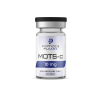
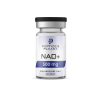
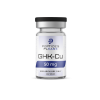
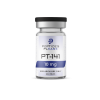
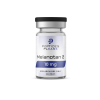
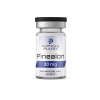
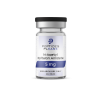
Peptides for Hair Growth
Showing all 4 results
-
-
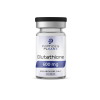
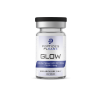
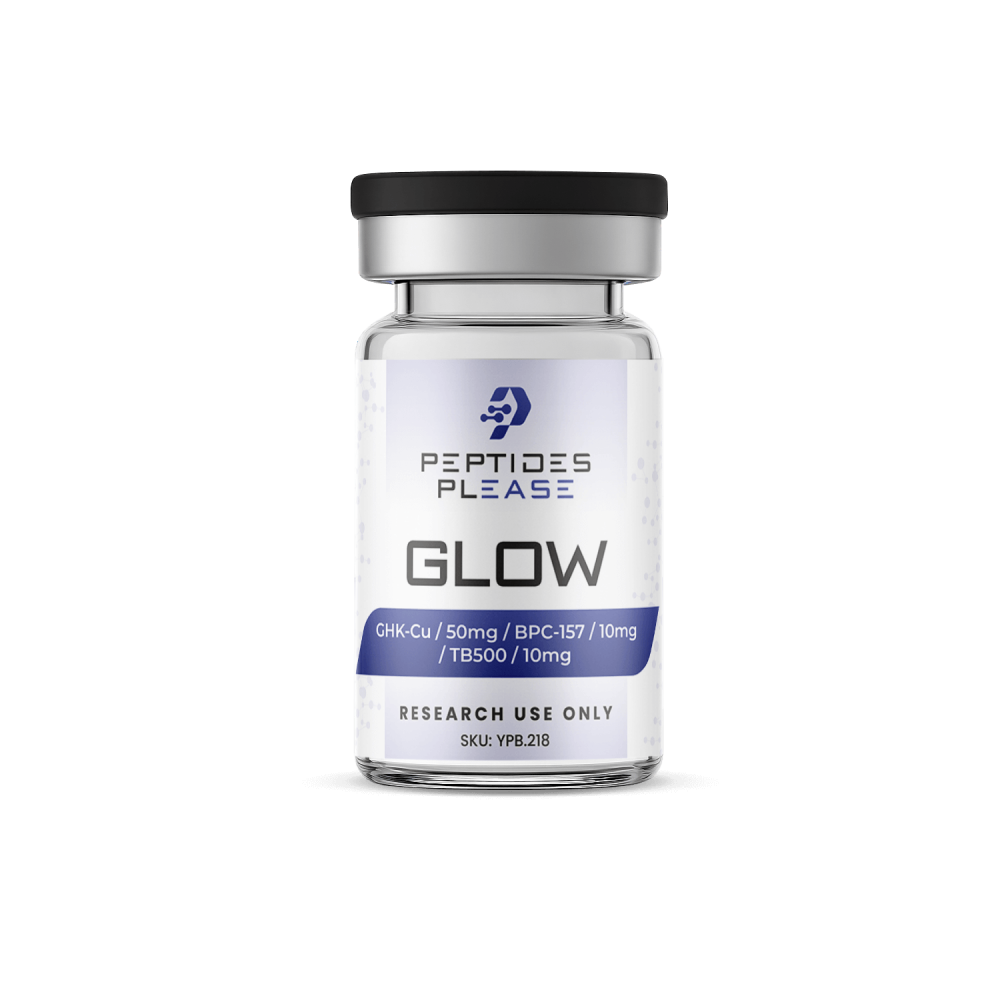 Peptide BlendsGLOW
- GHK-Cu(50mg)
- BPC-157(10mg)
- TB500(10mg)
-
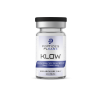
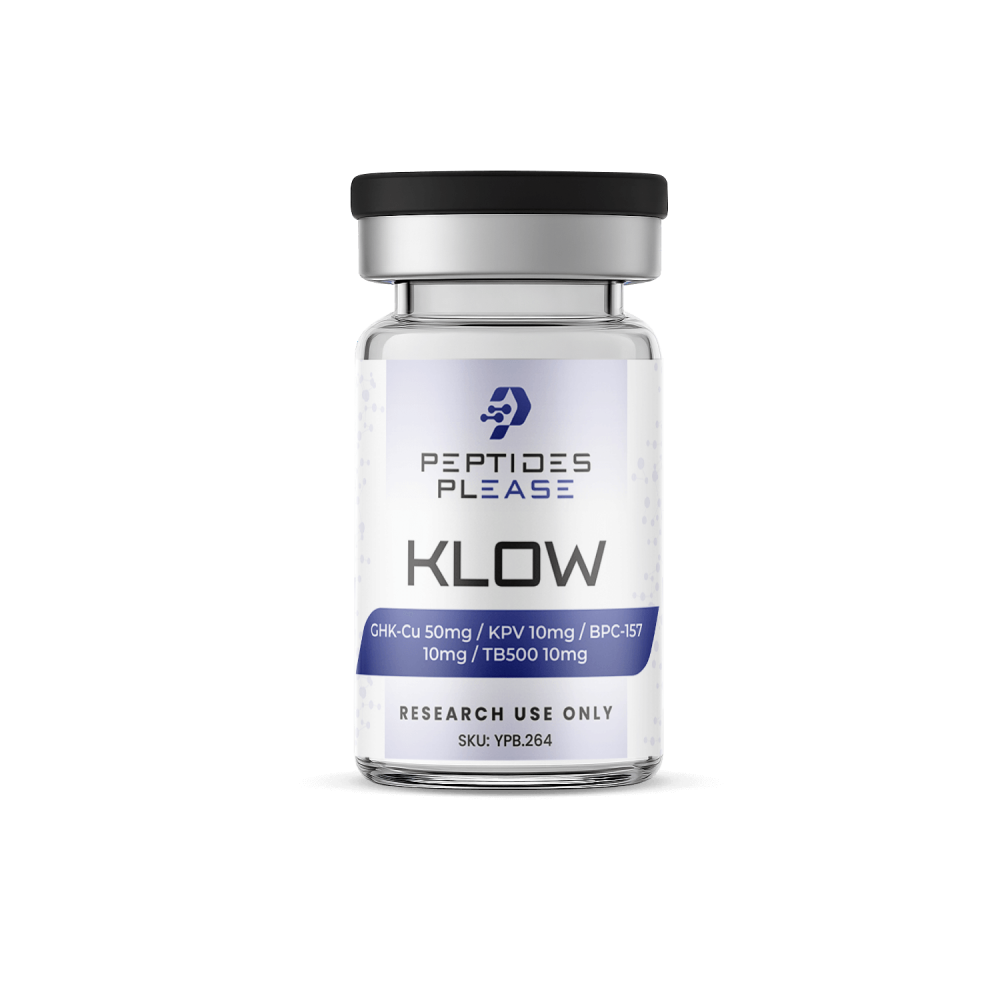 Peptide BlendsKLOW
- GHK-Cu(50mg)
- KPV(10mg)
- BPC-157(10mg)
- TB500(10mg)
-
Peptides for hair growth are gaining attention as a natural, science-backed solution for thinning hair and improving density. These short chains of amino acids, like GHK-Cu and Biotinoyl Tripeptide-1, work by stimulating follicles, boosting collagen, enhancing scalp circulation, and reducing inflammation to promote stronger, thicker strands. Unlike traditional treatments, peptides offer a gentle approach with minimal side effects, making them ideal for anyone seeking fuller hair through targeted serums or supplements.
What Are Peptides for Hair Growth?
Peptides for hair growth are short chains of amino acids that strengthen hair follicles, enhance keratin and collagen production, and improve scalp health. Found in serums, shampoos, or injections, they help promote thicker, stronger, and healthier hair.
Explore Trusted Peptide Products Designed for Research from PeptidesPlease
Peptides for hair growth are being studied for their ability to support hair follicle activity, encourage stronger strands, and help create a healthier scalp environment, which may lead to fuller-looking hair. These short chains of amino acids are widely explored in research for how they may influence the hair growth cycle and reduce visible thinning. Please note that our peptides are for research purposes only. Enjoy hassle-free online access to peptides through our website platform for scientific studies and laboratory experimentation.
Do Peptides Work for Hair Growth?
Peptides play an important role in maintaining healthy hair by strengthening strands, improving scalp health, and encouraging new growth. Here’s how they work:
- Stimulate Hair Follicles – Peptides can activate dermal papilla cells, which are responsible for starting and maintaining the hair’s active growth phase (anagen). This helps encourage new hair growth and improves overall hair density.
- Improve Scalp Health – By boosting blood circulation and reducing inflammation, peptides create a healthier scalp environment. A well-nourished scalp provides the right conditions for hair to grow stronger and thicker.
- Strengthen Hair Strands – Peptides support keratin production—the main protein that gives hair its structure. This strengthens the hair shaft, reduces breakage, and improves resilience.
- Provide Essential Building Blocks – Because peptides are short chains of amino acids, they serve as the foundation for protein synthesis. This makes them vital for maintaining healthy, durable hair.
Peptides for Hair Growth Research
Research shows peptides like GHK-Cu, collagen peptides, and AIMP1-derived ones promote hair growth by stimulating follicles, boosting circulation, reducing inflammation, and increasing collagen/elastin. They extend growth phases and support stem cells, though larger trials are needed; best paired with minoxidil.
Peptides for Hair Growth And Thickness
Peptides, small amino acid chains, boost hair growth and thickness by building collagen, activating follicles, improving scalp blood flow, reducing inflammation, and strengthening strands. Popular ones like GHK-Cu, Biotinoyl Tripeptide-1, and keratin peptides appear in serums for fuller hair.
Peptides for Hair Growth Effectiveness
Peptides support hair growth by activating follicles, improving scalp health, boosting collagen, and reducing inflammation, working best on active follicles with consistent use over months. Key ones like GHK-Cu and Biotinoyl Tripeptide-1 enhance circulation, extend growth phases, and strengthen strands for fuller hair.
Which Peptides Are Best for Hair Growth
Several peptides stand out in hair care products for their ability to support healthier, thicker hair. Here’s a simple breakdown of the most researched ones and how they help:
- GHK-Cu (Copper Peptide) – Often praised as a top choice, GHK-Cu boosts collagen production, enhances follicle health, increases hair density, and lowers scalp inflammation.
- Biotinoyl Tripeptide-1 – This peptide strengthens hair roots, cuts down on shedding, and boosts overall density by extending the growth phase.
- Acetyl Tetrapeptide-3 – It improves hair anchoring to the scalp and stimulates growth activity for better follicle vitality.
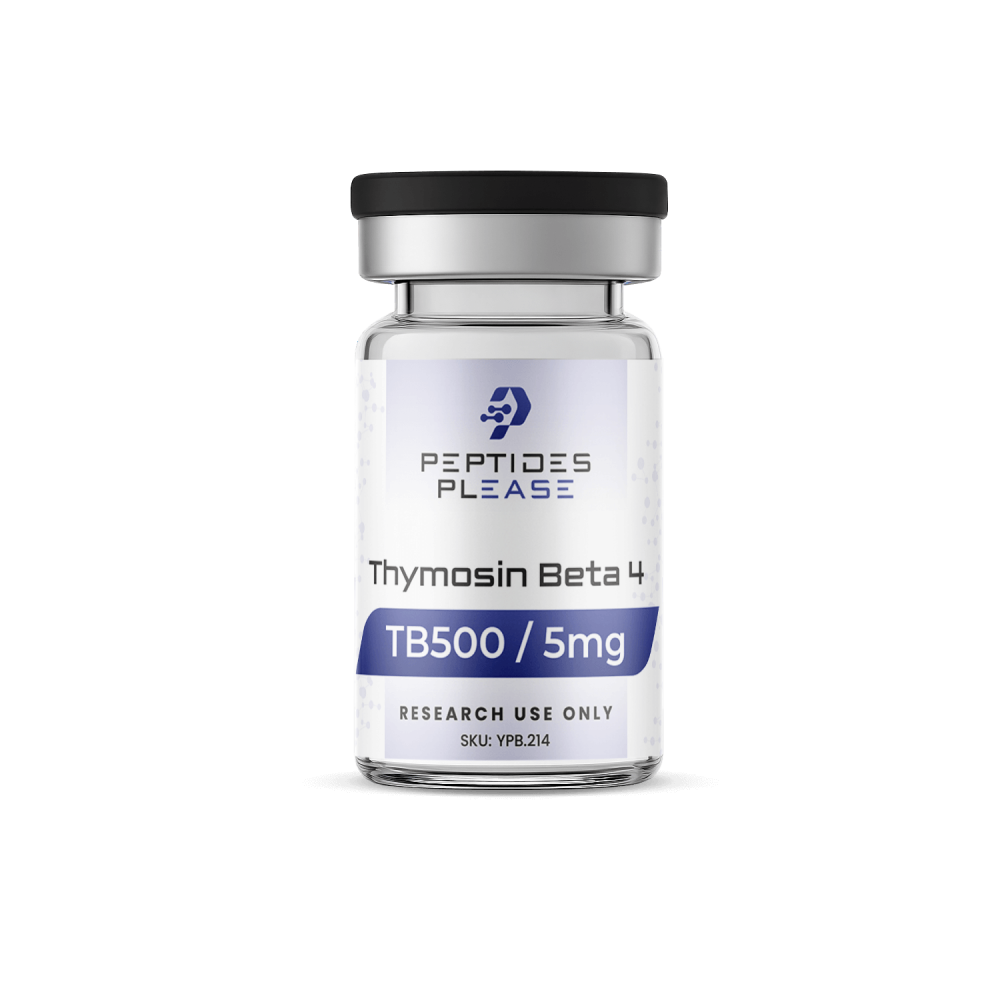
- Thymosin Beta-4 (TB-500) – Activates stem cells in follicles to speed up growth and promote new hair development.
- BPC-157 – Great for scalp healing, it reduces inflammation and supports better conditions for hair growth.
- Collagen Peptides – These build hair structure and create a healthy scalp environment, though they focus more on support than direct stimulation.
- Hexapeptide-11, Oligopeptide-2, Myristoyl Pentapeptide-17 – Common in formulas, they aid overall hair health, keratin production, and follicle repair.
How to Find the Best Peptides for Hair Growth
For hair growth, focus on Copper Peptides (GHK-Cu) to repair follicles, Acetyl Tetrapeptide-3 to strengthen hair anchoring, and Biotinoyl Tripeptide-1 to boost density. These peptides are often paired with ingredients like hyaluronic acid or caffeine for scalp health.
Do Copper Peptides Work for Hair Growth
Copper peptides (GHK-Cu) boost hair growth by improving scalp health, stimulating follicles, and reducing inflammation. By delivering copper to the follicles, they support tissue repair and activate growth factors. With consistent use, they offer a gentle, effective alternative for thinning hair.
How To Use Copper Peptides for Hair Growth
Follow these simple steps for the best results with copper peptide serum on your scalp:
- Cleanse Your Scalp – Start by washing your hair and scalp thoroughly to remove dirt and oil. This prepares the area for better absorption.
- Gently Towel-Dry – Pat your hair until it’s damp, not soaking wet. Damp hair helps the serum penetrate more effectively.
- Apply the Serum – Place a few drops directly on thinning or sparse areas of your scalp. Avoid over-applying to prevent waste.
- Massage In – Use your fingertips to massage gently in circular motions for 2-3 minutes. This boosts blood flow and spreads the product evenly.
- Leave It On – Do not rinse—let the serum fully absorb into your scalp for maximum benefit.
- Stay Consistent – Apply once or twice daily for 3-6 months. Hair growth is slow, so patience and regularity are key.
Copper Peptides for Hair Growth Side Effects
Copper peptides are generally safe for topical use, but some mild effects can occur. Here’s what to watch for:
Common Mild Effects
- Scalp Irritation: Redness, itching, or tingling that usually fades quickly.
- Temporary Shedding: Initial hair loss as follicles reset, often before growth improves.
- Allergic Reactions (Rare): Hives or burning; stop use if this happens.
Less Common or Serious Risks
- Severe Allergies: Possible with high doses or sensitivities, especially injectables.
- Copper Toxicity: Unlikely from topicals; oral overuse might cause nausea.
- Blue-Green Tint: Rare staining from concentrated products.
Are Collagen Peptides Good for Hair Growth?
Collagen peptides support hair growth by providing amino acids that promote keratin production and strengthen the scalp’s structure. They may also help extend the hair growth phase for thicker, longer hair. For best results, use them as part of a balanced hair care routine.
Benefits of Collagen Peptides for Hair Growth
Collagen peptides offer several ways to support healthier, stronger hair by nourishing follicles and improving scalp conditions. Here are the benefits of collagen peptides for hair growth:
- Provide Building Blocks: Collagen supplies important amino acids such as proline, glycine, and cysteine. These are essential for producing keratin, the main protein that forms hair structure.
- Strengthen Hair Follicles: It helps reinforce hair roots and the surrounding skin layer, improving how well hair strands stay anchored and reducing hair loss.
- Support New Hair Growth: Research shows collagen peptides can activate hair follicle stem cells and key growth pathways, encouraging the regeneration of new hair.
- Increase Hair Thickness and Elasticity: By supporting follicles and keratin, collagen helps hair become thicker, more elastic, and less prone to breakage.
- Improve Scalp Health: Collagen maintains skin hydration and flexibility, creating a healthier scalp environment that supports hair growth.
- Combat Hair Thinning: It may help slow down age-related hair thinning by enhancing follicle health and improving scalp circulation.
Collagen Peptides vs Biotin for Hair Growth
Biotin (Vitamin B7) boosts keratin production to strengthen thinning hair, while collagen peptides support scalp health and structure. They complement each other perfectly—biotin supports the formation of hair proteins, while collagen strengthens those structures to promote better thickness, resilience, and growth.
Zinc Peptides for Hair Growth
Zinc peptides promote thicker hair by improving scalp health, strengthening follicles, balancing oil, and reducing inflammation. Paired with niacinamide in serums, they boost cell activity, extend growth phases, and repair tissue. As cellular messengers, they increase growth factors for better density and less thinning—a solid non-hormonal option.
Injectable Peptides for Hair Growth
Injectable peptides like GHK-Cu, BPC-157, and Thymosin Beta-4 (TB-500) show strong potential for hair growth. They stimulate follicles, boost scalp circulation, cut inflammation, and increase collagen/elastin to extend the growth phase by activating stem cells, forming new vessels, and blocking Dihydrotestosterone (DHT).
Topical Peptides for Hair Growth
Topical peptides like GHK-Cu boost collagen, reduce inflammation, improve scalp circulation, and may block DHT for thicker hair with less loss. Paired with Acetyl Tetrapeptide-3 and Biotinoyl Tripeptide-1, they strengthen keratin and promote growth—a natural alternative to minoxidil in serums.
Oral Peptides for Hair Growth
Oral peptides like collagen peptides, copper peptides (GHK-Cu), and biotin peptides support hair growth by stimulating follicles, enhancing scalp circulation, and reducing inflammation for thicker, healthier hair. While promising, most studies emphasize topical or injectable forms over oral use.
Peptides Serum for Hair Growth
Peptide serums for hair growth work by signaling the scalp and follicles to boost keratin production, strengthen hair roots, and reduce breakage, helping hair grow thicker and healthier over time. They can also improve scalp circulation and nourish follicles, making them a great addition to a routine for those dealing with thinning or weak strands.
Scalp Peptides for Hair Growth
Scalp peptides for hair growth work by signaling hair follicles to strengthen roots, extend the growth phase, and support thicker, healthier strands over time. By boosting collagen, improving circulation, and reducing inflammation on the scalp, peptide serums can help create an ideal environment for new hair to grow. With consistent use, they may help minimize shedding, encourage regrowth, and improve overall hair density.
Natural Peptides for Hair Growth
Natural peptides for hair growth work by signaling follicles to strengthen strands, encourage new growth, and reduce thinning caused by aging, stress, or damage. These naturally occurring amino acid chains help boost keratin and collagen production in the scalp, improving hair thickness and resilience over time. By supporting circulation and nourishing follicles at the root, natural peptides help promote healthier, fuller-looking hair with consistent use.
Peptides for Hair Growth Women
Peptides such as GHK-Cu (copper peptide) and Acetyl Tetrapeptide-3 support women’s hair growth by stimulating collagen production, enhancing scalp circulation, strengthening follicles, and increasing density. They signal cells to improve scalp health and reduce shedding, often working well alongside treatments like minoxidil and BPC-157 for better results.
Peptides for Hair Growth Men
Peptides such as GHK-Cu, Acetyl Tetrapeptide-3, and BPC-157 offer potential for men’s hair growth by enhancing blood flow, reducing inflammation, fortifying follicles, and possibly inhibiting DHT. While research continues, they serve best as adjuncts to proven options like minoxidil or finasteride for androgenetic alopecia (pattern baldness).
Peptides for Hair Growth Before And After
Prior to peptide hair treatments, hair typically shows thinning, more shedding, and lower density. With consistent use over 3-6 months, users often see reduced shedding, better scalp health, thicker and stronger strands, plus emerging baby hairs, as peptides activate follicles, enhance circulation, and lengthen the growth phase—progress unfolds gradually.
Peptides for Hair Growth Side Effects
Peptide hair treatments are generally well-tolerated, but side effects can vary by application method.
Common and Mild Side Effects (Topical Use)
- Skin Sensitivity: Mild redness, itching, irritation, or flaking may occur at the application site.
- Cooling Sensation: Some users experience a gentle, soothing cooling feeling.
Less Common and Systemic Side Effects (Supplements or Misuse)
- Digestive Problems: Symptoms like nausea, vomiting, or diarrhea can happen.
- Headaches and Fatigue: Some may feel dizzy or unusually tired.
- Heart Issues: Increased heart rate or palpitations are possible, especially with high doses or misuse.
- Allergic Reactions: Rarely, severe reactions such as hives, swelling, or breathing difficulties may occur.
Find Reliable Peptide Products for Research at Peptides Please
Peptides for hair growth work by signaling follicles to stay longer in the active growth phase, helping support thicker-looking strands and a healthier scalp environment. These bioactive molecules can encourage stronger roots, improved density, and reduced shedding—making them popular in hair-care innovation. However, our peptides are strictly for research purposes only. Explore peptide products from our website platform to support your scientific studies and experimental development.
Frequently Asked Questions
Do peptides really help hair growth?
Yes, peptides like GHK-Cu, Biotinoyl Tripeptide-1, and Acetyl Tetrapeptide-3 help promote hair growth by stimulating follicles, boosting collagen, improving circulation, and reducing inflammation.
Which peptide is best for hair?
GHK-Cu (copper peptide) stands out as the best-researched peptide for hair growth, boosting collagen, improving scalp circulation, reducing inflammation, and stimulating follicles for thicker, fuller hair.
What peptides block DHT?
Peptides such as AC-2, derived from natural sources, have shown potential in blocking the harmful effects of DHT on hair follicles by promoting dermal papilla cell health and counteracting DHT-induced hair loss, making them promising candidates in hair loss prevention alongside conventional treatments.
Can peptides regrow hair?
Peptides like GHK-Cu, Biotinoyl Tripeptide-1, and Acetyl Tetrapeptide-3 can stimulate dormant follicles, reduce shedding, and promote regrowth in some cases, with studies showing increased hair density after consistent use, though they work best for active follicles rather than fully bald areas.
Do collagen peptides actually help hair?
Collagen peptides help hair growth by providing essential amino acids for keratin production, stimulating follicle cells, upregulating growth factors like IGF-1 and VEGF, and improving scalp health, with studies showing increased thickness and reduced shedding after supplementation.
Are there side effects of using hair peptides?
Yes, hair peptides can cause mild side effects like scalp irritation, redness, itching, or temporary shedding with topical use, and rarer systemic issues such as digestive upset, headaches, or allergic reactions with supplements or injectables, though they are generally safe when used as directed.
Summary
Peptides support hair growth by stimulating follicles, improving scalp health, and boosting collagen, with key types like GHK-Cu, Biotinoyl Tripeptide-1, and Acetyl Tetrapeptide-3 showing potential for thicker, fuller hair. While results vary and work best with active follicles, they’re a gentle, natural option that complements traditional hair loss treatments—just remember that patience and consistent use matter.