Peptides for Joint Repair
Showing all 5 results
-
-
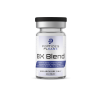
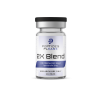
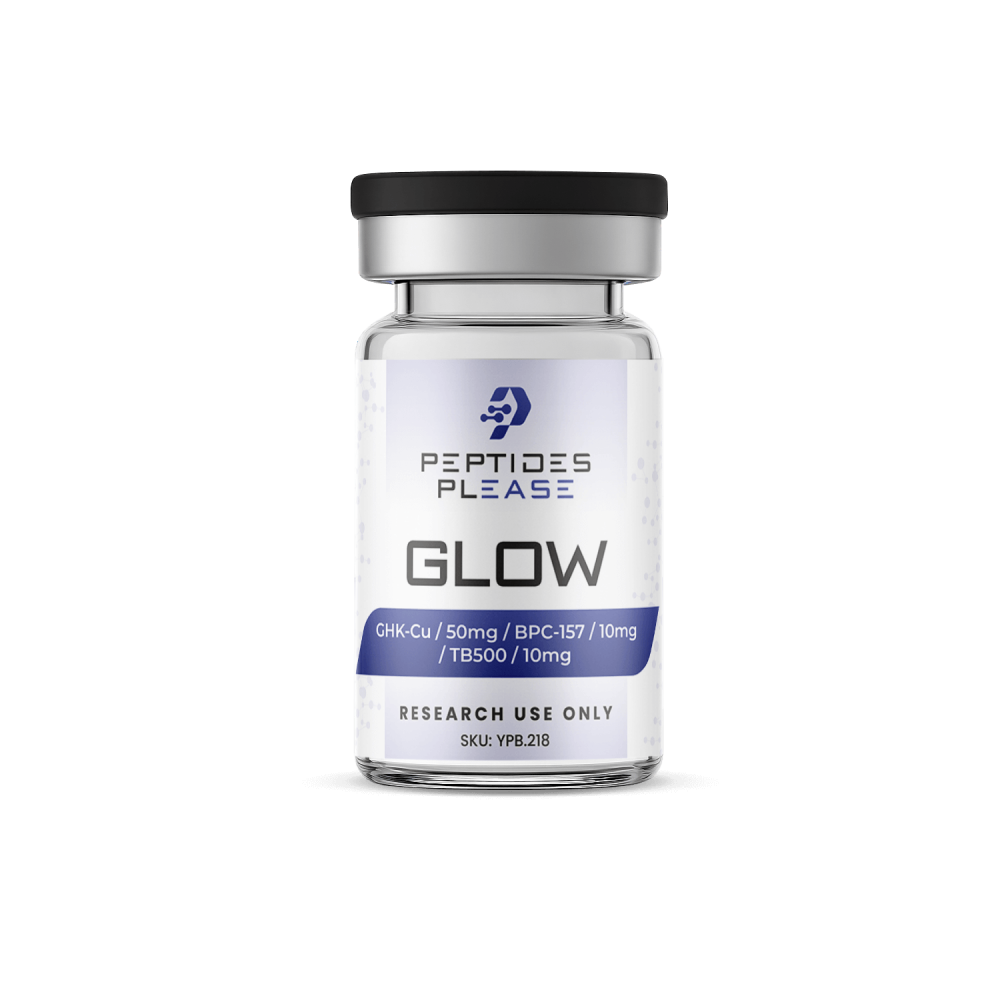 Peptide BlendsGLOW
- GHK-Cu(50mg)
- BPC-157(10mg)
- TB500(10mg)
-
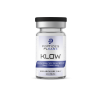
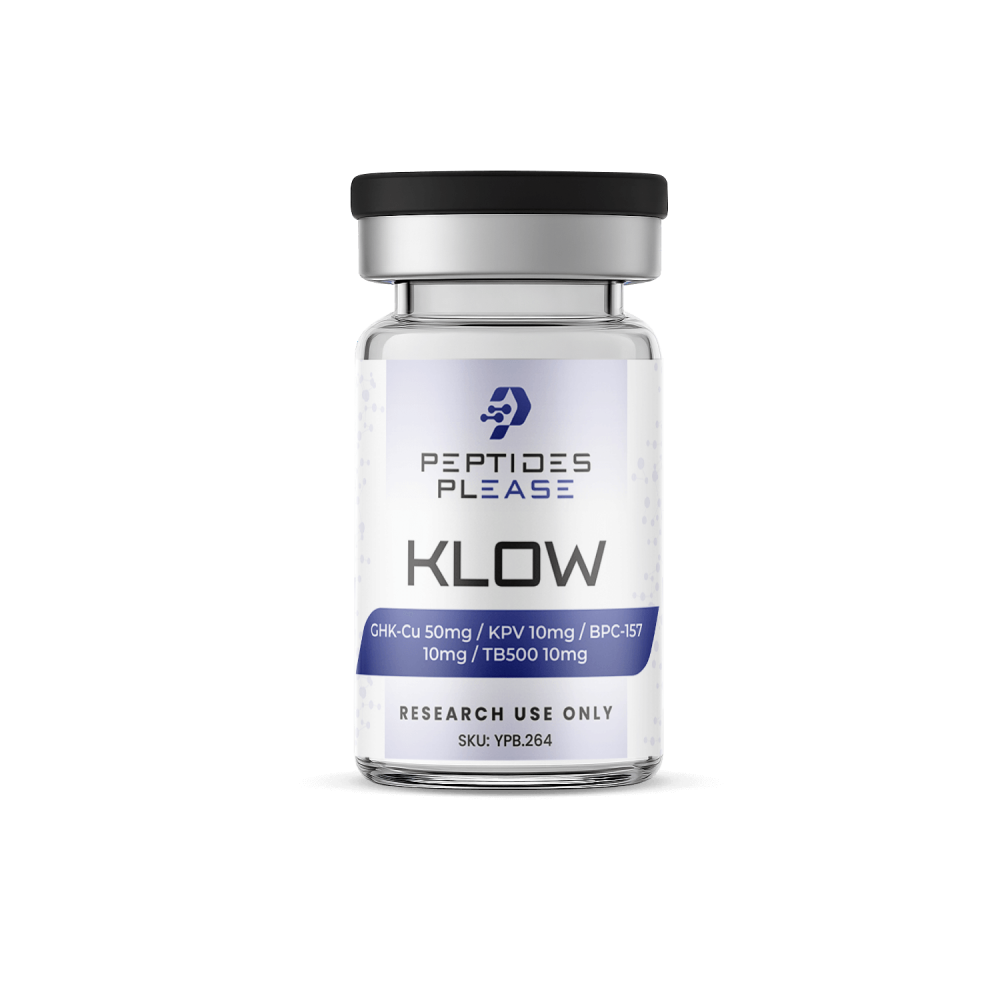 Peptide BlendsKLOW
- GHK-Cu(50mg)
- KPV(10mg)
- BPC-157(10mg)
- TB500(10mg)
-
-
Peptides for joint repair have gained significant attention in recent years for their ability to support joint health and tissue repair at the cellular level. These short chains of amino acids act as signaling molecules that help the body stimulate collagen synthesis and collagen production, both essential for maintaining strong cartilage and flexible joints. By promoting natural growth hormone activity, peptide therapy encourages regeneration of connective tissues and supports faster recovery from joint pain caused by injury, overuse, or aging.
Beyond structural repair, certain peptides play a vital role in enhancing immune support and improving muscle recovery, both key components in overall physical function. Their ability to reduce inflammation and accelerate healing makes peptide therapy a promising approach not only for athletes but also for anyone seeking long-term relief from joint pain or degenerative conditions. As science continues to advance, peptides are redefining how we approach joint health, bridging the gap between modern medicine and the body’s natural healing potential.
Best Peptides for Joint Repair
If you’re looking to improve joint health and support faster recovery from injuries, several peptides have been shown to help with tissue repair, inflammation control, and overall joint function.
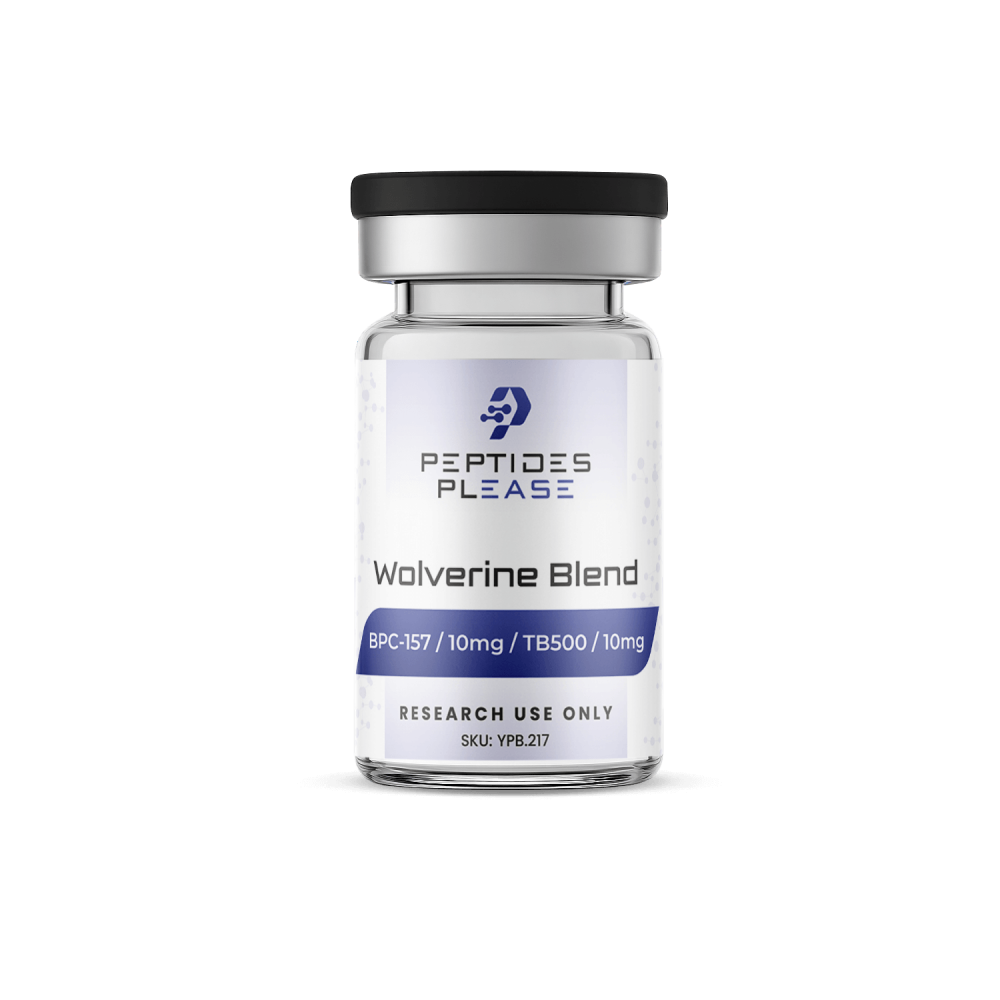
- BPC-157 (Body Protection Compound-157): A powerful peptide that helps speed up the healing of tendons, ligaments, muscles, and bones. It also decreases inflammation and promotes the formation of new blood vessels, which supports faster recovery.
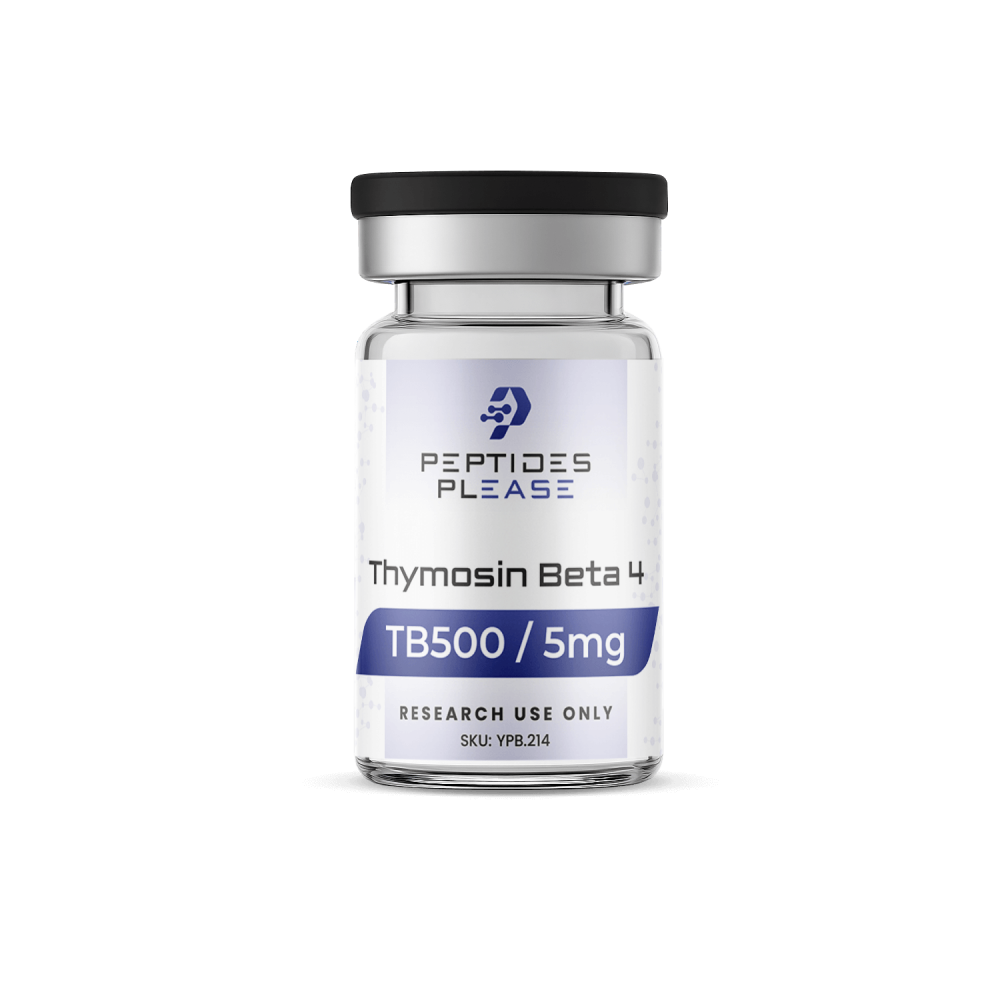
- TB-500 (Thymosin Beta-4): Supports tissue repair by enhancing cell movement, muscle regeneration, and blood vessel growth. It’s especially useful for recovery from injuries or repetitive strain.
- GHK-Cu (Copper Peptide): Encourages wound healing and nerve repair while boosting collagen and blood vessel production. This peptide helps maintain overall tissue health and elasticity.
- Collagen Peptides (Hydrolyzed Collagen): Backed by research, collagen peptides protect cartilage, improve its thickness, enhance bone density, and reduce inflammation—making them beneficial for joint conditions like osteoarthritis.
- IGF-1 (Insulin-like Growth Factor-1): Promotes muscle growth and activates repair cells, accelerating recovery from injuries.
- AOD-9604: Though mainly used for fat metabolism, AOD-9604 also supports cartilage repair and soft tissue recovery.
- Growth Hormone Releasers (CJC-1295 & Ipamorelin): These peptides stimulate the natural release of growth hormone, aiding tissue regeneration. However, some may experience mild joint discomfort when using them.
Find Reliable Peptide Products for Research at Peptides Please
Find reliable peptide products for research on our website, where innovation meets quality to support breakthroughs in regenerative medicine. Our peptides are trusted by researchers aiming to promote connective tissue healing, enhance tissue repair, and improve body composition through advanced formulations like GHK-Cu. Whether exploring solutions for gut health, chronic joint pain, or optimizing immune function, our research-grade peptides are designed to deliver consistent results. Support your studies on blood flow, connective tissue healing, and repair mechanisms with products that set new standards for research reliability.
Understanding the Challenges of Joint Repair
Repairing damaged joints—whether through natural healing, regenerative treatments, or surgical procedures like joint replacement—comes with many obstacles. These challenges arise from the complex structure of joint tissues, the heavy use of joints in daily activities, and differences between individual patients.
Biological Challenges
- Limited Healing Ability: The main issue in joint repair is that articular cartilage (the smooth tissue covering bone ends) has very little ability to heal itself.
- Lack of Blood Supply: Cartilage doesn’t have blood vessels, nerves, or lymphatic systems. This means it can’t easily receive the nutrients and cells needed for natural tissue repair.
- Weaker Repair Tissue: When the body attempts to heal cartilage damage—such as after procedures like microfracture—it often forms fibrocartilage instead of the original, resilient hyaline cartilage. Fibrocartilage is weaker and breaks down more easily over time.
- Degenerative Diseases: Conditions like osteoarthritis gradually worsen the damage, making it more difficult for medical treatments to effectively restore function.
Surgical and Postoperative Challenges
- Complications: Surgical procedures such as total joint replacements carry risks. These can include infection, blood clots, nerve injury, or issues with the implant (like loosening or breakage).
- Implant Lifespan and Revisions: Artificial joints don’t last forever. Over time, they may wear out and require replacement through complex revision surgeries.
- Biomechanical Issues: Proper implant alignment and muscle balance are crucial. Mistakes can lead to instability, ongoing pain, or early implant failure.
- Rehabilitation: Recovery after surgery can be lengthy and demanding. It requires commitment to physical therapy, pain management, and mental resilience, as adjusting to physical limitations can be emotionally challenging.
Patient and Systemic Factors
- Health Conditions: Pre-existing health issues—like obesity, diabetes, or rheumatoid arthritis—can slow healing and raise complication risks.
- Unrealistic Expectations: Some patients may underestimate recovery time or expect full restoration of mobility, leading to frustration despite successful surgery.
- Cost and Accessibility: Joint treatments can be expensive and may not always be accessible. Limited access to quality rehabilitation also affects recovery outcomes.
- Data and Practice Variability: Differences in surgical techniques and a lack of consistent, long-term patient data make it harder to improve joint repair approaches systematically.
How Peptides Help Joint Repair
Peptides play a vital role in helping the body heal and strengthen joints by improving collagen formation, reducing inflammation, and promoting faster tissue recovery.
- Stimulate Collagen and Cartilage Production: Peptides signal specialized cells called chondrocytes to produce more collagen and cartilage matrix. This process strengthens and cushions joints, tendons, and ligaments, making them more resilient to stress and injury.
- Reduce Inflammation: They help control the immune response by lowering the levels of inflammatory molecules (cytokines). This reduces swelling, stiffness, and pain—especially important for people with chronic conditions such as arthritis.
- Promote Tissue Regeneration: Certain peptides, like BPC-157, enhance the growth of new blood vessels and encourage cell repair. This helps restore damaged tissues more effectively and supports long-term joint recovery.
- Improve Circulation and Oxygen Flow: By boosting nitric oxide levels, peptides improve blood flow to injured areas. Better circulation means more oxygen and nutrients reach the tissues, helping them heal faster.
- Strengthen Bone Health: Some peptides assist with bone mineral absorption and stimulate new bone formation, supporting recovery from fractures and maintaining overall bone strength.
Understanding Joint Damage and Degeneration
Understanding joint damage and degeneration, particularly in conditions like osteoarthritis (OA), involves recognizing how the protective cartilage within joints gradually wears away. This cartilage functions as a cushion that allows bones to glide smoothly during movement. When it deteriorates due to aging, repetitive stress, or prior injuries, the bones begin to rub against each other, causing pain, stiffness, and inflammation. Over time, this friction leads to structural changes in the joint, including bone spurs and swelling, which further impair function and mobility.
Managing joint degeneration focuses on slowing disease progression and reducing discomfort. Treatment often includes a combination of physical therapy, targeted exercise, weight management, and medications that help control inflammation and pain. In more severe cases, joint injections or surgical options may be recommended to restore function. Early intervention and healthy lifestyle choices — such as maintaining an active routine, improving posture, and ensuring balanced nutrition — can greatly reduce the impact of joint damage and preserve mobility for longer.
Ongoing Research on the Use of Peptides for Joint Repair
Research on peptides for joint repair is rapidly growing within regenerative medicine. Current studies, both in labs and clinical trials, show encouraging results in reducing pain and inflammation, stimulating cartilage and bone growth, and improving tissue repair in conditions such as osteoarthritis and tendon or ligament injuries.
Collagen Peptides (CPs)
Recent studies continue to evaluate oral collagen peptide supplements. Results show that low-molecular-weight collagen peptides can reduce joint pain, improve movement in knee and hip osteoarthritis, and lower inflammation markers like C-reactive protein (CRP). These peptides seem to work by activating cartilage cells (chondrocytes) to produce new cartilage tissue.
Body Protection Compound-157 (BPC-157)
BPC-157 is one of the most studied peptides for musculoskeletal repair. Animal studies reveal that it promotes the healing of muscles, ligaments, tendons, and bones by supporting growth factors and controlling inflammation. Human evidence is still limited, but small studies have shown that over 90% of participants experienced pain relief after receiving BPC-157 injections for knee pain. However, larger-scale human trials are still needed, and the FDA has not approved BPC-157 for medical use.
Targeted Delivery Systems
Because cartilage lacks blood vessels, one main challenge in peptide therapy is ensuring the compounds reach their target effectively. Researchers are exploring innovative delivery methods such as:
- Peptide-functionalized hydrogels and scaffolds: Designed to support cell growth and tissue regeneration, showing positive results in animal studies.
- Peptide-siRNA conjugates: A new technology beginning trials in late 2025, aiming to deliver gene-silencing molecules directly to inflamed joint cells for long-term pain relief and disease control.
Other Emerging Peptides
- Thymosin Beta-4 (Tβ4): Helps improve flexibility, blood flow, and tissue healing in muscles, tendons, and ligaments. It is already approved for other uses, but not yet for joint repair.
- RANKL-binding peptides (OP3-4 and W9): Early research in animals suggests these peptides may prevent cartilage breakdown and encourage bone growth, offering potential for conditions like rheumatoid arthritis.
What are the Available Peptides for Enhanced Joint Repair?
Several peptides have shown potential in improving joint health and speeding up recovery. Among the most studied are BPC-157, Thymosin Beta-4 (TB-500), and collagen peptides. These compounds help by promoting tissue repair, reducing inflammation, and stimulating collagen production, which strengthens joints, tendons, and ligaments.
- BPC-157 (Body Protection Compound-157): Originally derived from a natural protein in the stomach, BPC-157 has been widely researched for its healing effects on muscles, tendons, ligaments, and bones. It promotes new blood vessel growth, boosts collagen production, and helps control inflammation. Animal studies show strong results for musculoskeletal repair, and early human trials suggest reduced knee pain symptoms.
- Thymosin Beta-4 (TB-500): A synthetic version of a naturally occurring peptide, TB-500, encourages cell movement and tissue regeneration throughout the body. It reduces inflammation, improves flexibility, and enhances blood flow to injured tissues, helping speed up recovery from muscle and tendon injuries.
- Collagen Peptides (Hydrolyzed Collagen): These small, easily absorbed collagen fragments can be taken as supplements. Once in the body, they help rebuild joint cartilage, reduce pain, and improve bone strength. Clinical studies support their effectiveness for joint health and mobility.
- AOD-9604: In animal studies, this peptide has been shown to promote cartilage repair when injected directly into joints, making it a promising option for managing osteoarthritis in the future.
- Pentosan Polysulfate Sodium (PPS): PPS has demonstrated positive effects in reducing knee osteoarthritis pain and improving cartilage health. It works by stimulating cartilage production while preventing joint tissue breakdown.
Collagen Peptides for Joint Repair
Collagen peptides are short chains of amino acids derived from collagen, the main structural protein in connective tissues such as cartilage, tendons, and ligaments. When consumed, these peptides are absorbed into the bloodstream and can stimulate cells called chondrocytes, which are responsible for maintaining cartilage health. By providing essential building blocks, collagen peptides may promote the synthesis of new collagen and extracellular matrix components, helping to strengthen joint structures and support tissue repair.
Research suggests that collagen peptides may reduce joint pain and stiffness, particularly in people with osteoarthritis or those who engage in high-impact activities. They may also decrease inflammation and enhance mobility by improving cartilage elasticity and hydration. Although not a cure, collagen peptide supplementation offers a promising complementary approach to traditional therapies by addressing the structural integrity of joints and potentially slowing cartilage degeneration over time.
Medical Consensus on Peptides for Joint Repair
The medical community generally agrees that oral collagen peptides can help reduce joint pain and improve mobility, especially for people with osteoarthritis or joint discomfort caused by physical activity. However, other peptides like BPC-157 are still considered experimental. While early studies show promise, there is not yet enough human clinical data, and many of these peptides have not been approved by the FDA for medical use.
- Pain Relief: Research shows that taking 5–20 grams of collagen peptides (hydrolyzed collagen) daily can significantly reduce pain, particularly in the knees. Benefits have been observed in both active individuals and patients with mild osteoarthritis.
- Improved Joint Function: Regular collagen supplementation has been linked to better movement, reduced stiffness, and improved performance in daily activities such as walking, climbing stairs, and bending.
- Safety and How It Works: Collagen peptides are considered safe for long-term use. They work by signaling cartilage cells (chondrocytes) to produce more type II collagen and proteoglycans—key components that help maintain and repair cartilage.
- Limitations: While collagen peptides can ease pain and improve function, studies show they do not significantly restore joint structure or increase joint space. This means they primarily help manage symptoms rather than reverse advanced joint damage.
Associated Risks and Side Effects
While peptides can offer benefits for joint repair and recovery, they also come with potential side effects—especially when used improperly or sourced from unregulated suppliers. Some reactions are mild and temporary, while others may pose more serious risks.
Common Side Effects (Especially with Injections)
- Injection Site Reactions: Pain, redness, swelling, or bruising around the injection area.
- Digestive Issues: Nausea, diarrhea, or upset stomach, which can also occur with oral supplements.
- Neurological Symptoms: Headaches, dizziness, fatigue, or tingling sensations.
- Heart-Related Effects: Irregular heartbeat or fluctuations in blood pressure.
- Fluid Retention: Temporary swelling or puffiness in the hands, feet, or face; often linked to growth hormone–related peptides.
Hormonal and Systemic Effects
- Hormonal Imbalance: Some peptides that influence growth hormones may affect menstrual cycles, libido, or mood.
- Blood Sugar Changes: Certain peptides can alter glucose levels and appetite, especially in sensitive individuals.
Serious and Lesser-Known Risks
- Allergic Reactions: Rare but serious responses like hives, swelling, or difficulty breathing can occur.
- Unregulated Products: Using peptides from unreliable sources increases the risk of contamination, incorrect dosing, or harmful ingredients.
- Unknown Long-Term Effects: Many peptides lack large-scale human studies, so their safety over time remains unclear.
- Overuse and Hidden Pain: Because peptides may reduce pain, users might continue intense physical activity too soon, leading to further joint or tissue damage.
Explore Trusted Peptide Products Designed for Research from PeptidesPlease
Peptides like BPC-157, TB-500, GHK-Cu, and OP3-4 show significant promise for joint repair in research settings, promoting cartilage regeneration, reducing inflammation, and enhancing collagen production to combat osteoarthritis and injury-related damage. These bioactive compounds work by stimulating tissue healing mechanisms, inhibiting osteoclast activity, and accelerating vascularization in animal models, potentially preserving subchondral bone and preventing degeneration. Trusted peptide products designed for research, such as those featuring BPC-157 for tendon and ligament repair or collagen peptides for joint mobility, are available from specialized suppliers—explore our website for high-purity options rigorously tested for scientific applications.
Frequently Asked Questions
What peptides are best for joint repair?
BPC-157 and TB-500 (Thymosin Beta-4) are widely regarded as the best peptides for joint repair due to their abilities to promote collagen synthesis, angiogenesis, reduce inflammation, and accelerate healing of tendons, ligaments, and cartilage.
What is the best peptide for healing joints?
BPC-157 stands out as the best single peptide for healing joints, excelling in accelerating tendon, ligament, and cartilage repair through enhanced collagen synthesis, angiogenesis, and reduced inflammation in preclinical studies.
How long does it take for collagen peptides to help your joints?
Collagen peptides typically take 8-12 weeks of consistent daily supplementation (around 10g) to show significant improvements in joint pain, stiffness, and mobility, according to multiple clinical studies.
Does BPC-157 repair joints?
Yes, BPC-157 repairs joints by accelerating tendon, ligament, and cartilage healing through enhanced collagen synthesis, angiogenesis, reduced inflammation, and improved functional outcomes, as demonstrated in preclinical animal studies and limited human trials for knee pain.
Summary
Peptides like BPC-157 and TB-500 have emerged as promising agents for joint repair, demonstrating remarkable abilities to accelerate tendon, ligament, and cartilage healing through mechanisms such as enhanced collagen synthesis, angiogenesis, and inflammation reduction in preclinical studies and early human trials.
While collagen peptides offer a more accessible, oral option that typically requires 8-12 weeks of daily supplementation to alleviate joint pain and improve mobility, BPC-157 stands out for faster targeted repair, particularly when administered via injection for conditions like knee osteoarthritis or sports injuries.
Overall, these peptides represent a transformative approach to joint health, though users should prioritize medical supervision due to limited large-scale clinical data and regulatory considerations, combining them with lifestyle factors for optimal regeneration.