Peptide Blends
Showing all 8 results
-
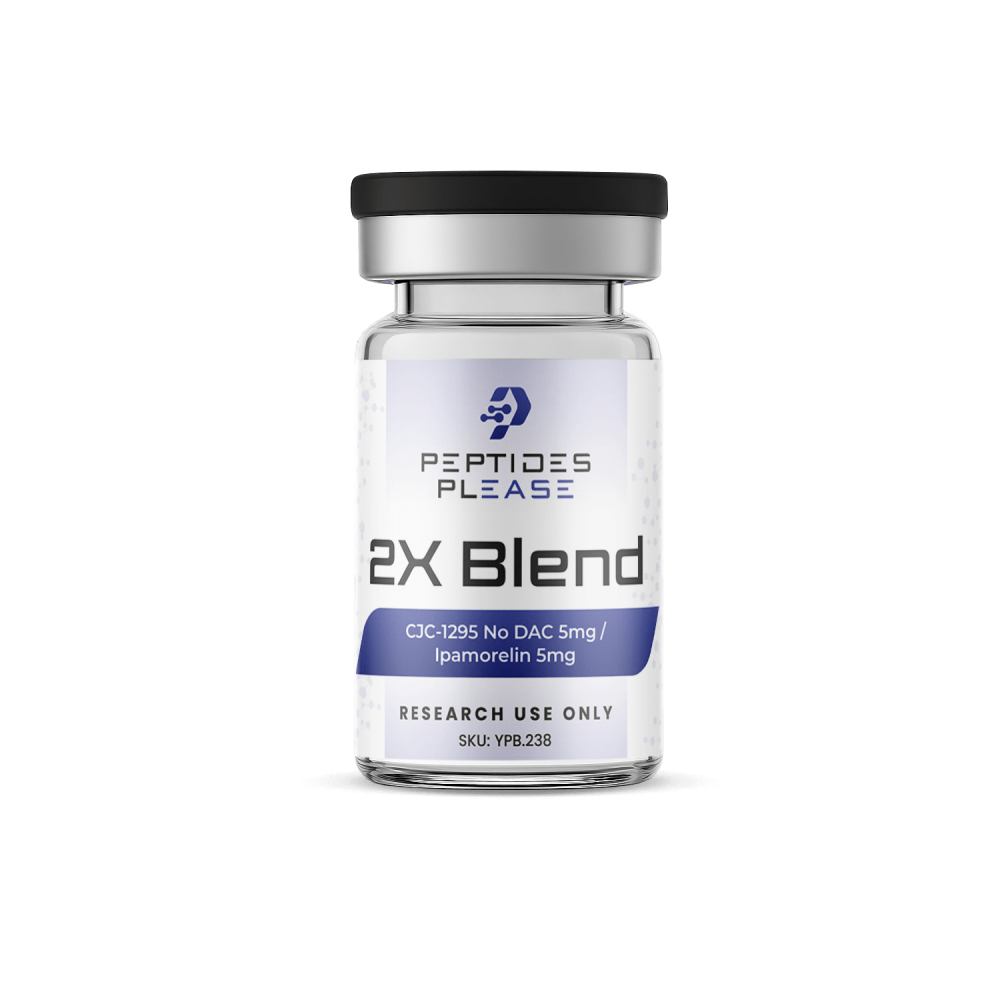 Peptide Blends2X Blend
- CJC-1295 Without DAC(5mg)
- Ipamorelin(5mg)
-
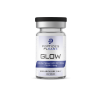
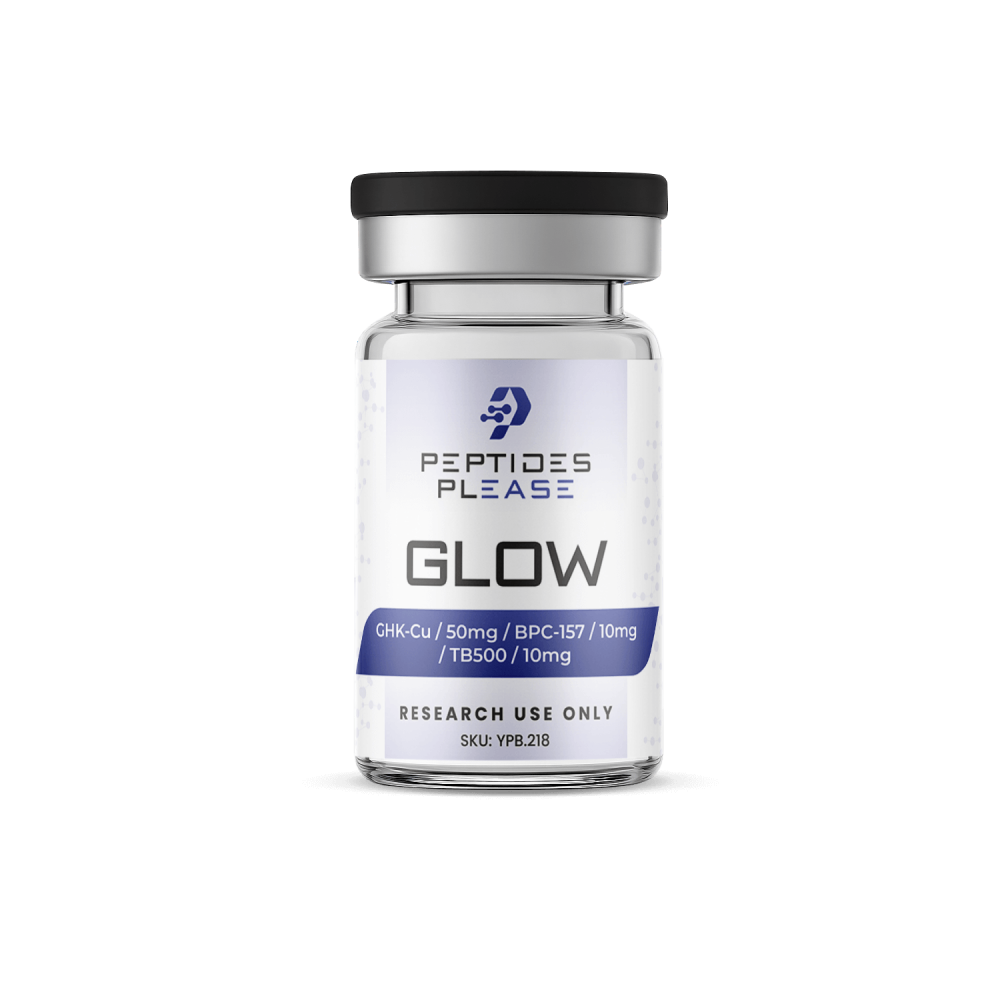 Peptide BlendsGLOW
- GHK-Cu(50mg)
- BPC-157(10mg)
- TB500(10mg)
-
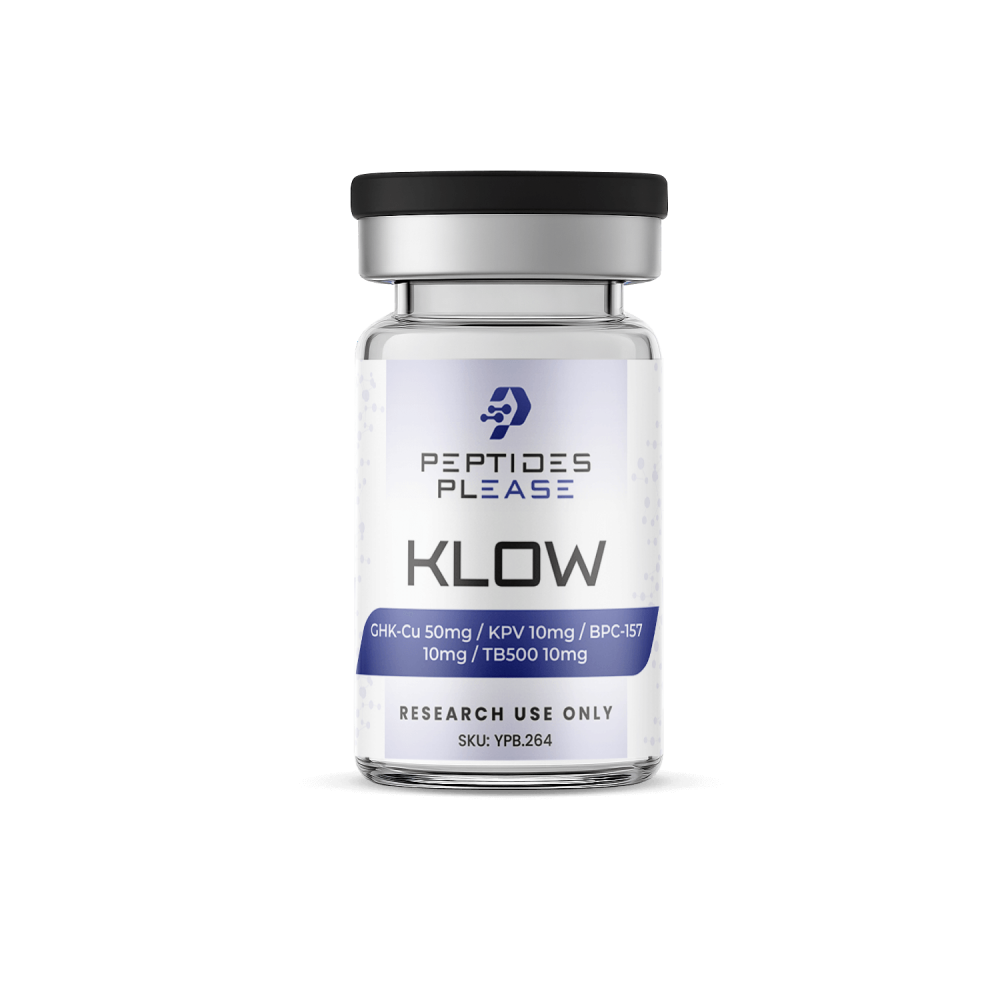 Peptide BlendsKLOW
- GHK-Cu(50mg)
- KPV(10mg)
- BPC-157(10mg)
- TB500(10mg)
-
-
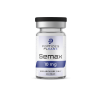
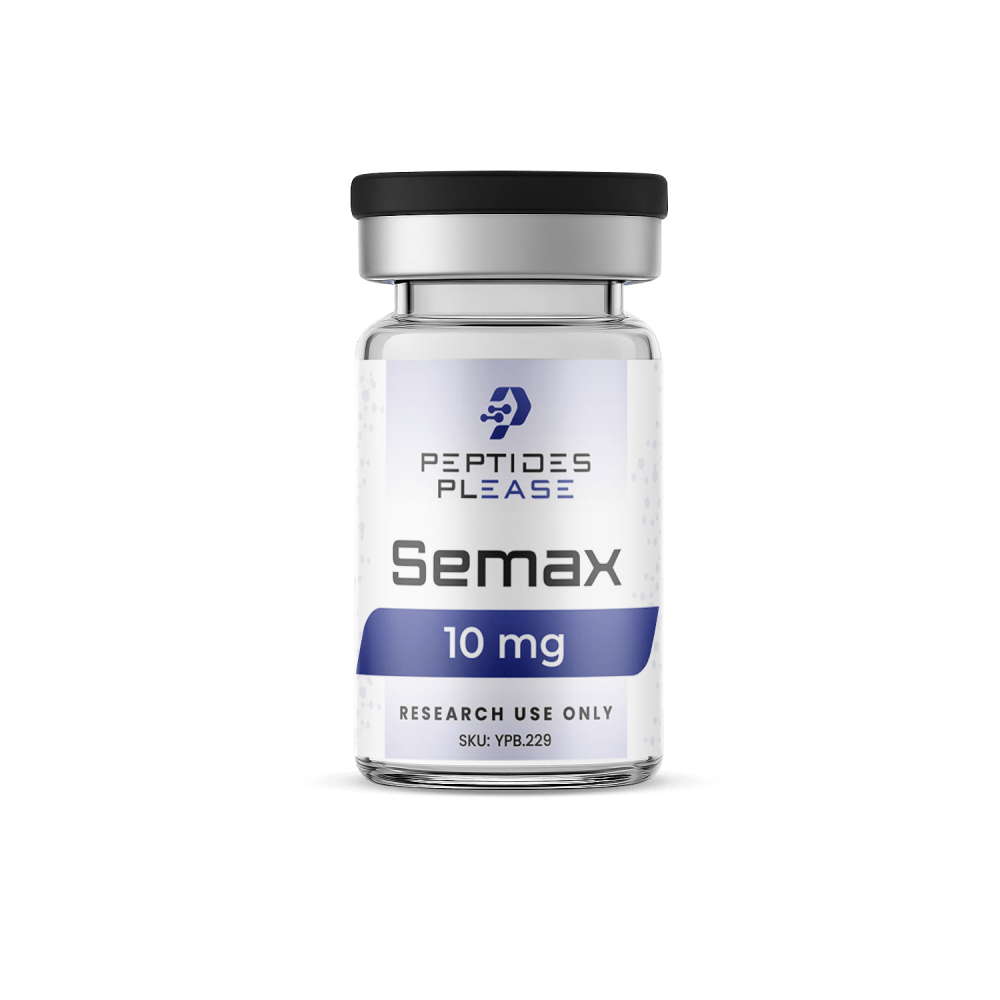 SemaxSemax (10mg)
 -
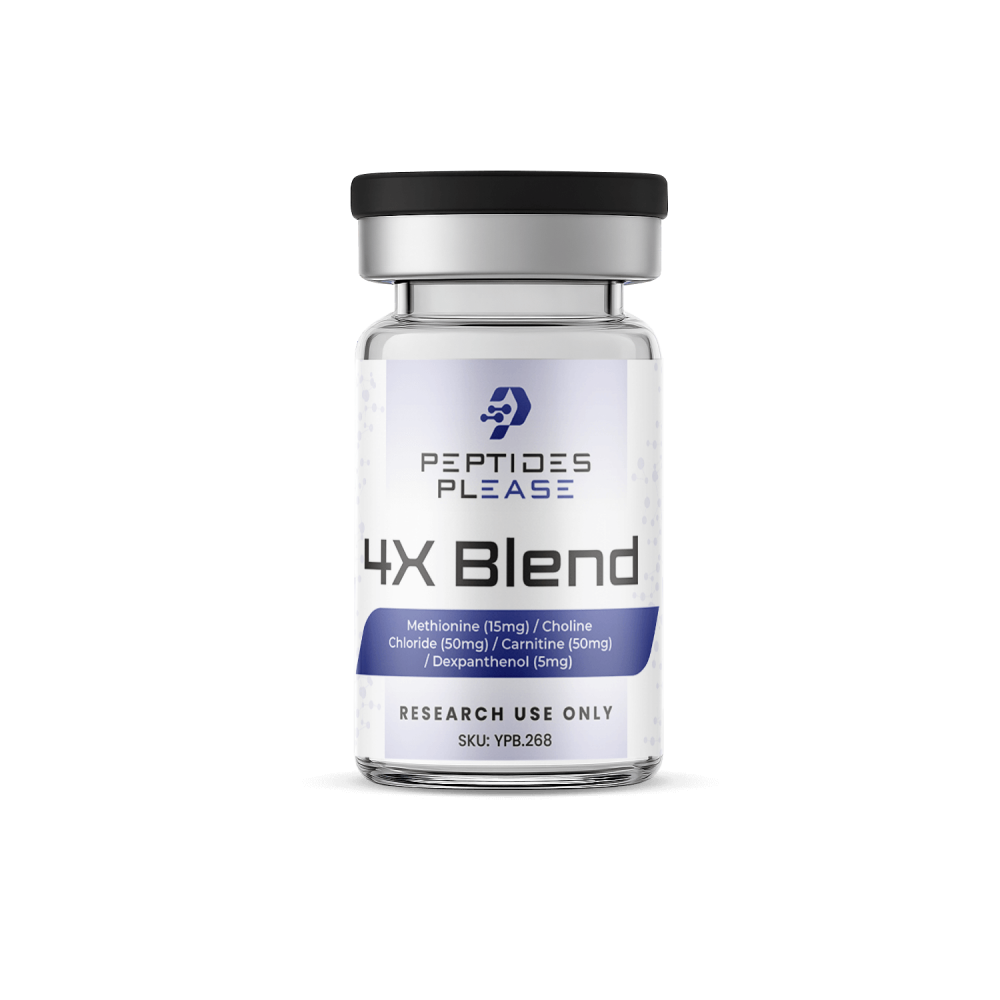
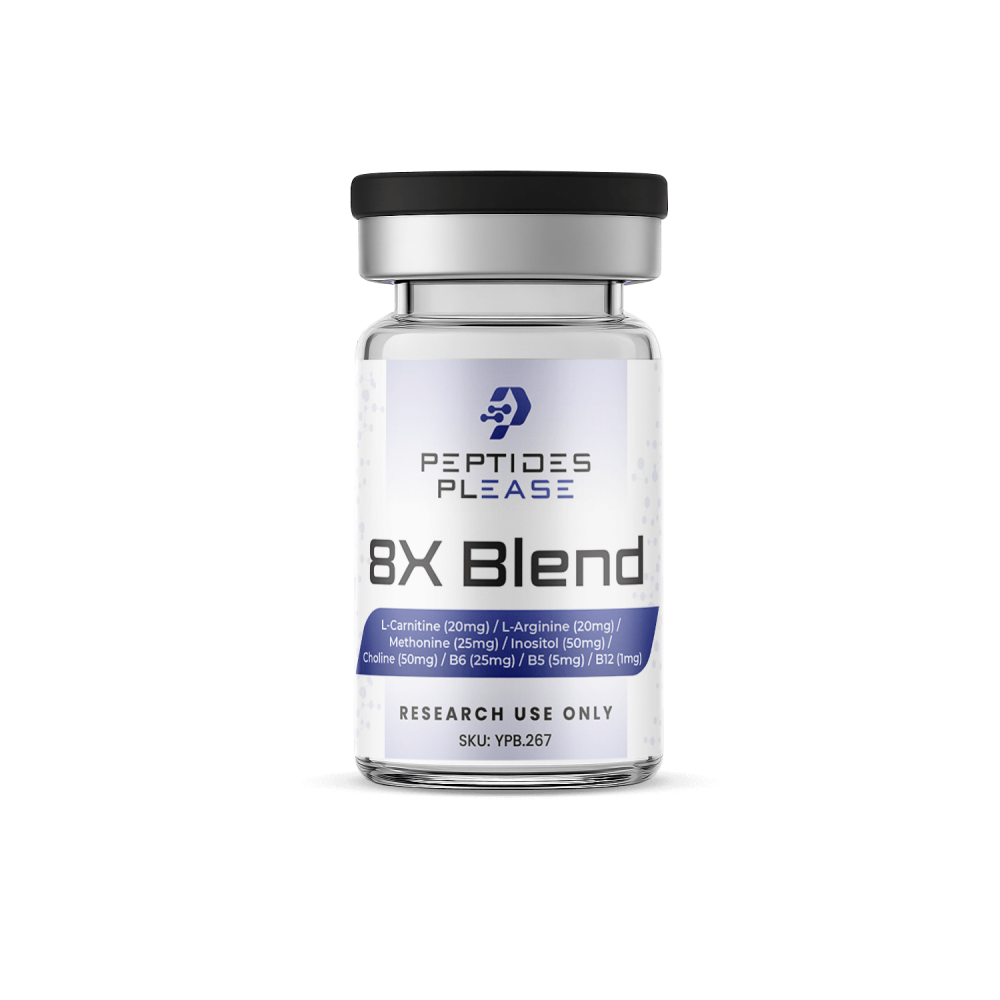
Peptide blends represent a powerful advancement in peptide therapy, combining multiple bioactive compounds to amplify effects like muscle growth and tissue repair. These synergistic formulations often include muscle growth peptides such as growth hormone-releasing hormone (GHRH) analogs, which stimulate the pituitary gland to release growth hormone naturally. By mimicking and enhancing the body’s own growth factors, peptide blends promote human growth hormone secretion, leading to accelerated muscle growth, faster recovery from workouts, and improved overall performance. Popular among bodybuilders and athletes, the best muscle growth peptides in these blends—think GHRH paired with growth hormone-releasing peptides—offer targeted benefits without the side effects of synthetic hormones.
In peptide therapy protocols, these peptide blends excel at optimizing tissue repair and hormonal balance, making them ideal for anti-aging and performance enhancement. Users report enhanced lean muscle mass, reduced fat, and quicker healing from injuries as growth factors trigger cellular regeneration and protein synthesis. Whether administered via injection or other methods, peptide blends harness the potential to release growth hormone efficiently, supporting long-term muscle growth goals. Always consult a healthcare professional to tailor the best muscle growth peptides to your needs, ensuring safety and efficacy in your regimen.
Research Peptide Blends for Sale at PeptidesPlease
PeptidesPlease offers a curated selection of high-purity research peptide blends tailored for scientific and laboratory exploration, featuring innovative combinations like the 2X Blend of CJC-1295 without DAC (5mg) and Ipamorelin (5mg), as well as the potent 4X Blend incorporating GHRP-2 (5mg) and Tesamorelin (5mg). These blends are meticulously synthesized using advanced solid-phase and solution-phase methods, ensuring over 99% purity, precise sequence accuracy, and rigorous quality controls for stability and consistency, making them ideal for researchers investigating anti-aging, muscle growth, and metabolic pathways. Available for purchase exclusively for research and development purposes, PeptidesPlease emphasizes compliance with laboratory standards while providing detailed research guides and peer-reviewed insights through their blog to support cutting-edge biomedical studies.
What Are the Best Peptide Blends?
Peptide blends, often called stacks or combinations, are popular in research for studying synergistic effects on growth hormone release, tissue repair, fat loss, and muscle growth. These are sold for laboratory use only, not human consumption, and the top ones emerge from current trends in 2026 research discussions.
Most Popular Peptide Blends for Research
- Growth Hormone Blends: CJC-1295 (no DAC) +Ipamorelin is the most cited blend for investigating natural GH pulses,IGF-1 changes, and metabolic outcomes without elevating cortisol. Researchers favor it for muscle growth, fat reduction, and recovery studies due to its selective action on the pituitary gland. Variations include adding Sermorelin for enhanced GH stimulation.
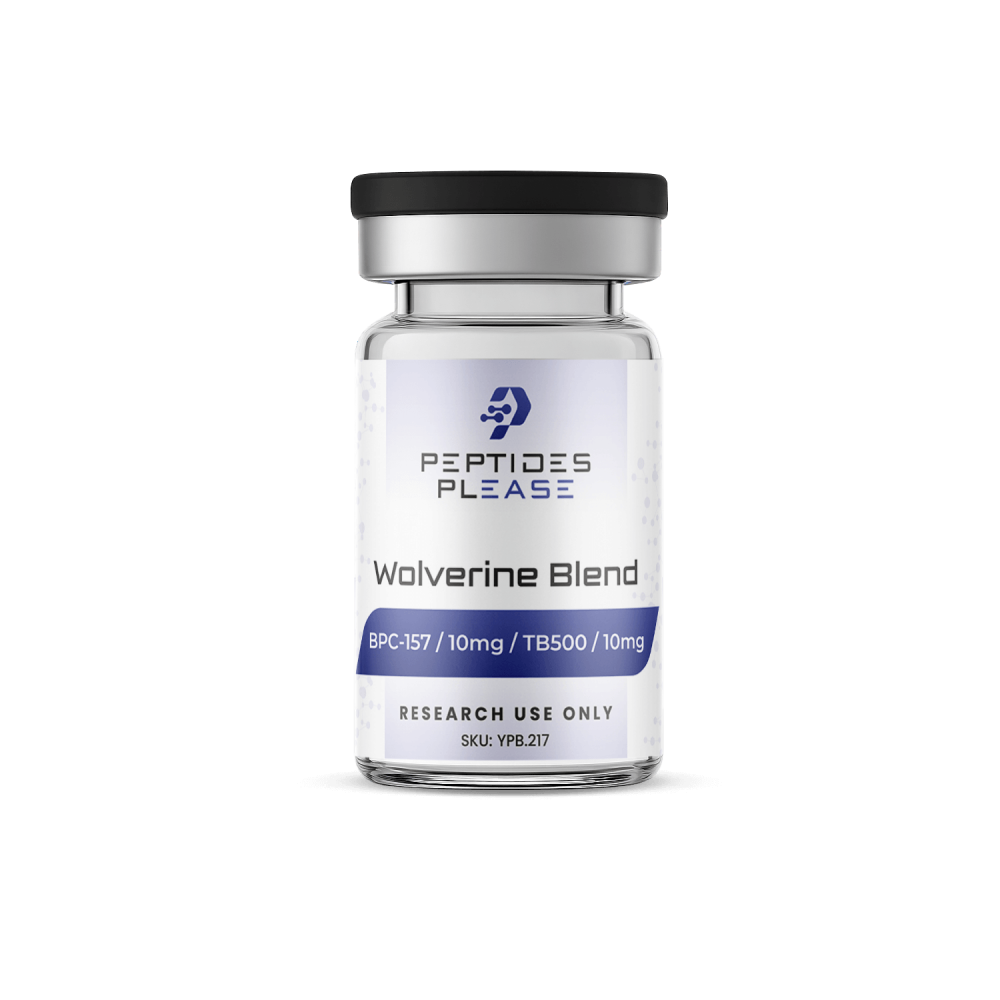
- Recovery Blends:BPC-157 + TB-500 (or TB4) leads research on tissue repair, angiogenesis, and inflammation reduction in tendon, gut, and muscle models. This stack is widely available as pre-mixed vials for lab exploration of healing pathways. BPC-157 + KPV adds an anti-inflammatory focus for chronic injury studies.
- Fat Loss Blends: Tesamorelin + Ipamorelin targets visceral fat reduction and GH optimization in metabolic research. GLP-1 stacks likeSemaglutide + AOD-9604 or Tirzepatide + Retatrutide are trending for appetite suppression and body composition experiments. These mimic incretin effects without impacting blood sugar significantly.
How to Dose Peptide Blends
Dosing peptide blends requires careful reconstitution and calculation to ensure accurate delivery of each component’s intended dose. Blends, like CJC-1295/Ipamorelin, combine multiple peptides in one vial, so dosing accounts for their total mix while targeting specific microgram amounts per injection.
Reconstitution Steps
Start with bacteriostatic water as the solvent for stability and multiple uses.
- Choose syringe volume (e.g., 0.5ml or 1ml insulin syringe) and peptide vial amount (e.g., 5mg total blend).
- Add water slowly (e.g., 2ml for a 5mg vial) to avoid foaming; let dissolve without shaking.
More water lowers the concentration; less makes it stronger for precise small doses.
Dosage Calculation
Calculate based on each peptide’s target dose, not the blend total.
- For a CJC/Ipamorelin blend (e.g., 5mg each in one vial), reconstitute with 2ml water: 10 units on syringe = 250mcg of each peptide.
- Use online calculators: Input vial mg, water ml, and desired mcg dose to get syringe units.
Common starting doses: 100-300mcg per peptide daily, split morning/evening, via subcutaneous injection.
Administration Tips
Inject subcutaneously (e.g., abdomen) post-reconstitution; store refrigerated.
- Draw dose per calculator (e.g., 10-20 units), pinch skin, insert 90 degrees slowly.
- Cycle 8-12 weeks; start low to assess tolerance. Consult protocols for specifics like Ipamorelin 200-300mcg/day.
Blends maintain ratios if mixed properly—verify with blend calculators for multi-peptide accuracy.
How to Reconstitute Peptide Blends
Reconstituting peptide blends requires precision to maintain potency. Start with lyophilized (freeze-dried) powder and add a solvent like bacteriostatic water slowly, without agitation, to create a clear solution.
Preparation
- Bring the vial to room temperature to avoid condensation or damage.
- Sanitize vial stoppers and surfaces with alcohol wipes.
- Use a sterile syringe to draw the precise volume of solvent (calculate based on peptide mg and desired concentration).
Reconstitution Process
- Inject solvent slowly down the vial’s inner side, letting it trickle onto the powder—avoid direct spraying to prevent degradation.
- Gently swirl the vial in circular motions until fully dissolved; never shake.
- Let it sit undisturbed for 15–30 minutes to ensure complete dissolution, resulting in a clear solution.
Solvent Selection
- Bacteriostatic (BAC) water works for most peptides.
- Use sterile water for sensitive ones like hCG.
- Opt for specialized solvents if specified (e.g., for BPC-157).
Storage and Usage
- Label the vial with date, concentration, and peptide name.
- Refrigerate at 2–8°C (36–46°F); discard after 28–30 days.
- For dosage, use tools like the Peptide Calculator. Example: For 5 mg peptide targeting 250 mcg doses, add 2 mL solvent (5 mg/2 mL=2.5 mg/mL5mg/2mL=2.5mg/mL, so 0.1 mL = 250 mcg).
Are Peptide Blends Good?
Peptide blends can be highly beneficial, particularly for enhancing collagen production, supporting connective tissues, and promoting overall health optimization through targeted mechanisms like growth hormone secretagogues and essential amino acids. These blends often incorporate therapeutic peptides and synthetic peptide formulations that stimulate blood vessel formation (angiogenesis), aiding tissue repair, muscle growth, anti-aging, and recovery in bodybuilding or skincare routines. While promising for weight loss, skin rejuvenation, and vitality, their efficacy varies by blend quality and individual response, underscoring the need for further research to validate long-term safety and optimal dosing.
Are Peptide Blends Effective?
Peptide blends show promise in research settings for enhancing effects beyond single peptides, particularly for recovery and lean mass gains in research subjects. Their effectiveness depends on synergistic mechanisms studied in lab models. Peptide blends, like CJC-1295 with Ipamorelin, are researched for pituitary gland stimulation to boost growth hormone release, aiding lean mass and recovery studies. BPC-157 blends target injury recovery by promoting tissue repair and reducing inflammation in experimental models. These combinations often outperform individual peptides in preclinical research on research subjects.
Most Effective Peptide Blends for Research
- CJC-1295 + Ipamorelin: Stimulates the pituitary gland for GH secretion, accelerating lean mass gains and recovery in muscle research.
- BPC-157 + TB-500: Enhances injury recovery via angiogenesis and actin regulation, ideal for tendon/muscle repair studies.
- Ipamorelin + CJC-1295 + Sermorelin: Maximizes GH pulses for body composition research, supporting fat loss and lean mass.
- GHK-Cu + BPC-157: Promotes skin/tissue regeneration and collagen synthesis in anti-aging/injury models.
Advantages of Peptide Blends in Cosmetic Research
Peptide blends are gaining traction in cosmetic research for delivering synergistic, multifunctional, and targeted anti-aging benefits that surpass single-peptide formulas. By merging types like signal peptides, carrier peptides, and neurotransmitter inhibitors, these blends tackle multiple skin issues at once—such as collagen loss, sagging, and wrinkles—offering a holistic edge over isolated ingredients.
Enhanced Synergistic Effects
Blends create a “1+1>2” outcome, amplifying efficacy beyond individual peptides.
- Multi-Pathway Targeting: They hit collagen synthesis (via signal peptides), muscle contraction (neurotransmitter inhibitors), and skin barrier repair simultaneously.
- Proven Examples: Matrixyl 3000 (palmitoyl tripeptide-1 + palmitoyl tetrapeptide-7) slashes wrinkle depth and roughness. Similarly,Argireline® + Leuphasyl® delivers longer-lasting wrinkle reduction than either alone.
Comprehensive Multi-Targeted Repair
Blends rejuvenate skin holistically, acting across layers and structures.
- Dermal Boost: They ramp up collagen (Types I, III, IV, VII), elastin, and fibronectin production.
- Structural Support: Formulas with acetyl tetrapeptide-9 and -11 bolster dermal matrix density and skin-epidermis anchoring.
- Efficient Delivery: Carrier peptides like copper tripeptide-1 ferry actives deeper, accelerating repair and curbing inflammation.
Superior Stability and Penetration
Blends overcome peptides’ hydrophilic nature for better skin barrier traversal.
- Lipophilicity Upgrade: Fatty acid conjugates (e.g., palmitic or myristic acid) enhance stratum corneum penetration.
- Smart Formulations: Nano-systems like liposomes or emulsions shield peptides from degradation, enabling controlled, sustained release to deeper layers.
Safety, Tolerance, and Customization
Peptides provide a gentle alternative to irritants like retinoids.
- Broad Compatibility: High safety profile suits all skin types, including sensitive ones.
- Precision Engineering: Tailor amino acid sequences, lengths, and structures for bespoke, efficient solutions targeting specific concerns.
Buy Peptide Blends for Research at Peptides Please
Peptide administration through carefully formulated blends available at Peptides Please offers researchers a powerful tool to explore how peptides pose transformative effects on the body, accelerating recovery as the body reacts swiftly to targeted interventions for musculoskeletal repair and joint pain relief. These blends promote the formation of new blood vessels to enhance tissue regeneration, while tackling stubborn fat breakdown and mimicking similar peptides found in natural recovery processes—ideal for in-depth studies on performance optimization and anti-aging mechanisms, all sourced reliably for research purposes at Peptides Please.
Frequently Asked Questions
Are there reliable online stores for peptide blends?
Reliable online stores for peptide blends include Peptide Please, which offers USA-made products with 99% purity and pre-blended options like BPC-157/TB-500. Always verify third-party testing, purity certificates, and customer reviews, as quality varies widely in this unregulated market.
What is the best combination of peptides?
A peptide blend combines multiple peptides into a single formulation to work synergistically, enhancing effects like recovery or muscle growth beyond individual use. Examples include BPC-157 with TB-500 for tissue repair or CJC-1295 with Ipamorelin for GH stimulation. This approach leverages complementary mechanisms for more potent results.
What is a peptide blend?
There is no universal “best” due to individual goals, but popular stacks for muscle growth and recovery include CJC-1295 + Ipamorelin for GH release and lean mass. For injury repair, BPC-157 + TB-500 excels in tendon and soft tissue healing. Advanced users may add IGF-1 LR3 for hypertrophy.
What is the best peptide combo?
Top combos depend on purpose: CJC-1295/Ipamorelin + BPC-157/TB-500 for overall performance and repair. For body recomposition, Tesamorelin + CJC-1295 + AOD-9604 targets fat loss and muscle. Consult a professional, as efficacy varies by dosing and user response.
What peptides can you mix together?
Safe mixes include GH secretagogues like CJC-1295 + Ipamorelin, or healing peptides like BPC-157 + TB-500. Pre-blended products from reputable sources ensure compatibility. Avoid mixing incompatible ones like copper peptides with vitamin C in skincare, or untested stacks without expert guidance due to stability risks.
Summary
In conclusion, peptide blends represent a transformative approach to health optimization by synergistically combining specific peptides tailored for targeted outcomes, such as enhancing sleep quality with certain peptides, accelerating the repair of damaged tissue, and supporting muscle growth or anti-aging through different peptides approved for human use. These versatile formulations amplify individual peptide benefits, offering personalized solutions for bodybuilding, weight loss, skincare, and recovery, while emphasizing the importance of sourcing high-quality, research-backed products to maximize safety and efficacy in everyday wellness routines.