B12 Peptide
Showing the single result
-
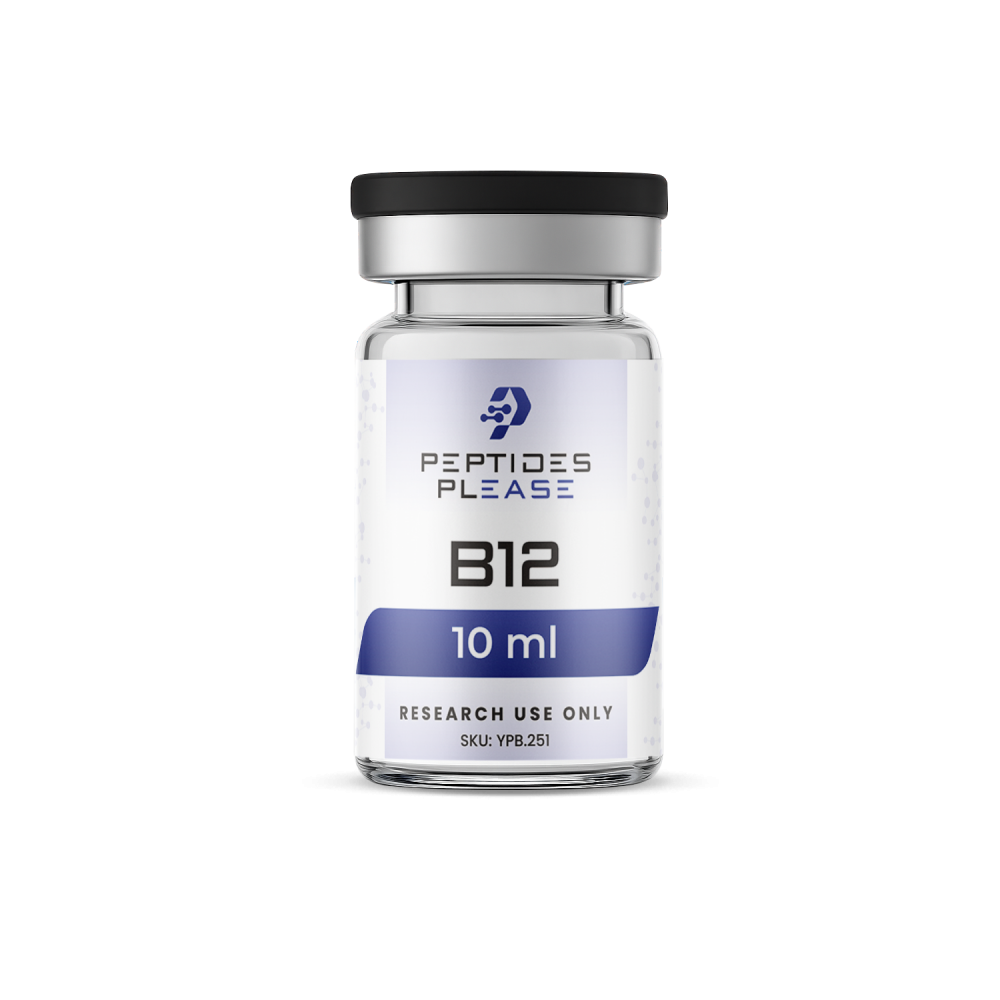 B12 PeptideB12 (10ml)
The B12 peptide represents an innovative conjugate where vitamin B12 serves as a carrier for peptide nucleic acids (PNAs), synthetic DNA mimics that bind tightly to bacterial DNA or RNA. This b12 peptide approach enhances delivery into bacterial cells, leveraging B12’s natural uptake mechanisms to transport antisense PNA, which targets essential genes for potential antibacterial therapy. By addressing limitations in cell penetration, it supports nerve function indirectly through B12’s role in maintaining healthy red blood cells and combating pernicious anemia, a condition marked by B12 deficiency.
Integrating b12 peptide technology into a healthy lifestyle could extend beyond infection control to support weight loss and overall vitality, as B12 aids energy metabolism and neurological health. Antisense PNA disrupts bacterial cells by inhibiting protein synthesis, offering a precise alternative to traditional antibiotics while promoting red blood cells production for oxygen transport. This synergy underscores b12 peptide’s promise in biomedical applications, aligning with wellness goals like nerve function optimization and defense against pernicious anemia.
Buy Peptide B12 For Research at Peptides Please
Buy Peptide B12 For Research at Peptides Please to explore its potential in efficiently delivering antisense PNA through outer membrane transport systems, addressing challenges like poor nutrition impacting the digestive system. This innovative peptide supports the activation of such oligonucleotides into their active form, enabling precise targeting of biologically relevant molecules via an azide moiety for advanced biomedical studies—ideal for researchers optimizing nutrient delivery and cellular uptake.
What Are Vitamin B12 Peptides?
Vitamin B12 peptides, or more specifically,vitamin B12-peptide nucleic acid (PNA) conjugates, are a synthetic form of covalently linked hybrids that use Vitamin B12 to deliver therapeutic agents, such as short modified oligonucleotides targeted at specific genes, into bacterial cells likeEscherichia coli. These engineered molecules leverage the bacteria’s natural uptake system for Vitamin B12 to bypass the bacterial cell envelope barriers, offering potential for new antibacterial treatments even at high doses administered via injection site. By exploiting this targeted delivery mechanism, they provide a promising alternative to traditional antibiotics that struggle with resistant strains.
Is B12 a Peptide?
No, Vitamin B12 (cobalamin) is not a peptide. It’s a complex, cobalt-containing coordination compound with a corrin ring structure, distinct from peptides, which are short chains of amino acids linked by peptide bonds.
Key Differences
- Vitamin B12: A water-soluble vitamin that functions as a coenzyme in metabolic processes like DNA synthesis and red blood cell formation.
- Peptides: Chains of 2–50 amino acids connected via peptide bonds, often used in anti-aging, muscle growth, and skincare for targeted biological effects.
- B12-Peptide Conjugates: Researchers link B12 to peptides (or peptide nucleic acids) to create derivatives that exploit the body’s natural B12 absorption pathways for improved drug delivery, cellular uptake, or synthetic biomimetic catalysts.
B12 Peptide Benefits
Vitamin B12 injections, frequently paired with amino acid peptides like those in MIC-B12 “skinny shots” orBPC-157, deliver highly concentrated, direct-to-bloodstream doses. They’re ideal for people with absorption issues, deficiencies, or ambitious wellness goals in anti-aging, bodybuilding, or weight loss. Unlike oral supplements, injections rapidly reverse deficiencies and amplify results.
- Increased Energy & Fatigue Reduction: B12 fuels cellular energy production, combating chronic fatigue, burnout, and lethargy with a noticeable boost in 24–72 hours.
- Boosted Metabolism & Weight Support: Combined with lipotropic agents (MIC: Methionine, Inositol, Choline), it enhances liver fat metabolism, accelerating weight loss and metabolic rate.
- Improved Cognitive Function: Supports mental clarity, focus, and memory while clearing brain fog.
- Mood Regulation & Mental Health: Essential for serotonin and dopamine synthesis, easing depression, anxiety, and irritability.
- Enhanced Immune System: Promotes red and white blood cell production for stronger immunity and resilience.
- Improved Sleep Quality: Regulates the sleep-wake cycle and melatonin, leading to deeper, more restorative rest.
- Nerve and Cardiovascular Health: Protects myelin sheaths, lowers homocysteine (a heart disease risk factor), and aids DNA synthesis.
- Skin and Hair Health: Boosts cell turnover to minimize hair breakage and enhance skin vitality.
B12 Peptide Mechanism of Action
Vitamin B12 (cobalamin) plays a vital role in DNA synthesis, energy production, and nervous system health through enzymatic cofactors, and as a B12-peptide conjugate, it serves as an innovative drug delivery vehicle by leveraging the body’s receptor-mediated B12 absorption pathways to enhance the oral bioavailability of therapeutic peptides, with applications extending to Salmonella typhimurium cells. In diagnostic applications, these designed conjugates and PNA-tagged substrates enable targeted probing of biological activity in pathogens like S. typhimurium, exploiting cobalamin biosynthetic genes under anaerobic conditions for precise imaging, detection, and rapid pathogen identification while retaining core cofactor functions in cob mutants and building blocks that support metabolic roles even with exogenous B12 supply.
Physiological Mechanism of Vitamin B12
B12 supports two primary enzymatic reactions:
- Methionine Synthase (Cytoplasm): Methylcobalamin converts homocysteine to methionine, enabling DNA synthesis, repair, and methylation processes.
- Methylmalonyl-CoA Mutase (Mitochondria):Adenosylcobalamin transformsL-methylmalonyl-CoA to succinyl-CoA, fueling the Krebs cycle for energy production.
Additionally, B12 provides neuroprotection by scavenging superoxide radicals to reduce oxidative stress and inhibit tau protein aggregation.
Mechanism as a Peptide Delivery Vehicle
B12-peptide conjugates exploit B12’s natural, high-affinity uptake pathway to protect peptides from gastric degradation and boost intestinal absorption.
- Protection: After oral ingestion, B12 binds salivary haptocorrin, then intestinal intrinsic factor (IF), shielding the conjugated peptide from enzymatic breakdown.
- Absorption: The B12-peptide-IF complex engages cubilin receptors in the terminal ileum, triggering endocytosis into enterocytes.
- Systemic Release: In circulation, the conjugate dissociates, releasing the peptide for therapeutic action with prolonged plasma residency.
Conjugation Sites and Practical Applications
Conjugation occurs at non-disruptive sites on B12—typically the β-propionamide on the corrin ring or the 5′-hydroxy group of the ribose moiety—to maintain IF recognition.
- Cleavable Linkers: Disulfide bonds or pH-sensitive linkers enable peptide detachment at target sites.
- Proven Examples: Effective delivery demonstrated for peptide-YY (PYY3-36), insulin, GLP-1 agonists, and G-CSF.
Research B12 Peptide for Sale at PeptidesPlease
Exploring Research B12 Peptide for sale at PeptidesPlease reveals a highly functionalized molecule that enables conjugation with such short modified oligonucleotides, leveraging advanced organic chemistry to craft potent antibacterial agents. Synthetic strategies for this B12 peptide emphasize modular assembly techniques, including solid-phase peptide synthesis coupled with click chemistry for precise attachment of vitamin B12 moieties, which exploit a specific transport pathway—the bacterial BtuB receptor-mediated uptake system—to deliver payloads directly into target cells. This approach not only enhances selectivity and efficacy against resistant strains but also positions the peptide as a versatile tool for biomedical research, available in high-purity forms at PeptidesPlease for investigators focused on anti-aging, antimicrobial innovation, and targeted therapies.
Frequently Asked Questions
Does vitamin B12 interact with amlodipine?
No significant interactions have been identified between vitamin B12 and amlodipine, a calcium channel blocker used for high blood pressure and angina. While real-world reports from large user databases note common side effects like dyspnea or diarrhea in some people taking both, these are not established as direct drug interactions.
What is the B12 peptide called?
Vitamin B12 itself is not a peptide; it is a cobalt-containing corrinoid compound known as cobalamin, with common forms including cyanocobalamin, methylcobalamin, and adenosylcobalamin. Research mentions experimental B12-peptide nucleic acid (PNA) conjugates for targeted delivery, but there is no standard “B12 peptide.”
What category of vitamin is B12?
Vitamin B12 is a water-soluble vitamin in the B-complex group, specifically one of eight essential B vitamins that act as cofactors in metabolism, DNA synthesis, and red blood cell formation.
Summary
In the realm of medicinal chemistry and biological sciences, Vitamin B12 peptides represent a promising frontier in drug development, leveraging the essential nutrient’s natural affinity for transcobalamin receptors to deliver hybrid molecules with precision. These approaches require prior modification of the B12 moiety reactive with native functional groups, often at multiple positions on the corrin ring, enabling conjugation to therapeutic peptides via reduction-sensitive disulfide bridges. This chemical point of attachment ensures stability during circulation while allowing targeted release in cellular environments, distinguishing B12 conjugates from traditional monthly injections of animal product-derived B12 supplements.
Looking ahead, B12 peptide hybrids hold transformative potential for sustained-release therapies, where a single first injection could maintain efficacy for several weeks, reducing the need for frequent dosing common in vitamin B supplementation. By integrating peptide stability with B12’s biocompatibility, these innovations bridge gaps in pharmacokinetics, offering scalable solutions for conditions like B12 deficiency or peptide-based treatments in anti-aging and metabolic health. Continued refinement of prior modification strategies will accelerate their translation from bench to clinic, heralding a new era of nutrient-peptide synergy.