Peptides for Sleep
Showing all 4 results
-
-
-
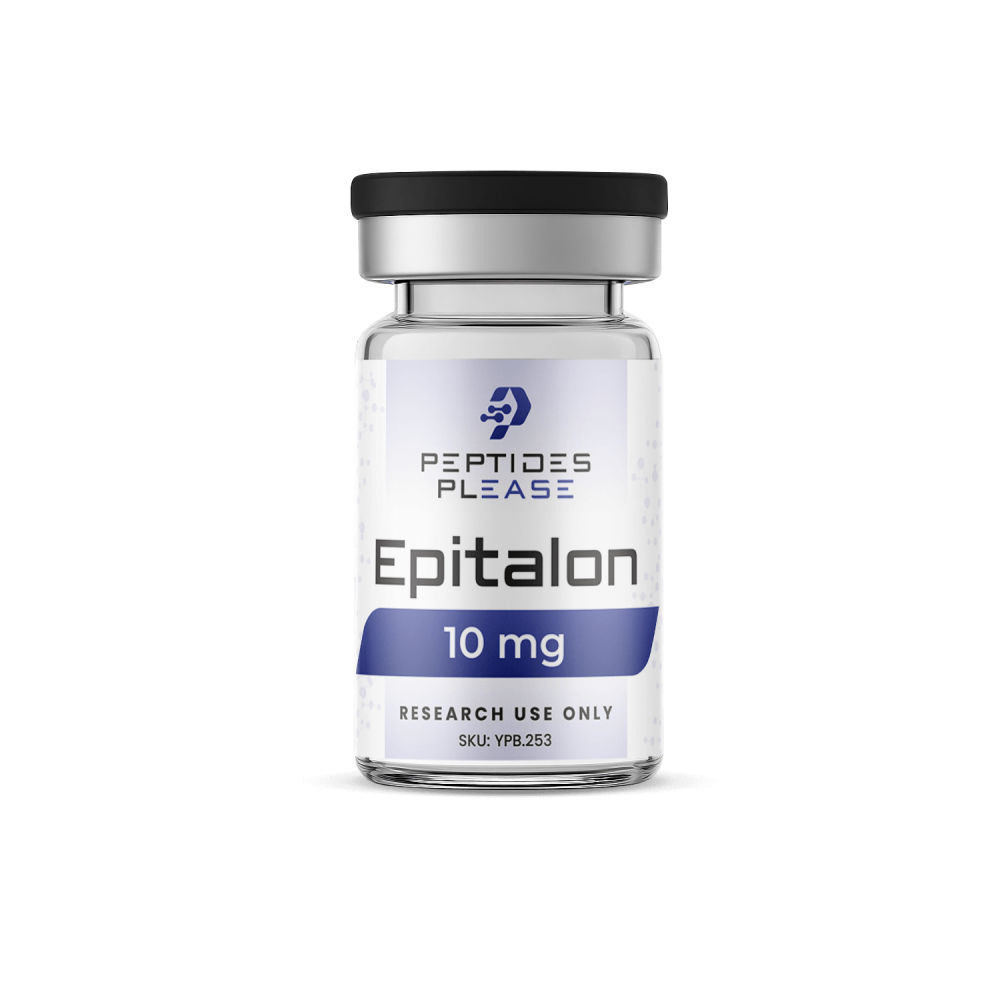
 BioregulatorsN-Acetyl Epitalon Amidate (5 mg)
 -
 BioregulatorsPinealon (20mg)
Peptides for sleep are short chains of amino acids that help improve sleep quality by supporting the body’s natural processes rather than acting like traditional sleep medications. They work by calming the nervous system, regulating the circadian rhythm, and influencing key hormones like melatonin and growth hormone. Some peptides, such as DSIP, Sermorelin, and Epitalon, have shown potential to enhance deep sleep, promote recovery, and reduce stress.
What Peptides Are Good For Sleep
Peptides can help improve sleep by balancing the body’s natural rhythms, calming the nervous system, and supporting hormone function. They help boost GABA (a calming neurotransmitter), lower cortisol (the stress hormone), and influence melatonin to promote restful sleep.
How They Work
- Regulate circadian rhythm (body clock).
- Calm the nervous system to reduce stress.
- Enhance deep sleep stages.
- Support hormone balance for better recovery.
Key Peptides for Sleep
- DSIP (Delta Sleep-Inducing Peptide): Encourages deep, restorative sleep and helps the body adapt to stress, though research results vary.
- Sermorelin & Ipamorelin: Boost natural growth hormone release during deep sleep, aiding recovery and muscle repair.
- Epitalon: Supports a stable circadian rhythm for consistent sleep patterns.
- Selank & Semax: Lower anxiety and stress that can delay sleep.
Explore Trusted Peptide Products Designed for Research from Peptides Please
Peptides for sleep are being closely studied for their potential to support deeper relaxation and healthier sleep cycles by interacting with key neurotransmitters that regulate rest. Compounds like DSIP and other naturally inspired peptides are of particular interest for their calming effects and possible influence on sleep quality. While findings are still emerging, researchers continue to explore how these small amino-acid chains may help promote more restorative sleep patterns. Explore trusted peptide products designed for research on our website to learn more about the latest scientific developments in this field.
Peptides For Sleep Research
Peptides like DSIP, milk-derived peptides, and NPY are studied for their potential to naturally improve sleep by promoting relaxation and affecting neurotransmitters like GABA and serotonin. Found in foods like milk and fish or synthesized for research, early studies suggest they may enhance sleep quality, duration, and onset, though more human research is needed.
- DSIP (Delta Sleep-Inducing Peptide): May promote deep sleep, though its exact function remains under study.
- Milk Peptides (Casein Tryptic Hydrolysate): Found in milk, these peptides calm the nervous system by activating GABA receptors, reducing stress, and improving sleep.
- Neuropeptide Y (NPY): Helps relax the body by easing the stress response and improving sleep initiation.
- Growth Hormone-Releasing Peptides (e.g., CJC-1295 + Ipamorelin): Support deep rest and tissue repair by boosting natural growth hormone levels.
- GABA-related Peptides: Interact with GABA receptors to promote relaxation and sleep with fewer side effects than traditional sedatives.
High-Purity Peptides For Sleep Research
High-purity peptides are gaining attention in sleep research for their potential to naturally support relaxation and improve sleep quality. These peptides work by influencing key neurotransmitters and hormones like GABA, serotonin, and melatonin, which regulate sleep cycles, reduce stress, and promote deeper, more restorative rest. Because they target the body’s natural processes, they are studied as gentler alternatives to traditional sleep aids.
Researchers focus on peptides such as DSIP, milk-derived peptides, and Neuropeptide Y for their roles in calming the nervous system and balancing circadian rhythms. Using high-purity peptides ensures consistency and accuracy in experiments, making research results more reliable. While studies show promising results, most applications remain in the research phase, emphasizing the need for continued investigation and medical guidance.
Best Peptides For Sleep Quality
For better sleep, several peptides are being studied for their natural benefits. Delta Sleep-Inducing Peptide (DSIP) is known for its potential to promote deep rest and improve sleep quality. Milk-derived peptides, such as Casein Tryptic Hydrolysate (CTH), help reduce anxiety and promote relaxation by activating GABA receptors in the brain.
Collagen peptides may also support better rest by minimizing sleep interruptions, while GHK peptides show protective effects on brain health. Recent research even suggests that certain dietary proteins can trigger gut peptides like CCHa1, which help maintain consistent and restorative sleep. Among these, DSIP remains one of the most studied options for targeted sleep improvement.
Best Peptides For Sleep And Recovery
Optimizing sleep and recovery can significantly improve your overall health, energy, and performance. The following peptides are known to support deeper rest, faster healing, and better body repair.
For Sleep Enhancement
- DSIP (Delta Sleep-Inducing Peptide): Supports deeper, more restful sleep by promoting relaxation and balancing circadian rhythms.
- Glycine/Collagen Peptides: High in calming amino acids like glycine, these help lower body temperature, shorten the time it takes to fall asleep, and improve overall sleep quality.
For Recovery and Repair
- CJC-1295 + Ipamorelin (or Sermorelin): Encourage the natural release of growth hormone, which is essential for muscle repair, tissue regeneration, and restorative sleep.
- BPC-157: A powerful healing peptide that speeds up recovery of muscles, tendons, and the gut, while also reducing inflammation after injury or stress.
Peptides For Deep Sleep
Peptides play an important role in supporting deeper and more restorative sleep. Peptides like DSIP, CJC-1295 with Ipamorelin, and Epitalon help regulate sleep patterns by influencing brain activity, balancing melatonin levels, and reducing hormones that cause alertness, such as orexin. These effects make them helpful for improving sleep cycles without relying on sedatives.
In addition to these, collagen peptides—which are rich in the amino acid glycine—can enhance sleep quality by calming the nervous system and helping the body relax before bedtime. Together, these peptides not only promote restful sleep but also boost recovery, energy, and overall well-being.
Peptides For REM Sleep
Certain peptides naturally influence how the brain regulates sleep stages, especially REM (Rapid Eye Movement) sleep — the phase linked to dreaming and emotional processing. Key peptides such as Vasoactive Intestinal Peptide (VIP) and Delta Sleep-Inducing Peptide (DSIP) are known to enhance or modulate REM activity. Other neuropeptides like Galanin and Melanin-Concentrating Hormone (MCH) also contribute by promoting sleep while balancing wakefulness signals from compounds such as Orexin.
Key Peptides for REM Sleep
- Vasoactive Intestinal Peptide (VIP): A 28–amino acid peptide that boosts REM sleep duration and intensity, making it a strong REM-enhancing factor.
- Delta Sleep-Inducing Peptide (DSIP): Supports overall sleep regulation and can cross the blood-brain barrier, helping improve both REM and deep sleep quality.
- Galanin & Melanin-Concentrating Hormone (MCH): These neuropeptides play supportive roles in calming the nervous system and maintaining healthy REM patterns.
These peptides function as neurotransmitters that help coordinate the body’s internal sleep-wake rhythm, ensuring more balanced and restorative rest.
Peptides For Sleep Apnea
Certain peptides, particularly GLP-1 receptor agonists like semaglutide, liraglutide, and tirzepatide, show strong potential in improving obstructive sleep apnea (OSA). These peptides primarily help by reducing weight, improving metabolism, and lowering inflammation — all of which contribute to better sleep quality and fewer apnea episodes. Studies suggest that their main benefits may come from weight loss and improved cardiovascular health, though direct effects on sleep regulation are still being explored.
Other peptides, such as DSIP (Delta Sleep-Inducing Peptide) and GHK, are being studied for their roles in supporting sleep cycles and protecting brain function. However, among the available options, GLP-1 receptor agonists remain the most clinically effective peptides for managing sleep apnea, especially in individuals with obesity, diabetes, or metabolic disorders.
Peptides For Sleep And Anxiety
Peptides are showing great potential in supporting sleep and easing anxiety by working naturally with the body’s own systems. Rather than forcing sedation, they help regulate brain processes related to rest, relaxation, and mood. Three key peptides stand out for their roles in promoting balance and mental well-being: DSIP, NPY, and NPS.
Delta Sleep-Inducing Peptide (DSIP)
DSIP is known for regulating the body’s sleep–wake cycle. It helps promote deep, restorative delta (slow-wave) sleep and may ease insomnia. Because it works in harmony with natural sleep processes, DSIP can reduce anxiety and stress without the side effects often seen in traditional sedatives.
Neuropeptide Y (NPY)
NPY plays a major role in managing stress and mood. It supports healthy sleep patterns and helps the body adapt to stressful situations. Activity at its Y1 receptors has been linked to lower anxiety levels, making NPY an important contributor to emotional stability.
Neuropeptide S (NPS)
NPS has a unique dual effect—it can reduce anxiety while enhancing alertness and motivation. This balance makes it a potential option for treating conditions such as depression or narcolepsy, though its complex actions on the brain are still being studied.
Collagen Peptides For Sleep
Collagen peptides may help improve sleep quality thanks to glycine, an amino acid that relaxes the nervous system and promotes a sense of calm. This can lead to fewer nighttime awakenings and better focus the next day, especially for active individuals who struggle with restless sleep. While collagen peptides don’t necessarily increase total sleep time, taking around 15 grams before bed can provide enough glycine to support deeper, more restorative rest and enhance mental clarity.
Milk Peptides For Sleep
Milk peptides—especially casein tryptic hydrolysate (CTH), known by the brand name Lactium®—show promise in improving sleep and reducing stress naturally. They work with the body’s calming systems, helping you relax, lower stress levels, and fall asleep more easily, without the side effects of traditional sleep medications.
- GABA Activation – CTH contains active compounds like α-casozepine that interact with GABA receptors in the brain. These receptors help quiet nerve activity, promoting relaxation and easing anxiety—similar to how calming supplements or medications work, but in a gentler, natural way.
- Stress Regulation – By supporting a balanced cortisol response, milk peptides help the body handle stress more effectively. This reduction in stress contributes to better sleep quality and an overall sense of calm.
- Gut–Brain Connection – Milk peptides may also benefit the gut-brain axis, influencing both digestive health and mood regulation. This interplay helps support restful sleep through improved communication between the gut and the nervous system.
Pineal Peptides For Sleep
Pineal peptides such as Pinealon and Epitalon are small chains of amino acids derived from the pineal gland. They help regulate your body’s internal clock (circadian rhythm) and support healthy sleep by increasing levels of melatonin and serotonin—two key hormones involved in sleep and mood. These peptides may also reduce signals that promote wakefulness, like orexin, which can be especially helpful for people dealing with shift work or jet lag. By acting at the cellular level, they support the pineal gland’s natural function, helping to balance neurotransmitters and hormones for more restful, regular sleep.
Find Reliable Peptide Products for Research at Peptides Please
Peptides for sleep are gaining interest for their potential to calm the nervous system and improve restorative rest by influencing key neurotransmitters such as GABA, serotonin, and melatonin pathways. Compounds like Delta Sleep-Inducing Peptide (DSIP) have been explored for helping regulate sleep cycles, lessen nighttime awakenings, and support deeper stages of sleep. While studies are still ongoing, early findings suggest these peptides may assist in reducing stress and promoting relaxation, making them valuable subjects for scientific investigation. Find reliable peptide products for research on our platform to support controlled studies exploring how peptides may contribute to healthier sleep patterns.
Frequently Asked Questions
Does CJC-1295 Ipamorelin help with sleep?
Yes, CJC-1295 Ipamorelin may help improve sleep quality by boosting growth hormone release, which promotes deeper slow-wave sleep stages, though evidence is mostly preclinical and anecdotal, with limited clinical trials.
Should you take peptides before bed?
Yes, peptides like CJC-1295 Ipamorelin are typically recommended to be taken 20-30 minutes before bed on an empty stomach to amplify natural growth hormone pulses during deep sleep.
Does delta sleep inducing peptide work?
Yes, Delta Sleep Inducing Peptide (DSIP) shows evidence of improving sleep quality, efficiency, and delta-wave sleep in human studies on insomniacs, though results can vary, and more research is needed.
What are the best peptides for sleep and muscle growth?
The best peptides for both sleep and muscle growth are CJC-1295 + Ipamorelin (enhances GH/IGF-1 for deep sleep and lean mass), DSIP (promotes delta sleep with recovery benefits), and Sermorelin (boosts HGH pulses for restorative rest and growth).
What peptides are good for sleep?
Good peptides for sleep include DSIP (promotes deep delta-wave sleep), CJC-1295 + Ipamorelin (boosts GH for restorative rest), Sermorelin (enhances HGH pulses during sleep), Epitalon (regulates circadian rhythms), and Selank (reduces anxiety for better onset).
Does CJC-1295 help you sleep?
Yes, CJC-1295 helps improve sleep by enhancing deep slow-wave and REM stages through increased growth hormone release during rest, leading to better recovery and refreshment.
Do collagen peptides help you sleep?
Yes, collagen peptides help improve sleep by reducing nighttime awakenings and fragmentation, thanks to their high glycine content, with studies showing better cognitive function the next day when taken before bed.
Why take peptides at night?
Peptides like CJC-1295, Ipamorelin, and collagen are taken at night to amplify natural growth hormone pulses during deep sleep for muscle repair, reduce awakenings via glycine, and enhance recovery without daytime interference.
What are the side effects of deep sleep inducing peptide?
DSIP side effects are generally mild and rare, including headaches, dizziness, nausea, injection site reactions, daytime grogginess, and GI discomfort; long-term risks like hormonal shifts or tolerance remain unclear due to limited research.
What is the pineal peptide for sleep?
Epitalon (also called Epithalon) is the primary pineal peptide associated with sleep, as it regulates melatonin production in the pineal gland, normalizes circadian rhythms, and promotes deeper restorative rest.
What is the best peptide for deep sleep?
DSIP (Delta Sleep-Inducing Peptide) is widely regarded as the best peptide for deep sleep, as it specifically enhances delta-wave (slow-wave) sleep stages, reduces awakenings, and improves overall sleep efficiency in studies.
Summary
Peptides such as DSIP, CJC-1295, combined with Ipamorelin, Epitalon, and collagen peptides, show strong potential for improving sleep quality, particularly by promoting deep delta-wave sleep, enhancing growth hormone pulses during rest, regulating circadian rhythms via pineal gland support, and reducing nighttime awakenings through glycine content.
While preclinical studies, small human trials, and user anecdotes support these benefits for better recovery and refreshment, evidence remains limited with variable results; mild side effects like headaches or grogginess may occur, and long-term safety is unclear. Always consult a healthcare provider before starting peptide therapy.