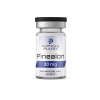
Pinealon
Showing the single result
-
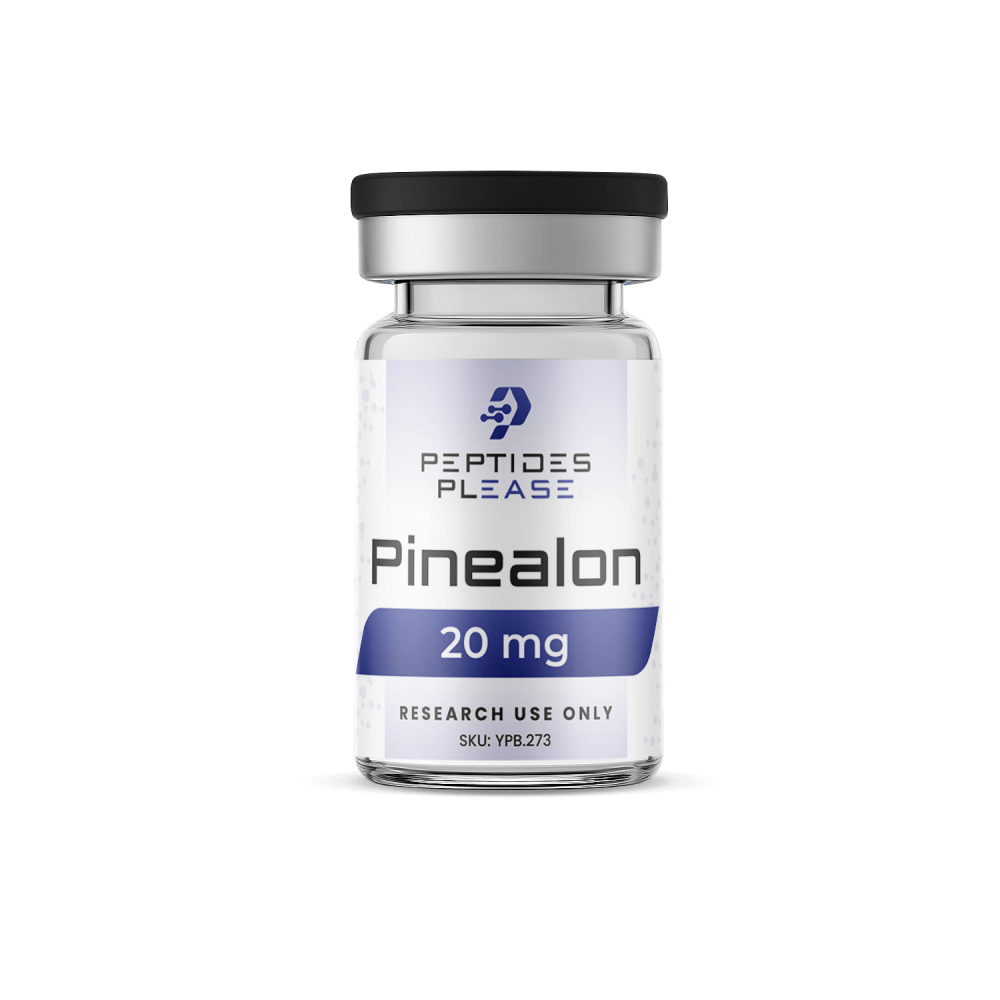 BioregulatorsPinealon (20mg)
Pinealon, a synthetic tripeptide (Glu-Asp-Arg), emerges as a promising bioregulator targeting the central nervous system, with the specific sequence pinealon demonstrating potent effects on cognitive function and brain function. Research highlights its role in gene expression modulation within brain cortex cell cultures, where it influences cell cycle modulation and enhances cell viability by activating proliferative processes. These mechanisms position Pinealon as a key agent for supporting neuronal health, particularly in models of cognitive decline associated with aging or neurodegeneration.
In experimental settings, Pinealon promotes restorative processes in the brain, fostering improved synaptic plasticity and neuroprotection across the central nervous system. Studies on brain cortex cell cultures reveal its capacity to counteract oxidative stress and apoptosis, thereby boosting cognitive function through targeted gene expression changes and cell cycle modulation. This makes Pinealon a valuable tool for research into mitigating cognitive decline, with potential applications in enhancing brain function and activating proliferative processes for therapeutic innovation.
Buy Pinealon For Research at Peptides Please
Buy Pinealon for research at PeptidesPlease, where this synthetic tripeptide—composed of three key amino acids—stands out for its potential to increase cell viability and support cell proliferation in experimental models. Particularly relevant for studies on age-related cognitive decline, Pinealon targets cellular aging processes, promoting healthier cellular function and resilience against oxidative stress and neurodegeneration, making it an essential tool for researchers exploring brain health, neuroprotection, and anti-aging mechanisms at the molecular level.
What Is Pinealon?
Pinealon is a synthetic tripeptide (Glu-Asp-Arg) derived from the pineal gland, classified among peptides that stimulate serotonin expression in brain cortex cells, offering neuroprotective effects by reducing reactive oxygen species and providing vitro specific interaction with DNA to regulate gene expression and protein synthesis. This short-chain bioregulator supports neuronal viability, counters oxidative stress, and promotes cellular repair, making it particularly relevant for research into organic brain syndrome, aging-related cognitive decline, and conditions involving hypoxia or neurodegeneration. Studies highlight its potential to enhance serotonin levels, stabilize mitochondrial function, and protect against free radical damage, positioning Pinealon as a promising tool in biogerontology and neurobiology.
Pinealon Mechanism of Action
Pinealon is a synthetic tripeptide (Glu-Asp-Arg, or EDR) researched primarily for its neuroprotective and bioregulatory effects in the central nervous system.
Core Mechanism
Pinealon penetrates cellular and nuclear membranes due to its small size, bypassing typical surface receptors to directly interact with DNA and histones. This modulates gene expression linked to neuronal metabolism, protein synthesis, and brain plasticity, activating pathways like MAPK/ERK for cell proliferation and differentiation.
Neuroprotective Effects
It reduces oxidative stress by lowering reactive oxygen species (ROS), upregulating antioxidants like SOD2, and enhancing mitochondrial function to prevent neuronal apoptosis. Research in animal models shows improved cerebral blood flow and resistance to excitotoxic injury, key factors in age-related cognitive decline.
Pinealon Peptide Benefits
Pinealon peptide, a synthetic tripeptide (Glu-Asp-Arg), offers targeted benefits for brain health, cognitive function, and neuroprotection by mimicking natural pineal gland regulators to support neuron repair, reduce oxidative stress, and promote anti-aging processes at the cellular level. Below are the pinealon peptide benefits.
- Enhances memory recall, concentration, and focus by supporting neuron repair and regeneration.
- Protects brain cells from oxidative stress and damage as a potent antioxidant.
- Improves cellular metabolism and ATP production for better mental energy and resilience.
- Promotes emotional stability through balanced neurotransmitter function and stress management.
- Supports deeper sleep and circadian rhythm regulation via pineal gland health.
- Offers neuroprotection against hypoxia, stroke, and age-related cognitive decline.
- Boosts cognitive processing speed and working memory efficiency.
- Aids anti-aging by preserving telomeres and supporting gene expression for brain health.
Pinealon for Sleep
Pinealon, a synthetic tripeptide, promotes better sleep by influencing key cellular processes, including the regulation of free radical levels and protection of the cell genome against oxidative stress, which helps maintain neuronal integrity during rest cycles. By supporting these foundational mechanisms in brain cells, Pinealon enhances mental clarity and cognitive health upon waking, fostering improved focus, memory consolidation, and overall brain function without the grogginess often associated with traditional sleep aids—making it a promising research-grade option for those exploring peptide-based sleep optimization in biomedical studies.
Pinealon Side Effects
Pinealon, a synthetic tripeptide (Glu-Asp-Arg), is generally well-tolerated in research contexts, with side effects typically mild and transient.
Common Side Effects
These effects often occur during initial use and resolve within days to weeks.
- Neurologic: Mild headaches, dizziness, vivid dreams, or insomnia if dosed late.
- General: Transient fatigue, anxiety, nausea, or gastrointestinal discomfort.
- Injection-related: Redness, itching, swelling, or soreness at the site (less common with oral forms).
Rare Reactions
Allergic responses or mood shifts are uncommon but warrant monitoring.
- Skin rashes, itching, or swelling signaling allergy.
- Enhanced dream recall or temporary mood changes during adjustment.
Pinealon Price
Dive into the cutting-edge world of synthetic tripeptide bioregulators with Pinealon, a research-grade powerhouse tripeptide (Glu-Asp-Arg) meticulously synthesized for scientists exploring pineal gland normalization, potent neuroprotective effects, and age-reversal potential. At only $120 for a full 20mg vial, PeptidesPlease delivers lab-tested purity (>99%), lyophilized for optimal stability, and seamless worldwide shipping with discreet packaging, perfect for your biochemistry experiments on cognitive function restoration, sleep cycle regulation, oxidative stress mitigation, and even muscle recovery protocols in bodybuilding models. Trusted by researchers worldwide for its proven role in modulating melatonin synthesis and DNA expression without the side effects of steroids, this isn’t just a peptide – it’s your gateway to breakthrough findings in anti-aging and neurological therapies; stock up now at PeptidesPlease and elevate your lab results today.
Research Pinealon for Sale at PeptidesPlease
Research Pinealon for sale at PeptidesPlease, a leading source for high-quality synthetic peptides including Pinealon, which increases cell viability and offers cognitive enhancement by supporting improved cognitive function in neural tissue. This tripeptide bioregulator, often studied as short fluorescence labeled peptides, demonstrates oxidative stress resistance and reduces cell mortality through neuroprotective mechanisms that combat age-related decline and promote brain health. Available in research-grade formulations, Pinealon from PeptidesPlease is ideal for biomedical investigations into longevity and neuronal resilience.
Frequently Asked Questions
What are some Pinealon benefits?
Pinealon offers potential benefits like enhanced cognitive function, improved memory retention, and neuroprotection against oxidative stress.
What is Pinealon?
Pinealon is a synthetic tripeptide (three amino acids long) designed for brain health research, mimicking natural sequences to support neuronal function and cognitive resilience.
Is it true that Pinealon improves brain oxygenation?
No direct evidence confirms Pinealon improves brain oxygenation specifically; research focuses more on optimizing brain energy metabolism, reducing oxidative stress, and enhancing neuronal connectivity rather than oxygenation.
What is Pinealon used for?
Pinealon is researched for cognitive enhancement, neuroprotection in conditions like traumatic brain injury or neurodegeneration, memory improvement, and anti-aging effects on brain cells.
What are the long-term effects of Pinealon?
Long-term research suggests sustained neuroprotection, better cognitive function, reduced oxidative damage, and improved brain health, though use should be monitored by professionals.
What is Pinealon made from?
Pinealon is a synthetic peptide composed of three amino acids: Glu-Asp-Arg (glutamic acid, aspartic acid, arginine).
Summary
In conclusion, pinealon, a synthetic tripeptide compound, exemplifies the therapeutic potential of peptide compounds in clinical and experimental medicine by enabling direct interaction with muscle cells and cells of the brain cortex, where it promotes serotonin expression in cells to enhance neural differentiation and overall sleep quality. This multifaceted bioregulator supports cellular repair and regeneration, bridging biochemical pathways in muscular and neural tissues to foster improved physiological function and resilience.