Epitalon
Showing the single result
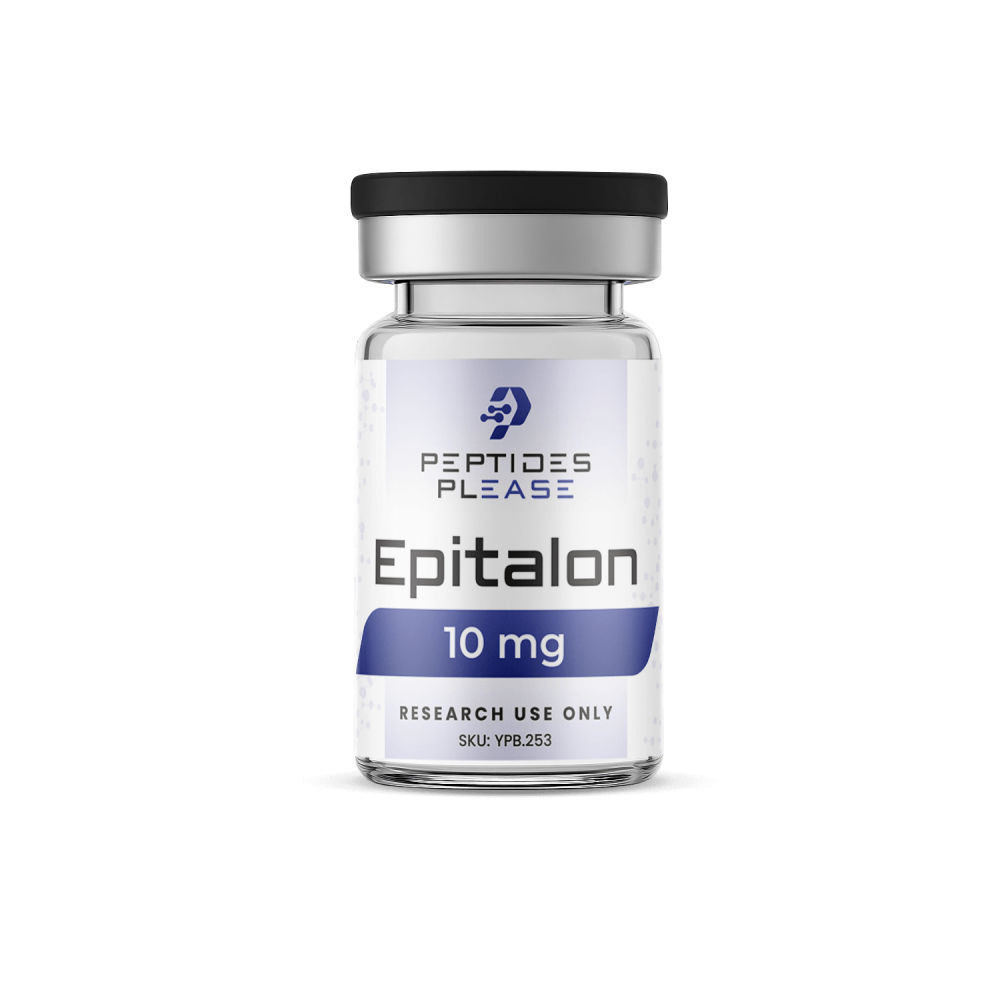
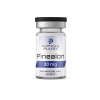
Epitalon, also known as the epitalon peptide 3/16–59, is a synthetic pineal peptide derived from natural sequences found in human somatic cells and the pineal gland. Composed of specific amino acids, this short-chain peptide epitalon mimics the function of epithalamin, a natural extract from the pineal gland, and has been studied for its role in peptide regulation and modulation of the aging process. Researchers developed it as a synthetic analog to target key biological pathways, particularly those involved in cellular longevity.
Studies on epitalon highlight its ability to enhance telomerase activity, which helps maintain telomere length in human somatic cells and counteract age-related decline. Animal models have shown that peptide epitalon administration reduces spontaneous tumor incidence, suggesting protective effects against oncogenic processes during the aging process. These findings position epitalon as a promising tool in anti-aging research, influencing peptide regulation at the molecular level.
Buy Epitalon Peptide for Research at Peptides Please
Buy epitalon peptide for research at Peptides Please, the premier source for high-quality synthetic peptide solutions tailored for scientific research. This pineal gland peptide, renowned for its potential to support telomere length maintenance, melatonin production, and modulation of bone marrow cells, offers researchers a powerful tool to explore immune response optimization and age-related cellular mechanisms in controlled studies.
What Is Epitalon?
Epitalon is a synthetic tetrapeptide composed of alanine, glutamic acid, aspartic acid, and glycine, derived from natural pineal gland extracts to mimic epithalamin’s anti-aging properties. It promotes telomere elongation by activating telomerase in cultured cells like human skin fibroblasts, extending their replicative lifespan and enhancing skin fibroblast functions such as collagen and elastin production for improved skin elasticity. Research highlights its benefits for the immune system through antioxidant effects and gene expression modulation, alongside potential roles in areas like Alzheimer’s drug discovery foundation interests via neuroprotection and reduced oxidative stress. The combination of aspartic acid and glycine in its structure supports these mechanisms, contributing to cellular repair and longevity in studies on aging models.
Epitalon Mechanism of Action
This tetrapeptide mimics natural pineal gland extracts and promotes longevity by countering cellular senescence. It reduces oxidative stress, modulates gene expression via histone binding, and supports overall cellular health.
- Telomere Lengthening: Epitalon activates telomerase to extend chromosome-protective telomeres, surpassing the Hayflick limit in somatic cells. This delays replicative senescence and is linked to anti-aging effects in human cell lines.
- Epigenetic Regulation: The peptide binds DNA CAG/ATTTC sequences and histones (e.g., H1/6, H1/3, H2b, H3 tails), promoting chromatin decondensation. This enhances gene transcription for cellular differentiation and protein synthesis.
- Neuroendocrine Modulation: Epitalon targets the pineal gland to restore melatonin synthesis and influences the hypothalamic-pituitary axis. It normalizes circadian rhythms and hormone balance, supporting neuroendocrine function.
- Antioxidant Effects: It lowers reactive oxygen species (ROS), lipid peroxidation, and boosts enzymes like superoxide dismutase (SOD). These actions protect mitochondria and reduce age-related oxidative damage.
- Immune Modulation: Epitalon normalizes T-cell activity and enhances immune responses, contributing to reduced inflammation and better pathogen defense in aging models.
How Does Epitalon Work?
Epitalon (also known as Epithalon) is a synthetic tetrapeptide (Ala-Glu-Asp-Gly) that functions as a geroprotector. It primarily works by mimicking natural pineal gland secretions to promote longevity at the cellular level. By activating telomerase, it extends shortened telomeres—the protective caps on chromosomes—enabling older cells to divide longer and delaying senescence. Beyond telomeres, Epitalon regulates melatonin production, reduces oxidative stress, enhances immune function, and modulates gene expression to slow aging processes.
- Telomere Extension: Stimulates telomerase enzyme activity and mRNA expression, repairing and lengthening telomeres to prevent premature cellular aging and senescence.
- Melatonin Regulation: Targets the hypothalamic-pituitary axis to normalize melatonin secretion from the pineal gland, supporting healthy circadian rhythms, sleep quality, and neuroendocrine balance.
- Antioxidant and Immune Support: Lowers oxidative stress by reducing reactive oxygen species (ROS) levels; boosts immunity via increased T-lymphocyte production and overall lymphocyte activity.
- Gene Expression Modulation: Influences aging-related genes (e.g., those in the sirtuin pathway), suppresses inflammation, and promotes restorative neuroendocrine signaling.
What Is the Chemical Structure of Epitalon?
Epitalon, a synthetic tetrapeptide with the chemical structure Ala-Glu-Asp-Gly (consisting of the amino acids alanine, glutamic acid, aspartic acid, and glycine), is renowned for its potential to extend life span in the human organism by activating telomerase production, thereby lengthening telomeres in cell cultures and counteracting age-related decline. Studies demonstrate its antioxidant properties, where epitalon decreased free radical generation and lipid peroxidation compared to control groups in animal models and human cells, enhancing cellular resilience. Peptide treatment with Epitalon has shown promising effects on overall health, including epigenetic remodeling and reduced oxidative damage, positioning it as a key player in anti-aging research.
Epitalon Peptide Benefits
Epitalon is a synthetic tetrapeptide (Ala-Glu-Asp-Gly) renowned for its anti-aging effects. It activates telomerase to elongate telomeres, combats oxidative stress as a potent antioxidant, and supports longevity at the cellular level.
- Longevity and anti-aging: Extends cell lifespan by lengthening telomeres, potentially delaying age-related decline.
- Sleep and pineal gland health: Boosts melatonin production by up to 160%, enhancing sleep quality and circadian rhythms.
- Immune support: Strengthens immunity and stress resilience.
- Cellular protection: Reduces oxidative damage and may inhibit tumor growth.
- Skin and tissue repair: Improves skin appearance, elasticity, and wound healing speed.
- Hormonal regulation: Counteracts age-related hormone drops, such as during menopause.
Epitalon Side Effects
Epitalon (Ala-Glu-Asp-Gly, or AEDG) is a synthetic tetrapeptide researched for its potential to activate telomerase, elongate telomeres, and promote anti-aging effects. Studies, including long-term animal and limited human trials, report a high safety profile with no severe adverse events. However, as a research chemical without full FDA approval, risks remain, particularly for off-label use.
- Immunogenicity: Peptides like Epitalon can trigger an immune response, producing antibodies that neutralize the compound or cause hypersensitivity reactions (e.g., rash, fatigue). This is common in non-native sequences.
- Cancer Risk Concerns: Telomerase activation supports cell proliferation, which may theoretically accelerate existing tumors despite studies showing tumor suppression in models like aging rats.
- Injection Site Reactions: Subcutaneous administration often leads to local irritation, redness, swelling, or pain, similar to other injectables.
- Unknown Long-Term Toxicity: Lacks independent Phase 1-3 human trials; chronic effects on organs or epigenetics are unstudied.
- Population Restrictions: Contraindicated in pregnancy, breastfeeding, or active cancer due to proliferative risks.
What Are the Different Forms of Epitalon?
Epitalon (AEDG tetrapeptide) comes in varied chemical, administration, and origin forms for research stability and use. Classified below by category for clarity.
Chemical Forms
Free-base Epitalon is the unmodified Ala-Glu-Asp-Gly structure, mimicking natural epithalamin. Salt forms like acetate or TFA salts boost solubility and shelf-life in lab settings. A rare gamma-bonded variant uses alternative linkages for enhanced stability in some studies.
Administration Forms
Injectable versions (subcutaneous/intramuscular) offer peak bioavailability via reconstituted lyophilized powder. Intranasal sprays provide convenient mucosal uptake with moderate efficacy. Oral capsules face digestive breakdown, lowering absorption; topical gels target localized skin benefits.
Origin Forms
Synthetic Epitalon, pioneered by Khavinson, is lab-made for purity and dosing precision. Epithalamin is the natural bovine pineal extract, a cruder mix including Epitalon used in early trials.
What Is the History of Epitalon?
Epitalon, also known as Epithalon peptide, is a synthetic tetrapeptide bioregulator with the molecular formula Ala-Glu-Asp-Gly (AEDG), developed in the 1980s by Professor Vladimir Khavinson at the Petersburg Institute of Bioregulation and Gerontology in Russia as a highly bioactive pineal gland extract alternative to Epithalamin, focusing on peptide bioregulators for anti-aging and longevity. Its history traces back to the 1970s pineal gland research showing geroprotective effects in animal models, with subsequent molecular sciences studies demonstrating Epitalon treatment reduces chromosome aberrations, stabilizes chromatin, and lowers tumor incidence in mouse strains like SAMP-1 and CBA, as seen in in vitro studies and long-term in vivo experiments. Notably, Epitalon influences interferon gamma expression, activates genes like those in heart tissue, and exhibits anti-cancer potential across colon cancer stages, positioning it as a promising agent in telomere elongation and systemic resilience research published in sources like PubMed and molecular sciences reviews. Research Epitalon Peptide for Sale at Peptidesplease
Frequently Asked Questions
What does the peptide Epitalon do?
Epitalon is a synthetic tetrapeptide (Ala-Glu-Asp-Gly) that primarily activates telomerase to elongate telomeres, promoting cellular longevity and delaying replicative senescence in human cells. It also modulates epigenetics by binding DNA promoters, boosts antioxidant enzymes via Nrf2, restores circadian rhythms through melatonin synthesis, and rebalances immune function by upregulating IL-2 and CD4+ T cells.
Does Epitalon regrow hair?
Epitalon does not have strong clinical evidence for directly regrowing hair; some research suggests it may support follicle health, collagen production, and scalp vitality via anti-inflammatory and cellular repair effects, potentially aiding density in thinning cases. However, these are preliminary findings from peptide studies, with no large human trials confirming hair regrowth, and results are more associative than causative.
Is Epitalon worth it?
Whether Epitalon is “worth it” depends on goals like longevity or anti-aging; user reports note improved sleep, energy, recovery, and mood, with research showing geroprotective effects like extended lifespan in models (up to 16% in flies, more survivors in mice). Lacking large human trials and with mild side effects possible (e.g., fatigue, headaches), it’s experimental—promising for biohackers but not proven for mainstream use; source quality and medical oversight are key.
Does Epitalon increase testosterone?
Epitalon does not directly increase testosterone; it optimizes endocrine function, potentially supporting growth hormone, melatonin, and thyroid hormones indirectly via pineal gland modulation, but no studies show direct testosterone elevation. Any hormonal benefits are broader, like better balance rather than specific androgen boosts.
What is the function of Epitalon?
Epitalon’s core function is geroprotection: it activates telomerase for telomere maintenance, remodels chromatin for youthful gene expression, enhances antioxidant defenses, protects against DNA damage, and regulates pineal-mediated rhythms. These multi-pathway actions (targeting 5+ aging hallmarks) aim to extend cellular health and lifespan, as seen in extended divisions past Hayflick limits in fibroblasts.
How does Epitalon compare to other peptides?
Epitalon uniquely focuses on telomerase activation and telomere length, differing from collagen peptides (skin synthesis), BPC-157 (tissue repair), or GHK-Cu (wound healing); it’s broader for anti-aging via epigenetics/Nrf2 but less targeted for inflammation. Compared to Epithalamin (its natural extract), Epitalon is more potent at lower doses with stronger antioxidant effects.
What is Epitalon made of?
Epitalon is a synthetic tetrapeptide with the sequence Ala-Glu-Asp-Gly (AEDG), featuring a molecular formula of C14H22N4O9 and a weight of 390.35 Da. It’s modeled on bovine pineal extract Epithalamin and is now confirmed in human pineal glands.
Summary
Epitalon, a synthetic tetrapeptide mimicking pineal gland extracts, exhibits potential anti-aging properties by activating telomerase to elongate telomeres, thereby enhancing basic functions like DNA repair, antioxidant defense, and circadian rhythm regulation, as evidenced in experimental biology studies showing improved survival curves and longevity benefits in animal models. Its promising properties extend to suppressing spontaneous carcinogenesis through reduced tumor incidence and apoptosis induction in defective cells, alongside neuroprotection that may mitigate conditions like retinitis pigmentosa via preserved retinal function and modulated DNA sequences. Overall, Epitalon’s multifaceted geroprotective effects position it as a compelling candidate for extending healthspan, though further human trials are essential to validate these preclinical observations.