Peptides for Healing

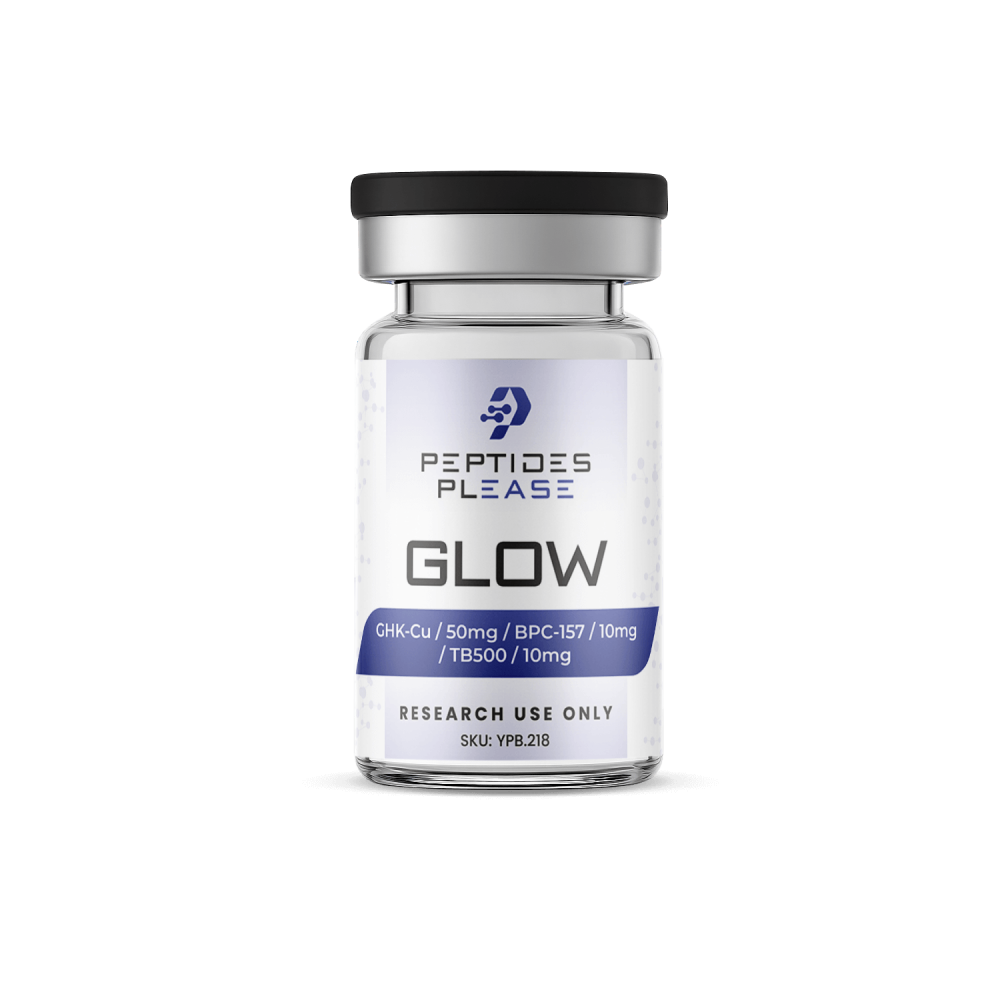
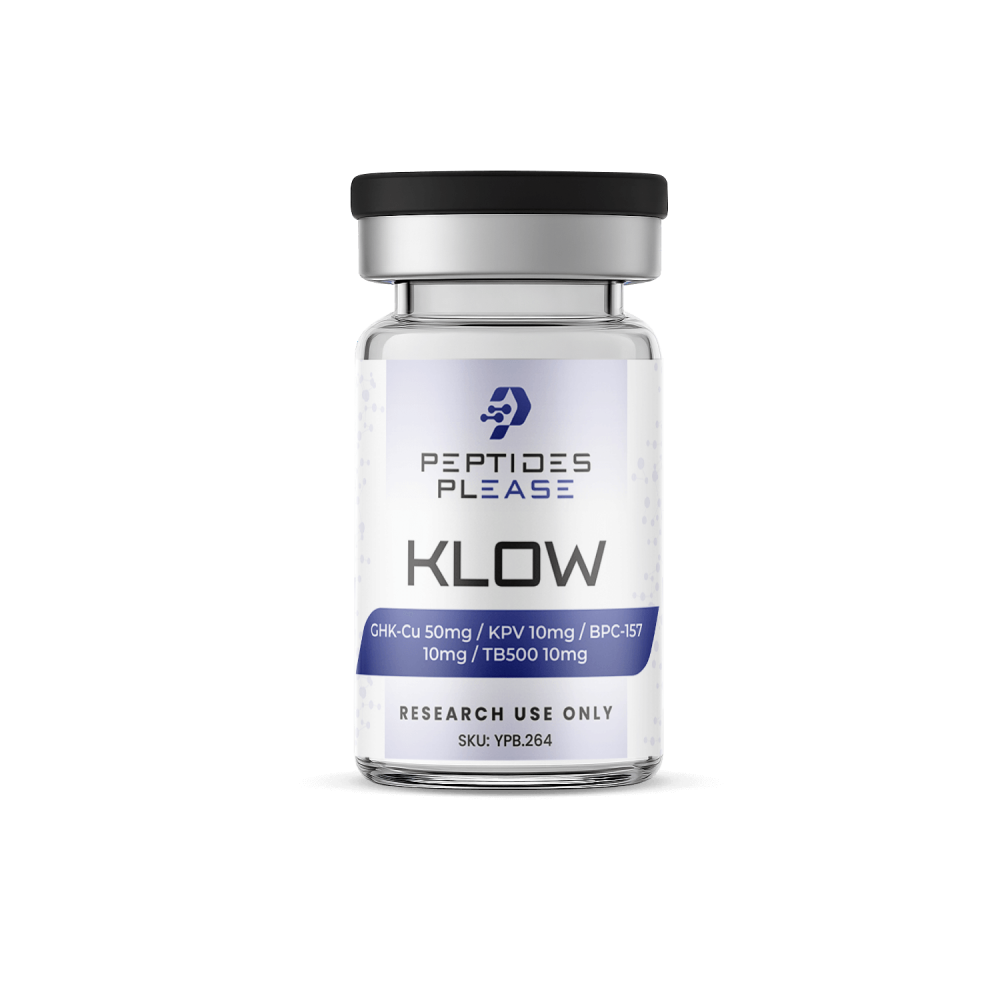
Showing all 5 results

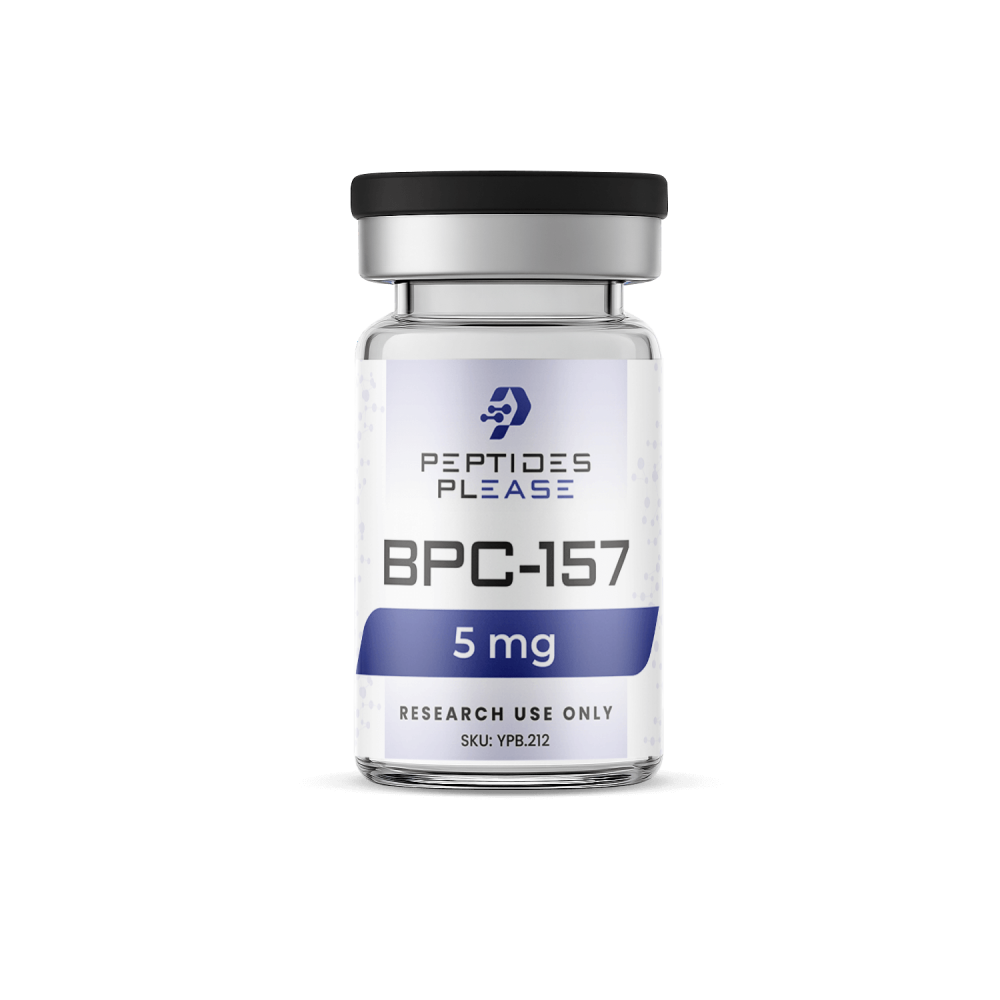
  • BPC-157
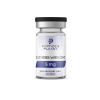
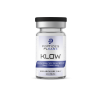
    BPC-157
    Body Protection Compound · 5mg
    Dosage
  • Popular Peptides
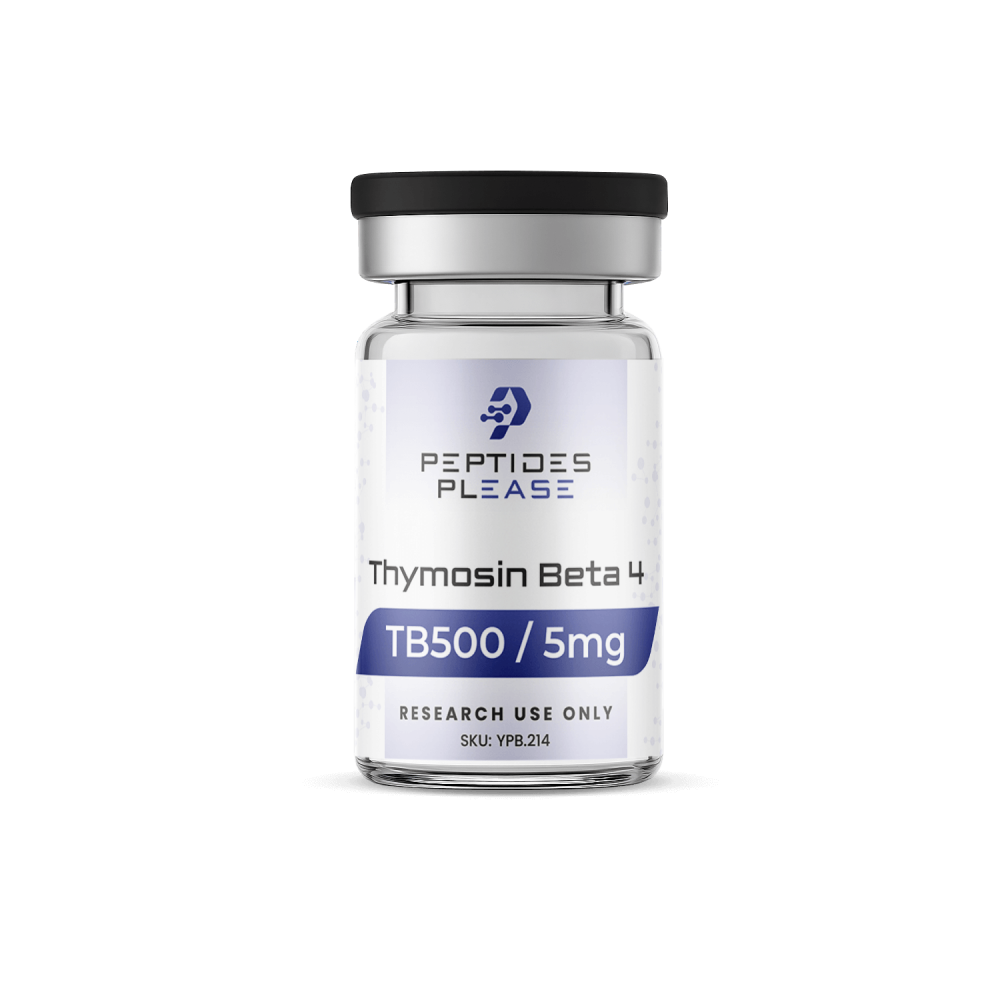
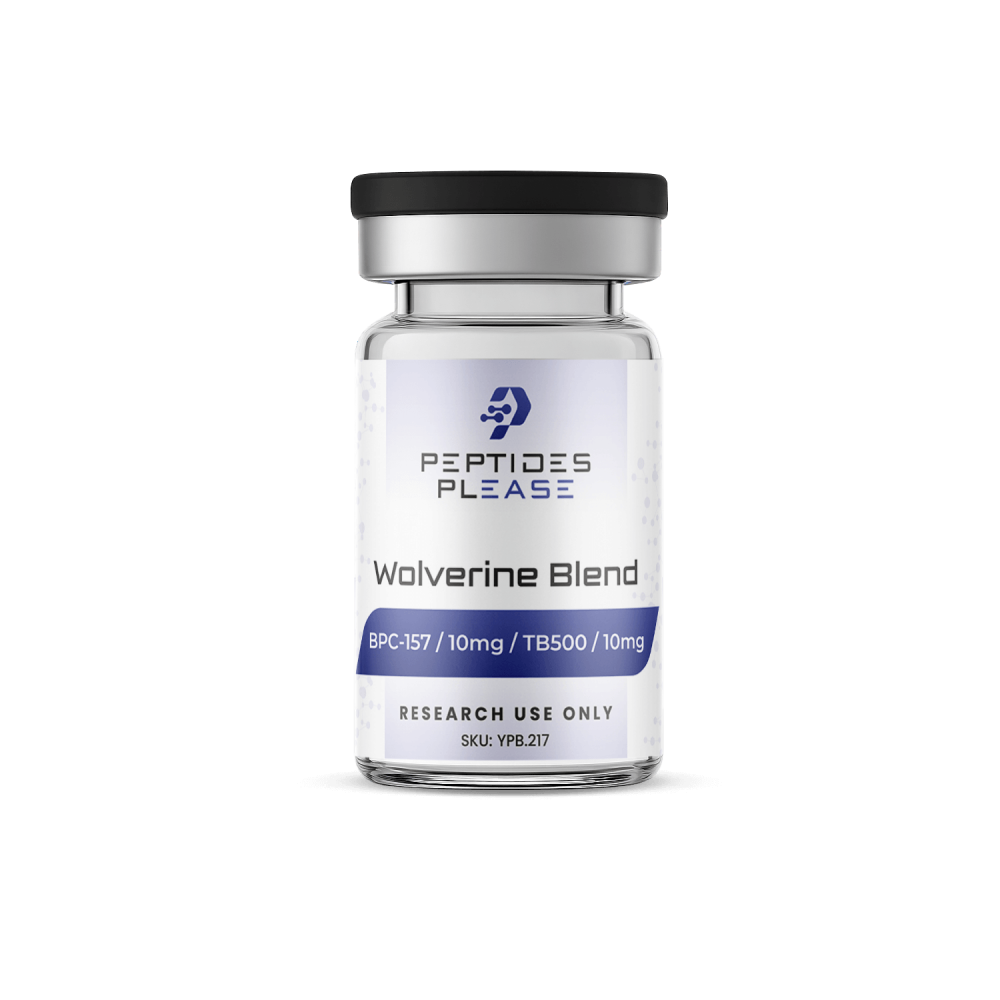
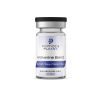
    Thymosin Beta 4 (TB500)
    Dosage

Peptides for healing have gained attention in modern medicine and wellness for their remarkable ability to support the body’s natural repair processes. Peptides are short chains of amino acids that serve as signaling molecules, guiding cells to regenerate tissue, reduce inflammation, and accelerate recovery. Because they interact directly with the body’s cellular communication systems, these compounds can help restore balance where damage or dysfunction has occurred—whether from injury, aging, or chronic stress.

The growing interest in peptides for healing stems from their potential to offer targeted, safe, and effective alternatives to traditional treatments. From promoting muscle mass and skin regeneration to enhancing immune function, specific peptides are being tailored to address various health concerns. As research expands, the use of therapeutic peptides continues to reshape how we understand healing at a molecular level, offering new hope for faster recovery and long-term wellness.

Peptides Used For Healing

Peptides are short chains of amino acids that help the body heal faster. They work by encouraging collagen production, reducing inflammation, improving blood vessel growth, and supporting cell repair in muscles, tendons, skin, and bones. Common peptides used in regenerative treatments include BPC-157, TB-500, and GHK-Cu, which are known to speed up recovery after injuries or surgery.

Explore Trusted Peptide Products Designed for Research from Peptides Please

Peptides are being studied for their potential healing benefits, as certain peptides may support tissue repair, reduce inflammation, and enhance cellular recovery processes. These bioactive compounds are of growing interest in scientific settings, especially for their possible roles in wound healing and regeneration. Explore trusted peptide products designed for research from our website, strictly intended for research purposes only.

Peptides For Tendon Repair And Healing

Peptides such as BPC-157 and TB-500 show great potential for helping tendons heal. They support collagen production, improve blood vessel growth, reduce inflammation, and speed up cell repair in tendons, ligaments, and muscles. BPC-157 has even been found to enhance tendon-to-bone healing, even when steroids are used. Although most research so far is based on animal studies, the early results are promising. These peptides work by encouraging the body’s natural repair processes, offering hope for quicker recovery from soft tissue injuries.

Peptides For Healing Tendons

Peptides, especially BPC-157, show strong potential in supporting tendon healing. They help create new blood vessels, increase collagen production, reduce inflammation, and improve cell movement for tissue repair. Animal studies have shown encouraging results, particularly in tendon-to-bone healing, though research in humans is still limited. Other peptides like TB-500 and collagen-based types may also aid in muscle and connective tissue recovery.

Peptides For Tendon Healing Research

Studies suggest that peptides—especially collagen peptides and experimental ones like BPC-157—may help with tendon healing. They work by increasing collagen production, reducing inflammation, and supporting cell repair. Collagen peptides have shown positive results when combined with exercise, but stronger peptides such as BPC-157 are still experimental and need more human research to confirm their safety and long-term effects. Some peptides, like PXL01 (derived from lactoferrin), have also been found to improve joint mobility.

Peptides For Injury Healing

Peptides help the body’s composition heal faster by acting as natural messengers that support tissue repair. They encourage collagen production, reduce inflammation, and improve blood flow to damaged muscles, tendons, and ligaments. Some key peptides include BPC-157 for overall tissue recovery, GHK-Cu for wound healing, KPV for inflammation control, and others like MOTS-c, PEG MGF, and CGRP that assist in regeneration and faster recovery. These compounds, including those that stimulate vascular endothelial growth factor (VEGF), may also help reduce pain and shorten healing time after injuries.

Peptides For Tendon Healing After Injury

Peptides may help with tendon healing after an injury by increasing collagen production, reducing inflammation, and supporting tissue repair. Popular options like BPC-157 and TB-500 are often noted for speeding up recovery, while collagen peptides can strengthen tendons overall. However, many of these peptides still lack large human studies, so it’s important to consult a doctor about safe, evidence-based treatments such as physical therapy, peptide therapy, or platelet-rich plasma (PRP).

Peptides For Healing Ligaments

Peptides for healing ligaments are gaining recognition for their ability to accelerate recovery and strengthen connective tissue. Peptides like BPC-157 and TB-500 (Thymosin Beta-4) enhance blood flow, boost collagen production, and improve nutrient delivery to injured areas—key factors in repairing ligaments that naturally heal slowly. By reducing inflammation and supporting new blood vessel growth, these peptides help create optimal conditions for tissue repair.

BPC-157 promotes regeneration by protecting and rebuilding ligaments, tendons, and muscles, while TB-500 supports cell movement and repair through actin production. Together, they may shorten recovery time, restore flexibility, and enhance ligament strength, making them promising tools in muscle crush injury healing and rehabilitation.

Peptides For Healing Joints

Peptides may help with joint healing by signaling the body to repair tissues such as tendons, ligaments, and cartilage. They boost collagen production, reduce inflammation, and improve blood flow. Examples include BPC-157, IGF-1, and collagen peptides, which show potential in easing arthritis, joint injuries, and wear-and-tear damage. Some peptides, like Teriparatide and Abaloparatide, are approved for bone health, but most peptides for joint repair are still being researched.

Peptides For Cartilage Healing

Peptides may help cartilage repair by reducing inflammation, supporting cartilage cell (chondrocyte) growth, and restoring the cartilage structure, known as the extracellular matrix. Peptides like BPC-157, GHK-Cu, and CK2.1 have shown promising results in both animal and early human studies. They often work well when combined in advanced treatments such as peptide-infused scaffolds or nutrition-based formulas, further enhancing overall peptide efficacy.

Peptides For Bone Healing

Peptides can support bone healing by stimulating bone-forming cells (osteoblasts) and increasing collagen production, which is vital for strong bones. Types such as ECM-derived, BMP-derived, and antimicrobial peptides (AMPs) have shown promising effects in studies. Some, like BPC-157, appear to speed up recovery, although more preclinical and clinical studies are still needed. Because peptides are easier to work with and control than full proteins, they are now being explored for use in bone grafts and tissue engineering to enhance regeneration.

Collagen Peptides For Bone Healing

Collagen peptides may support bone healing and overall bone health by supplying essential amino acids and signaling the body to produce new bone tissue. They help with bone mineralization and maintain the bone matrix. Research suggests they can improve bone density and reduce fracture risk, particularly in groups like postmenopausal women, although the effects may be modest.

Peptides For Healing Broken Bones

Peptides are short chains of amino acids that act as messengers in the body, helping to speed up natural bone repair and regeneration. They are being studied for their ability to improve healing after fractures and support overall recovery. This is a growing field in regenerative medicine, with many peptides showing promise for bone-healing applications.

Peptides For Muscle Healing

Peptides can support muscle healing by encouraging tissue repair, lowering inflammation, and increasing growth factors like IGF-1. Common types include collagen peptides, which help with strength recovery and joint health; BPC-157, which aids regeneration of muscles, medial collateral ligaments, and tendons (mostly shown in animal models); GHK-Cu, which boosts collagen and blood flow; and MOTS-c, which promotes overall recovery. These bioactive peptides are used in forms like oral supplements or injections to speed up athletic healing and combat age-related muscle decline.

Peptides For Healing Injuries

Peptides are short chains of amino acids that work as body messengers to speed up injury recovery. They increase collagen production, improve blood flow, lower inflammation, and support cell tissue repair in tissues like muscles, tendons, ligaments, and bones. Notable examples include BPC-157 for general tissue repair, TB-500 for reducing inflammation and healing wounds, IGF-1 for muscle growth, and specific collagen peptides for joint and skin support. While many show promise in early studies, much of the evidence comes from animal models, so professional medical treatment is essential for safe use.

Peptides For Healing After Surgery

Peptides such as BPC-157, GHK-Cu, and Thymosin-β4 may help with healing after surgery by increasing collagen production, promoting new blood vessel growth, and lowering inflammation. They speed up tissue repair, muscle recovery, and overall healing while working with the body’s natural processes to ease pain and reduce scarring. Research is still ongoing to evaluate clinical outcomes for use in bone and soft tissue repair.

Peptides For Wound Healing

Peptides play a key role in wound healing by targeting different stages, from fighting infection with antimicrobial peptides like LL-37 to promoting new blood vessel growth and reducing inflammation. They also help rebuild tissue through ECM-mimetic and collagen peptides, supporting everything from simple cuts to complex regeneration. These are often delivered in advanced forms like hydrogel dressings or nanofibers for better results.

Peptides For Skin Healing

Peptides are short chains of amino acids that play a key role in skin healing by forming building blocks for proteins like collagen and elastin. They support repair, reduce inflammation, fight bacteria, and strengthen the skin’s protective barrier. Types such as antimicrobial peptides (AMPs) help prevent infections and speed wound closure, while collagen-stimulating peptides promote tissue regeneration. These make peptides valuable in skincare for anti-aging, firming skin, and recovering from damage.

Peptides For Scar Healing

Peptides can improve scar healing by lowering inflammation, supporting collagen and tissue repair (such as with GHK-Cu), encouraging cell growth (through EGF and FGF), and regulating processes to avoid excess scar tissue. This leads to quicker recovery and better scar appearance, texture, and strength. Examples like BPC-157, GHK-Cu, and certain animal-derived peptides show potential in studies by promoting cell growth, new blood vessel formation, and collagen remodeling for more effective skin regeneration.

Collagen Peptides For Healing

Collagen peptides support healing by supplying key building blocks, encouraging new collagen production, and drawing repair cells (like fibroblasts) to injury sites. They promote tissue regeneration in skin, bones, and tendons, while promoting healing, reducing inflammation, and boosting blood flow. This helps speed recovery from wounds such as ulcers, burns, and surgical sites, with benefits seen from oral supplements and topical dressings.

Peptides For Nerve Healing

Peptides offer promise for nerve healing by creating supportive environments, encouraging neuron growth and attachment (such as with IKVAV and YIGSR), reducing inflammation, and acting as growth-supporting factors (like CGRP, PACAP, and VD11). Examples including BPC-157, NP-1, and PXL01 have shown better healing, less scarring, and quicker function recovery in animal studies. They work by imitating natural tissue structures, boosting growth factors, or guiding cell activity, opening possibilities for repairing peripheral nerves and even spinal cord injuries.

Injectable Peptides For Healing

Injectable peptides such as BPC-157 and TB-500 are gaining attention as regenerative treatments that accelerate healing from injuries and surgery, while also increasing muscle mass. They work by boosting collagen production, promoting new blood vessel growth (angiogenesis), and lowering inflammation.

Peptides For Healing Injections

Peptide injections are regenerative treatments that use short amino acid chains to signal cells for quicker tissue repair. They reduce inflammation, boost collagen production, and help with injuries like tendon or ligament tears, bone problems, and recovery after surgery. Common examples include BPC-157 for overall tissue healing and Sermorelin for growth and recovery support, delivered through subcutaneous, intramuscular, or occasionally topical/nasal methods to enhance the body’s natural healing.

Peptide Injections For Healing

Peptide injections use short amino acid chains to speed up the body’s natural healing, lower inflammation, and improve tissue repair. As part of regenerative medicine, they help treat tendon or ligament injuries, joint pain, and recovery after surgery.

Oral Peptides For Healing

Oral peptides may support healing by aiding tissue repair, lowering inflammation, and strengthening body structures. Examples include collagen peptides for better skin and bone recovery, BPC-157 for gut and connective tissue healing, and antimicrobial peptides to fight infections. They work by promoting cell growth, new blood vessel formation, and collagen production, helping with skin wounds, bone health, and digestive problems—though many are still experimental or available as supplements, with varying research support.

Peptides For Healing BPC 157

BPC-157 (Body Protection Compound-157) is a synthetic peptide derived from a stomach protein, researched for speeding up healing in muscles, tendons, ligaments, and the gut. It works by promoting new blood vessel growth (angiogenesis) and balancing growth factors. However, it lacks FDA approval and large human trials, so its safety and effectiveness remain experimental, with risks from unregulated sources, contamination, and unknown long-term effects—despite promising animal studies and anecdotal human reports.

FDA Approved Peptides For Healing

Certain peptides have earned FDA approval for treating specific health conditions, often related to hormone regulation, bone health, or chronic diseases.

  • Semaglutide (Ozempic, Wegovy): Helps manage Type 2 diabetes and supports weight loss.
  • Teriparatide (Forteo): Stimulates bone formation to treat osteoporosis.
  • Calcitonin (Miacalcin): Regulates calcium levels for osteoporosis and Paget’s disease.
  • Enfuvirtide (Fuzeon): Used in HIV treatment to block viral entry.
  • Liraglutide (Victoza, Saxenda): Aids diabetes control and weight management.
  • Linaclotide (Linzess): Relieves irritable bowel syndrome (IBS) symptoms.

Research and Wellness Peptides

Many peptides popular in wellness and recovery lack FDA approval for healing and remain experimental or research-focused.

  • BPC-157 and TB-500 (Thymosin Beta-4): Commonly used for tissue repair, gut healing, and injury recovery.
  • CJC-1295, Ipamorelin, Sermorelin: Support human growth hormone release and recovery processes.

Find Reliable Peptide Products for Research at PeptidesPlease

Peptides for healing are gaining attention for their ability to promote connective tissue healing, reduce inflammation, and promote faster recovery by signaling the body to regenerate cells more efficiently. These bioactive amino acid chains are being studied for wound healing, muscle recovery, and joint support, making them a promising option in regenerative research. Please note that the peptides discussed are for research purposes only. Explore a wide selection of reliable peptide products exclusively for research on our website.

Frequently Asked Questions

What’s the best peptide for healing?

BPC-157 stands out in research for broad tissue repair (muscles, tendons, ligaments, gut) via angiogenesis and collagen boost. TB-500 complements it for inflammation reduction and mobility. GHK-Cu aids skin/wound healing.

Do peptides really work for healing?

Yes, promising evidence exists, especially from animal studies showing peptides like BPC-157 and TB-500 accelerate tissue repair, reduce inflammation, and boost collagen.

What peptides are good for joint healing?

BPC-157 and TB-500 top the list for joint healing, promoting collagen synthesis, angiogenesis, and reducing inflammation in tendons/ligaments. GHK-Cu and collagen peptides aid cartilage/joint flexibility.

Can peptides help you heal faster?

Yes, peptides like BPC-157 and TB-500 can accelerate healing by boosting collagen, angiogenesis, and reducing inflammation in muscles, tendons, and joints.

Do peptides help wound healing?

Yes, peptides like antimicrobial peptides (AMPs), collagen peptides, and GHK-Cu promote wound healing by fighting infection, boosting collagen, angiogenesis, and tissue regeneration.

What peptides are good for bone healing?

Teriparatide (Forteo) is FDA-approved for bone healing in osteoporosis, stimulating osteoblasts and fracture repair. BPC-157 shows promise in animal studies for bone regeneration.

Is BPC 157 good for healing broken bones?

Yes, animal studies (rats, rabbits) show BPC-157 accelerates broken bone healing via angiogenesis and osteogenesis, comparable to bone grafts.

Can BPC 157 heal cartilage?

BPC-157 shows promising potential for cartilage healing by supporting blood vessel growth, reducing inflammation, and promoting tissue regeneration in joints and osteoarthritis.

What peptides are good for injury healing?

BPC-157, TB-500, and GHK-Cu excel for injury healing—BPC-157 for tissue repair/angiogenesis, TB-500 for inflammation/mobility, GHK-Cu for wounds/soft tissue regeneration.

Will BPC-157 heal ligaments?

Yes, BPC-157 shows strong potential for ligament healing by promoting collagen synthesis, angiogenesis, and tissue repair in animal studies.

What peptides help with wound healing?

GHK-Cu, collagen peptides, and antimicrobial peptides (AMPs like LL-37) excel for wound healing by boosting collagen, angiogenesis, fighting infection, and tissue regeneration. BPC-157 aids overall repair.

Does BPC-157 heal wounds?

Yes, BPC-157 accelerates wound healing by promoting angiogenesis, collagen production, and tissue repair in animal studies.

What peptides heal ligaments?

BPC-157 and TB-500 are top for ligament healing, boosting collagen, angiogenesis, and repair in animal studies. GHK-Cu aids soft tissue.

What is the best supplement to heal ligaments?

Collagen peptides (hydrolyzed, with vitamin C) are the best evidence-based supplement for ligament healing, boosting collagen synthesis and repair. Omega-3s, turmeric, and bromelain reduce inflammation.

Can BPC-157 heal torn muscles?

Yes, BPC-157 shows strong potential in healing torn muscles by promoting tissue repair, angiogenesis, and reducing inflammation in animal studies.

What peptide helps with healing?

BPC-157 is widely regarded as top for broad healing (muscles, tendons, ligaments, wounds) via angiogenesis and repair. TB-500 and GHK-Cu complement it.

What peptides are used to heal ligaments?

BPC-157 and TB-500 are most commonly used peptides for ligament healing, promoting collagen production, angiogenesis, and tissue repair. GHK-Cu also supports soft tissue healing.

What are peptide injections for healing?

Peptide injections like BPC-157, TB-500, and GHK-Cu accelerate healing for injuries, tendons, ligaments, muscles, and wounds by boosting collagen, angiogenesis and reducing inflammation.

What peptides are good for healing broken bones?

Teriparatide stimulates bone formation for fractures/osteoporosis; BPC-157 shows promise in animal bone healing studies. Collagen peptide supplementation supports density.

Summary

Peptides help the body heal by sending signals that speed up natural repair processes. They increase collagen production, encourage new blood vessels to form, reduce inflammation, and support cell repair in muscles, tendons, ligaments, bones, skin, and cartilage. Prominent peptides like BPC-157, TB-500, and GHK-Cu have shown strong potential for speeding recovery from injuries, wounds, and surgeries.

While animal studies provide promising evidence, human clinical trials are still limited for most peptides. More future clinical research is needed to fully understand their safety and long-term effects. Because of this, it’s important to consult a healthcare professional before using peptide therapeutics. Overall, peptides offer exciting possibilities to improve healing and recovery as science continues to advance.

You are unable to view this website.

⚠️ Research Use Only — Legal Acknowledgment

All products on this website are sold strictly for in vitro research and laboratory use only.

  • Not for human or veterinary use, consumption, or application
  • Not FDA-approved to diagnose, treat, cure, or prevent any disease
  • Buyer assumes full responsibility for legal compliance in their jurisdiction

By clicking "Accept," you confirm:

  • You are at least 21 years of age
  • You are a qualified researcher or laboratory professional
  • You understand these products are for research purposes only