Kisspeptin
Showing the single result
-
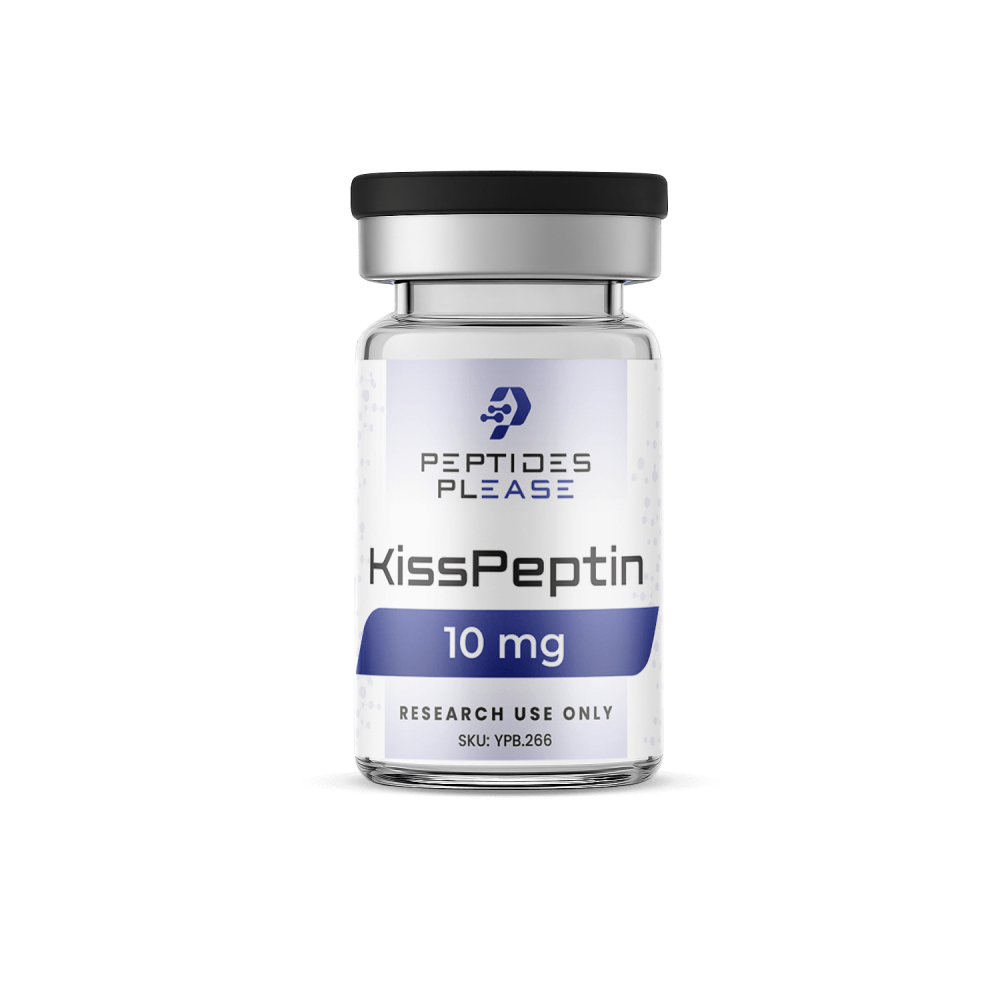 KisspeptinKissPeptin (10mg)
Kisspeptin is a key hormone in the regulation of reproductive hormones, acting as a master regulator in the hypothalamic-pituitary-gonadal axis. Kisspeptin primarily functions through kisspeptin signaling to trigger the upstream initiation of secretion of gonadotropin-releasing hormone (GnRH) from neurons in the hypothalamus. This cascade is essential for reproductive hormone secretion, as kisspeptin stimulates GnRH release, which in turn prompts the anterior pituitary to produce and release follicle-stimulating hormone (FSH) and luteinizing hormone (LH). Disruptions in kisspeptin pathways can lead to conditions like hypogonadotropic hypogonadism, highlighting its critical role in fertility and puberty onset.
Kisspeptin plays a pivotal role in modulating luteinizing hormone surges during the ovulatory cycle in females and supports spermatogenesis in males via follicle-stimulating hormone stimulation. Beyond reproduction, kisspeptin signaling influences metabolism and energy balance, linking reproductive fitness to overall health. Therapeutically, synthetic kisspeptin analogs show promise in treating infertility by enhancing reproductive hormone secretion, offering targeted interventions for disorders of puberty, menopause, or assisted reproduction.
Buy Kisspeptin For Research at Peptides Please
Discover premium Kisspeptin for research purposes at Peptides Please, where you can explore kisspeptin’s ability to revolutionize studies on psychosexual disorders, reproductive biology, and human reproduction. This key neuropeptide modulates kisspeptin levels to influence sex steroids and gonadotropin release, offering researchers invaluable insights into hormonal pathways critical for fertility, puberty onset, and reproductive health—perfect for advancing investigations in endocrinology and beyond. Order high-purity Kisspeptin today from our trusted source, backed by rigorous quality standards and fast shipping.
What Is Kisspeptin?
Kisspeptin is a neuropeptide originally identified as a metastasis suppressor in the 1990s, playing a pivotal role in kisspeptin’s action by stimulating gonadotropin-releasing hormone (GnRH) secretion from the hypothalamus, which in turn boosts the increased production of luteinizing hormone (LH) and follicle-stimulating hormone (FSH) to regulate reproductive function. In the realm of experimental medicine and clinical investigation, it has emerged as a promising therapy for conditions like hypogonadotrophic hypogonadism and hypothalamic amenorrhoea, where disruptions in the hypothalamic-pituitary-gonadal axis lead to infertility and low sex hormone levels; administration of kisspeptin or its analogs can restore pulsatile GnRH signaling, enhancing ovulation and testosterone production without the side effects of traditional treatments.
What Is Kisspeptin 10?
Kisspeptin-10 is a potent neuropeptide derived from the KISS1 gene, consisting of the first 10 amino acid residues of the full kisspeptin protein, which acts as a key regulator of the hypothalamic-pituitary-gonadal axis by binding with high affinity to the kisspeptin receptor (KISS1R, also known as GPR54). Specifically, its minimal active sequence of these 10 residues—typically Tyr-Asn-Trp-Asn-Ser-Phe-Gly-Leu-Arg-Phe-NH2—triggers gonadotropin-releasing hormone (GnRH) secretion from hypothalamic neurons, thereby stimulating the release of luteinizing hormone (LH) and follicle-stimulating hormone (FSH) from the pituitary gland. This mechanism plays a critical role in puberty onset, fertility, and reproductive health, with particular relevance in women for ovulation induction, where it enhances LH surges essential for egg maturation and pregnancy initiation; dysregulation of kisspeptin signaling has been linked to conditions like hypogonadotropic hypogonadism and infertility.
Kisspeptin Mechanism of Action
Kisspeptin serves as a key upstream regulator in the reproductive system. It binds to the Kiss1 receptor (KISS1R) on gonadotropin-releasing hormone (GnRH) neurons in the hypothalamus, triggering GnRH release. This stimulates the anterior pituitary to secrete luteinizing hormone (LH) and follicle-stimulating hormone (FSH), which are vital for puberty onset, fertility, and reproductive health.
- GnRH Neuron Stimulation: Kisspeptin-producing KNDy neurons (expressing kisspeptin, neurokinin B, and dynorphin) form direct synapses with GnRH neurons, promoting GnRH release into the hypothalamic portal circulation.
- KISS1R Activation: As a ligand for the G-protein-coupled KISS1R receptor (mainly on GnRH neurons), kisspeptin initiates intracellular signaling cascades that drive hormone secretion.
- HPG Axis Control: Kisspeptin acts as a “gatekeeper” for the hypothalamic-pituitary-gonadal (HPG) axis, initiating puberty and sustaining cyclic reproductive functions.
- Sex Steroid Feedback: KNDy neurons integrate negative and positive feedback from sex steroids (e.g., estrogen, testosterone) to fine-tune GnRH pulsatility.
- Metastasis Suppression: Originally discovered as the metastin gene, kisspeptin inhibits cancer cell migration and metastasis in certain tumors, beyond its reproductive roles.
Kisspeptin Benefits
Kisspeptin therapy promotes natural hormone balance without synthetic replacements, supporting energy, mood stability, libido, and fertility by restoring HPG axis function. It aids healthy aging, reproductive health, and conditions like hypothalamic amenorrhea or low gonadotropin states, often via subcutaneous injections with effects noticeable in 3-6 weeks. Additional perks include improved cognitive clarity, sexual arousal, and potential synergy with peptides like Epitalon for cellular protection.
Kisspeptin in Males
In men, kisspeptin boosts LH and FSH, elevating natural testosterone, sperm production, and fertility while preventing testicular atrophy and reducing TRT reliance. It enhances penile tumescence, sexual brain processing, libido, energy, and mood, with studies showing up to 56% greater arousal response versus placebo. Benefits extend to immunity, weight loss, heart health, and brain function.
Kisspeptin in Females
Kisspeptin restores menstrual cycles, ovulation, and estrogen/progesterone levels, improving fertility and IVF outcomes, especially in PCOS or perimenopause. It supports hypothalamic amenorrhea resolution and natural LH surges without overriding physiologic signaling. Like in males, it aids libido, mood, and overall hormonal resilience.
How to Increase Kisspeptin
Kisspeptin levels can be increased through targeted peptide administration or lifestyle factors that support hypothalamic-pituitary-gonadal (HPG) axis function. Direct methods like subcutaneous injections of kisspeptin-10 (typically 100 mcg daily or 2-3 times weekly alongside TRT) rapidly stimulate GnRH, LH, FSH, and downstream hormones without quick desensitization.
- Peptide Therapy: Kisspeptin-10 acts as a potent upstream activator, binding KISS1R receptors to boost natural testosterone and fertility markers in hours. Clinical studies confirm sustained LH pulses from infusions (e.g., 4 μg/kg·h), ideal for hypogonadism or fertility support. Consult a specialist for dosing, reconstitution with bacteriostatic water, and monitoring via labs like LH/FSH/testosterone.
- Lifestyle Supports: Reduce stress with adaptogens (ashwagandha, rhodiola) to avoid cortisol suppression of kisspeptin neurons. Exercise (e.g., moderate aerobic at 60-70% VO2max) and avoiding high-fat diets may upregulate KISS-1 expression in testes. Nutrient optimization, including zinc, supports related pathways like melatonin-kisspeptin interactions.
Kisspeptin Side Effects
Current clinical trials demonstrate that kisspeptin is well-tolerated in both men and women, including during long-term administration. It acts as a potent, non-habit-forming stimulator of reproductive hormones and libido, without impacting blood pressure or heart rate.
- Overall Tolerability: No significant adverse side effects or safety concerns reported across trials.
- Mental and Physical Health: No negative effects on mood, anxiety, or general well-being; some studies note increased “happiness about sex.”
- Sexual Function: In men and women with hypoactive sexual desire disorder (HSDD), it significantly boosts sexual brain activity and libido with no negative side effects.
- Physiological Impact: No major changes in heart rate or blood pressure were observed.
- Potential Minor Symptoms: Rare, transient responses like mild flushing were tracked in some studies, but no major adverse events.
Kisspeptin Price
Kisspeptin is a research peptide that plays an important role in reproductive physiology by helping to initiate and regulate the secretion of gonadotrophin‑releasing hormone (GnRH), which in turn controls the release of gonadotrophins such as luteinizing hormone and follicle‑stimulating hormone; its signaling pathway serves a major role in initiating secretion of this key hypothalamic hormone and thereby modulating puberty, fertility, and steroidogenesis. In peptide‑supply catalogs, Kisspeptin‑10 is commonly offered in lyophilized form for in‑vitro research, and one standard listing prices the peptide at $120 for a 10 mg vial, reflecting its status as a specialized, high‑purity tool for studying kisspeptin‑GnRH signaling rather than a consumer health product.
Research Kisspeptin for Sale at PeptidesPlease
Discover premium Kisspeptin for sale exclusively at PeptidesPlease, your trusted source for high-purity research peptides designed to unlock groundbreaking potential in reproductive health, hormone regulation, and metabolic studies. Sourced from the KISS1 gene, this potent peptide stimulates GnRH release to boost LH and FSH production, promoting natural testosterone synthesis up to 3x without the risks of exogenous hormones, while supporting anti-aging, libido enhancement, and fertility research—backed by studies showing its role in metastasis suppression and sexual arousal pathways. PeptidesPlease guarantees USA-made quality, bacteriostatic water compatibility, and discreet delivery for your advanced biomedical investigations. Elevate your peptide research today—order Kisspeptin now and experience unmatched efficacy.
Frequently Asked Questions
What does kisspeptin do?
Kisspeptin is a neuropeptide that primarily stimulates the release of gonadotropin-releasing hormone (GnRH) from the hypothalamus, which in turn triggers the pituitary gland to secrete luteinizing hormone (LH) and follicle-stimulating hormone (FSH). This action is central to regulating the hypothalamic-pituitary-gonadal (HPG) axis, influencing puberty onset, fertility, and reproductive functions. It also plays roles in metabolism, energy balance, and potentially tumor suppression.
What is kisspeptin used for?
Kisspeptin is researched for therapeutic potential in treating reproductive disorders like hypogonadotropic hypogonadism, infertility, and low testosterone conditions, as it enhances endogenous LH/FSH and testosterone production without causing hypogonadism from exogenous hormones. Studies explore its use in obesity, diabetes-related energy imbalances, egg implantation, and even kidney function via aldosterone regulation.
Does kisspeptin raise testosterone?
Yes, kisspeptin raises testosterone indirectly by potently stimulating LH secretion, which prompts Leydig cells in the testes to produce more testosterone; clinical trials show increased LH pulse frequency, LH levels, and serum testosterone in healthy men and those with type 2 diabetes or hypogonadism.
What is the function of kisspeptin hormone?
The kisspeptin hormone binds to its receptor (KISS1R) on GnRH neurons, activating pathways like phospholipase C, IP3, and calcium release to drive GnRH pulses, essential for puberty initiation, ovulation, follicle development, and spermatogenesis. Beyond reproduction, it influences metabolism (e.g., reduced energy expenditure in knockouts), aldosterone/insulin release, and anti-metastatic effects.
Does kisspeptin 10 have side effects?
Kisspeptin-10 appears well-tolerated in short-term human studies, with no major adverse effects reported at research doses (e.g., boluses or infusions increasing LH/testosterone); however, as a research peptide, long-term safety data is limited, and potential risks could include overstimulation of the HPG axis or hormonal imbalances with prolonged use.
What are the benefits of kisspeptin-10?
Kisspeptin-10 boosts LH and FSH secretion, leading to higher testosterone levels, improved fertility, and enhanced reproductive function, particularly in men with hypogonadism or type 2 diabetes. It also shows potential in reversing high prolactin, improving sperm quality and motility, supporting gonadal morphology, and aiding metabolic regulation.
Is kisspeptin good for men?
Yes, kisspeptin is beneficial for men as it stimulates the HPG axis to increase LH pulses, testosterone production, and sexual brain processing, which can help with low testosterone, infertility, erectile function, and conditions like diabetes-related hypogonadism.
How much can kisspeptin raise testosterone?
In studies, kisspeptin-10 infusions (e.g., 4 mcg/kg/h over 11 hours) raised testosterone from about 8.5 nmol/L to 11.4 nmol/L in men with type 2 diabetes, while boluses increased LH significantly, indirectly boosting testosterone comparably in healthy men.
Does kisspeptin have side effects?
Kisspeptin-10 is generally well-tolerated in short-term clinical studies with no major adverse effects at research doses, though long-term data is limited and potential risks include HPG axis overstimulation.
Is kisspeptin safe for everyone?
No, kisspeptin is not proven safe for everyone; it’s primarily researched in controlled settings for specific conditions like hypogonadism, and safety in healthy individuals, long-term use, or certain populations (e.g., those with hormone-sensitive cancers) remains unestablished.
Does kisspeptin really work?
Yes, clinical trials confirm kisspeptin effectively stimulates LH and FSH release, enhances sexual brain processing, boosts penile tumescence by up to 56% in men with low desire, and improves reproductive hormone levels in both healthy individuals and those with disorders like hypogonadism.
What does kisspeptin 10 do for men?
Kisspeptin-10 increases LH pulses and testosterone, supports fertility by improving sperm quality/motility, enhances erectile function and sexual desire via brain modulation, and aids metabolic issues in conditions like type 2 diabetes.
What foods increase kisspeptin?
No specific foods directly increase kisspeptin levels; its production is primarily regulated by genetic and hormonal factors in the hypothalamus, though overall reproductive health supporting nutrients (e.g., via balanced diet) may indirectly influence the HPG axis.
How does kisspeptin affect the brain?
Kisspeptin modulates sexual brain regions during fMRI tasks, increasing activity in areas linked to attraction and arousal, while enhancing behavioral desire and penile response without altering anxiety or mood significantly.
Where is kisspeptin found?
Kisspeptin is produced mainly in the hypothalamus (arcuate and AVPV nuclei), with expression in the pituitary, gonads, placenta, and other tissues; it’s encoded by the KISS1 gene and circulates as peptides like kisspeptin-10.
What does kisspeptin do in females?
In females, kisspeptin drives GnRH pulses for ovulation, follicle development, and estrogen/progesterone regulation, with therapeutic potential for low sexual desire, infertility, and assisted reproduction by enhancing attraction brain processing.
Which is better, hCG or kisspeptin?
Kisspeptin is potentially superior as it naturally stimulates the entire HPG axis upstream (GnRH/LH/FSH), preserving pulsatility and fertility without desensitization risks of direct hCG, though head-to-head trials are limited; both raise testosterone but kisspeptin shows broader brain/sexual benefits.
Summary
Kisspeptin stands as a pivotal neuropeptide in reproductive physiology, acting as the master regulator of the hypothalamic-pituitary-gonadal axis by stimulating gonadotropin-releasing hormone (GnRH) secretion, which drives puberty onset, gametogenesis, and ovulation while also influencing metabolism, sexual behavior, and tumor suppression. Its therapeutic promise shines in addressing hypoactive sexual desire disorder, with clinical trials showing enhanced penile tumescence and arousal in men, alongside potential applications in fertility treatments and anti-metastatic strategies. Collectively, kisspeptin’s multifaceted roles underscore its transformative potential in endocrinology, from advancing reproductive health to novel interventions in metabolic and oncologic domains.