MOTS-c Peptide
Showing the single result
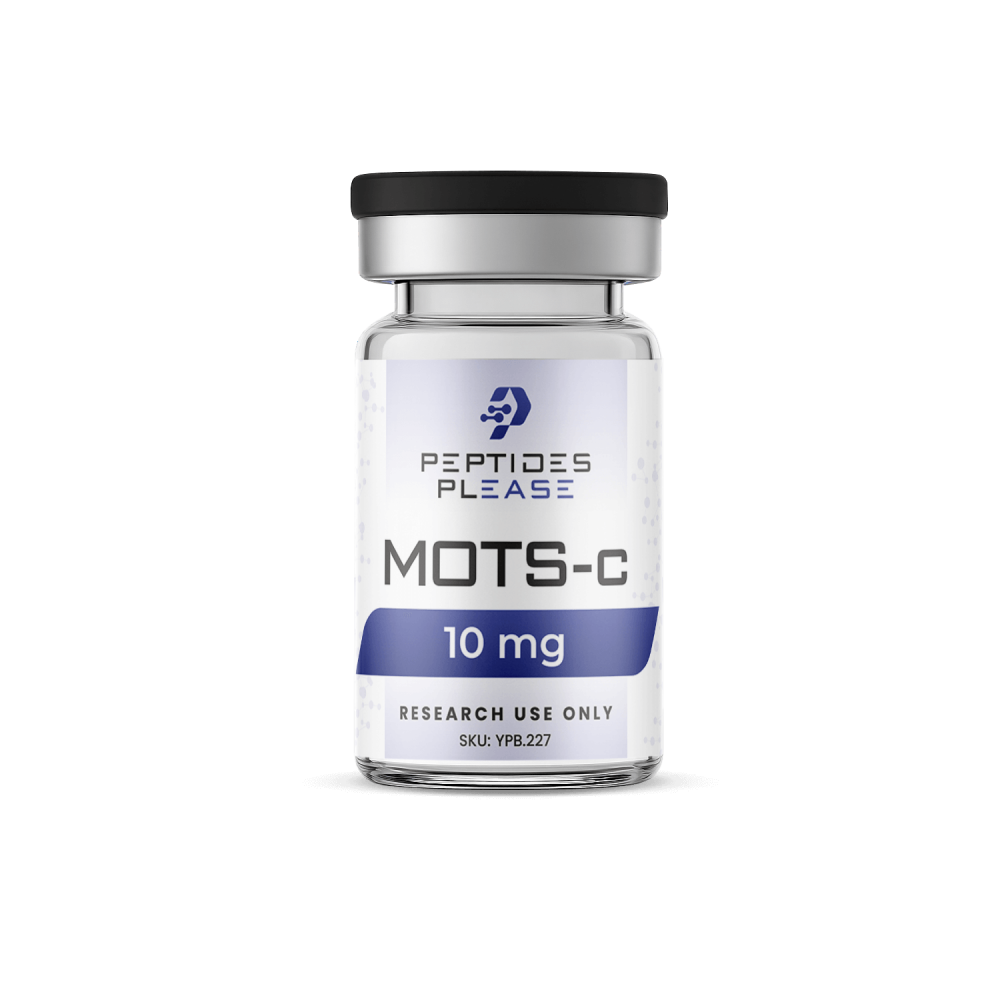
The MOTS-c peptide, a fascinating member of the mitochondrial-derived peptides family, emerges from a specific sequence within mitochondrial DNA. This 16-amino-acid peptide plays a pivotal role in regulating mitochondrial function, helping cells adapt to metabolic stress by influencing key pathways like AMP-activated protein kinase activation. Unlike traditional peptides, MOTS-c acts as a systemic signal from mitochondria, bridging nuclear and mitochondrial communication to maintain metabolic homeostasis.
In conditions of metabolic dysfunction, such as insulin resistance, MOTS-c peptide enhances glucose uptake in skeletal muscle and improves insulin sensitivity, counteracting disruptions in energy balance. By promoting mitochondrial biogenesis and efficiency, it offers therapeutic potential for combating age-related metabolic decline, positioning it as a promising target for interventions against diabetes, obesity, and related disorders.
Buy MOTS c Peptide For Research at Peptides Please
Discover the potential of MOTS c peptide for research— a derived peptide MOTS c from the mitochondrial genome that supports mitochondrial health, combats mitochondrial dysfunction, and targets age-dependent physical decline, muscle homeostasis, and cardiovascular disease as a promising mots c treatment. Buy MOTS c peptide for research at Peptides Please today and explore its role in advancing studies on these critical health areas.
What Is MOTS c Peptide?
MOTS-c peptide is an endogenous mitochondrial peptide derived from the mitochondrial genome, playing a key role in regulating cellular metabolism and overall cellular health. This 16-amino-acid peptide, encoded within the 12S rRNA region of mitochondrial DNA, acts as a signaling molecule that influences energy homeostasis by enhancing mitochondrial function and promoting fat oxidation. Studies, particularly in mouse skeletal muscle models, have shown that MOTS-c boosts glucose uptake and insulin sensitivity, countering impaired insulin secretion often seen in metabolic disorders. As an endogenous MOTS-c, it circulates in the body to fine-tune these processes, mimicking exercise-like effects even at rest.
Beyond metabolism, MOTS-c impacts nuclear gene expression by translocating to the nucleus, where it modulates genes involved in stress responses and longevity, potentially protecting against chronic diseases like diabetes, obesity, and neurodegeneration. Research highlights its benefits for cognitive function, with evidence from animal studies showing improved memory and reduced brain inflammation under metabolic stress. By supporting cellular health at the mitochondrial level, MOTS-c emerges as a promising therapeutic target for age-related conditions, though human clinical trials are still emerging to validate these mouse-derived insights.
MOTS-c Peptide Mechanism of Action
MOTS-c inhibits the folate cycle and de novo purine synthesis, raising AICAR levels to activate AMPK, which promotes glucose uptake via GLUT4, fatty acid oxidation, and metabolic reprogramming similar to metformin. Under stress, it translocates to the nucleus, binding factors like NRF2 and ATF1/7 to regulate antioxidant and adaptive genes.
- AMPK activation: Improves insulin sensitivity, fat burning, and glucose handling in muscle.
- Anti-inflammatory effects: Reduces ROS, NF-κB activity, and cytokines like TNF-α and IL-6.
- Anti-aging and tissue protection: Supports mitochondrial biogenesis, bone density, muscle homeostasis, and combats obesity-related issues.
MOTS c Peptide Benefits
MOTS-c is a mitochondrial-derived peptide with promising metabolic and anti-aging effects. It activates pathways like AMPK to regulate energy use and cellular stress responses.
- Metabolic Benefits: MOTS-c improves insulin sensitivity and glucose uptake, helping prevent insulin resistance and supporting diabetes management. It enhances fat oxidation for better weight control and metabolic efficiency, mimicking exercise effects. These actions also boost energy production via optimized mitochondria.
- Muscle and Performance: The peptide enhances muscle function, endurance, and recovery by protecting against oxidative damage during exercise. It promotes ATP restoration and physical capacity in animal studies. This may help counter age-related muscle loss like sarcopenia.
- Anti-Aging and Repair: MOTS-c reduces inflammation and oxidative stress, supporting cellular repair and skin health. It aids bone metabolism via pathways like TGF-β/Smad, potentially improving osteoporosis. Longevity benefits include delayed aging through better stress adaptation.
- Other Health Effects: Cardiovascular improvements include better heart function and vascular health. It shows potential in immune regulation, fertility support, and neuroprotection against diseases like Alzheimer’s. Research is mostly preclinical, with human trials emerging.
MOTS-c Peptide Side Effects
MOTS-c peptide appears generally well-tolerated based on available research, primarily from animal studies and limited human reports, but its full safety profile remains unclear due to a lack of large-scale clinical trials. Common side effects are mild and short-term, while serious risks are mostly theoretical or linked to unregulated use.
Common Side Effects
Users report mild fatigue, temporary nausea, headaches, dizziness, or energy fluctuations as the peptide adjusts metabolism and mitochondrial function. Injection-site reactions like redness, irritation, or swelling occur with subcutaneous administration. Digestive discomfort, such as bloating, and insomnia or fever have also been noted anecdotally.
Potential Risks
Theoretical concerns include hypoglycemia from enhanced insulin sensitivity, especially when combined with antidiabetic drugs. Cardiovascular effects like increased heart rate or palpitations, plus possible immunogenicity or allergic reactions (rashes, itching), warrant monitoring. Long-term risks, off-target signaling, and impacts on organs like liver or kidneys are unknown without more human data.
Safety Considerations
Pregnant or lactating individuals should avoid it due to reproductive safety gaps. Individual factors like genetics or existing conditions may amplify effects, so medical consultation is advised before use. Most evidence stresses procedural risks (e.g., product impurities) over inherent toxicity in controlled settings.
MOTS c Peptide Price
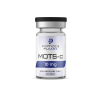
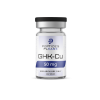
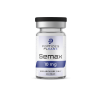
The MOTS-c peptide, a mitochondrial-derived peptide renowned for its potential in supporting metabolic health, energy production, and longevity research, is competitively priced at PeptidesPlease in the $100-$200 range for a 10mg and 40mg vial. This affordable bracket makes high-quality MOTS-c accessible for enthusiasts and researchers alike, often depending on factors like purity levels (typically 99%+), batch testing for potency, and bundled shipping options—positioning PeptidesPlease as a go-to source without compromising on lab-grade standards.
Research MOTS-c for Sale at PeptidesPlease
Discover the cutting-edge potential of MOTS-c, a groundbreaking mitochondrial-derived peptide composed of 16 amino acids that activates the AMPK pathway to enhance metabolic homeostasis, boost exercise capacity, reduce insulin resistance, combat obesity, and promote longevity while supporting glucose uptake and cellular energy balance. Research-grade MOTS-c (10mg vials, >99% purity, lyophilized powder) is available for purchase from top suppliers like PeptidePlease—ensuring USA-made, third-party tested quality strictly for scientific laboratory use. Unlock its promising applications in aging, inflammation, and metabolic studies today by ordering from these trusted sources for unmatched purity and fast shipping.
Frequently Asked Questions
What is MOTS-c?
MOTS-c is a mitochondrial-derived peptide, a short chain of 16 amino acids encoded by the mitochondrial genome. It acts as a signaling molecule that regulates metabolism, mimicking some effects of exercise.
What does MOTS c do?
MOTS-c activates AMPK pathways to improve mitochondrial function, enhance insulin sensitivity, promote fat oxidation, and support energy homeostasis. It boosts endurance, aids muscle homeostasis, and may counteract age-related physical decline.
What are the side effects of MOTS-c?
Common side effects include injection site irritation, mild fatigue, nausea, digestive discomfort, headaches, and temporary energy fluctuations. Rare issues may involve muscle cramping, hunger changes, or severe reactions like allergic responses, warranting medical attention.
Can MOTS-c help with weight loss?
Yes, MOTS-c promotes fat loss by increasing fatty acid oxidation and lipolysis while preserving lean muscle, especially during calorie restriction or exercise. Studies in animals show it reduces visceral fat and protects against diet-induced obesity.
Does MOTS-c increase testosterone?
No evidence suggests MOTS-c directly increases testosterone levels. Its benefits focus on metabolic and mitochondrial pathways rather than hormonal effects on testosterone production.
Does MOTS-c build muscle?
MOTS-c does not directly build muscle but supports muscle preservation, recovery, and increased lean mass in some animal studies by enhancing mitochondrial efficiency and reducing breakdown during fat loss. It improves exercise performance rather than acting as an anabolic agent.
Summary
MOTS‑c is a 16‑amino‑acid mitochondrial‑derived peptide encoded by the 12S rRNA region of the mitochondrial genome, first discovered through screens for regulators of cellular metabolism. It is produced in response to stress or exercise and can move from mitochondria to the nucleus, where it modulates the expression of genes involved in stress adaptation, antioxidant responses, and energy balance.
Research suggests MOTS‑c influences metabolism primarily through the folate‑AICAR‑AMPK pathway, enhancing glucose uptake in skeletal muscle and improving insulin sensitivity. It also exerts anti‑inflammatory and antioxidant effects, protects cardiovascular and muscle function, and may delay age‑related physical decline, which has led to interest in its potential role in aging, diabetes, and exercise‑mimetic therapies.