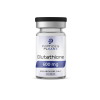
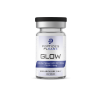
Glutathione
Showing the single result
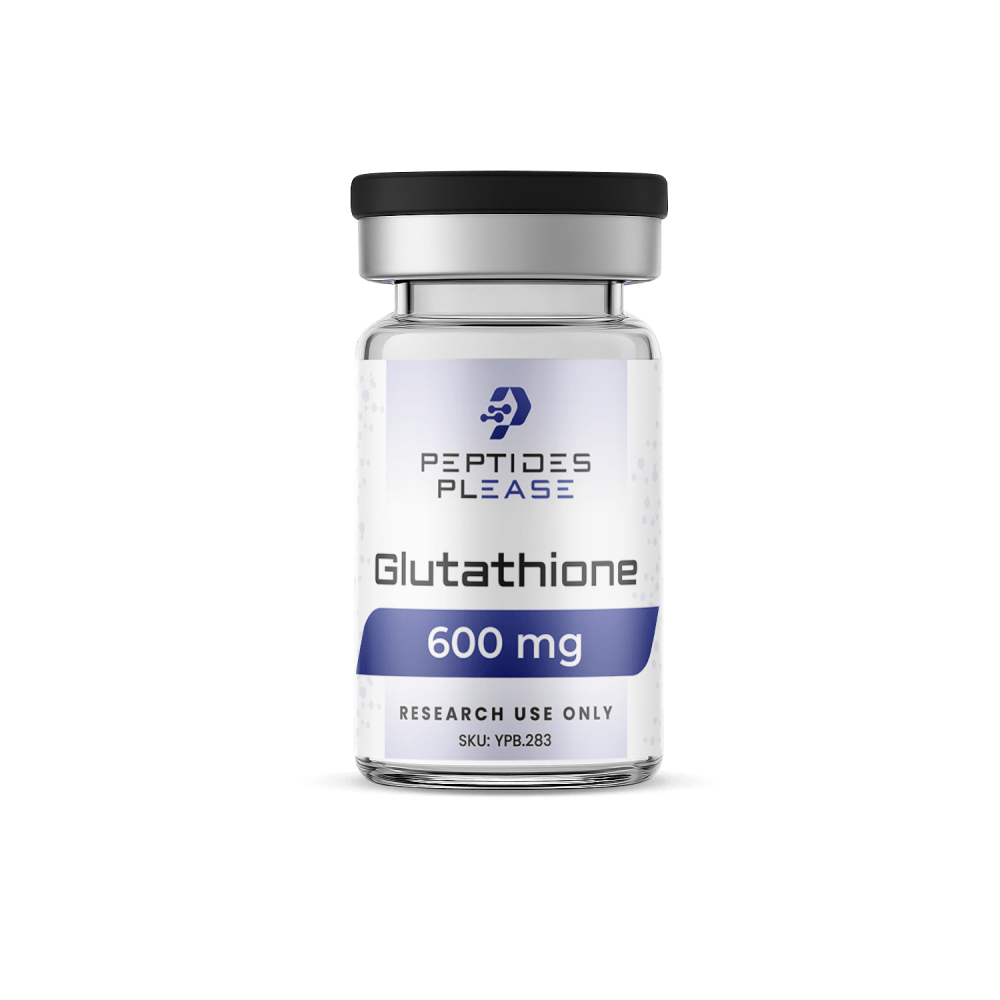
Glutathione is widely described as the body’s “master antioxidant,” a tripeptide built from three amino acids (cysteine, glycine, and glutamic acid) that is central to redox balance, detoxification pathways, and cellular defense. Because endogenous glutathione levels decline with age, oxidative load, and metabolic stress, it is one of the most studied antioxidant compounds in laboratory and clinical research. The reference material below consolidates what the research literature examines about glutathione’s mechanism, the delivery methods studied, and the absorption and timing factors investigators account for in study design.
All products are supplied strictly for laboratory and in-vitro research. They are not for human or animal consumption. Peptides Please ships research compounds to the USA and Canada.
Key Takeaways
- Glutathione (GSH) is a tripeptide antioxidant that neutralizes free radicals, recycles vitamins C and E, and drives phase II detoxification through glutathione S-transferase conjugation.
- Oral glutathione shows low bioavailability in many studies because gastric enzymes degrade the intact tripeptide; delivery systems such as liposomal encapsulation, sublingual routes, intravenous administration, and S-acetyl glutathione are investigated to improve stability and uptake.
- Absorption research notes that intact amino acids from protein-rich conditions compete for the same intestinal transporters, which is why fasted-state conditions are a common variable in bioavailability studies.
- Co-factors such as vitamin C and selenium are studied for their role in maintaining the reduced GSH to oxidized GSSG ratio.
- Peptides Please supplies research-grade glutathione at ≥99% purity, manufactured in certified facilities and verified by independent third-party testing.
Buy Glutathione for Research at Peptides Please
Peptides Please offers pure, lab-grade research-grade glutathione for scientists studying oxidative stress, redox signaling, and antioxidant pathways. Unlike consumer dietary products formulated for general wellness, our material is intended for precise experimental applications where purity and batch consistency matter. Every batch is independently tested so the certificate of analysis reflects what is actually in the vial.
What Is Glutathione?
Glutathione is a tripeptide antioxidant produced naturally in the body from cysteine, glycine, and glutamic acid. It neutralizes reactive oxygen species, detoxifies xenobiotics, and protects cells from oxidative damage. Research associates it with immune cell function, maintenance of other antioxidants in their active state, and the regulation of cellular redox homeostasis. Low systemic glutathione has been reported in research settings alongside conditions involving elevated oxidative stress, including nonalcoholic fatty liver disease, cystic fibrosis, and idiopathic pulmonary fibrosis.
Glutathione Mechanism of Action
Glutathione (GSH) functions as a master antioxidant and detoxification agent. It shields cells by donating electrons to neutralize free radicals and peroxides. In the process, reduced GSH is oxidized to GSSG, which glutathione reductase recycles back to GSH using NADPH, sustaining a high GSH to GSSG ratio.
- Antioxidant defense (redox balance): GSH scavenges reactive oxygen species such as hydroxyl radicals and superoxide, and keeps vitamins C and E in their active reduced states.
- Peroxide reduction (GPx system): Glutathione peroxidase enzymes use GSH to break down hydrogen peroxide into water and reduce organic peroxides to alcohols.
- Detoxification and conjugation (GST): Glutathione S-transferases attach GSH to toxins and heavy metals, making them water-soluble for excretion as part of phase II liver detoxification.
- Redox cycling (GSH/GSSG cycle): Glutathione reductase regenerates GSH from GSSG using NADPH, maintaining redox homeostasis.
- Immune and cellular regulation: Beyond its antioxidant role, GSH supports DNA repair, protein synthesis, and regulation of apoptosis.
Delivery Methods Studied in Glutathione Research
A recurring theme across the glutathione literature is that the delivery route changes how much intact tripeptide reaches systemic circulation. Researchers compare the following approaches when designing bioavailability studies:
- Standard oral glutathione: Often shows limited systemic bioavailability because gastric enzymes break the tripeptide into its component amino acids before absorption, which may not reliably raise measured glutathione levels.
- Liposomal delivery: Encapsulates glutathione in phospholipid vesicles that resemble cell membranes, a strategy studied to shield the molecule from gastric acid and improve intestinal uptake. A published study on a glutathione nanoparticle complex illustrates how formulation chemistry is used to improve delivery and measurable immune response.
- Intravenous (IV) administration: Bypasses the digestive tract entirely for full systemic availability, which is why it appears in clinical research protocols that require immediate replenishment of depleted stores.
- Sublingual absorption: Studied for entry through the vascularized tissues of the mouth, avoiding first-pass liver metabolism.
- S-acetyl glutathione: A chemically stabilized form engineered to survive digestion and convert back to reduced glutathione inside the cell, frequently compared against standard oral forms in absorption research.
Forms of Glutathione Compared in the Literature
Different formulations behave differently in absorption and stability studies. The foundation investigators return to is protecting the intact molecule and maintaining consistent systemic levels rather than producing short spikes.
- Liposomal glutathione: Studied for higher relative bioavailability than unprotected oral forms due to its phospholipid shell.
- Capsules and tablets: Convenient dosing formats whose absorption is heavily influenced by the digestive environment in study conditions.
- Reduced glutathione (GSH): The active electron-donating form; research tracks how quickly it oxidizes to GSSG and how efficiently it is recycled.
- Sublingual preparations: Evaluated for faster entry through oral mucosa.
Absorption and Timing Factors in Glutathione Studies
Timing and fasted-state conditions are standard variables in oral glutathione bioavailability research. The reason is physiological: when protein-rich contents are present, free amino acids compete with glutathione for the same intestinal transporters, which can reduce how much intact compound is absorbed. For this reason, many absorption studies standardize a fasted state to control for that competition.
The literature also emphasizes consistency over timing precision. Research tracking systemic glutathione favors steady, repeated conditions rather than isolated exposures, because the GSH/GSSG redox pool responds to sustained input. Diet and overall oxidative load are treated as confounding factors, since sulfur-rich nutrients and balanced amino acid availability support endogenous glutathione synthesis, while high oxidative burden depletes it.
Co-Factors Studied Alongside Glutathione
Glutathione does not act alone in the antioxidant network. Vitamin C is studied for its role in regenerating glutathione from its oxidized form, and selenium is a required component of glutathione peroxidase enzymes. These relationships are why co-factor status is frequently recorded in glutathione research design.
Glutathione Price
Research-grade glutathione from Peptides Please is listed at $85 per vial. Pricing reflects ≥99% purity material with independent third-party verification, supplied for laboratory use only.
Research Glutathione for Sale at Peptides Please
For investigators studying antioxidant pathways, redox signaling, and detoxification, sourcing high-purity material is essential to reproducible results. Peptides Please supplies research glutathione manufactured in certified facilities and verified by independent laboratory testing. Researchers exploring related longevity and antioxidant compounds also study our NAD+ research compounds, the copper peptide GHK-Cu, and our range of peptide bioregulators.
Order Research Glutathione See Prices
Frequently Asked Questions
What is the best way to take glutathione in research settings?
Research does not point to a single best route; it depends on the study objective. Intravenous administration provides full systemic availability and is used where immediate replenishment is required, while liposomal and S-acetyl forms are studied as oral alternatives that resist gastric degradation. This information is for research context only and is not human-use guidance.
When do absorption studies measure glutathione intake?
Oral bioavailability studies commonly standardize a fasted state to limit competition from dietary amino acids at intestinal transporters, and they prioritize consistent, repeated conditions over isolated exposures.
Why does oral glutathione have low bioavailability?
Gastric enzymes break the intact tripeptide into its component amino acids before absorption, so standard oral forms may not reliably raise measured systemic glutathione without a protective delivery system.
What is liposomal glutathione?
Liposomal glutathione is encapsulated in phospholipid vesicles that mimic cell membranes, a formulation studied to shield the molecule from stomach acid and improve intestinal uptake compared with unprotected oral forms.
What does glutathione do in the body?
It neutralizes free radicals, recycles other antioxidants, drives phase II detoxification through glutathione S-transferase conjugation, and helps maintain cellular redox balance via the GSH/GSSG cycle.
Which co-factors are studied with glutathione?
Vitamin C is studied for regenerating reduced glutathione, and selenium is required for glutathione peroxidase activity, so both are often recorded in glutathione research.
Is the glutathione sold here for human use?
No. All Peptides Please products are supplied strictly for laboratory and in-vitro research and are not for human or animal consumption.