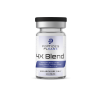
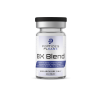
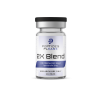
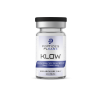
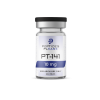
5 Amino 1 MQ
Showing the single result
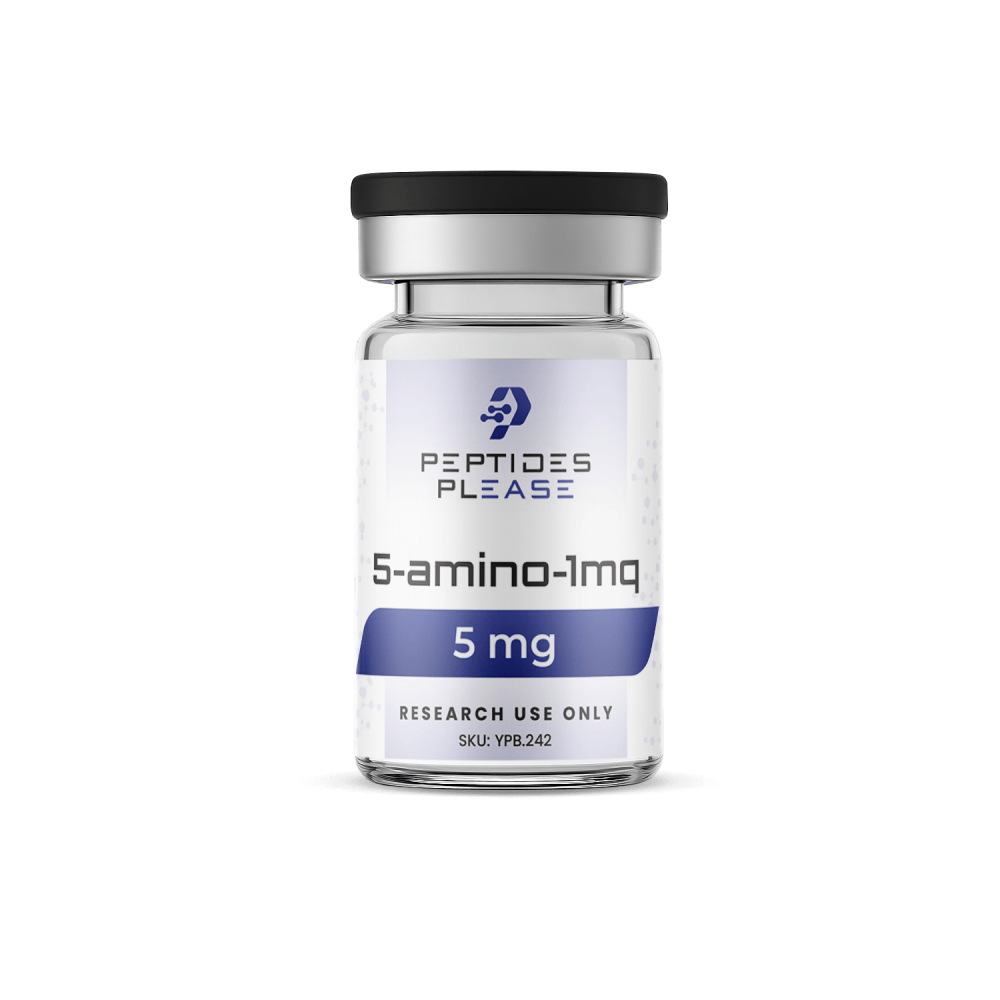
5-Amino-1MQ (5-amino-1-methylquinolinium) is a selective, membrane-permeable small molecule studied for its role in metabolic research. It targets nicotinamide N-methyltransferase (NNMT), an enzyme tied to energy metabolism and fat storage, which makes it a compound of interest for laboratories investigating NAD+ biology, adipocyte function, and cellular energy. All 5-Amino-1MQ sold here is a research chemical for laboratory use only and is not for human or animal consumption.
Buy 5-Amino-1MQ for Research at Peptides Please
Peptides Please supplies research-grade 5-Amino-1MQ at ≥99% purity, manufactured in certified facilities and verified by independent third-party laboratory testing. Each batch is intended for in-vitro and scientific applications where reproducible data depends on compound purity.
What Is 5-Amino-1MQ?
5-Amino-1MQ is a small-molecule inhibitor of nicotinamide N-methyltransferase (NNMT), an enzyme that regulates metabolic pathways by controlling nicotinamide levels. By blocking NNMT, it is reported in preclinical models to raise intracellular NAD+, a coenzyme central to mitochondrial energy production. It is not currently FDA-approved for human use and is studied strictly as a research compound.
How 5-Amino-1MQ Works: Mechanism of Action
In laboratory models, 5-Amino-1MQ acts through a localized, intracellular route rather than by stimulating the central nervous system. Researchers focus on a few linked steps:
- NNMT inhibition: the compound binds the active site of NNMT, blocking its use of nicotinamide and S-adenosylmethionine. NNMT is reported to be overexpressed in white adipose tissue in obese models.
- NAD+ elevation: inhibiting NNMT preserves nicotinamide and is associated with higher cellular NAD+, supporting mitochondrial energy pathways.
- SIRT1 signaling: higher NAD+ is linked to activation of the longevity protein SIRT1, which influences metabolic regulation and insulin signaling in study models.
What the Research Shows
Evidence to date is primarily preclinical. In a widely cited mouse study, a selective NNMT inhibitor reversed diet-induced obesity by reducing adipose tissue mass and fat-cell size without reducing food intake. Observations reported across metabolic research models include reduced lipid storage in adipocytes, improved markers of glucose regulation, and support for muscle-cell repair. These are laboratory findings, not demonstrated human outcomes.
Research Administration Routes for 5-Amino-1MQ
This section describes how 5-Amino-1MQ is handled in a research setting only. There is no validated human dosage, and nothing here is a usage instruction for people or animals.
- Reconstitution: lyophilized 5-Amino-1MQ is typically dissolved for in-vitro work using bacteriostatic or sterile water, with concentrations fixed to the study protocol.
- Route in study models: the research literature examines both oral and subcutaneous delivery in animal models. Route selection in a protocol determines how bioavailability and clearance are measured.
- Consistency: stable handling and fixed intervals matter more to data quality than any single value, because NNMT activity and NAD+ turnover are measured over time.
Timing Considerations in Research Protocols
Because NNMT activity, NAD+ turnover, and fat metabolism follow circadian patterns, timing is a variable researchers control rather than a schedule for people. No human trial has established an optimal time, so timing should be treated as an unproven research practice.
- Circadian alignment: cellular energy metabolism shifts across the day, so protocols fix the time of administration to keep measurements comparable.
- Fasted versus fed state: dietary nicotinamide competes for NNMT binding, so fasted-state models are used when researchers want to limit that confounder.
- Split intervals: some informal protocols divide a daily amount across morning and afternoon to study steadier exposure; this is a research convention, not a clinical recommendation.
Why Source 5-Amino-1MQ From Peptides Please
Peptides Please is a research chemical supplier and is not a compounding pharmacy or an outsourcing facility under 503A/503B of the Federal Food, Drug, and Cosmetic Act. Every 5-Amino-1MQ order ships with the purity and third-party verification that reproducible metabolic research depends on, to customers in the USA and Canada.
Researchers studying related metabolic pathways often pair their work with our NAD+ research compounds, Mazdutide, or Cagrilintide.
Frequently Asked Questions
What exactly is 5-Amino-1MQ?
It is a selective, membrane-permeable small-molecule inhibitor of the NNMT enzyme, studied in metabolic research for its reported effect on NAD+ levels and fat metabolism. It is sold for laboratory research only.
How is 5-Amino-1MQ handled in research?
Lyophilized material is reconstituted with sterile or bacteriostatic water to a protocol-defined concentration. Both oral and subcutaneous routes appear in animal studies. There is no validated human dosage.
Does timing change results in 5-Amino-1MQ research?
NNMT activity and NAD+ turnover follow circadian patterns, so researchers fix the time and fed state to keep data comparable. No human trial has established a best time, so timing is treated as an unproven research variable.
What is the difference between NAD+ and 5-Amino-1MQ?
NAD+ is the coenzyme itself. 5-Amino-1MQ is a compound studied for raising NAD+ indirectly by inhibiting NNMT, the enzyme that depletes nicotinamide.
Is 5-Amino-1MQ approved for human use?
No. It is not FDA-approved and is supplied strictly as a research chemical, not for human or animal consumption.