DSIP
Showing the single result
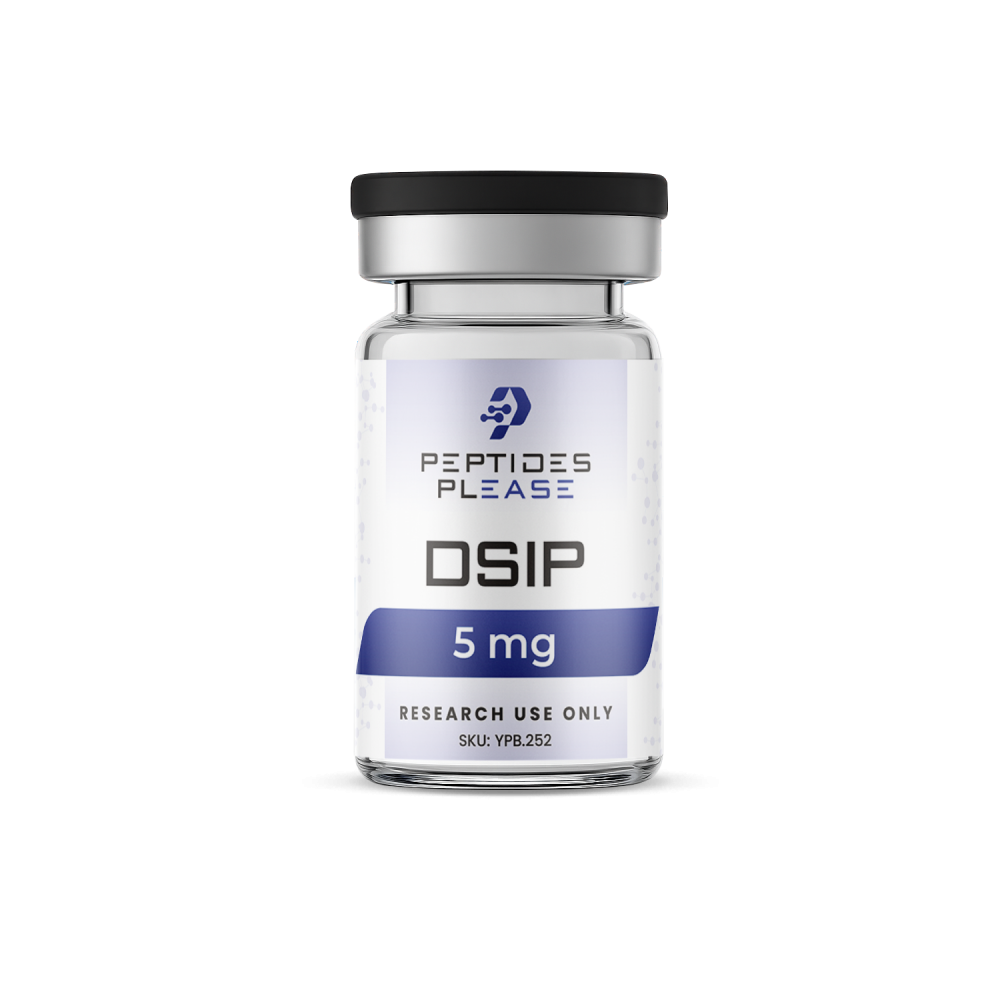
Delta sleep-inducing peptide (DSIP), also known as dsip delta sleep inducing peptide, is a naturally occurring neuropeptide first identified for its role in promoting slow wave sleep and delta sleep. Research shows it influences human sleep behavior and sleep patterns by modulating sleep onset mechanisms, with studies noting that human plasma DSIP decreases at the onset of sleep despite its sleep-inducing properties. DSIP, or sleep-inducing peptide DSIP, has demonstrated potential in enhancing deep, restorative sleep stages without significant side effects in limited human trials.
DSIP exhibits both acute and delayed effects on sleep regulation, increasing slow-wave sleep duration and quality while interacting with receptors like GABA-A and possibly opioid systems to facilitate the sleep onset mechanism. Animal studies link it to growth hormone release tied to delta sleep, suggesting broader impacts on recovery and stress modulation. Ongoing research explores its therapeutic use for insomnia and disrupted sleep patterns, though mechanisms remain under investigation.
Buy DSIP For Sale For Research at Peptides Please
Discover premium DSIP for sale for research purposes at Peptides Please, the trusted source for high-quality delta sleep research peptides. This unknown hypothalamic hormone is extensively studied for its potential to induce sleep efficiency, regulate wakefulness and sleep patterns, and address sleep disorders, including those linked to sleep deprivation. Researchers explore DSIP’s interactions with the central nervous system to influence sleep cycles and mitigate pronounced pain episodes, making it a key compound for investigations into restorative sleep mechanisms and neurological health.
What Is DSIP Peptide?
DSIP (Delta Sleep-Inducing Peptide) is a naturally occurring neuropeptide renowned as a sleep peptide for its ability to influence sleep patterns and improve sleep quality, particularly in chronic insomniac patients suffering from chronic insomnia. Discovered in the 1970s through rabbit brain extracts, DSIP promotes deep, restorative slow-wave sleep without causing grogginess or dependency, while also exhibiting stress protective potency by modulating stress hormones like cortisol and enhancing resilience to physical and emotional stressors. Research highlights its potential in regulating circadian rhythms, reducing sleep latency, and increasing total sleep time, making it a promising therapeutic option for those with disrupted sleep architecture, though clinical evidence remains preliminary, and it’s primarily used in research settings for optimizing recovery in athletes and health optimization protocols.
DSIP Peptide Mechanism of Action
DSIP (Delta Sleep-Inducing Peptide) exerts its mechanism of action primarily by modulating neurotransmitter systems and neuroendocrine pathways, promoting delta-wave sleep induction while influencing REM sleep and rapid eye movement phases for sleep promotion. In contexts like major depressive disorder, DSIP demonstrates potential to regulate emotional and psychological responses by normalizing circadian rhythms and hypothalamic-pituitary-adrenal axis activity, thereby attenuating the stress response and fostering restorative sleep architecture that supports mood stabilization and resilience against psychological distress.
DSIP Peptide Benefits
DSIP enhances slow-wave (delta) sleep, which supports physical recovery and growth hormone release without suppressing REM sleep or causing sedation. It reduces nighttime awakenings and helps normalize circadian rhythms, making it useful for insomnia, jet lag, or shift work.
Stress and Hormone Effects
The peptide modulates cortisol levels and the HPA axis, potentially lowering stress and anxiety while promoting calmness. It may also boost growth hormone and support endocrine balance, aiding muscle repair and mood stability.
Other Reported Benefits
Research suggests neuroprotective effects, pain modulation, and indirect immune support through better sleep. Human studies indicate potential for chronic insomniacs, though evidence remains mostly preclinical or anecdotal. Note that DSIP is primarily for research use, with limited clinical approval.
DSIP Peptide Side Effects
DSIP (Delta Sleep-Inducing Peptide) is a research peptide studied for its potential to promote deeper sleep and reduce stress, but it carries several reported side effects. These vary by dose, duration, and individual factors, with short-term use generally better tolerated than long-term.
Short-Term Effects
Common mild issues include drowsiness the next day, headaches, lightheadedness, stomach discomfort, and temporary fluid retention. Users may also experience joint pain, anxiety, or strange/vivid dreams due to DSIP’s influence on sleep stages and hormones like cortisol. Injection-site reactions like redness or swelling can occur with injectable forms.
Long-Term Risks
Prolonged use might lead to tolerance, sleep disturbances upon stopping, hormonal imbalances, or dehydration. Other concerns include elevated blood pressure, vision changes from growth hormone effects, and theoretical cancer risk via IGF-1 elevation. Data remains limited, as DSIP lacks FDA approval and full human trials.
Precautions
Avoid if you have hormone disorders, high blood pressure, or a history; consult a doctor before use. Start with low doses and stay hydrated to minimize effects like headaches.
Research DSIP Peptide for Sale at PeptidesPlease
DSIP (Delta Sleep-Inducing Peptide) is a naturally occurring neuropeptide first identified for its potential to promote deep, slow-wave sleep by modulating brain waves and circadian rhythms, with research also exploring its roles in stress reduction, neuroendocrine balance, HPA axis regulation, neuroprotection, and mitigating oxidative stress in conditions like hypoxia. Studies in animals and limited human trials suggest benefits for sleep latency, restorative rest without dependency (unlike sedatives), cortisol modulation, and even applications in pain management or cognitive health, though it remains strictly for laboratory research—not human consumption—due to its research-grade status, lack of FDA approval, and risks like immunogenic reactions from impure sources. At PeptidesPlease, a supplier of high-purity (≥99%) US-manufactured and globally sourced research peptides for scientific use, DSIP is available as part of their white-label catalog for labs, universities, pharma, and biotech, complete with third-party testing, though specific product pages emphasize “research only” with no inventory overhead via on-demand shipping; buyers should verify batch purity and consult peer-reviewed sources before purchase.
Frequently Asked Questions
What is DSIP?
DSIP stands for Delta Sleep-Inducing Peptide, a naturally occurring neuropeptide first isolated in the 1970s from rabbit brains during sleep states. It promotes deep delta-wave sleep, crosses the blood-brain barrier easily, and influences endocrine functions like hormone regulation without sedation.
Does DSIP peptide work?
Research indicates DSIP effectively enhances sleep quality, particularly slow-wave sleep, alertness, and mood in studies on humans and animals. It shows benefits for chronic pain, stress adaptation, and normalizing disrupted sleep patterns, though results vary by individual and administration (e.g., IV or injection).
How long does it take for a DSIP peptide to work?
Users often notice improved sleep within a few days to two weeks, with deeper cycles and fewer awakenings after consistent use, like bedtime injections. Acute effects appear after initial doses in clinical trials, building over repeated administration.
Does DSIP lower cortisol?
Yes, DSIP reduces basal corticotropin levels and cortisol, aiding stress response while modulating hormones like luteinizing hormone and somatotropin. Lab studies link it to lower cortisol in the hypothalamus and plasma during stress.
Is DSIP Safe?
DSIP appears safe and non-addictive when used appropriately under supervision, mimicking natural sleep without dependency like sedatives. No major side effects reported in research, though long-term human data are limited; consult professionals for use.
Summary
In summary, DSIP, a naturally occurring peptide and sleep-inducing peptide identified in cerebral venous blood, represents a promising naturally occurring substance with profound implications for human sleep regulation. Clinical pilot studies have demonstrated its capacity to enhance NREM sleep and deep sleep architecture, particularly in patients with severe chronic insomnia and depressed patients experiencing emotional stress. By modulating sleep pressure and promoting sleep structure through its unique sequence of amino acids, DSIP acts as a sleep-promoting substance that counters withdrawal symptoms associated with disrupted rest, offering a targeted approach to restoring balanced sleep cycles.
These findings underscore DSIP’s potential as a therapeutic agent, paving the way for larger-scale trials to validate its efficacy in diverse populations. As research advances, DSIP could revolutionize treatments for sleep disorders, harnessing the body’s innate mechanisms to foster restorative deep sleep and alleviate the burdens of chronic insomnia and related emotional distress.