Peptides for Bodybuilding
Showing all 10 results
-
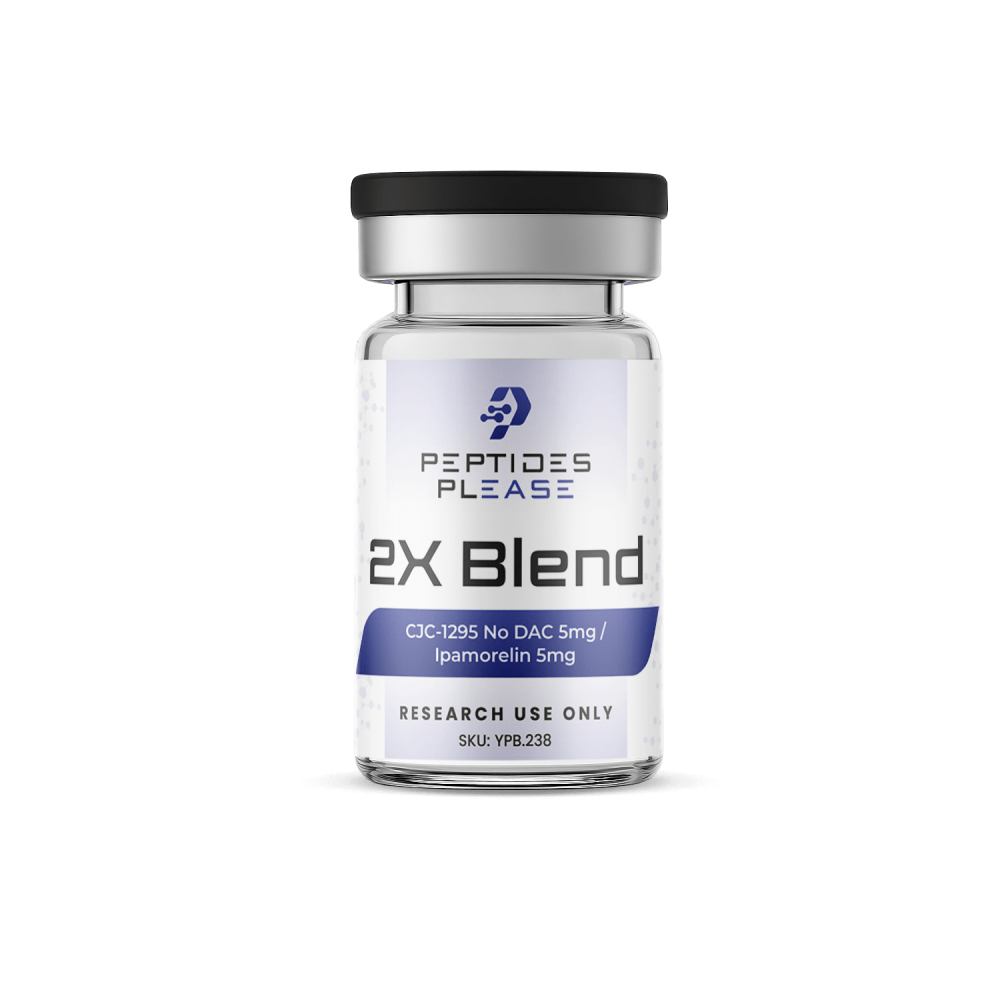 Peptide Blends2X Blend
- CJC-1295 Without DAC(5mg)
- Ipamorelin(5mg)
-
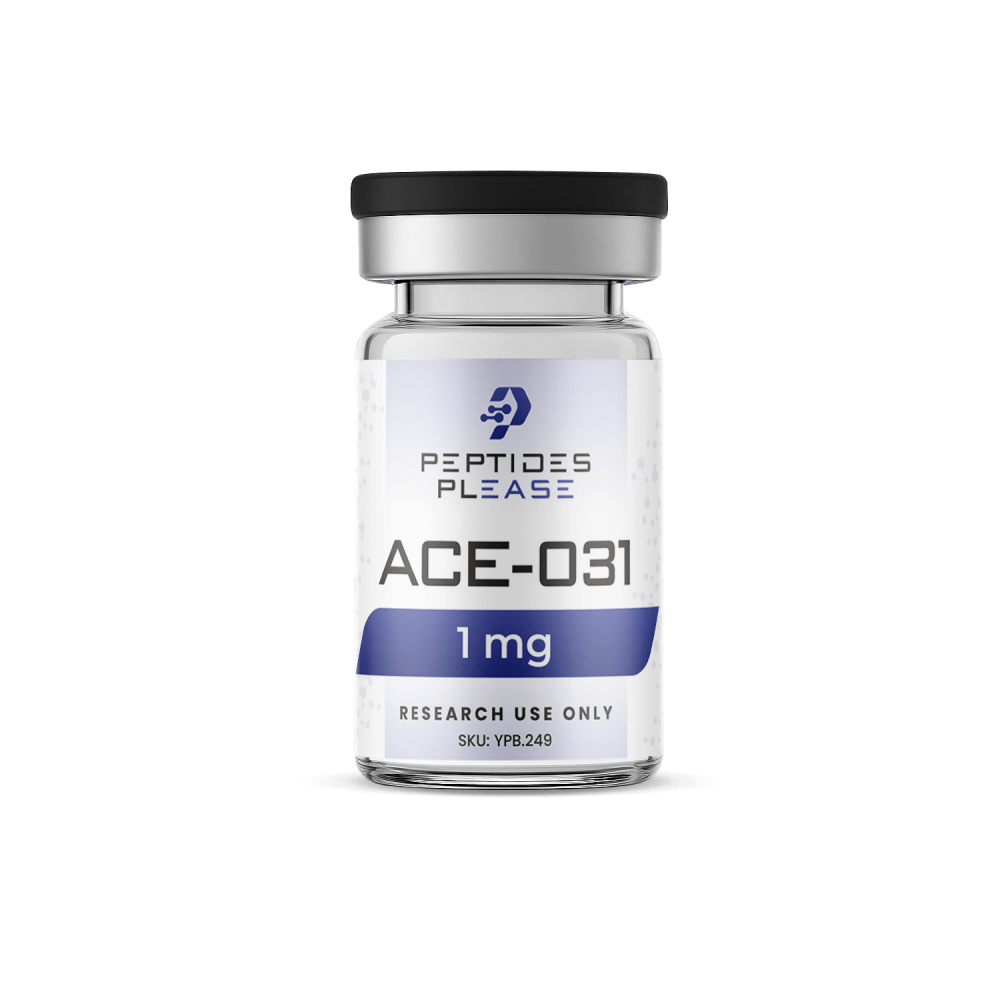 Ace 031 PeptideACE-031 (1mg)
 -
 CJC-1295CJC-1295 - With DAC (5mg)
 -
 CJC-1295CJC-1295 Without DAC (10mg)
 -
 GDF-8 PeptideGDF-8 (1mg)
 -
-
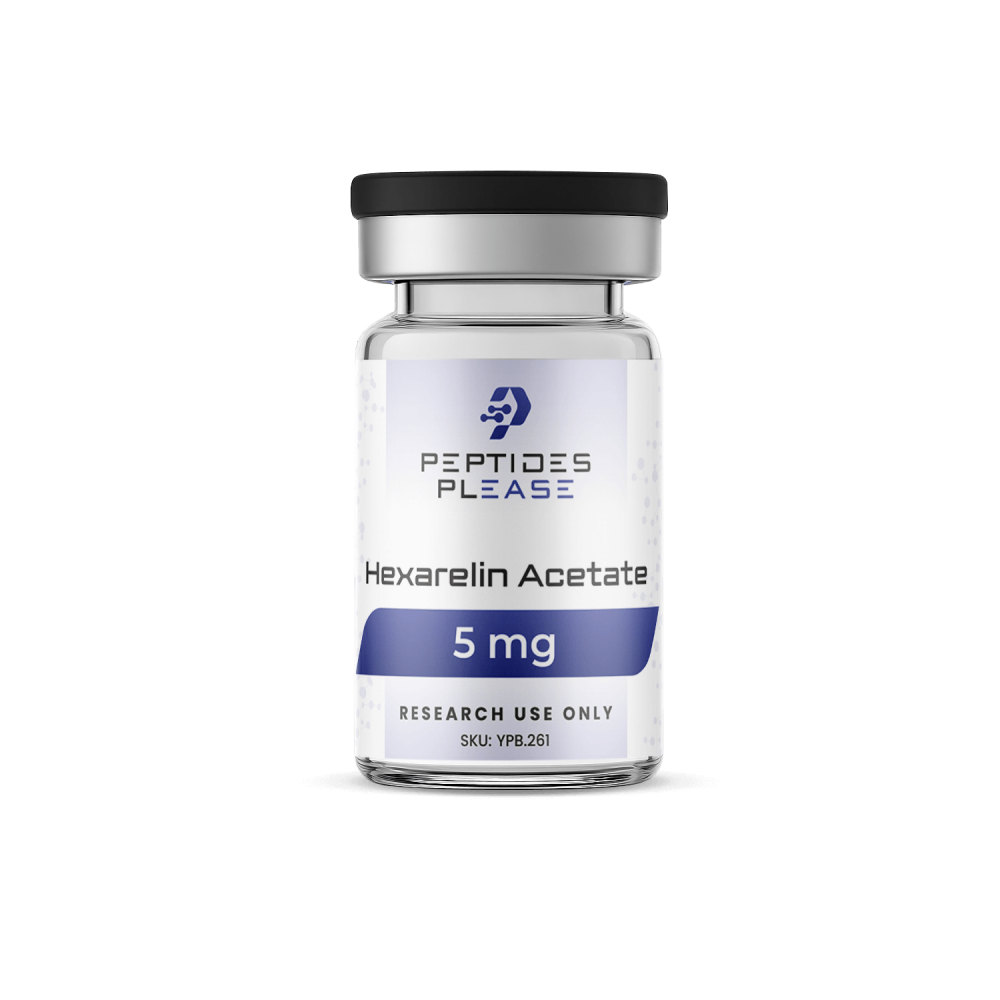 Hexarelin AcetateHexarelin Acetate (5mg)
 -
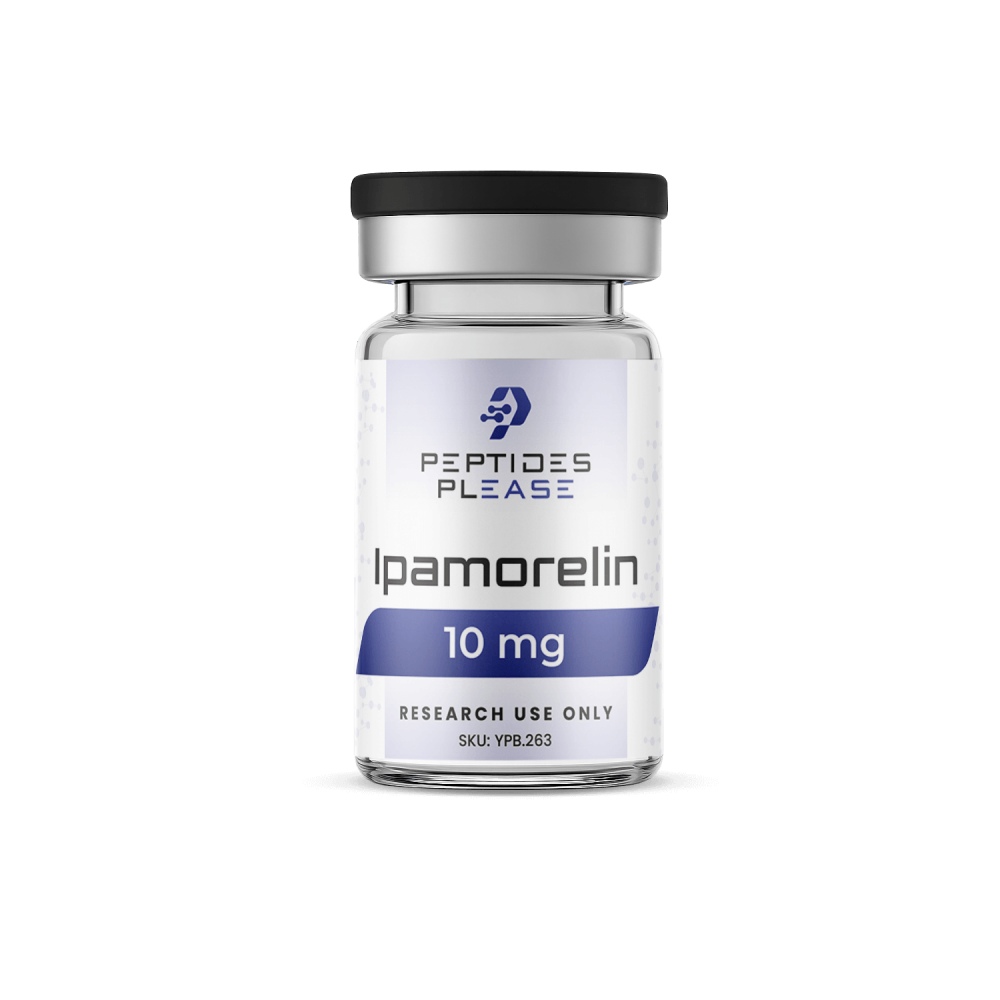 IpamorelinIpamorelin (10mg)
 -
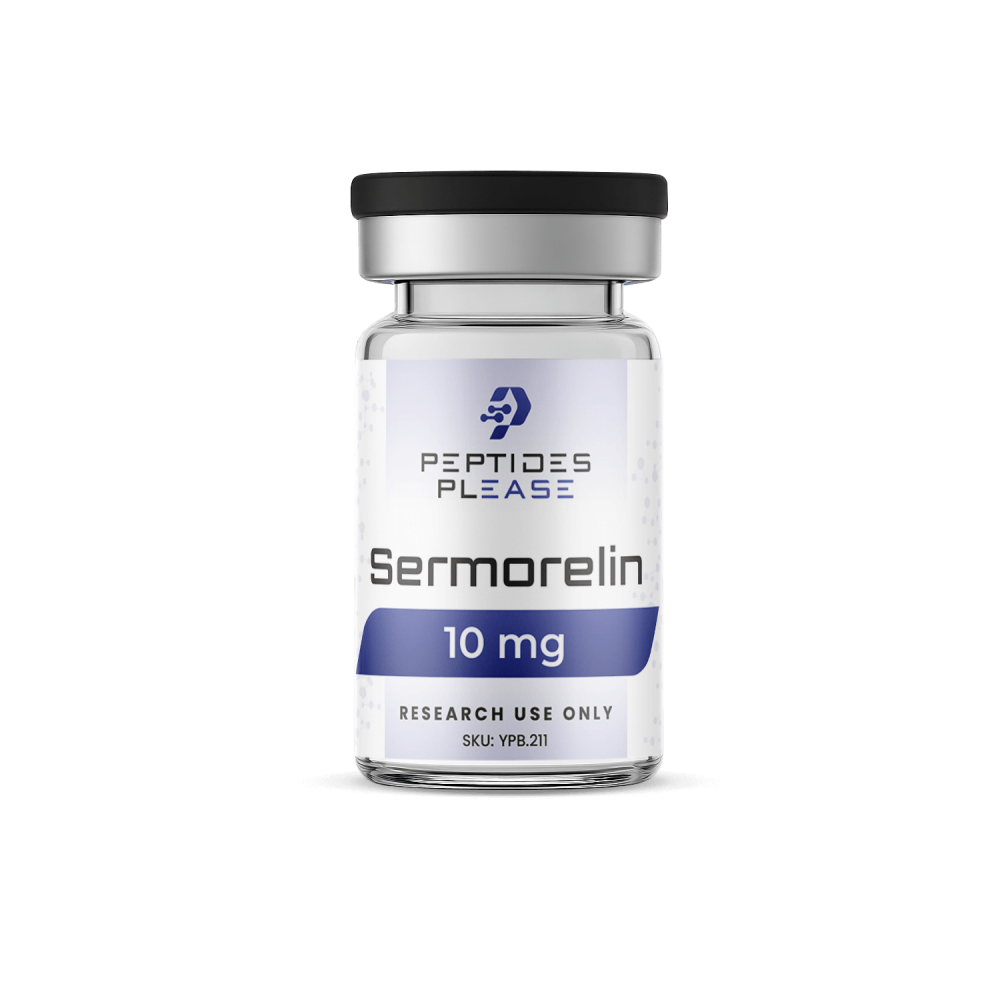 Popular PeptidesSermorelin (10mg)
 -
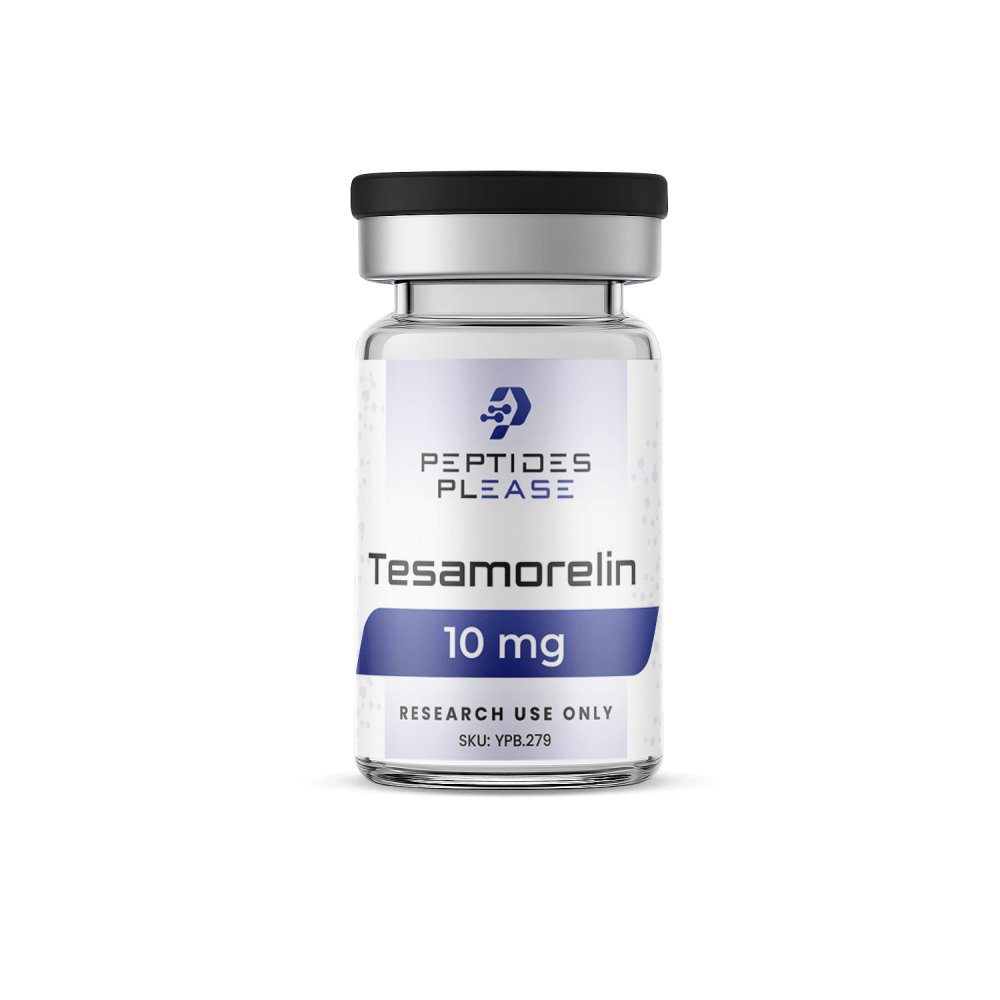 Popular PeptidesTesamorelin (10mg)
Peptides have become one of the most talked-about compounds in the world of bodybuilding and fitness. Often described as short chains of amino acids—the building blocks of proteins—peptides play a key role in many of the body’s natural processes, including muscle regeneration, fat loss, recovery, and hormone regulation.
In recent years, athletes and fitness enthusiasts have turned to peptide supplements to accelerate muscle repair, improve workout performance, and support overall physique development. While peptides for bodybuilding have potential benefits, understanding how peptides work, their types, and their safe use is crucial for anyone looking to include them in a fitness regimen.
What Are Peptides For Bodybuilding?
Peptides are short chains of amino acids that help the body build muscle tissue, recover faster, and burn fat more efficiently. In bodybuilding, they work by signaling the body to release more human growth hormone, which increases IGF-1—an important factor for muscle repair and growth. Unlike regular protein powders, peptides act like messengers, guiding your cells to build and recover in a more targeted and efficient way.
Explore Trusted Peptide Products Designed for Research from Peptides Please
Explore trusted peptide products designed specifically for research from our website, where quality and reliability come first. Our collection includes premium-grade peptides that meet strict standards for purity and consistency, ensuring accurate and dependable results. Whether you’re studying muscle growth, recovery, or hormone regulation, our products provide the precision and performance needed for scientific and fitness-related research. Each peptide is carefully sourced, tested, and packaged to support your goals with confidence.
Benefits Of Peptides For Bodybuilding
Peptides offer bodybuilders several key advantages by supporting natural hormone release and tissue repair.
- Enhanced Muscle Growth: They stimulate growth hormone (GH) and IGF-1 production, promoting muscle hypertrophy and protein synthesis for bigger gains.
- Accelerated Recovery: Peptides reduce inflammation and speed up the repair of muscles, tendons, and ligaments, enabling more frequent and intense training sessions.
- Increased Fat Loss: By boosting metabolism and lipolysis, they help burn fat while preserving lean muscle mass during cutting phases.
- Improved Stamina & Endurance: Enhanced mitochondrial function and nutrient delivery increase energy production and oxygen use for longer workouts.
- Better Sleep & Mood: Certain peptides improve sleep quality and hormonal balance, aiding overall recovery and mental focus.
- Joint & Tissue Health: They promote healing of connective tissues, lowering injury risk, and supporting long-term training.
What Do Peptides Do For Bodybuilding?
Peptides support bodybuilding by mimicking natural signals to enhance hormone production, muscle building, and recovery.
- Stimulate Growth Hormone (GH): Peptides like CJC-1295, Ipamorelin, and Growth Hormone Releasing Peptides (GHRPs) prompt the pituitary gland to release more GH, fueling muscle growth and repair.
- Increase IGF-1: GH triggers the liver to produce IGF-1, which boosts muscle protein synthesis and nutrient absorption for better gains.
- Accelerate Repair: They reduce inflammation, improve blood flow, and speed tissue healing, enabling quicker recovery and more training sessions.
- Boost Fat Metabolism: Elevated GH and IGF-1 levels promote fat breakdown, helping reveal lean muscle during cuts.
Most Popular Peptides For Bodybuilding
Peptides for bodybuilding mainly fall into two categories: those boosting growth hormone (GH) for muscle and fat loss, and those aiding recovery and healing.
For Muscle Growth and Fat Loss
These stimulate natural GH and IGF-1 production to build muscle and burn fat.
- CJC-1295 with Ipamorelin: A top stack where CJC-1295 offers steady GH release, and Ipamorelin adds strong pulses without raising cortisol or prolactin.
- Sermorelin: A gentle GHRH option that triggers natural GH pulses, ideal for safer hormone support.
- IGF-1 LR3: Extended-life IGF-1 that directly drives muscle protein synthesis and cell growth.
- GHRP-6: Boosts GH and appetite, perfect for bulking to pack on mass.
- Tesamorelin: Targets belly fat reduction while increasing GH.
Recovery and Healing
These speed up repair from workouts and injuries.
- BPC-157: Mimics stomach proteins to heal tendons, ligaments, muscles, and gut quickly.
- TB-500: Enhances tissue repair via better blood vessel growth and actin production for soft tissue recovery.
List Of Peptides For Bodybuilding
Bodybuilding peptides are used to support muscle growth, fat loss, and faster recovery by working with the body’s natural hormones. They often focus on boosting growth hormone (GH) and IGF-1, which help with muscle size, strength, and performance. Common choices in this group include CJC-1295, Ipamorelin, Sermorelin, and MK-677, all of which are known for encouraging the body to release more of its own growth hormone.
Other peptides are geared more toward repair and protection. IGF-1 LR3 is taken for its direct muscle-building support, while recovery peptides like BPC-157 and TB-500 are used to help heal tendons, ligaments, and muscles. These are sometimes combined, or “stacked,” so users can target specific goals such as building mass, staying lean, or speeding up recovery after hard training.
Peptides For Fat Loss Bodybuilding
For bodybuilding-focused fat loss, some peptides work by raising growth hormone to help burn fat while keeping muscle. Options like CJC-1295 with Ipamorelin, Tesamorelin, Sermorelin, and MK-677 can increase GH, which supports lipolysis (fat breakdown) and helps maintain lean mass during a cut.
Other compounds act more on appetite and metabolism. GLP-1–type drugs such as Semaglutide (Ozempic/Wegovy) and Tirzepatide (Mounjaro/Zepbound) can reduce hunger and support significant weight loss, although they are not always used specifically for physique goals. Peptides like AOD-9604 may further support fat breakdown, while BPC-157 and TB-500 are often added to help the body recover from hard training, making it easier to stick to intense fat-loss phases.
Are Peptides Safe For Bodybuilding?
Peptides used in bodybuilding can be useful, but they are not all equal in terms of safety. Some, like basic collagen supplements, are generally considered low risk, while stronger synthetic growth hormone–stimulating peptides such as CJC-1295 or GHRP-6 come with more concerns.
These stronger products are not approved for muscle building, can be banned in competitive sports, and may cause side effects like headaches, changes in blood sugar or insulin resistance, and other unknown long-term issues. Because many bodybuilding peptides are still not well studied and are often bought online as injectable products, there is a real risk of contamination, inaccurate dosing, and misuse.
Side Effects Of Peptides For Bodybuilding
Peptides used in bodybuilding carry potential risks, ranging from short-term discomfort to serious long-term health concerns.
Serious and Long-Term Risks
- Cardiovascular Issues: May raise the chances of atherosclerosis, blood clots, and high blood pressure.
- Bone and Muscle Damage: Can lead to muscle loss, skeletal harm, and osteoporosis.
- Cancer Risk: Some studies suggest an increased potential for certain cancers.
- Endocrine Problems: Possible links to diabetes or thyroid issues like hypothyroidism.
- Neurological Effects: Rare reports of motor issues or paralysis.
Injection-Related Risks
- Site Injuries: Pain, swelling, or tissue death (necrosis) at injection spots.
- Infections: High risk of bacterial spread, eye infections, or bloodborne diseases (HIV, hepatitis) from poor hygiene or shared needles.
Other Common Side Effects
- Allergic Reactions: From rashes to severe anaphylaxis.
- General Symptoms: Headaches, nausea, vomiting, or heavy sweating.
How To Use Peptides For Bodybuilding?
Peptides can supercharge bodybuilding results when used correctly, but safe and effective use starts with expert guidance and proper protocols.
- Consult a Professional First: Always see a doctor or specialist to confirm peptides fit your health, get accurate dosing, and master safe administration methods to avoid risks.
- Match Types to Timing: Use growth hormone releasers like GHRPs 30 minutes before cardio for fat loss or 20 minutes before protein meals for muscle gains; opt for post-workout peptides like PEG-MGF right after training to boost repair.
- Choose the Right Administration: Subcutaneous injections into belly fat with insulin needles are most common—mix powdered peptides with bacteriostatic water; intramuscular shots go directly into muscle, while nasal sprays or orals are less potent options.
- Integrate with Your Routine: Combine peptides with consistent workouts and nutrition for optimal results, dosing multiple times daily and expecting noticeable changes in 4-8 weeks.
How To Take Peptides For Bodybuilding?
To use peptides for bodybuilding, start by mixing freeze-dried powders with bacteriostatic water and injecting them under the skin, typically in cycles with doses like 100-300mcg for stacks such as CJC-1295/Ipamorelin—taken before workouts for fat loss or after for recovery—while oral or nasal options like MK-677 or collagen offer easier alternatives; always consult a doctor first for the right type, dosage, and timing tailored to your goals, since research is limited and safety depends on proper use.
How To Inject Peptides For Bodybuilding?
Follow these steps carefully for safe subcutaneous injections, always under medical guidance to avoid risks like infection.
Preparation and Mixing
- Clean Vials: Wipe the rubber tops of the peptide powder vial and bacteriostatic water vial with an alcohol pad.
- Draw Water: Use a mixing syringe to pull the recommended amount of bacteriostatic water into it.
- Mix Gently: Inject the water into the peptide vial—let the vacuum pull it in, then swirl softly until dissolved (never shake).
- Store Properly: Keep the mixed vial in the fridge for use between doses.
Injection Process
- Prepare Syringe: Use a fresh insulin syringe and draw your exact dose from the vial’s center rubber top.
- Choose and Clean Site: Pick fatty areas like the abdomen (not navel), thigh, or upper arm; rotate sites. Swab skin with alcohol and let it dry.
- Pinch and Inject: Pinch skin to lift fat layer, insert needle quickly at 90° (or 45° if lean), push plunger slowly, hold 3 seconds, then withdraw.
- Dispose Safely: Throw used needles in a sharps container right away.
Dosage and Timing
- Dosages typically range from 100-500mcg per shot, 1-3 times daily, based on the peptide and goals like growth or recovery.
- Time injections to match body rhythms—often pre-bed for hormone support or post-workout for repair.
Peptides Dose For Bodybuilding
Peptide dosages for bodybuilding depend on the specific type and your goals, such as muscle growth, fat loss, or recovery, with most protocols calling for daily subcutaneous injections ranging from 100 micrograms (mcg) to a few milligrams (mg) per dose.
Find Reliable Peptide Products for Research at Peptides Please
Peptides have become increasingly popular in the bodybuilding community for their potential to support lean muscle growth, enhance recovery, and improve overall performance. These short chains of amino acids are studied for their ability to stimulate natural growth hormone production and assist in muscle repair after intense training. If you’re exploring the science behind peptides and their applications, it’s essential to use products that meet high research standards. Find reliable peptide products for research at our website, where quality, purity, and consistency are our top priorities.
Frequently Asked Questions
Are peptides good for bodybuilding?
Peptides can aid bodybuilding by promoting muscle growth, recovery, and fat loss through stimulating growth hormone release, but their use carries significant risks, including hormonal imbalances, joint pain, and unknown long-term safety due to limited regulation and evidence.
Are peptides a steroid?
No, peptides are not steroids; peptides are short chains of amino acids that act as signaling molecules to stimulate natural hormone production, like growth hormone, whereas steroids are synthetic hormones that directly mimic testosterone to promote rapid muscle growth.
What’s the best peptide for building muscle?
CJC-1295 (often stacked with Ipamorelin) stands out as the best peptide for building muscle due to its ability to stimulate sustained growth hormone release, promoting protein synthesis, hypertrophy, lean mass gains, and recovery. Multiple sources highlight its effectiveness, with stacks like CJC-1295 + Ipamorelin rivaling HGH injections for muscle growth while minimizing side effects.
What are the risks of peptides for muscle growth?
Peptides for muscle growth, such as CJC-1295 and Ipamorelin, carry risks including water retention, joint pain, headaches, injection-site reactions, insulin resistance, increased cancer risk from elevated IGF-1, hormonal imbalances, contamination from unregulated sources, and potential heart failure or allergic reactions.
What are the best peptides for muscle growth?
The best peptides for muscle growth are CJC-1295 (often stacked with Ipamorelin), IGF-1 LR3, Tesamorelin, Sermorelin, and MK-677 (Ibutamoren). These stimulate growth hormone and IGF-1 release or directly promote hypertrophy, protein synthesis, and recovery.
Where do bodybuilders get their peptides?
Bodybuilders obtain peptides from online research chemical vendors like Core Peptides and Peptide Sciences, compounding pharmacies, black market sources, and clinics, though many are unregulated and pose contamination risks.
Do you inject peptides into the muscle?
Peptides for muscle growth are typically injected subcutaneously into fatty areas like the abdomen or thighs rather than directly into the muscle, though intramuscular injections into sites like the upper arm or buttocks are possible for certain peptides.
Are peptides safe for muscle growth?
Peptides for muscle growth are not entirely safe due to risks including injection-site reactions, hormonal imbalances, insulin resistance, potential cancer promotion via elevated IGF-1, contamination from unregulated sources, and lack of long-term studies or FDA approval for bodybuilding use.
Are collagen peptides good for bodybuilding?
Collagen peptides are beneficial for bodybuilding as they enhance muscle mass, strength, protein synthesis, and recovery when combined with resistance training, though they are less effective than complete proteins like whey due to lower leucine content.
Do peptides actually build muscle?
Peptides can build muscle by elevating growth hormone and IGF-1 levels to promote protein synthesis, hypertrophy, and strength gains, as evidenced by studies showing increased muscle mass and performance when combined with resistance training, though results vary and long-term data in healthy individuals remains limited.
What is the strongest peptide for muscle growth?
IGF-1 LR3 is widely regarded as the strongest peptide for muscle growth due to its direct stimulation of muscle hypertrophy, protein synthesis, and nutrient partitioning via high-affinity binding to muscle receptors, outperforming GH-releasing peptides like CJC-1295 in potency for advanced users.
What is the best peptide cycle for muscle growth?
The best peptide cycle for muscle growth is an 8-12 week stack of CJC-1295 (2mg weekly with DAC), Ipamorelin (100- 300 mcg 2 – 3x daily), and IGF-1 LR3 (40-80mcg daily post-workout), which synergistically boosts GH/IGF-1 levels, protein synthesis, hypertrophy, and recovery.
Summary
Peptides like CJC-1295, Ipamorelin, and IGF-1 LR3 offer potent potential for bodybuilding by elevating growth hormone and IGF-1 levels to enhance muscle hypertrophy, protein synthesis, recovery, and fat loss, with stacks such as CJC-1295/Ipamorelin/IGF-1 LR3 over 8-12 weeks often cited as optimal cycles yielding significant lean mass gains. Collagen peptides provide milder benefits for joint health and connective tissue support during training, but bodybuilders primarily source these from online research vendors, compounding pharmacies, or black markets, risking contamination and legal issues.
While subcutaneous injections into fatty areas remain standard rather than intramuscular, safety concerns loom large, including hormonal disruptions, insulin resistance, elevated cancer risk, injection reactions, and lack of FDA approval or long-term data, underscoring the need for medical supervision over unregulated use.