Lysine-Proline-Valine
Showing the single result
-
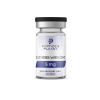
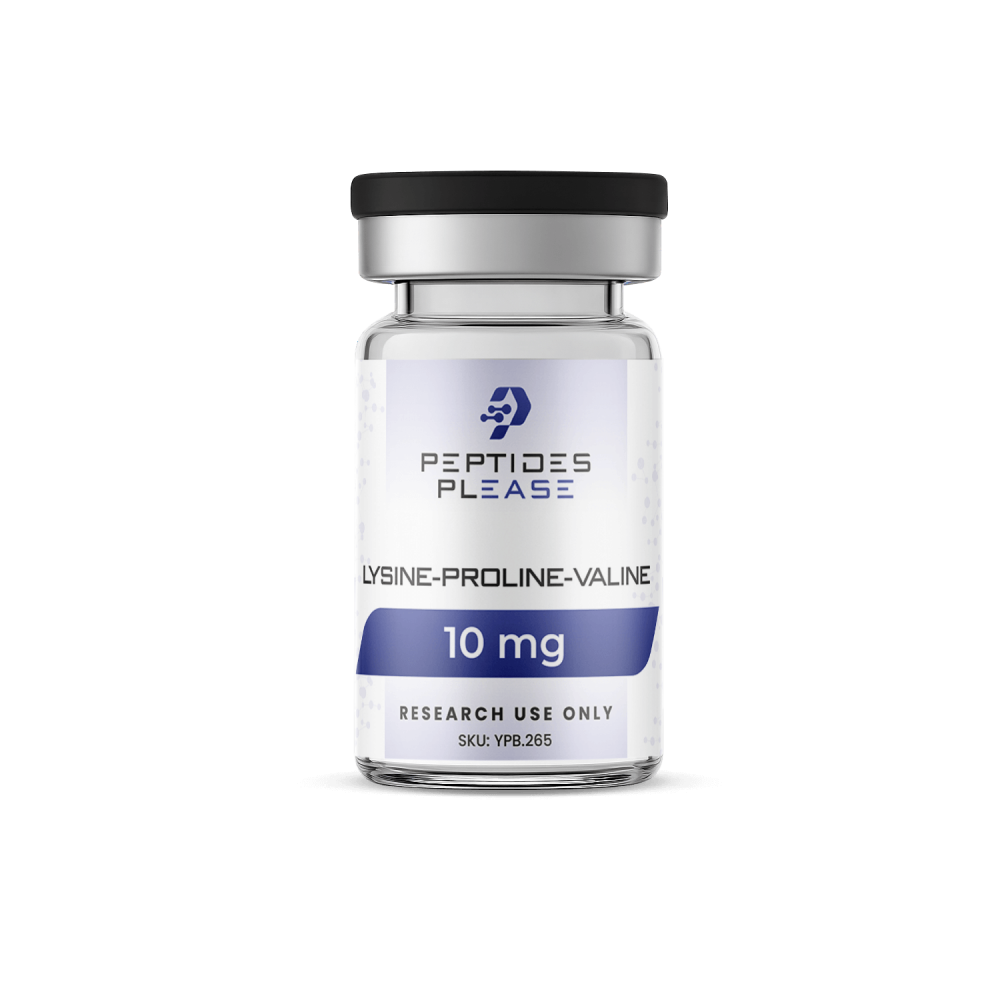 Lysine-Proline-ValineLYSINE-PROLINE-VALINE (10mg)
Lysine-Proline-Valine (KPV), a tripeptide sequence derived from alpha melanocyte-stimulating hormone (α-MSH), has garnered attention in clinical research and experimental models for its potent anti-inflammatory and tissue repair properties. This bioactive fragment mimics the core activity of α-MSH, modulating immune responses by inhibiting pro-inflammatory cytokines like TNF-α and NF-κB pathways, making it promising for drug discovery in treating various medical conditions such as inflammatory bowel disease (IBD), wound healing disorders, and psoriasis. Studies in animal models, including colitis-induced mice, demonstrate KPV’s ability to reduce mucosal damage and accelerate recovery, often administered orally or topically for targeted effects.
While primarily intended for research use, KPV’s exploration extends to human consumption and human use protocols, with anecdotal reports from biohackers highlighting its benefits in skin health and gut repair when reconstituted in bacteriostatic water for subcutaneous injections. However, clinical research in humans remains limited, focusing on safety and efficacy in experimental models before broader applications; users should prioritize pharmaceutical-grade sources and consult professionals, as it’s not FDA-approved for therapeutic purposes outside controlled drug discovery trials.
Buy KPV Lysine Proline Valine For Research at Peptides Please
Researchers seeking high-quality KPV (Lysine Proline Valine) peptide for body analysis can buy KPV Lysine Proline Valine for research at Peptides Please, a trusted source for this potent anti-inflammatory compound. Known for its role in peptide support and treatment of inflammation-related conditions, KPV offers promising applications in biomedical studies, particularly for modulating immune responses and promoting tissue repair in body systems affected by chronic inflammation.
What Is Lysine-Proline-Valine?
Lysine-Proline-Valine (LPV) is a synthetic tripeptide supplement composed of the amino acids lysine, proline, and valine, designed for research in muscle recovery, anti-aging, and tissue repair. In laboratory settings, LPV is produced through a precise chemical synthesis process involving solid-phase peptide expression, where protected amino acids are sequentially coupled to form the stable LPV sequence. This development process ensures high purity for investigational use, with supplements typically stored as lyophilized powders to maintain stability under controlled conditions like -20°C refrigeration, preserving their number of active molecules over extended periods.
LPV’s stability makes it a popular choice in biomedical research, where it demonstrates potential in modulating collagen synthesis and inflammation pathways, often compared to other peptides in fitness and regenerative protocols. Researchers emphasize proper storage stability to prevent degradation, recommending bacteriostatic water reconstitution only prior to laboratory use, ensuring the peptide’s efficacy in experimental number-based dosing studies.
Lysine-Proline-Valine Mechanism of Action
Lysine-Proline-Valine (KPV), a C-terminal tripeptide of α-melanocyte-stimulating hormone (α-MSH), delivers potent anti-inflammatory, antimicrobial, and antioxidant effects. It curbs pro-inflammatory cytokines like TNF-α and IL-6 while blocking key inflammatory pathways—such as NF-κB and MAPK—at nanomolar concentrations. (Innerbody +2)
- NF-κB and MAPK Inhibition: KPV blocks activation of nuclear factor-kappa B (NF-κB) and mitogen-activated protein kinases (MAPK, including ERK and p38), slashing pro-inflammatory cytokine production.
- Antioxidant and Cytoprotective Effects: It lowers reactive oxygen species (ROS) levels, shields mitochondria from oxidative damage, and prevents apoptosis to boost cell survival.
- PepT1-Mediated Uptake: KPV enters cells—especially intestinal epithelial and immune cells—via the di/tripeptide transporter PepT1, which ramps up in inflamed colons during inflammatory bowel disease (IBD) for targeted action.
- Pyroptosis Blockade: KPV inhibits caspase-1, curbing IL-1β release and halting pyroptotic cell death.
- Antimicrobial and Wound Healing Support: It fights microbes and accelerates skin repair through collagen synthesis and faster wound closure.
Therapeutic Applications
- Inflammatory Bowel Disease (IBD): Reduces gut inflammation with colon-specific delivery potential.
- Dermatological Conditions: Shields skin from stressors like fine dust; treats dermatitis, psoriasis, and wounds via anti-inflammatory and regenerative actions.
- Systemic Inflammation: Counteracts oxidative stress and cytokine storms across inflammatory disorders.
Lysine-Proline-Valine Benefits
Lysine-Proline-Valine (KPV), a naturally occurring C-terminal tripeptide from α-melanocyte-stimulating hormone (α-MSH), excels in treating chronic inflammation. It targets conditions like inflammatory bowel disease (IBD/Crohn’s), skin disorders (acne, psoriasis, eczema), and wounds, outperforming individual amino acids by directly entering cells to block NF-κB pathways and modulate immunity.
- Potent Anti-Inflammatory Action: Penetrates cells to suppress inflammatory signaling, delivering stronger effects than separate amino acids.
- Gut Health: Eases ulcerative colitis and Crohn’s by reducing intestinal inflammation.
- Skin Health and Wound Healing: Accelerates repair in acne, eczema, and psoriasis; promotes rapid closure and collagen synthesis.
- Immune Modulation: Leverages α-MSH roots for antimicrobial defense and balanced immune responses.
- Tissue Protection: Shields keratinocytes from environmental threats like fine dust, preventing apoptosis.
Lysine-Proline-Valine Side Effects
KPV (Lysine-Proline-Valine) is a synthetic tripeptide derived from alpha-melanocyte-stimulating hormone (α-MSH). Research shows it’s well-tolerated with low toxicity, even at therapeutic doses used for anti-inflammatory effects in conditions like inflammatory bowel disease (IBD), psoriasis, and wound healing. Human and animal studies report few severe side effects, making it a promising option compared to broader immunosuppressants. For instance, in colitis models, KPV reduces inflammation without cytotoxicity, restoring cell viability by up to 80% in PM10-exposed skin cells.
Common Side Effects by Administration Route
Side effects are typically mild and transient. Here’s a breakdown:
- Injectable (subcutaneous or intravenous): Local reactions like redness, swelling, soreness, or itching at the injection site occur in <5% of cases, resolving within hours to days. These stem from mechanical irritation rather than the peptide itself.
- Oral (capsules or lozenges): Mild gastrointestinal upset, such as nausea, abdominal discomfort, bloating, or altered bowel habits (e.g., loose stools), affects a small subset of users. This is often dose-dependent and linked to peptide breakdown in the gut.
- Topical (creams for skin conditions): Rare mild irritation or dryness; studies on UV-damaged or polluted skin show protective benefits without added harm.
Allergic reactions (rashes, hives, or itching) are uncommon (<1%) and usually indicate sensitivity to excipients in formulations, not KPV core.
Potential Risks and Immune Considerations
While KPV modulates inflammation via melanocortin receptors (reducing cytokines like TNF-α and IL-6), risks arise from misuse:
- Immune responses: High doses or impure (e.g., research-grade) products might trigger unexpected sensitivities, such as mild flares in autoimmune conditions. Paradoxically, its anti-inflammatory action generally dampens overactive immunity.
- Component-related issues: As a tripeptide, excess lysine (one component) at extreme intakes (>10g/day) could cause diarrhea, stomach cramps, or rare kidney strain—though KPV dosing (e.g., 200-800mcg/day) stays far below this threshold.
- Rare severe effects: No reports of organ toxicity, anaphylaxis, or long-term issues in clinical data, but those with peptide allergies or kidney impairment should consult a doctor.
Lysine-Proline-Valine Price
Elevate your wellness routine with premium Lysine-Proline-Valine peptide, expertly sourced for maximum potency and purity – perfect for supporting muscle recovery, immune function, and overall vitality. At peptidesplease.com, snag this high-demand 5mg vial for only $120, a steal for research-grade quality that delivers real results. Limited stock – order now and transform your health from the inside out.
Research KPV Lysine Proline Valine for Sale at PeptidesPlease
Discover the transformative power of KPV (Lysine-Proline-Valine), a potent tripeptide derived from alpha-MSH, now available for research at PeptidesPlease—your trusted source for high-purity peptides. Renowned for its robust anti-inflammatory, antimicrobial, and tissue-repair properties, KPV excels in supporting gut health by reducing inflammation in conditions like IBD and IBS, accelerating skin healing for eczema or psoriasis, and balancing immune responses without suppression, as evidenced by extensive preclinical studies. Priced competitively with HPLC-tested purity exceeding 99%, fast shipping, and strict research-use-only compliance, PeptidesPlease delivers lyophilized KPV in convenient 5mg vials—ideal for biohackers and labs exploring its benefits in wound recovery, mucosal repair, and beyond. Elevate your experiments today; order KPV from PeptidesPlease and unlock next-level results with confidence and precision.
Frequently Asked Questions
What is KPV lysine proline valine?
KPV is a tripeptide made up of the amino acids lysine, proline, and valine. It’s derived from the C-terminal end of alpha-melanocyte-stimulating hormone (α-MSH) and acts as a potent anti-inflammatory agent.
What is KPV peptide good for?
KPV is primarily used for reducing inflammation in conditions like gut disorders (e.g., IBS, IBD, colitis), skin issues (e.g., eczema, psoriasis, wounds), and systemic inflammation (e.g., arthritis, allergies). It supports tissue repair, immune balance, and gut barrier integrity without broadly suppressing immunity.
Is KPV peptide safe to take?
Research spanning over 20 years shows no serious side effects, making it safer than NSAIDs or steroids for inflammation, with no gut damage, immune suppression, or liver toxicity reported. It’s often taken orally and considered suitable for long-term use under professional guidance.
Can you take lysine and proline together?
Yes, lysine and proline are commonly taken together, often in collagen supplements, as they synergize for connective tissue health, collagen synthesis, and wound healing. No known adverse interactions exist.
Does KPV heal the gut?
KPV helps heal the gut by reducing gastrointestinal inflammation, strengthening intestinal tight junctions, protecting against leaky gut, and combating pathogen-driven issues like endotoxins. It’s studied for IBD, colitis, and overall gut repair.
What are proline and lysine good for?
Proline supports collagen production, joint health, and skin elasticity, while lysine aids collagen synthesis, immune function, herpes virus control, and calcium absorption. Together, they promote wound healing and tissue repair.
Does KPV help with weight loss?
No direct evidence links KPV to weight loss; its benefits focus on inflammation control and recovery rather than fat reduction or metabolism boosting.
Summary
In summary, lysine, proline, and valine stand out as vital amino acids with complementary functions that underpin protein synthesis, tissue repair, and metabolic efficiency. Lysine supports collagen formation and immune function while combating herpes viruses, proline enhances structural integrity in connective tissues like tendons and skin, and valine, as a branched-chain amino acid, fuels muscle recovery and energy production during exercise. Together, they form a powerhouse trio, particularly in high-demand scenarios such as athletic training, wound healing, or age-related collagen decline, where deficiencies can lead to fatigue, slow recovery, or weakened immunity.
Looking ahead, optimizing intake of lysine, proline, and valine through targeted supplementation or lysine-rich foods like meat, dairy, and legumes—paired with proline sources such as gelatin and valine from eggs or soy—offers a practical strategy for enhancing overall vitality. Future research may further illuminate their synergistic effects in personalized nutrition, underscoring the importance of balanced amino acid profiles in preventive health and longevity.