Peptides for Weight Loss
Showing all 9 results
-
-
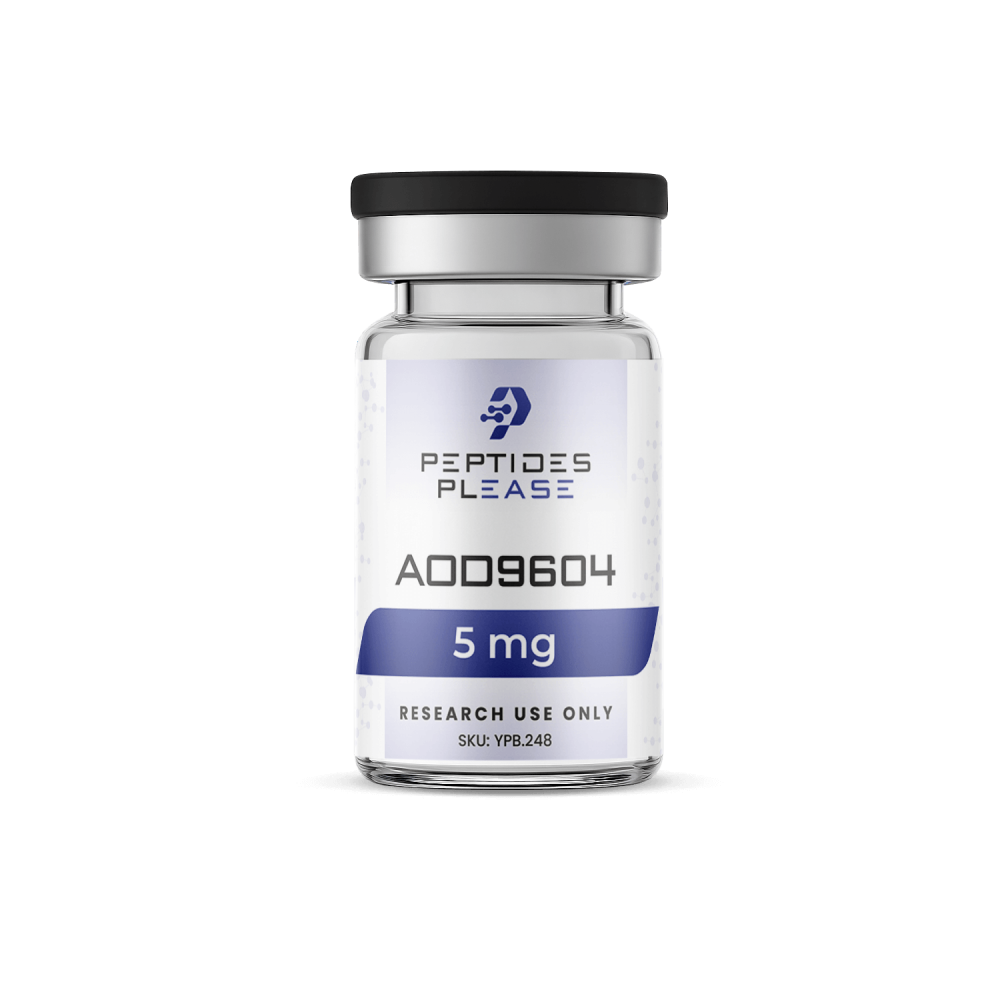 Aod 9604 PeptideAOD 9604 (5mg)
 -
 CagrilintideCagrilintide (10mg)
 -
 MazdutideMazdutide (100mg)
 -
-
 SLU PP 332SLU-PP-332 (5mg)
 -
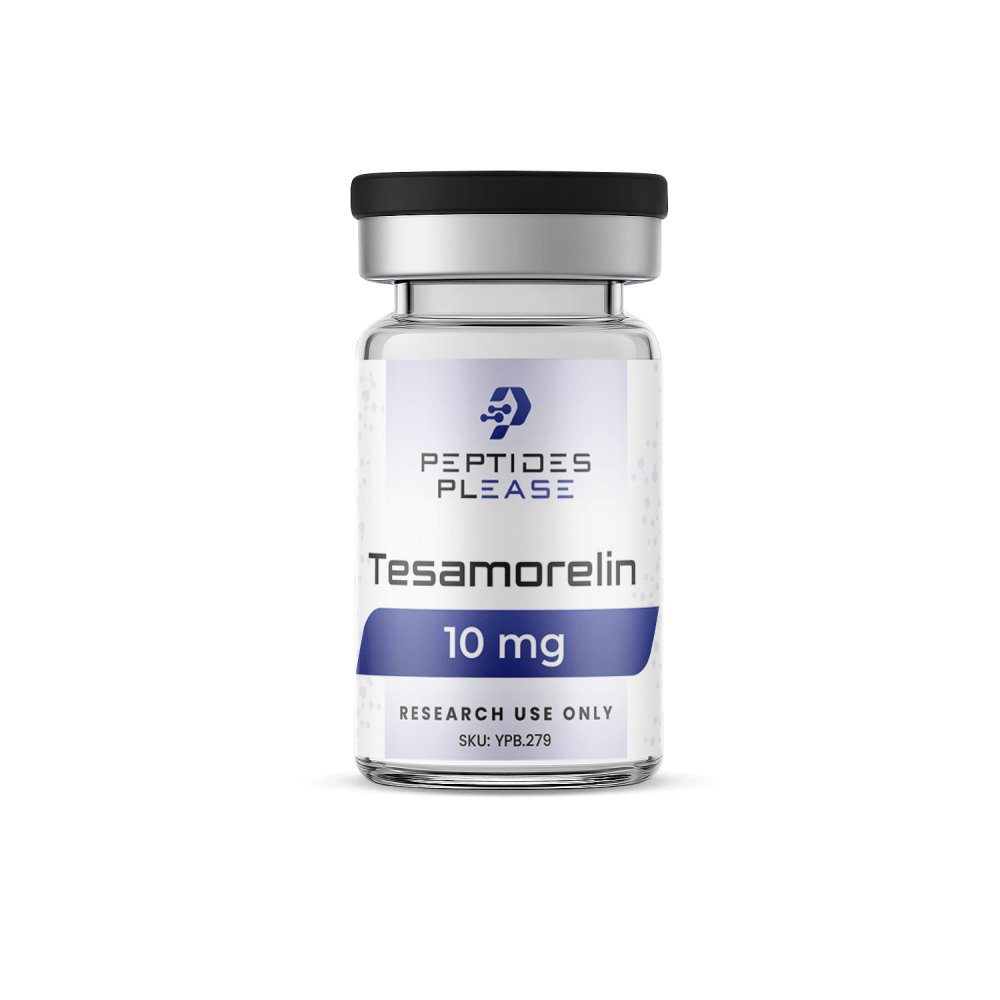 Popular PeptidesTesamorelin (10mg)
Peptides are short chains of amino acids that act as signaling molecules, and a growing body of laboratory research examines how certain classes influence appetite hormones, fat metabolism and energy balance. If you are reviewing the compounds most often studied in this area, see our research peptides for weight loss collection. This article summarizes what the published science actually supports, where the evidence is strong, and where it is still thin. All compounds referenced here are sold strictly for laboratory research and are not for human or animal use.
Key Takeaways
- GLP-1 class peptides are the most evidence-backed weight-research compounds, with trial data showing large changes in body weight in controlled human studies.
- Tirzepatide reached roughly 21 to 22.5 percent body weight reduction at the highest dose over 72 weeks in published trials, and semaglutide delivered about 14 to 20 percent.
- NAD+ is a metabolic facilitator, not a fat burner. A systematic review of NAD+ precursors found metabolic improvements but little direct weight loss in humans.
- Collagen peptides do not burn fat directly, though their protein content and satiety effect are studied as a supportive factor.
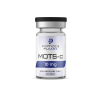
- Peptides Please stocks the metabolic and appetite compounds researchers ask for most, including Mazdutide, Cagrilintide, 5-Amino-1MQ, SLU-PP-332, MOTS-c and NAD+.
Do Peptides Really Help With Weight Loss?
In the research literature, the answer depends entirely on which peptide. The strongest evidence sits with glucagon-like peptide-1 (GLP-1) receptor agonists such as semaglutide and tirzepatide, which mimic gut hormones that signal fullness, slow gastric emptying and improve glucose handling. These are prescription pharmaceuticals, not supplements, and the consensus across clinical reviews is that they produce meaningful changes in body weight in trial settings. Most other peptides studied for body composition act through narrower or more indirect pathways, and the human evidence behind them is far earlier stage.
How Researchers Think Peptides Influence Body Weight
Across the studied compounds, a few recurring mechanisms appear in the literature:
- Appetite signaling: GLP-1 and amylin-class peptides imitate gut hormones that reduce hunger signaling to the brain.
- Slowed gastric emptying: delaying stomach emptying is associated with longer satiety in trials of incretin peptides.
- Fat metabolism: some compounds are studied for their effect on lipolysis, the breakdown of stored fat into usable energy.
- Insulin sensitivity: improved glucose handling is a frequently measured endpoint, since it influences how the body stores fat.
- Lean mass preservation: a research interest for several compounds is shifting substrate use toward fat during a calorie deficit.
The Metabolic and Appetite Peptides Studied for Weight Research
These are the in-stock compounds most commonly requested for metabolic and appetite research, all supplied at research grade for laboratory use only:
- Mazdutide is a GLP-1 and glucagon dual-receptor agonist under active study for metabolic endpoints.
- Cagrilintide is a long-acting amylin analog investigated for appetite and satiety signaling.
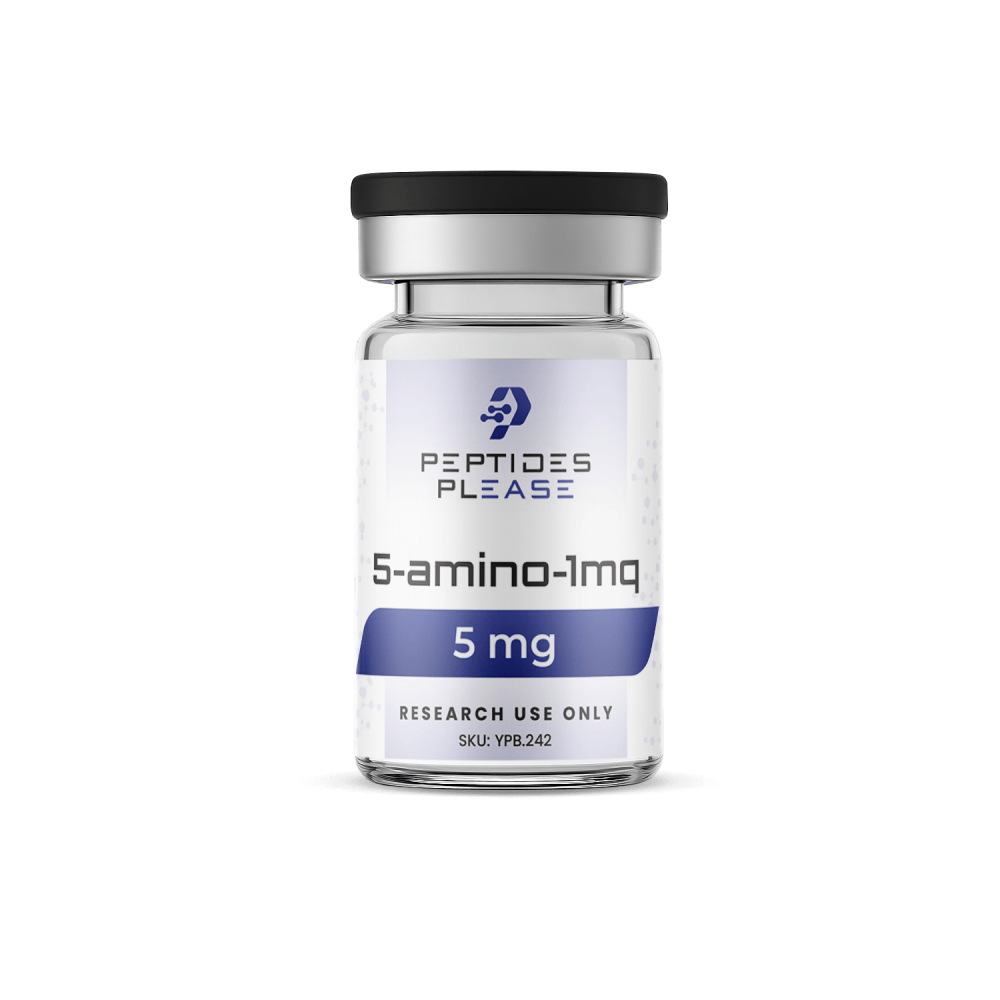
- 5-Amino-1MQ is studied as an NNMT inhibitor in models of adipose metabolism.
- SLU-PP-332 is an ERR agonist studied as an “exercise mimetic” in preclinical energy-expenditure work.
Ready to source material for a metabolic study? Shop research peptides for weight loss and see current pricing.
Where NAD+ Fits: Metabolism and Cellular Energy
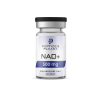
Nicotinamide adenine dinucleotide (NAD+) is a coenzyme present in every living cell and is central to metabolism, where it shuttles electrons during the redox reactions that convert carbohydrates, fats and proteins into usable energy. It is not a stimulant or a direct fat burner. Instead, the research interest is in NAD+ as a metabolic facilitator. Studied pathways include:
- Sirtuin activation: NAD+ is the primary fuel for sirtuins such as SIRT1, proteins that regulate metabolic responses to fasting and exercise.
- Mitochondrial function: it supports ATP production in the electron transport chain, keeping cellular energy conversion efficient.
- Circadian timing: animal work in Nature Communications found the time of day of NAD+ repletion changed its effect on diet-induced metabolic disease by synchronizing the liver clock.
- Oxidative stress and insulin sensitivity: both are frequently measured endpoints tied to metabolic dysfunction.
What the Science Says About NAD+ and Weight Loss
This is where honesty matters. A systematic review and meta-regression of NAD+ precursor trials found metabolic improvements but no reliable direct weight loss in humans. Obese-mouse studies with enforced NAD+ oscillation showed significant weight reduction, yet human results are far more modest. The research consensus is that NAD+ supports the metabolic machinery that makes the body more responsive to diet and exercise, rather than producing scale changes on its own. Laboratories investigating this distinction can source NAD+ and related signaling compounds such as MOTS-c for mitochondrial research.
Supplements vs Injectable Forms in Research Models
A recurring question in the literature is bioavailability. Oral NAD+ precursors are partly broken down before reaching circulation, which is why many research protocols favor injectable or precursor-based delivery to study tissue-level effects. Peptides Please supplies research-grade material verified by independent third-party laboratory testing so that outcomes stay consistent across a study.
Do Collagen Peptides Help You Lose Weight?
Collagen peptides do not directly burn fat. The research interest is supportive: collagen is a protein, and protein intake is associated with satiety and with preserving lean mass during calorie restriction. Any contribution to body composition in the literature is tied to that protein and satiety effect rather than a fat-burning mechanism, and results vary.
Peptides vs Traditional Weight Approaches
Even the strongest GLP-1 trial data pairs the compound with diet and activity. Across the published studies, the consistent finding is that peptides studied for weight act as one input into energy balance, not a replacement for it. Reviews repeatedly note the largest and most durable changes occur when the compound is studied alongside a calorie deficit and resistance training.
Research-Use Safety Considerations
Every compound referenced here is sold by Peptides Please strictly for laboratory research and is not for human or animal use. We are a research chemical supplier, not a compounding pharmacy or a 503A/503B outsourcing facility. Handling, storage and disposal should follow standard laboratory safety practice. For related reading, see our overview of whether BPC-157 affects weight in research models.
Frequently Asked Questions
What is the most evidence-backed peptide studied for weight loss?
GLP-1 class peptides have the strongest published human data, with tirzepatide reaching roughly 21 to 22.5 percent body weight reduction at the top dose in controlled trials.
Does NAD+ help you lose weight?
Not directly. Human trial reviews show metabolic improvements but little direct fat loss; NAD+ is studied as a metabolic facilitator, not a fat burner.
Is NAD+ like Ozempic?
No. Ozempic is a GLP-1 receptor agonist that acts on appetite hormones, while NAD+ is a coenzyme involved in cellular energy metabolism. They work through entirely different pathways.
Do collagen peptides burn fat?
No. Collagen peptides are studied for satiety and lean-mass support because of their protein content, not for any direct fat-burning effect.
Are these peptides safe to take for weight loss?
All products sold by Peptides Please are for research use only and are not for human or animal consumption, so there is no human-use guidance here.
Source Research Peptides at Peptides Please
Peptides Please ships research-grade peptides across the USA and Canada, each verified by independent third-party laboratory testing. To source material for metabolic or appetite research, browse research peptides for weight loss, or go straight to Mazdutide, Cagrilintide or NAD+ to see current pricing and order now.