Peptides for Muscle Growth
Showing all 10 results
-
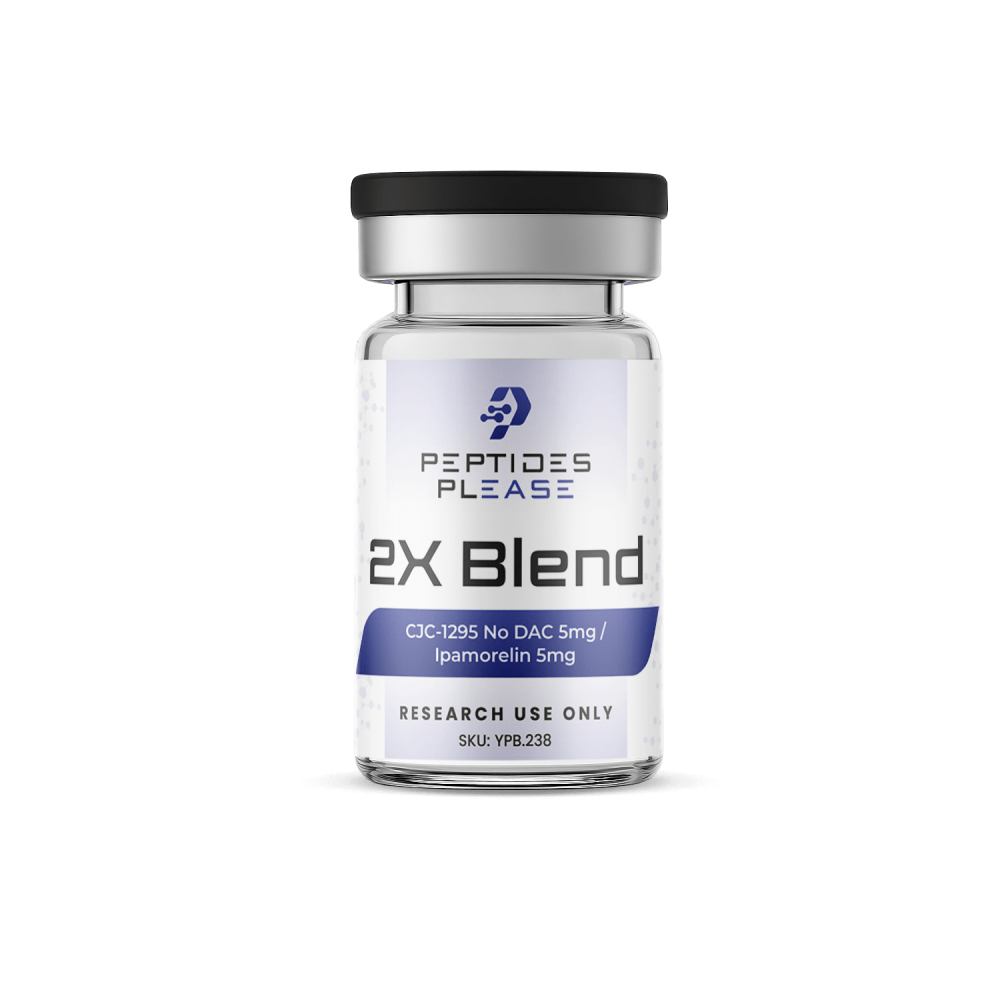 Peptide Blends2X Blend
- CJC-1295 Without DAC(5mg)
- Ipamorelin(5mg)
-
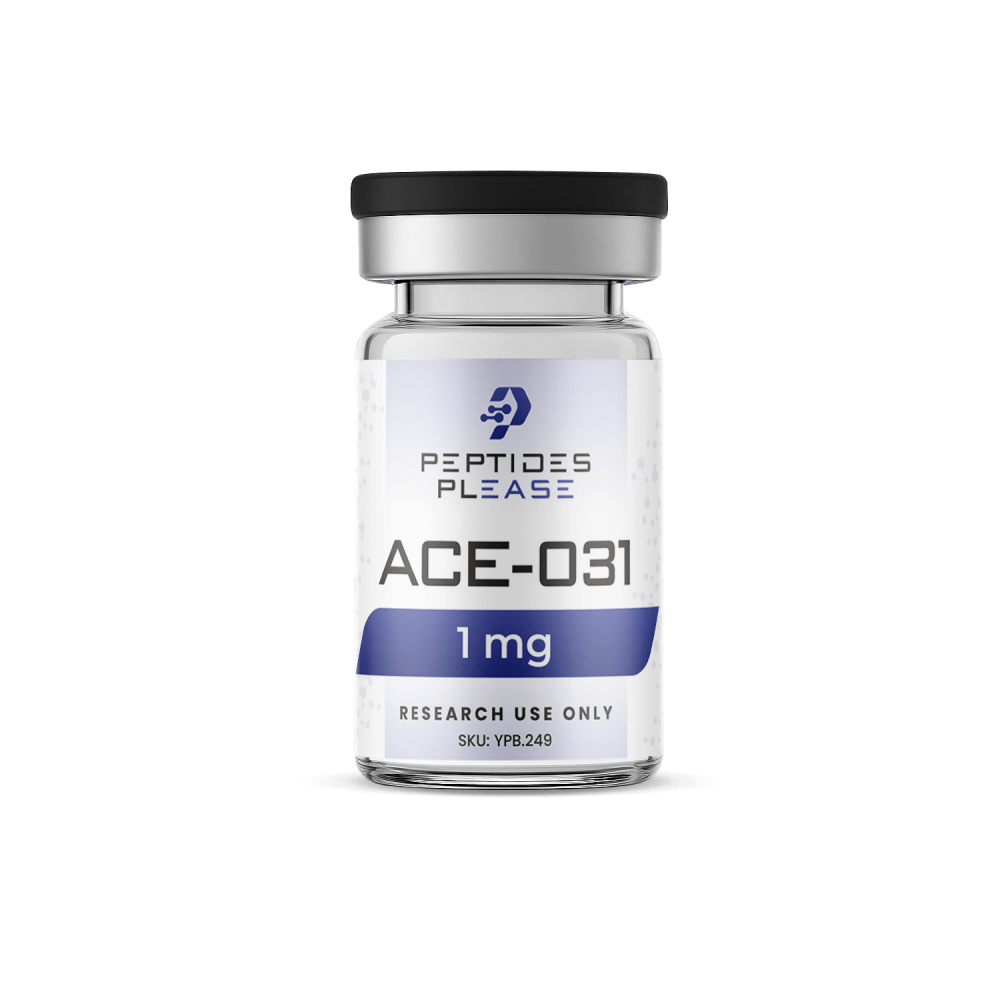 Ace 031 PeptideACE-031 (1mg)
 -
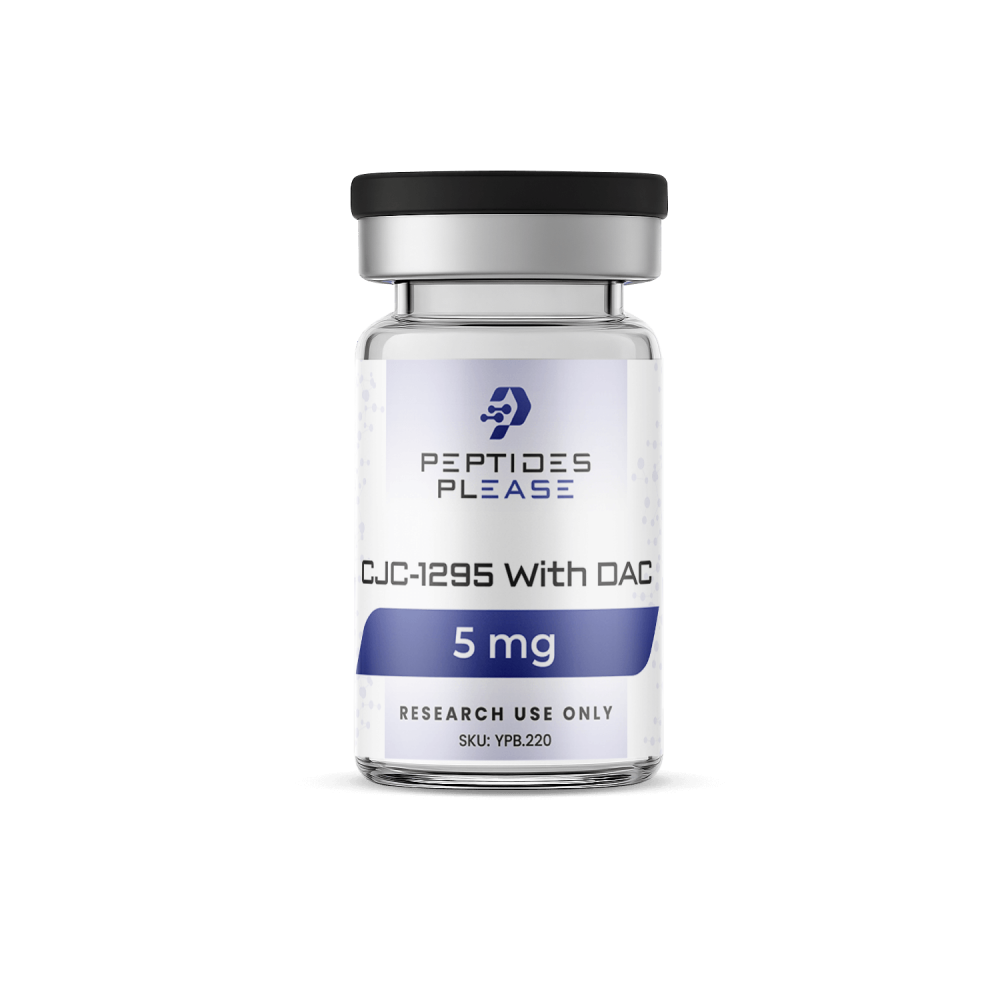 CJC-1295CJC-1295 - With DAC (5mg)
 -
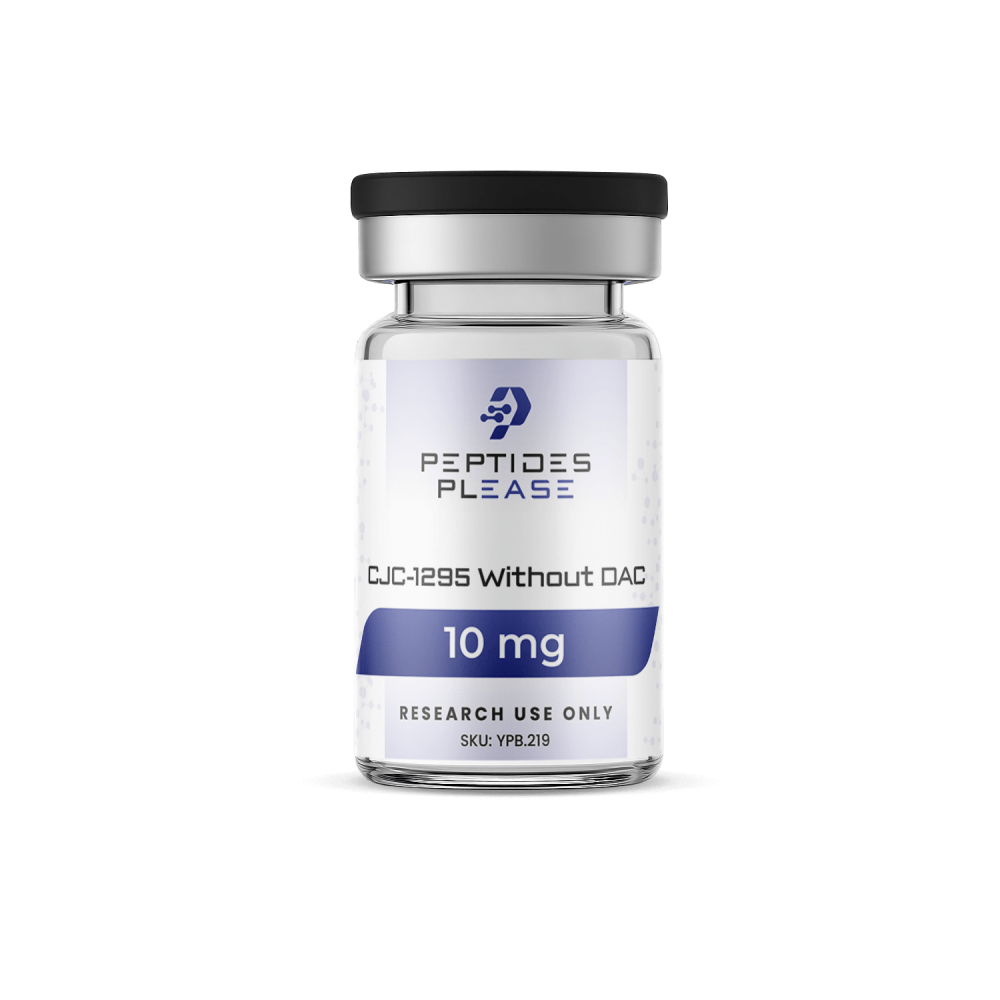 CJC-1295CJC-1295 Without DAC (10mg)
 -
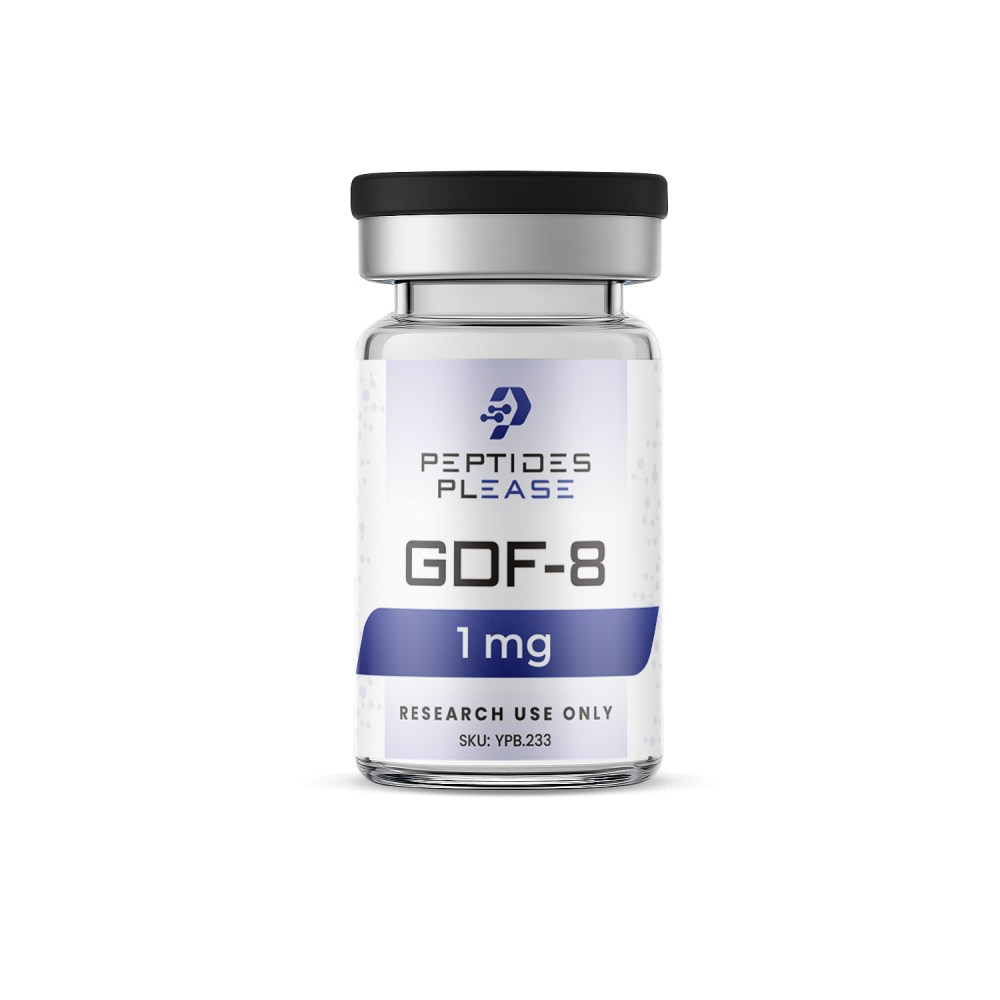 GDF-8 PeptideGDF-8 (1mg)
 -
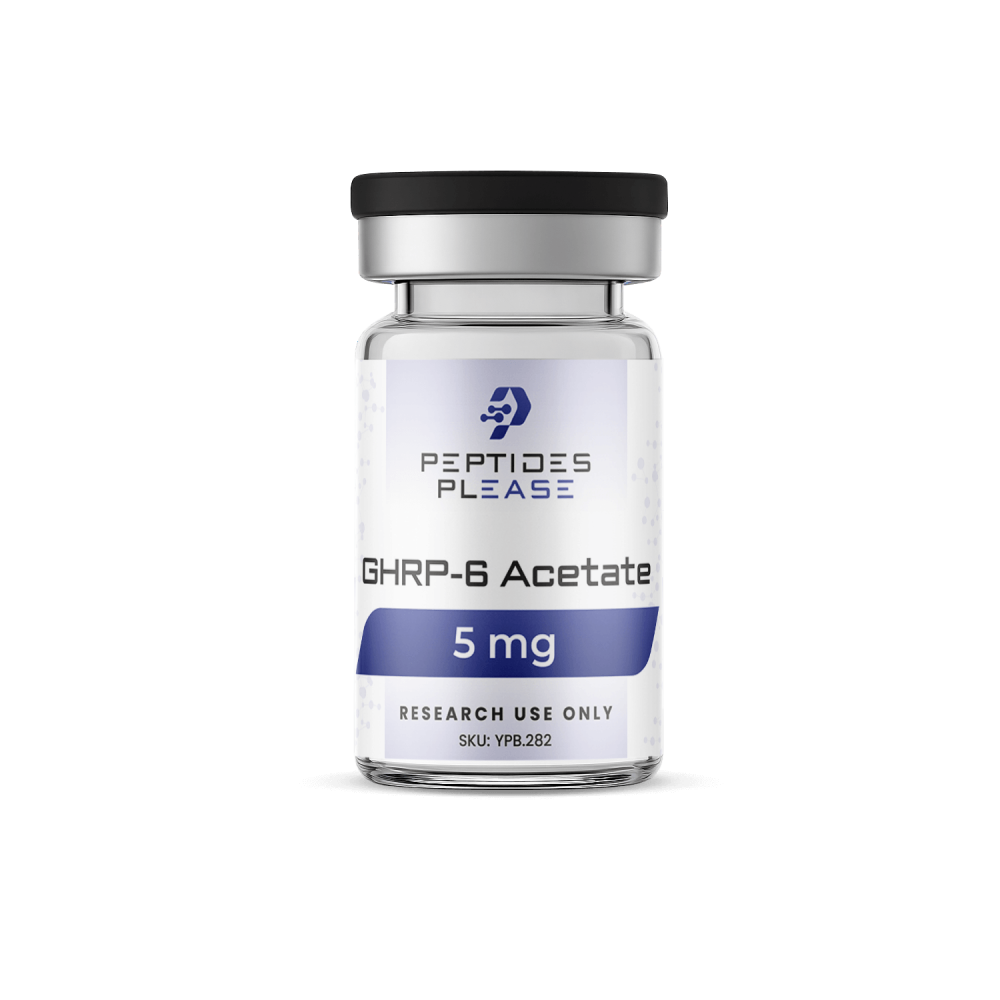
-
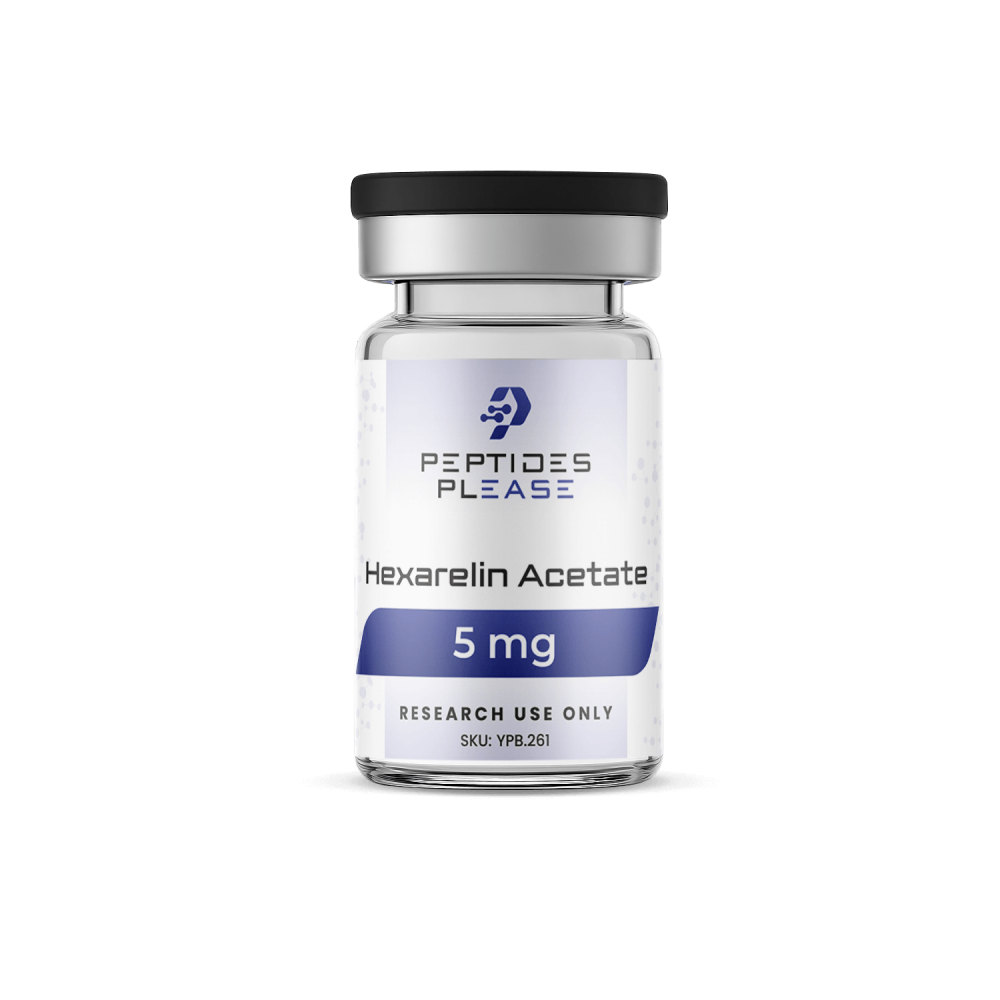 Hexarelin AcetateHexarelin Acetate (5mg)
 -
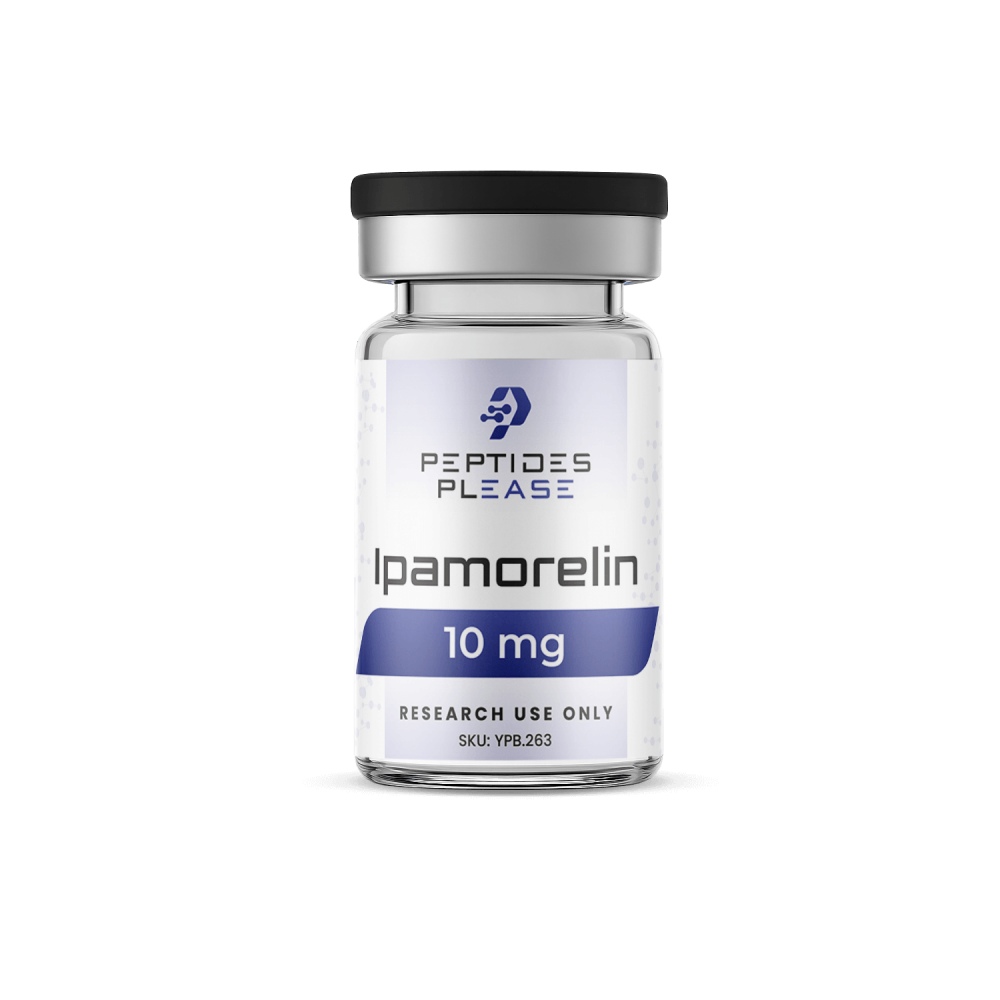 IpamorelinIpamorelin (10mg)
 -
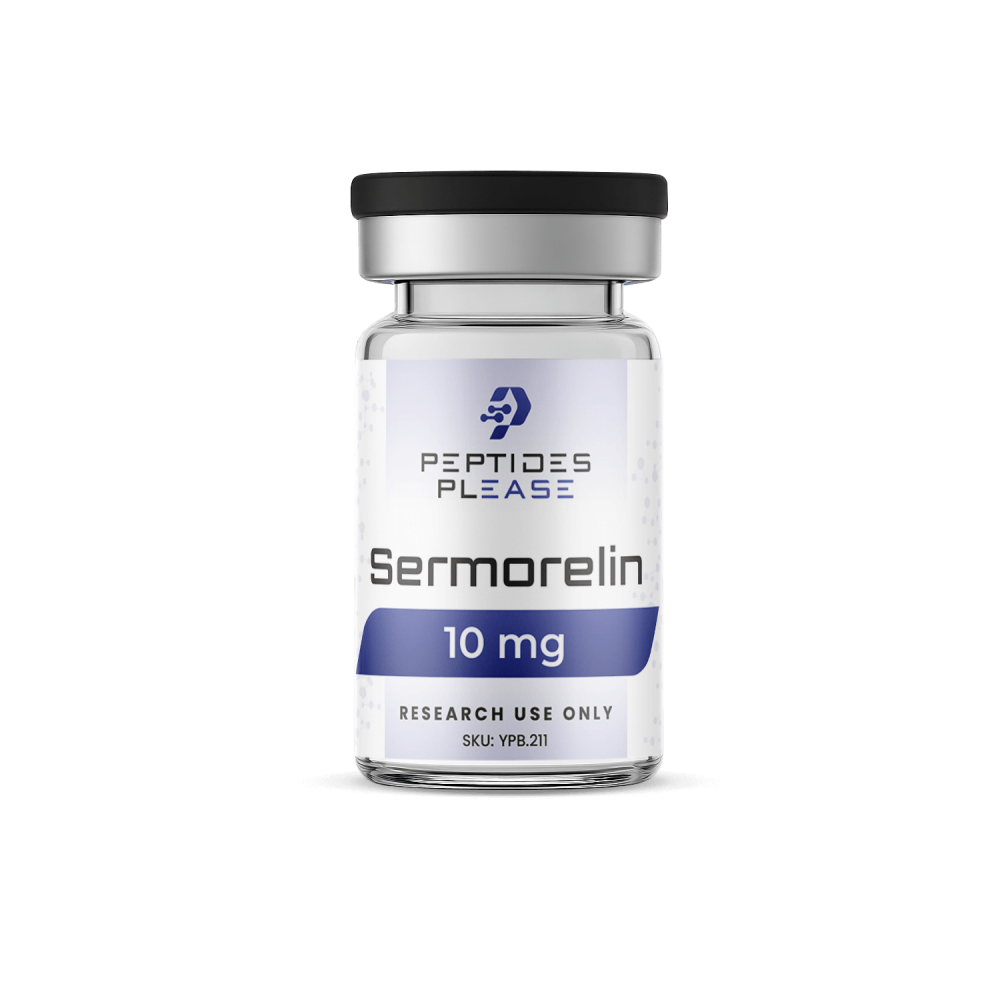 Popular PeptidesSermorelin (10mg)
 -
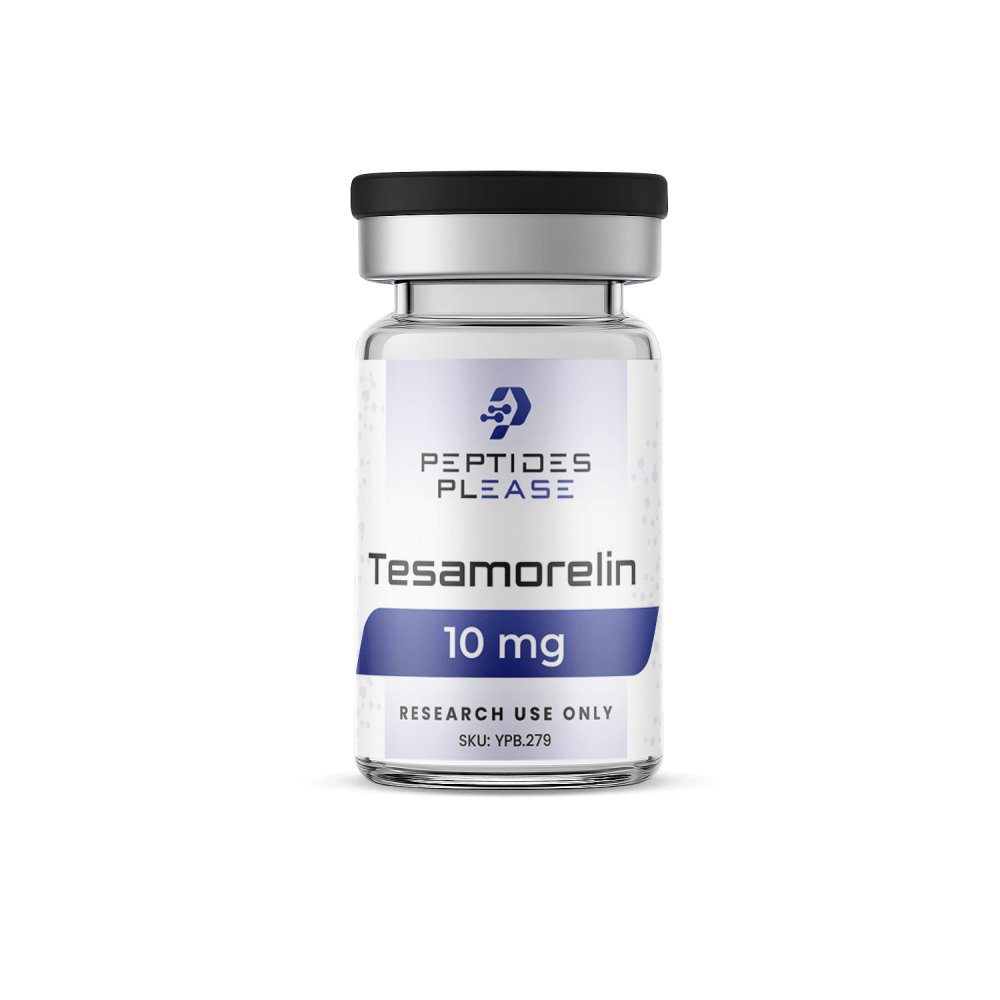 Popular PeptidesTesamorelin (10mg)
Peptides for muscle growth represent a revolutionary advancement, naturally boosting growth hormone release and protein synthesis to build lean muscle effectively. These amino acid chains offer targeted benefits with minimal side effects compared to steroids, making peptides for muscle growth ideal for athletes and fitness enthusiasts aiming for sustainable gains.
Beyond muscle size, peptides for muscle growth accelerate recovery, reduce inflammation, and boost endurance for more intense training. They support overall strength and stamina, complementing nutrition and exercise to help users confidently achieve sculpted physiques and peak performance.
What Are Peptides for Muscle Growth
Peptides that support muscle growth are short sequences of amino acids functioning as biological messengers. They stimulate the body to increase the production of growth hormone (GH) and Insulin-like Growth Factor-1 (IGF-1), which promote protein synthesis, muscle tissue repair, and lean mass development. Working in harmony with the body’s natural processes, these compounds enhance recovery and strength performance. The commonly used examples include Sermorelin, CJC-1295, and Ipamorelin.
Explore Trusted Peptide Products Designed for Research from Peptides Please
Explore comprehensive peptide products from our product line and see how advanced peptide formulations can enhance scientific research and understanding. Each peptide is carefully developed to meet high standards of quality and precision, making them ideal for exploring the science behind muscle growth, recovery, and overall wellness.
Our wide range of peptide formulations allows you to dive deeper into understanding how these compounds influence cellular repair, energy balance, and physical performance. Whether for academic, clinical, or laboratory research, these peptides provide exciting opportunities to advance knowledge and inspire breakthroughs in human performance.
Do Peptides Work for Muscle Growth
Peptides can help with muscle growth by supporting the body’s natural repair and recovery processes. Their effects depend on the type of peptide used, proper training, balanced nutrition, and medical supervision. While some show promising results, research on their long-term safety and how well the body absorbs them is still ongoing.
- Stimulate Growth Hormone (GH) – Some peptides, like GHRPs, GHRP-2, and Ipamorelin, signal the pituitary gland to release more growth hormone. This hormone plays a major role in promoting muscle growth and recovery.
- Increase IGF-1 Levels – When growth hormone levels rise, the liver produces more Insulin-Like Growth Factor-1 (IGF-1). IGF-1 helps muscle cells grow, repair, and absorb important nutrients faster.
- Enhance Protein Synthesis – Peptides boost the body’s ability to build new muscle proteins and fix damaged fibers after workouts, supporting lean muscle development over time.
- Improve Recovery – Certain peptides, such as BPC-157 and TB-500, help reduce inflammation and speed up tissue healing. This allows for quicker recovery between workouts and better training performance.
Peptides for Muscle Growth Before and After
Peptides for muscle growth before and after use showcase remarkable transformations, with peptides like CJC-1295, Ipamorelin, and BPC-157 naturally boosting growth hormone levels to accelerate muscle repair, enhance recovery, and drive gradual increases in muscle size, strength, and energy.
When paired with proper training, nutrition, and sleep, these benefits amplify, enabling users to train harder, recover faster, and achieve impressive endurance and sculpted physiques more efficiently. As research continues to affirm their positive potential, peptides stand out as an exciting, supportive tool for optimizing athletic performance and muscle health in a balanced fitness regimen.
What are the Most Effective Peptides for Muscle Growth
The most effective peptides for building muscle include CJC-1295, Ipamorelin, and IGF-1 LR3. These mainly work by stimulating the body’s natural release of growth hormone, which helps build muscle and speeds up recovery.
- CJC-1295 and Ipamorelin are often used together because they complement each other well. CJC-1295 encourages the pituitary gland to produce more growth hormone naturally, while Ipamorelin helps release growth hormone steadily without raising cortisol levels. This combo supports lean muscle growth, fat loss, and faster recovery.
- IGF-1 LR3 works by improving nutrient delivery to muscles, helping with muscle repair and growth, making it popular for bulking and strength phases.
- BPC-157 is known for its healing effects—it helps muscles and tendons heal quickly, cuts down inflammation, and boosts blood flow, which means you can train more consistently.
- Creatine peptides are a newer form of creatine that absorbs better and provides muscles with more energy during tough workouts, helping improve strength and size.
Peptides for Recovery and Muscle Growth
Peptides like BPC-157, CJC-1295, Ipamorelin, Sermorelin, IGF-1 LR3, MK-677, and others can really help with muscle recovery and growth by cutting inflammation, speeding up tissue repair, and boosting natural growth hormone levels.
For Muscle Building
- CJC-1295, Ipamorelin, Sermorelin, IGF-1 LR3, MK-677: These kickstart growth hormone release, helping build muscle, improve protein synthesis, and get you back to training faster.
- Collagen Peptides: They support overall strength recovery and reduce muscle soreness after tough workouts.
For Recovery & Injury Repair
- BPC-157: Speeds up healing for muscles, tendons, and ligaments by boosting blood vessel growth and fighting inflammation.
- TB-500: Promotes cell movement and cuts down swelling for better systemic healing.
Peptides for Lean Muscle Growth
Peptides for lean muscle growth mainly help by kickstarting your body’s own production of growth hormone (GH) and insulin-like growth factor-1 (IGF-1), which support better muscle building and repair. By naturally encouraging these powerful hormones, peptides can help you recover faster after workouts, maintain more defined, lean muscle, and feel stronger and more energized over time. This makes it an exciting option for people who want to enhance their fitness results while supporting the body’s own growth and recovery processes.
Peptides for Muscle Growth and Fat Loss
Peptides can help improve body composition by regulating key processes like hormone release, metabolism, and tissue repair.
- Muscle Growth – Peptides such as CJC-1295/Ipamorelin and Tesamorelin boost human growth hormone (HGH) and insulin-like growth factor-1 (IGF-1), which support muscle building by increasing protein synthesis.
- Fat Loss – Peptides like GLP-1 agonists (including Semaglutide and Tirzepatide) mainly reduce appetite and calorie intake, while others like AOD-9604 and Tesamorelin help speed up fat breakdown and metabolism.
Peptides for Weight Loss and Muscle Growth
Peptides like CJC-1295, Ipamorelin, and Sermorelin can boost growth hormone levels to help with muscle growth and fat loss. Others, like AOD9604, aim to ramp up fat burning.
- CJC-1295, Ipamorelin, Sermorelin: These trigger your body’s natural growth hormone release, supporting muscle gains and trimming fat.
- AOD9604: Mimics part of growth hormone to boost fat metabolism and cut down fat storage.
- Tesamorelin: FDA-approved for reducing belly fat in HIV patients, but used off-label for body comp.
- GHRP-6: Another one that spikes growth hormone for potential muscle and fat benefits.
Types of Peptides
Peptides vary in structure and function—some are short chains that act as messengers, signaling cells to repair tissues or produce collagen. In contrast, others are longer chains that influence metabolism and hormone activity.
By Size
- Dipeptides, tripeptides, tetrapeptides: Just 2-4 amino acids, super small and easy to absorb.
- Oligopeptides: Up to 10 amino acids, common in skincare.
- Polypeptides: 10-99 amino acids, bigger chains.
- Macropeptides: Over 100 amino acids, almost like mini-proteins.
By Function
- Signal peptides: Tell skin cells to make more collagen and elastin to smooth wrinkles (e.g., Matrixyl).
- Carrier peptides: Deliver minerals like copper for healing and repair.
- Neurotransmitter peptides: Relax facial muscles like a natural Botox (e.g., Argireline).
- Growth hormone secretagogues: Kickstart GH release for muscle growth and fat loss (e.g., CJC-1295, Ipamorelin).
- Fat loss peptides: Break down stubborn fat (e.g., AOD9604, Tesamorelin).
- Healing peptides: Fix tissues and reduce inflammation (e.g., BPC-157, TB-500).
- Antimicrobial peptides: Fight germs as part of your immune system.
- Enzyme inhibitors: Stop the breakdown of skin proteins (e.g., from rice or soy).
By Origin
- Ribosomal: Made by your cells’ ribosomes, often tweaked for things like antibiotics.
- Non-ribosomal: Built by special enzymes, more complex (e.g., glutathione).
- Food-derived: From milk, soy, or algae, great for supplements and cosmetics.
Oral Peptides for Muscle Growth
Oral peptides for muscle growth mainly work by ramping up human growth hormone (HGH) or helping your body build more protein. MK-677 (Ibutamoren) stands out as a popular oral option that boosts GH levels without shots. Others like BPC-157, CJC-1295, and Ipamorelin (often stacked together) trigger your natural GH release but typically need injections to work well—though some use nasal sprays.
Injectable Peptides for Muscle Growth
Injectable peptides like CJC-1295 paired with Ipamorelin or IGF-1 LR3 help muscle growth by triggering your body’s own growth hormone (GH) release or directly boosting protein synthesis, repair, and fat loss, feeling more natural than synthetic hormones. Favorites include BPC-157 for quick healing and Tesamorelin for reshaping your body by cutting fat and adding muscle, often stacked together for max results.
Collagen Peptides for Muscle Growth
Collagen peptides, when paired with resistance training, can help build muscle size and strength by supporting your tendons and ligaments, while also fighting age-related muscle loss—though they don’t ramp up protein synthesis quite like whey. They speed up recovery, boost joint health, and improve overall body comp, making them great for athletes or older folks aiming to repair and hold onto muscle with regular workouts. Studies show that collagen peptide supplements show solid results around 15g daily for 8+ weeks.
Growth Hormone Peptides for Muscle Growth
Growth hormone peptides are short, specialized chains of amino acids that work with your body’s natural systems. They act as powerful signaling molecules that encourage the pituitary gland to release more of your own, naturally produced growth hormone (GH). This internal stimulation leads to many benefits, like enhanced muscle growth, improved fat metabolism, faster recovery, and overall better vitality.
By elevating your body’s GH levels, these peptides also increase Insulin-Like Growth Factor 1 (IGF-1), a key player in muscle protein synthesis and cellular regeneration. The result is not just stronger muscles, but also improved tissue repair, skin health, and energy balance—supporting a more youthful, resilient physiology.
Popular peptides like CJC-1295 and Ipamorelin complement each other remarkably well. When used together, they extend the body’s natural GH pulses without excessively boosting hunger or causing unwanted side effects—unlike some other GH secretagogues. This makes them an ideal, science-backed pairing for those aiming to enhance lean muscle development, optimize body composition, and improve overall recovery when combined with regular training and proper nutrition.
Are Peptides Safe for Muscle Growth
Peptides can be a safe and effective way to support muscle growth when used responsibly and under professional guidance. Acting as natural building blocks and growth hormone stimulators, they help promote lean muscle development, faster recovery, and improved body composition. Many fitness enthusiasts consider peptides a promising and well-tolerated option for enhancing performance and wellness.
Different Types of Peptides and How Safe They Are
- Collagen Peptides: These are great for supporting muscle repair, skin health, and joint recovery.
- Growth Hormone Secretagogues (CJC-1295 or Ipamorelin): These stimulate your body’s natural growth hormone, which can aid in muscle development, but they come with risks such as insulin resistance.
- Experimental Peptides (IGF-1 LR3): These show exciting potential for muscle growth and recovery. Early research highlights their promise in supporting strength and performance, making them an intriguing focus in modern fitness science.
How to Use Peptides for Muscle Growth
Peptides can help boost muscle recovery and growth by supporting your body’s natural production of growth hormone (GH) and IGF‑1. They’re usually used in short cycles (about 4 to 8 weeks) along with regular workouts and a protein‑rich diet. Most peptides, like CJC‑1295 and Ipamorelin, are given through subcutaneous injections—that means just under the skin.
Dosage and Timing
- CJC‑1295/Ipamorelin: Typically 100–300 mcg of each, once to three times daily.
- Best times to inject: Before bed, before a workout, or around high‑protein meals to support growth and recovery.
- IGF‑1 LR3: Injected less frequently since it stays active longer in the body.
Stacking and Cycling
Many users combine peptides, such as GHRH (like CJC‑1295), with GHRP (like Ipamorelin), to enhance results. Follow 4–8‑week cycles, then take a break to let your body reset and avoid receptor fatigue.
Supporting Lifestyle
For the best outcome:
- Eat a diet high in lean protein and balanced with good carbs.
- Stick to a consistent resistance training program.
- Get enough sleep to aid recovery.
Peptides for Muscle Growth Side Effects
While peptides are popular for muscle growth and recovery, they can also cause serious side effects—especially when used without proper medical guidance or in high doses.
Serious and Long‑Term Risks
- Heart and blood vessel issues: May increase the risk of atherosclerosis (hardening of arteries), blood clots, and high blood pressure.
- Bone and muscle damage: Overuse can lead to muscle injury, tissue loss, or even osteoporosis.
- Cancer risk: Some research links peptide misuse to a higher chance of developing certain cancers.
- Hormone imbalance: Long‑term use might trigger diabetes or low thyroid function (hypothyroidism).
- Nerve problems: In rare cases, peptides may affect the nervous system, possibly leading to muscle weakness or movement issues.
Injection‑Related Risks
- Injection site injuries: Poor injection technique can cause skin irritation, swelling, or even tissue death (necrosis).
- Infections: Using unsterile or shared needles raises the chance of eye infections and serious bloodborne infections such as HIV, hepatitis B, or hepatitis C.
Other Common Side Effects
- Allergic reactions: May appear as skin rashes, itching, or more severe immune responses.
- General symptoms: Users sometimes report headaches, nausea, vomiting, and excessive sweating.
Where Can I Buy Peptides for Muscle Growth
Peptides that support muscle growth and recovery are available in different forms, depending on their type and intended use. They can be purchased as general wellness supplements or prescribed through a healthcare professional for more targeted results.
Over‑the‑Counter (OTC) Supplements
Some peptides designed for overall wellness and fitness support can be found as powders or capsules. These are typically formulated to promote muscle repair, boost recovery, and improve skin, joint, and overall vitality. They are generally safe for everyday use and suitable for individuals looking to support active lifestyles.
Prescription Medical‑Grade Peptides
For more specialized goals, medical‑grade peptides may be available through licensed healthcare professionals. After evaluation, a doctor can recommend a personalized treatment plan to support growth, recovery, or hormone balance. These peptides are often administered through subcutaneous injections and are produced under high standards of safety and quality.
Research‑Developed Peptides
Ongoing research continues to explore innovative peptide formulations aimed at enhancing muscle performance, endurance, and recovery. As science advances, these developments contribute to a better understanding of how peptides can naturally support the body’s repair and regeneration processes.
Over-the-Counter Peptides for Muscle Growth
Peptides such as CJC-1295, Ipamorelin, BPC-157, and TB-500 are gaining recognition for their ability to enhance muscle strength and recovery when used with proper guidance. Collagen peptides, which are easily available, also offer excellent support for muscle health. As interest grows in GH-releasing and restorative peptides, many people are exploring their potential to promote muscle development and overall wellness.
Find Reliable Peptide Products for Research at Peptides Please
Enjoy hassle-free online access to peptides through our platforms designed to support innovation and discovery. With just a few clicks, you can explore a wide range of high-quality peptides known for their potential in promoting muscle growth, faster recovery, and enhanced performance. This convenient access makes it easier to examine how specific peptides contribute to health, wellness, and fitness science.
What makes these online research sources even more valuable is the transparency and ease they offer. As interest in peptide research continues to grow, our platforms provide the tools and resources needed to advance knowledge responsibly and effectively.
Frequently Asked Questions
What is the best peptide for muscle growth?
The best peptide for muscle growth is generally considered to be IGF-1 LR3 due to its potent ability to stimulate muscle cell proliferation and protein synthesis.
What are the risks of peptides for muscle growth?
Peptides for muscle growth commonly cause side effects like hypoglycemia, injection site reactions, water retention, and headaches. Serious long-term risks include insulin resistance, acromegaly, heart issues, increased cancer risk, and hormonal imbalances.
Do peptides actually build muscle?
Yes, peptides like IGF-1 and collagen peptides can build muscle by stimulating growth hormone release, enhancing protein synthesis, and promoting hypertrophy, with studies showing increases in fat-free mass and strength when combined with resistance training.
What is the best peptide stack for muscle growth?
The best peptide stack for muscle growth is CJC-1295 + Ipamorelin + IGF-1 LR3, as it synergistically boosts growth hormone release, enhances protein synthesis, and promotes lean muscle hypertrophy and recovery.
How fast do peptides work for muscle growth?
Peptides for muscle growth typically begin showing initial effects like improved recovery and energy within 1-4 weeks, with noticeable muscle gains and strength increases appearing after 8-12 weeks of consistent use combined with resistance training.
Summary
Peptides offer a powerful and natural way to enhance muscle growth by stimulating the release of growth hormone and boosting protein synthesis. This leads to increased lean muscle mass and faster recovery after workouts. Peptides like CJC-1295 and IGF-1 LR3 support muscle hypertrophy and improve nutrient absorption, helping athletes and fitness enthusiasts achieve significant muscle gains and improved overall performance without the side effects commonly associated with steroids.
In addition to promoting muscle growth, peptides such as BPC-157 and Sermorelin play a key role in tissue repair, reducing inflammation, and improving blood flow. These effects enhance endurance and speed up recovery time, allowing for more intense and frequent training sessions. As a result, users experience sustained strength, greater stamina, and more effective workout outcomes, making peptides a valuable supplement for those serious about their fitness goals.
When used responsibly under professional supervision, peptides can be safely incorporated into a comprehensive training and nutrition program. Continued research is unveiling even more benefits, underscoring peptides as a promising and positive addition for optimizing muscle growth and athletic performance over the long term.