Peptides for Healing Tendons
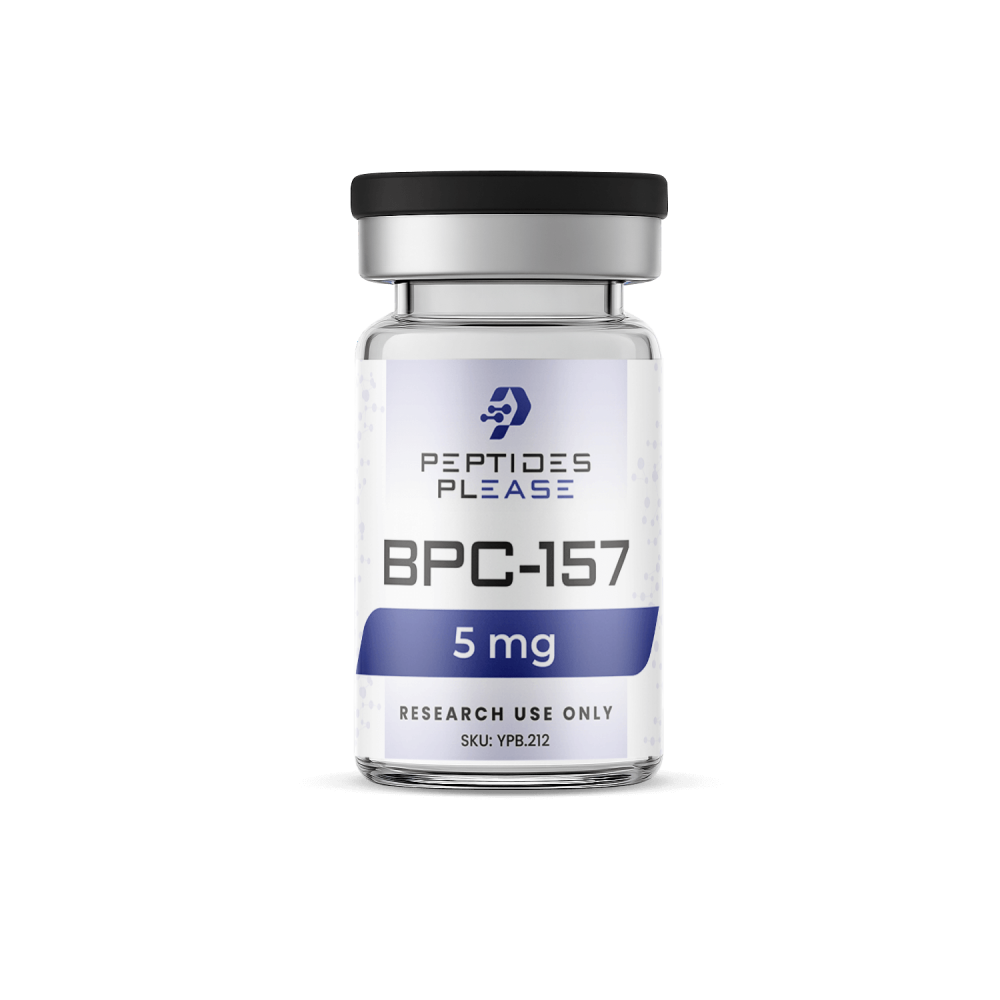
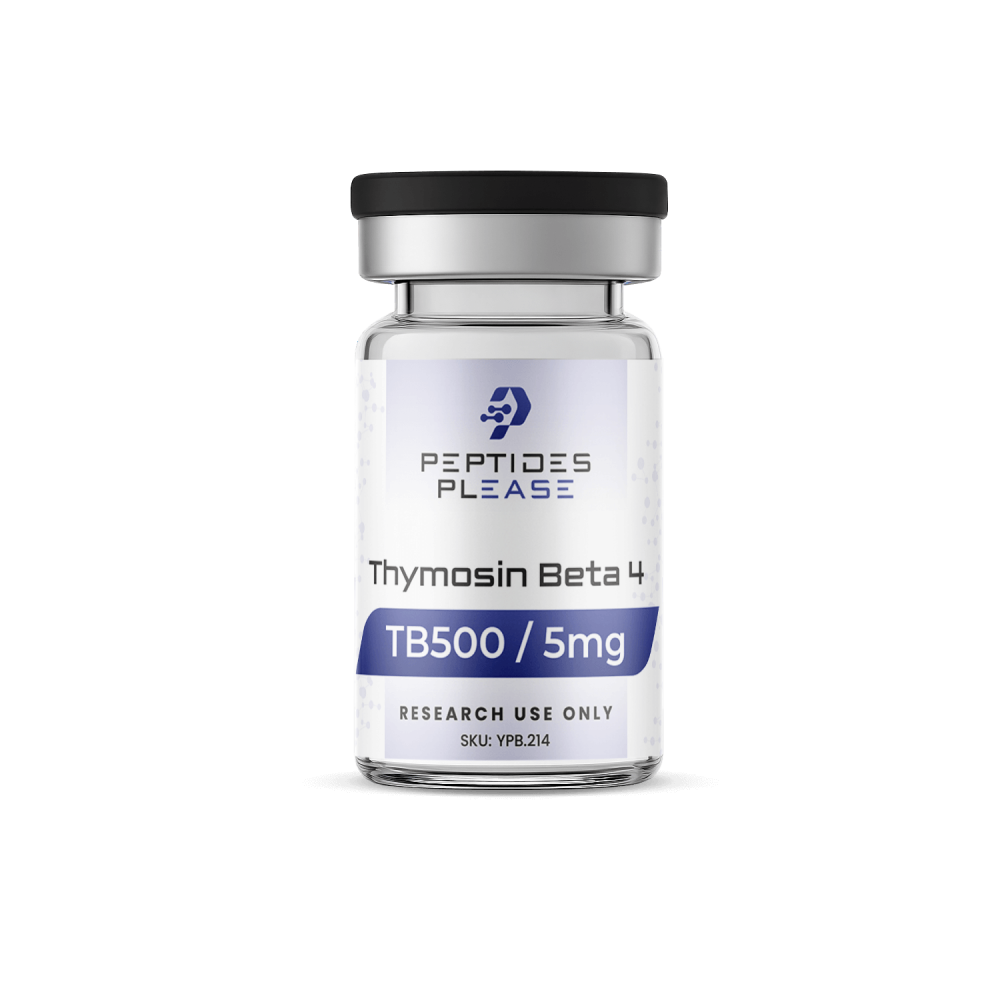
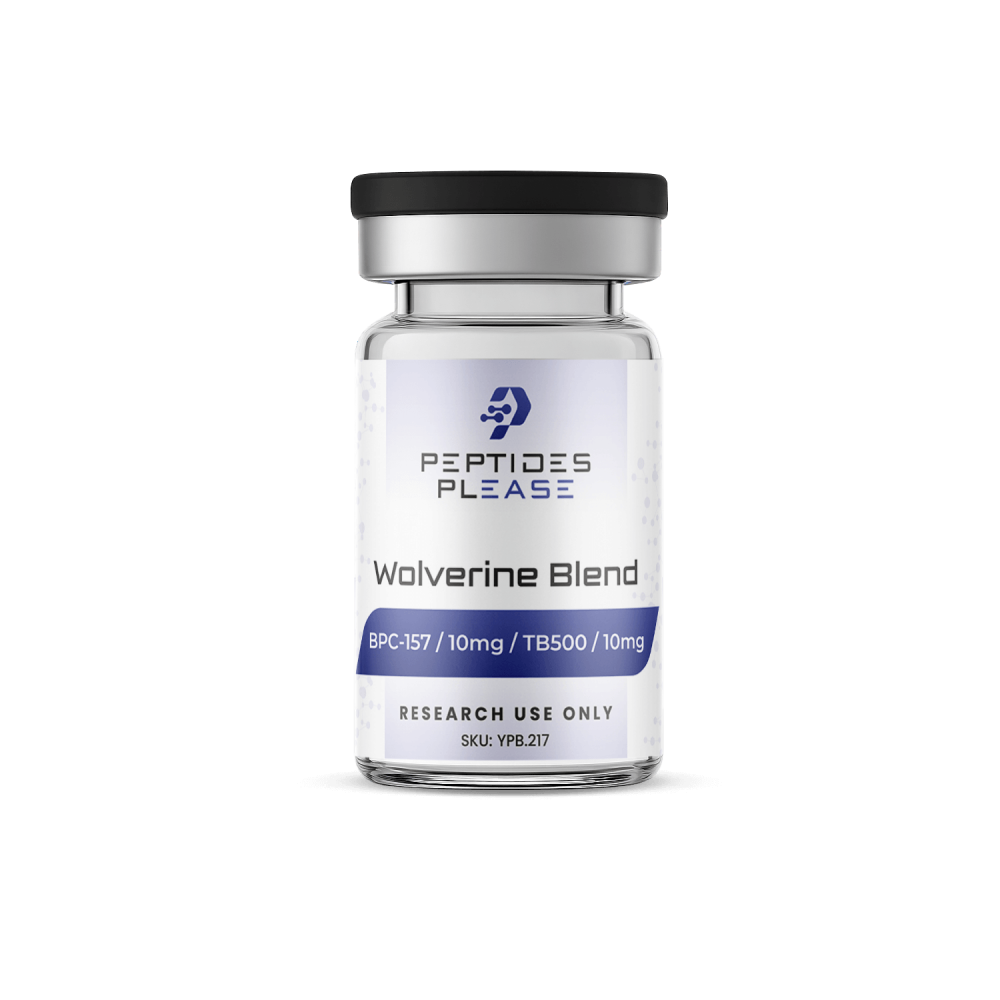
Showing all 5 results
-
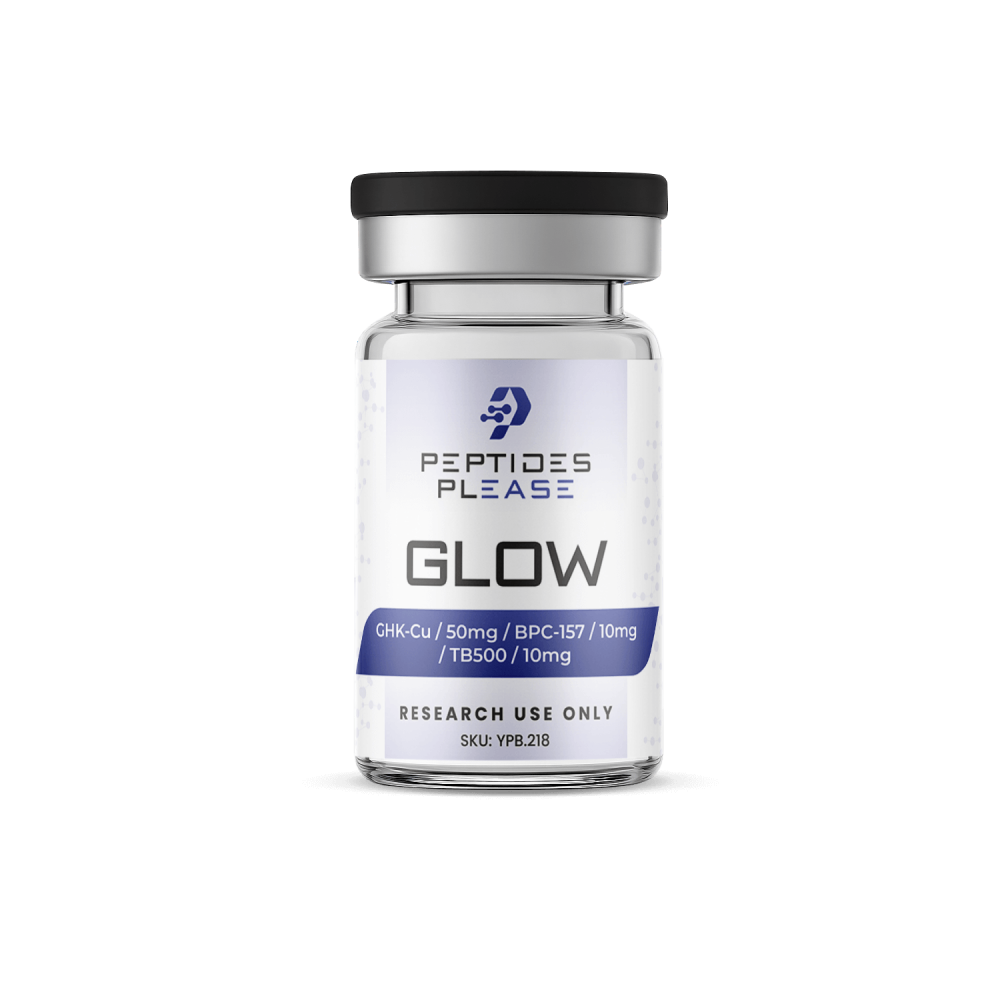
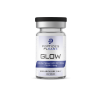
Peptide BlendsGLOW- GHK-Cu(50mg)
- BPC-157(10mg)
- TB500(10mg)
-
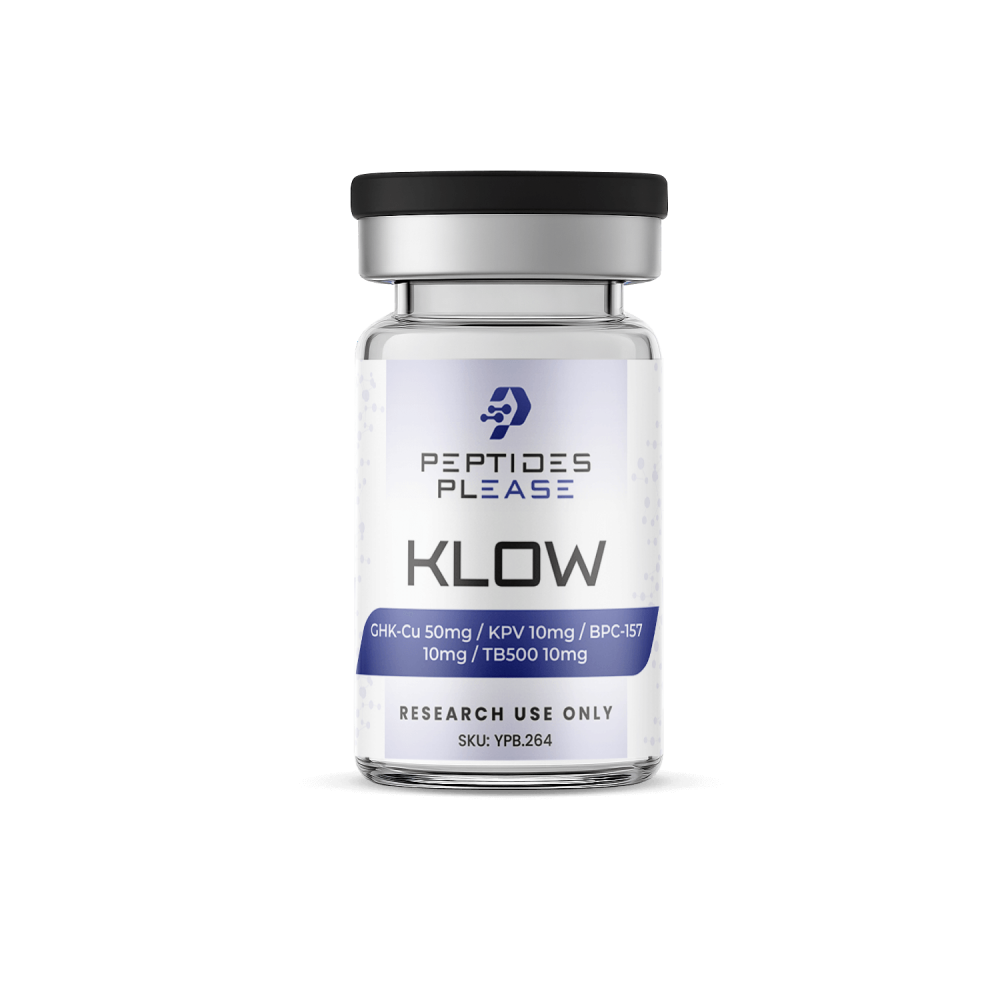
Peptide BlendsKLOW- GHK-Cu(50mg)
- KPV(10mg)
- BPC-157(10mg)
- TB500(10mg)
Peptides have emerged as a promising tool in regenerative medicine, particularly for repairing and strengthening damaged tendons. These short chains of amino acids work by stimulating collagen production, enhancing cellular communication, and promoting soft tissue regeneration at the injury site. Unlike traditional medical treatments that primarily manage symptoms, peptide therapy targets the underlying biological processes needed for true recovery. With growing research supporting their effectiveness, peptides for healing tendons, such as BPC-157 and TB-500, are gaining recognition as innovative solutions for athletes and patients seeking faster, more complete tendon healing.
Peptides For Tendon Healing
Peptides show significant promise for tendon healing by acting as biological messengers that accelerate tissue repair, reduce inflammation, and stimulate angiogenesis, the formation of new blood vessels. Compounds such as Body Protection Compound (BPC-157) and TB-500 are key examples, known to enhance collagen synthesis, support cell migration, and improve tendon-to-bone integration—critical steps in restoring tendon strength and flexibility. While most of the existing research comes from animal studies, these findings suggest powerful peptide therapeutics. Further research is needed to confirm their safety, effectiveness, and proper application in clinical settings.
Peptides For Tendon Healing Research
Research on peptides for tendon healing highlights their potential to enhance recovery by supporting structural repair and tissue regeneration. Studies show that hydrolyzed collagen peptides, such as hydrolysates, when combined with exercise, can improve tendon strength and morphology by serving as the essential building blocks for new tissue formation.
Additionally, specific systemic peptide therapies like BPC-157 have been demonstrated to stimulate healing and regenerative effects in animal models. However, while these findings are encouraging, human evidence remains limited, underscoring the need for well-designed clinical outcomes. Overall, peptide research represents an exciting frontier in regenerative medicine, offering the possibility of faster and less invasive recovery from tendon injuries and musculoskeletal injuries.
Explore Trusted Peptide Products Designed for Research from Peptides Please
Explore trusted peptide products designed for research on peptides for healing tendons, where compounds like BPC-157 and TB-500 stand out for their potential in accelerating tissue healing and tendon regeneration. These research peptides, available from reputable suppliers, support studies on collagen synthesis, reduced inflammation, and enhanced angiogenesis in tendon models, as evidenced by preclinical findings showing improved tendon strength and cell migration. Ideal for investigators exploring regenerative medicine, our website offers high-purity options backed by quality assurance, enabling precise experimentation on tendon-to-bone integration and faster recovery mechanisms—though human clinical data remains limited, emphasizing their role strictly in research settings.
What Are the Best Peptides for Healing Tendons?
Peptides offer targeted support for tendon repair by promoting bone regeneration, reducing inflammation, and enhancing tissue strength, with BPC-157 and TB-500 leading as top research options.
- BPC-157: Derived from a stomach protein, this synthetic peptide excels in tendon, ligament, and muscle mass healing by boosting angiogenesis for new blood vessel growth, increasing collagen production, and curbing inflammation.
- TB-500 (Thymosin Beta-4): This natural peptide aids tissue regeneration through cell migration to injury sites, new vessel formation, and inflammation reduction, helping restore flexibility and endurance in tendons.
Supportive Options
- Growth Hormone Secretagogues: These trigger natural growth hormone release and support increased growth hormone receptor expression to accelerate connective tissue repair, often paired with BPC-157 for enhanced results.
- Collagen Peptides: Hydrolyzed forms with Vitamin C supply amino acids like proline, acting as building blocks for stronger tendon tissue when combined with exercise.
- PRF & Stem Cells: Platelet-rich plasma and mesenchymal stem cell therapies provide growth factors and structural support to kickstart natural tendon healing.
How Do Peptides Help in Tendon Healing?
Peptides support tendon healing by targeting key biological processes like cell repair, collagen production, and inflammation control. It also helps in rebuilding body composition and rebuilding stronger tissue more efficiently.
- Cell Repair & Growth: Peptides activate tendon stem and progenitor cells, boosting proliferation and enhancing Vascular Endothelial Growth Factor (VEGF) activity to replace damaged cells with healthy new ones for faster regeneration.
- Collagen Boost: They ramp up collagen synthesis, the main protein in tendons, enhancing tissue strength, integrity, and flexibility essential for recovery.
- Inflammation Reduction: Bioactive peptides dial down inflammatory responses, easing swelling and joint pain while creating an optimal healing environment.
- Blood Flow Improvement: By promoting nitric oxide pathways and angiogenesis, peptides form new blood vessels to deliver more oxygen and nutrients to the injury site.
- Cell Migration: Options like TB-500 guide cells to the damaged area, speeding up tissue repair and overall tendon restoration.
Scientific Evidence that Supports the Potential of Peptides in Healing Tendons
Scientific evidence supporting peptides for tendon healing primarily stems from preclinical studies, including animal models and in vitro experiments, which demonstrate their ability to accelerate recovery processes. Research highlights how peptides like BPC-157 enhance collagen synthesis to rebuild tendon structure, promote angiogenesis for improved blood flow and nutrient delivery, and facilitate cell migration to injury sites for faster tissue regeneration. These findings indicate reduced inflammation and a superior tendon-to-bone wound healing process compared to controls, positioning peptides as a promising avenue in regenerative medicine.
Peptides For Tendon Healing After Injury
Peptides like BPC-157 and TB-500 hold promise for accelerating tendon healing after injury by reducing anti-inflammatory effects, boosting collagen production, and promoting cell repair to restore tissue strength more efficiently. However, these compounds remain investigational and lack FDA approval in the U.S., underscoring the need for caution, high-quality sourcing, and professional medical guidance to ensure safety. While animal studies show encouraging results, human evidence is still limited, making it essential to combine any peptide use with standard rehabilitation protocols, proper nutrition, and adequate rest. Assessing peptide efficacy under professional guidance with a peptide-specialized physician is crucial before considering their use.
Collagen Peptides For Tendons
Collagen peptides show promise for tendon health by stimulating collagen production, increasing tendon cross-sectional area and stiffness, and aiding recovery from soft tissue injuries, particularly when paired with exercise like resistance training. Dosages around 15g daily, taken pre-workout with Vitamin C, appear effective for soft tissue repair and strengthening, while smaller doses of about 5g can help alleviate existing tendon pain and improve function. These supplements, including collagen peptide supplementation, support overall tendon fibroblasts, helping reduce injury risk and enhance movement quality.
Peptides For Tendon Healing Bpc-157 Tb-500
BPC-157 and TB-500 are widely used research peptides aimed at speeding the healing of tendons, skeletal muscles, and ligaments by supporting tissue repair, lowering inflammation, and improving blood flow throughout injured areas, making them a growing topic of interest in sports medicine. BPC-157 is often described as acting more locally at the injury site, while TB-500 is thought to work more systemically in the body, so using them together is marketed as a more complete recovery strategy for sports injuries. However, both remain experimental, lack large, well-controlled human studies, and are not approved for medical use in many regions, with some sports and anti-doping agencies classifying them as prohibited substances, highlighting the need for future clinical research.
Medical Consensus on the Use of Peptides for Tendons
The medical consensus on peptides for tendon healing recognizes their potential as adjuncts to physical therapy, with preliminary human studies and extensive preclinical research showing benefits in tissue regeneration, collagen synthesis, and reduced inflammation. However, these compounds remain largely experimental, lacking robust large-scale clinical trials to confirm efficacy and long-term safety in humans. Major regulatory bodies like the FDA have not approved peptides such as BPC-157 or TB-500 for therapeutic use in tendon repair, emphasizing the need for caution, professional oversight, and integration with standard rehabilitation protocols rather than standalone treatment. Ongoing advancements in peptide drug discovery continue to shape the field.
Find Reliable Peptide Products for Research at Peptides Please
Discover reliable peptide products for research on tendon healing at our website, where high-purity options like BPC-157 and TB-500 are available to support studies on tissue regeneration, collagen synthesis, and inflammation reduction. These research-grade peptides enable precise investigations into angiogenesis and cell migration mechanisms observed in preclinical models, helping researchers explore faster recovery pathways for tendon injuries. With rigorous quality testing and compliance for lab use, our selection ensures dependable results for advancing regenerative medicine—strictly for scientific purposes, not human consumption.
Frequently Asked Questions
What peptides heal tendons?
BPC-157 and TB-500 are among the most researched peptides for healing tendons, as they promote collagen synthesis, angiogenesis, cell migration, and reduce inflammation to accelerate tissue repair.
What is the best peptide for healing tendons?
BPC-157 stands out as the most researched and effective peptide for healing tendons, backed by multiple preclinical studies demonstrating accelerated Achilles tendon repair, enhanced collagen synthesis, and improved biomechanical strength.
Does BPC-157 heal tendons and ligaments?
Yes, preclinical studies demonstrate that BPC-157 promotes healing of tendons and ligaments by accelerating recovery in models like transected Achilles tendons and medial collateral ligaments, enhancing collagen synthesis, biomechanical strength, and reducing inflammation.
Can peptides repair tendons?
Yes, preclinical studies show certain peptides like BPC-157, TB-500, and PEDF-derived peptides can repair tendons by accelerating collagen synthesis, enhancing biomechanical strength, and promoting regeneration in animal models of tendon injuries.
What is the best peptide for tendons and ligaments?
BPC-157 is widely regarded as the best peptide for tendons and ligaments, with preclinical studies showing it accelerates healing of ligament injuries, boosts collagen synthesis, promotes angiogenesis, and enhances biomechanical strength in injury models superior to alternatives like TB-500.
Can BPC-157 heal tendons and ligaments?
Yes, preclinical studies confirm BPC-157 heals tendons and ligaments by accelerating recovery, enhancing collagen production, improving biomechanical strength, and promoting angiogenesis in animal models of injuries like transected Achilles tendons and medial collateral ligament tears.
Can peptides strengthen tendons?
Yes, studies demonstrate peptides like BPC-157, specific collagen peptides, and PEDF-derived 29-mer can strengthen tendons by increasing cross-sectional area, enhancing biomechanical properties such as tensile strength and stiffness, and promoting collagen synthesis in preclinical and human resistance training models.
What is the best peptide for tendon repair?
BPC-157 is considered the best peptide for tendon repair, as animal and preclinical studies show it reliably accelerates tendon healing, improves collagen organization, and enhances tensile strength more consistently than alternatives like TB-500.
Which type of collagen is best for tendons?
Type I collagen is best for tendons, as it makes up the vast majority of tendon and ligament collagen and is primarily responsible for their strength and structural integrity.
Does collagen repair tendons and ligaments?
Yes, collagen (especially specific collagen peptides) can support repair of tendons and ligaments, with studies showing that when combined with rehab exercise, it can increase tendon cross‑sectional area, improve tendon structure, reduce pain, and enhance healing in both tendons and collateral ligaments.
Is TB-500 or BPC-157 for tendon repair?
For targeted tendon repair, BPC-157 is generally preferred over TB-500 because it shows stronger preclinical evidence for tendon and ligament healing, while TB-500 is viewed more as a broad, systemic tissue-repair peptide.
How long does it take for BPC-157 to heal tendonitis?
BPC-157 has no proven, standardized healing time for tendonitis in humans, but expert protocols and anecdotal reports suggest noticeable improvement in about 2–6 weeks and more complete structural recovery over 6–12 weeks when combined with proper rehab and dosing.
Summary
Peptides such as BPC-157 and TB-500 aid tendon healing by promoting cell growth, boosting collagen production, and reducing inflammation, often restoring up to 90% of normal tendon strength in animal studies. They outperform standard treatments by enhancing tissue repair and key pathways like growth hormone signaling. Although results are promising, human evidence remains limited, so consult a doctor for safe, supervised use until further approval is granted.