Peptides for Skin
Showing all 7 results
-
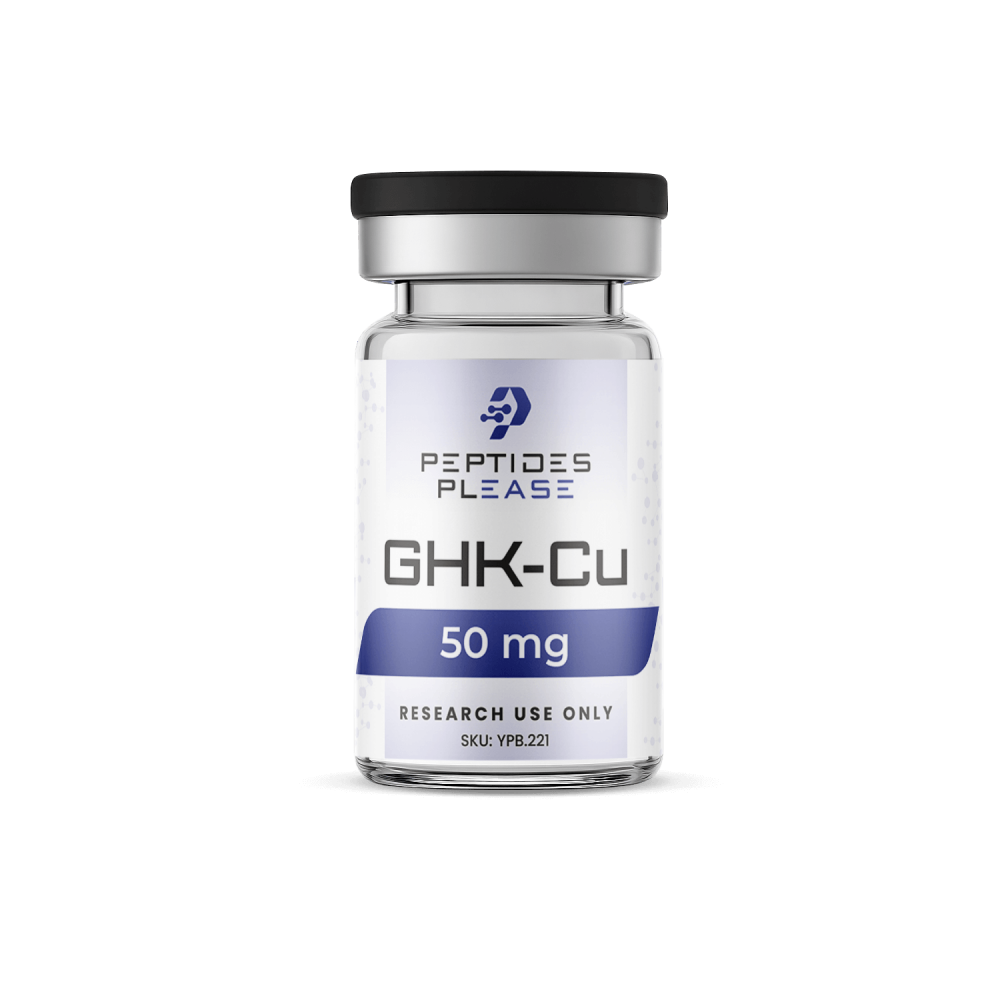
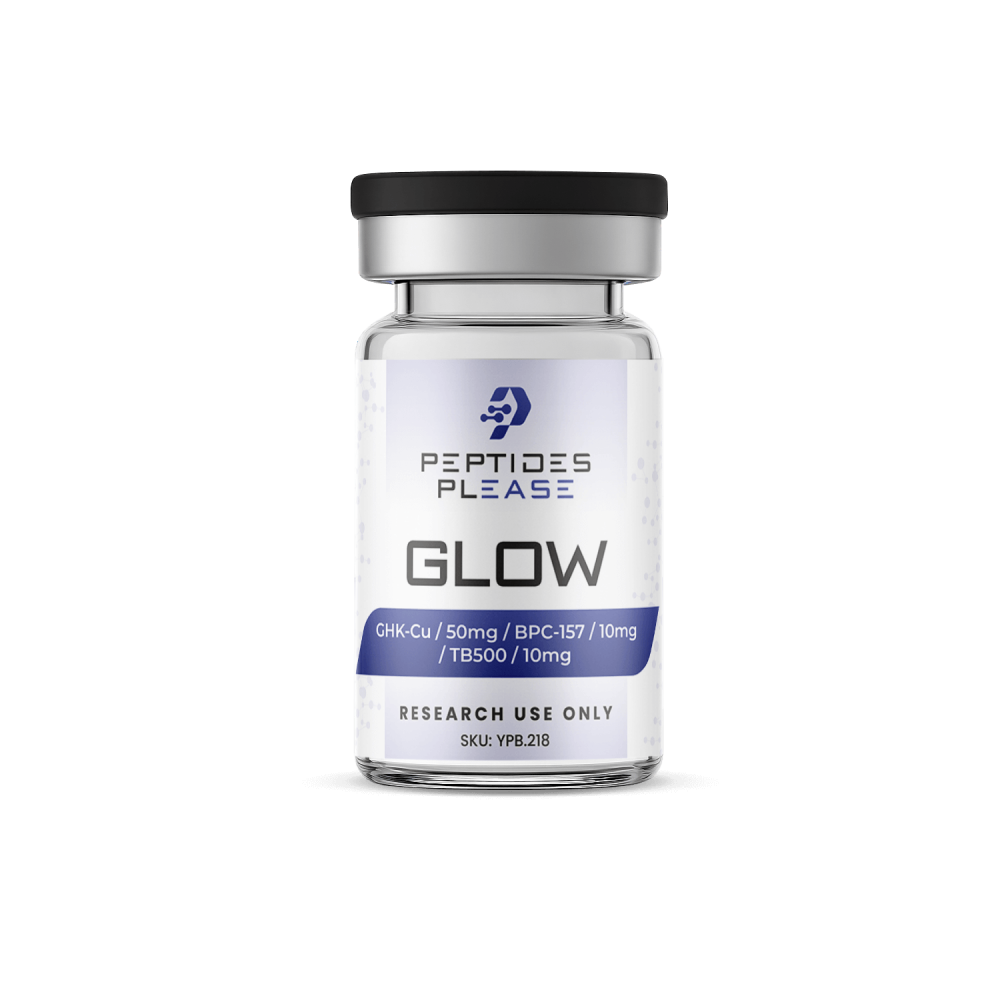
Peptide BlendsGLOW- GHK-Cu(50mg)
- BPC-157(10mg)
- TB500(10mg)
-
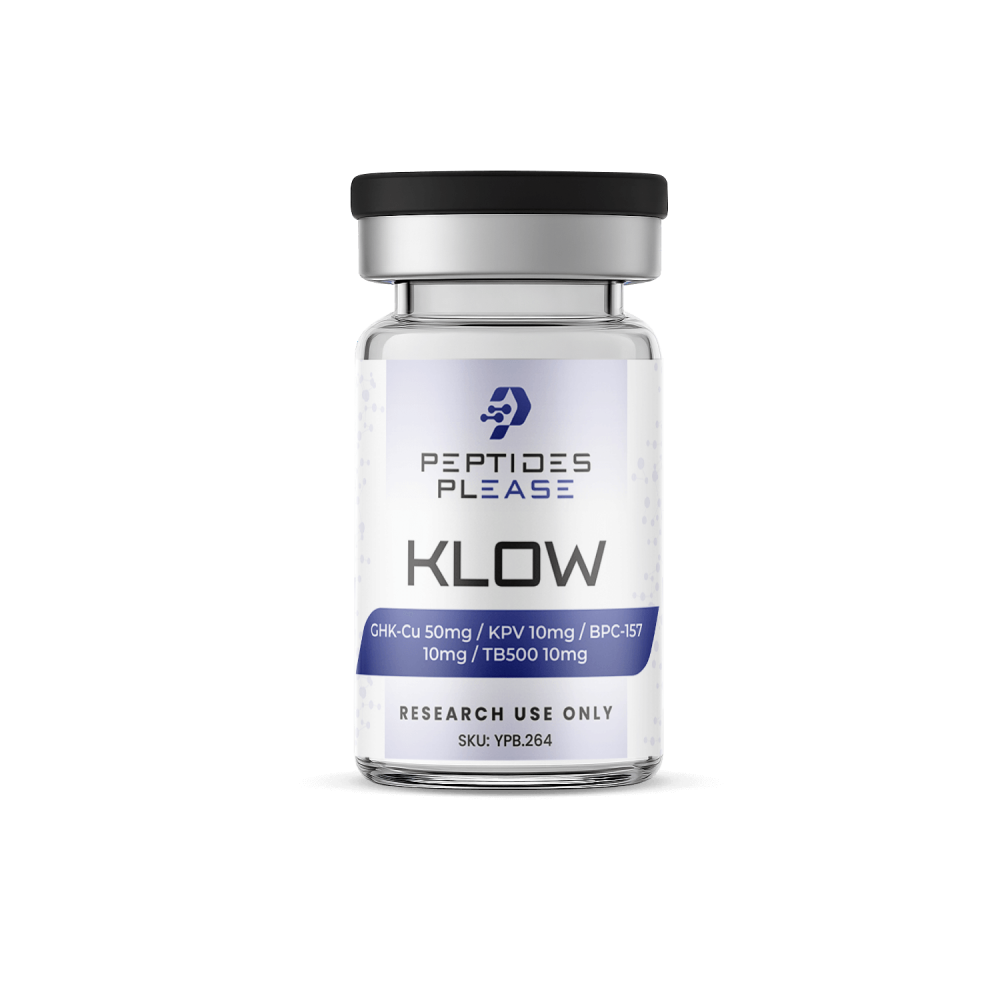
Peptide BlendsKLOW- GHK-Cu(50mg)
- KPV(10mg)
- BPC-157(10mg)
- TB500(10mg)
-
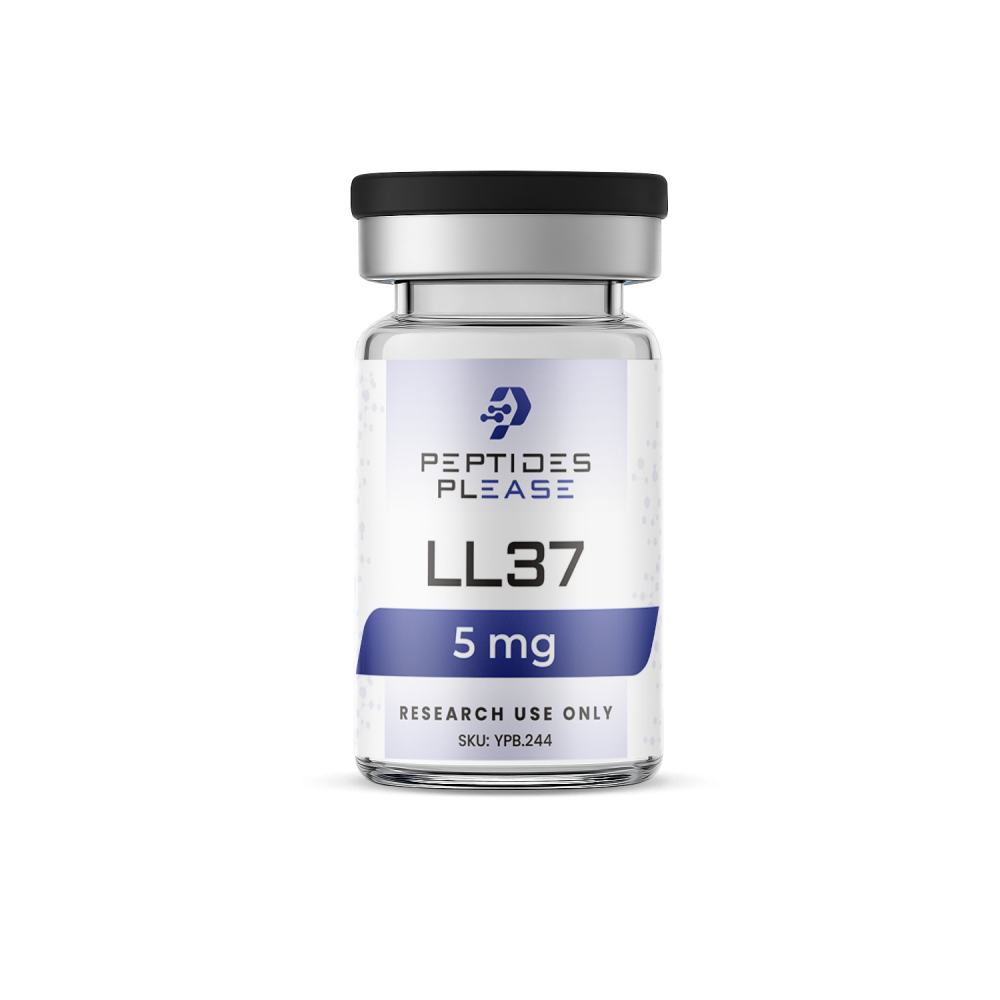
LL37LL37 (5mg) -
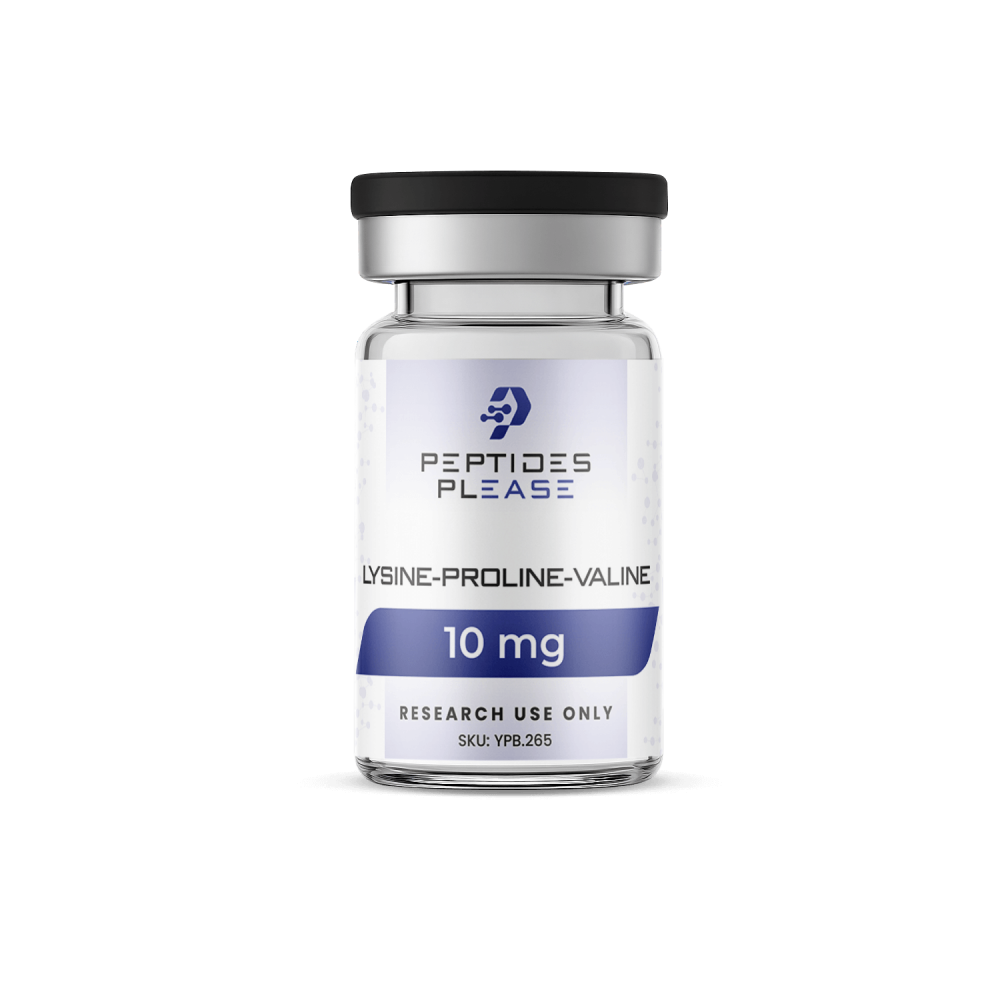
Lysine-Proline-ValineLYSINE-PROLINE-VALINE (10mg) -
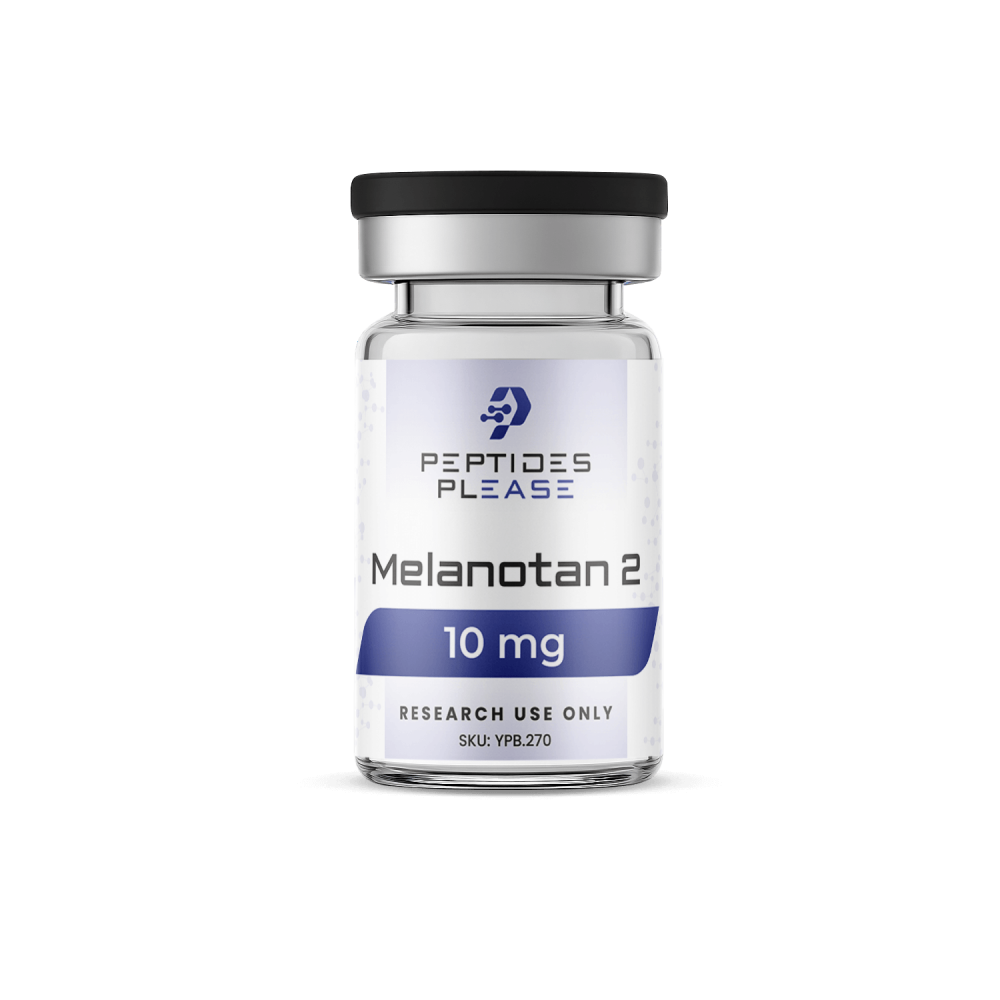
Melanotan 2Melanotan 2 (10mg) -
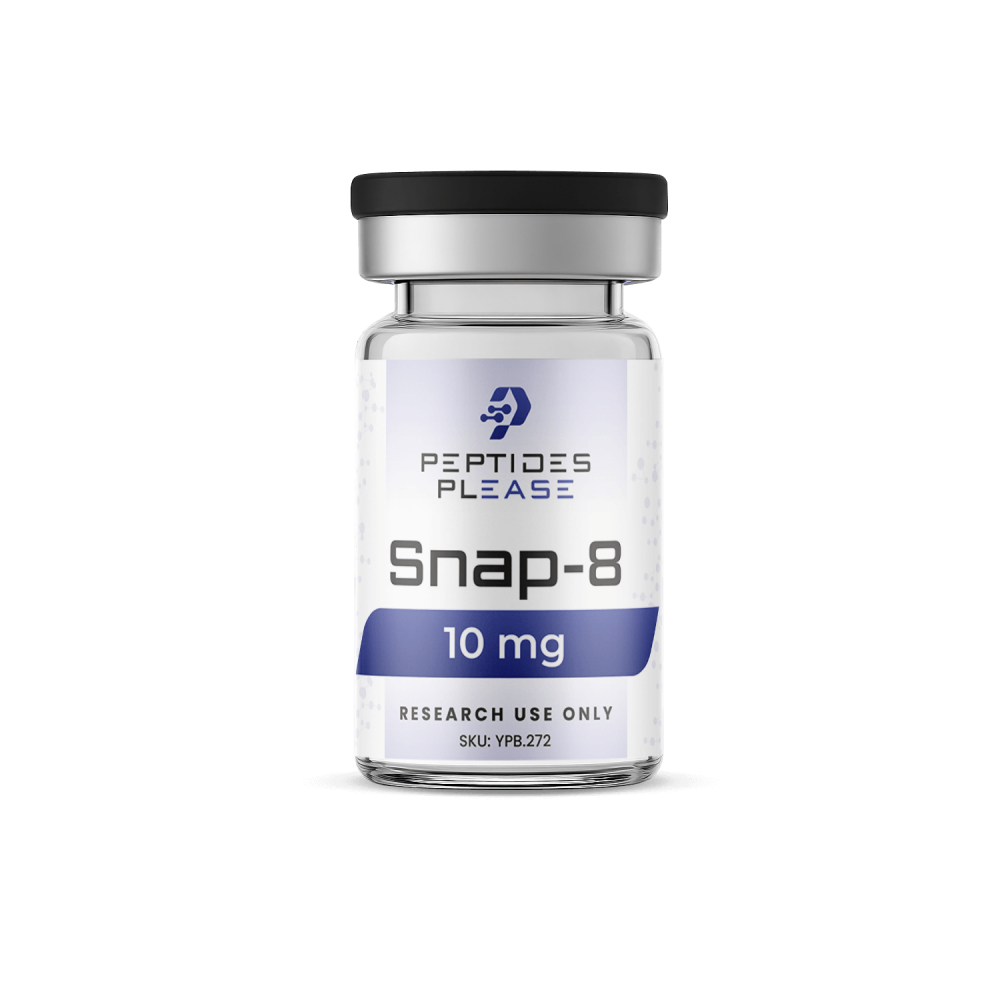
SNAP 8 PeptideSnap-8 (10mg)
As we age, the skin naturally loses firmness and elasticity as collagen and elastin decline. Peptides—short chains of amino acids—act as signals that encourage skin cells to rebuild these vital proteins, helping promote smoother texture, softer lines, and a healthier glow. They are generally gentle and can be found in serums, creams, and even supplements.
Standout options include copper peptides (GHK-Cu) for repair, Matrixyl for collagen support, and Argireline for expression lines. Beyond visible benefits, peptides help strengthen the skin barrier, retain moisture, and defend against daily environmental stressors. With consistent use alongside moisturizer and sunscreen, peptides for skin provide a simple yet effective boost to any skincare routine.
What Are Peptides for Skin?
Peptides are short chains of amino acids that help build important proteins like collagen and elastin—the ones that keep our skin firm, smooth, and elastic. In skincare, they work by telling skin cells to make more of these proteins, helping repair damage, lessen wrinkles, and improve texture. You’ll often find peptides in moisturizers, serums, and eye creams because they help keep skin firm, calm, and well-hydrated.
Explore Trusted Peptide Products Designed for Research from Peptides Please
Discovering peptides for skin research has never been easier with our hassle-free online access that lets you review high-quality options for hydration, elasticity, and overall dermal support. With organized information and clear specifications, you can stay updated on the latest peptide developments while enjoying efficient browsing and reliable sourcing. This simple approach lets you focus on how specific peptides can help improve skin renewal, boost collagen, and enhance firmness in a controlled research setting.
What Do Peptides Do for Skin?
Peptides are like tiny messengers that tell your skin to make more proteins—especially collagen and elastin. These proteins keep your skin firm, elastic, and youthful. Besides that, peptides also protect, hydrate, and calm the skin.
- Builds Proteins – Peptides are short chains of amino acids that form important proteins like collagen and elastin. These keep your skin strong, smooth, and flexible.
- Boosts Collagen and Elasticity – They help your skin produce more collagen and elastin, which can reduce fine lines and wrinkles while improving overall bounce and firmness.
- Strengthens the Skin Barrier – Peptides support the skin’s natural barrier, helping it hold moisture and stay protected from environmental stress and damage.
- Keeps Skin Hydrated – They help lock in moisture, preventing dryness and keeping your skin soft and plump.
- Calms and Soothes – Because of their anti-inflammatory properties, peptides can reduce redness and irritation.
- Protects Against Damage – Peptides also work as antioxidants, fighting free radicals caused by sun exposure and pollution that can speed up skin aging.
Peptides Benefits: Why Are Peptides Good for Skin?
Peptides are tiny chains of amino acids that work like messengers for your skin. They tell your skin to produce more collagen and elastin—the proteins that keep your skin firm, smooth, and stretchy. Since these proteins fade as we get older, using peptides helps bring them back, making your skin look younger and healthier. Plus, peptides help protect your skin’s natural barrier, keep it hydrated, calm redness, and brighten your overall complexion.
- Builds Collagen & Elastin: Peptides encourage your skin to make more of these key proteins, which helps give your skin a firmer, more elastic feel.
- Smooths Wrinkles & Fine Lines: By supporting skin structure, peptides help reduce visible signs of aging.
- Strengthens Skin Barrier: They improve the skin’s protective layer, which helps lock in moisture and shield you from outside damage.
- Boosts Hydration: Peptides help your skin hold onto moisture so it stays soft and plump.
- Soothes Inflammation: Their calming effect reduces redness and irritation for an even skin tone.
- Supports Skin Repair & Brightening: Peptides speed up healing and can help fade dark spots for a more radiant look.
Peptides for Youthful Skin
Peptides are short chains of amino acids that help keep skin firm, smooth, and youthful by boosting collagen and elastin production. As these proteins decline with age, wrinkles and sagging appear, but peptides can help improve firmness, reduce fine lines, and enhance texture. They also strengthen the skin barrier, increase hydration, and calm inflammation for a healthier, more resilient complexion.
Peptides for Skin Rejuvenation
Peptides help rejuvenate skin by signaling cells to boost collagen and elastin, improving firmness, smoothness, and youthfulness. They reduce wrinkles and fine lines, strengthen the skin barrier to retain moisture, and calm inflammation, leaving skin healthier, brighter, and more resilient.
Peptides for Skin Repair
Peptides are fantastic for skin repair because they kickstart your skin’s natural healing processes at the cellular level. As short chains of amino acids, they signal skin cells to ramp up production of collagen and elastin, helping to mend damage from sun exposure, pollution, or aging that causes sagging and lines. They also fortify the skin barrier to prevent further moisture loss and irritation, reduce inflammation to calm redness, and promote faster tissue recovery.
What Are the Best Peptides for Skin?
The best peptides for your skin really depend on what you’re after. Matrixyl is fantastic for firming things up by boosting collagen, while copper peptides shine at repairing and healing damage. Argireline works like a gentle Botox by relaxing facial muscles to smooth out those expression lines. Then you’ve got collagen peptides for all-around firmness, Crystalide for clearer skin, and tetrapeptides that help with repair and calming inflammation.
Types of Peptides for Skin
Peptides act like messengers in your skincare, telling your skin what to do to stay firm, smooth, and hydrated. There are a few main types, each with a special job.
Signal Peptides
These signal skin cells to make more collagen, elastin, and hyaluronic acid for better firmness and texture.
Examples: Matrixyl (Palmitoyl Pentapeptide-4), tetrapeptides.
Carrier Peptides
They deliver important minerals like copper to help heal skin, build collagen, and fight damage from free radicals.
Example: Copper peptides (GHK-Cu).
Neurotransmitter-Inhibiting Peptides
These relax facial muscles to smooth out expression lines and wrinkles, kind of like a topical Botox.
Example: Argireline (Acetyl Hexapeptide-8).
Enzyme Inhibitor Peptides
They block enzymes that break down your skin’s collagen and elastin, helping preserve that youthful structure.
Examples: Soybean peptides, rice peptides.
Copper Peptides for Skin
Copper peptides are natural helpers for your skin that boost collagen and elastin production, helping smooth out fine lines and wrinkles. They also fight inflammation, act as antioxidants, and speed up skin regeneration to improve tone, texture, and even wound healing. The best part is that they are non-comedogenic; however, it is always advisable to review the full ingredient list to ensure that no other components may cause irritation or adverse reactions.
Are Copper Peptides Good for Skin?
Copper peptides do wonders for your skin by boosting collagen and elastin production, which firms things up and softens wrinkles. They also speed up healing, ease inflammation, and work as antioxidants to keep skin smooth, tight, and looking younger. Start slow when adding them to your routine to avoid irritation—especially alongside retinoids.
What Do Copper Peptides Do for Your Skin?
Copper peptides are like a boost for your skin—they deliver copper right to your skin cells to kickstart collagen and elastin production. This makes your skin firmer, smoother, and more even-toned while fighting wrinkles and boosting cell repair. You’ll find them in serums, creams, and eye products to help turn back the clock on aging.
- Boosts Collagen & Elastin: Increases proteins for stronger, bouncier, plumper skin that looks less lined.
- Fights Aging: Softens wrinkles and sagging to bring back that youthful vibe.
- Antioxidant Shield: Protects against free radicals and daily damage from the sun or pollution.
- Even Skin Tone: Fades dark spots, scars, and sun damage for a brighter, more uniform glow.
- Speeds Healing: Helps wounds and irritated skin recover faster.
- Strengthens Barrier: Locks in moisture to keep skin soft and protected.
- Boosts Hydration: Increases hyaluronic acid so your skin stays hydrated and dewy.
Collagen Peptides for Skin
Collagen peptides can really help your skin by boosting elasticity, hydration, and firmness while smoothing out wrinkles. When you take them as supplements—like powders or pills—they kickstart your body’s own collagen production. You can also get them topically through creams and serums for direct skin benefits.
Collagen Peptides for Crepey Skin
Collagen peptides are great for crepey skin—they boost hydration and elasticity by giving your skin the raw materials to firm up and look plumper. They tell your fibroblasts (skin cells) to crank out more collagen for smoother results, though everyone responds differently. Take them as supplements for better moisture and tone, but combine with peptide creams, collagen-packed foods like bone broth or beef, plus smart habits like healthy eating and sun protection for the best outcome.
Peptides for Aging Skin
Peptides are short chains of amino acids that act like signals to your skin, telling it to ramp up collagen and elastin production. This helps smooth wrinkles, firm up sagging areas, and improve texture by kickstarting repair, blocking collagen breakdown, or even relaxing facial muscles. Popular ones like copper peptides (GHK-Cu) and palmitoyl tripeptide tackle major aging signs for a younger, tougher complexion—they shine brightest in smart formulas paired with humectants and antioxidants.
Peptides for Mature Skin
Peptides are ideal for mature skin, acting as signals that encourage the production of collagen and elastin. This helps reduce the appearance of wrinkles, firm the skin, and improve overall texture. Well-known peptides such as copper peptides, Matrixyl (Palmitoyl Pentapeptide-4), and Argireline are commonly found in serums and creams.
Peptides for Sagging Skin
Peptides help firm up sagging skin by telling your skin cells to make more collagen and elastin—the key proteins that keep everything structured, elastic, and bouncy. Key peptides include Matrixyl, which stimulates collagen production; Argireline, which helps relax facial muscles and reduce expression lines; and copper peptides, known for their skin-repairing and regenerative properties. Use them consistently in serums or creams, and over weeks or months, you’ll see tighter, plumper, smoother skin with better hydration and protection.
Peptides for Skin Tightening
Peptides tighten skin by telling your cells to pump out more collagen and elastin—those proteins that keep everything firm and bouncy. Top picks include copper peptides (GHK-Cu) for repair, Matrixyl blends for collagen boost, Argireline (Acetyl Hexapeptide-8) to ease wrinkles and improve bounce, and palmitoyl tripeptides-1 & -7 to firm up and calm inflammation. Stick with them in serums or moisturizers, and over time, your skin looks smoother, tighter, and younger.
Peptides for Skin Care
Peptides in skincare are short chains of amino acids that help form essential proteins such as collagen and elastin. Incorporated into serums and creams, they work to firm the skin, smooth texture, enhance elasticity, and reduce the appearance of fine lines. Additionally, peptides support the skin barrier, maintain hydration, and provide protection against environmental stressors like pollution.
Peptides Serum for Skin
Peptide serums signal your skin to produce more collagen—the natural protein responsible for firmness and elasticity. However, as we age, collagen production decreases, leading to sagging skin and more visible lines.
Peptides Cream for Skin
Peptide creams contain short chains of amino acids that signal your skin to produce essential proteins like collagen, helping to firm skin, smooth wrinkles, strengthen the moisture barrier, and enhance hydration for a plump, youthful appearance. Ideal for daily use, they layer well with ingredients such as hyaluronic acid, niacinamide, or retinol, making it easy to incorporate effective anti-aging benefits into your skincare routine for firmer, more resilient skin.
Injectable Peptides for Skin
Injectable peptides can really perk up your skin by ramping up collagen and elastin production, helping fade fine lines, wrinkles, and sagging. Popular ones like GHK-Cu boost healing and collagen, while BPC-157 and Thymosin Beta-4 focus on repair and recovery. They get delivered straight into the skin for better texture, tone, and hydration.
Are Peptides Safe for Skin?
Peptides are super safe and gentle for most skin types—they help firm and hydrate by telling your skin to make more collagen without much fuss. Although rare, allergic reactions or irritation can occur. It’s best to start gradually and perform a patch test, especially if you have sensitive skin or are combining peptides with potent ingredients like retinoids.
Peptides for Skin Care Side Effects
Topical peptides are usually super safe with few side effects, but they can sometimes cause mild irritation like redness, itching, or breakouts—especially if your skin is sensitive or you’re using too many peptide products at once. Rare allergies like hives or swelling can happen, so always patch test first. They might also irritate more when mixed with strong stuff like retinoids or acids, while oral peptides have their own body-wide effects.
Common Mild Side Effects
- Irritation: Redness, itching, or a little sting, common for sensitive skin.
- Breakouts: Temporary pimples or clogged pores while your skin adjusts.
- Peeling: Over-exfoliation when paired with retinoids or strong acids.
- Product Clashes: Extra irritation from mixing with AHAs, BHAs, or benzoyl peroxide.
Rare Serious Side Effects
- Allergies: Hives, swelling, or bad redness—stop using immediately if this happens.
Find Reliable Peptide Products for Research at PeptidesPlease
Exploring comprehensive peptide products from our platform offers you a smooth and reliable way to advance skin-focused investigations. These research-ready peptides provide valuable support for learning collagen production, skin hydration, elasticity, and overall dermal vitality, all backed by clear scientific details and organized information. With accessible data and a streamlined online experience, you can efficiently examine how specific peptides may contribute to skin firmness and rejuvenation.
Frequently Asked Questions
What do peptides do for your skin?
Peptides signal your skin cells to boost collagen and elastin production, firming skin, reducing wrinkles, improving elasticity, hydration, and texture for a smoother, younger look.
What is the best peptide for skin?
Copper peptides (GHK-Cu) stand out as one of the best for skin, widely praised for stimulating collagen and elastin production, accelerating wound healing, improving elasticity, firmness, and clarity while offering antioxidant protection.
Which type of peptide is best for skin?
Signal peptides are widely regarded as the best type for skin, as they stimulate fibroblasts to produce more collagen, elastin, and hyaluronic acid, improving firmness, texture and reducing wrinkles effectively.
Do you really need peptides in skincare?
Yes, peptides are a valuable addition to skincare because they boost collagen production, improve firmness, and help reduce signs of aging, enhancing your skin’s overall health and appearance.
Which peptide is best for skin anti-aging?
Matrixyl (Palmitoyl Pentapeptide-4) is widely considered the best peptide for skin anti-aging, as it effectively stimulates collagen production to reduce wrinkle depth, improve firmness, and enhance skin texture.
Summary
Peptides are game-changers for skin health, acting as smart messengers that boost collagen and elastin production to firm up sagging areas, smooth wrinkles, enhance elasticity, and improve overall texture and hydration. Standouts like copper peptides (GHK-Cu) for repair and antioxidants, Matrixyl for powerful anti-aging, and Argireline for relaxing expression lines make them versatile for mature or damaged skin, while supporting the barrier against daily stressors. Whether topical in serums and creams or oral supplements, consistent use delivers noticeable results without irritation for most, complementing basics like sunscreen for long-term youthful radiance.