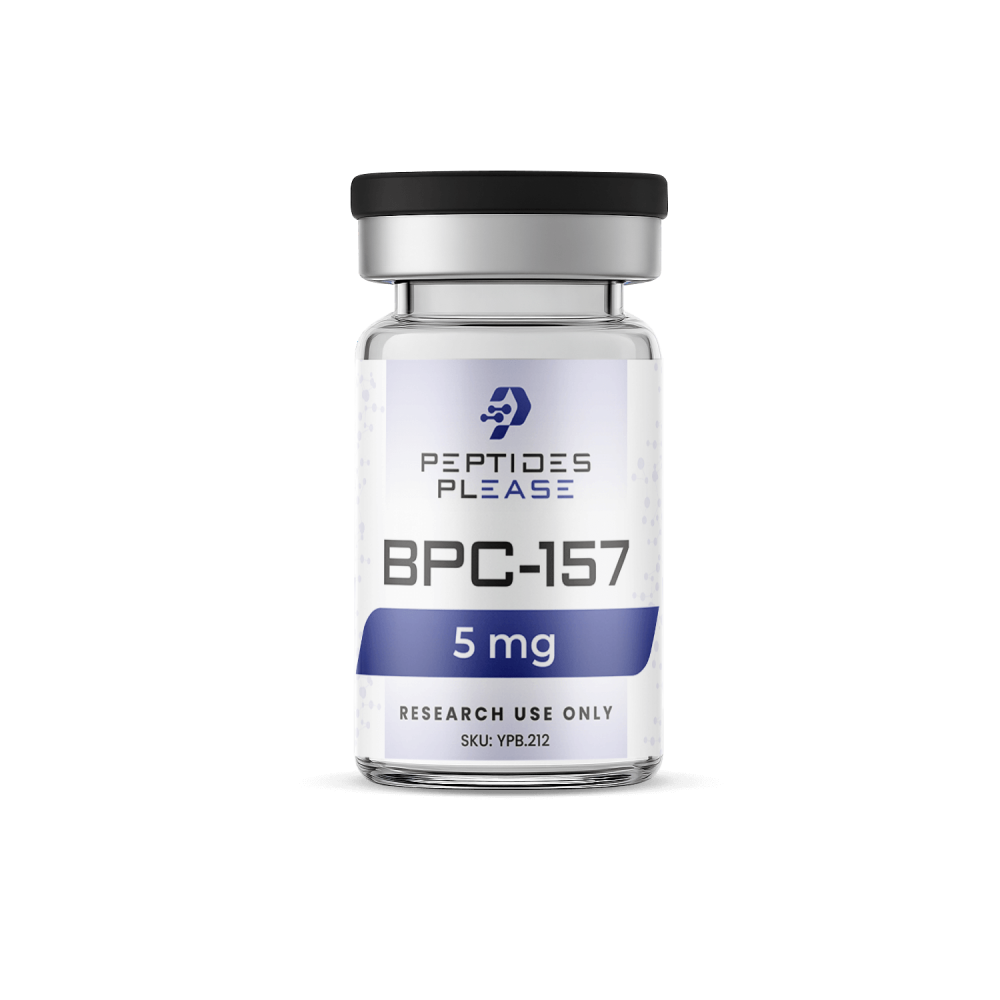
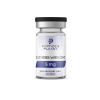
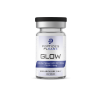
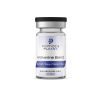
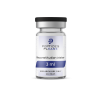
C₆₂H₉₈N₁₆O₂₂ · Body Protection Compound · 15-mer Peptide
$50.00–$180.00Price range: $50.00 through $180.00
30 capsules
Analytical Profile
Purity (HPLC)
99.9%
Bioavailability
94%
Potency
98.1%
Dosage
⬡Third-party tested
◈COA included
⊞GMP certified
↺30-day guarantee
Product Data
CAS Number
137525-51-0
Molecular Formula
C₆₂H₉₈N₁₆O₂₂
Molecular Weight
1419.55 g/mol
Sequence Length
15 amino acids
Isoelectric Point
4.62
Half-life
~4 hours (oral)
Storage
−20°C lyophilized
Reconstitution
Bacteriostatic water
BPC-157
$50.00–$180.00Price range: $50.00 through $180.00
BPC-157 Interactive 3D Molecular Model
Drag to rotate · Enable "Zoom on scroll" to zoom
Amino Acid Sequence
Non-polar, aliphatic
Neutral
75.03 Da
pKa α-NH₂ 9.60 · α-COOH 2.34
The smallest amino acid — its lack of sidechain grants exceptional backbone flexibility. Essential for tight protein turns and collagen's Gly-X-Y triplet repeat. In peptide research, glycine residues are used as spacers and to reduce steric bulk.
Frequently incorporated into peptide scaffolds to improve solubility and conformational freedom. GHRP-2 and GHRP-6, potent GH secretagogues used in research, both contain Gly residues critical to receptor binding.
Non-polar, aliphatic
Neutral
89.09 Da
pKa α-NH₂ 9.69 · α-COOH 2.34
The second simplest amino acid, alanine's methyl sidechain contributes to hydrophobic core stability without introducing much steric strain. It is the most abundant residue in helical segments of proteins.
Alanine-scanning mutagenesis is a cornerstone technique in peptide engineering: replacing each residue with Ala reveals which positions are critical for bioactivity. Common in research peptides such as Selank and Semax analogues.
Non-polar, aliphatic
Neutral
117.15 Da
pKa α-NH₂ 9.62 · α-COOH 2.32
Branched-chain amino acid (BCAA) with a β-branched isopropyl sidechain that promotes β-sheet formation and hydrophobic packing. Abundant in transmembrane helices.
BCAAs including Val are studied for anabolic signaling via mTOR. Val residues in IGF-1 LR3 and other growth factor analogues contribute to structural stability and receptor recognition.
Non-polar, aliphatic
Neutral
131.17 Da
pKa α-NH₂ 9.60 · α-COOH 2.36
The most common BCAA in proteins, leucine drives hydrophobic core formation and is the strongest activator of the mTOR/S6K1 anabolic pathway among all amino acids.
Leucine-rich peptide sequences are found in GH-releasing peptides (GHRH analogues). CJC-1295 and Ipamorelin contain Leu residues that anchor binding in the pituitary receptor pocket, driving GH pulse amplitude in preclinical studies.
Non-polar, aliphatic
Neutral
131.17 Da
pKa α-NH₂ 9.68 · α-COOH 2.36
Isoleucine is a β-branched BCAA that strongly favors β-sheet conformation and resists helix formation. It stabilizes hydrophobic interfaces in peptide dimers and coiled-coils.
Ile is a key pharmacophore in melanocortin peptides like Melanotan II, where its sidechain makes critical van der Waals contacts with the MC1R/MC4R binding pocket, modulating eumelanin synthesis and studied for pigmentation and metabolic research.
Non-polar, cyclic
Neutral
115.13 Da
pKa α-NH₂ 10.60 · α-COOH 1.99
The only cyclic proteinogenic amino acid. Its pyrrolidine ring constrains the backbone φ angle, breaking helices and introducing rigid turns. Collagen triple-helix stability depends heavily on the Gly-Pro-Hyp triplet.
Proline substitutions are used to lock peptides into bioactive conformations, improving receptor selectivity and proteolytic resistance. BPC-157 contains a Pro residue critical to its stability and regenerative signaling in preclinical wound-healing models.
Non-polar, aromatic
Neutral
165.19 Da
pKa α-NH₂ 9.13 · α-COOH 1.83
Phenylalanine's benzyl sidechain contributes strong hydrophobic and π-stacking interactions. It is among the most helix-favoring and rigidifying aromatic residues.
Phe is the central pharmacophore in enkephalins and many synthetic opioid peptides. In Ipamorelin (Aib-His-D-2-Nal-D-Phe-Lys-NH₂), D-Phe at position 4 is the primary contact for ghrelin receptor activation, studied in growth hormone research.
Non-polar, aromatic
Neutral
204.23 Da
pKa α-NH₂ 9.39 · α-COOH 2.38
The largest and most complex standard amino acid, tryptophan's indole ring participates in cation-π and π-stacking interactions. It acts as an intrinsic fluorescent probe for protein folding studies.
Trp and its D-isomer appear in numerous bioactive peptides. Semax (Met-Glu-His-Phe-Pro-Gly-Pro) contains a Phe-Pro pharmacophore related to ACTH, and Trp analogues are explored in BDNF-mimetic peptide design for neuroprotection research.
Non-polar, sulfur-containing
Neutral
149.21 Da
pKa α-NH₂ 9.21 · α-COOH 2.28
Methionine serves as the universal translation start codon (Met-tRNA). Its thioether sidechain participates in hydrophobic packing and is susceptible to oxidation, a key consideration in peptide formulation.
Met-enkephalin (Tyr-Gly-Gly-Phe-Met) is the archetypical endogenous opioid. Oxidation of Met during storage reduces peptide potency; researchers use norleucine substitutions or lyophilization under inert atmosphere to preserve activity.
Polar, uncharged
Neutral
105.09 Da
pKa α-NH₂ 9.15 · α-COOH 2.21
Serine's hydroxyl group participates in hydrogen bonding and is the principal site of O-linked glycosylation and phosphorylation in signaling cascades (Ser/Thr kinases).
Phospho-Ser residues are used in research to mimic constitutively phosphorylated signaling states. Ser residues in TB-500 (Thymosin β4) and LL-37 antimicrobial peptides contribute to aqueous solubility critical for in vitro assays.
Polar, uncharged
Neutral
119.12 Da
pKa α-NH₂ 9.10 · α-COOH 2.09
Threonine is the only β-hydroxyl amino acid with a chiral β-carbon. Its hydroxyl supports hydrogen bonding and O-GalNAc mucin-type glycosylation, and Ser/Thr sites are the primary substrates for PKA, PKC, and CaMKII.
Thr is a key residue in the hinge region of IGF-1 and in GLP-1 analogues studied for metabolic regulation. Phospho-Thr peptides serve as tool compounds for kinase inhibitor development.
Polar, uncharged (sulfur)
Neutral
121.16 Da
pKa α-NH₂ 10.78 · α-COOH 1.71 · thiol 8.18
Cysteine's thiol sidechain undergoes reversible oxidation to form disulfide bonds (–S–S–) that critically stabilize protein tertiary structure. It also acts as a nucleophile in enzyme active sites.
Disulfide-cyclized peptides exhibit dramatically improved proteolytic stability and receptor selectivity. α-Conotoxins, ω-conotoxins (ziconotide), and oxytocin all depend on Cys–Cys bridges. Site-directed PEGylation via Cys thiols extends peptide half-life in research models.
Polar, aromatic
Neutral (ionizable at high pH)
181.19 Da
pKa α-NH₂ 9.11 · α-COOH 2.20 · phenol 10.07
Tyrosine combines aromatic hydrophobicity with a polar phenol capable of hydrogen bonding and phosphorylation. It is the substrate for Tyr kinases (RTKs, Src family) and is iodinated in thyroid hormone (T3/T4) biosynthesis.
Tyr is the N-terminal residue of all endogenous opioid peptides and is essential for μ-opioid receptor activation. In Melanotan II (Ac-Nle-c[Asp-His-D-Phe-Arg-Trp-Lys]-NH₂), Tyr analogues modulate MC4R binding and are studied in melanocortin receptor pharmacology.
Polar, uncharged
Neutral
132.12 Da
pKa α-NH₂ 8.80 · α-COOH 2.02
Asparagine's amide sidechain forms hydrogen bonds and is the canonical site of N-linked glycosylation (Asn-X-Ser/Thr sequon). It also undergoes spontaneous deamidation to Asp, a key degradation pathway in therapeutic peptides.
Asn deamidation is a primary stability concern in peptide drug development. Substituting Asn with Asp or using iso-Asn analogues is explored to improve shelf life. Asn residues in GHRH(1-29) are important for GH secretagogue activity.
Polar, uncharged
Neutral
146.15 Da
pKa α-NH₂ 9.13 · α-COOH 2.17
Glutamine is the most abundant free amino acid in plasma, a major nitrogen shuttle between tissues, and the primary fuel for rapidly dividing cells (glutaminolysis). Its amide sidechain participates in receptor recognition and hydrogen bonding.
Gln-containing peptides are studied in gut-permeability and mucosal integrity research. Glutamine is the C-terminal residue in many GHRH analogues; its amide form (Gln vs. Glu) dramatically affects GH-releasing potency and pituitary receptor binding.
Polar, negatively charged
Negative (pH 7)
133.10 Da
pKa α-NH₂ 9.60 · α-COOH 1.88 · sidechain 3.65
Aspartate is a key excitatory neurotransmitter precursor and participates in the urea cycle. Its carboxylate coordinates metal ions (Asp-His-His Zn²⁺ triads in metalloproteases) and forms salt bridges essential to protein stability.
Asp residues in lactam-bridged GHRH analogues (c[Asp-Lys] bridges) constrain helix conformation, increasing GH-releasing potency up to 1000-fold versus linear peptides in animal models. Also critical in integrin-binding RGD (Arg-Gly-Asp) motifs studied for tissue engineering scaffolds.
Polar, negatively charged
Negative (pH 7)
147.13 Da
pKa α-NH₂ 9.47 · α-COOH 2.10 · sidechain 4.07
Glutamate is the principal excitatory neurotransmitter in the CNS and a key hub of central carbon metabolism (TCA cycle via α-ketoglutarate). Its longer sidechain carboxylate favors α-helix formation via intrachain salt bridges.
Fatty-acid conjugation at Glu sidechains (as in semaglutide/liraglutide) extends plasma half-life by promoting albumin binding. This Glu-acylation strategy is widely studied for creating long-acting GLP-1, GIP, and GH research analogues.
Polar, positively charged
Positive (pH 7)
146.19 Da
pKa α-NH₂ 9.18 · α-COOH 2.16 · ε-NH₂ 10.53
Lysine's ε-amino group is the primary site of ubiquitination, acetylation (histones), and chemical conjugation. It confers positive charge that drives binding to negatively charged membrane phospholipids and DNA.
Lys is the key conjugation handle in peptide–drug conjugates (PDCs), PEGylated peptides, and lipopeptides. In CJC-1295 (DAC-GHRH), Lys is the reactive site for Drug Affinity Complex technology that covalently binds serum albumin, extending half-life to ~8 days in primates.
Polar, positively charged
Positive (pH 7)
174.20 Da
pKa α-NH₂ 9.04 · α-COOH 2.18 · guanidinium 12.48
Arginine's guanidinium group maintains positive charge across the full physiological pH range. It drives cell-penetrating peptide (CPP) internalization, anchors peptides to heparan sulfate proteoglycans, and is a key substrate of nitric oxide synthase (→ NO).
Poly-Arg CPPs (e.g., R9) are widely used to deliver research peptides intracellularly. Arg residues in BPC-157 and Epithalon are important for angiogenic and telomerase-activating effects studied in preclinical longevity research.
Polar, positively charged (ionizable)
Neutral/Positive (pKa ~6)
155.16 Da
pKa α-NH₂ 9.17 · α-COOH 1.82 · imidazole 6.00
Histidine's imidazole ring (pKa ~6) acts as a pH-sensitive proton shuttle — uniquely positioned between protonated and neutral at physiological pH. It is the catalytic acid/base in serine proteases, carbonic anhydrase, and numerous metalloenzymes.
His is found in most GH-releasing peptides: GHRP-2 (D-Ala-D-β-Nal-Ala-Trp-D-Phe-Lys), Ipamorelin, Hexarelin all contain His essential for GHSR-1a binding. Its Zn²⁺-chelating ability is exploited in His-tag purification of research peptide constructs.
The compound that rewrites recovery.
BPC-157 is a synthetic pentadecapeptide derived from a naturally occurring protein found in human gastric juice. In over two decades of preclinical research, it has demonstrated a remarkable ability to accelerate tissue repair, reduce inflammation, and modulate neurotransmitter systems — all with an exceptional safety profile that has captured serious scientific attention.
01
Mechanism of Action
How BPC-157 works at the molecular level
BPC-157 exerts its effects through several intersecting pathways. Its most well-characterised mechanism involves the upregulation of growth hormone receptors in tendon fibroblasts, allowing damaged tissue to respond more robustly to the body's own repair signals — effectively amplifying the natural healing response without introducing exogenous growth factors.
Simultaneously, the peptide promotes angiogenesis — the formation of new blood vessels — through VEGFR2 signalling. In injured tissue, vascular density is often the rate-limiting step of repair. By accelerating vascularisation, BPC-157 ensures oxygen and nutrient delivery keep pace with cellular regeneration.
Oral / Injectable Administration
→
GH Receptor Upregulation
→
VEGFR2 Signalling
→
Angiogenesis + Fibroblasts
→
Accelerated Tissue Repair
BPC-157 also interacts with the nitric oxide (NO) system, modulating eNOS activity to regulate vascular tone and reduce oxidative stress in damaged tissue. This NO-mediated pathway is thought to underpin many of its cytoprotective effects observed in gastrointestinal research.
"BPC-157 appears to act as a master regulator of healing — not by forcing a single pathway, but by sensitising tissues to their own repair machinery."— Synthesis from Sikiric et al., Journal of Physiology, 2018
02
<strong>Research Profile</strong>
Two decades of preclinical evidence
BPC-157 has one of the most extensively documented preclinical research profiles of any peptide in the repair and recovery space. Studies span **tendon and ligament healing**, inflammatory bowel disease, bone repair, muscle recovery, and neurological protection — with consistent results across multiple research groups.
2x+
Faster tendon healing
vs. control in rodent models
78%
GI ulcer resolution
Preclinical colitis models
25+
Years of research
First published 1993
100+
Published studies
Majority by Sikiric group
0
LD50 established
No toxic dose found in studies
15
Amino acids
Pentadecapeptide sequence
It is important to note that the majority of research on BPC-157 remains preclinical — conducted in rodent models. Human clinical trials are ongoing but limited. Peptides Please presents this data for research and informational purposes. Customers should consult a qualified healthcare professional before use.
1
Stable gastric pentadecapeptide BPC 157: novel therapy in gastrointestinal tract
Sikiric P. et al. · Current Pharmaceutical Design · 2011 · PMID: 21247363
2
BPC 157 effect on healing of muscle and tendon injuries and its influence on growth hormone receptor expression
Chang CH. et al. · Journal of Applied Physiology · 2011 · PMID: 21493723
3
Cytoprotective effect of pentadecapeptide BPC 157 — new insights
Sikiric P. et al. · Current Pharmaceutical Design · 2018 · PMID: 29512470
4
BPC-157 and nitric oxide system interaction in the healing of various tissues
Sever M. et al. · Inflammopharmacology · 2019 · PMID: 30993593
03
Dosing Guide
Protocol considerations
BPC-157 dosing in the research literature typically ranges from 1–10 mcg/kg body weight in animal models. Extrapolated human equivalent doses most commonly used in the self-experimentation community fall between 250–500mcg per day, though individual responses vary considerably.
Oral administration appears effective for gastrointestinal and systemic applications. For localised musculoskeletal repair, subcutaneous injection proximal to the injury site is the approach documented in the majority of relevant studies.
Protocol
Dose Range
Duration
Notes
Acute Injury Common
500mcg/day
4–6 weeks
Split AM/PM · Subcutaneous or oral
GI Support Common
250mcg/day
8–12 weeks
Oral capsule · With or without food
Maintenance Less common
100–200mcg/day
Ongoing
Lower systemic dose · Oral preferred
Research Dose Literature
1–10 mcg/kg
Variable
Rodent model extrapolation only
⚠ This information is provided for research and educational purposes only. Peptides Please products are sold for research use. Consult a qualified physician before use. Individual results may vary.
04
Common Questions
What researchers ask most
BPC-157 is notable for its exceptional stability in acidic environments — a property that distinguishes it from most peptides and makes oral administration viable. Studies have shown it resists degradation in simulated gastric fluid for extended periods, which accounts for its documented effectiveness when taken orally for both GI and systemic applications.
Our BPC-157 is supplied lyophilised (freeze-dried), which confers significant stability at room temperature for short periods. For long-term storage — anything beyond 2–3 months — we recommend −20°C. Once reconstituted with bacteriostatic water, the solution should be refrigerated at 2–8°C and used within 28 days.
BPC-157 is commonly combined with TB-500 (Thymosin Beta-4) in the research community for synergistic healing protocols — BPC-157 is thought to operate primarily at the local injury site while TB-500 provides systemic mobilisation of repair cells. No adverse interactions have been documented in preclinical literature, though human safety data for combinations is absent.
The plasma half-life of BPC-157 is relatively short — estimated at approximately 4 hours for oral administration and slightly less for injectable routes. This is why most protocols divide the daily dose across two administrations. Despite the short half-life, downstream effects on tissue repair appear to persist well beyond the peptide's systemic presence.
Yes — every batch of Peptides Please BPC-157 is independently tested by a third-party ISO-certified laboratory. The COA confirming identity, purity (≥99.0% by HPLC), and absence of contaminants is included with every order and available on request at any time. Batch-specific COAs are also accessible via the QR code on your product packaging.
05
Storage Instructions
All our research peptides are manufactured using a lyophilization (freeze-drying) process. This method is designed to maintain product integrity and allows vials to remain stable during shipping for approximately 3–4 months.
Once a vial is reconstituted with bacteriostatic water, it should be stored in the refrigerator to help maintain stability. Under these conditions, reconstituted material is generally considered stable for up to 30 days.
Lyophilization is a dehydration technique in which compounds are frozen and then exposed to low pressure. This causes the water in the vial to sublimate directly from solid to gas, leaving behind a stable, crystalline white structure. This powder can be kept at room temperature until reconstitution.
Upon receipt, products should be stored away from heat and light. For short-term use, refrigeration at approximately 4°C (39°F) is suitable. For long-term storage (several months to years), vials may be placed in a freezer at approximately −80°C (−112°F). Freezing is the preferred method for preserving product stability over extended periods.
⚠️ Important Notice: These products are intended for research use only. Not for human consumption.
You are unable to view this website.
⚠️ Research Use Only — Legal Acknowledgment
All products on this website are sold strictly for in vitro research and laboratory use only.
Not for human or veterinary use, consumption, or application
Not FDA-approved to diagnose, treat, cure, or prevent any disease
Buyer assumes full responsibility for legal compliance in their jurisdiction
By clicking "Accept," you confirm:
You are at least 21 years of age
You are a qualified researcher or laboratory professional
You understand these products are for research purposes only