PNC 27
Showing the single result
-
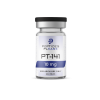
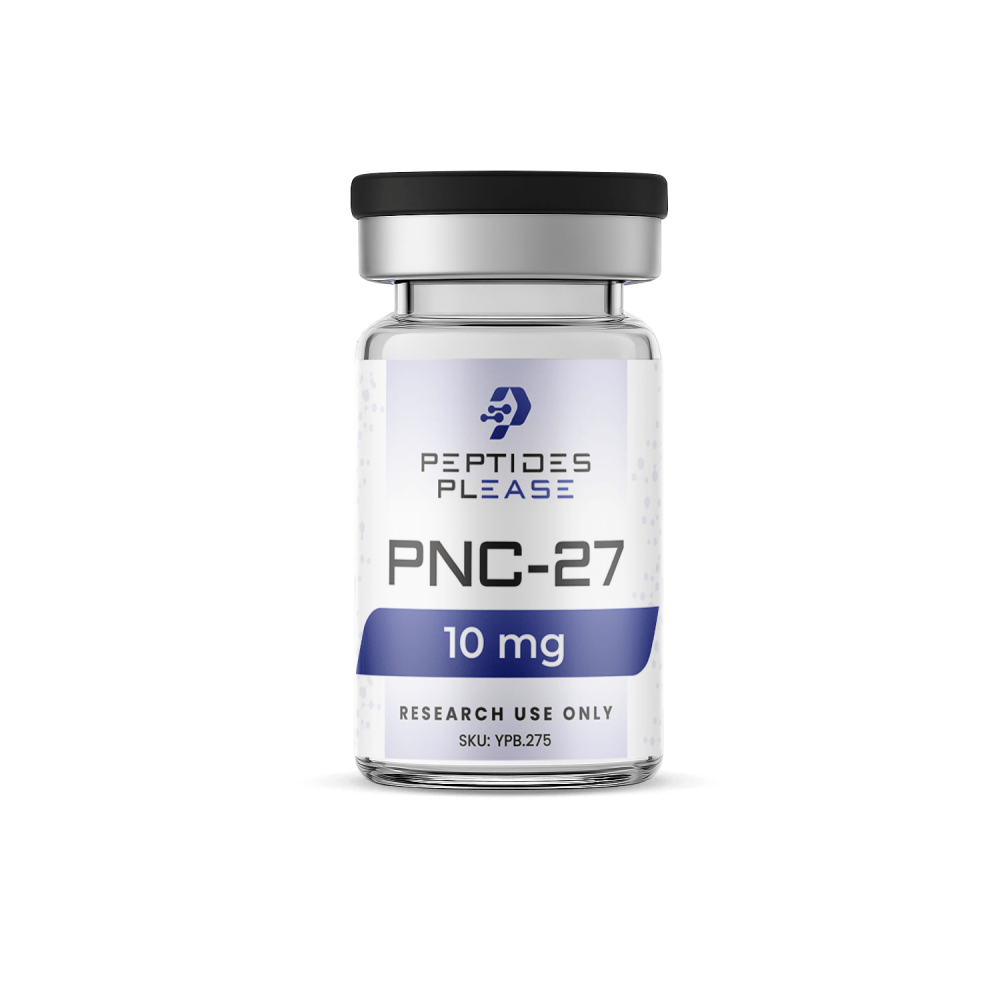 PNC 27PNC-27 (10mg)
PNC 27 is a synthetic peptide designed to target cancer cells specifically by binding to receptors on the cancer cell membrane, inducing tumor cell necrosis and tumor cell lysis. This mechanism disrupts the membrane integrity of solid tissue tumor cells and various cancer cell lines, leading to rapid cancer cell death without significantly affecting normal cells. Research highlights its selectivity, as demonstrated in studies like pnc 27, where it effectively lyses malignant cells while sparing healthy ones.
In particular, PNC 27 has shown promising results against human pancreatic cancer cells, promoting cancer cell lysis through a p53-dependent pathway that triggers apoptosis and necrosis in tumor environments. This targeted action makes it a candidate for therapies against aggressive solid tissue tumor cells, with preclinical data supporting its potential to overcome resistance in cancer cell lines derived from pancreatic and other solid tumors, offering a novel approach to selective cancer cell death.
Buy PNC-27 Peptide For Research at Peptides Please
Buy PNC-27 Peptide for research at PeptidesPlease, the premier source for high-purity research-grade anti-cancer peptides. This potent compound targets pancreatic cancer cell growth in pancreatic cancer cell lines while demonstrating efficacy against human breast cancer cells, specifically inducing tumor cell lysis to disrupt cancer progression. Ideal for in vitro studies exploring its mechanisms as an anti-cancer peptide, PNC-27 offers researchers a reliable tool to investigate novel oncology pathways with exceptional purity and fast shipping.
What Is PNC 27 Peptide?
PNC-27 is a synthetic anticancer peptide consisting of amino acids 12–26 from the p53 protein’s HDM-2 binding domain fused to a cell-penetrating leader sequence, enabling selective membrane pore formation in cancer cells overexpressing HDM-2 on their surfaces. By binding HDM-2, it triggers tumor cell death through membranolysis and necrosis across different cancer cell lines in cell biology studies, including pancreatic, breast, and leukemia cells, while sparing normal untransformed cells. This mechanism excels at killing cancer cells without inducing apoptosis, as evidenced by research on its pore-forming activity.
PNC-27 Mechanism of Action
PNC-27 binds specifically to HDM-2 protein overexpressed on cancer cell membranes (but minimally on normal cells), initiating membranolysis. This binding forms transmembrane pores, disrupting membrane integrity and causing rapid necrosis of cancer cells without affecting healthy ones.
The p53-derived domain (residues 12-26: KTSTLTI) adopts an alpha-helical conformation superimposable on its HDM-2-bound structure, while the N-terminal penetratin sequence (RQIKIWFQNRRMKWKK) anchors it in the membrane. Full sequence studies confirm that the intact peptide (not fragments) drives pore formation, as seen in fluorescence assays with cancer lines like MCF-7.
- Targets elevate HDM-2 in plasma membranes of diverse cancers (e.g., breast, leukemia), blocking peptide entry and promoting pore assembly.
- Unlike apoptosis inducers (e.g., nutlins), PNC-27 triggers necrosis via lysis, sparing normal cells due to the absence of membrane HDM-2.
- Studies validate efficacy in primary tumors, with no activity in untransformed cells.
PNC 27 Peptide Benefits
PNC-27 offers selective anticancer activity by forming pores in the membranes of tumor cells expressing elevated HDM-2 oncoprotein, leading to rapid necrosis of primary tumors and cancer cells without harming normal tissues, as demonstrated across various cancer lines, including pancreatic, breast, leukemia, and melanoma. Research highlights its independence from specific transformation pathways, making it broadly applicable, with added benefits like immune boosting, cognitive enhancement, and synergy with agents like ketone bodies to lower IC50 values and amplify cell killing.
PNC-27 Prostate Cancer Effectiveness
While direct prostate cancer studies are limited in available data, PNC-27’s mechanism of HDM-2 membrane binding and tumor cell lysis shows promise based on its efficacy against other solid tumors with similar oncoprotein profiles, eradicating high-metastatic pancreatic xenografts in mice without off-target effects. Its ability to target early stem-like tumor cells, as seen in leukemia models, suggests potential for prostate cancers expressing membrane HDM-2.
PNC-27 Breast Cancer Effectiveness
PNC-27 effectively kills breast cancer cells like MCF-7 (p53 wild-type) and MDA-MB-157 (p53-deficient) by binding HDM-2 in their membranes, causing selective necrosis independent of genetic transformation pathways, with fluorescence studies confirming intramembrane interactions absent in normal MCF-10-2A cells. In vivo and in vitro results position it as highly potent for breast tumors, outperforming effects on some other cancers due to consistent HDM-2 expression.
PNC 27 Side Effects
PNC-27 is an experimental synthetic peptide researched for its potential to target cancer cells by binding to HDM-2 on their membranes, inducing necrosis without affecting normal cells in lab studies.
Common Side Effects
Injection site reactions like redness, pain, swelling, or skin irritation are the most frequently reported issues with subcutaneous use; these typically resolve quickly without intervention. Early doses may cause mild tolerance symptoms such as headache, dizziness, nausea, vomiting, or diarrhea, which usually subside after initial treatments.
Theoretical Risks
Preclinical data highlight potential immunogenicity from its non-human sequences, possibly leading to antibody formation, hypersensitivity, or reduced efficacy over time. Off-target effects could include inflammation from necrotic debris, tumor lysis-like syndrome, or membrane disruption in normal cells at high doses, though human safety data are absent.
Regulatory Warnings
PNC-27 lacks FDA approval for human use and has been flagged for risks like bacterial contamination (e.g., Variovorax paradoxus in samples), posing infection dangers, especially to vulnerable groups. It’s considered an unapproved experimental use outside of research, with contraindications for pregnancy, autoimmune conditions, or renal impairment.
PNC-27 Peptide Price
PNC-27 peptide, a research-grade anticancer compound derived from the p53 protein’s HDM-2 binding domain, is priced at around $220 for a 10mg vial from PeptidesPlease. This pricing reflects high-purity (≥99%) lyophilized powder suitable for laboratory studies on its membranolytic effects against cancer cells, such as inducing necrosis in pancreatic, ovarian, and leukemia lines via HDM-2 binding without harming healthy cells.
PNC-27 Clinical Trials
PNC-27, a synthetic peptide designed to target and induce cell death in cancerous cells by binding to HDM-2 on the plasma membrane and forming cytolytic pores, has been investigated in early-phase clinical trials primarily for its potential in treating solid tumors like pancreatic, breast, and ovarian cancers, often showing promising selective cytotoxicity where it spares normal hematopoietic cells and does not affect untransformed cells or untransformed cell line cultures.
Preclinical studies demonstrated reduced cell viability in various cancer models, with PNC-27 triggering rapid necrosis in malignant cells while maintaining the integrity of non-cancerous counterparts, as evidenced by in vitro assays comparing transformed versus untransformed cell lines. Phase I trials, such as those involving intravenous administration in patients with advanced pancreatic cancer, reported tolerability with no maximum tolerated dose reached, alongside anecdotal tumor responses and extended survival in some cases, though larger Phase II/III studies are needed to confirm efficacy, safety profiles, and mechanisms distinguishing its action on cancerous cells from healthy tissues.
Research PNC 27 for Sale at PeptidesPlease
Research PNC-27 for sale at PeptidesPlease reveals this synthetic anticancer peptide, available in 5mg vials, selectively targets and kills cancer cells by binding HDM-2 in their membranes to induce membranolysis and necrosis, sparing normal cells. Studies demonstrate that cells treated with PNC-27 show rapid pore formation and cell death, unlike the same cells in control groups which remain viable; transformed cells exhibit exclusive HDM-2 membrane expression that PNC-27 exploits for targeted lysis, while modified cells with altered p53 pathways display enhanced sensitivity compared to untransformed control cells.
Frequently Asked Questions
What is PNC 27?
PNC-27 is an experimental anti-cancer peptide designed with an HDM-2 binding domain from p53 linked to a membrane-penetrating sequence. It selectively targets cancer cells by interacting with proteins on their membranes, sparing normal cells.
What is PNC 27 used for?
PNC-27 is researched for potential treatment of various cancers, including ovarian, pancreatic, breast, cervical, leukemia, and melanoma. Studies show it kills cancer cells in lab settings and animal models without harming healthy cells, though it’s not FDA-approved for clinical use.
How does PNC 27 target cancer cells?
PNC-27 binds specifically to HDM-2 protein on cancer cell membranes, which is absent or minimal on normal cells. This binding forms transmembrane pores, leading to rapid necrosis (cell death) via membranolysis, independent of p53 status.
Summary
PNC-27 is a synthetic anticancer peptide that selectively targets cancer cells by binding to HDM-2 protein on their cell membranes, triggering membranolysis, pore formation, and rapid necrosis specifically in malignant cells while sparing healthy ones, as demonstrated in preclinical studies on various cancers including cervical, ovarian, and leukemia. This chimeric peptide, fusing a p53-derived domain with a penetratin sequence for enhanced cellular penetration, shows promise in disrupting cancer cell integrity without systemic toxicity, positioning it as a novel therapeutic candidate in ongoing peptide-based oncology research.