LL37
Showing the single result
-
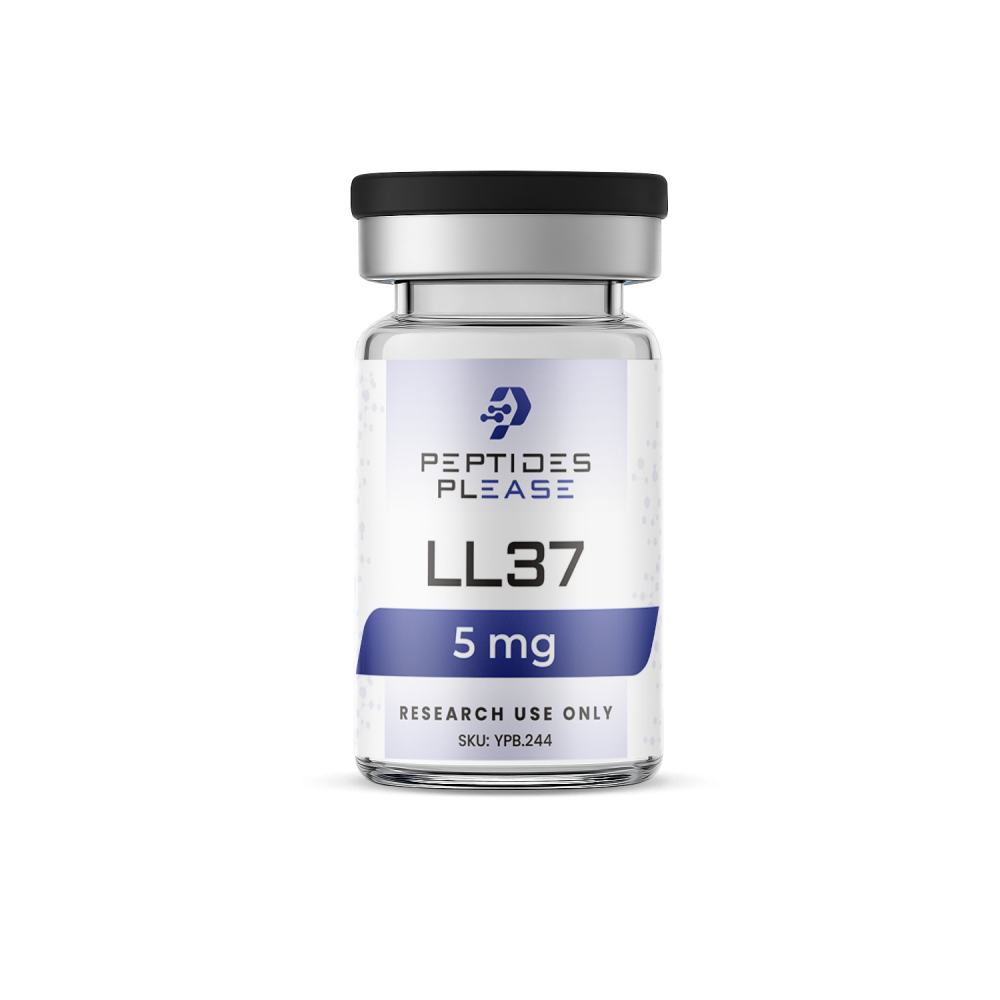 LL37LL37 (5mg)
LL-37, the antimicrobial peptide LL37, stands as the only human member of the human cationic antimicrobial protein family and a prominent human antimicrobial peptide derived from human cells. This versatile peptide excels against gram-negative bacteria and chronic infections, disrupting microbial membranes to provide broad-spectrum protection. Beyond its antimicrobial prowess, the antimicrobial peptide LL37 modulates immune responses by activating dendritic cells, promoting cell proliferation in human cells, and influencing processes like wound healing and inflammation control.
In cancer research, LL-37 shows intriguing duality, selectively targeting cancer cells while sparing healthy human cells in certain contexts, sparking interest in its therapeutic potential. As a key player among antimicrobial peptides, LL-37’s ability to combat chronic infections and gram-negative bacteria positions it as a bridge between innate immunity and advanced biomedical applications, from anti-infective therapies to immunomodulation.
Buy LL37 For Research at Peptides Please
Elevate your research into cutting-edge antimicrobial peptides by purchasing high-purity LL37 for research at Peptides Please, where innovation meets precision in combating the inflammatory response triggered by antibiotic-resistant strains and antibiotic-resistant bacteria. This 37-amino acid powerhouse excels in antimicrobial chemotherapy, effectively targeting skin inflammation while disrupting viral replication in cellular models—ideal for studies exploring novel defenses against stubborn pathogens that evade traditional treatments.
What Is LL37?
LL-37 is a prominent human cationic peptide from the cathelicidin family, deeply rooted in molecular biology and molecular sciences. Encoded by the CAMP gene, it plays a vital role in innate immunity across multicellular organisms, disrupting phospholipid membranes of pathogens like bacteria, enveloped viruses, and even viral double-stranded RNAs through its amphipathic alpha-helical structure. As one of the few cationic peptides expressed in humans, LL-37 exhibits broad-spectrum antimicrobial activity by binding to and permeabilizing microbial membranes, while also modulating T cells and triggering robust anti-inflammatory responses to prevent excessive tissue damage.
Beyond infection control, LL-37 demonstrates promising anti-cancer effects by inducing apoptosis in tumor cells and inhibiting angiogenesis, positioning it as a candidate in oncology research. Clinically, recombinant LL-37 has shown efficacy in treating severe psoriasis, where topical application reduces plaques via balanced immunomodulation. These multifaceted properties highlight LL-37’s therapeutic potential, bridging antimicrobial defense with anti-inflammatory responses in conditions like chronic inflammation and cancer.
LL37 Mechanism of Action
LL-37 is a human cationic antimicrobial peptide (AMP) and a key player in innate immunity. Produced by epithelial cells and neutrophils, it directly kills microbes via membrane disruption while modulating immune responses. Its amphipathic alpha-helical structure enables broad-spectrum activity against bacteria, fungi, viruses, and even cancer cells.
- Direct Membrane Disruption (Membranolytic): LL-37’s positive charge targets anionic microbial membranes, accumulating via electrostatic interactions. It forms pores through the toroidal pore model (peptides insert perpendicularly, bending lipids into barrel-shaped channels) or carpet mechanism (blankets the surface, causing detergent-like lysis). This leads to rapid depolarization, leakage, and cell death—effective at low micromolar concentrations.
- Intracellular Targeting: Once internalized (via endocytosis or direct translocation), LL-37 binds DNA/RNA, inhibiting replication and transcription. It also disrupts mitochondrial function and metabolic enzymes in pathogens, amplifying killing without resistance development.
- Biofilm Inhibition: LL-37 penetrates extracellular matrices, reducing microbial adhesion (e.g., via downregulated adhesins) and dispersing pre-formed biofilms like those of Pseudomonas aeruginosa or Staphylococcus aureus, restoring antibiotic sensitivity.
- Immunomodulation: Beyond killing, LL-37 neutralizes endotoxins (LPS) by binding and clearing them from circulation, curbing sepsis-like inflammation. It recruits neutrophils, monocytes, and T-cells as a chemoattractant (via formyl peptide receptors), promotes angiogenesis via VEGF upregulation, and accelerates wound healing by stimulating keratinocyte migration.
- Anti-Cancer Effects: LL-37 exploits negatively charged cancer cell membranes (rich in phosphatidylserine), inducing apoptosis through caspase activation, mitochondrial cytochrome c release, and necrosis. It shows promise against melanoma, lung, and ovarian cancers in preclinical models.
LL37 Peptide Benefits
LL-37, a potent broad-spectrum human antimicrobial peptide (AMP), bolsters innate immunity, curbs inflammation, and drives tissue repair. Synthesized as the C-terminal fragment of hCAP-18, it targets bacteria (including MRSA), viruses, fungi, and biofilms while enhancing gut/skin barriers. Primary uses: chronic infections, immune support, wound care, and dermatological conditions.
- Broad-Spectrum Antimicrobial Activity: Kills gram-positive (Staphylococcus aureus, MRSA), gram-negative (E. coli, Pseudomonas), viruses (HIV, influenza), and fungi (Candida) via membrane lysis—often 10–100x faster than antibiotics in vitro. Minimal resistance due to physical disruption, not enzymatic targets.
- Immune System Modulation: Acts dually: pro-inflammatory (recruits neutrophils via FPR2 receptors, boosts cytokines like IL-8) and anti-inflammatory (neutralizes LPS endotoxins, suppresses TNF-α). Balances Th1/Th2 responses, reducing autoimmune flares in models of psoriasis or IBD.
- Wound Healing and Tissue Repair: Accelerates re-epithelialization by 30–50% in animal models; upregulates VEGF for angiogenesis, collagen synthesis, and keratinocyte migration. Ideal for diabetic ulcers, burns, and post-surgical wounds—clinical trials show faster closure vs. controls.
- Gut Health Support: Strengthens intestinal tight junctions (via claudin upregulation), prevents leaky gut, and clears pathogens like Clostridium difficile. Enhances microbiome diversity, aiding IBS, SIBO, or post-antibiotic recovery.
- Anti-Biofilm Properties: Disperses mature biofilms (e.g., P. aeruginosa in cystic fibrosis) by degrading matrices and killing persister cells, synergizing with antibiotics for 4–8 log reductions in viable bacteria.
- Skin Health Enhancement: Restores barrier function in psoriasis, acne, and atopic dermatitis; reduces inflammation and scarring via antimicrobial + regenerative effects. Topical formulations show 40–60% improvement in lesion scores.
LL37 Side Effects
LL-37, a human cathelicidin antimicrobial peptide encoded by the CAMP gene, plays a key role in innate immunity by disrupting microbial membranes and modulating inflammation. However, its dysregulation—especially during long-term administration or overexpression—triggers adverse effects. High levels promote chronic inflammation, autoimmune flares, and tissue remodeling, as seen in conditions like rosacea, psoriasis, and atherosclerosis.
- Skin Irritation and Chronic Inflammation: Short-term exposure often causes reversible erythema or irritation, but prolonged high-dose use (e.g., topical or systemic) induces persistent rosacea-like lesions via upregulated matrix metalloproteinases (MMPs) and vascular endothelial growth factor (VEGF), leading to telangiectasia and fibrosis. This mirrors overexpression in rosacea patients, where LL-37 amplifies TLR2 signaling.
- Autoimmune Activation: LL-37 binds self-DNA or RNA, forming neutrophil extracellular traps (NETs) that activate plasmacytoid dendritic cells (pDCs). This drives excessive type I interferon (IFN-α) production, exacerbating diseases like psoriasis and systemic lupus erythematosus (SLE). In lupus, it stabilizes immune complexes, prolonging antigen presentation.
- Tissue Damage and Fibrosis: While LL-37 aids wound healing by promoting angiogenesis and epithelial migration, excess levels shift to pro-fibrotic effects through TGF-β induction and collagen deposition, causing scarring in skin and lungs. This dual role explains the paradox in chronic wounds.
- Pro-Inflammatory Cytokine Release: LL-37 stimulates macrophages, mast cells, and neutrophils to secrete IL-6, TNF-α, and IL-8 via formyl peptide receptor 2 (FPR2) and P2X7 receptor activation, overriding its occasional anti-inflammatory effects.
- Infection Susceptibility: Paradoxically, in injured epithelia, LL-37 upregulates CCR5 and other HIV co-receptors on Langerhans cells, heightening viral entry risk—observed in studies of skin barrier breaches.
LL37 Price
Harness the molecular basis of LL-37’s antibacterial activity to supercharge your wellness routine—priced at an unbeatable $120 for 5mg from Peptides Please. This potent antimicrobial peptide excels in accelerating wound closure by combating infection and promoting rapid tissue repair, while emerging research highlights its potential in protecting against Alzheimer’s disease through neuroinflammatory modulation. Remarkably effective even in high concentrations for robust defense, LL-37 also shows promise in safeguarding newborn infants from bacterial threats, making it a versatile powerhouse for anti-aging, recovery, and immune support—stock up now and elevate your health game.
Research LL37 Peptide for Sale at PeptidesPlease
Research‑grade LL‑37 peptide available for sale at PeptidesPlease offers a powerful tool for studying this biologically active cathelicidin in the context of innate immunity and host defense, with its effects closely tied to its behavior under physiological conditions and its essential role in modulating inflammatory responses and microbial clearance in human tissues such as tracheal aspirates. As a key component of the biol chem landscape of endogenous antimicrobial peptides, LL‑37 has demonstrated broad‑spectrum activity against bacteria and viruses, while also influencing cell migration, cytokine signaling, and epithelial integrity, making it particularly relevant for airway‑focused studies where peptide concentrations in tracheal aspirates reflect its in vivo functional profile.
Frequently Asked Questions
What does LL-37 peptide do?
LL-37 is a human cathelicidin antimicrobial peptide that disrupts microbial membranes, kills bacteria, fungi, and viruses, and promotes immune modulation, wound healing, and tissue repair.
What are the side effects of LL-37?
Potential side effects include pro-inflammatory responses that may propagate inflammation, stimulate type 1 IFN production, or theoretically induce autoimmune issues, though no reported cases exist currently.
How does LL-37 impact gut health?
LL-37 enhances intestinal barrier function, regulates the gut microbiome by promoting beneficial bacteria and suppressing pathogens, modulates inflammation, and supports recovery from conditions like IBD or leaky gut.
Can LL-37 be used as a therapeutic agent?
Yes, LL-37 shows promise as a therapeutic for infections, wound healing, IBD, and immune disorders, though it remains investigational with ongoing research for clinical applications.
What diseases are linked to LL-37?
LL-37 is linked to psoriasis (increased IFNα), systemic lupus erythematosus (SLE; stabilizes immune complexes), IBD, chronic infections, and neuroinflammatory disorders; it may also inhibit certain cancers.
What is LL-37 peptide used for?
It is used for immune optimization, fighting recurrent infections (e.g., MRSA, viruses), chronic inflammation relief, gut repair, wound healing, and skin conditions like psoriasis.
Is LL-37 FDA approved?
No, LL-37 is not FDA approved and is considered investigational for therapeutic use.
Which cells produce LL-37?
LL-37 is produced by epithelial cells, neutrophils, macrophages, and keratinocytes, particularly in response to infection or injury.
How does LL-37 compare to other peptides?
LL-37 excels in broad antimicrobial, immune-modulating, and healing effects, unlike BPC-157’s tissue repair focus or Thymosin Alpha-1’s antiviral specificity.
What is LL-37 good for?
LL-37 excels in antimicrobial defense, reducing chronic inflammation, supporting gut and skin barrier integrity, accelerating wound healing, and boosting immunity during stress or infection.
What are the benefits of LL-37 peptide?
Benefits include broad-spectrum pathogen killing, immune enhancement (innate and adaptive), inflammation regulation, improved gut microbiota balance, faster wound/skin repair, and potential anti-cancer effects.
How does LL-37 affect inflammation?
LL-37 has dual effects: it reduces excessive inflammation by modulating cytokines and blocking TLR4 pathways, but can promote pro-inflammatory signals in innate immunity.
Summary
LL-37, a human cathelicidin antimicrobial peptide derived from hCAP18, serves as a key player in innate immunity by directly disrupting bacterial and viral membranes, neutralizing endotoxins like LPS, and modulating inflammation through pro- and anti-inflammatory pathways. While it excels in wound healing, pathogen clearance, and immune cell recruitment—potentially offering therapeutic promise against antibiotic-resistant infections—its dual-edged nature at higher concentrations raises concerns, including cytotoxicity to host cells and contributions to autoimmune conditions like psoriasis and SLE via enhanced type I IFN production. Ongoing research underscores LL-37’s versatility in regenerative medicine and anti-aging applications, yet careful dosing and context-specific evaluation remain essential to harness its benefits while mitigating risks.