N-Acetyl Epitalon Amidate
Showing the single result
-
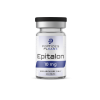
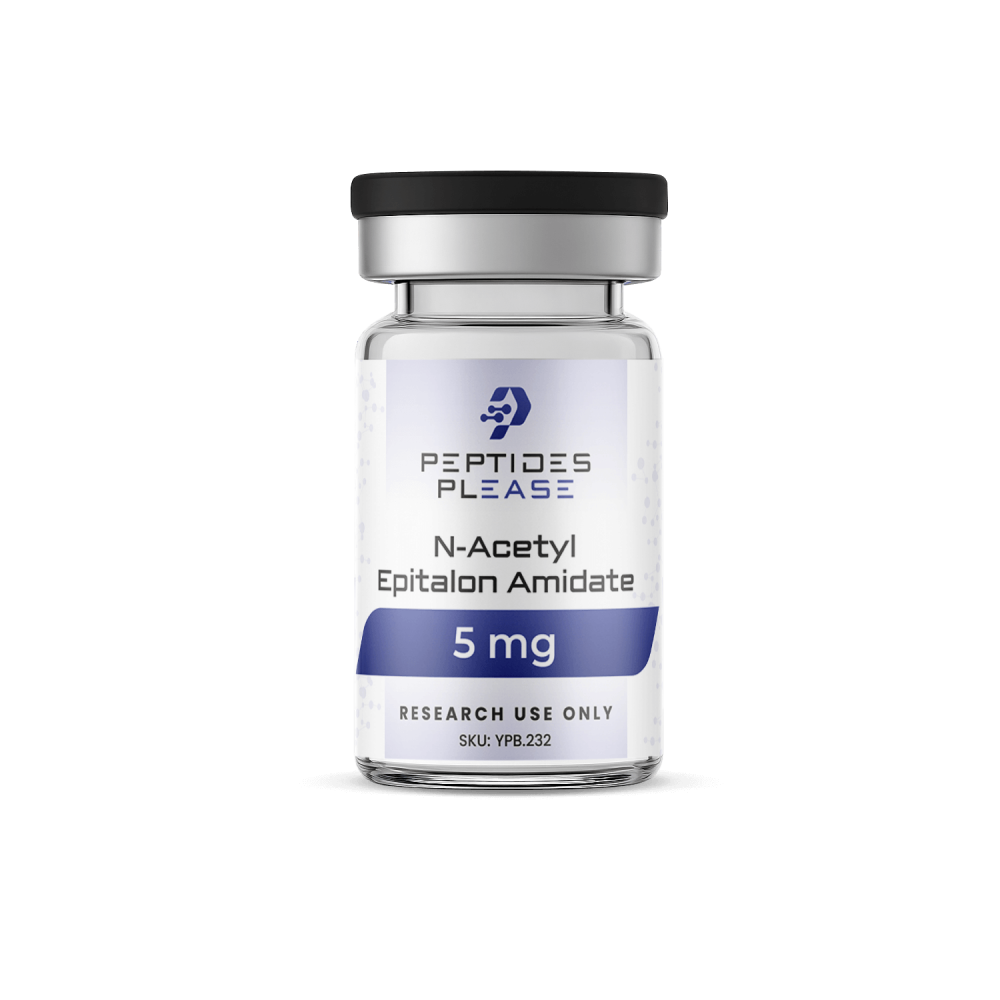 BioregulatorsN-Acetyl Epitalon Amidate (5 mg)
N-Acetyl Epitalon Amidate is a synthetic, modified version of Epitalon (also known as Epithalon), a tetrapeptide derived from epithalamin, a natural protein produced by the pineal gland. This peptide, with the molecular formula C14H22N4O9, features acetylation at the N-terminus and amidation at the C-terminus for maximum stability and enhanced bioavailability compared to standard Epitalon. It is extensively researched for its telomerase activation properties, where it stimulates telomerase activity to elongate telomeres, the protective chromosomal caps that shorten with age, thereby supporting anti-aging properties at the cellular level.
In molecular biology, N-Acetyl Epitalon Amidate influences gene expression and protein synthesis, particularly through epigenetic modulation that upregulates neuronal proteins like Nestin and GAP43 in in vitro studies. The above literature highlights its role in telomerase activation, delaying cellular senescence, and promoting pineal gland-related functions such as melatonin regulation, which ties into broader anti-aging effects observed in cell cultures.
Buy N-Acetyl Epitalon Amidate For Research at Peptides Please
Buy N-Acetyl Epitalon Amidate for research at Peptides Please, where this synthetic epithalamin derivative supports studies on its bodily introduction, enhancing antioxidant enzymes to combat oxidative stress, promoting melatonin production for circadian regulation, modulating immune response through T-cell and IL-2 pathways, and demonstrating benefits in preclinical models for telomere lengthening and anti-aging effects—intended strictly for use by qualified professionals in controlled research settings.
What Is N-Acetyl Epitalon Amidate?
N-Acetyl Epithalon Amidate is a modified synthetic tetrapeptide derived from Epithalon, belonging to the class of peptide bioregulators with notable functional activity. It features an acetyl group at the N-terminus and an amidate group at the C-terminus for improved stability and bioavailability, targeting telomerase activation to promote telomere elongation in somatic cells. Originally researched by scientists, including those with doctorate degrees, for its pineal gland-derived properties, it influences gene expression related to neurogenic differentiation, melatonin production via enzymes like arylalkylamine-N-acetyltransferase, and immune factors such as interferon gamma, CD5, and IL-2.
This peptide shows potential in regulating sleep patterns by restoring circadian rhythms through enhanced melatonin and PER1 protein production, countering age-related dysregulation. Studies suggest benefits in epigenetic modulation, DNA repair, and anti-aging via proteins like Nestin and GAP43, though human use outside research is strictly forbidden and limited to lab settings. Always consult professionals, as it remains experimental.
N-Acetyl Epitalon Amidate Mechanism of Action
N-Acetyl Epitalon Amidate is a modified synthetic tetrapeptide (Ala-Glu-Asp-Gly) derived from Epithalamin, featuring N-terminal acetylation and C-terminal amidation for enhanced stability, CNS penetration, and potency compared to standard Epitalon.
- Chemical Structure: This peptide has the sequence AEDG with dual modifications: acetylation on the N-terminus (adding an acetyl group to alanine) and amidation on the C-terminus (replacing the carboxylic acid with NH2). These changes reduce flexibility, protect against enzymatic degradation, and improve receptor binding and bioavailability.
- Primary Mechanism: It primarily activates telomerase, the enzyme that elongates telomeres—protective DNA caps at chromosome ends eroded during cell division. By binding promoter regions of the telomerase gene (e.g., ATTTC motifs), it modulates transcription epigenetically, entering cell nuclei to alter chromatin structure and boost telomerase expression.
- Epigenetic Effects: The peptide binds N-terminal tails of histones H3 and H4 (e.g., Lys-Ser-Thr-Lys-Arg-Lys on H3 with -27.44 kcal/mol affinity), loosening chromatin to upregulate neuronal genes like Nestin, GAP43, β-Tubulin III, and Doublecortin by up to 1.8-fold. This promotes neurogenic differentiation, protein synthesis, and stem cell function.
- Gene Regulation: It influences immune and clock genes: upregulates CD5 (T-cell differentiation), IL-2 (lymphocyte production), and arylalkylamine N-acetyltransferase (melatonin synthesis for circadian/immune balance). Additional targets include MMP2 and TNFα for inflammation control.
- Antioxidant Pathway: N-Acetyl Epitalon Amidate activates Nrf2/Keap1 signaling, elevating antioxidants like superoxide dismutase (SOD-1), catalase, and NQO1 to neutralize reactive oxygen species (ROS), reducing oxidative damage at genetic and mitochondrial levels.
- Broader Cellular Impacts: Effects extend to senescence control (healthier cell replacement), neuroendocrine balance (e.g., pineal gland hormones), and mitochondrial protection, potentially slowing aging hallmarks via telomere maintenance and circadian restoration.
N-Acetyl Epitalon Amidate Benefits
N-Acetyl Epitalon Amidate offers potential anti-aging and health benefits through its enhanced stability and bioavailability compared to standard Epitalon. Below are the N-Acetyl Epitalon Amidate benefits.
- Longevity and Telomere Support: N-Acetyl Epitalon Amidate activates telomerase enzyme, extending telomeres (chromosome end-caps) that shorten with age and limit cell divisions. This delays cellular senescence, allowing healthier replication; animal studies show lifespan extension (e.g., 4x more mice surviving past 23 months), reduced mortality, and over 17% fewer chromosomal aberrations. Human trials suggest biomarker improvements mimicking younger profiles.
- Sleep and Circadian Rhythm Regulation: By upregulating pineal gland activity and melatonin synthesis (via arylalkylamine N-acetyltransferase gene), it normalizes sleep-wake cycles, enhances deep sleep stages, and boosts recovery hormones like growth hormone. Users report better rest, reduced insomnia, and restored jet-lag recovery; it also balances cortisol for stress resilience.
- Cognitive Enhancement and Neuroprotection: Promotes neurogenesis via genes like Nestin, GAP43, β-Tubulin III, and Doublecortin (up to 1.8-fold increase), raising neuron firing rates 2–2.5x in models. Improves memory consolidation, learning speed, focus, and synaptic plasticity; protects against neurodegeneration in Alzheimer’s-like conditions by reducing amyloid buildup and oxidative brain damage.
- Immune System Boost: Elevates CD4+ T-cells, CD5, IL-2 production, and white blood cell counts for robust antiviral/antibacterial responses. Suppresses chronic inflammation (downregulates TNFα, MMP2), enhances vaccine efficacy, and restores thymic function in aging models, potentially cutting infection risks.
- Antioxidant and Mitochondrial Defense: Triggers Nrf2/Keap1 pathway, boosting SOD-1, catalase, glutathione peroxidase, and NQO1 to scavenge ROS. Protects mtDNA, enhances ATP production, and mitigates oxidative stress in tissues like liver/heart; this underlies anti-aging at the molecular levels.
- Cancer and Tumor Suppression: Induces p53-mediated apoptosis in malignant cells, inhibits metastasis (e.g., 6x leukemia reduction), and blocks angiogenesis without harming healthy cells. Lowers mutation rates via telomere stability; epidemiological links show lower cancer incidence in long-term users.
- Skin Rejuvenation and Wound Healing: Stimulates fibroblasts for collagen/elastin synthesis, regulates MMPs for matrix remodeling, and accelerates tissue repair. Improves elasticity, reduces wrinkles, UV damage, and age spots; clinical observations note firmer, youthful skin post-treatment.
- Metabolic and Cardiovascular Health: Reduces LDL/total cholesterol (up to 20%), triglycerides, and insulin resistance while restoring glucose tolerance. Halves cardiovascular event risk, supports endothelial function, and prevents atherosclerosis; aids weight management via neuroendocrine balance.
- Hormonal and Reproductive Benefits: Restores gonadotropins (LH/FSH), testosterone/estrogen levels, and fertility in aging models. Enhances ovarian reserve, sperm motility, and delays menopause/andropause; balances thyroid/adrenal axes for vitality.
- Anti-Inflammatory and Pain Relief: Downregulates NF-κB and pro-inflammatory cytokines, easing arthritis, fibromyalgia, and chronic pain. Promotes joint repair and muscle recovery post-exercise via growth factor modulation.
- Eye and Vision Protection: Shields retinal cells from oxidative/glaucoma damage, improves microcirculation, and supports lens clarity; may slow macular degeneration.
N-Acetyl Epitalon Amidate Side Effects
N-Acetyl Epitalon Amidate, a modified form of the Epitalon (Epithalon) peptide, is primarily researched for potential anti-aging effects via telomerase activation, but data on its specific side effects are limited and mostly inferred from standard Epitalon studies.
- Injection Site Reactions: Mild and common with N-Acetyl Epitalon Amidate use, including redness, swelling, itching, or pain at the administration site; these typically resolve within hours to days.
- Fatigue or Drowsiness: Temporary tiredness or lethargy, often due to the peptide’s modulation of melatonin and pineal gland activity, affecting sleep-wake cycles.
- Headaches: Occasional mild headaches reported, possibly from initial hormonal adjustments or dehydration; usually short-lived.
- Digestive Issues: Nausea, mild stomach upset, or appetite changes, linked to systemic effects on metabolism and circadian rhythms.
- Sleep Disturbances: Vivid dreams, insomnia, or altered sleep patterns as the peptide influences telomerase and melatonin production.
- Theoretical Cancer Risk: Telomerase activation could promote cell proliferation, raising unproven concerns for tumor growth in predisposed individuals; no direct clinical evidence.
- Immunogenicity: Potential immune response where the body produces antibodies against the peptide, especially with repeated dosing; FDA-noted risk.
- Other Rare Effects: Palpitations, dizziness, or flu-like symptoms in sensitive users, generally resolving spontaneously.
N-Acetyl Epitalon Amidate Price
Discover the premium N-Acetyl Epitalon Amidate (5 mg) at an unbeatable price of $110 exclusively from PeptidesPlease – your trusted source for high-purity research peptides designed for cutting-edge longevity and anti-aging studies. This advanced, stabilized analog of Epitalon offers superior bioavailability, telomerase activation, and cellular repair potential, making it a top choice for scientists exploring telomere extension and healthy aging protocols. Secure your supply today for fast, discreet shipping and unmatched quality – limited stock available, so act now to elevate your research.
Research N-Acetyl Epitalon Amidate for Sale at PeptidesPlease
N-Acetyl Epitalon Amidate is now available exclusively at PeptidesPlease – your premier source for premium research peptides! This advanced, lab-grade tetrapeptide, enhanced with N-terminal acetylation and C-terminal amidation for superior stability and bioavailability, powers groundbreaking studies on telomerase activation, telomere lengthening, anti-aging mechanisms, neuroprotection, pineal gland optimization, and antioxidant defense. Sourced with 99%+ purity, verified by HPLC and COA, our 5mg and 20mg lyophilized vials ship fast worldwide from secure facilities, strictly for in vitro research.
Frequently Asked Questions
What Is N Acetyl Epitalon Amidate?
N-Acetyl Epitalon Amidate is a synthetic, modified version of Epitalon (also called Epithalon), a tetrapeptide originally derived from epithalamin, a natural protein produced by the pineal gland. It features N-terminal acetylation and C-terminal amidation, which enhance its stability, bioavailability, potency, and ability to penetrate the central nervous system compared to unmodified Epitalon.
How does N-Acetyl Epitalon Amidate work?
N-Acetyl Epitalon Amidate primarily activates telomerase, an enzyme that maintains and extends telomeres—the protective caps at chromosome ends that shorten with each cell division, contributing to aging and cellular senescence. Promoting telomerase activity, it helps preserve telomere length, supporting longer cellular lifespan, healthier cell replacement, and delayed biological aging at the genetic level. Beyond telomeres, it modulates clock genes to restore circadian rhythms and hormonal cycles, and exerts antioxidant effects to reduce oxidative stress and free radical damage.
Summary
In conclusion, N-Acetyl Epitalon Amidate represents an advanced iteration of Epitalon, incorporating an acetyl group at the N-terminus and an amidated C-terminus to enhance stability, bioavailability, and cellular penetration compared to the parent compound. Preclinical studies and limited human trials suggest it may promote telomerase activity, thereby extending telomere length, reducing oxidative stress, and modulating pineal gland function to support longevity, sleep regulation, and immune health. These modifications could offer superior pharmacokinetics, potentially allowing lower doses for effects observed in models of aging, cancer prevention, and age-related decline, though human data remains preliminary and calls for rigorous clinical validation.
Looking ahead, N-Acetyl Epitalon Amidate holds promise as a tool in the burgeoning field of geroprotective therapies, but its adoption hinges on overcoming challenges like regulatory approval, long-term safety profiling, and standardized dosing protocols. Researchers and clinicians should prioritize randomized controlled trials to substantiate anecdotal benefits while monitoring for rare side effects such as hormonal imbalances. Ultimately, integrating this peptide into personalized anti-aging regimens could redefine proactive health strategies, bridging synthetic biology with human vitality in an era of extended lifespans.