Peptides for Wrinkles
Showing all 4 results
-
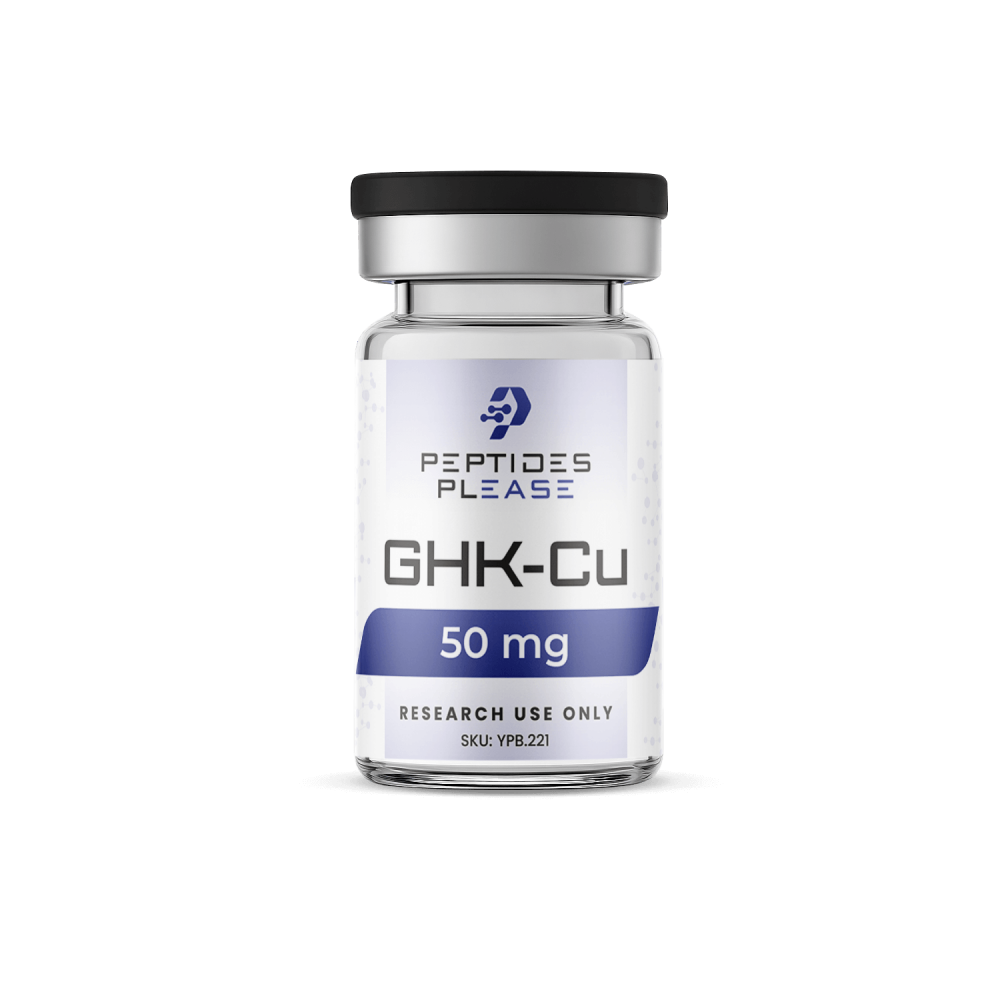
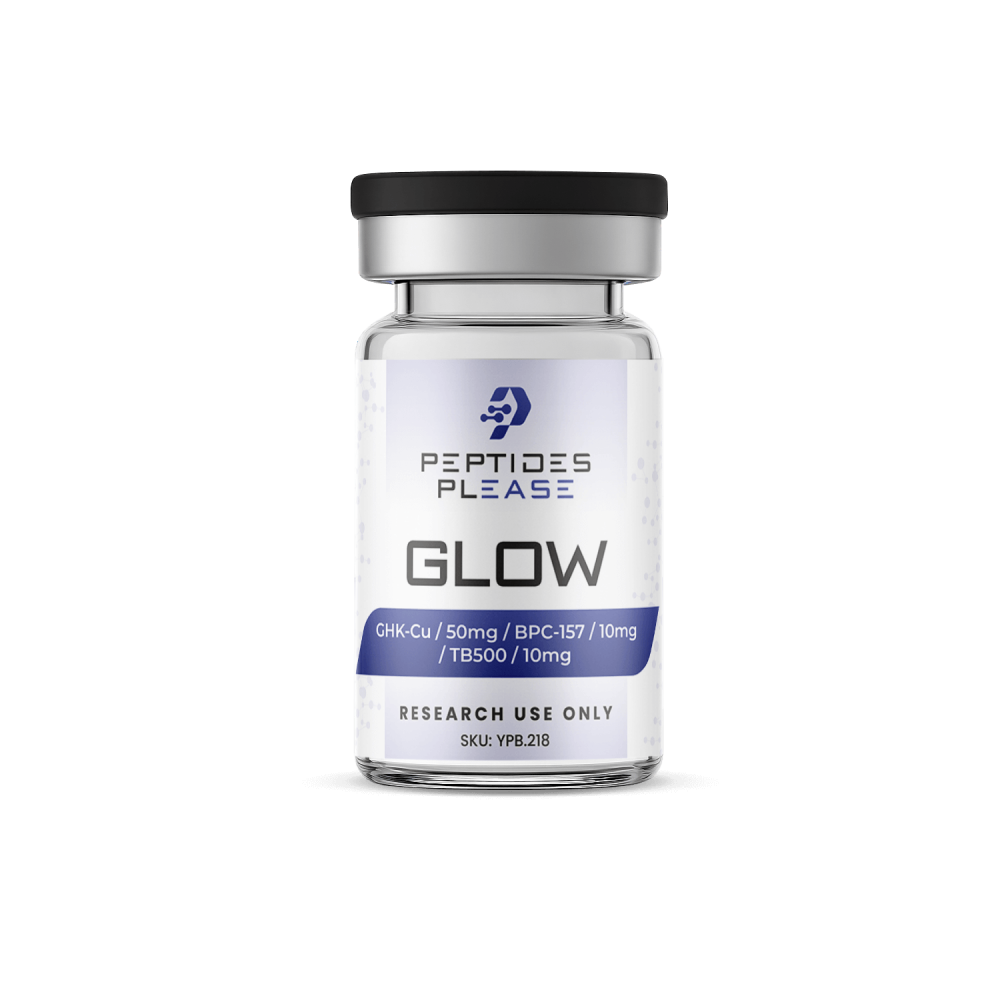
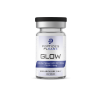
Peptide BlendsGLOW- GHK-Cu(50mg)
- BPC-157(10mg)
- TB500(10mg)
-
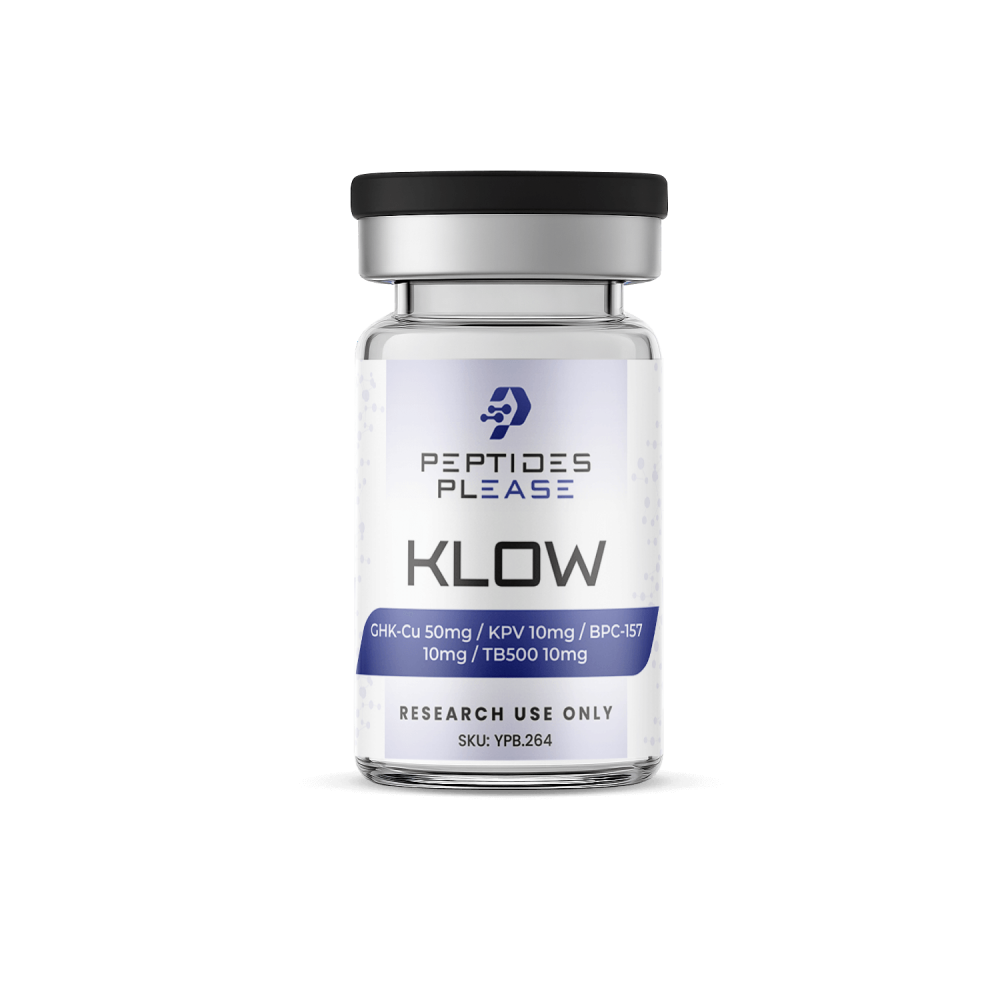
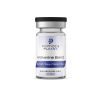
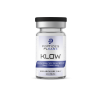
Peptide BlendsKLOW- GHK-Cu(50mg)
- KPV(10mg)
- BPC-157(10mg)
- TB500(10mg)
-
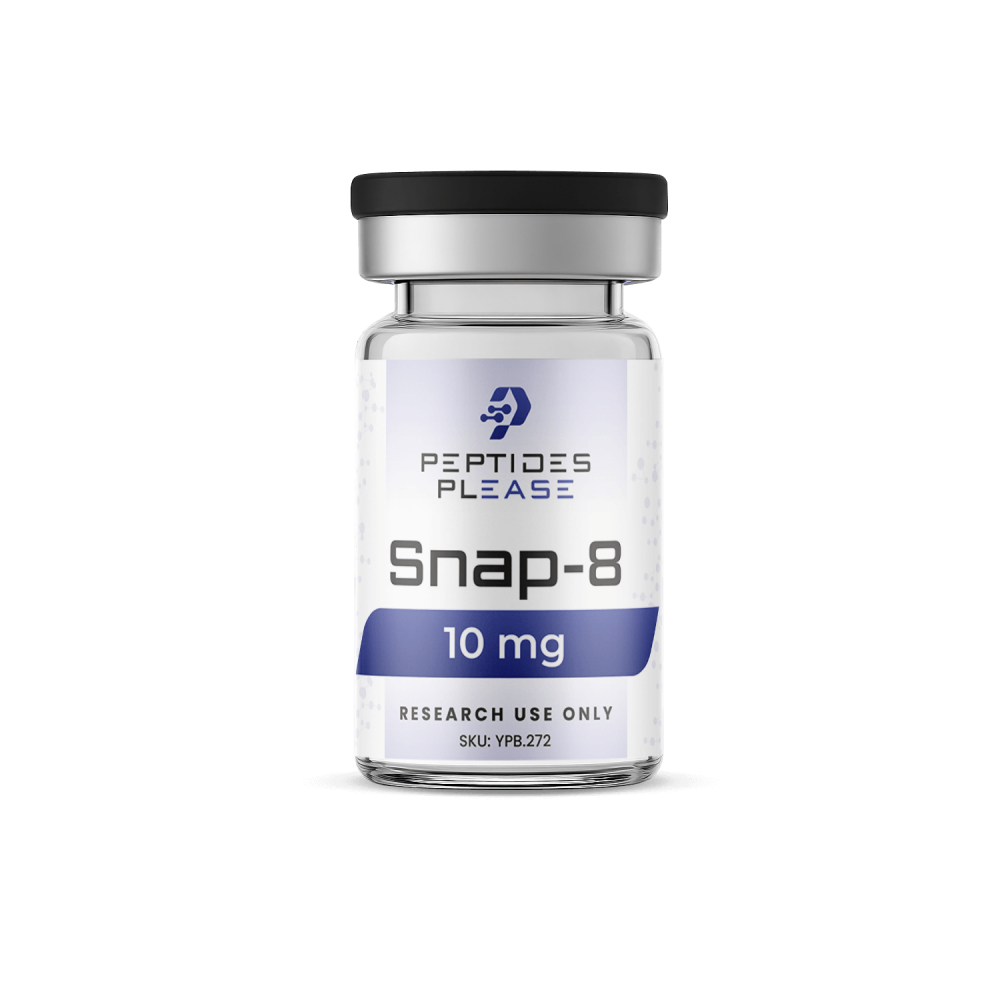
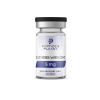
SNAP 8 PeptideSnap-8 (10mg)
Peptides for wrinkles represent chains of amino acids that signal skin cells to ramp up collagen production and enhance skin elasticity. These bioactive compounds stimulate collagen production, fortify the skin barrier, and promote wound healing, making them ideal for addressing fine lines and sagging. Often paired with hyaluronic acid for superior hydration, peptides for wrinkles deliver gentle results even on sensitive skin.
By mimicking natural processes, peptides for wrinkles encourage skin cells to rebuild structure, boosting overall firmness and resilience. Amino acids within these peptides support sustained collagen production, while their compatibility with hyaluronic acid amplifies moisture retention and skin elasticity. This approach not only smooths wrinkles but also strengthens the skin barrier for long-term anti-aging benefits, suitable for sensitive skin routines.
Are Peptides Good for Wrinkles?
Peptides effectively reduce wrinkles by acting as building blocks for key skin proteins like collagen and elastin, signaling cells to boost their production for firmer, smoother skin with improved elasticity. Some types, such as neuromodulating peptides like Argireline, mimic Botox by relaxing facial muscles to minimize expression lines like crow’s feet. Clinical studies show noticeable improvements in 2-12 weeks with consistent twice-daily use in serums or moisturizers, such as Matrixyl 3000 for collagen enhancement or copper peptides (GHK-Cu) for healing and firmness—apply after cleansing and pair with sunscreen for optimal anti-aging results over 4-8 weeks.
Find Reliable Peptide Products for Research at Peptides Please
Discover high-quality peptide products for research on our website, designed to support collagen synthesis and improve the appearance of mature skin. Our scientifically formulated peptide serum targets fine lines, helping to enhance elasticity and firmness for visibly smoother skin. Whether you’re studying or developing advanced skincare solutions, our products offer reliable performance to complement any skincare routine, ensuring the best results for innovative research in anti-aging and peptide-based formulations.
What Are Peptides in Skincare for Wrinkles?
Peptides in skincare are short chains of amino acids, the fundamental building blocks of key skin proteins like collagen and elastin, which naturally decline with age and contribute to wrinkles and sagging. When applied topically through serums, creams, or moisturizers, these potent molecules act as cellular messengers, signaling fibroblasts to ramp up collagen and elastin production while enhancing skin elasticity, firmness, and hydration for a smoother texture. This process helps reduce the appearance of fine lines and wrinkles, plumps the skin, and promotes a more youthful, resilient complexion by counteracting age-related protein loss and supporting the skin’s barrier function.
What Do Peptides Do for Skin Wrinkles?
Peptides combat skin wrinkles by serving as vital building blocks for essential proteins like collagen and elastin, which decline with age and lead to sagging and lines. When applied topically, they signal skin cells to ramp up production of these proteins, firming and plumping the complexion while enhancing elasticity for a smoother, more resilient surface. Certain peptides mimic retinol to accelerate cell turnover, others fortify the skin barrier to lock in moisture, relax facial muscles to soften expression lines, or deliver active ingredients deeper, collectively repairing and rejuvenating skin for a noticeably youthful glow.
Best Peptides for Wrinkles
Top peptides like Matrixyl, Argireline, and GHK-Cu effectively target wrinkles by boosting collagen, relaxing muscles, and improving skin elasticity. These ingredients are backed by studies showing visible reductions in fine lines with consistent topical use. Note that GHK-Cu and Copper Peptides refer to the same compound, while Tetrapeptides and Bakuchiol offer supportive benefits.
- Matrixyl (Palmitoyl Pentapeptide-4): Signals skin to produce more collagen and elastin, reducing wrinkle depth and improving firmness.
- Argireline (Acetyl Hexapeptide-8): Relaxes facial muscles like Botox, minimizing expression lines such as crow’s feet and forehead wrinkles.
- Copper Peptides (GHK-Cu): Delivers copper to stimulate collagen/elastin synthesis, repair skin, and enhance elasticity for smoother, firmer texture.
- Tetrapeptides: Inhibit elastin breakdown, promote cell regeneration, and reduce wrinkles after 12 weeks of use.
- Bakuchiol Peptides: Provide retinol-like repair without irritation, improving fine lines, elasticity, and photodamage.
Ongoing Research on Peptides and Wrinkles
Recent research continues to show that peptides, whether applied topically or taken as supplements, can significantly improve skin health. Studies highlight their ability to boost collagen production, enhance skin elasticity, and reduce the appearance of wrinkles.
Collagen Stimulation
Peptides such as Palmitoyl Pentapeptide-4 (Matrixyl®) and Copper Tripeptide-1 (GHK-Cu) activate the skin’s natural repair signals. This encourages fibroblast cells to produce more collagen and elastin, resulting in firmer and plumper skin.
Neurotransmitter Inhibition
Peptides like Acetyl Hexapeptide-8 (Argireline®) and Tripeptide-3 (SYN®-AKE) work by reducing facial muscle contractions, similar to how Botox functions. Clinical studies show they can cut wrinkle depth by 30–52% with regular topical use.
Enhanced Delivery and Stability
Because peptides are large and water-loving molecules, they don’t easily penetrate the skin. Researchers are improving delivery through:
- Chemical modification, such as linking peptides with fatty acids to increase absorption.
- Advanced systems, including liposomes, nanoemulsions, and dissolving microneedle patches.
Synergistic Combinations
Combining multiple peptides or pairing them with active ingredients like silybin (a retinol-like botanical) or Vitamin C enhances results. These mixtures target several aging processes—boosting collagen, protecting from oxidative damage, and renewing the skin matrix.
Oral Peptide Supplements
Clinical trials and meta-analyses show that oral collagen peptides improve skin hydration, elasticity, and wrinkle reduction when taken consistently for several weeks or months.
Peptides for Wrinkles Before and After
Peptides effectively reduce wrinkles by signaling skin cells to increase production of collagen and elastin, essential proteins that diminish with age, resulting in firmer, smoother skin with enhanced elasticity and hydration. Visible before and after improvements often include diminished crow’s feet, forehead lines, and a plumped texture, typically noticeable within weeks of consistent use in topical serums or oral supplements. Key types include Copper Peptides (Cu-GHK) for skin regeneration and repair, Signal Peptides like Matrixyl to stimulate collagen synthesis, and Carrier Peptides such as Manganese Tripeptide-1 for targeted antioxidant delivery, with clinical studies showing significant reductions in wrinkle depth and overall rejuvenation.
Topical Peptides for Wrinkles
Topical peptides for wrinkles are short chains of amino acids that function as cellular messengers in skincare products, signaling fibroblasts to ramp up collagen and elastin production for firmer, smoother skin with improved texture and elasticity. They work through various mechanisms, including collagen stimulators like Palmitoyl Pentapeptide-4 (Matrixyl) to boost protein synthesis, neurotransmitter inhibitors such as Acetyl Hexapeptide-8 (Argireline) to relax facial muscles and soften expression lines like crow’s feet, and carrier peptides that deliver minerals or antioxidants deeper into the skin. Copper peptides further enhance regeneration and barrier strength, collectively reducing fine lines, plumping hydration, and promoting a youthful, resilient complexion with consistent use in serums or creams.
Injectable Peptides for Wrinkles
Injectable peptides for wrinkles deliver short chains of amino acids directly into deeper skin layers, acting as potent messengers to stimulate natural collagen and elastin production, promote tissue repair, relax facial muscles as Botox alternatives, enhance hydration, and combat inflammation for reduced lines, sagging, and improved firmness. Results typically emerge within weeks to months, offering targeted anti-aging regeneration superior to topical applications. Key examples include signal peptides like Matrixyl to trigger collagen synthesis, muscle-relaxing options such as Argireline and Syn-Ake to soften expression lines, and copper peptides (GHK-Cu) for accelerated healing and rejuvenation.
Best Peptides Serum for Wrinkles
Peptide-based serums are becoming essential in modern skincare for their ability to combat signs of aging. These ingredients help boost collagen, relax facial muscles, and support overall skin repair, making them effective for reducing wrinkles and improving skin elasticity.
- Matrixyl® (Palmitoyl Pentapeptide-4 / Tripeptide-1 / Tetrapeptide-7): Matrixyl® is one of the most studied peptide complexes for anti-aging. It works by stimulating the production of collagen and elastin—two key proteins responsible for firm and youthful skin. Regular use helps minimize fine lines, smooth texture, and improve skin elasticity, resulting in a more lifted and plump appearance.
- Argireline® (Acetyl Hexapeptide-8): Known as “Botox in a bottle,” Argireline® targets expression lines caused by repeated facial movements. It gently relaxes facial muscles, reducing dynamic wrinkles such as crow’s feet and forehead lines. Over time, it helps soften the skin’s appearance without freezing facial expressions, making it a safe, topical alternative to Botox.
- Copper Peptides (Copper Tripeptide-1): Copper peptides support the skin’s natural healing processes by stimulating collagen production and promoting tissue repair. They also have strong anti-inflammatory and antioxidant properties that help calm irritation, even out skin tone, and improve overall texture. This makes them ideal for mature or stressed skin in need of renewal.
- SYN®-AKE: SYN®-AKE is a synthetic peptide inspired by snake venom proteins. It works by temporarily relaxing facial muscles, helping to smooth wrinkles and fine lines. This peptide delivers a tightening effect, leaving the skin looking firmer and more youthful without the need for injectables.
Peptides for Face Wrinkles
Peptides for face wrinkles are potent anti-aging skincare actives—short chains of amino acids that mimic the skin’s natural signaling molecules to stimulate collagen and elastin production, enhance hydration, and firm the complexion for smoother texture and reduced lines. Signal peptides like Matrixyl and copper peptides trigger fibroblast activity to rebuild structural proteins, neurotransmitter inhibitors such as Argireline relax facial muscles to soften dynamic expression wrinkles like crow’s feet and frown lines, while enzyme inhibitors block breakdown processes to preserve skin integrity. These diverse mechanisms collectively plump, tighten, and rejuvenate the face, with optimal results from consistent use in serums and moisturizers.
Peptides for Eye Wrinkles
Peptides excel at treating eye wrinkles by acting as cellular signals that prompt the delicate under-eye skin to ramp up collagen and elastin production, enhancing firmness, smoothing fine lines like crow’s feet, and refining overall texture for a more youthful appearance. Matrixyl 3000 serves as a powerful collagen stimulator to rebuild structural support, while Argireline functions as a muscle relaxer to soften dynamic expression lines without injections. Acetyl Tetrapeptide-5 further addresses puffiness and dark circles by improving microcirculation and reducing fluid retention, making peptide-infused eye creams a targeted, effective solution for comprehensive anti-aging care around the eyes.
Peptides for Under-Eye Wrinkles
Peptides target under-eye wrinkles effectively by functioning as cellular messengers that instruct skin cells to increase collagen and elastin production, firming and plumping the delicate, thin skin to minimize fine lines and crow’s feet. Matrixyl stimulates structural protein synthesis for enhanced resilience, Argireline relaxes facial muscles akin to Botox to soften expression lines, and Copper Peptides promote repair while improving circulation to combat puffiness and dark circles. Consistent application of eye creams or serums yields smoother, brighter, and more youthful under-eye skin.
Peptides for Forehead Wrinkles
Peptides effectively target forehead wrinkles by serving as cellular messengers that stimulate skin cells to produce more collagen and elastin, resulting in firmer, smoother skin and reduced horizontal lines. Palmitoyl Pentapeptide-4 (Matrixyl) boosts collagen synthesis to rebuild structural support, while Argireline (also known as SNAP-8) mimics Botox by inhibiting neurotransmitters to relax facial muscles and soften dynamic expression lines. Found in targeted serums and creams, these peptides deliver significant improvements with consistent use, as supported by clinical studies showing measurable reductions in wrinkle depth and enhanced skin resilience.
Peptides for Neck Wrinkles
Peptides effectively combat neck wrinkles by acting as cellular messengers that stimulate fibroblasts to produce more collagen and elastin, firming the delicate skin, reducing crepiness, and enhancing overall resilience in the neck and décolleté area. Copper peptides promote regeneration and wound healing to smooth texture, Palmitoyl Pentapeptide-4 (Matrixyl) boosts collagen synthesis for structural support, and Acetyl Hexapeptide-8 (Argireline) relaxes muscles to soften horizontal lines similar to Botox effects. These ingredients, often paired with hyaluronic acid in targeted serums and creams, improve hydration and elasticity with consistent use, delivering visibly tighter, more youthful neck skin.
Best Peptides for Crepey Skin
Peptides are powerful ingredients that help restore firmness and elasticity to crepey skin. They work by boosting collagen production, improving hydration, and smoothing fine lines. Below are some of the most effective peptides proven to rejuvenate and strengthen aging skin.
- GHK-Cu (Copper Peptide): GHK-Cu is a highly effective peptide known for its skin-repairing and anti-aging benefits. It stimulates collagen and elastin production, enhances wound healing, and reduces inflammation. This peptide also promotes hydration, making the skin appear firmer, smoother, and more radiant over time.
- Palmitoyl Tripeptide-1 & -7 (Matrixyl): This blend of signal peptides sends messages to skin cells to produce more collagen and elastin, helping to strengthen the skin’s structure. Found in formulations like Matrixyl 3000, it significantly improves firmness and elasticity while reducing visible signs of aging.
- Palmitoyl Tripeptide-38 (Matrixyl Synthe’6): Matrixyl Synthe’6 targets six major components of the skin matrix, including collagen and hyaluronic acid. Enhancing these key building blocks helps fill in wrinkles and smooth the skin’s surface, improving both texture and tone.
- Trifluoroacetyl Tripeptide-2: This peptide works by inhibiting enzymes that break down collagen and elastin, protecting the skin’s existing structure. It helps fight sagging and strengthens the skin’s framework, resulting in a more lifted and youthful appearance.
- Acetyl Hexapeptide-8 (Argireline): Argireline is often called a topical “Botox alternative.” It relaxes facial muscle contractions, helping to prevent expression lines from deepening. With regular use, it smooths dynamic wrinkles, particularly around the eyes, forehead, and mouth.
- Syn®-AKE (Dipeptide Diaminobutyroyl Benzylamide Diacetate): Syn®-AKE mimics the effects of snake venom peptides to temporarily relax facial muscles. By reducing micro-contractions, it smooths out fine lines and wrinkles while giving the skin a firmer and more refined look.
Collagen Peptides for Crepey Skin
Collagen peptides effectively address crepey skin by providing bioavailable building blocks that boost hydration, enhance elasticity, and stimulate new collagen synthesis to restore skin structure and firmness. Clinical studies demonstrate noticeable improvements in skin texture and suppleness with consistent daily intake of 2.5-15 grams over several weeks to months, as these hydrolyzed peptides are absorbed efficiently to support dermal matrix repair from within. For optimal results, combine supplementation with sun protection, moisturizers, and a holistic skincare routine, though individual responses may vary based on age, diet, and lifestyle factors.
Best Peptides for Sagging Skin
Peptides are key ingredients in anti-aging skincare, known for their ability to firm, lift, and strengthen sagging skin. They help boost collagen and elastin, improve skin structure, and reduce the appearance of wrinkles.
- Copper Peptides (GHK-Cu): Copper peptides are among the most effective for skin rejuvenation. They promote collagen and elastin production, support skin repair, and provide powerful antioxidant protection. Regular use helps improve firmness, texture, and overall skin resilience.
- Matrixyl (Palmitoyl Pentapeptide-4)
Matrixyl is a signal peptide that stimulates collagen and elastin synthesis, helping to smooth fine lines and improve elasticity. It enhances the skin’s support structure, leaving it firmer and more youthful-looking. - Argireline (Acetyl Hexapeptide-8): Often called the “Botox-like” peptide, Argireline works by relaxing facial muscles to reduce expression lines. It helps tighten the skin’s surface and prevent the deepening of wrinkles caused by repeated movement.
- Palmitoyl Tripeptide-1 & Tetrapeptide-7 (Matrixyl 3000): This peptide duo works synergistically to stimulate collagen production while calming inflammation. The result is smoother, more elastic skin with improved firmness and a reduction in visible sagging.
- Acetyl Tetrapeptide-2: Acetyl Tetrapeptide-2 reinforces the skin’s structural proteins, encouraging collagen and elastin production. It enhances skin firmness and density, giving a lifted and more youthful appearance over time.
- Syn®-AKE: Syn®-AKE is a synthetic peptide modeled after snake venom. It temporarily relaxes facial muscles to reduce fine lines and wrinkles, providing smoother and more toned-looking skin.
Copper Peptides for Wrinkles
Copper peptides powerfully combat wrinkles by delivering bioavailable copper ions to skin cells, acting as potent messengers that stimulate collagen and elastin production while enhancing firmness, texture, and elasticity for smoother, more resilient skin. Visible improvements often emerge within weeks to months through accelerated regeneration, superior hydration, and robust antioxidant defense that protects against free radical damage and environmental stressors. These multifunctional actives also promote natural repair processes to fade scars, even tone, and strengthen the skin barrier, making them a standout ingredient in targeted serums and creams for comprehensive anti-aging benefits.
Collagen Peptides for Wrinkles
Collagen peptides help reduce wrinkles by enhancing skin hydration, elasticity, and firmness through stimulating the body’s natural collagen production, resulting in smoother, more youthful-looking skin with diminished fine lines. Clinical studies report benefits like reduced wrinkle depth and improved moisture retention after consistent use of oral supplements or topical creams, particularly with low molecular weight forms that penetrate effectively. While promising, some analyses recommend larger, well-funded trials for definitive confirmation, yet both delivery methods show reliable improvements in skin structure and resilience.
Which Is Better? Peptides vs Other Actives
Neither peptides nor other popular actives like retinol or vitamin C are universally superior for wrinkles; each excels in distinct ways based on skin needs and tolerance. Peptides provide gentle, barrier-supporting collagen stimulation and firmness without irritation, making them ideal for sensitive skin or long-term maintenance, while retinol accelerates cell turnover for faster wrinkle reduction but risks redness and dryness, and vitamin C brightens while combating oxidative damage. Hyaluronic acid complements by locking in moisture for plumpness; the optimal approach layers them strategically—peptides for repair, retinol for renewal, and antioxidants for protection—in a personalized routine.
Retinol vs Peptides for Wrinkles
Retinol and peptides both combat wrinkles by boosting collagen production, but they differ in approach and suitability. Retinol accelerates cell turnover and directly stimulates fibroblasts to enhance collagen synthesis, delivering faster reductions in fine lines, wrinkles, and sun damage, though it often causes irritation, dryness, or redness, especially without consistent SPF use. Peptides, by contrast, gently signal skin cells to repair and regenerate collagen and elastin, strengthening the barrier, reducing inflammation, and minimizing irritation—making them ideal for sensitive skin, rosacea, early signs of aging, or pairing with retinol to buffer side effects and amplify results over time. For established wrinkles or photoaging, opt for retinol; choose peptides for a milder start, delicate skin, or synergistic combos yielding firmer, healthier skin with less downtime.
Ceramides vs Peptides for Wrinkles
Ceramides and peptides complement each other in addressing wrinkles, with peptides acting as messengers to stimulate collagen production, firming skin and smoothing lines for a plumper appearance, while ceramides fortify the skin barrier by replenishing lipids to lock in moisture and prevent dehydration that exaggerates wrinkle depth. Unlike peptides’ direct anti-aging signals, ceramides excel at combating dryness and environmental damage, reducing transepidermal water loss to keep skin supple and resilient, making them essential partners rather than competitors. For optimal results, apply peptide serums first to target firmness, followed by ceramide-rich moisturizers to seal hydration, yielding smoother, more youthful skin with combined barrier support and collagen-boosting power.
Peptides vs Hyaluronic Acid for Wrinkles
Peptides and hyaluronic acid (HA) offer complementary approaches to combating wrinkles, with peptides signaling skin cells to boost collagen and elastin production for long-term firmness, elasticity, and repair of deep lines, while HA provides instant, deep hydration by holding up to 1,000 times its weight in water to plump the skin, smooth surface wrinkles, and create a dewy, supple appearance. Peptides target the skin’s structural foundation, yielding gradual but lasting anti-aging results over weeks, whereas HA delivers rapid moisture-locking benefits that soothe dryness and strengthen the barrier for immediate smoothness. Combining both in a skincare routine maximizes wrinkle reduction by merging structural reinforcement with superior hydration, enhancing overall resilience, vitality, and youthful contours without irritation across all skin types.
Medical Consensus on the Use of Peptides for Wrinkles
Medical consensus, backed by extensive in vitro, animal, and human clinical studies, affirms that peptides serve as effective and safe anti-aging agents in topical skincare formulations, functioning as bioactive cellular messengers that penetrate the skin to stimulate collagen and elastin synthesis, thereby reducing wrinkle depth, enhancing firmness, and promoting overall repair and resilience. Research, including randomized controlled trials, demonstrates measurable improvements in skin texture and elasticity with consistent use, often within 4-12 weeks, without significant adverse effects reported across diverse skin types. Dermatological organizations and experts endorse peptides as a reliable, non-invasive option for long-term wrinkle management, complementing other therapies like retinoids or hyaluronic acid.
Associated Risks and Side Effects
While most treatments are generally safe, some people may experience mild side effects. These are usually temporary and can vary depending on the treatment or individual response.
- Nausea or upset stomach
- Headache
- Dry mouth
- Drowsiness or fatigue
- Skin rash
- Constipation or diarrhea
- Mild soreness or discomfort at the injection site
Explore Trusted Peptide Products Designed for Research From Peptides Please
Explore trusted peptide products designed for advanced research through our website, where innovation meets reliability. Our premium peptides target the science behind wrinkles—supporting studies on skin firmness, elasticity, and rejuvenation. Each product is carefully formulated and tested for purity, providing researchers with consistent results and dependable quality. Whether you’re investigating anti-aging solutions or exploring new skincare formulations, our peptides deliver the performance your research deserves.
Frequently Asked Questions
What is the best peptide for wrinkles?
GHK-Cu (Copper peptide) stands out as the best peptide for wrinkles, backed by extensive studies showing it stimulates collagen production, improves skin elasticity, and reduces wrinkle depth more effectively than alternatives like Matrixyl or Argireline.
Do peptides remove wrinkles?
Peptides do not completely remove wrinkles but significantly reduce their appearance by boosting collagen production, improving skin elasticity, and smoothing fine lines, as shown in multiple clinical studies.
Which peptide makes you look younger?
GHK-Cu (copper peptide) makes you look younger by stimulating collagen and elastin production, enhancing skin elasticity, reducing wrinkles, and promoting overall skin regeneration, as supported by multiple studies and expert reviews.
What peptide works like Botox?
Argireline (Acetyl Hexapeptide-8) is the peptide most commonly recognized for working like Botox by inhibiting neurotransmitter signals to relax facial muscles and reduce expression lines topically.
What is the best peptide for crepey skin?
GHK-Cu (copper peptide) stands out as the best peptide for crepey skin, as it stimulates collagen and elastin production to firm thin, crinkly areas like the neck and chest while improving texture and elasticity.
Does GHK-Cu help with crepey skin?
Yes, GHK-Cu helps with crepey skin by stimulating collagen and elastin production to thicken, firm, and smooth thin, lax areas like the neck and chest.
Which peptide is best for sagging skin?
GHK-Cu (copper peptide) is the best peptide for sagging skin, as it powerfully stimulates collagen and elastin production to enhance firmness, elasticity, and overall skin tightening.
Is peptide good for skin tightening?
Yes, peptides are good for skin tightening, as they stimulate collagen and elastin production to improve firmness, elasticity, and reduce sagging effectively.
Does collagen peptide reduce wrinkles?
Yes, collagen peptides reduce wrinkles, as multiple clinical studies and meta-analyses show they improve skin elasticity, hydration, and wrinkle depth by boosting collagen production and dermal matrix synthesis.
Do peptides reduce wrinkles?
Yes, peptides reduce wrinkles, as clinical studies demonstrate they stimulate collagen production, improve skin elasticity, and significantly decrease wrinkle depth, number, and volume in areas like crow’s feet and forehead.
Are peptides good for eye wrinkles?
Yes, peptides are good for eye wrinkles, as clinical studies show multi-peptide eye serums significantly reduce crow’s feet wrinkle number, depth, and volume while improving elasticity and firmness around the eyes.
Is peptide better than retinol for wrinkles?
No, peptides are not universally better than retinol for wrinkles; retinol is generally more effective and faster-acting for reducing fine lines through cell turnover and collagen stimulation, while peptides offer gentler, supportive benefits ideal for sensitive skin.
Do peptides help forehead wrinkles?
Yes, peptides help forehead wrinkles, as clinical studies show peptide complexes and neuromodulating peptides significantly reduce forehead line depth, number, and expression wrinkles after 2-12 weeks of topical use.
What do peptides do for skin wrinkles?
Peptides reduce skin wrinkles by signaling fibroblasts to boost collagen and elastin production, strengthening the dermal-epidermal junction and basement membrane proteins, relaxing facial muscles to smooth expression lines, and improving skin firmness, elasticity, and hydration.
Do copper peptides help with wrinkles?
Yes, copper peptides help with wrinkles by significantly boosting collagen and elastin production, reducing wrinkle volume (up to 55.8%), depth (up to 32.8%), and fine lines while improving skin firmness, elasticity, and density, as shown in clinical studies.
Are peptides good for under eye wrinkles?
Yes, peptides are good for under eye wrinkles, as clinical studies show multi-peptide eye serums significantly reduce crow’s feet wrinkle number, depth, volume, and improve elasticity and firmness in the delicate periorbital area.
What is the best peptide for aging skin?
GHK-Cu (copper peptide) is the best peptide for aging skin, as it comprehensively stimulates collagen and elastin production, reduces wrinkles, improves elasticity, firmness, and regeneration while offering antioxidant protection and wound healing benefits backed by extensive studies.
Can I replace retinol with peptides?
No, peptides cannot fully replace retinol due to retinol’s superior potency in accelerating cell turnover and delivering faster wrinkle reduction, though peptides serve as an excellent gentler alternative or complement for sensitive skin by supporting collagen without irritation.
Summary
Peptides are a promising ingredient in skincare for reducing wrinkles because they help stimulate collagen production, improve skin elasticity, and enhance overall texture. By signaling the skin to repair and build new structural proteins, peptides support firmness and smoothness, leading to a more youthful appearance over time. While results vary depending on formulation and consistency of use, peptides are generally well-tolerated and can complement other anti-aging ingredients. Overall, incorporating peptide-based products into a skincare routine offers a scientifically backed, gentle approach to minimizing visible signs of aging.