GHK-Cu Reconstitution: How Does It Work?

GHK-Cu Reconstitution_ How Does It Work

Table of Contents

Imagine a tiny vial of blue-tinted powder lands on your desk, and suddenly you realize this isn’t plug-and-play. No instructions printed on the side like a frozen pizza. No “just add water” simplicity. Just a compound with a reputation, a sterile vial, and a question that quietly demands precision: How exactly does this work?

GHK-Cu reconstitution isn’t just a technical step, it’s the bridge between a stable, lab-preserved peptide and something usable in a research setting. Done right, it preserves integrity, concentration, and reliability. Done wrong, and you’re essentially guessing in the dark.

This guide breaks it down clearly, so if you’re working with GHK-Cu peptide in a research context, understanding reconstitution isn’t optional, but rather that it’s foundational.

Understanding GHK-Cu Reconstitution

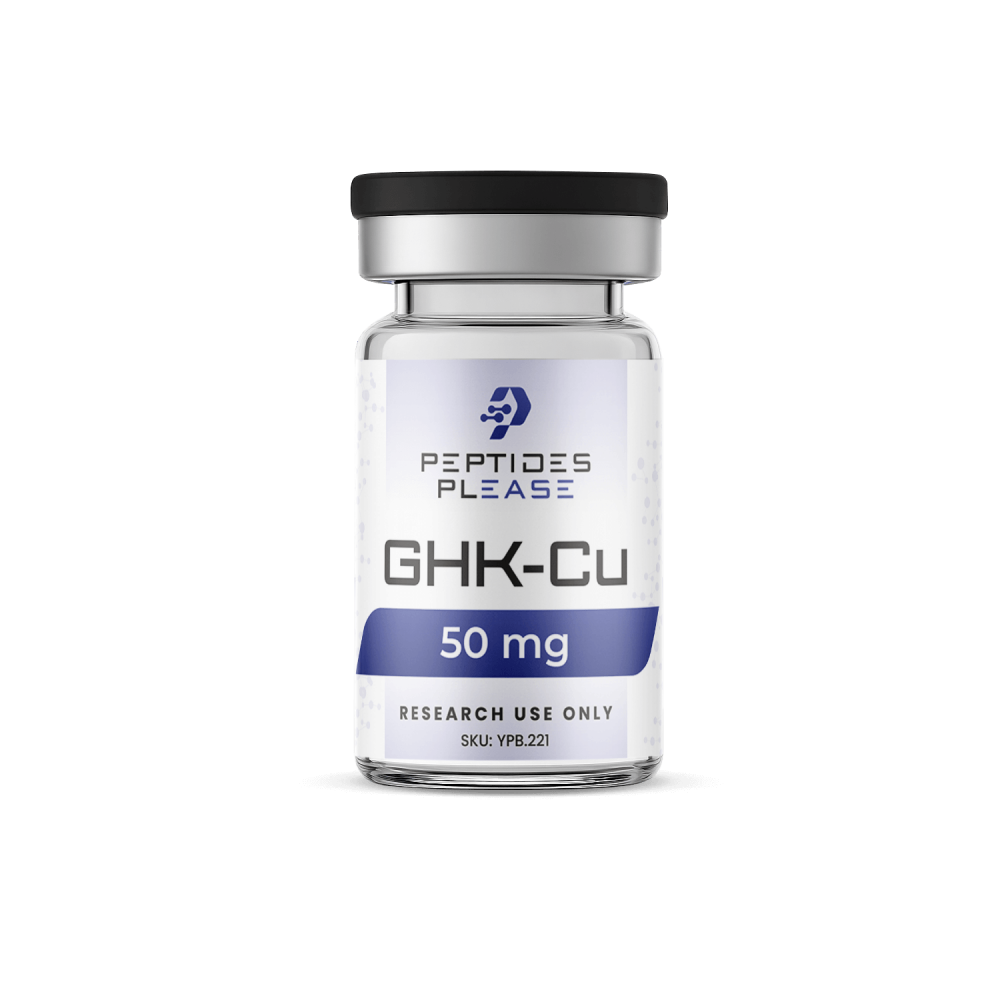
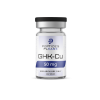
You’ve got this tiny vial sitting in front of you, looking like it belongs in a spy movie lab scene. Powder inside, barely anything to see. But here’s the twist. That powder holds structured molecules that were freeze-dried to stay stable until you step in. That’s where GHK-Cu reconstitution enters the chat.

This process is how you take that dry peptide and bring it back into a usable solution. It is not just mixing powder and liquid. It is about restoring balance so the concentration is predictable and the peptide behaves the way it was designed to in a research setting. Whether you are studying collagen production, tissue repair, or even mechanisms tied to hair growth and skin rejuvenation, the way you reconstitute directly affects the outcome.

Think of it like cooking, except you do not get to eyeball ingredients. The volume you add, the mg in the vial, and the final concentration all need to line up. A slight difference here is not a small mistake. It compounds. That is why researchers often rely on a peptide reconstitution calculator to double check their math before even touching the syringe.

And yes, this ties into broader discussions around peptide therapy. Even in research environments, consistency is everything. If your starting solution is off, everything downstream gets a little messy. Not catastrophic, just unreliable. And in this space, unreliable is a problem.

Find Reliable Peptide Products for Research at PeptidesPlease

You can follow every step perfectly, measure every ml like a pro, and still end up with questionable results if the peptide itself is not up to standard. That is the part nobody likes to admit, but it matters more than people think.

At PeptidesPlease, we treat every vial like it is going under a microscope, because it probably is. Our bioregulators are verified through independent third party testing, produced in certified facilities, and handled with protocols that actually make sense for research environments. You are not just getting a label that says high purity. You are getting material that holds up when the numbers start to matter.

Because at the end of the day, this is not just about mixing powder with bacteriostatic water. It is about making sure the entire process, from source to solution, actually works.

What GHK-CU Reconstitution Means

GHK-Cu reconstitution sounds technical, but the idea is straightforward. You are taking a freeze-dried peptide and adding a precise volume of liquid so it becomes a usable solution with a known concentration.

That powder inside the vial is inactive in terms of handling. It is stable, yes, but not practical. Once you introduce bacteriostatic water, the peptide dissolves, and now you have something measurable. You can draw a specific dose, track the ml used, and maintain consistency across applications.

This is where numbers start to matter more than intuition. The amount of mg in the vial, the volume of water you add, and the final concentration are all connected. Change one, and everything else shifts. That is why many researchers run their numbers through a peptide reconstitution calculator before starting. It removes the guesswork and keeps the math clean.

Why Lyophilized GHK-CU Must Be Mixed Before Use

Lyophilization is not just a fancy word thrown around in lab settings. It is a preservation method that removes moisture while keeping the peptide structure intact. That is great for storage, but not so great for actual use.

Before you mix it, the peptide is locked in a dry state. It cannot be measured accurately in terms of dose, and it cannot interact properly in research conditions. Adding bacteriostatic water changes that. It brings the peptide back into a liquid environment where it can be handled, measured, and studied.

There is also a practical side to this. Powder form does not allow for precise volume control. Once dissolved, you can measure ml, calculate concentration, and draw consistent amounts every time. That consistency is what supports reliable outcomes, whether you are looking into healing pathways, collagen activity, or other biological responses. Without reconstitution, you are essentially holding potential without access. With it, you get control.

Why GHK-CU Comes in Powder Form

It might seem inconvenient at first. Why not just ship it as a ready-to-use solution? The answer comes down to stability and longevity.

In liquid form, peptides break down faster. Exposure to temperature changes, light, and even minor contamination can affect the structure. In powder form, those risks are minimized. The peptide stays stable for longer periods, making storage and transport more manageable.

There is also less risk of contamination before reconstitution. Once you add bacteriostatic water, the environment changes. Now you have to think about storage conditions, handling frequency, and overall shelf life.

Another key point is consistency. A lyophilized vial with a clearly labeled mg amount gives you control over the final concentration. You decide the volume of liquid to add. You determine how strong or diluted the solution becomes. That flexibility is important for different research setups.

So while powder might look like an extra step, it is actually the format that protects the peptide until you are ready to use it properly.

GHK-Cu Peptide Reconstitution Instructions and Best Practices

Before jumping into steps, understand this. Reconstitution is not complicated, but it is sensitive. Small mistakes can shift concentration, affect the solution, and throw off your intended dose. That is why preparation matters just as much as execution. Here are some best practices to keep everything on track:

  1. Start with a clean workspace. No clutter, no distractions.
  2. Always check the mg listed on the vial before calculating volume.
  3. Use a peptide reconstitution calculator to confirm your numbers.
  4. Handle bacteriostatic water carefully and keep it sterile.
  5. Take your time when drawing liquid into the syringe.

Once you get into a rhythm, the process becomes second nature. You stop second guessing every step and start focusing on consistency. That is the goal. Not speed, not shortcuts. Just repeatable results that make sense.

And if you are the kind of person who learns visually, watching a quick video demonstration can help connect the dots. Sometimes seeing the angle of the syringe or how slowly the liquid is added makes everything click.

What You Need for GHK-CU Reconstitution

Before you even think about opening that vial, gather everything you need. This is not the moment to realize you forgot something halfway through.

You want a setup that supports a clean and controlled process from start to finish. That means having the right tools within reach and knowing how each one fits into the workflow. Here is your checklist:

  • GHK-Cu peptide vial with a clearly labeled mg amount
  • Bacteriostatic water for mixing
  • Sterile syringe to draw and measure liquid
  • Alcohol pads to clean vial tops
  • A clean surface to work on

Each item has a role. The syringe helps you control volume. The bacteriostatic water acts as the mixing medium. The vial holds everything together. Skip one piece, and the process gets messy fast.

Once everything is laid out, you are not scrambling. You are moving step by step with intention. That is what keeps the solution clean and the concentration consistent.

How to Reconstitute GHK-Cu Peptide

This is where everything comes together. You have the tools, the numbers, and a steady hand. Now it is time to actually reconstitute the peptide without turning it into a chaotic guessing game. Take a breath, slow down, and follow the sequence:

  1. Clean the top of the vial and the bacteriostatic water container using alcohol pads. Let them dry.
  2. Use a sterile syringe to draw the desired ml of bacteriostatic water. Double check the volume before moving on.
  3. Insert the needle into the peptide vial and slowly inject the liquid along the inner wall. Avoid blasting the powder directly.
  4. Let the peptide dissolve naturally. Gently swirl if needed, but do not shake.
  5. Once fully dissolved, inspect the solution. It should be clear with no visible particles.

Now here is where people tend to rush, and that is where mistakes happen. The way you add the liquid affects how evenly the peptide dissolves. The way you handle the vial affects contamination risk. Every small action stacks up.

After the solution is ready, label the vial with the date and the determined concentration. Store it properly, usually in a controlled cold environment, to maintain stability. If you are ever unsure about your calculations, run through an example using a peptide reconstitution calculator. It is a simple step that can save you from inconsistent dosing later on.

How to Reconstitute GHK-Cu 50mg

A 50mg vial gives you flexibility. You can control the final concentration depending on how much liquid you add. The trick is matching your intended dose with a clean, predictable solution. That means thinking ahead about how many milliliters you want to work with and how strong you want that solution to be. Here’s a simple way to approach it:

  1. Decide your target concentration before touching anything.
  2. Choose a water volume that makes your math easy to follow.
  3. Draw the bacteriostatic water slowly and accurately.
  4. Add it to the vial gently, letting the powder dissolve on its own.

Let’s throw in a quick example to make it real. If you add 5 ml of liquid to a 50mg vial, you end up with 10mg per ml. That gives you a clean baseline for measuring smaller amounts later, especially if your protocol calls for micrograms instead of full milligrams.

Now here’s the part people gloss over. The way you reconstitute affects how evenly the peptide distributes. If the solution is not uniform, your dose is not consistent. That’s not a maybe. That’s a guarantee. So take your time, keep it clean, and let the solution settle properly before using it.

How to Reconstitute GHK-Cu 100mg

The process itself does not change. What changes is how you think about concentration and water volume. With 100mg, you have more flexibility to create either a stronger or more diluted solution depending on your needs.

Here’s a structured approach that keeps things clean:

  1. Confirm the mg on the vial. Sounds obvious, but people skip this.
  2. Decide how concentrated you want the final solution to be.
  3. Measure your bacteriostatic water carefully before adding it.
  4. Inject slowly along the side of the vial.
  5. Allow full dissolution before doing anything else.

Let’s run an example. Add 10 ml of liquid to a 100mg vial and you get 10mg per ml again. Nice and symmetrical. Easy to calculate. Easy to scale. That is the kind of setup that reduces confusion later on. Some researchers prefer working with micrograms for more precise adjustments. That is where having a clear concentration really pays off. You are not guessing. You are calculating.

And yes, if you ever feel like your brain is doing gymnastics mid-calculation, that is your cue to pause and double check. Clean numbers make clean work.

How Much Water to Use for GHK-CU Reconstitution

This is the question that shows up in every faq, every forum thread, every late-night Google search. How much water do you actually use?

The honest answer is this. It depends on what you want your final concentration to be. There is no universal number that works for everyone. The water volume is determined by your intended use and how precise you need your measurements to be. Let’s break that down with a quick example. If you have a 50mg vial and add 2 ml of liquid, you get a stronger concentration compared to adding 5 ml. Both are valid. The difference is how easy it is to measure your dose later.

Now here is the key point. You are not just adding liquid randomly. You are building a system that allows you to measure accurately every single time. That is what reduces errors and keeps your process consistent.

And if you are ever unsure, it is worth taking a minute to consult a reliable calculator or reference guide. It is a small step that prevents bigger issues down the line.

After GHK-CU Reconstitution

So you’ve mixed everything, the solution looks clear, and you are feeling pretty good about your work. Now what?

This is the part where people either stay disciplined or start cutting corners. Once reconstituted, the peptide is no longer in its protected state. It is active, usable, and also more vulnerable to environmental factors. After reconstitution, focus on:

  • Proper storage conditions
  • Minimizing exposure to air and contaminants
  • Keeping track of how often the vial is accessed

This is also where people start asking about effects and timelines. While research has shown interesting activity related to collagen and healing processes, it is important to remember that outcomes depend heavily on how the solution is prepared and handled.

GHK-Cu Stability After Reconstitution

Once GHK-Cu is in solution form, stability becomes a time-sensitive conversation. It is no longer about long-term storage. It is about maintaining integrity within a shorter window.

Research has shown that peptides in solution can degrade over time due to temperature changes, light exposure, and repeated handling. That is why proper storage is not just a suggestion. It is part of the process.

GHK Cu Reconstitution and Dosage Protocols

Different protocols are often tailored depending on the research context. Some involve smaller measurements in micrograms, while others work with larger mg-based calculations. The key is consistency and clarity in how those numbers are determined.

Here is a general framework:

  1. Start with a clearly defined concentration after reconstitution
  2. Calculate your intended dose based on that concentration
  3. Use precise measurement tools for every draw
  4. Track usage to maintain consistency over time

Some studies have shown interesting patterns related to collagen production and tissue repair, but translating that into structured protocols requires careful planning. This is not a one-size setup.

GHK-Cu Reconstituted Stability Refrigerated

Refrigeration helps slow down degradation once the peptide is in solution. It does not stop it completely, but it gives you more time to work with a stable compound. Here is what refrigeration helps with:

  • Slowing chemical breakdown
  • Reducing bacterial growth
  • Maintaining overall solution quality

Most setups keep reconstituted peptides in a controlled cold environment to extend usability. Just make sure the temperature stays consistent. Constant shifts can do more harm than good.

Also, try not to treat the vial like a revolving door. The more you open and close it, the more you introduce variables that can affect stability.

Common Mistakes During GHK-CU Reconstitution

This is where things get a little too real. Because even with all the guides in the world, mistakes still happen. And usually, they are the same ones over and over again. Let’s call them out:

  1. Adding too much or too little liquid without checking calculations
  2. Injecting bacteriostatic water too quickly into the vial
  3. Shaking the solution instead of letting it dissolve naturally
  4. Ignoring cleanliness during the process

These might sound small, but they stack up fast. One misstep affects concentration. Another affects stability. Suddenly your results are all over the place, and you are left wondering what went wrong.

Safety Considerations for GHK-CU Reconstitution

When working with peptides, even in research environments, it is important to be aware of potential concerns. That includes proper handling, storage, and understanding how the compound interacts within a given context. Some points to keep in mind:

  • Always use sterile materials during reconstitution
  • Avoid cross contamination between vials and tools
  • Store solutions properly to reduce degradation
  • Consult professionals if working within structured protocols

It is also worth noting that while some studies have shown activity related to healing and collagen pathways, that does not remove the need for responsible handling. Every step should be approached with intention.

Explore Trusted Peptide Products Designed for Research from PeptidesPlease

At the end of all this, there is one thing that quietly decides whether your entire process works or not. The quality of the peptide itself.

At PeptidesPlease, we focus on providing research-grade peptide blends that are verified, consistent, and produced in certified environments. This is not about hype. It is about giving you a starting point that holds up when the numbers start to matter. Because here is the reality. You can calculate perfectly, measure every ml with precision, and follow every step to the letter. But if the source material is off, everything else follows.

Frequently Asked Questions

Is there a GHK-Cu reconstitution calculator?

Yes, a GHK-Cu reconstitution calculator helps determine the correct concentration based on vial mg and liquid volume, making dosing more precise.

How to reconstitute GHK-Cu topical?

For topical use in research, GHK-Cu is typically mixed into a suitable base solution after reconstitution with sterile liquid, ensuring even distribution.

What liquid is used for GHK-Cu reconstitution?

Bacteriostatic water is commonly used because it helps maintain sterility and extends usability after mixing.

What is the correct ratio for GHK-Cu reconstitution?

There is no single ratio. It depends on your target concentration and intended use, so calculations should be done beforehand.

Should GHK-Cu reconstitution be done slowly?

Yes, adding liquid slowly helps protect the peptide structure and ensures proper dissolution.

Does improper reconstitution affect GHK-Cu potency?

Yes, incorrect mixing can lead to uneven concentration and reduced reliability of the solution.

Is sterile technique required for GHK-Cu reconstitution?

Absolutely. Sterile handling minimizes contamination and helps maintain the integrity of the peptide solution.

What is the proper method for reconstituting GHK-Cu copper peptide?

Reconstitute GHK-Cu by adding 2–3 mL of bacteriostatic water slowly into the lyophilized powder vial; the solution will turn a characteristic bright blue hue once dissolved.

Summary

GHK-Cu reconstitution is where careful handling meets scientific intent. It takes a stable, lyophilized peptide and transforms it into a workable solution: one that can be measured, studied, and applied with consistency. But here’s the reality: even the most precise technique can’t make up for poor-quality material.

That’s why we focus on getting it right from the very beginning. At PeptidesPlease, we provide research-grade peptides with ≥99% purity, manufactured in certified facilities and verified through independent third-party lab testing. No guesswork, no shortcuts, just material you can rely on when the details matter.

You are unable to view this website.

⚠️ Research Use Only — Legal Acknowledgment

All products on this website are sold strictly for in vitro research and laboratory use only.

  • Not for human or veterinary use, consumption, or application
  • Not FDA-approved to diagnose, treat, cure, or prevent any disease
  • Buyer assumes full responsibility for legal compliance in their jurisdiction

By clicking "Accept," you confirm:

  • You are at least 21 years of age
  • You are a qualified researcher or laboratory professional
  • You understand these products are for research purposes only