Peptides for Skin
Showing all 7 results
-
-
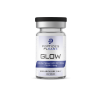
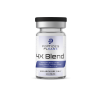
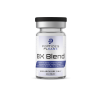
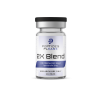
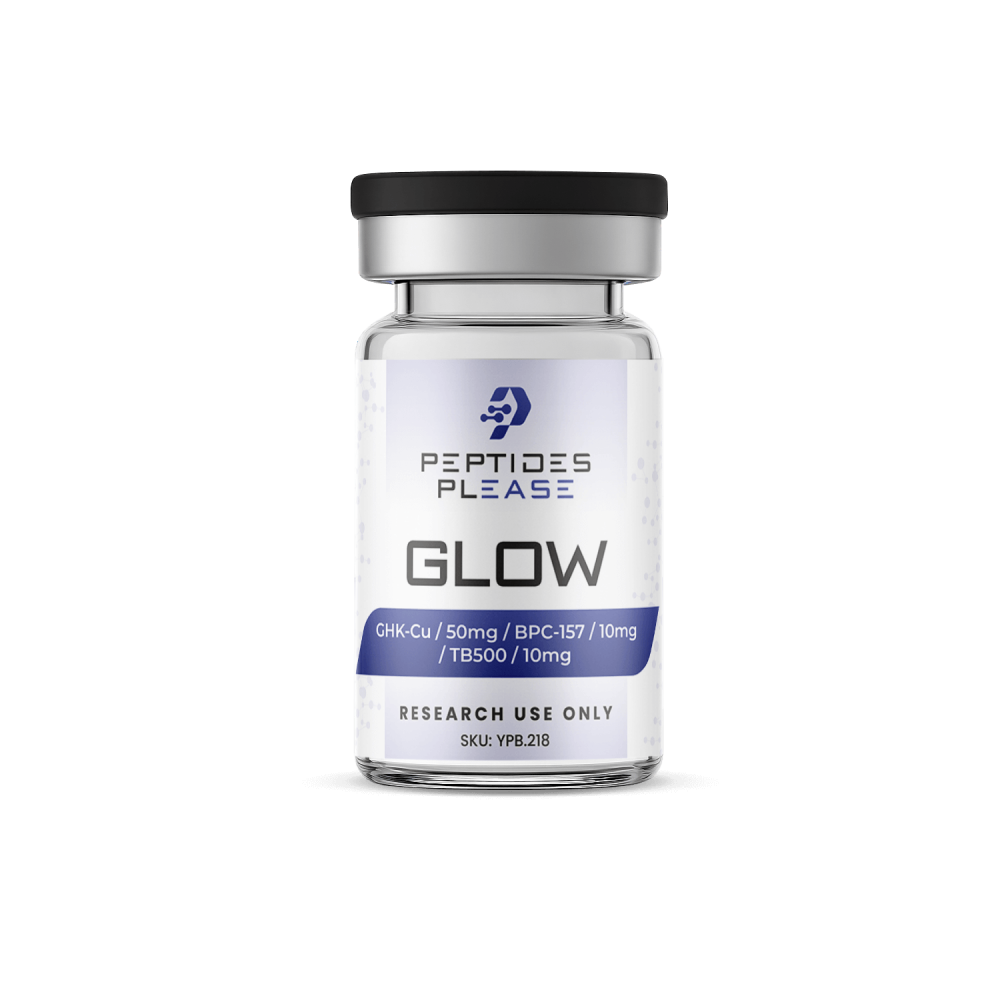 Peptide BlendsGLOW
- GHK-Cu(50mg)
- BPC-157(10mg)
- TB500(10mg)
-
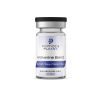
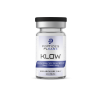
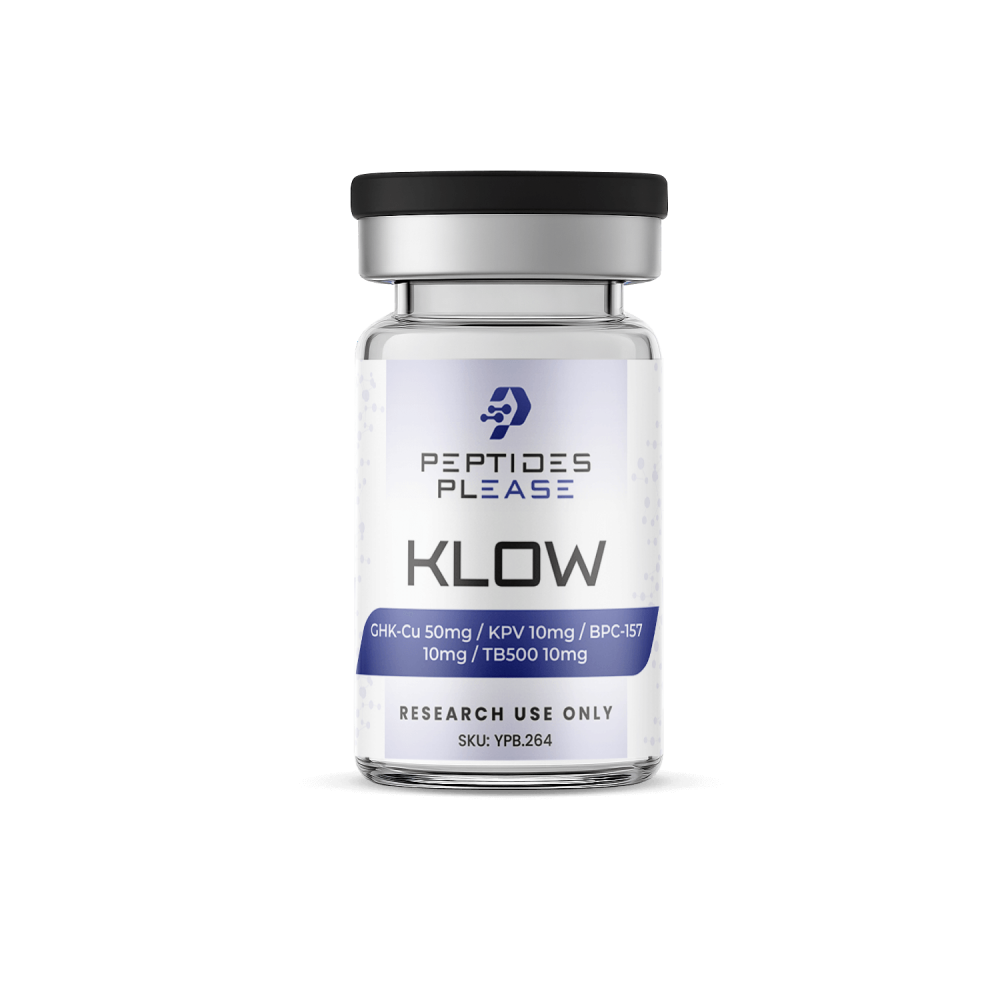 Peptide BlendsKLOW
- GHK-Cu(50mg)
- KPV(10mg)
- BPC-157(10mg)
- TB500(10mg)
-
 LL37LL37 (5mg)
 -
 Lysine-Proline-ValineLYSINE-PROLINE-VALINE (10mg)
 -
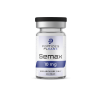
 Melanotan 2Melanotan 2 (10mg)
 -
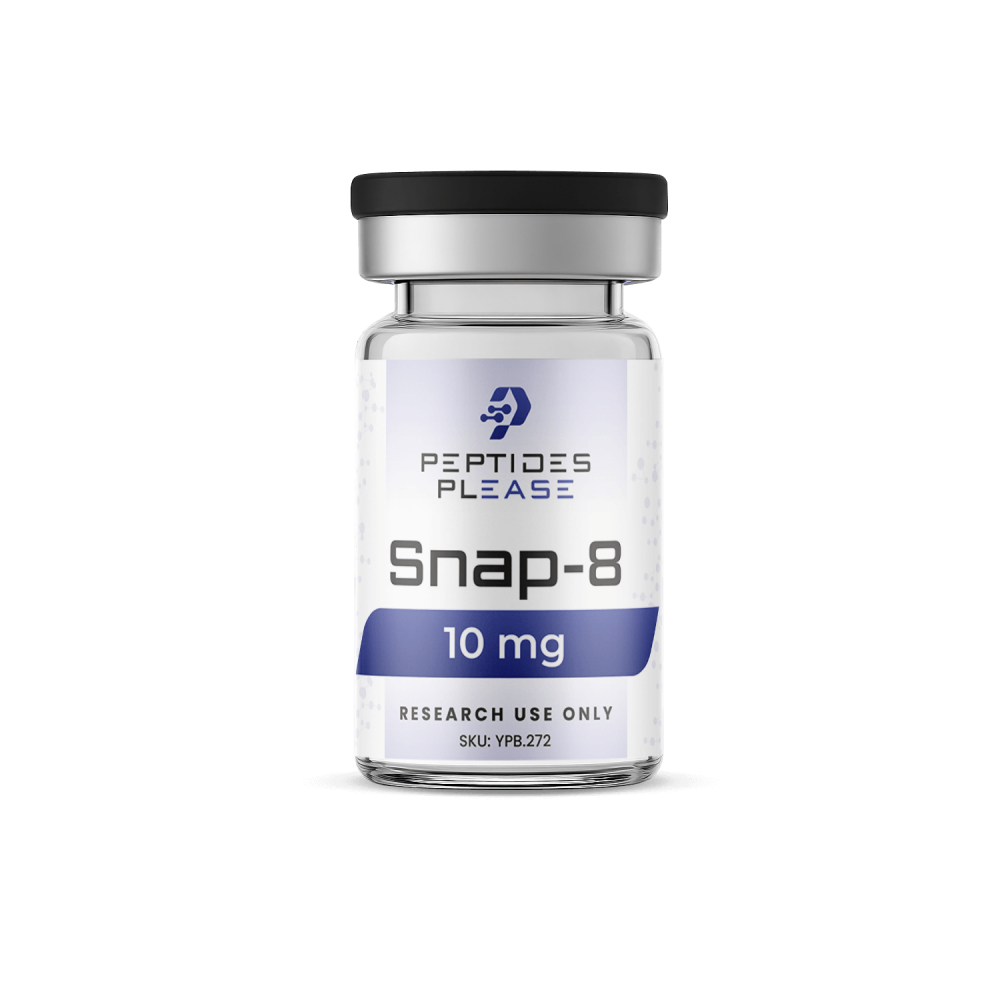 SNAP 8 PeptideSnap-8 (10mg)
Peptides for skin are short chains of amino acids that act as signals, telling skin cells to rebuild the structural proteins that keep skin firm, smooth and elastic. As collagen and elastin decline with age, these signals become a focus of laboratory research into firmness, fine lines and barrier support. This page brings together the science that researchers most often ask about, including two areas we used to cover separately: peptides for wrinkles and peptides for skin tightening. If you are sourcing material for a project, browse our GHK-Cu copper peptide range for research use.
Key Takeaways
- Peptides are short amino-acid chains that signal skin cells to produce more collagen and elastin, the proteins behind firmness and smoothness.
- Skincare research groups peptides into four types: signal, carrier, neurotransmitter-inhibiting and enzyme-inhibitor.
- Copper peptides (GHK-Cu) are widely described as the most-studied peptide for skin repair, collagen support and elasticity.
- Peptides are studied for wrinkles and skin firmness, but published reviews note they do not physically tighten skin the way lasers or surgery do; changes are gradual over weeks to months.
- Every product sold by Peptides Please is for research use only and is not for human or animal use.
What Do Peptides Do for Skin?
Peptides work as messengers. Because full collagen molecules are too large to move through the skin barrier, smaller peptide fragments are studied for their ability to signal fibroblasts, the cells that manufacture collagen and elastin. A 2024 review in the International Journal of Molecular Sciences describes peptides as emerging candidates for slowing skin senescence, acting on collagen synthesis, antioxidant defence and barrier repair. In research settings, peptides are examined for six recurring effects:
- Building proteins: supplying the sequences that form collagen and elastin.
- Boosting elasticity: supporting the fibres that let skin spring back.
- Strengthening the barrier: helping the outer layer hold moisture.
- Hydration: improving how the skin retains water.
- Calming: reducing markers linked to redness and irritation.
- Antioxidant defence: limiting free-radical damage from sun and pollution.
The Four Types of Peptides Studied for Skin
Dermatology literature and skincare science consistently sort skin peptides into four groups, and this is the framework most researchers start from.
- Signal peptides: prompt fibroblasts to produce more collagen, elastin and other structural proteins. Matrixyl (Palmitoyl Pentapeptide-4) is the best-known example.
- Carrier peptides: transport trace minerals such as copper into the skin to support enzymes involved in repair. GHK-Cu is the classic carrier peptide.
- Neurotransmitter-inhibiting peptides: limit the muscle micro-contractions that create expression lines, which is why Argireline (Acetyl Hexapeptide-8) is often called “Botox-like.”
- Enzyme-inhibitor peptides: slow the enzymes that break collagen down, helping preserve what the skin already has.
Best Peptides for Skin: Why GHK-Cu Leads the Research
Across the published work and clinical commentary, copper peptides (GHK-Cu) are repeatedly described as the most-studied peptide for skin. A review in the Journal of Aging Research documents GHK-Cu’s role in wound healing, collagen and elastin synthesis, and antioxidant activity. That combination, structural support plus repair plus mineral delivery, is why it sits at the centre of skin peptide research.
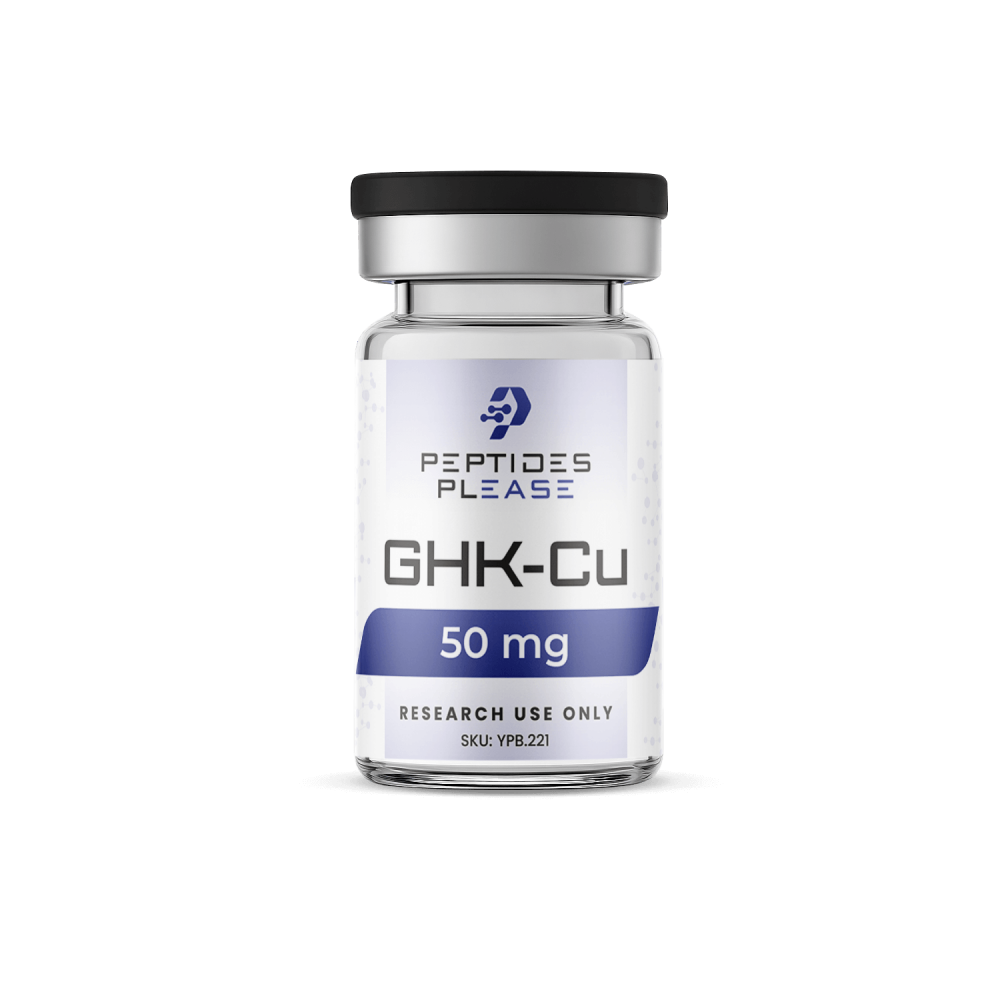
Peptides Please stocks GHK-Cu as a standalone research compound and inside two blends. Researchers studying GHK-Cu alongside repair peptides often work with our GLOW blend (GHK-Cu, BPC-157, TB-500) or the KLOW blend (GHK-Cu, KPV, BPC-157, TB-500).
Peptides for Wrinkles
Wrinkle research focuses on two mechanisms. Signal peptides such as Matrixyl are studied for their ability to raise collagen output and reduce measured wrinkle depth, while neurotransmitter-inhibiting peptides like Argireline are studied for relaxing the small muscle contractions behind crow’s feet and forehead lines. A 2024 study on an acetylcholine-receptor-binding peptide reports a measurable wrinkle-improving effect from this muscle-signalling pathway. Copper peptides add a third angle by supporting the repair and antioxidant processes tied to how skin ages. In laboratory work these peptides are examined over 4 to 12 week windows rather than as instant results.
Peptides for Skin Tightening and Firmness
“Tightening” is where expectations need calibrating. Published sources are clear that peptides do not contract or lift skin the way energy devices or surgery do; matrix-active peptides instead deliver gradual changes in dermal texture, tone and density over months as fibroblast activity shifts. GHK-Cu is the peptide most often studied here because it supports both collagen and elastin, the two proteins that govern firmness. For researchers, that makes copper peptides the logical starting material for firmness and post-weight-loss laxity studies, provided the timeline is understood as gradual.
Collagen and Copper Peptides for Skin
Two terms cause confusion. Collagen peptides are hydrolysed collagen fragments, usually studied as oral supplements; a 2025 randomized, double-blind trial found low-molecular-weight collagen peptide supplementation improved skin hydration and elasticity markers in healthy adults. Copper peptides (GHK-Cu) are a different molecule, a carrier peptide studied topically and in the lab for repair and collagen signalling. Both appear under the “peptides for skin” umbrella, but they are not interchangeable. For background, see our explainer on what copper peptides do and our guide to reconstituting GHK-Cu.
All Peptides Please products are supplied strictly for research use only and are not for human or animal use. That framing is why our listings carry clear compound names, concentrations and specifications so you can match material to your protocol.
Frequently Asked Questions
Is peptide good for skin research?
Peptides are among the most actively studied compounds in skin science, with published reviews covering collagen synthesis, elasticity, barrier repair and antioxidant activity.
What is the best peptide for skin?
Copper peptides (GHK-Cu) are the most frequently cited in the literature for skin repair, collagen and elastin support, which is why they anchor most research work.
What peptide acts like Botox?
Argireline (Acetyl Hexapeptide-8) is described as “Botox-like” because it is studied for limiting the muscle micro-contractions behind expression lines.
Do peptides tighten loose skin?
Research indicates peptides support firmness gradually by aiding collagen and elastin, but they do not physically tighten skin the way lasers or surgical procedures do.
What is the difference between collagen peptides and copper peptides?
Collagen peptides are hydrolysed collagen studied mainly as an oral supplement, while copper peptides (GHK-Cu) are a carrier peptide studied topically and in the lab for repair and signalling.
Are these peptides for personal use?
No. Every product on this site is for research use only and is not for human or animal consumption.
Source Research Peptides for Skin
If your project needs reliable, clearly specified material, GHK-Cu is the natural starting point for skin research, on its own or inside a repair-focused blend. Browse the full GHK-Cu copper peptide category for current options.