Recovery Peptides
Showing all 15 results
-
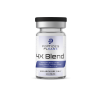
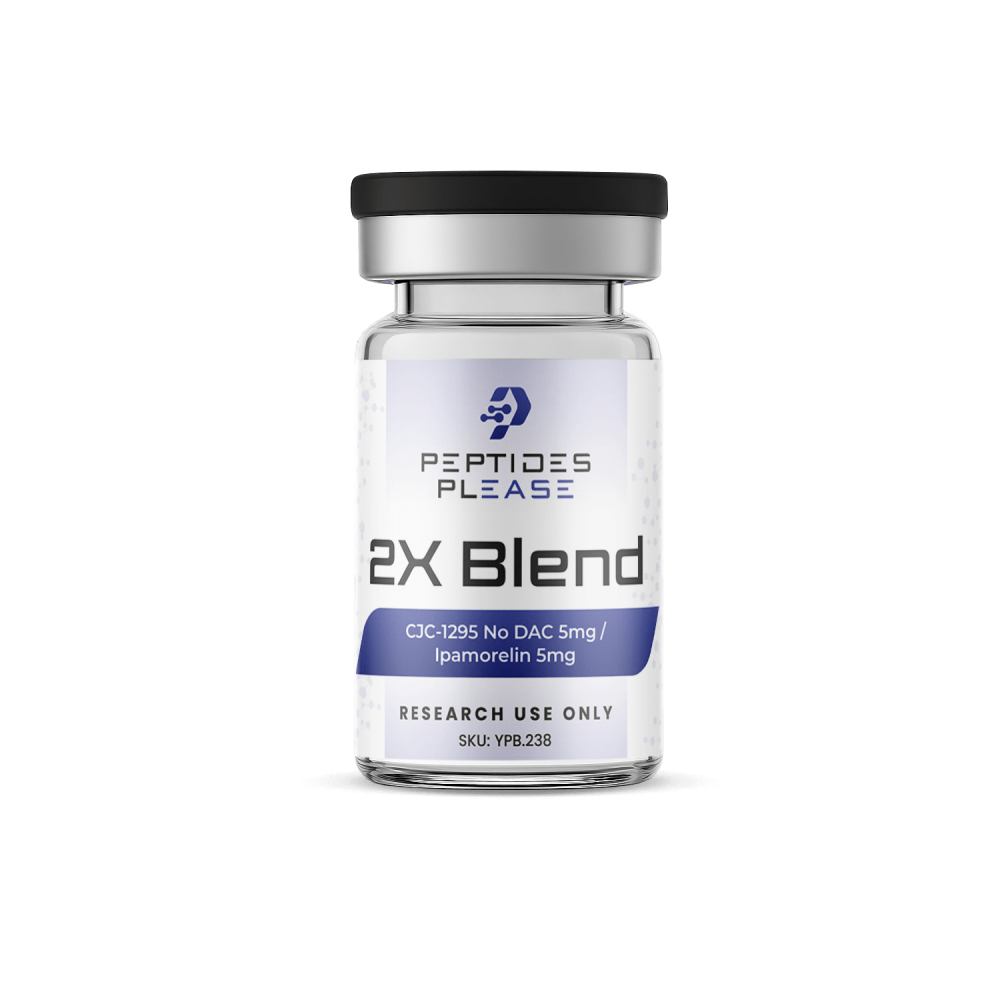 Peptide Blends2X Blend
- CJC-1295 Without DAC(5mg)
- Ipamorelin(5mg)
-
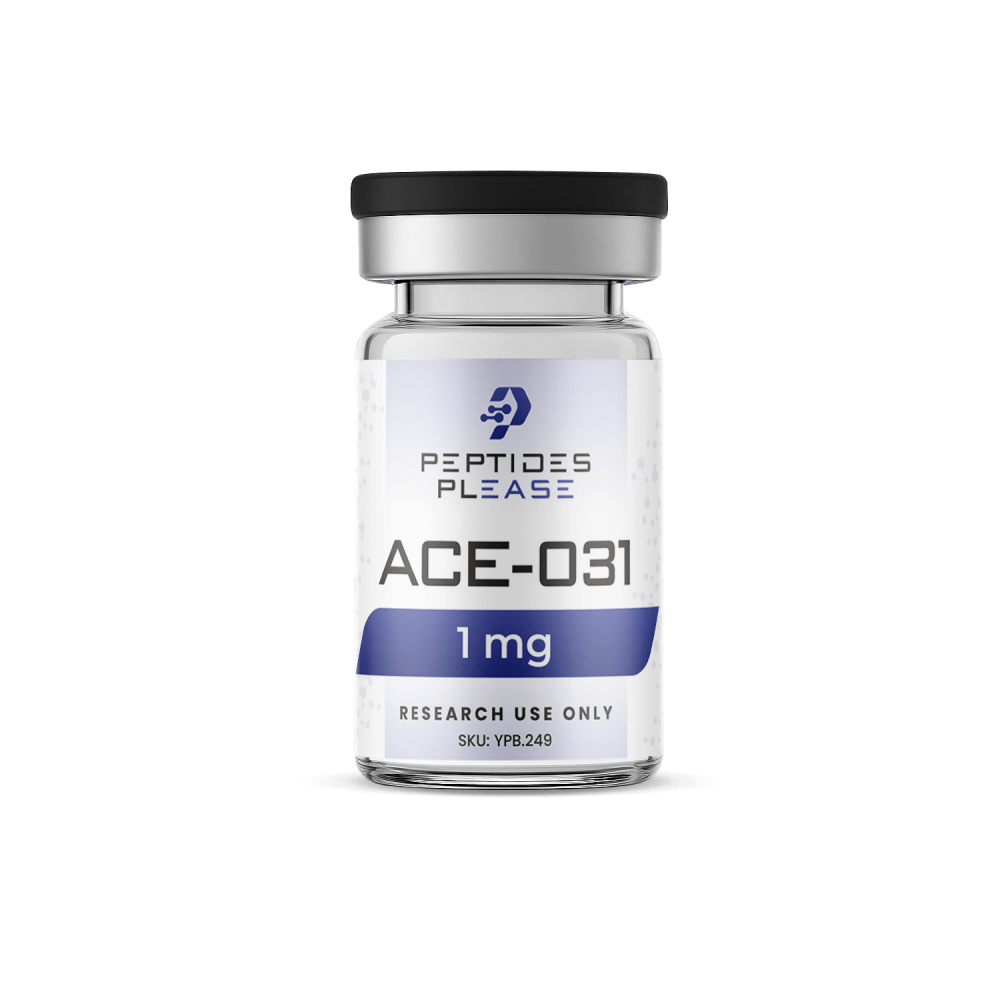 Ace 031 PeptideACE-031 (1mg)
 -
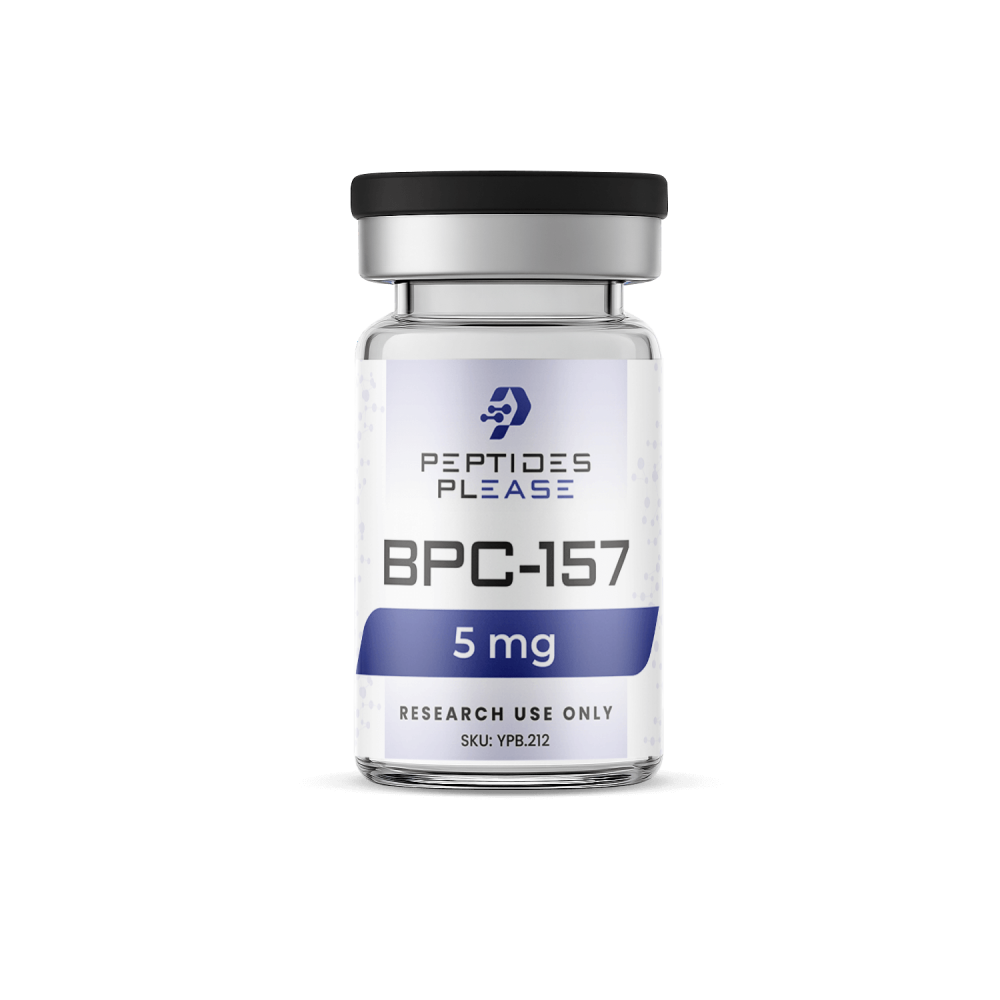
-
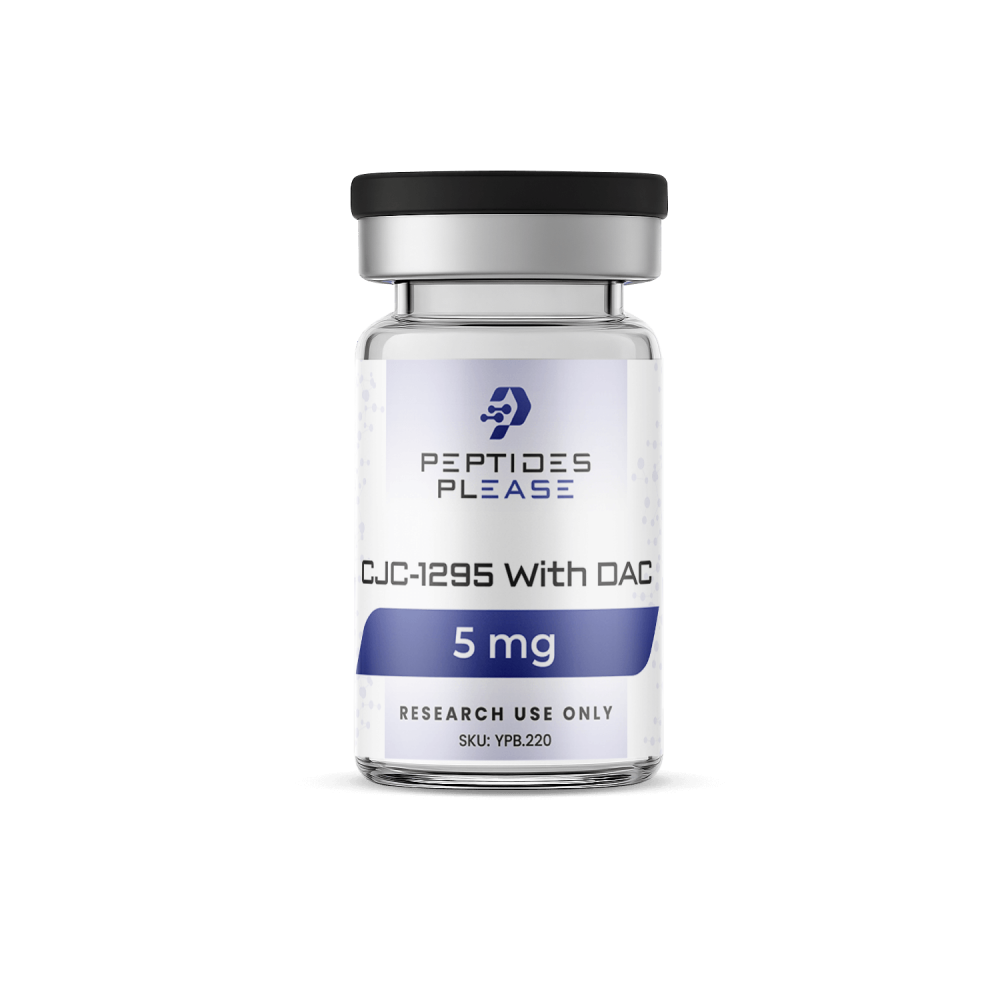 CJC-1295CJC-1295 - With DAC (5mg)
 -
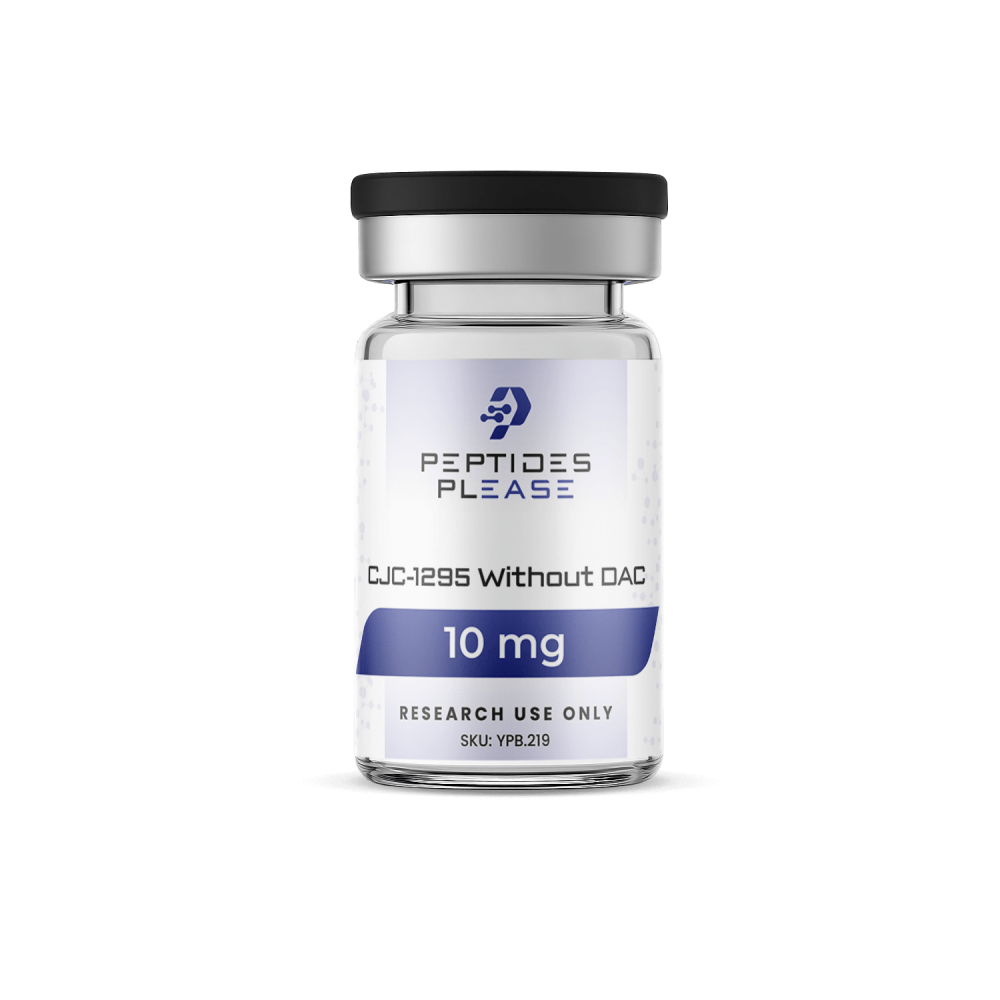 CJC-1295CJC-1295 Without DAC (10mg)
 -
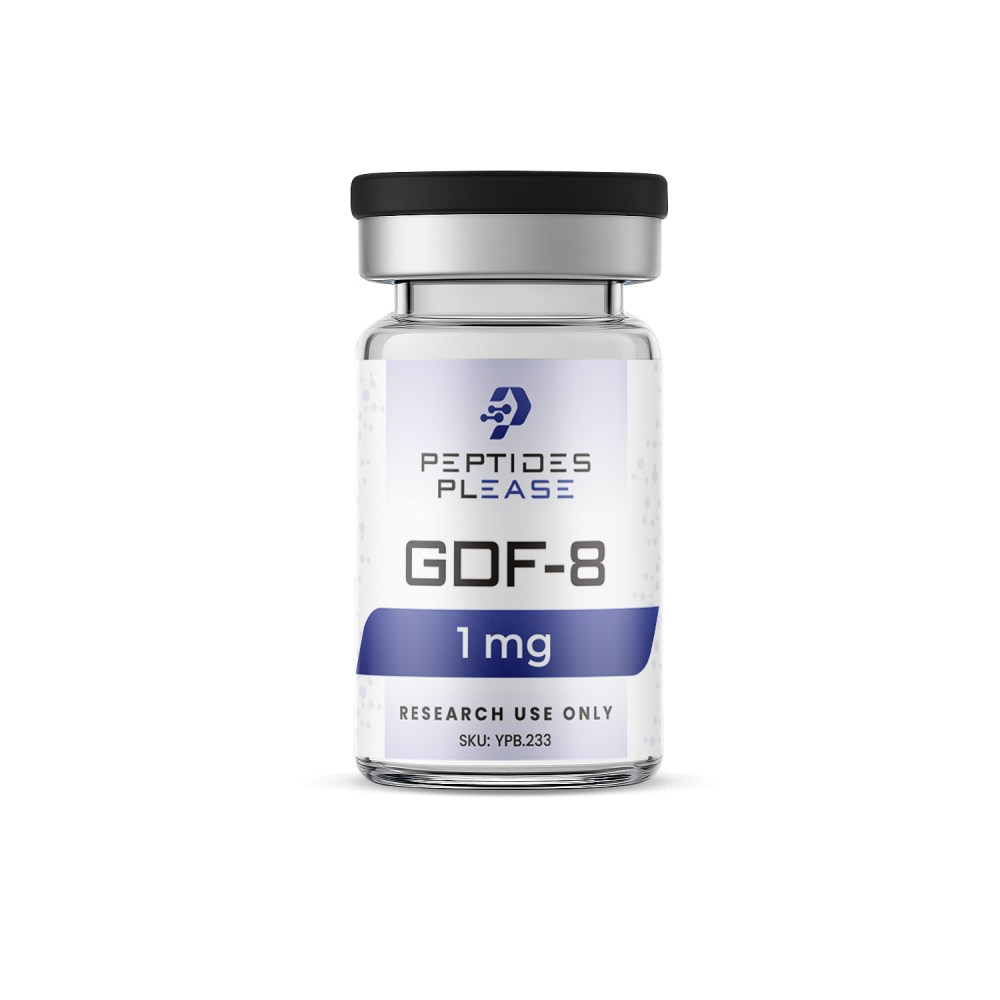 GDF-8 PeptideGDF-8 (1mg)
 -
-
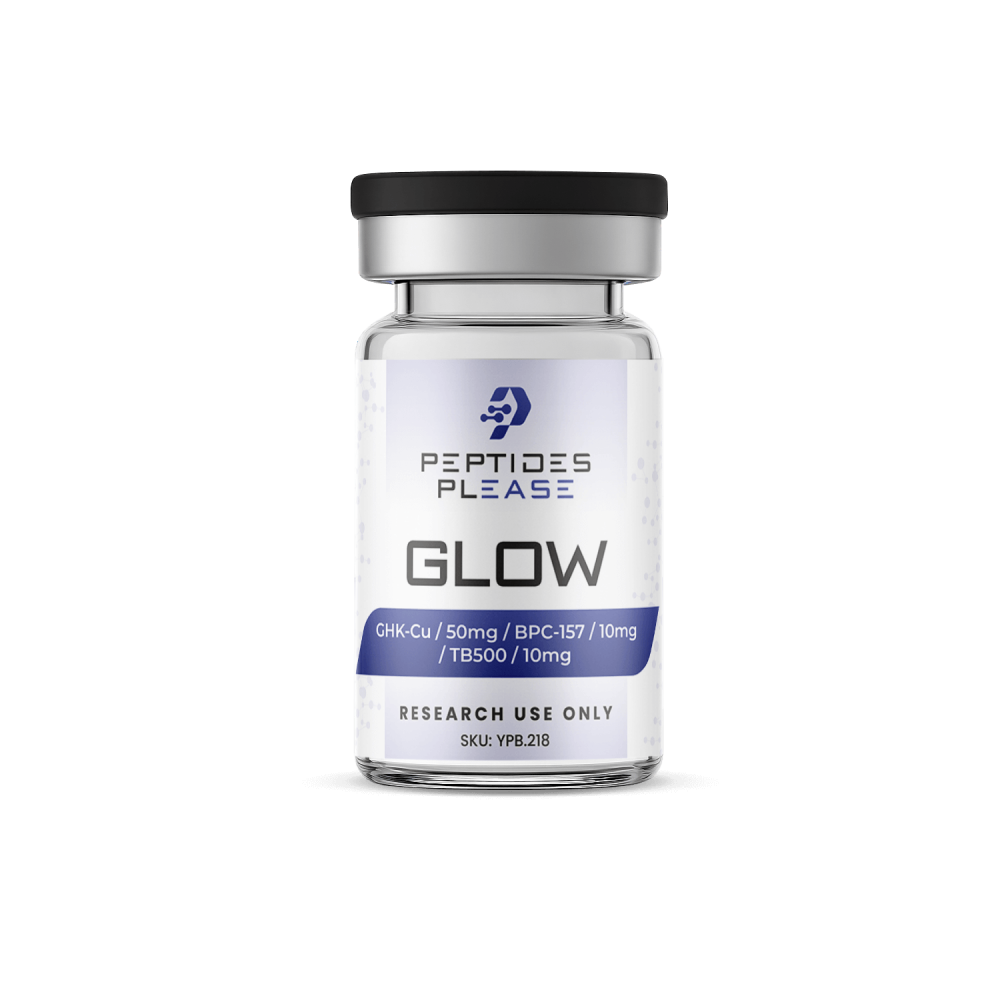 Peptide BlendsGLOW
- GHK-Cu(50mg)
- BPC-157(10mg)
- TB500(10mg)
-
 Hexarelin AcetateHexarelin Acetate (5mg)
 -
 IpamorelinIpamorelin (10mg)
 -
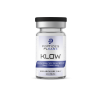
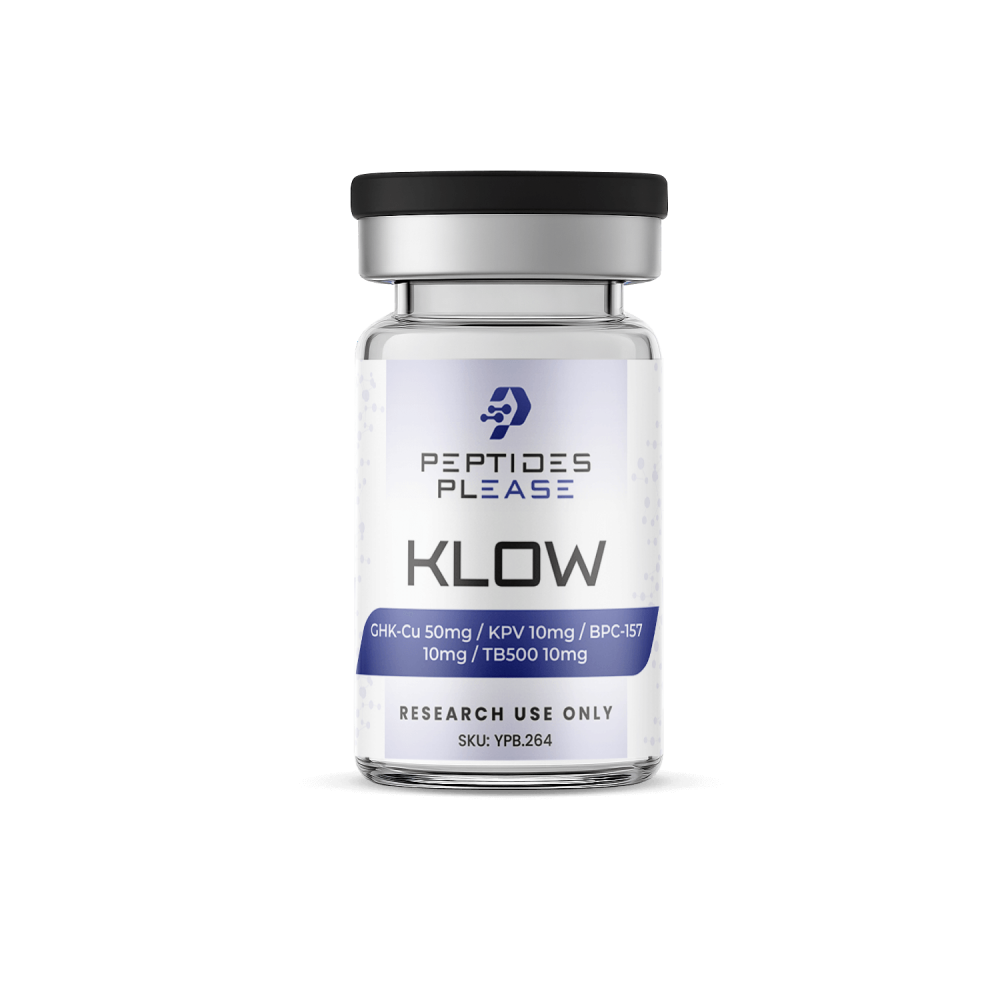 Peptide BlendsKLOW
- GHK-Cu(50mg)
- KPV(10mg)
- BPC-157(10mg)
- TB500(10mg)
-
 Popular PeptidesSermorelin (10mg)
 -
 Popular PeptidesTesamorelin (10mg)
 -
-
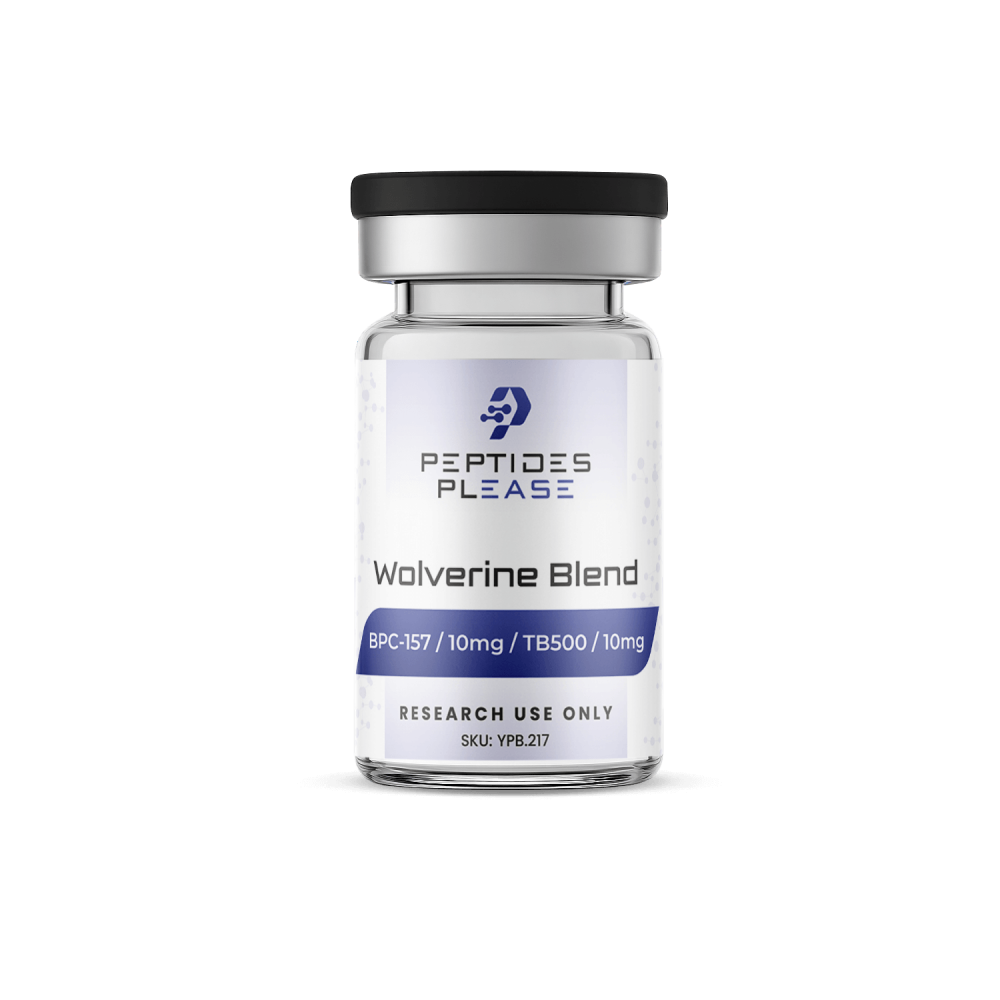
Peptides for recovery have gained attention for their ability to support the body’s natural repair and regeneration processes. As short chains of amino acids, peptides play a vital role in stimulating growth hormone and human growth hormone production, which in turn enhances muscle mass, tissue repair, and overall recovery. Through peptide therapy, athletes and individuals recovering from injury can experience improved wound healing, reduced inflammation, and faster restoration of physical performance. By optimizing hormonal balance and cellular growth, peptides for recovery offer a promising avenue for enhancing the body’s resilience and capacity to heal efficiently.
What Are The Best Peptides for Recovery?
Peptides can accelerate healing, tissue repair, and overall recovery. Here’s a breakdown by category:
For Injury & Tissue Repair
- BPC-157 – Promotes healing in muscles, tendons, ligaments, and the gut lining. Reduces inflammation and boosts collagen production.
- TB-500 (Thymosin Beta-4) – Enhances cell migration and regeneration to speed up recovery of soft tissues like muscles and tendons.
- GHK-Cu – Encourages wound healing, collagen synthesis, and new blood vessel growth. Great for skin and tissue repair.
For Growth Hormone & Systemic Recovery
- MK-677 (Ibutamoren) – Stimulates growth hormone (GH) production to aid muscle repair and recovery, though it may cause water retention.
- CJC-1295 + Ipamorelin – A peptide combination that naturally boosts GH levels, promoting recovery with fewer side effects than MK-677.
- Sermorelin – Triggers the body’s natural GH release, supporting tissue recovery, energy, and sleep quality.
For Muscle & Metabolic Recovery
- IGF-1 (Insulin-like Growth Factor-1) – Promotes muscle protein synthesis for faster muscle recovery and growth.
- MOTS-c – Supports tissue regeneration, improves metabolic health, and reduces post-surgical fatigue.
- AOD-9604 – Helps burn fat while promoting cartilage and muscle repair, aiding joint recovery.
For General Wellness
- Collagen Peptides – A natural, WADA-approved supplement that strengthens joints, connective tissue, and gut lining.
What Exactly Are Recovery Peptides?
Recovery peptides are short chains of amino acids that act as signaling molecules, directing the body to speed up natural healing, repair tissues like muscles, ligaments, and skin, reduce inflammation, and boost growth processes after stress or injury. These synthetic peptides mimic the body’s natural compounds, stimulating specific pathways to accelerate wound healing, improve nutrient delivery, and enhance recovery efficiency. By influencing the growth hormone-releasing hormone (GHRH) in the pituitary gland, recovery peptides help increase growth hormone output, supporting better body composition, protein synthesis, and muscle regeneration. This leads to quicker recovery, stronger bones, and improved overall performance for athletes and those seeking enhanced physical repair.
Recovery Peptides: Bpc 157
BPC-157 (Body Protection Compound-157) is a synthetic peptide derived from stomach proteins and widely recognized for its potential in promoting recovery and repair. It’s believed to accelerate healing in muscle tissue, tendons, ligaments, and bones by stimulating angiogenesis (the growth of new blood vessels), modulating inflammation, and supporting natural biological processes involved in regeneration. Beyond injury recovery, some users claim benefits in reducing joint pain, minimizing scar formation, and even increasing lean muscle mass and enhancing physical performance. However, despite promising results from animal studies, human clinical trials on BPC-157 remain very limited, and the peptide is not approved by the FDA. Its safety and effectiveness in humans are uncertain, and due to its potential performance-enhancing effects, BPC-157 is prohibited by the World Anti-Doping Agency (WADA).
Peptides for Recovery and Muscle Growth: All Applications
Peptides are short chains of amino acids that help your body communicate and trigger specific functions. They play an important role in muscle repair, recovery, and growth by imitating the body’s natural signals. Some types, like collagen supplements, are easily available, while others—especially those designed to enhance performance—are still considered research chemicals.
Peptides for Faster Recovery
Peptides are short chains of amino acids that play a key role in healing, muscle growth, and inflammation control. Below are some of the most effective peptides for faster recovery:
- BPC-157 (Body Protecting Compound-157): Helps repair muscles, tendons, ligaments, and the gut lining while reducing inflammation.
- TB-500 (Thymosin Beta-4): Encourages cell growth and tissue repair while lowering inflammation in muscles, skin, and tendons.
- MGF (Mechano Growth Factor): Promotes muscle recovery and boosts protein synthesis after intense workouts.
- GH Secretagogues (e.g., CJC-1295 and Ipamorelin): Stimulate the natural release of growth hormone to support muscle and connective tissue repair.
- Thymosin Alpha-1: Strengthens immune function and supports overall recovery.
- Collagen Peptides: Improve skin, joint, bone, hair, and nail health while enhancing connective tissue elasticity.
Best Peptides for Muscle Recovery
Peptides can accelerate muscle repair, reduce inflammation, and enhance recovery after workouts or injuries. Here are some top options based on research and user reports:
- BPC-157: A gastric protein fragment that promotes healing in tendons, muscles, and ligaments by boosting new blood vessel formation and tissue regeneration.
- TB-500 (Thymosin Beta-4): Supports cell migration to injury sites, angiogenesis, and faster soft tissue repair while improving flexibility.
- CJC-1295 / Ipamorelin: This combo stimulates natural growth hormone release to aid muscle growth, repair, fat loss, and overall recovery.
- Sermorelin: Triggers pituitary gland GH production for better hormone balance, energy, faster workout recovery, and muscle repair.
Peptides Injury Recovery
Peptides support faster injury recovery by promoting tissue repair, reducing inflammation, and enhancing regeneration in muscles, tendons, and ligaments. These show promise mainly in animal studies and anecdotal reports, though human data are limited.
- BPC-157: Derived from gastric juice, it accelerates the healing of muscles, tendons, ligaments, and gut tissues via angiogenesis and fibroblast activity; often called the “Wolverine peptide.”
- TB-500 (Thymosin Beta-4): Boosts wound healing, stem cell recruitment, and reduces inflammation to aid recovery in nerves, heart, spinal cord, and soft tissues.
- GHK-Cu: A copper peptide that enhances skin and connective tissue repair, collagen production, and wound closure while curbing inflammation.
Peptides for Stroke Recovery
Peptides are being studied as add-on therapies to support brain repair and function after stroke, but most remain experimental and must be guided by a neurologist.
- Cerebrolysin: A peptide-based neurotrophic solution used in parts of Europe and Asia that can improve motor function, language, and global recovery when combined with standard stroke rehabilitation. Trials and meta-analyses suggest it is generally well tolerated and may enhance early post-stroke recovery, though larger confirmatory studies are still needed.
- NA-1 (Nerinetide, ESCAPE-NA1): A neuroprotective peptide evaluated in patients undergoing mechanical thrombectomy; overall results were neutral, but a subgroup not receiving alteplase showed better functional outcomes. It is not yet routine clinical care and remains investigational.
- R18 (Polyarginine-18): A positively charged peptide that reduced brain infarct size and improved neurological scores in multiple animal and primate stroke models by protecting neurons from excitotoxic damage. It has not yet progressed to standard human stroke therapy.
- BPC-157: A gastric-derived peptide with neuroprotective and tissue-healing effects in preclinical studies, including models of brain and nerve injury. Its use in human stroke recovery is experimental, with no large controlled trials confirming benefit.
- NVG-291-R: A peptide that blocks inhibitory pathways on nerve cells, promoting axon sprouting and functional recovery in animal models of spinal cord and brain injury, including stroke. Current evidence is preclinical and early-phase, not yet established for routine stroke care.
- Spider toxin–derived peptides (for example, PhTx3 family): Certain spider venom peptides show neuroprotective effects in experimental stroke by reducing calcium overload and oxidative stress, but they remain laboratory and early translational tools.
- GLP-1 receptor agonists (GLP‑1RAs): Diabetes drugs with peptide backbones that lower cardiovascular and stroke risk and may offer neuroprotective effects beyond glucose control. They are approved for metabolic and cardiovascular indications, with stroke recovery benefits still under active investigation.
Peptides for Joint Recovery
Peptides for joint recovery may help reduce inflammation, support cartilage, and enhance healing of tendons and ligaments, though human data is still limited for many of them.
- BPC-157: A gastric-derived peptide that shows anti-inflammatory and pro-healing effects in preclinical models, supporting repair of joints, tendons, ligaments, and even bone.
- TB-500 (Thymosin Beta-4): Promotes new blood vessel growth, reduces inflammation, and supports regeneration of soft tissues, which may improve joint mobility and recovery after strain.
- Collagen Peptides: Supply amino acids needed to build cartilage and connective tissue, with studies showing benefits for joint comfort and function in active and osteoarthritis populations.
- Pentosan Polysulfate: A semi-synthetic polysaccharide that can protect cartilage, stimulate matrix and hyaluronan production, and improve pain and function in osteoarthritis.
Peptides for Recovery After Surgery
Peptides may help support wound healing and overall recovery after surgery by enhancing tissue repair, collagen production, and controlling inflammation, but most remain experimental and should only be used under medical supervision.
- BPC-157: Stimulates new blood vessel growth, collagen formation, and granulation tissue, which can strengthen surgical wounds and support the healing of muscle, tendon, and bone.
- GHK-Cu (Copper peptide): Increases collagen and extracellular matrix repair, improves angiogenesis, and reduces inflammation, helping surgical incisions and skin wounds close faster with better cosmetic outcomes.
- TB-500 (Thymosin Beta-4): Enhances tissue regeneration, blood vessel formation, and anti-inflammatory signaling, which may shorten recovery time and reduce post-op stiffness or soreness.
- Collagen Peptides: Provide building blocks for skin, bone, and connective tissue, supporting scar strength, joint function, and overall structural recovery after surgery.
- MOTS-c: A mitochondrial peptide linked to better energy use, muscle regeneration, and reduced fatigue, potentially aiding functional recovery in older or deconditioned patients.
- AOD-9604: A fragment of growth hormone that may assist fat loss and soft-tissue repair, sometimes used to support recovery in patients where reducing excess fat load around joints or incisions is helpful.
Peptides for ACL Recovery
Peptides may support ACL recovery by promoting ligament healing, collagen formation, and blood vessel growth, but most evidence comes from animal or lab studies, and they remain experimental in humans.
- BPC-157 (Body Protection Compound‑157): A stomach‑derived peptide that improves healing strength and collagen organization in injured ligaments and tendons in animal models, and may reduce inflammation around the knee.
- Thymosin Beta‑4 (TB‑500): Shown to speed ligament healing and improve biomechanical strength in medial collateral ligament injury models by enhancing cell migration, blood flow, and new vessel formation.
- Collagen Peptides (Hydrolyzed collagen): Provide amino acids for new collagen and may support tendon and ligament repair when combined with vitamin C and rehab loading.
- CGRP (Calcitonin gene‑related peptide): Experimental work suggests CGRP signaling can enhance tendon–bone healing and bone formation, which is relevant for ACL graft integration.
- MGF E Peptide: In ACL models, this mechano‑growth factor fragment protects ACL fibroblasts from low‑oxygen damage, reduces cell death, and promotes angiogenesis and cell proliferation, improving repair quality.
Peptides for Tendon Recovery
Peptides may help tendon recovery by enhancing collagen repair, cell migration, and local blood flow, but most evidence is from animal and early human data, so use should be medically supervised.
- BPC-157 (Body Protection Compound‑157): Gastric‑derived peptide that speeds tendon healing in animal models by increasing tendon cell migration, survival under stress, and collagen organization, leading to stronger repaired tendons.
- TB-500 (Thymosin Beta‑4): Supports tissue regeneration by promoting cell migration, new blood vessel growth, and reduced inflammation, which may improve healing in poorly vascularized tendons.
- GHK-Cu (Copper peptide): Stimulates collagen and elastin production, angiogenesis, and nerve growth; early work suggests benefits for tendon and ligament repair and improved biomechanical properties.
- Collagen Hydrolysate: Oral or injectable collagen fragments that supply amino acids for new collagen, with studies in joint and connective tissue showing better comfort and function, supporting its use alongside rehab for tendon recovery.
Peptides for Enhanced Muscle and Recovery
Peptides for enhanced muscle and recovery can support tissue repair, connective tissue strength, and training adaptation, but most are still experimental and should be used under medical guidance.
- BPC-157: Supports healing of muscles, tendons, and ligaments by improving angiogenesis, fibroblast activity, and collagen organization in preclinical models.
- TB-500 (Thymosin Beta‑4): Promotes cell migration and new blood vessel growth while lowering inflammation, helping soft-tissue recovery and flexibility after intense training.
- CJC‑1295 + Ipamorelin: A growth‑hormone–releasing combo that increases natural GH and IGF‑1 pulses, which can support lean mass, fat loss, and faster post‑workout recovery when paired with training and adequate sleep.
- Collagen Peptides: Improve recovery markers (strength, jump performance, soreness) and extracellular matrix remodeling when taken regularly with resistance or concurrent training.
- GHK‑Cu (Copper peptide): Increases collagen and glycosaminoglycan synthesis and has strong anti‑inflammatory and antioxidant actions, supporting healthier connective tissue and recovery from micro‑damage.
Peptides for Ligament Recovery
Peptides for ligament recovery aim to support collagen repair, blood flow, and inflammation control, but most evidence comes from animal and early human work, and they remain experimental.
- BPC‑157 (Body Protection Compound‑157): A gastric‑derived peptide that improves ligament healing strength, collagen organization, and blood vessel formation in animal models of medial collateral ligament injury, while also showing anti‑inflammatory effects.
- Thymosin Beta‑4 (Tβ4/TB‑500): Promotes connective tissue repair by organizing collagen fibers, reducing scar tissue, and enhancing the mechanical strength of healing ligaments in preclinical studies.
- Collagen Hydrolysate: A supplement form of broken‑down collagen that provides amino acids for ligaments and other connective tissues, with trials showing improved joint function, less pain, and better mobility over months of consistent use.
Peptides for Addiction Recovery
Peptides that act on appetite, stress, and reward pathways are being explored as add-on tools for addiction recovery, but most are experimental and must be supervised by a specialist.
- GLP‑1 agonists (semaglutide, tirzepatide): Diabetes/weight‑loss drugs that dampen reward signaling and may reduce alcohol and nicotine intake and craving in early human and animal studies.
- Amylin: A satiety hormone whose receptor activation in brain reward areas reduces alcohol‑related behaviors and modulates dopamine responses in preclinical models.
- Ghrelin: A hunger peptide that can enhance reward and drug seeking; blocking ghrelin signaling is being studied as a way to cut cravings.
- CRF peptides: Involved in the stress response; experimental CRF‑targeted drugs aim to reduce stress‑induced relapse and drug seeking.
- Opioid peptides (β‑endorphin, enkephalins): Endogenous opioids that regulate pleasure and withdrawal; understanding their signaling helps guide medication strategies for opioid and alcohol use disorders.
- Vasopressin: A social‑bonding and stress peptide with altered signaling in addiction; vasopressin‑related drugs are being evaluated for relapse risk and emotional dysregulation.
- Selank: An anxiolytic peptide that can reduce anxiety and alcohol‑withdrawal symptoms in animal models and may stabilize mood without typical sedative or addictive effects.
Peptides for Fitness Recovery
Peptides for fitness recovery can support muscle repair, connective tissue health, and training adaptation, but many are experimental and should be used under professional guidance.
- BPC-157 (Body Protection Compound‑157): Supports healing in muscles, tendons, ligaments, and possibly bone by promoting angiogenesis, fibroblast activity, and collagen organization in preclinical models.
- TB-500 (Thymosin Beta‑4): Enhances cell migration and new blood vessel formation, helping soft tissue repair and potentially improving flexibility and recovery after heavy training.
- IGF‑1 (Insulin‑like Growth Factor‑1): Key growth factor that drives muscle protein synthesis and satellite cell activation; exogenous use is banned in sport and carries safety and doping concerns.
- GHS peptides (Growth hormone secretagogues such as CJC‑1295/Ipamorelin): Increase endogenous growth hormone and IGF‑1, which can aid recovery and body composition, but are generally prohibited in competitive sport.
- Collagen Peptides: WADA‑permitted supplements that improve connective tissue properties and recovery markers (strength, jump performance, soreness) when combined with resistance or concurrent training.
Peptides for Knee Surgery Recovery
Peptides for knee surgery recovery are being explored to support tissue repair, reduce pain, and improve joint function, but most remain experimental and should only complement standard rehab and medical care.
- BPC‑157: Experimental peptide that improves tendon and ligament healing, angiogenesis, and collagen organization in animal models, with small human data suggesting relief of chronic knee pain after local injection.
- TB‑500 (Thymosin Beta‑4): Supports post‑surgical healing by promoting cell migration, new blood vessel growth, and reducing inflammation, which may enhance joint mobility and soft‑tissue repair.
- Collagen Peptides (e.g., UC‑II, low‑molecular‑weight collagen): Oral supplements that can reduce knee osteoarthritis pain and improve mobility over months, likely via stimulating collagen synthesis and lowering inflammatory markers.
- GHK‑Cu: Copper peptide with regenerative effects on skin and connective tissue, enhancing wound healing and potentially supporting peri‑articular soft‑tissue recovery around the knee.
- Sermorelin / IGF‑1–related approaches: Stimulate growth hormone–IGF‑1 axis to support muscle mass and recovery, but exogenous IGF‑1 and many GH secretagogues raise safety and anti‑doping concerns and are not standard post‑knee‑surgery care.
Peptides for Healing Broken Bones
Peptides for bone healing aim to speed fracture repair, improve bone strength, and support surrounding soft tissues, but most are experimental and not standard care.
- BPC‑157 (Body Protective Compound‑157): A gastric‑derived peptide that accelerates fracture and segmental bone defect healing in animal models, with improved callus formation, blood vessel growth, and biomechanical strength; still lacks robust human safety trials and is banned by WADA.
- Thrombin Peptide 508 (TP508/Chrysalin): Synthetic fragment of thrombin that enhances angiogenesis, reduces scar tissue, and improves fracture repair in challenging animal fracture models, though human wrist‑fracture trials did not show clear functional advantages despite faster radiographic union.
- Osteogenic Growth Peptide (OGP): Endogenous 14-amino-acid peptide that boosts osteoblast proliferation, preserves bone mass, and attenuates age‑related bone loss in mice by acting at the CB2 receptor, making it a promising bone‑protective hormone in preclinical research.
- Collagen Peptides: Oral collagen hydrolysates that supply key amino acids for bone matrix and have been associated with improved bone mineral density and mechanical properties in early studies, often used as a supportive supplement alongside calcium, vitamin D, and exercise.
- Targeted anabolic peptides (for example, fracture‑homing designs like Ab46‑D‑Glu20): Engineered to accumulate at fracture sites and deliver anabolic signals locally, these constructs have produced faster and stronger bone repair than non‑targeted treatments in animal models, but remain at the experimental stage.
Frequently Asked Questions
What is the best peptide for recovery?
BPC-157 stands out as the best peptide for recovery, renowned for accelerating tissue repair, reducing inflammation, and speeding healing from muscle injuries and strains.
Are there peptides for injury recovery?
Yes, peptides like BPC-157 and TB-500 are widely recognized for aiding injury recovery by promoting tissue repair, reducing inflammation, and accelerating healing in muscles, tendons, and ligaments.
What are peptides for recovery?
Peptides for recovery are short chains of amino acids, such as BPC-157 and TB-500, designed to accelerate healing by promoting tissue repair, reducing inflammation, and enhancing regeneration in muscles, tendons, and ligaments.
What are the best peptides for surgery recovery?
BPC-157 and TB-500 are the best peptides for surgery recovery, renowned for accelerating tissue repair, reducing inflammation, and promoting faster healing of muscles, tendons, ligaments, and wounds post-operation.
Are there peptides for athletic recovery?
Yes, peptides such as BPC-157, TB-500, and growth hormone-releasing peptides like CJC-1295/Ipamorelin are widely used for athletic recovery, helping to speed tissue repair, reduce inflammation, boost muscle growth, and shorten downtime after intense training.
What is the most effective peptide for muscle growth?
CJC-1295 combined with Ipamorelin is the most effective peptide for muscle growth, as it stimulates growth hormone and IGF-1 release to enhance protein synthesis, hypertrophy, strength gains, and lean mass.
Can peptides help you heal faster?
Yes, peptides like BPC-157 and TB-500 can help heal faster by accelerating tissue regeneration, reducing inflammation, and promoting quicker recovery from injuries, surgeries, and workouts.
Summary
In summary, peptides such as BPC-157, TB-500, and IGF-1 represent a promising frontier in recovery support by accelerating tissue repair, reducing inflammation, and enhancing muscle regeneration after injuries, workouts, or surgery. These short-chain amino acids work by signaling cells to boost collagen production, growth factors, and blood flow, often leading to faster healing times, less pain, and stronger tissues compared to traditional methods alone. While ongoing research underscores their potential for athletes and post-op patients, optimal results come from personalized use under medical guidance alongside rest, nutrition, and therapy, ensuring safe integration into recovery protocols.