Peptides for Neuropathy
Showing the single result
-
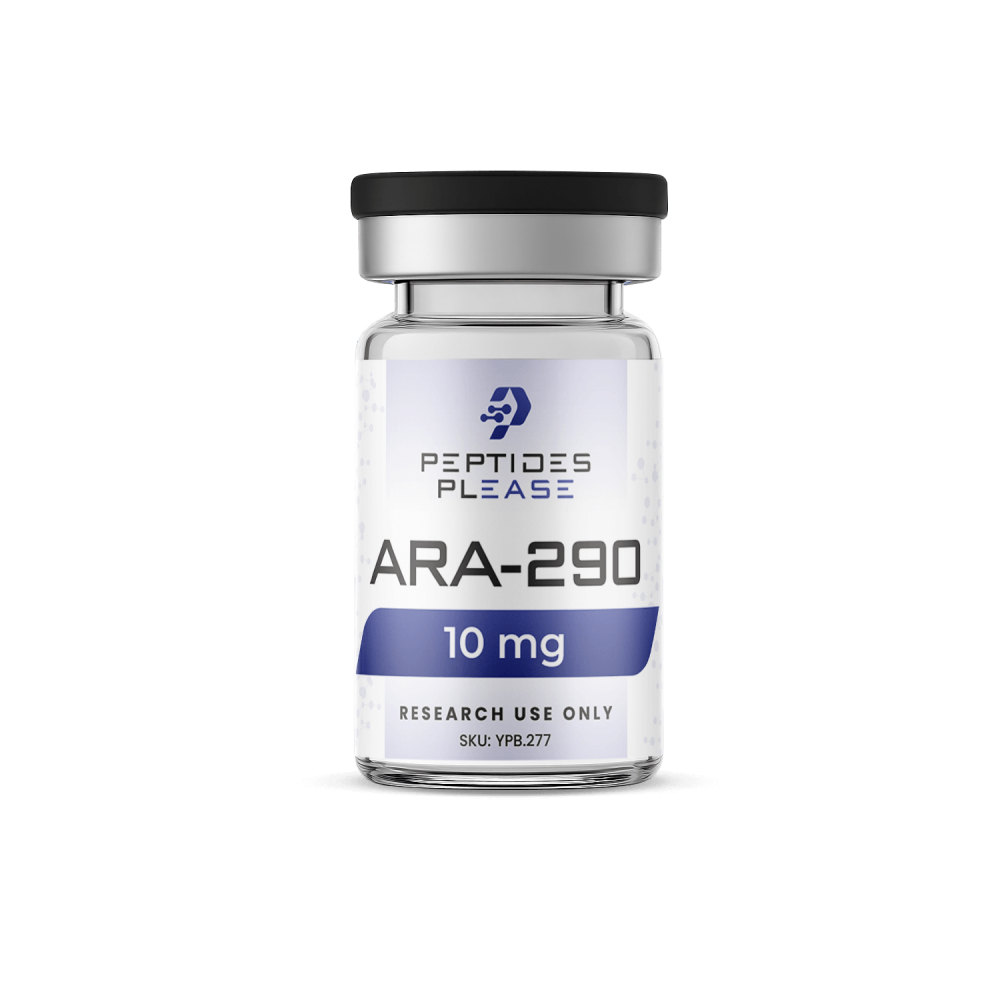 Ara 290 PeptideARA-290 (10mg)
Peptides for neuropathy are emerging as one of the most promising therapeutic approaches to treat nerve damage and restore sensory nerve function. Neuropathy, particularly diabetic neuropathy, remains a major complication of diabetes, often leading to chronic neuropathic pain, mobility issues, and diminished quality of life. Similarly, conditions involving peripheral nerve injury can result in long-term nerve dysfunction and slow or incomplete recovery.
Recent research has focused on specialized peptides that activate the innate repair receptor, a key mechanism believed to help stop nerve cell degeneration and promote regeneration of damaged neurons. These peptides may also improve corneal nerve fiber density, an important biomarker used in detecting early nerve damage. By targeting cellular repair pathways, they offer a potential way to restore normal sensory nerve function and reduce pain without the side effects of conventional drugs.
Ongoing clinical trials are now investigating how peptide-based therapies can prevent or reverse the progression of neuropathy, offering renewed hope to patients suffering from diabetic or injury-induced nerve damage. As our understanding of these bioactive compounds deepens, peptides for neuropathy could redefine how clinicians approach nerve cell degeneration and healing in the years ahead.
Peptides for Neuropathy Treatment
Neuropathy, often associated with conditions like diabetes, involves nerve damage that leads to pain, numbness, and reduced function. Recent research has identified several peptides with therapeutic potential to repair nerve tissue, reduce inflammation, and alleviate pain.
- ARA290 (Pyroglutamate Helix B Surface Peptide): A synthetic peptide derived from erythropoietin (EPO), ARA290 activates the innate repair receptor (IRR), triggering anti-inflammatory and tissue-repair mechanisms. It has shown potential in treating diabetic neuropathy by improving nerve function and reducing pain sensations.
- C-Peptide: Originating from pancreatic proteins, C-peptide supports nerve regeneration by enhancing nerve conduction, improving microcirculation, and maintaining nerve structure. Its therapeutic benefits in diabetic neuropathy appear independent of its effects on blood glucose levels.
- Conotoxins (e.g., Ziconotide): Sourced from cone snail venom, conotoxins act on ion channels to disrupt pain signal transmission. They are highly effective for severe pain management but come with notable side effects, prompting ongoing research into developing safer derivatives.
- Cortistatin: A naturally occurring neuropeptide, cortistatin has demonstrated promising pain-relieving effects in experimental models of neuropathic pain, suggesting potential for future clinical applications.
Find Reliable Peptide Products for Research at PeptidesPlease
Peptides show promise in neuropathy research for promoting nerve repair and reducing pain, with examples like ARA290, an 11-amino acid peptide that activates the innate repair receptor to improve neuropathic symptoms, corneal nerve regeneration, and metabolic profiles in conditions such as diabetic neuropathy and sarcoidosis. Self-assembling peptides such as IKVAV and RGD support peripheral nerve injury repair by mimicking extracellular matrices, enhancing myelination and axon growth without toxic residues. For reliable peptide products intended strictly for research purposes, explore our website offering high-quality, lab-grade options to advance studies on neuropathy therapeutics.
What Peptides Are Used for Neuropathy
Neuropathy causes nerve damage leading to pain, numbness, and impaired function, particularly in diabetes or injury cases. Emerging peptides target inflammation, repair, and pain pathways to offer new treatment options.
- ARA290 (Helix B Peptide): This synthetic peptide, modeled after erythropoietin, activates the innate repair receptor to drive anti-inflammatory effects and tissue regeneration. Clinical trials show it reduces neuropathic pain, improves nerve fiber density, and enhances quality of life in conditions like sarcoidosis-associated small fiber neuropathy.
- C-Peptide: Derived from proinsulin, C-peptide boosts nerve blood flow, enzyme activity, and protective mechanisms in diabetic neuropathy. Studies confirm it enhances nerve conduction velocity and structure independently of blood sugar control, especially in type 1 diabetes.
- Ziconotide (Conotoxin): Sourced from cone snail venom, this peptide blocks N-type calcium channels in the spinal cord to halt severe chronic pain signals. Administered intrathecally, it provides analgesia for refractory neuropathic pain but requires careful dosing due to side effects like dizziness and nausea.
- VIP and PACAP: These related neuropeptides modulate pain pathways via shared receptors and show neuroprotective effects in nerve injury models. They reduce inflammation and promote recovery in conditions like multiple sclerosis or trauma, with upregulated expression post-injury.
- Cortistatin: This neuropeptide relieves mechanical and thermal allodynia in animal neuropathy models by desensitizing nociceptors, curbing neuroinflammation, and boosting neurotrophic factors. It also supports nerve regeneration after injury, positioning it as a multitarget analgesic candidate.
- C3 (C3(156-181)): A short peptide from Clostridium botulinum C3 exoenzyme, it inhibits RhoA signaling to accelerate axonal outgrowth and motor recovery after nerve crush or transplant. Animal studies demonstrate enhanced fiber density and reduced sprouting for better functional repair.
Best Peptides for Neuropathy
Neuropathy damages nerves, causing pain, numbness, and weakness, often from diabetes or injury, but targeted peptides show promise in reducing symptoms and aiding repair.
- ARA290 (Cibinetide/Cymbioprin): This erythropoietin-derived peptide activates the innate repair receptor to curb inflammation and stimulate nerve fiber regrowth. Trials demonstrate reduced pain and improved nerve density in diabetic and sarcoidosis-related neuropathy.
- C-Peptide: Proinsulin’s connecting peptide enhances nerve conduction, blood flow, and cellular protection in diabetic cases. It reverses some damage independently of glucose levels, benefiting type 1 diabetes patients.
- Thymosin β4: This peptide improves sciatic nerve vascular function and conduction velocity in diabetic mouse models via Ang/Tie2 pathways. Extended treatment promotes recovery regardless of blood sugar control.
- Nerve Guidance Sequences (IKVAV, YIGSR, RGD): Short bioactive motifs from laminin and fibronectin integrate into scaffolds like hydrogels or conduits. They direct axonal outgrowth, boost Schwann cell activity, and enhance regeneration post-injury.
- Cortistatin: This neuropeptide eases neuropathic pain in animal models by desensitizing nociceptors and reducing neuroinflammation. It elevates neurotrophic factors for potential broad analgesic use.
- BPC-157: A gastric pentadecapeptide, BPC-157 accelerates sciatic nerve healing after transection and supports CNS recovery. It counters brain edema, thrombosis, and motor deficits in injury models.
Peptides for Diabetic Neuropathy
Diabetic neuropathy stems from high blood sugar damaging nerves, leading to pain, numbness, and poor conduction, but specific peptides target repair, inflammation, and mitochondrial health for potential relief.
- C-Peptide (Proinsulin C-Peptide): This peptide from proinsulin enhances nerve conduction velocity and counters structural damage in animal models and early human studies. It elevates Na+-K+-ATPase activity essential for nerve signaling while boosting nerve blood flow.
- INGAP Peptide (Islet Neogenesis-Associated Protein): Derived to stimulate islet cell growth, INGAP promotes neurite outgrowth and upregulates regeneration proteins like tubulin and actin. It also improves mitochondrial function in sensory nerves, aiding diabetic nerve recovery.
- ARA290 (Helix B Surface Peptide): A non-erythropoietic EPO derivative, ARA290, engages the innate repair receptor to ease allodynia, dampen inflammation, and foster nerve fiber repair in diabetic models.
- Mitochondria-Derived Peptides: These short sequences from mitochondrial genes drive biogenesis of new mitochondria, showing potential to alleviate diabetic neuropathic pain by restoring cellular energy and reducing oxidative stress.
- GLP-1 Analogs: Primarily used for glycemic control, these peptide agonists offer neuroprotection through anti-inflammatory effects and improved vascular function, indirectly benefiting diabetic nerve health.
Peptides for Peripheral Neuropathy
Peripheral neuropathy disrupts nerve signaling from injury, diabetes, or inflammation, causing pain and weakness, yet peptides mimic natural cues to enhance adhesion, reduce swelling, and drive regeneration.
- Laminin-Derived Peptides (IKVAV, YIGSR): These sequences from laminin proteins boost neuron attachment and axon extension at injury sites. Integrated into scaffolds, they guide precise nerve regrowth and activate supportive Schwann cells.
- RGD (Arginine-Glycine-Aspartic Acid): This integrin-binding motif strengthens cell adhesion critical for repair processes. It supports Schwann cell migration and axonal alignment in nerve guidance conduits post-trauma.
- ARA290 (Helix B Peptide): By engaging the innate repair receptor, ARA290 curbs inflammation and sparks tissue healing. It improves fiber density and pain relief in diabetic peripheral neuropathy cases.
- INGAP Peptide: This sequence stimulates neurite outgrowth from sensory ganglia and eases thermal pain in diabetic models. It upregulates tubulin, actin, and mitochondrial activity for enhanced regeneration.
- TNF-Mimetic Peptides & H3 Peptide: TNF mimetics blended with fibrin glue accelerate peripheral nerve recovery by modulating inflammation. They promote functional repair in trauma models, while H3 variants offer similar neuroprotective boosts.
- C-Peptide: In diabetic neuropathy, it restores conduction speed, nerve architecture, and blood supply. Benefits arise through elevated enzyme activity and vascular support.
Medical Consensus on the Use of Peptides for Neuropathy
The current medical consensus favors conventional treatments such as duloxetine and pregabalin for general neuropathy management. There is no broad medical consensus supporting the routine use of most peptides for the treatment of neuropathy. Major clinical organizations, including the International Association for the Study of Pain (IASP), focus on medications proven to treat neuropathic pain caused by tissue injury, metabolic stress, or damage to small autonomic nerve fibers. While peptides show potential in promoting innate repair receptor activation and improving small nerve fiber density, their effects on normal tissues and nerve cells remain under study and are not yet standardized in clinical practice.
Although research into peptides holds promise within regenerative medicine, most studies remain in the experimental phase. Preliminary findings suggest that some peptide therapies may help enhance nerve regeneration and reduce inflammation after tissue injury. However, large-scale clinical trials are still needed to establish their efficacy and long-term safety. The current medical consensus emphasizes that patients should only use peptides under the supervision of a qualified medical professional, ensuring treatment aligns with established safety protocols while research continues to expand understanding of these therapies for neuropathic pain and diabetic neuropathy.
Potential Side Effects and Risks
Peptide therapies for neuropathy carry both mild, transient effects and rarer, serious risks that demand monitoring. Individual factors like health status and medications influence susceptibility.
Common Mild Side Effects
Most users experience temporary issues such as nausea, gastrointestinal upset, diarrhea, or constipation. Additional complaints include dry mouth, headaches, drowsiness, insomnia, or minor skin rashes that typically resolve without intervention.
Serious Adverse Effects
Rare but critical risks include anaphylaxis, a severe allergic response requiring emergency care. Other concerns involve organ toxicity like liver or kidney impairment, cardiac complications, teratogenic effects during pregnancy, or lasting neurological damage.
Risk-Influencing Factors
Vulnerability varies by age, with older adults at higher risk. Pre-existing conditions, concurrent medications or supplements, genetic profile, and body weight all modulate side effect likelihood and severity.
Explore Trusted Peptide Products Designed for Research from Peptides Please
Explore trusted peptide products designed for research from our website, specializing in peptides for neuropathy that support studies on tissue repair pathways, chronic pain, and central nervous system recovery. Our premium formulations help researchers investigate how erythropoietin mediates tissue protection and promotes nerve cell growth, while providing insights into the spinal microglia response and regulation of tumor necrosis factor in inflammatory processes. Each peptide is developed to ensure reliability and consistency, empowering scientists to advance discoveries in tissue protection and neurological health.
Frequently Asked Questions
Does BPC 157 repair nerve damage?
BPC 157 shows promising evidence from animal studies of accelerating nerve regeneration and repair, such as in rat models of transected sciatic nerves and spinal cord injuries, but lacks confirmation from human clinical trials.
Can peptides repair nerve damage?
Certain peptides, such as BPC-157, self-assembling peptide hydrogels, and G3BP1-derived peptides, demonstrate potential to promote nerve regeneration and repair in preclinical animal models and some in vitro human neuron studies, but robust human clinical evidence confirming their efficacy remains limited.
Does BPC 157 help with nerves?
BPC 157 demonstrates neuroprotective effects, promotes nerve regeneration in animal models like transected sciatic nerves and spinal cord injuries, and modulates neurotransmitters such as dopamine and serotonin, though human clinical evidence remains limited.
Does BPC 157 help with nerve repair?
BPC 157 promotes nerve repair and regeneration in preclinical animal studies, including models of traumatic peripheral nerve injuries and central nervous system damage, by enhancing axon outgrowth, functional recovery, and neuroprotection, although human clinical trials are still lacking.
Is there a peptide for peripheral neuropathy?
Yes, peptides like BPC-157, SS-20 (mitochondria-targeting), cortistatin, and self-assembling peptide hydrogels show promise for treating peripheral neuropathy by promoting nerve regeneration, protecting against chemotherapy-induced damage, and alleviating neuropathic pain in preclinical animal models, though human clinical evidence is limited.
What is the best peptide for neuropathy?
C-peptide shows strong evidence from clinical trials in improving nerve function and symptoms in type 1 diabetic neuropathy, while ARA290 and Nerve Growth Factor (NGF) demonstrate promise in reducing pain and promoting regeneration in trials and preclinical models.
Can BPC 157 regrow nerves?
BPC 157 accelerates axonal regrowth and nerve regeneration in animal models of transected sciatic nerves and spinal cord injuries, as evidenced by improved myelinated fiber density, functional recovery, and histomorphometric enhancements, though human studies confirming nerve regrowth are absent.
What peptide is good for neuropathy?
ARA-290 (ci-ARA290) stands out as a leading peptide for neuropathy, with Phase II clinical trials demonstrating significant pain reduction, improved nerve conduction, sensory function, and corneal nerve regeneration in diabetic and sarcoidosis-associated peripheral neuropathy patients.
Summary
Peptides for neuropathy research have shown great potential in promoting neuroregeneration and contributing to significant pain reduction among individuals experiencing pain symptoms and neuropathic symptoms. By influencing the primary injury response and supporting recovery mechanisms in human cells, these peptides help restore balance in damaged neural tissues. Studies involving tissue-protective peptides derived from natural sources demonstrate enhanced healing and functional improvement in painful neuropathy, offering new dimensions in the treatment of neurodegenerative and inflammatory conditions.
Furthermore, peptides interacting with stem cells and other regenerative processes hold promise for better therapeutic approaches in neuropathic pain coupled with underlying damage. Advanced techniques such as vivo corneal confocal microscopy have made it possible to observe how these compounds influence nerve repair and sensitivity in critically ill patients. Overall, continued exploration into these molecular therapies may pave the way for innovative, biologically driven interventions that target both the source and the sensation of neuropathic discomfort.