Peptides For Stress
Showing the single result
-
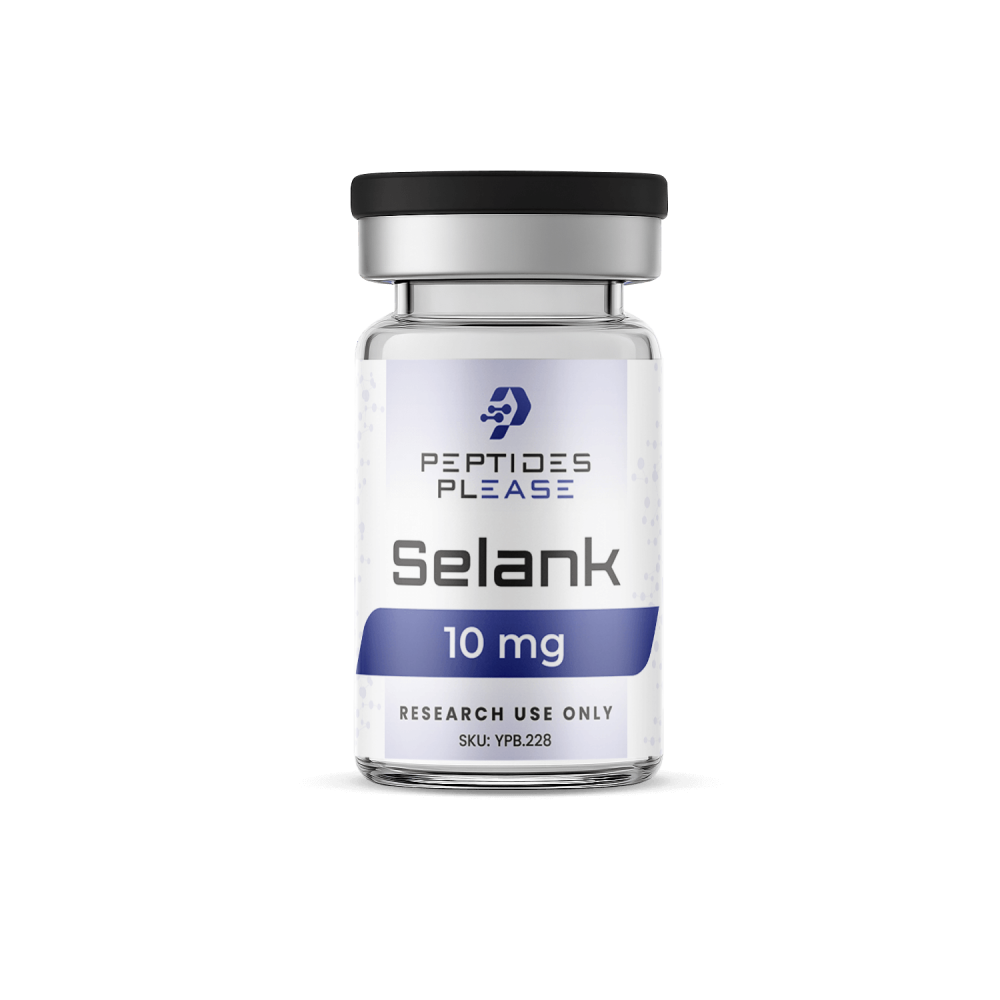 Popular PeptidesSelank (10mg)
Peptides for stress are gaining attention as a promising approach to support mental health and overall well-being. These short chains of amino acids act as natural signaling molecules in the body, influencing the brain, hormones, and immune system. Through peptide therapy, researchers aim to restore balance to the body’s stress response, potentially improving sleep quality and reducing the negative effects of chronic stress. Unlike traditional medications, peptides may offer a more targeted and biologically compatible way to enhance resilience against daily emotional and physical pressures.
Furthermore, certain peptides have been shown to promote brain function and cognitive function by boosting brain-derived neurotrophic factor (BDNF) — a vital protein responsible for supporting neuron health and growth. By enhancing communication between brain cells, peptide therapy may sharpen focus, uplift mood, and protect against stress-related decline. As science continues to uncover their potential, peptides for stress represent a modern, science-backed tool for optimizing both body and mind in the ongoing pursuit of mental balance and peak performance.
What Are the Best Peptides for Stress?
Selank and Semax stand out as top peptides for reducing stress and anxiety by modulating neurotransmitters like GABA, serotonin, and dopamine without causing sedation. DSIP promotes deep sleep and lowers cortisol, aiding stress recovery, while Oxytocin enhances emotional calm and social bonding. Other options like Sermorelin and BPC-157 support resilience through hormone balance and inflammation reduction.
- Selank: Reduces anxiety comparable to benzodiazepines, boosts mood via serotonin/dopamine regulation, and enhances cognition.
- Semax: Improves mental clarity, emotional stability, and BDNF levels to counter stress-induced mood issues.
- DSIP: Induces delta sleep, balances the HPA axis, and cuts chronic stress effects like insomnia.
- Oxytocin: Attenuates stress by downregulating the HPA axis and boosting serotonin/dopamine.
- NAD+: Boosts cellular energy, fights oxidative stress, and regulates circadian rhythms for better resilience.
- Sermorelin: Enhances growth hormone for mood stability, sleep, and cortisol control.
- BPC-157: Reduces neuroinflammation and supports brain repair under stress.
- Pep14/Pep21: From fermented milk, regulate the gut-brain axis to prevent anxiety-like behavior in stress models.
Find Reliable Peptide Products for Research at Peptides Please
Discover high-quality peptide products for research on stress at our website, where our specialized peptides for stress are designed to support studies involving the immune function, central nervous system, and overall stress responses. Our peptides are formulated to help researchers better understand how the immune response interacts with neural pathways and how molecules can cross the blood-brain barrier to influence key biological processes. Explore our reliable selection today and elevate your research with confidence in purity, efficacy, and scientific integrity.
How Do Peptides Help in Stress Management and Relief
Peptides aid stress management by modulating cortisol levels, balancing neurotransmitters like serotonin and dopamine, and supporting the HPA axis for natural resilience rather than symptom suppression. They reduce neuroinflammation, enhance sleep, and counteract brain fog, promoting emotional balance and recovery.
- Cortisol Regulation: Peptides like Selank and bioactive collagen types lower excessive cortisol spikes, preventing mood disruption and fatigue from chronic stress.
- Neurotransmitter Balance: They stabilize dopamine and serotonin, boosting motivation and emotional stability without sedation.
- HPA Axis Support: Peptides restore the hypothalamic-pituitary-adrenal response, reducing overactivation during prolonged stress.
- Inflammation Reduction: BPC-157 decreases neuroinflammation tied to anxiety and cognitive decline.
- Sleep Improvement: DSIP and Epitalon promote deep restorative sleep and circadian rhythm regulation, essential for stress recovery.
- Brain Function Boost: They enhance focus, memory, and clarity by countering stress-induced fog via neuroprotection.
Potential Benefits of Peptides for Stress
Peptides are short chains of amino acids that act as signaling molecules in the body. Current research suggests they may support stress management by influencing brain chemicals, hormones, and the body’s stress response system. However, these uses are still under investigation and not approved by the FDA for treating stress or mental health conditions.
Modulation of Neurotransmitters and Hormones
- Anxiety Reduction: Peptides like Selank and certain food-derived peptides may help reduce anxiety by boosting calming neurotransmitters such as serotonin and GABA.
- Mood Enhancement: Semax and Oxytocin are being studied for potential mood-lifting effects. Oxytocin, known as the “love hormone,” supports emotional well-being and social bonding.
- Cortisol Regulation: Chronic stress can raise cortisol (the “stress hormone”) levels. Peptides such as glycine from collagen may help maintain balanced cortisol levels.
- Improved Sleep Quality: Peptides like Delta Sleep-Inducing Peptide (DSIP) and growth hormone–stimulating peptides (e.g., CJC-1295, Ipamorelin) may promote better, deeper sleep—key for stress recovery.
Neuroprotection and Brain Function
- Brain Protection and Repair: Some peptides support brain health by encouraging new neuron growth and protecting brain cells from damage.
- Enhanced Cognitive Function: Certain peptides may boost focus, clarity, memory, and resilience under stress.
- Reduced Neuroinflammation: Anti-inflammatory peptides may help decrease inflammation in the brain, which is linked to mood issues and mental fatigue.
Peptides for Stress Relief
Peptides are short chains of amino acids that function as signaling molecules in the body. Research suggests they may help manage stress by regulating brain chemistry and restoring balance in systems disrupted by chronic stress. While promising, these effects are still under study and not yet FDA-approved for stress treatment.
- Regulating the HPA Axis: Peptides can help balance the hypothalamic-pituitary-adrenal (HPA) axis, which controls the body’s stress response. This supports healthy cortisol levels and reduces the effects of prolonged “fight or flight” activation.
- Balancing Neurotransmitters: Some peptides influence key brain chemicals such as serotonin, dopamine, and GABA, promoting calmness, motivation, and emotional balance—without the sedative or addictive effects of traditional medications.
- Neuroprotection and Brain Repair: Chronic stress can harm brain cells. Peptides that boost Brain-Derived Neurotrophic Factor (BDNF) encourage neuron repair, growth, and adaptability, helping the brain stay resilient under stress.
- Reducing Inflammation: Peptides may lower inflammation and oxidative stress throughout the body, which are linked to anxiety, depression, and cognitive decline caused by chronic stress.
- Improving Sleep: Restful sleep is essential for recovery. Peptides like Delta Sleep-Inducing Peptide (DSIP) and Sermorelin can help regulate sleep cycles and promote deeper, more rejuvenating rest.
Peptides for Stress Management
Peptides, short amino acid chains acting as body messengers, play a crucial role in stress management by supporting hormonal balance, brain health, and emotional stability. These naturally occurring or synthetic peptide compounds help regulate cortisol levels, stabilize mood neurotransmitters like serotonin and dopamine, and improve sleep quality—making them useful for individuals struggling with poor sleep or brain fog. Specific peptides such as CRF, NPY, 5-HT, BPC 157, Selank, and GLP-1s show promise in modulating sensory neurons and protecting brain cells from stress-induced damage. Essentially, peptides work by enhancing the body’s natural resilience to stress, improving cognitive clarity, and promoting calmness without the side effects commonly found in traditional pharmaceuticals.
Peptides for Stress and Anxiety
Peptides are being researched for their potential to help manage stress and anxiety by acting as signaling molecules in the body and brain. Specific peptides like Selank, Semax, and Oxytocin have shown promising anxiolytic (anti-anxiety) and antidepressant-like effects in both animal and clinical trials, often by modulating neurotransmitters such as GABA, serotonin, and dopamine, as well as influencing physiological processes like the hypothalamic-pituitary-adrenal (HPA) axis to regulate the body’s stress response system.
Naturally occurring peptides, including Neuropeptide Y (NPY), play roles in resilience to chronic stress and are implicated in conditions like posttraumatic stress disorder (PTSD) and major depression, where altered levels in plasma or cerebrospinal fluid correlate with symptom severity. These synthetic and endogenous peptides offer therapeutic potential without the sedation of traditional benzodiazepines, supporting emotional stability, cognitive function, and recovery from stress-related disorders.
Peptides for Stress and Depression
Peptides offer promising therapeutic potential for managing stress and depression by modulating key neurotransmitters like serotonin and dopamine, regulating stress hormones via the HPA axis, and supporting brain health through pathways such as the gut-brain axis. Examples include Semax and Selank, which exhibit anxiolytic and antidepressant effects comparable to benzodiazepines, enhancing memory, cognitive function, and resilience while reducing anxiety without significant side effects, and Oxytocin, which promotes social bonding, emotion regulation, and mood stabilization in those with altered receptor function. Neuropeptides like hypocretin, MCH (which antagonizes HPA activation and shows antidepressant potential in models), and MIF-1 further influence these processes, while food-derived peptides provide natural anxiolytic support by targeting inflammation and neurotransmitter production, though ongoing research underscores the need for more clinical validation.
Peptides for Stress Fractures
Peptides demonstrate significant promise for stress fracture healing by stimulating osteogenesis, reducing inflammation, and enhancing tissue repair through targeted biological pathways. Key candidates like BPC-157 promote angiogenesis, collagen synthesis, and rapid tendon-to-bone healing in animal models, while Osteogenic Growth Peptide (OGP) activates osteoblast proliferation and mineralization to accelerate bone regeneration. Engineered peptides such as Ab46-D-Glu20 further show enhanced bone formation and pain resolution in preclinical studies by mimicking growth factors, though comprehensive human trials remain essential to validate safety, optimal dosing, and long-term efficacy for clinical adoption.
Medical Consensus on the Use of Peptides for Stress Management and Relief
There is no official medical consensus from major regulatory bodies like the FDA endorsing synthetic peptides for stress management and relief in routine clinical practice, as most remain experimental without large-scale, long-term human trials establishing definitive safety and efficacy. While peptides such as Semax, Selank, and Oxytocin demonstrate promise in preclinical and small-scale studies for modulating neurotransmitters, reducing anxiety, and supporting HPA axis regulation, regulatory approval is limited to specific indications unrelated to stress, with many available only through research channels or compounding pharmacies. Ongoing research highlights potential benefits via gut-brain axis influences and neuroprotection, but experts emphasize the need for rigorous RCTs to address variability in dosing, side effects, and individual responses before broader clinical adoption.
Associated Risks and Side Effects
Peptides for stress management, like Selank or BPC-157, pose risks due to lack of FDA approval, unknown long-term effects, and unregulated sources. Side effects are often mild but include injection reactions and GI issues, while serious risks involve hormonal disruptions and organ strain.
Common Side Effects
- Injection site reactions: Redness, pain, itching, swelling, or bruising.
- Gastrointestinal issues: Nausea, vomiting, diarrhea, or abdominal pain.
- Systemic symptoms: Headaches, dizziness, fatigue, or flu-like symptoms.
- Physical changes: Water retention, appetite/metabolism shifts, or joint pain.
Key Risks
- Hormonal imbalances: Mood swings, anxiety, or reduced sexual function from endocrine disruption.
- Allergic reactions: Hives to severe immune responses.
- Cardiovascular issues: Blood pressure fluctuations, heart rate changes, or palpitations.
- Organ strain: Liver/kidney dysfunction from high doses or misuse.
- Contamination: Impurities, endotoxins, or mislabeling from unregulated products.
Long-Term Concerns
- Unknown safety: Limited human studies on cancer risk, metabolism, or dependence.
- Potential tumor growth: Insulin resistance or promotion from growth hormone peptides.
- Psychological dependence: Reliance on effects despite no chemical addiction.
Explore Trusted Peptide Products Designed for Research from PeptidesPlease
Explore trusted peptide products designed specifically for research focused on stress and its biological effects on our website. Our collection features high-quality, lab-tested peptides that support advanced scientific studies into stress response, regulation, and recovery. Each product is carefully sourced to ensure purity, consistency, and reliability, giving researchers the confidence to achieve accurate and reproducible results. Discover how our peptides can enhance your research and help uncover new insights into stress management and overall well-being.
Frequently Asked Questions
What peptides help with stress?
Selank, Semax, PE-22-28, and oxytocin are among the peptides commonly researched for helping reduce stress by modulating neurotransmitters like GABA and serotonin, stabilizing mood, and lowering cortisol levels.
What peptide lowers cortisol?
Selank and DSIP are peptides known to lower cortisol levels by modulating the HPA axis, reducing stress responses, and normalizing hormone secretion in stressed individuals.
Does BPC 157 help with stress?
Yes, BPC-157 helps with stress by exhibiting anxiolytic effects in animal models, boosting serotonin production to improve mood, reducing neuroinflammation, and counteracting stress-induced behaviors like those in chronic unpredictable stress tests.
How do peptides reduce stress?
Peptides reduce stress by regulating the HPA axis to lower cortisol and ACTH levels, balancing neurotransmitters like serotonin, dopamine, and GABA for mood stability, reducing inflammation and oxidative stress, and modulating behavioral responses to promote calm and resilience.
Do peptides lower cortisol?
Yes, certain peptides like DSIP, Selank, nesfatin-1, nesfatin-1-like-peptide, and collagen peptides lower cortisol by modulating the HPA axis, inhibiting glucocorticoid receptor signaling, reducing ACTH and corticotropin levels, and counteracting stress-induced elevations.
Summary
Peptides show promising potential in managing stress by supporting the body’s natural balance of hormones and neurotransmitters. Certain bioactive peptides can influence brain pathways related to mood regulation, helping to reduce anxiety and promote relaxation. Their ability to modulate stress responses at the molecular level makes them an emerging focus in both scientific research and wellness applications, offering a more targeted approach than many conventional solutions.
Overall, while results from early studies on peptides for stress are encouraging, further research is needed to fully understand their safety, efficacy, and long-term effects. Integrating peptide-based approaches with healthy lifestyle habits—such as regular exercise, adequate sleep, and proper nutrition—may enhance their benefits in promoting mental well-being and resilience to stress.