Peptides for Lips
Showing all 3 results
-
-
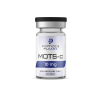
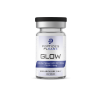
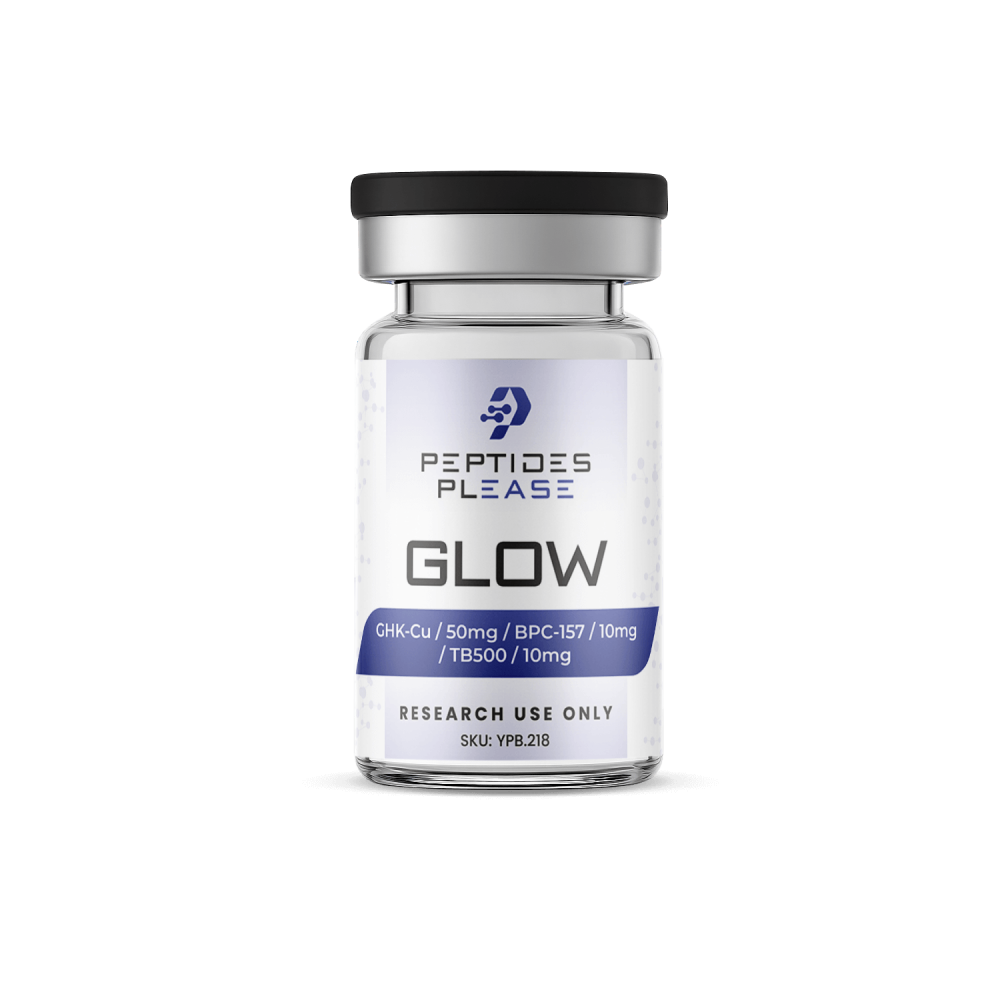 Peptide BlendsGLOW
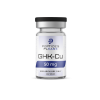
- GHK-Cu(50mg)
- BPC-157(10mg)
- TB500(10mg)
-
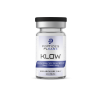
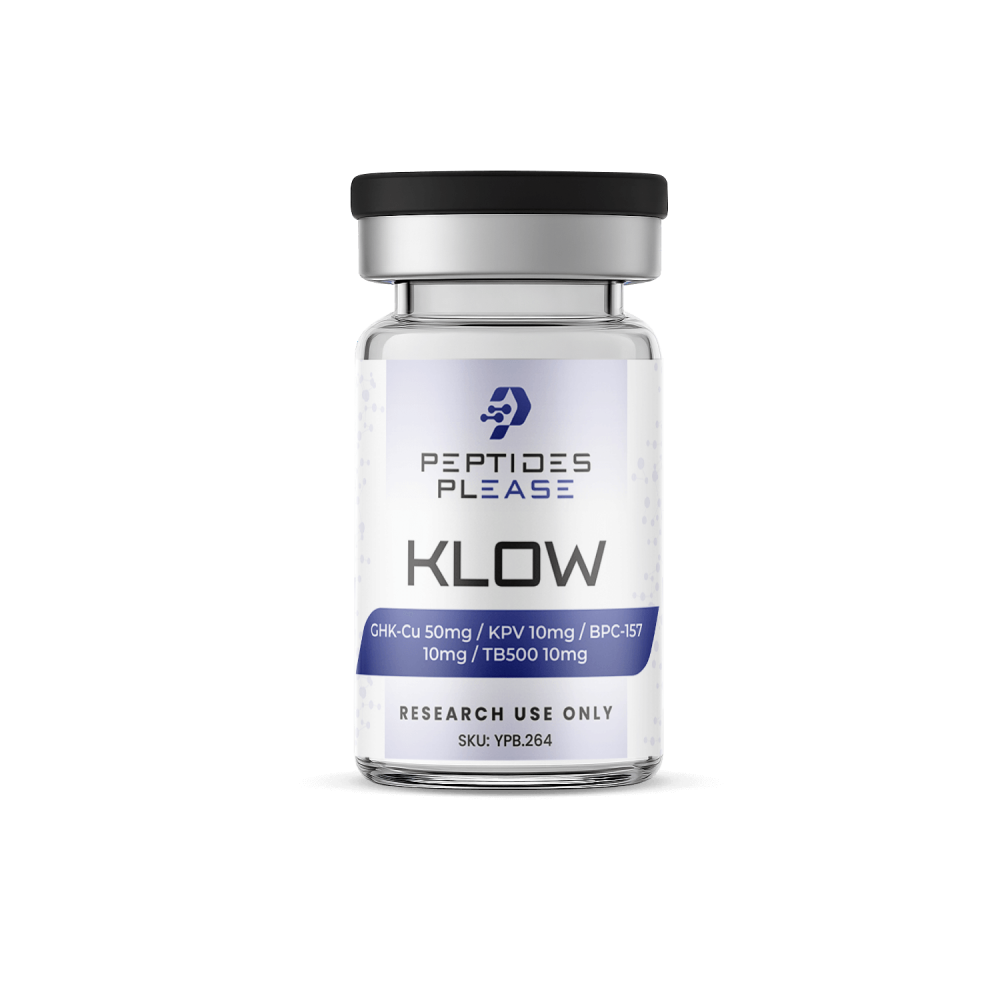 Peptide BlendsKLOW
- GHK-Cu(50mg)
- KPV(10mg)
- BPC-157(10mg)
- TB500(10mg)
Peptides for lips are the next big thing in lip care, offering deep nourishment and visible results beyond ordinary lip balm. A peptide lip treatment works to keep lips hydrated while boosting collagen production, helping to smooth lip lines and promote soft, plump lips. Infused with hyaluronic acid, a peptide lip formula replenishes moisture and repairs chapped or damaged lips, leaving them supple and healthy. Whether you struggle with chapped lips or simply want a luxurious lip treatment that enhances your natural pout, peptide-infused products deliver the perfect balance of care and rejuvenation.
What Are Peptides for Lips
A lip peptide is a skincare ingredient made of short amino acid chains designed to target and enhance the health of your lips. Unlike traditional balms that simply lock in moisture, peptide lip balms go deeper by helping stimulate collagen production, which improves lip texture, reduces fine lines, and restores firmness. These powerful ingredients act as nourishing agents, supporting the skin’s natural repair process and strengthening the moisture barrier for long-term lip health. Peptides work synergistically with other hydrating components such as mango seed butter and shea butter to deliver soft, smooth, and hydrated lips that look naturally plump and youthful.
Peptide-based formulas are an excellent solution for aging lips that have lost volume or elasticity over time. When infused into products like a lip mask or balm, these amino acid complexes help boost collagen levels, promoting fuller and healthier-looking lips with every use. Combined with rich emollients like mango seed butter and shea butter, peptides ensure deep hydration while improving the overall texture and suppleness of the lips. Over time, these nourishing treatments transform lips from dry and dull to smooth and rejuvenated, making them an essential part of any advanced lip care routine.
Understanding the Unique Skin of the Lips
Unlike the rest of the body’s skin, the lips possess distinct structural features that affect their appearance, sensitivity, and overall care needs.
- Thin Protective Layer: The skin on our lips is much thinner than the skin on our cheeks — only about 3 to 5 layers of cells compared to 16 or more elsewhere. Because of this, moisture escapes faster, making lips more prone to dryness and chapping.
- No Oil or Sweat Glands: The lips don’t have hair follicles, oil glands, or sweat glands. Since they can’t produce natural oils to keep themselves moist, they depend on outside care, like lip balm. Saliva doesn’t help either — it can actually dry the lips out more.
- Less Pigment Protection: Lips have fewer melanocytes, the cells that produce melanin or pigment. With less melanin, the lips are more vulnerable to sun damage and signs of aging.
- Natural Red Color: The pink or red tone of our lips comes from the thin, see-through skin and the many tiny blood vessels underneath. The color can change slightly depending on a person’s skin tone or even their emotions.
- Highly Sensitive: Lips contain many nerve endings, making them very sensitive to touch, heat, and pressure. This sensitivity helps with important functions like speaking, eating, and expressing emotions.
What Do Peptides Do for Lips
Peptides are short chains of amino acids that act like messengers, telling skin cells in the lips to produce more collagen and elastin. This extra support helps lips appear naturally plumper, firmer, and better defined while softening fine lines around the mouth. Peptides also support the lip’s moisture barrier, so lips stay hydrated, feel more comfortable, and become more resilient with regular use.
- Plumping and firming: Peptides encourage collagen and elastin production, which can add gentle volume and improve the firmness and shape of the lips over time.
- Hydration and barrier repair: By strengthening the lip’s natural barrier, peptides help lock in moisture, reduce dryness, and minimize chapping and peeling.
- Smoothing lines: Peptides support repair and renewal in the lip skin, softening vertical lines and creating a smoother, more even texture.
- More even tone: With ongoing use, peptides aid in regeneration, which can lead to a more even lip color and a healthier-looking finish.
- Healthier-looking color: Some peptide formulas can boost circulation at the surface, giving the lips a subtle, natural-looking flush without irritation.
Find Reliable Peptide Products for Research at Peptides Please
Discover reliable peptide products for research at our website, where high-purity options tailored for lip-related studies are available to support your scientific investigations. These research-grade peptides, synthesized with advanced protocols ensuring over 99% purity, enable precise exploration of lip enhancement mechanisms, such as collagen stimulation and hydration effects observed in cosmetic applications like plumping treatments. Ideal for labs studying peptides for lips, our catalog includes lab-tested vials with rigorous quality control, including HPLC verification and sterility checks, shipped quickly to meet demanding research timelines. Browse our selection today for consistent, reproducible results in neurobiology, dermatology, or metabolic peptide research focused on lip tissue dynamics.
Ongoing Research on the Use of Peptides for Lips
Ongoing research into peptides for lips highlights their potential as non-invasive agents in topical treatments, focusing on cosmetic enhancements without surgery. Studies demonstrate that specific peptides, such as palmitoyl tripeptide-1 and acetyl hexapeptide-8, stimulate collagen production and inhibit muscle contractions, leading to improved lip hydration, smoothness, and subtle plumping effects over consistent use. These formulations often combine peptides with hyaluronic acid to boost moisture retention and skin barrier function, with clinical trials showing visible improvements in lip texture and volume after 4-8 weeks.
Product development in this area is accelerating, with brands incorporating peptide complexes into balms and serums backed by emerging evidence from dermatological research. For instance, investigations published in recent years confirm that peptide-hyaluronic acid blends enhance lip tolerability and efficacy, reducing fine lines while promoting fuller appearance through sustained application. As research evolves, these innovations promise safer, more effective alternatives for lip augmentation, though long-term data continues to emerge from ongoing trials.
Peptides for Lips Benefits: Why Are Peptides Good for Lips
Peptides act as messengers, telling lip cells to make more collagen and elastin, which adds gentle plumpness, firmness, and better definition while softening fine lines. They also support the lip’s moisture barrier, helping it hold onto water more effectively so lips stay comfortable instead of dry, cracked, or flaky. Unlike spicy or stingy plumping products, peptide-based lip care works gradually from within, improving overall lip health and appearance over time without irritation.
- Plumpness and firmness: Peptides boost natural collagen and elastin, rebuilding structure and subtle volume so lips look fuller and less lined.
- Deep hydration: By strengthening the moisture barrier, peptides help lock in hydration and protect lips from dryness, peeling, and chapping, which is essential since lips lack oil glands.
- Smoother texture: Peptides support cell renewal and repair, which can even out tone, soften vertical lip lines, and create a smoother, softer-looking pout.
- Anti-aging support: Regular use helps counteract age-related collagen loss, maintaining natural plumpness, firmness, and definition without relying on temporary swelling.
- Enhanced repair: Peptides assist in tissue repair and resilience, so lips recover better from dryness, sun exposure, or irritation and look healthier overall.
What Are the Best Peptides for Lips
These key peptides and emollients work together to address the lips’ thin skin and lack of natural oils, providing targeted benefits without irritation. Common ones include palmitoyl tripeptide-1 for structure and hydrolyzed collagen for absorption, often paired with butters and barrier boosters.
- Palmitoyl Tripeptide-1: A signaling peptide that stimulates collagen production, helping lips gain elasticity, subtle fullness, and reduced fine lines over time.
- Shea Butter & Mango Seed Butter: Rich emollients that deliver deep moisture, soften texture, and repair the lip barrier to prevent dryness and cracking.
- Ceramides & Squalane: Essential lipids that seal in hydration, reinforce the skin’s protective layer, and keep lips supple even in harsh conditions.
- Hydrolyzed Collagen Peptides: Broken-down collagen that’s easily absorbed, supporting lip structure, firmness, and a plumper appearance from within.
Collagen Peptides for Lips
Collagen peptides for lips function by signaling fibroblasts in the skin to ramp up natural collagen synthesis, resulting in smoother, fuller lips with enhanced hydration, diminished fine lines, and refined texture over time. This non-invasive approach strengthens the delicate lip barrier, locks in moisture, and promotes repair, effectively combating dryness, thinning, and age-related volume loss without the irritation often associated with traditional plumpers. Incorporated into balms, glosses, and serums, these peptides deliver a subtle, natural-looking plumping effect through consistent application, making them a preferred choice for daily lip care routines focused on long-term rejuvenation.
Hyaluronic Acid and Peptides for Lips
Hyaluronic acid (HA) and peptides form a powerful duo for lip care, combining HA’s immediate hydration and plumping effects with peptides’ long-term collagen-boosting support to deliver smoother, fuller, and less-lined lips. HA acts as a moisture magnet, drawing in water for instant volume and softness without irritation, while peptides signal skin cells to enhance collagen production and strengthen the lip barrier for sustained firmness and texture improvement. Together, they outperform either ingredient alone by first hydrating the delicate lip area and then promoting repair and resilience, resulting in a plump, youthful appearance that combats dryness, thinning, and aging signs over consistent use.
Medical Consensus on the Use of Peptides for Lips
Peptides enjoy strong support from medical experts for their role in lip health, acting as non-invasive boosters for collagen, elastin, and moisture without side effects. They are often recommended over irritants for long-term results.
- Collagen and elastin boost: These amino acid chains signal lip cells to produce more structural proteins, improving firmness and elasticity over time.
- Better hydration and barrier: Peptides reinforce the lip’s thin moisture barrier, cutting water loss to prevent dryness, chapping, and peeling.
- Smoother fine lines: Consistent use softens vertical wrinkles and lines around the lips through gentle cell support and renewal.
- Natural plumping: They deliver subtle volume gradually, unlike stinging plumpers, for a fuller look without discomfort.
- Complements procedures: Experts suggest peptides as a follow-up to fillers, helping sustain results and overall lip resilience.
Associated Risks and Side Effects
Dermatologists consider topical peptides low-risk and well-tolerated for most people, especially compared to irritant-based plumpers. Side effects are rare and usually temporary, tied more to added flavors or spices than the peptides.
Common Side Effects
- Mild irritation: Redness, itching, or tingling may occur at first, particularly for sensitive skin, but often fades quickly.
- Dryness or chapping: Irritants like menthol in some formulas can dry out lips, leading to cracks if overused.
- Rare allergies: Swelling or hives from a specific ingredient, though peptides themselves seldom cause this—patch test first.
Key Risks to Consider
- Personal sensitivity: Reactions vary, so test on the inner arm before full use.
- Unrealistic results: Peptides offer gradual improvements, not instant filler-like volume.
- Avoid non-topicals: Stick to creams; injectables or oral peptides lack FDA approval for lips and pose higher risks like infections or imbalances.
Explore Trusted Peptide Products Designed for Research From Peptides Please
Explore trusted peptide products designed specifically for research purposes, available directly from our website. These high-purity peptides, synthesized with rigorous quality controls, support advanced studies in lip tissue regeneration, collagen stimulation, and anti-aging mechanisms, ensuring reliable results for scientific applications. Researchers appreciate our commitment to compliance with regulatory standards and batch-to-batch consistency, making our offerings ideal for exploring innovative therapies without compromising on efficacy or safety. Visit today to browse our catalog and elevate your peptide-based investigations.
Frequently Asked Questions
Are peptides good for your lips?
Yes, peptides are good for lips as they boost collagen production for plumper, smoother texture, enhance hydration to prevent dryness and chapping, and reduce fine lines for a youthful appearance.
Do peptides plump lips over time?
Yes, peptides plump lips over time by stimulating collagen and hyaluronic acid production, leading to fuller volume and smoother texture with consistent use over 2-8 weeks.
Is peptide lip treatment worth it?
Yes, peptide lip treatments are worth it for their proven benefits in hydrating, plumping, and smoothing lips over time with consistent use, outperforming basic balms according to dermatologists and user reviews.
What peptide is best for lips?
Matrixyl 3000 (palmitoyl tripeptide-1 and palmitoyl tetrapeptide-7) is considered the best peptide for lips as it effectively stimulates collagen production, reduces wrinkles, and enhances plumpness and hydration.
What do peptides do for your lips?
Peptides boost collagen and elastin production in lips for plumper volume and firmness, enhance hydration to reduce dryness and chapping, smooth texture by minimizing fine lines, and provide long-term anti-aging benefits with consistent use.
Are ceramides or peptides better for lips?
Peptides are better than ceramides for lips if seeking plumping, anti-aging, and collagen-boosting effects, while ceramides excel at barrier repair and immediate hydration; using both together provides optimal complementary benefits.
Can I put peptide serum on my lips?
Yes, you can safely apply peptide serum to your lips as peptides are gentle, low-risk ingredients that hydrate, plump, and repair the delicate lip skin when used as a leave-on treatment, though patch-test first and avoid irritants in the formula.
How do peptides work on lips?
Peptides work on the lips by acting as signaling molecules that penetrate the skin to stimulate fibroblasts, boosting collagen and elastin production for plumper volume and firmness, enhancing hydration through improved barrier function, and promoting cellular repair to smooth fine lines and texture over time.
Are peptides safe in lip balm?
Yes, peptides are safe in lip balm as they are low-risk, gentle ingredients that provide hydration and repair without significant irritation for most users, though patch-test and check for other additives like fragrances.
Do hyaluronic acid and peptides plump lips?
Yes, hyaluronic acid and peptides together plump lips by drawing in moisture for immediate hydration and fullness while stimulating collagen production for sustained volume and smoothness over time.
Do peptides make lips bigger?
Yes, peptides make lips appear bigger by stimulating collagen production and improving skin firmness for increased volume and plumper appearance over consistent use, though results are subtle compared to fillers.
What are the benefits of lip peptides?
Lip peptides offer benefits like boosting collagen for plumper volume and firmness, enhancing hydration to prevent dryness and chapping, smoothing texture by reducing fine lines, improving elasticity for resilience, and providing long-term anti-aging effects with consistent use.
When to use lip peptide?
Use lip peptide treatments morning and night after cleansing for optimal hydration and repair, reapply throughout the day as needed for dryness or protection, and incorporate overnight masks for enhanced plumping and smoothing results.
Is collagen peptide good for lips?
Yes, collagen peptides are good for lips as they stimulate collagen production for plumper volume and firmness, enhance hydration to reduce dryness and fine lines, and improve elasticity for a smoother, more youthful appearance.
What does collagen peptide do for lips?
Collagen peptides enhance lip fullness and firmness by signaling skin cells to produce more collagen and elastin, improve hydration to reduce dryness and fine lines, and strengthen the moisture barrier for smoother, more youthful lips over time.
Do peptides lighten lips?
No, peptides do not directly lighten lips as they are not bleaching agents, but they can improve even tone and vibrancy indirectly by boosting collagen, repairing damage, enhancing hydration, and reducing pigmentation appearance from dryness over time.
Summary
Peptides for lips are small chains of amino acids that help stimulate collagen and elastin production, two key proteins responsible for the firmness and smoothness of the skin. When applied through lip balms or serums, these peptides can help reduce fine lines, improve hydration, and give lips a naturally plumper and more youthful look without the need for cosmetic injections. Because they support the skin’s natural repair process, peptides also enhance the overall texture and resilience of the delicate lip area.
Many lip care products today combine peptides with moisturizing ingredients such as hyaluronic acid, shea butter, or ceramides to maximize their benefits. This combination not only helps improve lip volume but also protects against dryness and environmental stress. Regular use of peptide-infused lip products can lead to softer, smoother lips over time, making them a popular choice for people seeking a fuller appearance through skincare rather than cosmetic procedures.