Peptides for Libido
Showing all 3 results
-
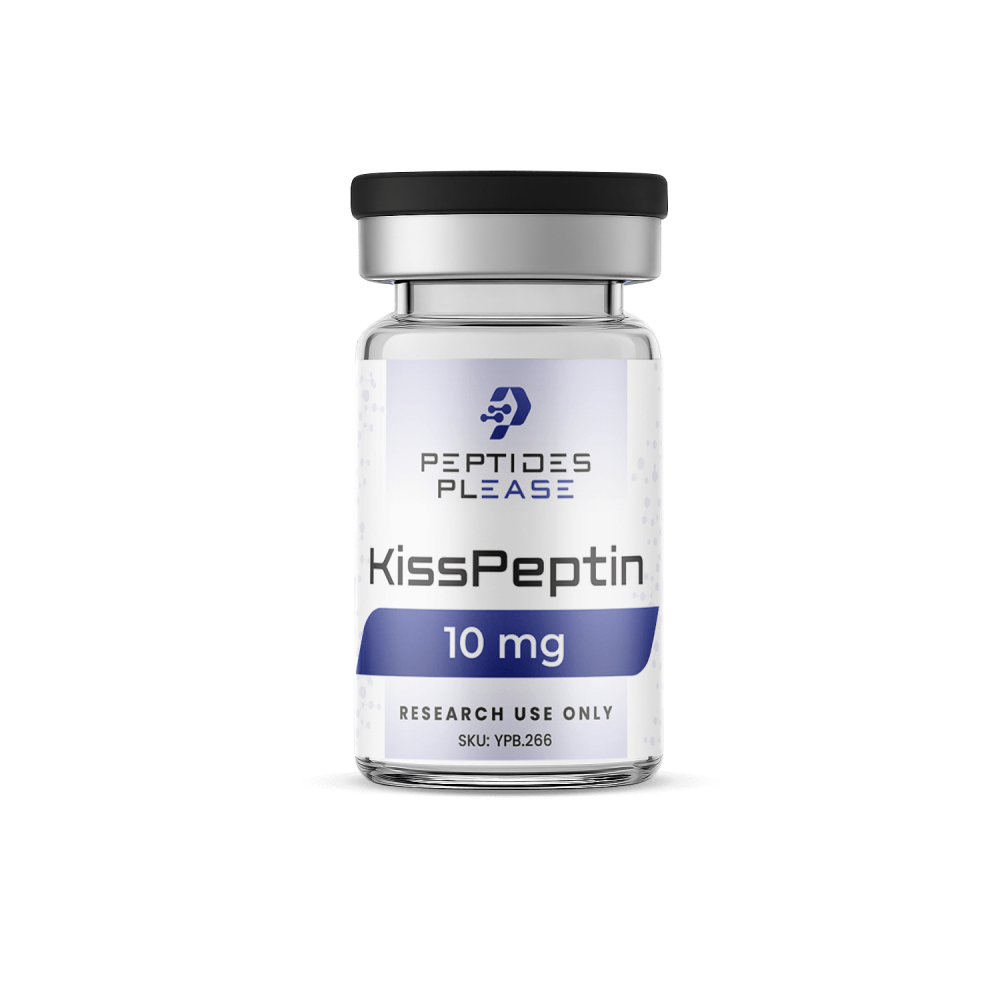 KisspeptinKissPeptin (10mg)
 -
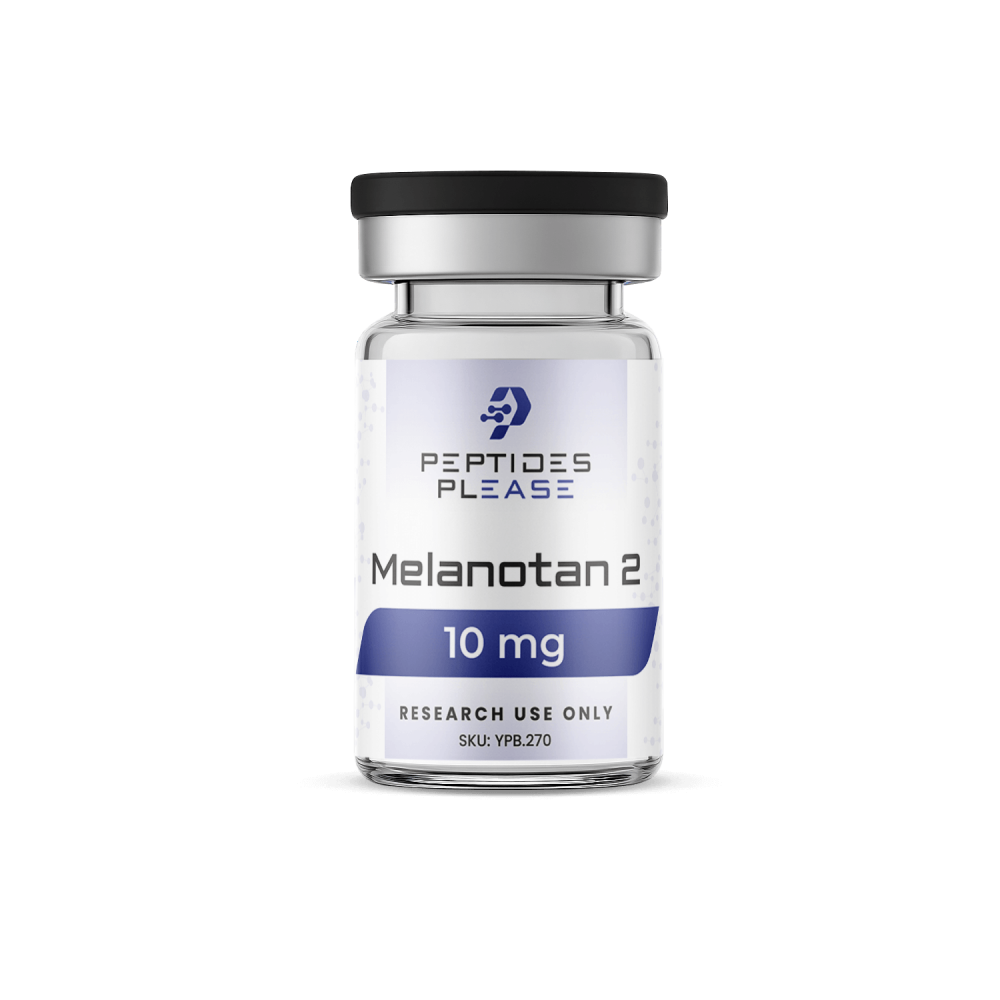 Melanotan 2Melanotan 2 (10mg)
 -
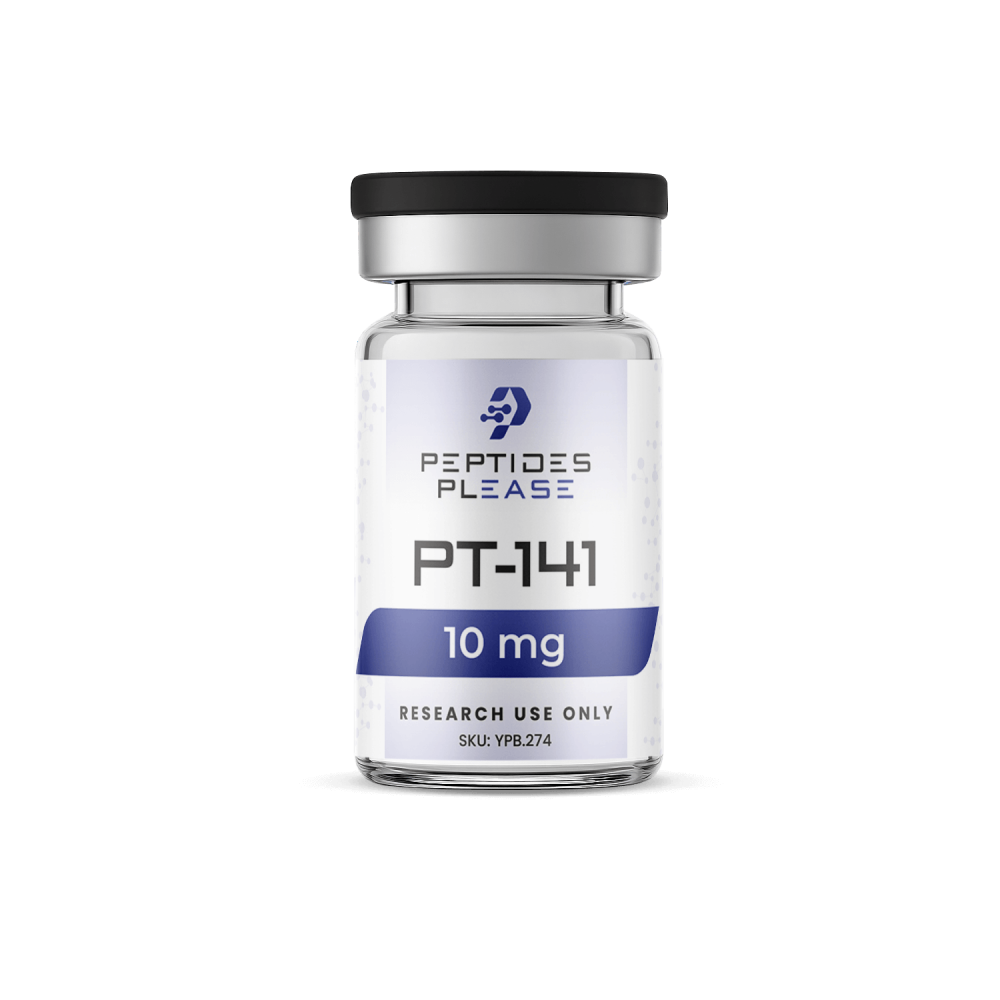 Melanotan PeptidesPT-141 (10mg)
Peptides for libido represent an innovative approach to enhancing sexual desire and addressing sexual dysfunction in both men and women. These short chains of amino acids, such as PT-141 (bremelanotide) and kisspeptin, target brain receptors like melanocortin pathways to boost sexual arousal directly, unlike traditional treatments that primarily focus on blood flow.
For conditions like hypoactive sexual desire disorder, female sexual dysfunction, and erectile dysfunction, peptides offer potential in treating sexual dysfunction by stimulating hormone release and improving sexual health. PT-141, FDA-approved for premenopausal women with hypoactive sexual desire disorder, activates central nervous system pathways to increase sexual desire without relying solely on vascular effects, while options like kisspeptin show promise in clinical trials for enhancing brain responses to erotic stimuli.
Best Peptides for Libido
Top peptides like PT-141 and Sermorelin show promise for enhancing libido by targeting brain receptors, growth hormone release, and hormonal pathways. These options work differently from traditional ED drugs by addressing desire at its source rather than just blood flow. Always consult a healthcare provider before use, as they are not all FDA-approved for this purpose and may have side effects.
- PT-141 (Bremelanotide): PT-141 activates melanocortin receptors in the brain to boost sexual arousal and desire in both men and women. FDA-approved for premenopausal women with hypoactive sexual desire disorder (HSDD), it also aids men with low libido and erectile challenges, often working within 30-60 minutes. Common side effects include nausea, flushing, and headaches.
- Sermorelin: Sermorelin stimulates the pituitary gland to increase growth hormone (GH) levels, improving energy, body composition, and libido. It supports healthy hormone balance, leading to better sexual function, stamina, and vitality without direct testosterone replacement. Users often report enhanced sex drive as GH rises.
- Kisspeptin: Kisspeptin triggers gonadotropin-releasing hormone (GnRH), boosting luteinizing hormone (LH), follicle-stimulating hormone (FSH), and testosterone for improved attraction and arousal. Clinical trials show it enhances penile tumescence by up to 56% and sexual brain processing in men with low desire. It links ovulation, behavior, and nitric oxide for sexual function.
- Ipamorelin & CJC-1295: These growth hormone-releasing peptides elevate GH to increase energy, sleep quality, stamina, and libido. Ipamorelin provides moderate testosterone support with minimal side effects, while CJC-1295 offers significant boosts for muscle, fat loss, and sexual health. Often combined, they enhance overall vitality and performance.
- BPC-157: BPC-157 promotes healing, nerve regeneration, and vascular health, aiding recovery after sexual activity and potentially supporting erectile function. It reduces inflammation and oxidative stress without causing ED, though direct evidence is limited. Best for overall well-being rather than primary arousal.
Find Reliable Peptide Products for Research at Peptides Please
Find reliable peptide products for research at our website, specializing in peptides for libido that may help address male sexual dysfunction and enhance sexual arousal. Our carefully formulated compounds are designed to support studies exploring peptide therapy applications aimed at improving sexual satisfaction and overall vitality. Researchers trust our selection for its quality and purity, ensuring consistent results when examining peptides that also interact with factors such as blood pressure regulation and hormonal balance. Visit us today to discover dependable research-grade peptides you can count on.
How Do Peptides Help to Enhance Libido
Peptides like PT-141 (Bremelanotide) enhance libido by activating melanocortin receptors, particularly MC3R and MC4R, in the brain’s hypothalamus, which stimulates dopamine release and directly boosts sexual desire and arousal in the central nervous system. This mechanism differs from erectile dysfunction drugs like Viagra, which primarily improve blood flow rather than targeting psychological or motivational aspects of libido. Effects often begin within 30 to 60 minutes, making it suitable for both men and women, including off-label use in men.
Other peptides, such as Sermorelin, indirectly support libido by stimulating the pituitary gland to increase natural human growth hormone (hGH) production, which can improve energy, mood, and hormone balance linked to sexual function. These treatments can enhance intimacy and confidence, but potential side effects include nausea, flushing, headaches, and injection site reactions, so medical consultation is essential before use. Always discuss with a healthcare provider to weigh benefits against risks.
Peptides for Libido Research
Peptides are showing promise in libido research, especially PT-141 (Bremelanotide), a synthetic peptide composed of amino acids that stimulates melanocortin receptors in the brain to increase sexual desire and arousal in men and women, working differently from traditional ED drugs by targeting central nervous system pathways for enhanced sexual response. Another key peptide, kisspeptin, activates the body’s reproductive axis, boosting brain activity related to sexual response and showing potential for treating low desire, particularly by enhancing hippocampal activity and penile tumescence in those with hypoactive sexual desire disorder.
Research also points to Melanotan II for increasing desire and arousal through dopamine release and neurological pathways, while Oxytocin supports hormonal balance, emotional bonding, and orgasmic intensity, offering alternatives to improve sex life, address psychological factors, and foster a satisfying intimate life.
Peptides for Libido Men
For men’s libido, PT-141 (Bremelanotide) stands out as a key peptide that works in the brain to boost desire and arousal by activating melanocortin receptors, differing from ED medications focused on the vascular system and blood vessels for enhanced blood flow. Other peptides like Kisspeptin-10, which stimulates LH and testosterone pathways for improved sexual performance, Gonadorelin to support natural testosterone production and fertility, and Oxytocin via neural connections to facilitate erection and copulatory activity, also enhance desire and function, often administered through subcutaneous injection or nasal spray. While effective as alternatives to other treatments like PDE-5 inhibitors, potential side effects such as nausea, headaches, flushing, or injection site reactions necessitate professional consultation, particularly for women seeking similar benefits.
Peptides for Low Libido in Men
PT-141 (Bremelanotide) emerges as a premier peptide for addressing low libido in men, targeting the brain to heighten desire and arousal via melanocortin receptor activation, fostering emotional connection and enhancing physical function through various physiological processes, in contrast to ED drugs that mainly increase blood flow. Supporting peptides such as Kisspeptin-10, which boosts LH and testosterone pathways, Gonadorelin for reproductive hormone support and sexual health, and Oxytocin for aiding ejaculation, neural connections, and sexual behavior, further promote desire and function. Administered typically via injection or nasal spray, these options carry potential side effects like nausea, headaches, flushing, or injection reactions, underscoring the need for professional medical consultation.
Peptides for Libido Women
PT-141, also known as Bremelanotide and FDA-approved as Vyleesi for premenopausal women with hypoactive sexual desire disorder (HSDD), stands out as the primary peptide for enhancing female libido by targeting the brain’s melanocortin receptors to boost desire and arousal, unlike blood flow-focused drugs such as Viagra. It can be administered via subcutaneous injection or nasal spray, with effects noticeable in 30-60 minutes, and clinical trials confirm its ability to reduce sexual distress and improve satisfaction. Peptides like CJC-1295 and Ipamorelin, often combined, indirectly support libido by elevating growth hormone levels, which enhance energy, mood, sleep quality, body composition, and even testosterone production. Emerging research on Kisspeptin also highlights its potential to amplify sexual motivation, attraction, brain processing, and hippocampal activity in women with low desire.
Peptides for Low Libido in Women
Bremelanotide, known as PT-141 and marketed as the FDA-approved Vyleesi, serves as the leading peptide for addressing low libido in women, particularly premenopausal individuals with hypoactive sexual desire disorder (HSDD), by activating brain arousal pathways through melanocortin receptors rather than enhancing blood flow like traditional treatments. Delivered via subcutaneous injection or nasal spray, it effectively heightens sexual desire and satisfaction, with noticeable effects within 30-60 minutes. Kisspeptin injections offer emerging potential by stimulating natural brain regions tied to attraction and motivation, while Tirzepatide demonstrates indirect benefits for sexual function through its role in weight loss and metabolic improvements.
Medical Consensus on the Use of Peptides for Libido
Medical consensus identifies bremelanotide (PT-141, brand name Vyleesi) as the sole FDA-approved peptide for treating hypoactive sexual desire disorder (HSDD) in premenopausal women. Other peptides like kisspeptin and oxytocin show research promise but lack broad approval for libido enhancement.
- Bremelanotide (PT-141): Bremelanotide activates melanocortin receptors in the central nervous system to boost sexual desire and arousal, differing from blood flow-focused drugs like Viagra. FDA-approved specifically for acquired, generalized HSDD in premenopausal women, it is self-administered via subcutaneous injection in the abdomen or thigh at least 45 minutes before anticipated sexual activity. Off-label use in men and postmenopausal women reports improved libido and erectile response, with common side effects including nausea, flushing, and headaches.
- Kisspeptin: Clinical trials demonstrate that kisspeptin enhances brain activity in sexual processing areas, increasing desire, arousal, and penile rigidity in men and women with HSDD. These effects position it as a potential future treatment, though it remains unapproved for clinical use.
- Oxytocin: Intranasal oxytocin, dubbed the “bonding hormone,” aids emotional connection, orgasm intensity, and stress-related libido indirectly in functional medicine settings. Studies show benefits for libido, erection, and orgasm, particularly in men, but long-term trials are needed for standard endorsement.
Associated Risks and Side Effects
Peptides for libido enhancement, like FDA-approved bremelanotide (PT-141), are generally well-tolerated but can cause mild side effects such as nausea and headaches, along with risks like blood pressure changes. Medical supervision is essential due to cardiovascular concerns and limited long-term data.
Common Side Effects
These effects are typically mild, temporary, and dose-dependent, affecting many users shortly after administration.
- Nausea (up to 40% of users).
- Flushing or warmth in the face and body (about 20%).
- Headaches (10-40%).
- Injection site reactions like redness, pain, or swelling (13%).
- Vomiting, dizziness, or fatigue (less frequent).
Key Risks
Improper use or underlying conditions heighten dangers, including cardiovascular strain from temporary blood pressure increases and heart rate drops.
- Avoid in those with heart disease or uncontrolled hypertension.
- Potential skin darkening or pigmentation changes.
- Allergic reactions (rare but serious, e.g., breathing issues).
- Hormonal disruptions or mood swings are possible with misuse.
Long-Term and Other Concerns
Limited studies show sustained efficacy over 52 weeks without new safety issues, but broader long-term effects remain unclear. Unregulated peptides risk contamination, mislabeling, or tolerance, leading to higher doses.
Explore Trusted Peptide Products Designed for Research from PeptidesPlease
Explore trusted peptide products designed for research, including those studied for libido enhancement like PT-141 (Bremelanotide), Kisspeptin-10, and Melanotan-2, available from our website that emphasize high-purity, lab-grade compounds with certificates of analysis for scientific integrity. These research peptides are rigorously tested for applications in preclinical models examining arousal, hormonal balance, and sexual wellness mechanisms, such as stimulating melanocortin receptors in the brain or boosting reproductive hormones like LH and testosterone, always strictly for laboratory use and not human consumption. Visit our site to browse USA-made, third-party verified options that support methodical research practices while ensuring compliance with safety protocols and avoiding unapproved therapeutic claims.
Frequently Asked Questions
What are peptides for female arousal?
Peptides like PT-141 (bremelanotide) and kisspeptin are used to treat hypoactive sexual desire disorder (HSDD) in women by stimulating brain receptors to boost libido, arousal, genital sensitivity, and orgasm intensity.
What are the best peptides for low libido?
PT-141 (Bremelanotide) stands out as the best peptide for low libido, as it stimulates brain receptors to boost sexual desire and arousal in both men and women, unlike ED drugs that focus on blood flow. Other effective options include Kisspeptin, which enhances sexual behavior, and Oxytocin or Pinealon for hormonal balance and vitality. Consult a healthcare provider before use, as peptides require professional oversight for safety and dosing.
What is the best peptide for women’s libido?
PT-141 (bremelanotide) stands out as the best peptide for enhancing women’s libido, as it directly stimulates brain pathways to boost sexual desire, arousal, and satisfaction, with FDA approval for hypoactive sexual desire disorder in premenopausal women.
Do peptides increase libido?
Yes, certain peptides like PT-141 (bremelanotide) and kisspeptin can increase libido by stimulating brain receptors involved in sexual desire and arousal, with clinical evidence showing enhanced sexual brain processing, penile tumescence, and behavioral measures of desire in men and women.
Summary
Peptides offer promising avenues for enhancing libido by targeting neural pathways and hormonal systems directly, distinguishing them from traditional treatments like PDE5 inhibitors that primarily address blood flow. Compounds such as PT-141 (bremelanotide) activate melanocortin receptors in the brain to boost sexual desire and arousal in both men and women, often within hours, while others like kisspeptin stimulate GnRH release to elevate LH, FSH, and sex steroids for sustained effects. Peptides like Ipamorelin and CJC-1295 further support this by promoting growth hormone and testosterone production, countering age-related declines in drive.
Despite their potential, peptides require medical oversight due to variability in administration (injections, inhalers), side effect profiles (e.g., nausea with PT-141), and limited long-term data compared to approved therapies. Functional medicine approaches highlight their role in holistic sexual wellness, improving not just libido but also emotional intimacy and overall vitality when combined with lifestyle factors. Consulting a healthcare provider ensures safe, personalized use tailored to individual needs.