Peptides for Hormone Balance
Showing the single result
-
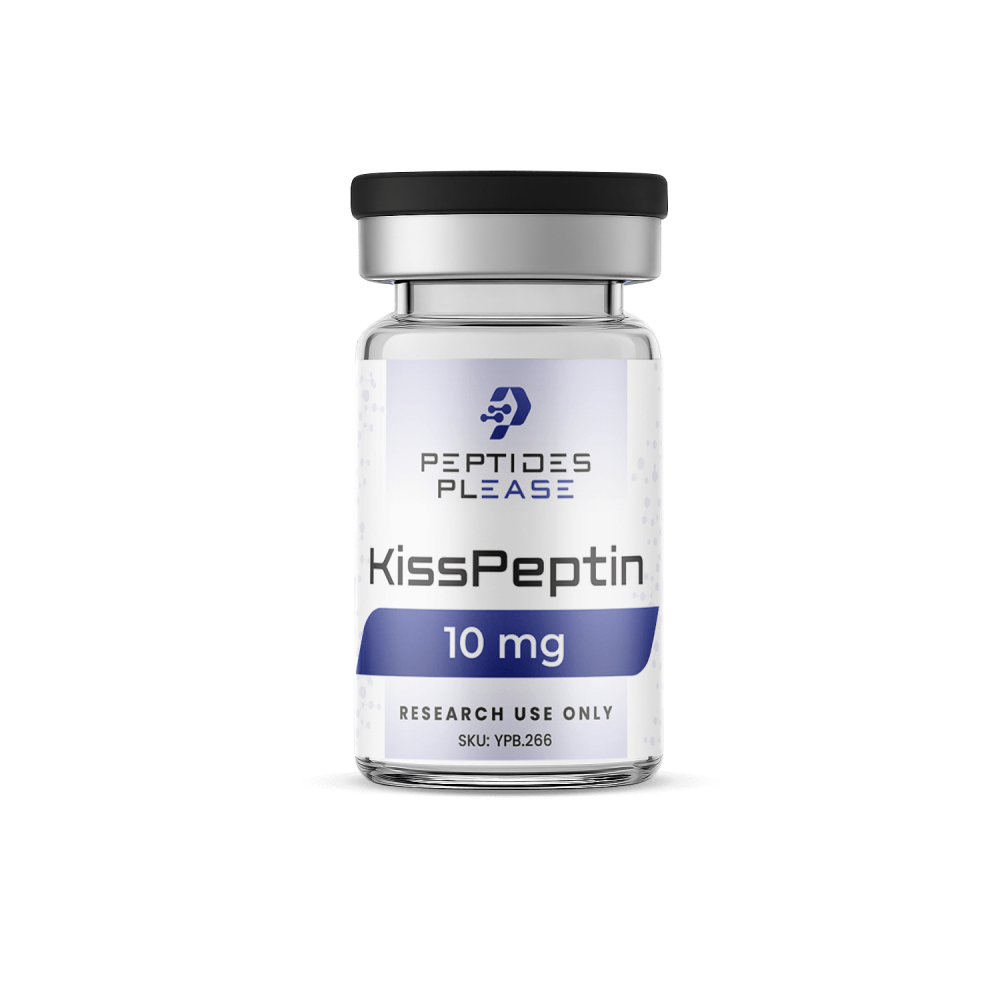 KisspeptinKissPeptin (10mg)
Peptides for hormone balance have gained significant attention in recent years as a safe and effective way to support overall wellness. These short chains of amino acids act as natural messengers in the body, signaling cells to produce specific hormones essential for energy, mood, and metabolism. Through peptide therapy, individuals can improve hormone production, support hormone replacement therapy, and enhance hormone therapy results. By optimizing hormonal function, peptides contribute not only to improved vitality but also to better skin health, recovery, and overall body composition.
In addition to balancing hormones, specific peptide treatments can aid in building lean muscle mass, supporting muscle growth, and controlling weight gain. These benefits make peptide therapy an appealing option for individuals looking to restore their body’s natural equilibrium while maintaining physical strength and youthful energy. Whether used alongside traditional hormone replacement therapy or as a standalone approach, peptides offer a targeted way to address hormonal issues at the root, helping the body regenerate, repair, and perform at its peak.
What are Peptides for Hormone Balance?
Peptides for hormone balance are short amino acid chains that act as signaling molecules, telling your body to produce or regulate its own hormones naturally. These specific peptides communicate with the pituitary gland to stimulate growth hormone secretion, helping restore optimal hormone levels that decline with age or chronic stress. By encouraging the body’s own production rather than replacing hormones directly, peptides can improve essential processes such as tissue repair, collagen production, and metabolism, leading to enhanced vitality and better physical recovery.
Using growth hormone-releasing peptides as part of a personalized treatment plan can significantly improve overall well-being and quality of life. These compounds are often sought by individuals experiencing fatigue, muscle loss, or weight gain due to hormonal imbalance. By supporting natural growth hormone production, peptides help increase lean muscle, reduce fat, and promote healthier sleep cycles. Many people view peptide therapy as a balanced, science-backed way to restore energy and resilience — a gentle alternative or complement to traditional hormone replacement therapies.
Find Reliable Peptide Products for Research at PeptidesPlease
Discover trusted, lab-tested peptide products for your research at our website—your reliable source for innovative solutions targeting hormone balance and overall wellness. Our high-quality peptides support studies focused on improving insulin sensitivity, enhancing the immune response, boosting sexual health, stabilizing mood swings, and increasing energy levels. Researchers also explore peptides that influence human growth hormone regulation, providing valuable insight into how these compounds may contribute to optimal metabolic and hormonal function.
Ongoing Research on Peptides and Hormone Regulation
Research on peptides and hormone regulation is rapidly advancing, with the goal of developing new treatments for metabolic disorders, cancer, and age-related conditions. Peptides act as vital regulators in the body, functioning as hormones, neurotransmitters, and growth factors that influence numerous biological processes.
Metabolic Disorders and Obesity
A major focus of current research is on gut-derived peptides such as glucagon-like peptide-1 (GLP-1) and glucose-dependent insulinotropic peptide (GIP) agonists, which are proven effective in treating type 2 diabetes and obesity. New therapies using dual and triple agonists, such as tirzepatide (GIP/GLP-1) and retatrutide (GIP/GLP-1/glucagon), are demonstrating strong potential in clinical trials for weight management. Additionally, plant-derived peptides are being explored for their natural ability to influence appetite and energy balance.
Cancer Treatment
In oncology, peptides are being studied for their targeted therapeutic potential against cancer cells. Scientists are developing peptide hormones that can recognize and attach to specific receptors overexpressed in tumors, allowing for more precise drug delivery. Research also includes creating peptide-based inhibitors that limit angiogenesis, the formation of new blood vessels that feed tumors, and designing peptide vaccines that boost the immune system’s ability to detect and destroy cancer cells.
Tissue Repair and Longevity
Peptides such as BPC-157 and TB-500 have shown promise in supporting tissue repair and longevity. These compounds are thought to accelerate wound, tendon, and ligament healing by promoting the synthesis of growth factors and enhancing tissue regeneration. Although most studies are still in early stages, emerging findings suggest these peptides may hold therapeutic potential in medicine and sports recovery.
Hormonal Balance and Anti-Aging
To address age-related hormonal decline and muscle wasting, researchers are examining growth hormone–releasing peptides, including CJC-1295 and Ipamorelin. These compounds stimulate the body’s natural production of growth hormone, potentially improving metabolism, muscle maintenance, and overall vitality. Ongoing studies aim to confirm their safety and long-term benefits in managing age-associated health issues.
Advanced Technologies
Recent technological advances are transforming peptide research. Techniques such as mass spectrometry-based peptidomics, computational modeling, and artificial intelligence are helping scientists identify and characterize new peptides and their post-translational modifications. Additionally, peptide engineering methods like PEGylation and cyclization are improving drug stability, bioavailability, and therapeutic effectiveness, paving the way for more efficient peptide-based treatments.
How Peptides Help in Balancing the Hormones?
Peptides, short chains of amino acids, play a key role in hormone balance by acting as signaling molecules that interact with the body’s endocrine system. They help regulate processes like metabolism, growth, and reproduction without directly replacing hormones. This approach supports the body’s natural mechanisms for maintaining equilibrium.
- Cellular Communication and Receptors – Peptides function as messengers that bind specifically to receptors on endocrine glands, such as the pituitary, thyroid, and gonads, triggering hormone production and release. This precise binding initiates intracellular signals, like second messengers or kinase cascades, that amplify the response and adjust hormone output. By mimicking key-in-a-lock interactions, peptides ensure targeted communication for efficient glandular function.
- Stimulating Natural Production – Growth hormone-releasing peptides (GHRPs) directly activate receptors on pituitary somatotroph cells to boost human growth hormone (HGH) secretion, aiding metabolism, muscle growth, and fat regulation. Unlike synthetic hormones, GHRPs prompt the body’s own production, preserving natural rhythms and feedback loops. This stimulation occurs rapidly, often within minutes, supporting recovery and overall vitality.
- Mimicking Natural Hormones – Certain peptides imitate hormones like testosterone or estrogen, bridging deficiencies during conditions such as menopause or low gonadal output. They bind to relevant receptors to modulate effects, enhancing cellular responses without overwhelming the system. This mimicry helps restore reproductive and metabolic functions by aligning with the body’s signaling pathways.
- Restoring Homeostasis – Peptides promote homeostasis by integrating into the body’s feedback loops, fine-tuning hormone levels up or down as needed to prevent imbalances. Rather than flooding the system artificially, they support self-regulation, stabilizing fluctuations seen in stress, aging, or metabolic shifts. This dynamic control maintains steady-state hormone levels across glands like the thyroid and adrenals.
- Targeting Specific Pathways – Peptides address targeted imbalances, such as using ghrelin or PYY for appetite control, BPC-157 for inflammation reduction, or Thymosin Alpha-1 for immune modulation. Each type influences distinct pathways, from energy homeostasis to pathogen response, fostering overall hormonal harmony. This specificity allows customized therapy for issues like oxidative stress or immune dysregulation.
- Improving Cellular Sensitivity – Peptides enhance how cells respond to existing hormones, making them more effective at lower concentrations. By optimizing receptor sensitivity, they amplify natural signals, improving outcomes in hormone therapies. This boosts efficiency in processes like insulin action or stress response without excess hormone exposure.
Best Peptides for Hormonal Imbalance in Men
Best peptides target key areas of hormonal imbalance in men, supporting testosterone production, growth hormone release, recovery, and libido. These options mimic natural pathways to promote balance without direct hormone replacement. Evidence from clinical studies and medical sources confirms their mechanisms and benefits.
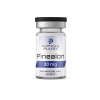
- Testosterone & LH/FSH Boosters – Gonadorelin mimics GnRH to pulse LH and FSH release from the pituitary, stimulating testes for natural testosterone and sperm production. Kisspeptin-10 rapidly elevates LH and testosterone via the GnRH pathway, with infusions increasing pulse frequency and size.
- Growth Hormone & Vitality – Sermorelin triggers pituitary GH release, enhancing metabolism, muscle growth, fat loss, energy, and recovery. CJC-1295 combined with Ipamorelin provides sustained GH secretion by binding pituitary receptors and mimicking ghrelin, aiding muscle and fat reduction.
- Healing & Recovery Support – BPC-157 accelerates tissue repair, reduces inflammation, and promotes angiogenesis for tendon, muscle, and gut healing. TB-500 (Thymosin Beta-4) enhances regeneration, circulation, and wound healing, and reduces fibrosis.
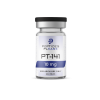
- Libido & Sexual Function – PT-141 (Bremelanotide) activates brain melanocortin pathways to boost arousal, desire, and erections independently of blood flow.
Best Peptides for Hormonal Imbalance in Women
Peptides address hormonal imbalances in women by targeting growth hormone, reproductive hormones, fat metabolism, and libido, often used for perimenopause and menopause symptoms like fatigue, weight gain, and low desire. These therapies stimulate natural pathways under medical supervision for benefits like improved energy, body composition, and vitality. Selection depends on specific needs, with evidence supporting their efficacy from clinical studies.
- Growth Hormone Boosters – Sermorelin stimulates pituitary GH release, countering menopause symptoms such as fatigue, weight gain, poor sleep, and muscle loss while promoting natural production. CJC-1295/Ipamorelin combo enhances GH without elevating cortisol or appetite, aiding fat loss, skin elasticity, muscle gain, and sleep quality.
- Fat Reduction & Metabolism – Tesamorelin reduces visceral abdominal fat around organs, common in perimenopause, by boosting GH and lipolysis to improve metabolic health and body composition. Semaglutide/Tirzepatide, GLP-1 agonists, manage weight by curbing appetite and enhancing insulin sensitivity, addressing hormonal weight shifts.
- Reproductive & Libido Support – Kisspeptin-10 regulates GnRH, LH, and FSH for menstrual function and fertility, showing stronger effects in women’s preovulatory phase. PT-141 (Bremelanotide) boosts arousal and desire via brain melanocortin receptors, effective for hormone- or stress-related sexual dysfunction.
Potential Benefits of Peptides in Hormone Regulation
Peptides are short chains of amino acids that act as signaling molecules in the body. They help regulate many biological functions, including hormone production, secretion, and action. Because of their precision and natural mechanisms, peptides can help restore hormonal balance and support overall health.
- Growth Hormone Modulation: Peptides like Sermorelin and Ipamorelin stimulate the pituitary gland to boost natural human growth hormone (HGH) production. This can improve muscle growth, energy, sleep quality, and bone density.
- Metabolism and Weight Management: Peptides support healthy metabolism by influencing how the body manages energy, appetite, and fat use. Peptides such as GLP-1 analogs (e.g., Semaglutide, Liraglutide) regulate hunger and fullness signals, helping reduce overeating. Peptides like MOTS-c and AOD-9604 enhance fat breakdown and improve the body’s ability to burn fat for energy.
- Reproductive Hormone Balance: Peptides such as Kisspeptin and Gonadorelin affect the hypothalamic-pituitary-gonadal (HPG) axis, promoting hormones like GnRH, LH, and FSH. This supports testosterone and estrogen production, improving mood, fertility, and overall hormonal stability.
- Stress and Cortisol Regulation: Certain peptides, such as NL-CORTAGEN, help balance cortisol levels—the hormone linked to stress—reducing the negative effects of chronic stress on the body.
- Insulin Sensitivity and Glucose Control: Peptides enhance insulin action and glucose uptake, supporting better blood sugar regulation and reducing the risk of type 2 diabetes. Insulin itself is one of the best-known peptide hormones.
- Immune Support and Anti-Inflammation: Peptides like Thymosin Alpha-1 strengthen immune defense and decrease chronic inflammation, both of which are important for maintaining hormone balance and preventing disease.
Medical Consensus on the Use of Peptides for Hormone Balance
There is no official, universal medical consensus from major regulatory bodies like the FDA on the broad use of unapproved peptides for general hormone balance. While peptides such as insulin, pramlintide, and certain growth hormone therapies like somapacitan are FDA-approved for specific conditions, including diabetes and growth hormone deficiency, these approvals do not extend to off-label or investigational uses for overall hormonal optimization.
Many specific, naturally occurring or synthetic peptides function as FDA-regulated prescription medications when prescribed for diagnosed hormone-related disorders like type 1 and 2 diabetes or adult growth hormone deficiency, requiring strict medical supervision. Unapproved peptides, including popular ones like Ipamorelin, CJC-1295, BPC-157, and TB-500, marketed for hormone balance or anti-aging, face escalating FDA enforcement due to their status as unapproved new drugs, with increased warning letters and seizures reported.
Associated Risks and Side Effects
Peptide therapy can offer many benefits, but it’s important to understand the possible side effects and associated risks. Most reactions are mild and temporary, especially when treatment begins, but proper medical supervision is essential for safety.
Common Side Effects
- Injection Site Reactions – Redness, itching, swelling, or mild pain can occur where the injection is given.
- Gastrointestinal Issues – Some peptides, especially GLP-1 agonists, may cause nausea, vomiting, or diarrhea, particularly at the start of treatment.
- Cognitive and Systemic Effects – Users may experience headaches, dizziness, fatigue, or mild flu-like symptoms.
- Fluid Retention – Swelling or bloating, especially in the hands or feet, can occur with growth hormone-related peptides.
- Mood Changes – Some people report anxiety, irritability, mood swings, or sleep disturbances.
Associated Risks
- Hormonal Imbalances – Improper dosing or unsupervised use of hormone-related peptides can disrupt the endocrine system, potentially leading to insulin resistance, thyroid issues, or other hormonal problems.
- Allergic Reactions – Although rare, severe reactions like hives, swelling, or difficulty breathing (anaphylaxis) require immediate medical attention.
- Organ Strain – Overuse or high doses can place stress on the liver and kidneys, which process and eliminate peptides from the body.
- Cardiovascular Effects – Some peptides may influence blood pressure or heart rate, posing risks for people with heart conditions.
- Potential Cancer Risk – Growth hormone-related peptides may raise IGF-1 levels, which could promote the growth of existing cancer cells, though evidence in humans is still limited.
- Regulatory Concerns – Peptides sold online or through unverified sources may be unapproved, mislabeled, or contaminated, increasing the risk of adverse effects and unknown long-term health outcomes.
Explore Trusted Peptide Products Designed for Research from Peptides Please
Explore trusted peptide products designed for research on hormone balance through our website, where quality, purity, and innovation come together. Each peptide is carefully sourced and tested to meet rigorous scientific standards, ensuring reliable results for your studies. Whether you’re investigating hormonal pathways, optimizing biological functions, or developing new therapeutic insights, our selection of peptides supports groundbreaking research with confidence and precision.
Frequently Asked Questions
What peptides balance hormones?
Peptides such as Sermorelin, Ipamorelin, and CJC-1295 help balance hormones by stimulating natural growth hormone release from the pituitary gland, supporting endocrine regulation without directly replacing hormones.
What peptides help with hormonal imbalance?
Peptides such as CJC-1295, Ipamorelin, Sermorelin, and Tesamorelin help address hormonal imbalances primarily by stimulating the pituitary gland to release growth hormone, which supports metabolism, energy, mood, and fat reduction.
Can peptides regulate hormones?
Yes, peptides can regulate hormones by acting as signaling molecules that bind to cell receptors, stimulate or inhibit hormone production and release from glands like the pituitary and ovaries, and integrate into feedback loops for homeostasis.
Summary
Peptides play a promising role in supporting hormone balance by acting as signaling molecules that stimulate or regulate the body’s natural hormone production. Through targeted action, specific peptides can improve communication between cells and glands, helping to restore equilibrium in hormonal pathways involved in growth, metabolism, sleep, and stress response. This natural regulatory effect allows the body to optimize function rather than artificially forcing hormone levels, reducing the risk of undesirable side effects compared to traditional hormone therapy.
Overall, the use of peptides for hormone balance represents a modern, scientific approach to wellness and longevity. While research and clinical applications continue to expand, early findings suggest peptides can enhance quality of life by improving energy, mood, and overall physiological stability. However, because individual responses vary, proper medical guidance and personalized dosing are essential for safe and effective results.