Peptides for Gut Health
Showing all 5 results
-
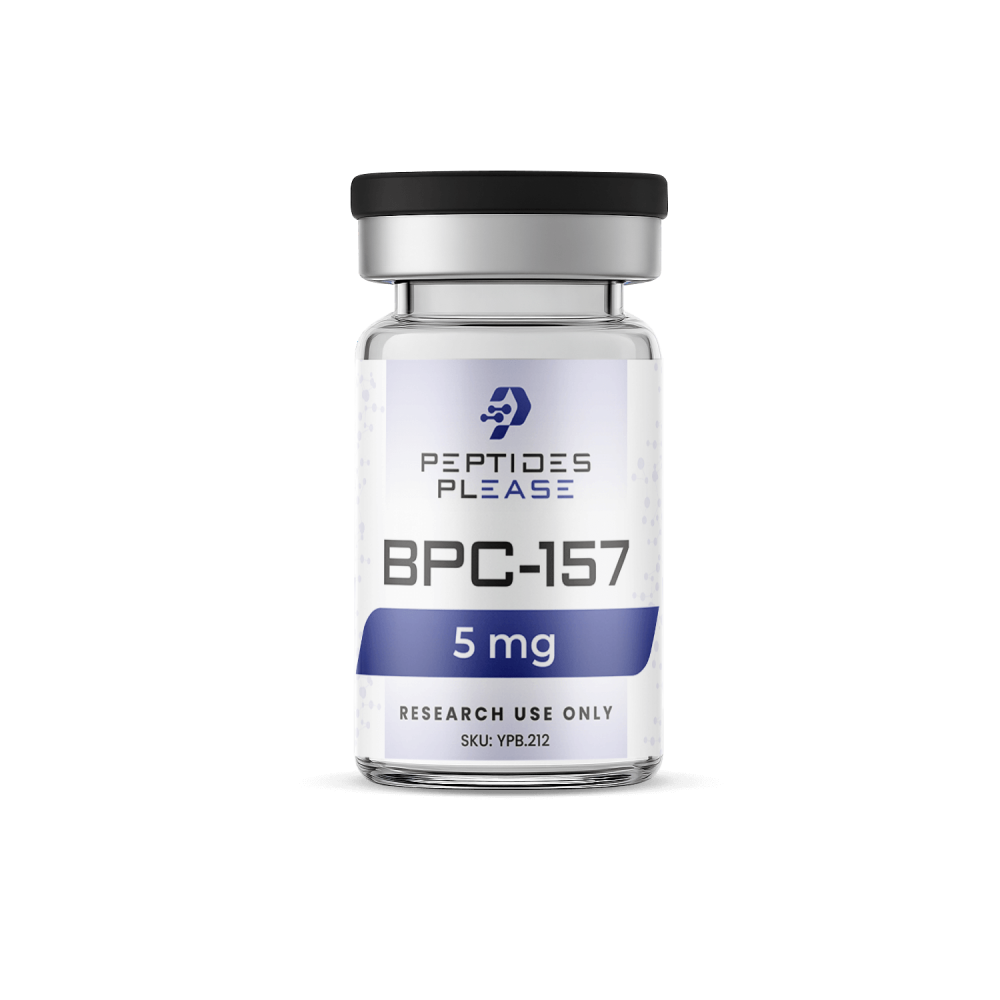
-
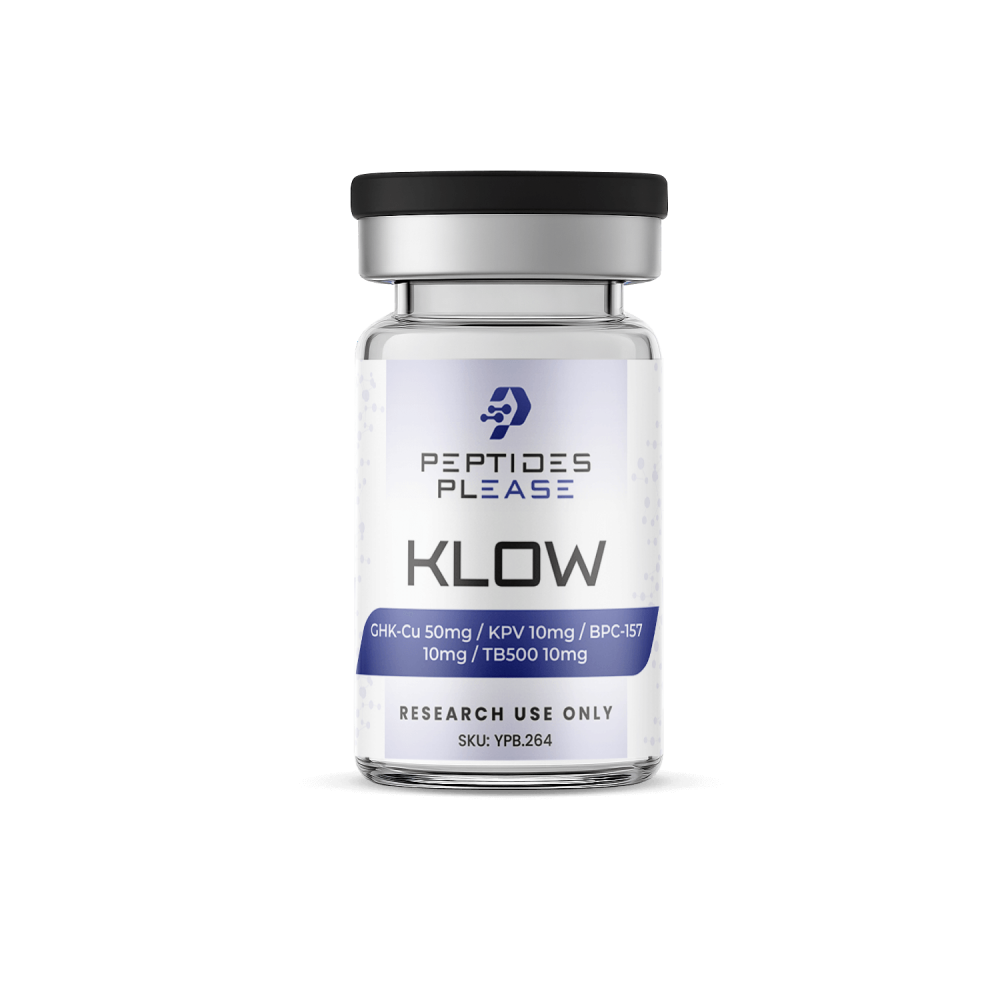 Peptide BlendsKLOW
- GHK-Cu(50mg)
- KPV(10mg)
- BPC-157(10mg)
- TB500(10mg)
-
 LL37LL37 (5mg)
 -
 Lysine-Proline-ValineLYSINE-PROLINE-VALINE (10mg)
 -
 VIP10 PeptideVIP10 (10mg)
Peptides for gut health have gained increasing attention for their powerful role in maintaining and restoring the balance of the gastrointestinal tract. Made up of short chains of amino acids, these bioactive compounds support the function of intestinal epithelial cells, which form the protective barrier of the gut lining. By enhancing this barrier and promoting gut healing, peptide therapy can help regulate key processes that influence digestion, nutrient absorption, and the overall integrity of the gut environment.
Moreover, peptides can modulate the gut microbiota and play a vital role in managing conditions like inflammatory bowel disease (IBD) and irritable bowel syndrome (IBS). Through their ability to reduce the inflammatory response and promote tissue regeneration, they present a promising approach to improving gut health on multiple levels. As research advances, peptide therapy is emerging as a targeted and effective way to restore balance, reduce inflammation, and support long-term gastrointestinal wellness.
What Are the Best Peptides for Gut Health?
Taking care of your gut isn’t just about diet—it’s also about supporting the gut lining, reducing inflammation, and promoting natural healing. Certain peptides can help with this by repairing tissues, calming inflammation, and strengthening the gut barrier.
- BPC-157: This powerful healing peptide promotes new blood vessel growth, speeds up tissue repair, and helps control inflammation. It’s known to heal ulcers, repair “leaky gut,” and protect against damage from NSAIDs (like ibuprofen).
- KPV: It is a small peptide that targets inflammation directly. It reduces harmful cytokines—like TNF-α and IL-6—without lowering overall immune function. This makes it great for soothing inflammation in the digestive tract and helping with IBD (Inflammatory Bowel Disease).
- Larazotide: This helps strengthen the gut barrier by keeping intestinal cells tightly sealed. It prevents toxins and undigested food particles from leaking into the bloodstream, which is especially beneficial for those with gluten sensitivity or celiac disease.
Other Helpful Peptides and Compounds
- TB-500 (Thymosin Beta-4): Supports tissue regeneration, reduces inflammation, and complements BPC-157 for more severe gut damage.
- LL-37: A natural antimicrobial peptide that promotes a healthy gut microbiome by fighting off harmful bacteria.
- GHK-Cu: A copper-binding peptide that reduces oxidative stress and supports repair and regeneration of the gut lining.
Foundational Nutrients for Gut Repair
Peptides work even better when combined with key nutrients that support gut healing:
- L-Glutamine: The main fuel source for intestinal cells, helping maintain a strong gut lining.
- Collagen Peptides: Provide amino acids like glycine and proline for structural support and promote healthy gut bacteria.
- Butyrate: A short-chain fatty acid that reduces gut inflammation, strengthens the intestinal barrier, and nourishes beneficial microbes.
Peptides for Gut Health Research Results
Research on peptides and gut health generally falls into two main areas: naturally produced peptides made by the body and dietary or therapeutic peptides obtained from food or medical treatments.
Naturally Produced Peptides
The human body creates several peptides that help maintain gut balance and immunity.
- Cathelicidin – This natural peptide identifies harmful bacteria such as Salmonella in the colon and triggers immune defenses. Understanding how it works could help develop new, non-antibiotic treatments for gut infections.
- Glucagon-Like Peptide 2 (GLP-2) – A hormone that plays a key role in healing the intestinal lining and strengthening the gut barrier. Its synthetic form, Teduglutide, has shown encouraging results in clinical trials for improving symptoms and promoting healing in patients with Crohn’s disease.
Dietary and Therapeutic Peptides
Bioactive peptides from foods like collagen, whey, soy, and wheat are gaining attention for their gut-protective properties.
- Antioxidant Effects – Many food-derived peptides reduce oxidative stress in the gut by controlling reactive oxygen species (ROS), supporting a healthy environment for gut microbes.
- Gut Microbiota Modulation – Peptides can work like prebiotics, promoting the growth of beneficial bacteria such as Lactobacillus, Bifidobacterium, and Akkermansia muciniphila, while inhibiting pathogens.
- Metabolite Production – Gut microbes ferment peptides into short-chain fatty acids (SCFAs) like butyrate and propionate, which support gut barrier integrity, regulate immune activity and lower inflammation, and influence appetite and metabolism.
- Anti-inflammatory Action – Certain peptides help calm inflammation in the gut by blocking pathways like NF-κB and TLR4 and reducing cytokines such as TNF-α and IL-6.
Emerging Peptide Therapies
- BPC-157 – Derived from a protein in human gastric juice, this peptide shows potential in repairing the intestinal lining, reducing inflammation, and healing ulcers in preclinical studies.
- PTG-100 – An oral peptide that blocks the integrin α4β7 receptor; early clinical trials suggest it may help treat ulcerative colitis.
- Collagen Peptides – In clinical testing, daily supplementation with 20 grams of collagen peptides reduced bloating and improved mild digestive symptoms in healthy women.
How Do Peptides Help With Gut Health?
Peptides play several key roles in keeping the gut healthy and balanced.
- Strengthen the Gut Barrier – Peptides help increase tight junction proteins (such as occludin), which hold intestinal cells together. This reduces “leaky gut” by preventing toxins and inflammatory substances from entering the bloodstream.
- Balance Gut Microbiota – They support the growth of beneficial bacteria and limit harmful ones, helping maintain a balanced and resilient gut ecosystem.
- Calm Inflammation – Many peptides have natural anti-inflammatory properties that soothe irritation, support healing, and protect the gut from further damage.
- Promote Tissue Healing – Certain peptides, like BPC-157, signal cells to repair damaged tissues, including the intestinal lining and nerves. This supports faster recovery from gut injuries or ulcers.
- Regulate Hormones and Metabolism – Peptides influence gut hormones such as GIP and GLP-1, which control digestion and movement of food. They also interact with gut bacteria to produce short-chain fatty acids (SCFAs) that improve metabolism and reduce inflammation.
- Fight Harmful Microbes – Some peptides, like PYY, act as natural antimicrobials by targeting harmful fungi and bacteria while keeping beneficial microbes safe.
Are There OTC Peptides for Gut Health?
Some peptides for gut health are available over the counter as dietary supplements, usually in the form of collagen peptides. These can support general digestive and gut lining health. However, stronger peptides like BPC-157 or KPV are not approved for regular supplement use—they often require a prescription or are sold only for research purposes and not meant for human consumption.
Best Collagen Peptides for Gut Health
Collagen plays a key role in maintaining a healthy gut lining, supporting digestion, and promoting overall wellness. Here are some of the best collagen types to consider for better gut health:
- Bovine Collagen – Sourced from cows, this type is rich in Type I and Type III collagen—both important for supporting gut lining repair and skin health. It’s often made from grass-fed cows, making it a nutritious and affordable choice.
- Marine Collagen – Derived from fish, marine collagen also contains Type I and III collagen. It’s known for being highly bioavailable, meaning the body absorbs it easily. While it tends to be more expensive, it’s ideal for those who want quick and effective results.
- Porcine Collagen – Made from pigs, porcine collagen provides similar benefits to bovine collagen, offering Type I and III collagen to help gut and skin health. It’s also a good alternative for people who may experience sensitivity to other collagen sources.
Are There Peptides for Gut Inflammation?
Certain peptides show great promise in easing chronic gut inflammation. Peptides like BPC-157 and KPV are known to support gut repair and help calm inflammation. Researchers are also exploring peptides from probiotics and food sources, which may improve gut health by balancing gut bacteria and strengthening the intestinal barrier. However, more work is needed to overcome challenges such as peptide stability and proper delivery to make these treatments more widely effective.
Frequently Asked Questions
Are collagen peptides good for gut health?
Yes, collagen peptides support gut health by strengthening the intestinal lining, reducing inflammation, and promoting a balanced microbiome.
What peptides are good for gut health?
Peptides such as BPC-157, KPV, glutamine peptides, and other bioactive food-derived peptides are considered helpful for gut health by supporting intestinal repair, reducing inflammation, and strengthening the gut barrier.
What peptide heals the gut?
BPC-157 is one of the most researched peptides for gut healing, as it supports repair of the gut lining, reduces inflammation, and helps restore mucosal integrity.
Is BPC-157 good for your gut?
BPC-157 appears beneficial for gut health in preclinical and early clinical research, as it supports gut lining repair, reduces inflammation, and protects against various gastrointestinal injuries, but it is not yet an approved mainstream treatment.
How long does it take collagen to heal the gut?
Collagen typically needs consistent daily use for at least 6–8 weeks to start improving gut symptoms, though full gut-healing benefits can take several months and vary from person to person.
What peptides are good for gut repair?
Peptides such as BPC-157, KPV, and other bioactive or food-derived peptides are considered supportive for gut repair because they can help heal the intestinal lining, reduce inflammation, and strengthen the gut barrier.
What does collagen do to your bowels?
Collagen can support your bowels by nourishing the gut lining, improving overall digestive comfort and bowel regularity for many people, though a small number may experience side effects like constipation or diarrhea.
Which peptide is best for gut health?
BPC-157 and KPV are two of the most studied options for supporting gut lining repair, reducing inflammation, and improving overall digestive function.
Summary
Peptides offer exciting potential for supporting gut health by aiding the repair of the intestinal lining, reducing inflammation, and strengthening the gut barrier. Collagen peptides, in particular, nourish the gut mucosa and promote better digestion with consistent use over 6-8 weeks, often improving bowel regularity without major side effects for most people. Specialized peptides like BPC-157 and KPV stand out for targeted healing, with BPC-157 showing strong preclinical evidence for mucosal recovery in conditions like leaky gut or IBS, while KPV excels at calming inflammation—making them popular in peptide therapy, though they’re not yet mainstream treatments.
In summary, while collagen provides an accessible, affordable starting point for everyday gut support, therapeutic peptides like BPC-157 and KPV may deliver more potent results for repair and inflammation, especially when combined. Results vary by individual, dosage, and duration, so consulting a healthcare provider ensures safe integration into a broader wellness plan focused on diet, probiotics, and lifestyle.