Peptides for Eyes
Showing the single result
-
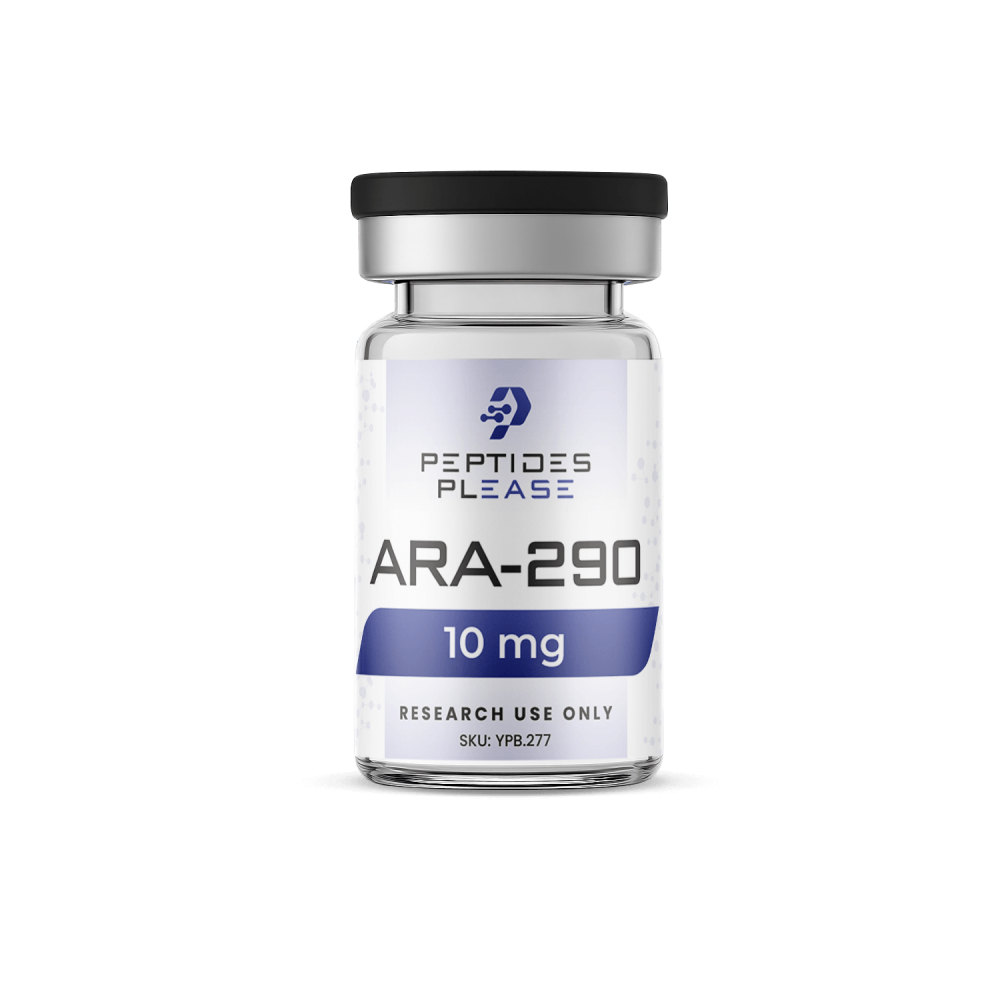 Ara 290 PeptideARA-290 (10mg)
Peptides for eyes represent a gentle yet powerful approach to addressing common concerns like dark circles, fine lines, and puffiness in the delicate skin around the eyes. These short chains of amino acids signal the skin to boost collagen production, enhancing skin firmness and improving overall skin texture for a smoother, more youthful appearance. Particularly beneficial for sensitive skin and all skin types, peptides like copper peptides stand out for their antioxidant properties, which help reduce inflammation, strengthen capillary walls, and promote better circulation to fade dark circles without irritation.
Ideal for delicate skin, peptides work by mimicking the body’s natural processes, supporting skin repair and hydration while being suitable even for those with reactive complexions. Copper peptides, in particular, excel in stimulating collagen production and elastin synthesis, leading to firmer under-eye contours and refined skin texture over time. Whether targeting dark circles or enhancing skin firmness, these ingredients from amino acids offer a non-invasive solution tailored to various skin types, delivering visible improvements with consistent use.
What Do Peptides Do for Eyes?
Peptides help improve the look and health of the eye area by acting as messengers that encourage skin repair and renewal. They boost collagen, firm delicate skin, smooth fine lines and puffiness, and brighten dark circles. Some studies also suggest peptide-based eye drops may help protect retinal cells, supporting long-term vision health.
- Boost Collagen and Elastin – Peptides signal skin cells to produce more collagen and elastin, the proteins that keep skin firm and elastic. This helps reduce sagging and maintain a youthful appearance.
- Reduce Wrinkles – More collagen helps “fill in” fine lines and crow’s feet, making them less noticeable.
- Minimize Puffiness – Certain peptides have anti-inflammatory effects that reduce fluid buildup and swelling under the eyes, giving a refreshed look.
- Improve Dark Circles – By strengthening skin and reducing inflammation, peptides can help lessen discoloration caused by thinning skin and poor circulation.
- Enhance Skin Renewal – Peptides support faster cell turnover, revealing smoother, brighter, and healthier-looking skin around the eyes.
Best Peptides for Eyes
The top peptides for eyes target wrinkles, firmness, puffiness, and dark circles, often combined in creams with hyaluronic acid for hydration. Matrixyl 3000, copper peptides, and Argireline lead recommendations for their collagen-boosting, repair, and muscle-relaxing effects. Consistent use smooths skin, firms the eye area, and reduces crepiness around this delicate zone.
- Matrixyl 3000 (Palmitoyl Tripeptide-1 + Palmitoyl Tetrapeptide-7) – Signal peptides that stimulate collagen production, reduce fine lines like crow’s feet, and restore elasticity for firmer skin.
- Copper Peptides (GHK-Cu or Copper Amino Isolate) – Carrier peptides that deliver minerals for repair, boost enzymes, improve elasticity, brighten dark circles, and reduce inflammation.
- Argireline (Neuro-Calming Peptide) – Relaxes facial muscles to soften expression lines and crow’s feet, mimicking Botox effects topically with up to 30% wrinkle reduction in studies.
- Barrier-Support Peptides – Enhance moisture retention and skin barrier strength to minimize puffiness, crepiness, and morning swelling.
Find Reliable Peptide Products for Research at Peptides Please
Looking for high-quality peptide products to enhance your research on eye care? Explore our comprehensive selection of peptides for eyes, designed to support innovation in formulations that target eye bags, under-eye puffiness, and other common signs of fatigue. Our multi-peptide eye cream formulations are trusted for delivering visible results, helping improve firmness and hydration around the delicate eye area. Whether you’re developing a peptide eye treatment or a next-generation eye cream, our reliable and ethically sourced peptide solutions ensure consistency, purity, and performance for your research needs.
Ongoing Research on the Use of Peptides for the Eyes
Research on peptides for the eyes focuses on non-surgical eye drops to treat serious conditions like age-related macular degeneration (AMD), retinitis pigmentosa, and dry eye disease. These minimally invasive approaches aim to protect retinal cells, reduce inflammation, and preserve vision. Studies show promising results in animal models and early human trials.
- Retinal Protection – Peptides from pigment epithelium-derived factor (PEDF) bind receptors to prevent photoreceptor cell death in retinitis pigmentosa and dry AMD.
- Fas-Blocking Peptides (FBP) – These block inflammation and cell death pathways in dry AMD; when paired with cell-penetrating peptides (CPPs), they deliver via drops in animal studies.
- Dry Eye Treatment – Peptides like DFCPPGFNTK from tilapia skin restore tear production, reduce oxidative stress, and improve corneal health in diabetic mouse models.
- Cell-Penetrating Peptides (CPPs) – Such as hexa-arginine, these carriers help therapeutic peptides cross eye barriers to reach the retina without injections.
- Nanoparticles and Liposomes – These enhance peptide solubility, stability, and retention for better back-of-eye delivery.
How Do Peptides Support the Eyes and Under-Eye Area?
Peptides support the eyes and under-eye area by signaling skin cells to produce collagen and elastin, firming thin skin, smoothing fine lines like crow’s feet, and reducing puffiness through anti-inflammatory effects. They also strengthen the skin barrier, boost hydration, and improve circulation to minimize dark circles and crepiness for a brighter, lifted look.
- Fine Lines & Wrinkles: Signal peptides boost collagen to fill in crow’s feet and expression lines, improving elasticity and smoothness.
- Puffiness: Anti-inflammatory peptides like Palmitoyl Tetrapeptide-7 reduce swelling, fluid retention, and bags by enhancing lymphatic drainage.
- Dark Circles: Strengthen thinning skin, reduce inflammation, and promote circulation to lessen shadows and discoloration.
- Firmness & Sagging: Stimulate proteins for plumpness and resilience, countering laxity in the delicate area.
- Hydration & Texture: Enhance moisture retention for supple, less crepey skin with faster cell turnover.
Topical, Oral, and Injectable Peptides for the Eyes and Under-Eye Area
Topical, oral, and injectable peptides offer targeted benefits for the under-eye area, focusing on collagen production, wrinkle reduction, and puffiness relief. Topical applications are most common and accessible, while oral supplements support skin from within, and injectables often use related growth factors rather than isolated peptides.
Topical Peptides
Creams and serums with peptides like Matrixyl 3000, Argireline, copper peptides, and Acetyl Tetrapeptide-5 penetrate the skin to stimulate collagen, relax muscles, improve circulation, and reduce fluid buildup around the eyes. These peptides reduce fine lines, crow’s feet, dark circles, and puffiness while enhancing elasticity and skin barrier strength. Apply twice daily by gently patting along the orbital bone after cleansing.
Oral Peptides
Hydrolyzed collagen peptides, taken as supplements (e.g., 2.5–10g daily), break down into bioactive forms like Gly-Pro that boost systemic collagen and elastin production, benefiting the eye area. Studies show 4–12 weeks of use reduces eye wrinkle volume by up to 50%, improves hydration, elasticity, and roughness parameters compared to placebo. Results vary; supplements lack strict FDA regulation, and many trials are industry-funded.
Injectable Options
Isolated peptide injections are uncommon; instead, PRP uses the patient’s blood growth factors to stimulate collagen, regeneration, and circulation for dark circles and lines, with gradual results over 3 sessions. Polynucleotide injections like Lumi Eyes (from salmon DNA) regenerate tissue and smooth skin as boosters. HA fillers provide immediate volume for hollows but differ from peptides by not promoting natural repair.
Collagen Peptides for Eyes
Collagen peptides help improve the skin around the eyes by firming and hydrating it, reducing puffiness, and smoothing fine lines or crow’s feet. They work by boosting the skin’s natural collagen and elastin production, which supports elasticity and repair. Common peptides like Matrixyl 3000 and Argireline are often used in eye creams to lift and tighten the skin. These peptides can be applied through creams or patches, and taking collagen supplements can also provide wider benefits for healthier skin, stronger hair, and nails.
Collagen Synthesis Peptides for Eyes
Collagen synthesis peptides for the eyes are chains of amino acids that encourage the skin to produce more collagen, helping to firm the delicate under-eye area, reduce fine lines and crow’s feet, improve elasticity, and lessen puffiness or dark circles. Popular types like Matrixyl, Argireline, and Copper Peptides act as gentle alternatives to retinol, supporting skin barrier repair for a smoother and more refreshed look. Beyond cosmetic use, collagen-mimetic peptides (CMPs) also show potential in repairing damaged collagen in eye tissues such as the cornea and sclera, offering promising benefits for conditions like myopia, dry eye, and glaucoma.
Copper Peptides for Eyes
Copper peptides for the eyes are popular anti-aging ingredients that boost collagen and elastin production, helping to firm the skin, reduce fine lines, wrinkles, puffiness, and dark circles. They strengthen delicate under-eye skin, promote repair, and offer antioxidant protection, making them common in eye creams and masks. By signaling skin cells to produce essential proteins, copper peptides create a smoother, lifted, and more resilient appearance, but they should be used carefully to prevent irritation, especially on sensitive skin.
Russian Peptides for Eyes
Russian peptides for the eyes include therapeutic peptide bioregulators like Retinalamin, used for retinal diseases, and cosmetic peptides such as Matrixyl, found in creams or patches to firm skin, reduce wrinkles, dark circles, and puffiness. Developed through research from Russian institutes like the St. Petersburg Institute of Bioregulation, these short amino acid chains help support skin structure, enhance cell function, and provide anti-aging benefits for the delicate eye area. Many formulations also combine peptides with ingredients like caffeine, hyaluronic acid, and plant extracts for added hydration and rejuvenation.
Peptides for Under Eyes
Peptides are great for treating under-eye issues like wrinkles, dark circles, and puffiness because they signal the skin to produce more collagen and elastin, helping to firm and smooth the delicate area. Common types such as Matrixyl, Argireline, and copper peptides improve elasticity, boost circulation, and reduce inflammation, making them an effective, non-invasive way to refresh tired-looking eyes. They are often combined with ingredients like hyaluronic acid to enhance hydration and overall skin health.
What Do Peptides Do for Under Eyes
Peptides are powerful skincare ingredients that act as messengers, telling skin cells to produce more collagen and elastin. These proteins help firm and smooth the delicate skin under your eyes. By supporting the skin’s structure, peptides can reduce fine lines, puffiness, and dark circles, giving you a refreshed, youthful look.
They also help strengthen the skin’s barrier and improve hydration, making peptides especially beneficial for those with sensitive or aging skin.
- Firms & Lifts: Increases collagen production for firmer, more elastic skin.
- Smooths Wrinkles: Minimizes the appearance of fine lines and crow’s feet.
- Reduces Puffiness: Targets fluid buildup to lessen under-eye bags.
- Brightens Dark Circles: Helps fade dark shadows for a more awake look.
- Strengthens Skin: Protects the delicate area from environmental damage.
- Hydrates: Adds essential moisture to prevent dryness.
Are Peptides Good for Under Eyes
Peptides are excellent for the under-eye area, as they firm delicate skin by stimulating collagen and elastin production, reduce fine lines and wrinkles, smooth texture, and minimize puffiness and dark circles through improved circulation, reduced inflammation, strengthened capillary walls, and enhanced lymphatic drainage. Specific types like copper peptides (GHK-Cu) brighten dark circles and boost repair, Palmitoyl Tetrapeptide-7 calms puffiness, and Acetyl Tetrapeptide-5 targets under-eye bags by decreasing fluid retention. They’re gentle, well-tolerated for sensitive skin, and deliver visible results like up to 32% wrinkle reduction and better elasticity with consistent use in eye creams, especially when paired with hyaluronic acid for hydration or niacinamide for brightening.
Best Peptides for Under Eyes
Peptides are key ingredients that help reduce wrinkles, improve firmness, and fade dark circles. The most effective ones for the delicate under-eye area include Matrixyl 3000, Copper Peptides, and Argireline (Hexapeptide‑8). These peptides boost collagen production, smooth fine lines, and strengthen the skin barrier. When combined with hydrating ingredients like hyaluronic acid, they help minimize puffiness and refresh tired-looking eyes.
While consistent use of peptide-rich creams can improve texture and elasticity, it’s important to have realistic expectations—peptides can soften lines, but won’t completely erase deep wrinkles.
- Matrixyl 3000 (Palmitoyl Tripeptide‑1 + Tetrapeptide‑7): Stimulates collagen production, improves skin texture, and reduces wrinkle depth for smoother, firmer skin.
- Copper Peptides (Copper Tripeptide‑1): Promotes collagen formation, calms inflammation, and supports skin barrier health to reduce puffiness and visible aging.
- Argireline (Acetyl Hexapeptide‑8): Relaxes facial muscles to minimize expression lines, often nicknamed “Botox in a bottle” for its line-softening effect.
Copper Peptides for Under Eyes
Copper peptides are highly beneficial for the delicate under-eye area as they help firm the skin, boost collagen and elastin production, reduce fine lines, and improve texture by supporting natural hyaluronic acid synthesis. However, because the under-eye skin is thin and sensitive, it’s important to use specialized eye creams or serums formulated with gentle concentrations of copper peptides. Introduce them gradually to avoid irritation, applying only a small amount and keeping the product away from the lash line. For best results, avoid combining copper peptides with Vitamin C, since this pairing can reduce their effectiveness or cause skin sensitivity.
Peptides for Dark Circles Under Eyes
Peptides are effective for reducing dark circles under the eyes by boosting collagen production to firm thinning skin, improving microcirculation to diminish bluish tones, and calming inflammation and puffiness for a brighter, smoother appearance. They strengthen the delicate under-eye area, making it look healthier and more resilient over time. Common peptides like Matrixyl and Argireline are often found in serums and eye creams targeting fine lines, firmness, and discoloration, helping to restore a more youthful and refreshed look when used consistently.
Peptides for Puffy Eyes
Peptides are highly effective for puffy eyes as they boost collagen production, firm the skin, reduce inflammation, and improve lymphatic drainage to minimize fluid buildup and swelling. By strengthening capillaries and supporting the skin’s structural integrity, peptides help create a smoother, less swollen, and brighter under-eye appearance. Popular types such as Matrixyl, Argireline, and copper peptides are commonly found in eye creams, serums, and under-eye patches, offering targeted relief for puffiness and tired-looking eyes.
Copper Peptides for Sunken Eyes
Copper peptides help improve the appearance of sunken eyes by stimulating collagen production, enhancing skin firmness, reducing inflammation, and improving circulation for smoother, brighter skin. While they can’t completely fill deep hollows like dermal fillers, they effectively enhance skin quality, diminish fine lines, and lighten dark circles around the eyes. When combined with hydrating ingredients like hyaluronic acid, copper peptides provide added plumping and revitalization, making the under-eye area appear healthier and more youthful over time.
Peptides for Dry Eyes
Peptides show strong potential in treating dry eyes by promoting corneal repair, reducing inflammation, and improving tear quality. Research highlights options like PEDF-derived peptides (BRM421), which stimulate stem cell activity for healing, and collagen-mimetic peptides (ST-100), which aim to restore ocular surface health. While some, such as ST-100, have produced mixed clinical outcomes, studies continue to refine their therapeutic potential. These innovative peptide-based treatments work by regenerating ocular cells, enhancing tear secretion, and stabilizing the eye’s surface, offering promising non-invasive alternatives to traditional dry eye therapies.
Medical Consensus on the Use of Peptides for the Eyes
Currently, there is no formal medical consensus supporting the widespread clinical use of peptides for eye treatments. Instead, peptides are considered a promising area of ongoing research and clinical trials, especially for eye conditions such as age-related macular degeneration (AMD), retinitis pigmentosa, and dry eye disease. Researchers, including those supported by organizations like the National Eye Institute (NEI) at the U.S. National Institutes of Health (NIH), are actively studying how peptides might help protect and repair the eyes.
- Research & Trials: Studies in animal models and human retinal organoids suggest certain peptides—like those from pigment epithelium-derived factor (PEDF)—can help protect photoreceptors and slow vision loss.
- Potential Benefits: Peptides are being explored for their neuroprotective, anti-inflammatory, and regenerative properties that may help manage diseases such as dry eyes, diabetic retinopathy, and glaucoma.
- Minimally Invasive Delivery: Scientists are developing peptide-based eye drops as non-invasive alternatives to injections for conditions like “wet” AMD, which could improve patient comfort, adherence, and reduce risks linked to invasive treatments.
- Safety and Efficacy: Early research shows many peptides have a favorable safety profile and no significant toxicity in preclinical studies. However, more long-term human data is needed before these treatments can be widely approved.
Associated Risks and Side Effects
Peptides used around or within the eyes—whether in cosmetic products or medical treatments—are generally well-tolerated. However, potential side effects can vary depending on how they’re applied, ranging from mild skin reactions to rare but serious eye complications.
Common Side Effects of Topical Peptides
Topical peptides, often found in eye creams and serums designed to reduce wrinkles or puffiness, are considered safe for most users. Side effects are usually mild and often linked to formulation ingredients or individual skin sensitivity.
- Skin Irritation: Redness, itching, or mild discomfort at the application site.
- Allergic Reactions: Rare cases of swelling, hives, or pronounced redness.
- Acne Breakouts: Temporary breakouts as the skin adjusts to a new product.
- Sensitivity: The thin skin around the eyes can be prone to irritation; a patch test is recommended before regular use.
Risks and Side Effects of Therapeutic or Injected Peptides
For medical treatments, peptides may be delivered through injections—either directly into the eye (intravitreal) or systemically for other conditions. These methods carry greater, though still uncommon, risks.
- Injection Site Reactions: Pain, swelling, or bruising where the injection is given.
- Ocular Complications (Intravitreal): Rare risks include cataract formation, retinal hemorrhage, or retinal detachment.
- Vision Changes (Systemic Use): Some peptides, like GLP‑1 receptor agonists used for diabetes or weight loss, have been linked to rare cases of non‑arteritic anterior ischemic optic neuropathy (NAION), which can cause sudden and permanent vision loss.
- Systemic Effects: Possible side effects such as headaches, hormonal imbalance, fatigue, nausea, or immune-related issues.
Explore Trusted Peptide Products Designed for Research from PeptidesPlease
Explore trusted peptide products designed for advanced research in eye health and rejuvenation on our website. Our curated selection of high-quality, lab-tested peptides offers researchers reliable options for studying cellular repair, anti-aging mechanisms, and hydration processes around the delicate eye area. Each product is manufactured under strict quality standards to ensure purity, consistency, and performance in experimental applications. Whether your focus is on collagen synthesis, tissue regeneration, or reducing oxidative stress, our peptide solutions provide the precision and innovation needed to support groundbreaking research in ophthalmic and dermatological science.
Frequently Asked Questions
What is the best peptide for eyes?
Copper peptides (GHK-Cu) stand out as the best peptide for the eyes, particularly for reducing dark circles, stimulating collagen production, and improving skin elasticity around the delicate eye area.
Are peptides good for your eyes?
Yes, peptides are good for the eyes, as they boost collagen production, reduce wrinkles and puffiness around the under-eye area, improve skin elasticity, and show promise in eye drops for protecting retinal cells and slowing vision loss in conditions like retinitis pigmentosa.
Do peptide eye serums work?
Yes, peptide eye serums work, with clinical studies showing significant reductions in wrinkles (up to 33% in number and 18% in length after 28 days), improvements in skin elasticity, firmness, hydration, and reductions in puffiness and dark circles.
Do peptides help under the eyes?
Yes, peptides help under the eyes by stimulating collagen and elastin production to smooth fine lines and wrinkles, reducing puffiness and dark circles through improved circulation and anti-inflammatory effects, and enhancing skin firmness, elasticity, and hydration.
Is there a peptide for dry eyes?
Yes, peptides like ST-100 (vezocolmitide), a collagen mimetic peptide, BRM421, DFCPPGFNTK (DFC), and PEDF mimetics are being researched and show promise in eye drop form for treating dry eyes by repairing corneal damage, boosting tear secretion, reducing inflammation, and alleviating symptoms in preclinical and clinical trials.
Do collagen peptides help dry eyes?
Yes, collagen mimetic peptides like ST-100 (vezocolmitide) and CMPs (e.g., (Pro-Pro-Gly)7) help dry eyes by repairing damaged corneal collagen, improving tear production, reducing inflammation, restoring epithelial integrity, and enhancing corneal sensitivity in preclinical mouse models and phase 2/3 human trials.
What peptides are used to improve eyesight?
Peptides like PEDF-derived H105A and 17-mer eye drops, Retinalamin, Epithalamin, Cortexin, BPC-157, and AXT107 are used to improve eyesight by protecting photoreceptors, slowing retinal degeneration in conditions such as retinitis pigmentosa and age-related macular degeneration, promoting corneal repair, and enhancing retinal function in preclinical and human studies.
Can I use copper peptides under my eyes?
Yes, copper peptides (GHK-Cu) can be safely used under the eyes, as they effectively reduce dark circles, fine lines, and puffiness by boosting collagen and improving circulation, with clinical studies showing benefits in eye creams without serious irritation when applied carefully.
Do peptides help puffy eyes?
Yes, peptides like Palmitoyl Tetrapeptide-7, Acetyl Tetrapeptide-5 (Eyeseryl), and copper peptides (GHK-Cu) help puffy eyes by reducing inflammation, improving lymphatic drainage, decreasing fluid retention, and strengthening skin to minimize swelling and bags.
Are collagen peptides good for eyes?
Yes, collagen peptides are good for the eyes, as they support corneal and scleral structure for better vision clarity, reduce wrinkles and improve firmness around the under-eye area, enhance hydration to combat dryness, and promote epithelial healing in preclinical studies.
Can I use peptides around my eyes?
Yes, peptides can be safely used around the eyes, as they are non-irritating, well-tolerated even on sensitive skin, and commonly formulated in eye serums and creams to reduce fine lines, puffiness, and dark circles without adverse reactions when patch-tested first.
Do eye peptides work?
Yes, eye peptides work, with clinical studies demonstrating reductions in wrinkles (up to 33% in number and 18% in length after 28 days), improvements in skin elasticity, firmness, hydration, and decreases in puffiness and dark circles, while preclinical data show photoreceptor protection for vision preservation.
Can peptides help with under eye bags?
Yes, peptides like Acetyl Tetrapeptide-5, Palmitoyl Tetrapeptide-7, Dipeptide-2, and copper peptides (GHK-Cu) help with under-eye bags by improving lymphatic drainage, reducing fluid retention and inflammation, strengthening skin structure, and minimizing puffiness for a firmer appearance.
Can peptides help macular degeneration?
Yes, peptides like Toll-like receptor-targeting peptides, PEDF-derived H105A, elamipretide, Fas-blocking peptides (e.g., 6R-FBP), and integrin peptides (e.g., AXT107) can help macular degeneration by protecting retinal cells, reducing inflammation and degeneration, inhibiting abnormal vessel growth, and slowing vision loss in preclinical mouse models and early human studies via eye drops or injections.
Do peptides help sunken eyes?
Yes, peptides like copper peptides (GHK-Cu) and volumizing peptides help sunken eyes by stimulating collagen and elastin production to thicken thinning under-eye skin, improve firmness and elasticity, reduce the hollowed appearance, and enhance overall volume over time.
Is there a peptide for dark circles?
Yes, peptides like copper peptides (GHK-Cu), Palmitoyl Tripeptide-38, Dipeptide-2, Matrixyl 3000, and OS-01 specifically target dark circles by thickening under-eye skin, improving circulation, reducing inflammation and pigmentation visibility, and brightening the area, with clinical trials showing significant improvements in 50% of users after 12 weeks.
Summary
Peptides play a vital role in promoting healthier, more youthful-looking skin around the eyes. By stimulating collagen and elastin production, these small chains of amino acids help to improve skin firmness, reduce the appearance of fine lines, and minimize dark circles and puffiness. Their ability to support skin repair makes them a valuable ingredient in modern eye creams and serums, especially for addressing early signs of aging and fatigue.
Overall, peptides offer a science-backed, gentle, and effective approach to rejuvenating the delicate eye area. When combined with proper skincare practices such as hydration and sun protection, they can enhance skin resilience and maintain a brighter, smoother appearance over time. Regular use of peptide-infused eye products can lead to visible improvements, supporting a refreshed and youthful look.