Peptides for Diabetes
Showing all 2 results
-
 CagrilintideCagrilintide (10mg)
 -
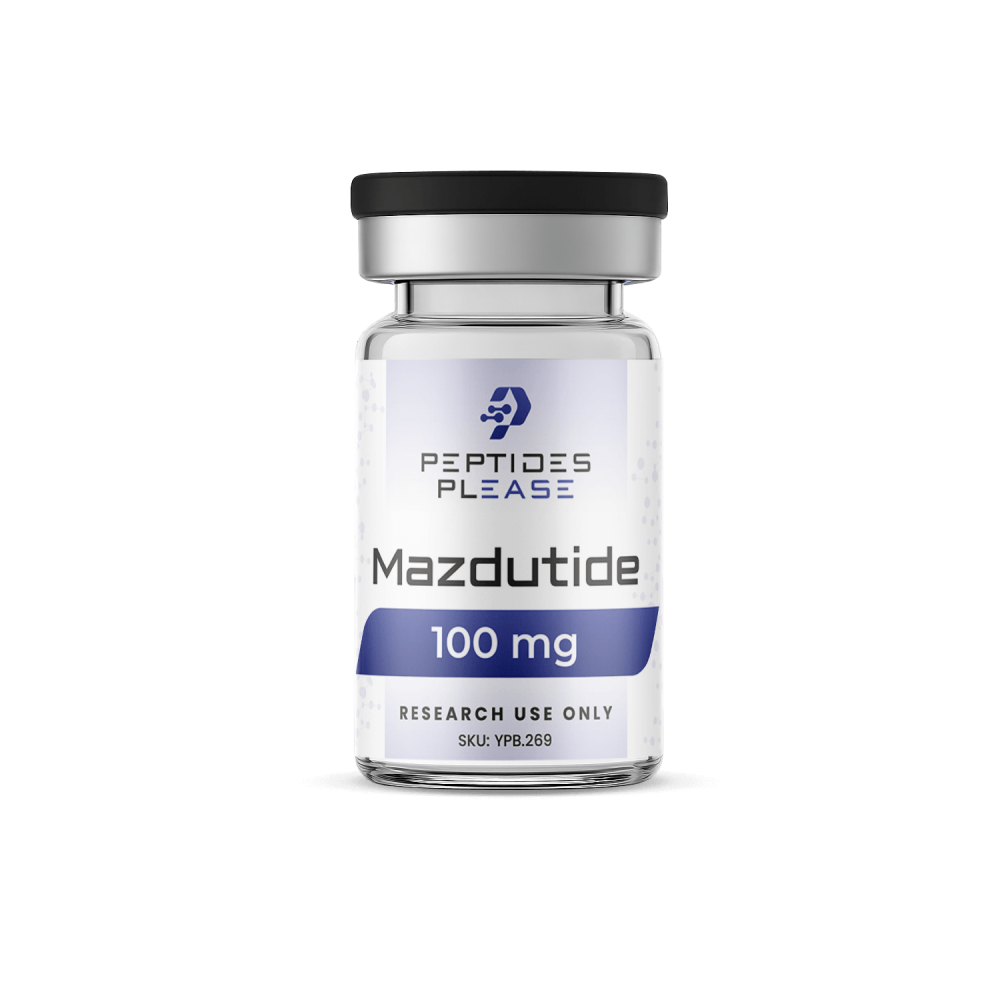 MazdutideMazdutide (100mg)
Peptides for diabetes have emerged as a promising therapeutic approach for improving insulin secretion, reducing insulin resistance, and maintaining optimal blood glucose levels. In patients with diabetes mellitus, these bioactive molecules can enhance blood sugar control by stimulating pancreatic beta cells, regulating hepatic glucose production, and complementing conventional insulin therapy. By influencing the body’s natural mechanisms for blood sugar and insulin regulation, peptide-based treatments may offer more precise and effective management strategies for individuals struggling with unstable blood glucose and insulin balance.
Potential Benefits of Peptides in Diabetes Treatment
Peptides are emerging as a promising area of research in diabetes management. They work by supporting various biological processes that help regulate blood sugar, improve metabolism, and protect vital organs affected by the disease.
- Better Blood Sugar Control: Peptides may help lower blood glucose levels, minimize spikes after meals, and improve HbA1c scores — leading to more stable and consistent blood sugar management.
- Improved Insulin and Glucagon Balance: Some peptides act like insulin and reduce glucagon activity. This helps the body use insulin more effectively and supports overall glucose regulation.
- Support for Weight Management: Peptide-based therapies, particularly GLP-1 peptides, can suppress appetite, speed up metabolism, and promote fat loss — all important for people managing diabetes and obesity.
- Enhanced Cardiovascular Health: Certain peptides may help lower blood pressure and reduce the risk of heart-related complications that often accompany diabetes.
- Anti-inflammatory and Antioxidant Effects: Peptides can combat oxidative stress and inflammation, protecting body tissues from long-term damage caused by high blood sugar levels.
- Pancreatic and Nerve Protection: Some peptides may protect insulin-producing cells in the pancreas and support nerve health, reducing the risk of neuropathy associated with diabetes.
Explore Trusted Peptide Products Designed for Research from Peptides Please
At our website, you can explore a wide range of trusted peptide products designed specifically for research applications. Our selection supports studies on carbohydrate and lipid metabolism, helping researchers unravel the complex interactions that regulate glucose metabolism and blood glucose concentrations. Whether your studies focus on the insulin receptor, insulin-stimulated glucose uptake, or general glucose uptake mechanisms, our peptides are developed to ensure quality, consistency, and reliability—empowering you to advance your metabolic research with confidence.
Peptides for Type 1 Diabetes
Peptides are emerging as promising tools in Type 1 Diabetes research and therapy, offering new ways to prevent autoimmune damage, support insulin function, and manage complications.
Immunomodulating Peptides (Preventative/Early Stage)
- Proinsulin Peptides (e.g., C19-A3): These peptides target specific immune cells (T-cells) that mistakenly attack insulin-producing beta cells. They aim to retrain the immune system in newly diagnosed individuals, helping prevent further damage.
- Hybrid Insulin Peptides (HIPs): These are combinations of insulin fragments (like C-peptide) and other natural peptides such as IAPP. Researchers are studying HIPs as natural ligands for certain T-cells, offering new targets for immune therapies.
C-Peptide Replacement Therapy (Symptomatic/Complication Management)
C-peptide is a natural substance released alongside insulin that supports microvascular health, especially in the kidneys and nerves. Replacing C-peptide, often with insulin therapy, shows promise for reducing diabetes-related complications, though it’s not yet a standard treatment.
GLP-1 Receptor Agonists (Supportive)
Peptides such as liraglutide (Victoza) and dulaglutide (Trulicity), commonly used in Type 2 Diabetes, can help control blood sugar, reduce weight, and support heart and kidney health. They are sometimes used off-label or tested in clinical trials for Type 1 Diabetes.
Peptides for Type 2 Diabetes
Peptides are becoming key tools in managing Type 2 Diabetes as they help control blood sugar, support weight loss, and improve overall metabolic health. Several types of peptides mimic natural hormones in the body, each working through different mechanisms to enhance glucose balance and insulin function.
GLP-1 Agonists
These mimic the natural glucagon-like peptide-1 (GLP-1) hormone to help regulate blood sugar. These peptides stimulate insulin release, lower glucose production in the liver, slow stomach emptying, and reduce appetite, which often leads to weight loss. Common examples include liraglutide (Victoza, Saxenda) and semaglutide (Ozempic, Rybelsus, Wegovy). Newer forms known as dual or triple agonists combine GLP-1 effects with other hormones like GIP or glucagon to further enhance glucose and weight control, such as tirzepatide (Mounjaro, Zepbound).
Amylin Analogues
These are synthetic versions of the natural hormone amylin, which works alongside insulin to regulate blood sugar. These peptides slow gastric emptying, increase feelings of fullness, and reduce glucagon secretion, all of which support better glucose control. A promising example under study is cagrilintide, often tested in combination with semaglutide for added metabolic benefits.
Bioactive Peptides (Food-Derived)
These are short protein fragments found in foods such as milk, soy, and berries, and they hold potential for supporting insulin sensitivity and metabolic function. They can inhibit enzymes like DPP-4 and amylase that break down beneficial hormones, mimic some insulin actions, and improve glucose regulation naturally — making them a growing area of research in nutritional therapy.
Peptides and Insulin Regulation
Peptides play an important role in controlling how the body manages blood sugar and energy use. Several types of peptides influence insulin production, glucose absorption, and metabolism.
Key Peptides in Insulin and Glucose Control
- Insulin – The Main Peptide Hormone: Made by the pancreas, insulin signals body cells—especially in muscles, fat, and the liver—to absorb glucose from the blood. This process lowers blood sugar and provides energy or stores fuel for later use.
- GLP-1 and GIP – The Incretins: These peptides are released from the gut after eating. They encourage the pancreas to release more insulin and help slow down how fast the stomach empties, preventing post-meal spikes in blood sugar.
- Insulin-Like Peptides (ILPs): These molecules, such as INSL5, help regulate appetite, glucose balance, and overall metabolism by interacting with other hormones.
- Insulin-Like Growth Factors (IGFs): IGFs are part of a hormonal network that influences growth, metabolism, and even lifespan.
- Bioactive Food Peptides: Some food-derived protein fragments—found in milk, soy, and other sources—can boost insulin sensitivity, enhance glucose uptake, and support better fat metabolism.
Peptides and Metabolic Health
- Insulin Resistance: When cells don’t respond properly to insulin, the pancreas releases more to compensate. This leads to high insulin levels (hyperinsulinemia) and may develop into metabolic syndrome.
- Therapeutic Potential: Scientists are developing peptide-based drugs—like liraglutide—to imitate natural incretins, enhance insulin function, reduce inflammation, and help manage conditions such as Type 2 diabetes and obesity.
- Peptide Delivery Challenges: Because the digestive system breaks down peptides, oral delivery is difficult. New techniques, including ionic liquid formulations, are being explored to make oral insulin and peptide treatments more effective.
Ongoing Research on Peptides for Diabetes
Modern research continues to explore how peptides can help prevent and manage diabetes. These studies focus on improving glucose control, enhancing insulin function, and finding better ways to deliver peptide-based therapies.
- Food-Derived Bioactive Peptides (BAPs): Bioactive peptides naturally found in foods such as milk, fish, and legumes act like nutraceuticals. They help regulate blood sugar, improve fat metabolism, and reduce oxidative stress and inflammation. Their effects often come from blocking enzymes like DPP-4, α-amylase, and α-glucosidase, which are linked to glucose digestion and absorption.
- Stapled Peptides: Stapled peptides are synthetic peptides designed to be more stable and easily absorbed by cells. Researchers are testing them for their potential to influence glucose metabolism and insulin signaling by targeting specific protein interactions within the body.
- MOTS-c (Mitochondrial-Derived Peptide): MOTS-c is a recently discovered peptide that enhances insulin sensitivity and promotes better glucose balance, especially in muscle tissue. It shows strong potential in improving energy metabolism and overall metabolic health.
- C-Peptide: Studies are exploring how C-peptide can enter cells and even affect gene expression in the nucleus. This activity may help restore or improve the function of pancreatic cells, supporting better insulin production.
- Peptide Nanoparticles: Nanoparticle technology is being developed to deliver peptides more effectively. By improving their stability and absorption in the digestive system, these nanoparticle systems could make oral peptide treatments possible. They also aim to provide better glycemic control, improve insulin levels, and enhance patient outcomes.
Collagen Peptides for Diabetes
Collagen peptides may help in managing diabetes by keeping blood sugar levels stable and improving how the body responds to insulin. Research suggests that collagen peptides can work through pathways like AMPK and PI3K-Akt, which help cells use glucose more effectively. They may also slow down how fast sugar is absorbed in the intestines and support better gut health, both of which are important for blood sugar control.
Some studies have found that collagen peptides can improve glucose and fat metabolism while protecting organs that diabetes often harms. While the results are promising, most of the research has been done on animals, and more studies on humans are needed. Collagen peptides should not replace diabetes medications, but can be considered a supportive supplement when combined with a healthy diet and proper medical care.
Using Peptides for the Management of Diabetes
Peptides play an important role in diabetes management. They are used as effective medications and are also being studied as natural compounds in foods and supplements.
Medical Peptides in Diabetes Treatment
Peptide-based drugs are essential in modern diabetes care because they are powerful, specific, and generally safe. The most common types include:
- Insulin: Insulin is the earliest and most widely used peptide drug for diabetes. It is produced through recombinant technology and is vital for people with Type 1 diabetes and many with Type 2 diabetes. It’s usually injected under the skin, although new oral versions are being developed using advanced absorption systems.
- GLP-1 Receptor Agonists (GLP-1 RAs): These drugs copy the action of the natural hormone GLP-1, which increases insulin release when blood sugar levels are high, reduces glucagon release, and slows digestion. This helps control blood glucose and often promotes weight loss with less risk of low blood sugar than insulin. Examples are Liraglutide (Victoza, Saxenda), dulaglutide (Trulicity), and semaglutide (Ozempic, Rybelsus). It is usually injected daily or weekly, with an oral form of semaglutide (Rybelsus) also available.
- Dual and Triple Agonists: Newer drugs, such as tirzepatide (Mounjaro), can activate more than one hormone receptor (GLP-1 and GIP). They provide stronger effects on blood sugar control and weight loss. Research is also exploring other peptide combinations targeting additional metabolic pathways.
Food-Derived Bioactive Peptides
Besides medicines, natural peptides found in food are being studied for their potential to help control diabetes. These bioactive peptides may support blood sugar management through several actions:
- Enzyme Inhibition: Slows the breakdown of carbohydrates by blocking enzymes such as α-amylase, α-glucosidase, and DPP-4, helping control blood sugar after meals.
- Improved Insulin Sensitivity: Enhances the body’s response to insulin, helping muscles and fat cells use glucose more effectively.
- Antioxidant and Anti-inflammatory Effects: Reduces oxidative stress and inflammation, which contribute to diabetes complications.
- Common Sources: Milk and whey proteins, eggs, soybeans, peas, beans, and marine sources like fish and algae.
Medical Approval of Peptides for Diabetes
Several peptide-based medicines have been approved by the U.S. Food and Drug Administration (FDA) to treat diabetes, especially type 2 diabetes. These medications are developed to help people manage their blood sugar levels more effectively and reduce the risk of diabetes-related health problems.
Most of these approved peptides belong to two main groups: insulin and glucagon-like peptide-1 receptor agonists (GLP-1 RAs). Insulin helps the body regulate blood sugar directly, while GLP-1 RAs stimulate insulin release and slow digestion to control glucose levels. Both types of drugs play a key role in improving diabetes management and overall health outcomes.
Risks and Side Effects
Peptides, especially GLP-1 receptor agonists, can help manage diabetes but may cause certain side effects and risks. It’s important to understand both the common and more serious reactions before use.
Common Side Effects
- Gastrointestinal: Nausea, vomiting, diarrhea, constipation, indigestion, or upset stomach (most common with GLP-1s).
- Injection Site Reactions: Pain, redness, swelling, itching, or a small lump at the injection site.
- General Symptoms: Headache, dizziness, fatigue, or mild water retention (puffiness).
- Blood Sugar and Metabolism: Changes in appetite and a potential risk of hypoglycemia (low blood sugar).
Less Common or Serious Risks (Often Linked to GLP-1 Agonists)
- Gallbladder Issues: May increase the risk of gallstones or gallbladder disease due to slower digestion.
- Pancreatitis: Possible inflammation of the pancreas.
- Kidney Problems: May cause acute kidney injury or worsen existing kidney disease.
- Thyroid Tumors: Rare risk of medullary thyroid carcinoma (MTC), especially in those with a family history.
- Eye Complications: Possible worsening of diabetic retinopathy.
- Hormonal Imbalances: May occur with certain peptide types.
Risks of Using Non-Regulated Peptides
- Lack of Oversight: Many non-prescription peptides aren’t FDA-approved, which can lead to contamination or inaccurate dosing.
- Unknown Long-Term Effects: Potential for serious harm, including kidney damage or increased cancer risk, with unregulated compounds.
Explore Trusted Peptide Products Designed for Research from Peptides Please
Peptides for diabetes, such as GLP-1 receptor agonists, are being studied for their role in improving blood sugar control by enhancing insulin release and supporting metabolism. These compounds may offer potential benefits in diabetes management research, helping scientists better understand how peptide-based treatments can improve patient outcomes. Explore trusted peptide products designed exclusively for research purposes from our website to support safe and reliable scientific discovery in this growing field.
Frequently Asked Questions
Which peptides help with diabetes?
Key therapeutic peptides for diabetes include insulin, GLP‑1 receptor agonists (like exenatide and semaglutide), amylin analogs (pramlintide), and investigational or adjunctive options such as C‑peptide and incretin‑based GIP/GLP‑1 co‑agonists.
What is the C-peptide for type 1 diabetes?
C-peptide is a byproduct released in equal amounts to insulin by pancreatic beta cells during proinsulin cleavage, serving as a key marker of endogenous insulin production, which is typically absent or very low in type 1 diabetes due to beta cell destruction, though residual levels can indicate preserved function and predict better glycemic control, lower insulin needs, and reduced complication risks.
What peptides are good for type 2 diabetes?
GLP-1 receptor agonists (such as semaglutide, liraglutide, and dulaglutide), amylin analogs (pramlintide), and DPP-4 inhibitors (like sitagliptin) are effective peptides for type 2 diabetes, improving glycemic control, promoting weight loss, and reducing cardiovascular risks.
Summary
Peptides have revolutionized diabetes management by mimicking natural hormones to enhance insulin secretion, slow gastric emptying, and improve satiety, with GLP-1 receptor agonists like semaglutide and liraglutide standing out for type 2 diabetes due to their proven efficacy in lowering blood glucose, promoting weight loss, and reducing cardiovascular events.
In type 1 diabetes, while insulin remains foundational, emerging peptide therapies such as C-peptide show promise in preserving residual beta-cell function and mitigating complications, offering hope for more personalized treatments that address underlying pathophysiology beyond mere glucose control.