Peptides for Depression
Showing all 2 results
-
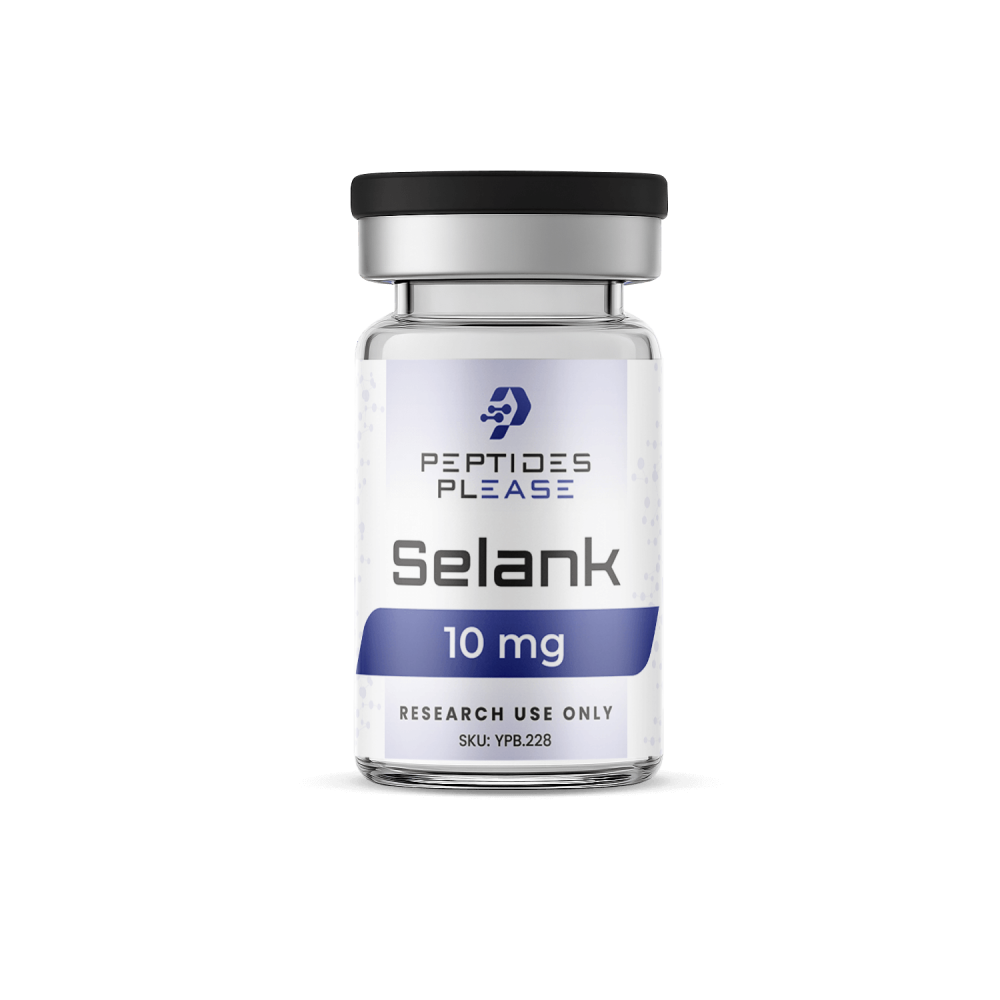 Popular PeptidesSelank (10mg)
 -
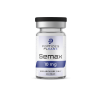
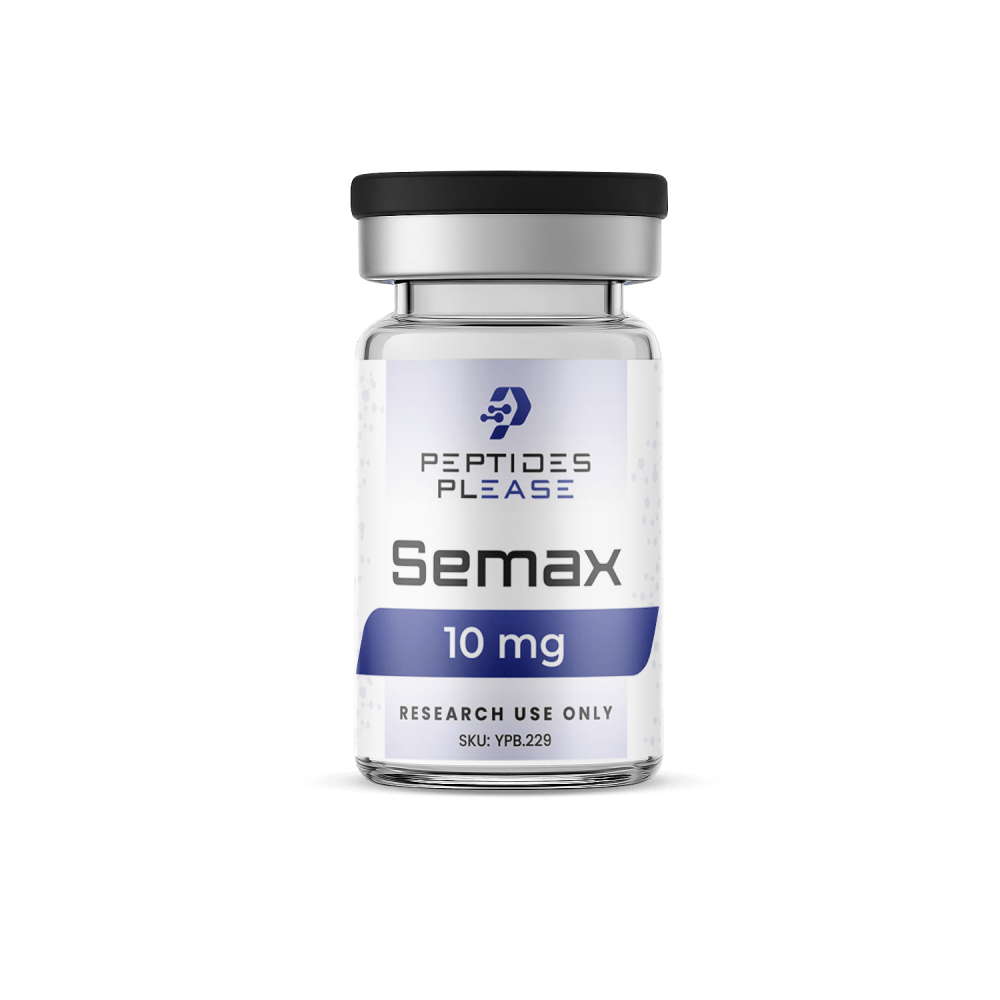 SemaxSemax (10mg)
Peptides for depression have recently gained attention as a potential breakthrough in supporting mental health and treating conditions such as anxiety and depression. These short chains of amino acids play a vital role in regulating brain activity and signaling throughout the central nervous system. Unlike traditional antidepressants, peptide therapy focuses on restoring natural biochemical balance and enhancing communication between neurons. Research has shown that certain peptides may stimulate brain-derived neurotrophic factor (BDNF), a protein essential for neural growth, resilience, and recovery from chronic stress, which are key factors in major depressive disorder.
By targeting the root causes of major depression rather than simply alleviating its symptoms, peptides offer hope for those struggling with long-term emotional and cognitive challenges. Improved levels of BDNF can promote better cognitive function, mood stability, and emotional regulation—areas often impaired in individuals with depression or anxiety disorders. As scientists continue to explore how peptide therapy influences the central nervous system, these compounds may pave the way for innovative, personalized treatments that improve overall mental health and quality of life.
Peptides for Depression Treatment
Peptides are emerging as a promising new approach in the treatment of depression due to their ability to influence multiple biological systems involved in mood regulation. Unlike traditional antidepressants that primarily target neurotransmitters, peptides such as GLP-1, MIF-1, Semax, and kisspeptins act on diverse pathways, including brain chemistry, inflammation, and the gut-brain axis. These bioactive molecules can enhance the functioning of neurotransmitters like dopamine and serotonin, promote neurogenesis, and reduce neuroinflammation—all of which play key roles in improving mood and emotional stability.
One advantage of peptide-based therapies lies in their potential for fewer side effects and faster onset of benefits compared to conventional antidepressants. Many peptides can be administered through nasal sprays or oral formulations, improving accessibility and compliance. However, while early studies show encouraging results in modulating stress responses and enhancing cognitive and emotional health, extensive clinical trials are still required to determine their long-term efficacy and safety. As research continues, peptide therapy may represent a more holistic and biologically precise frontier in managing depression.
Explore Trusted Peptide Products Designed for Research From Peptides Please
Explore trusted peptide products designed for research from our website, where innovative compounds are developed to support studies on stress response, mood disorders, and brain function. Our peptides are formulated to help researchers investigate how these molecules interact with the nervous system, cross the blood-brain barrier, and influence memory and cognitive function in both healthy and depressed patients. By examining their effects on the immune system and various psychiatric disorders, these research-grade peptides provide valuable insights into the complex biological pathways that regulate mood, resilience, and overall mental well-being.
Peptides for Depression Research
Peptides are emerging in research as potential aids for managing depression by influencing brain chemistry, gut health, and nerve growth. Studies highlight their roles in balancing neurotransmitters like dopamine and serotonin, curbing inflammation, and boosting brain-derived neurotrophic factor (BDNF) for better neuron development.
Peptides target the brain-gut axis, where gut signals affect mood via hormones like substance P (SP), which shows elevated levels in depressed patients. They also promote neurogenesis and reduce stress responses through pathways independent of or alongside BDNF. Food sources and neuropeptides offer natural options, though more human trials are needed for clinical use.
- Brain-Gut Peptides: Link gut and brain; SP levels rise in depression, while others, like ghrelin, correlate with symptoms.
- Food-Derived Peptides: From rice or kefir; wheat pyroglutamyl peptides (e.g., pyroGlu-Leu) and kefir peptides (e.g., KFP-3) reduce depression-like behaviors in mice via BDNF/TrkB pathways.
- Neuropeptides: Brain signals like melanin-concentrating hormone (MCH) ease anxiety in animal models; hypocretin links to positive emotions.
- GLP-1 Agonists: Modulate neurotransmitters (serotonin, dopamine), fight neuroinflammation, and support synaptic health for antidepressant effects.
Peptides for Depression and Anxiety
Recent research suggests certain peptides can positively influence mood, stress response, and brain function. Here are some that show promising effects in easing anxiety and depression:
- Oxytocin (OXT): Also called the “love hormone,” oxytocin helps build trust, empathy, and emotional connection. It may lower stress and anxiety levels. It’s often delivered as a nasal spray for fast results.
- Selank: Developed in Russia, Selank is known for reducing anxiety without causing sedation. It can improve mental focus, emotional balance, and mood by affecting serotonin and dopamine levels.
- Semax: Another Russian peptide, Semax, supports brain health by boosting focus, memory, and mood. It may help reduce anxiety and improve overall cognitive function.
- GLP‑1 Agonists (Semaglutide and Tirzepatide): Originally created for diabetes and weight management, these compounds are showing potential in improving mood, curbing binge‑eating, and reducing alcohol cravings.
- BDNF‑Mimicking Peptides: These peptides act like “fertilizer” for the brain by promoting the repair and growth of neurons. Since healthy brain cells are key to stable moods, they may support long‑term emotional well‑being.
Peptides for Stress and Depression
Peptides from various sources show potential in supporting mental health by targeting stress, anxiety, and mood regulation. Emerging research highlights their roles in neurotransmitter balance, brain repair, and inflammation reduction. Below is a simple overview of key types.
- Food-Derived Peptides: Peptides extracted from foods like fish and soy may ease anxiety and stress by acting on the gut-brain axis and reducing neuroinflammation. They offer a natural, safe option with fewer side effects than traditional drugs.
- Selank and Semax: These synthetic peptides, derived from ACTH, boost serotonin, dopamine, and BDNF to improve mood and support neuron growth. Selank reduces anxiety without sedation, while Semax enhances focus and cognitive function.
- Oxytocin: Known as the bonding hormone, oxytocin in nasal spray form lowers stress and promotes calm social interactions. It helps regulate cortisol and supports emotional balance during high-stress situations.
- GLP-1 Agonists: Drugs like semaglutide, mainly for diabetes and weight loss, show mixed potential for mood improvement by curbing binge behaviors and influencing brain inflammation. Some studies note risks of worsened depression, so monitoring is essential.
- Neuropeptides: Natural brain peptides like NPY and CRH regulate stress, anxiety, sleep, and appetite; imbalances link to mood disorders. Low NPY levels, for instance, heighten depression risk under stress.
What Are the Best Peptides for Depression
Several peptides show promise for easing depression symptoms by supporting brain chemicals, neuron growth, and stress response. Research highlights options like synthetic nootropics and food sources, though more studies are needed for widespread use. No single “best” peptide exists; effectiveness varies by individual.
- Oxytocin: This bonding hormone reduces anxiety and aids emotion regulation while boosting social trust. Nasal spray delivery offers quick effects for mood support in stress-related depression.
- Semax and Selank: Russian peptides Semax and Selank elevate mood via serotonin, dopamine, and natural opioids like leu-enkephalin. They promote BDNF for brain repair, cut anxiety without drowsiness, and enhance focus.
- GLP-1 Peptides: Semaglutide and tirzepatide improve neuron function and synaptic health, potentially helping with depression and addiction. Benefits include better mood scores in trials, but some report worsened symptoms, requiring caution.
- MIF-1 (Prolyl-Leucyl-Glycinamide): Early trials show low doses reverse depression by activating mood circuits and reducing symptoms rapidly. It influences brain signals like ERK for neuroprotection in mood disorders.
- Food-Derived Peptides: Peptides from milk casein or whey reduce anxiety and protect brain function under stress via serotonin and GABA boosts. They ease inflammation and support HPA axis balance without drugs.
Best Peptides for Depression and Anxiety
Peptides offer promising support for depression and anxiety by targeting brain chemicals, stress pathways, and neuron health. Selank, Semax, and oxytocin lead research for their calming effects without sedation. Emerging options from food and neuropeptides add natural alternatives.
- Selank and Semax: Selank and Semax reduce anxiety via GABA and serotonin while boosting clarity and mood. They increase enkephalins and BDNF for brain repair, aiding focus under stress.
- Oxytocin: The love hormone in nasal spray form builds trust, empathy, and social bonds to ease stress. It regulates emotions and lowers cortisol for better anxiety control.
- Food-Derived Peptides: Casein from milk and walnut peptides calm anxiety by balancing serotonin and GABA. They protect against stress-induced brain changes and improve memory.
- GLP-1 Agonists: Semaglutide and tirzepatide, used for weight loss, cut depression risk by 45-65% in some studies via brain inflammation reduction. They help binge behaviors but need monitoring for mood side effects.
Other Neuropeptides
- NPY: Buffers stress; low levels link to higher anxiety and depression risk.
- Beta-Endorphin: Natural opioid tied to mood; imbalances worsen anxiety symptoms.
- Melanocortins (POMC-derived): Influence stress responses; hyperactivity under chronic stress may drive mood issues.
- PACAP: Regulates mood; altered levels appear in depression and PTSD.
Best Peptides for Anxiety and Depression
Peptides target anxiety and depression by influencing GABA, serotonin, and brain growth factors for calmer moods without heavy sedation. Selank and oxytocin excel for anxiety relief, while Semax aids depression recovery. Food sources provide accessible options.
- Selank: mimics benzodiazepines by boosting GABA receptors, cutting anxiety without drowsiness or addiction risks.
- Oxytocin: nasal spray fosters trust and bonding, lowering stress through emotional regulation.
- Casein and whey peptides: from milk calm via GABA, dopamine, and serotonin modulation.
- Semax: protects neurons, elevates BDNF for repair, and eases daily stress with antidepressant effects.
- Food-derived peptides (Tyr-Leu, Trp-Leu): from milk spark neurogenesis and stress resilience.
- MIF-1 (Pro-Leu-Gly-NH2): activates mood circuits, reversing symptoms in early trials.
- GLP-1 agonists (Semaglutide, Tirzepatide): cross the blood-brain barrier to lower depression risk and curb binges. They promote neuroprotection beyond weight loss.
Medical Consensus on the Use of Peptides for Depression
There is no current medical consensus supporting the routine use of peptides as a standard treatment for depression. The use of specific peptides for mental health conditions is an area of ongoing scientific research, with most evidence derived from preclinical (animal) studies and limited clinical trials. Early findings suggest that certain peptides can influence physiological processes that affect brain function, such as the regulation of the stress response, feeding behavior, and body weight. However, in depressed subjects, the mechanisms through which these peptides act—possibly involving the enteric nervous system or factors like nerve growth factor and GLP-1—remain incompletely understood. The scientific community thus considers their therapeutic potential intriguing but not yet ready for integration into psychiatric care.
The scientific community generally agrees that while peptides show significant promise as future therapeutic agents, their role in the treatment of depression is still experimental. Current research explores how peptides might modulate risk factors related to early life stress or treat anxiety and various neurological disorders, but results have not yet reached the level of reliability needed for clinical approval. Consequently, they are not part of the current standard practice guidelines from major psychiatric associations. For now, peptides remain valuable tools for understanding the brain’s complex biochemical networks rather than approved interventions for mood disorders.
Potential Side Effects and Risks
Like any medication, this treatment may cause side effects ranging from mild to serious. It’s important to monitor your body’s response and inform your healthcare provider if symptoms persist or worsen.
Common Side Effects
- Injection Site: Redness, swelling, or mild pain.
- Digestive System: Nausea, vomiting, or diarrhea.
- Nervous System: Headache, dizziness, or tiredness.
- Heart and Blood Pressure: High blood pressure, fast heartbeat, or heart palpitations.
- Skin: Rashes or sensitivity, especially with topical use.
Serious Risks
- Hormonal Imbalance: May affect the body’s natural hormone production.
- Organ Stress: Long-term use can strain the liver, kidneys, or heart.
- Mental Health Effects: Possible mood swings, irritability, anxiety, aggression, or dependency.
- Allergic Reactions: Hives, swelling, or trouble breathing.
- GLP-1 Agonist Safety: Ongoing studies link drugs like semaglutide and liraglutide to possible increased risks of suicidal thoughts or self-harm. Extra caution is advised for people with mental health conditions.
Find Reliable Peptide Products for Research at PeptidesPlease
Explore our website to find reliable peptide products for research aimed at uncovering innovative insights into metabolic diseases, food intake, and drug addiction. Our premium-grade peptides support cutting-edge studies on immune cells, inflammatory cytokines, and intestinal microbiota, ensuring accurate and reproducible results. Whether your research involves chronic administration models, investigations into synaptic plasticity, or the development of treatments for depressive-like behaviors, our carefully curated selection of peptides provides the reliability and consistency scientists depend on to drive discovery forward.
Frequently Asked Questions
What peptides make you feel happy?
Hypocretin (also known as orexin) is a peptide neurotransmitter whose levels increase during positive emotions like happiness, while endorphins, which are opioid peptides, also promote feelings of euphoria and well-being.
What peptides increase serotonin levels?
Selank and Semax are peptides known to modulate and increase serotonin levels in the brain, promoting mood regulation and reducing anxiety.
What peptides are good for depression?
Selank, Semax, and oxytocin are peptides commonly used for treating depression due to their ability to modulate serotonin levels, reduce anxiety, and improve mood.
What peptides are good for anxiety and depression?
Selank, Semax, and Oxytocin stand out as effective peptides for alleviating anxiety and depression, with Selank offering anxiolytic effects comparable to benzodiazepines by modulating serotonin, dopamine, and GABA, Semax promoting BDNF for neuroprotection and cognitive enhancement, and Oxytocin reducing social anxiety through improved bonding and emotion regulation.
What is the best peptide for mental health?
Selank is widely regarded as the best peptide for mental health due to its potent anxiolytic, antidepressant, and nootropic effects through modulation of GABA, serotonin, and enkephalins, often outperforming traditional treatments with fewer side effects.
Is BPC-157 good for mental health?
Yes, BPC-157 shows promise for mental health by modulating serotonin and dopamine systems, counteracting brain damage from trauma or toxins, improving mood, reducing anxiety and depression symptoms, and promoting neuroprotection in preclinical studies.
Does BPC-157 help with depression?
Yes, BPC-157 helps with depression, as preclinical studies, including the Porsolt forced swimming test and chronic stress models, demonstrate its antidepressant effects comparable to imipramine by modulating serotonin synthesis, counteracting serotonin syndrome, and reducing immobility time indicative of improved mood.
Summary
Peptides represent a promising frontier in the treatment of depression, with mechanisms extending beyond traditional neurotransmitter-based therapies. Research suggests that certain glucagon-like peptides influence brain regions involved in mood regulation, such as the prefrontal cortex and nucleus accumbens, thereby reducing anxiety-like behaviors and improving overall emotional balance. By enhancing insulin sensitivity and metabolic regulation within the human body, these peptides contribute to more stable neural function and emotional resilience.
Moreover, the interaction between peptides and the gut microbiota has attracted growing attention, as gut-brain signaling impacts mood and stress regulation. Alterations in gut composition—often triggered by a high-fat diet—can impair peptide signaling through sensory neurons, leading to neuroinflammation and cognitive deterioration. By restoring healthy gut-peptide interplay, it may be possible to reverse some of the behavioral and cognitive disturbances associated with depression.
Finally, depression is often linked to synaptic dysfunction and sexual dysfunction, both of which peptides can potentially alleviate. Through their ability to modulate neuronal connectivity in mood-related brain regions, peptides help repair impaired signaling pathways that underlie depressive states. Overall, peptide-based interventions not only target emotional symptoms but also address the systemic and metabolic imbalances that underpin depression, offering a holistic approach to mental health grounded in the interconnected physiology of the human body.