Peptides for Autoimmune Disease
Showing all 5 results
-
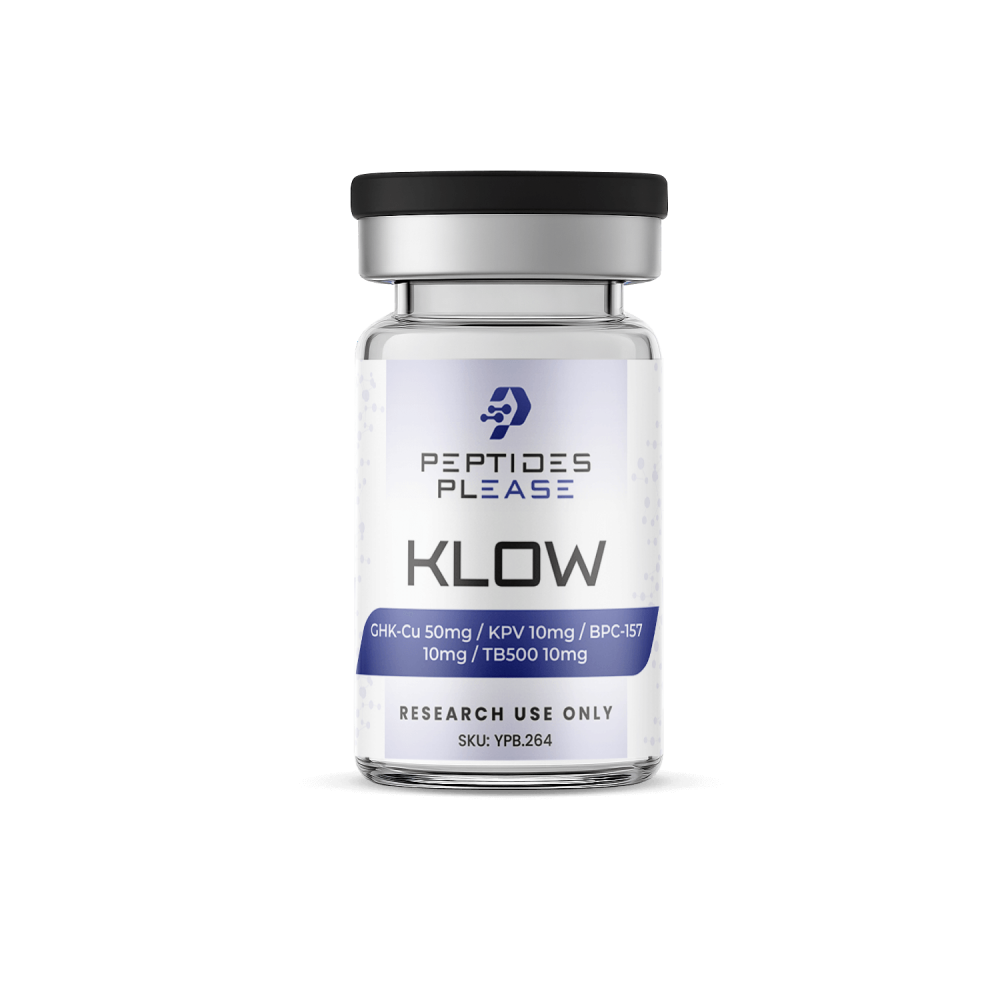 Peptide BlendsKLOW
- GHK-Cu(50mg)
- KPV(10mg)
- BPC-157(10mg)
- TB500(10mg)
-
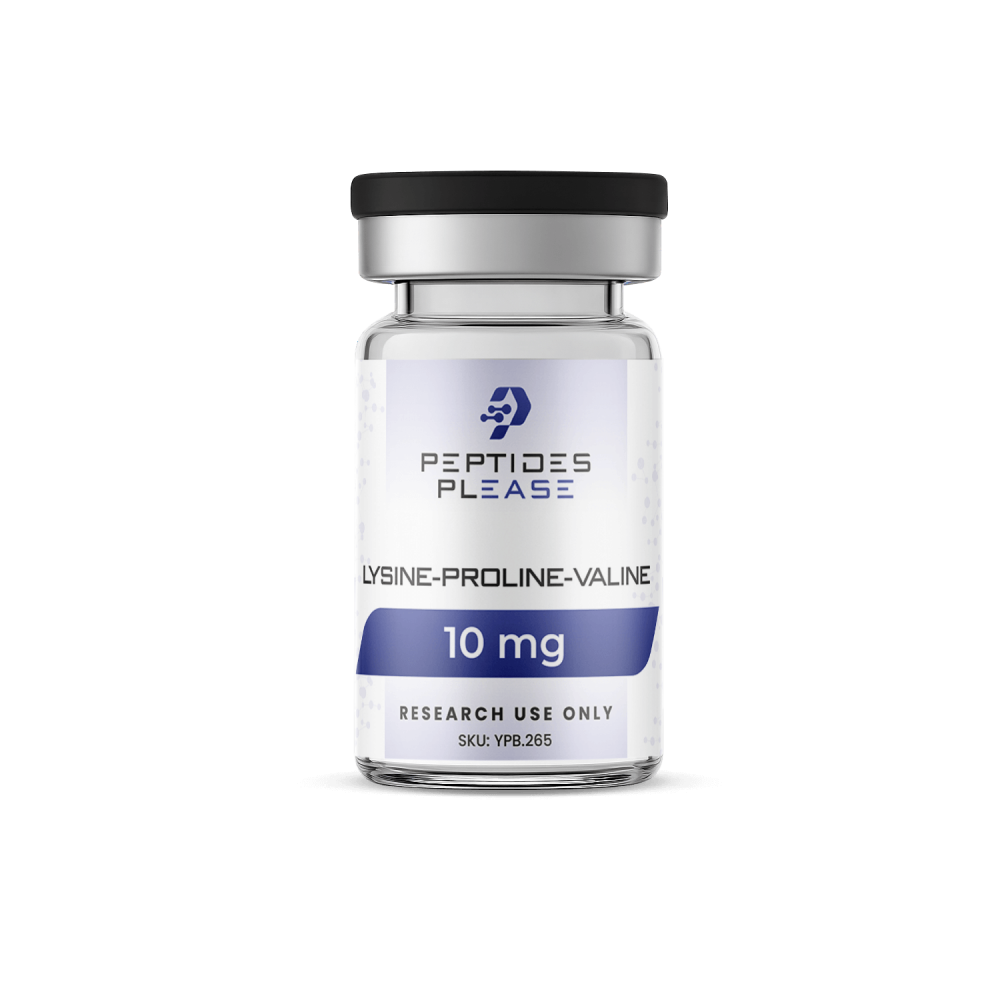 Lysine-Proline-ValineLYSINE-PROLINE-VALINE (10mg)
 -
 BioregulatorsThymalin (10mg)
 -
 ThymosinThymosin Alpha 1 (TA1) (10mg)
 -
 VIP10 PeptideVIP10 (10mg)
Peptides for autoimmune disease represent a promising frontier in modern medicine, offering targeted ways to restore immune balance and reduce harmful inflammation. Autoimmune diseases occur when the immune system mistakenly attacks healthy tissues, leading to chronic conditions that are often difficult to manage. Because peptides are short chains of amino acid sequences that can interact with specific immune cells, they provide a highly selective approach to modulating immune function. By influencing how T cells recognize and respond to antigens through the T cell receptor, peptide therapy can help retrain the immune response to distinguish between self and non-self.
Unlike broad immunosuppressive drugs, peptides for autoimmune disease aim to strengthen immune tolerance without compromising general immune defense. This precision makes peptide therapy a potential breakthrough for treating various autoimmune diseases, from multiple sclerosis to rheumatoid arthritis. Through ongoing research, scientists continue to uncover how specific peptides can guide the behavior of T cells and other immune cells, leading to more balanced immune responses and improved patient outcomes. As our understanding deepens, peptides may redefine how we restore proper immune function and achieve long-term remission.
What Are Peptides for Autoimmune Diseases
Peptides are emerging as promising tools for managing autoimmune diseases because they can modulate immune responses with high precision. Different types of therapeutic peptides work in unique ways to reduce harmful inflammation and restore immune balance.
- Epitope-Specific Peptides: These peptides are designed from small, precise portions—called epitopes—of the body’s own antigens. Their goal is to target only the autoreactive T-cells responsible for attacking healthy tissue, leading to more controlled and specific immune regulation.
- Helminth-Derived Peptides: Taken from parasitic worms, these peptides have naturally evolved to suppress the host’s immune reactions. By mimicking this effect, researchers are exploring them as powerful agents for reducing inflammation and promoting immune tolerance.
- Antigenic Peptides: These are soluble peptides that imitate T-cell epitopes to train the immune system toward tolerance. They help prevent overactive T-cell responses, which are often the root cause of autoimmune flare-ups.
Understanding the Challenges in Treating Autoimmune Diseases
Treating autoimmune diseases presents significant challenges because of the immune system’s complexity. Current therapies often rely on broad immunosuppression, which lowers immune activity across the board rather than addressing specific problems. This approach can lead to serious side effects, such as increased risks of infections and cancer. Other major hurdles include the difficulty and length of diagnosing these disorders, the intricate interplay between genetic and environmental factors, and the ongoing task of managing chronic inflammation over time.
Looking ahead, research is moving toward more targeted and personalized strategies. Personalized medicine, which tailors treatments to each patient’s biological profile, holds great promise for improving effectiveness and safety. Scientists are focusing on precision therapies that restore immune tolerance rather than simply suppressing the immune response. Emerging technologies like gene therapy and advanced biologics may help create safer, more efficient approaches to managing these complex, lifelong conditions.
Find Reliable Peptide Products for Research at Peptides Please
At our website, researchers can find reliable peptide products designed to support cutting-edge studies on autoimmune disorders and related autoimmune conditions. Our specialized peptides help scientists explore mechanisms such as T cell activation, immune dysregulation, and interactions between cell receptors and T cell epitopes. These research tools are essential for investigating how the thymus gland regulates self-tolerance and how altered peptide ligands can modify immune responses. Whether you’re studying molecular pathways or developing new therapies, our peptides provide the quality and precision needed for breakthrough discoveries in autoimmune research.
How Do Peptides Help with Autoimmune Disease Treatment?
Peptides are short chains of amino acids that can fine-tune immune responses, making them valuable tools in the treatment of autoimmune diseases. Instead of broadly suppressing the immune system, peptide-based therapies aim to correct its malfunctions in a targeted and precise way.
- Re-educating the Immune System: Certain soluble antigenic peptides—such as GAD208–217 for diabetes or myelin-based peptides for multiple sclerosis—can retrain T-cells to recognize the body’s tissues as “self,” preventing them from triggering inflammation. This process, known as immune tolerance induction, helps stop autoimmune attacks at their source.
- Blocking Inflammatory Signals: Modified therapeutic peptides can directly interfere with molecules that drive inflammation, such as TNF-α and chemokine receptors. By blocking these pathways, peptides help reduce tissue damage in diseases like lupus and rheumatoid arthritis.
- Boosting Regulatory T-Cells: Some peptides promote the activity of regulatory T-cells (Tregs), which act as immune system “brakes.” These cells suppress overactive immune responses and maintain balance, preventing flare-ups and excessive inflammation.
- Supporting Tissue Repair: Beyond immune modulation, certain peptides—like BPC-157—have regenerative properties that encourage wound healing and tissue regeneration. This is especially helpful for repairing organs or tissues that have been harmed by chronic inflammation.
- Precision Without Suppression: What sets peptide therapy apart is its specificity. Unlike conventional immunosuppressive drugs that weaken the entire immune system, peptides can be tailored to target only the pathways involved in a particular autoimmune condition, minimizing unwanted side effects.
The Role of Peptides in Immune System Regulation
Peptides play a vital part in maintaining immune balance and defending the body from disease. They serve not only as defenders against pathogens but also as regulators that keep immune activity properly coordinated.
- Direct Pathogen Elimination: Antimicrobial peptides (AMPs) act as the immune system’s natural antibiotics. They attack bacteria, viruses, fungi, and even parasites by disrupting their cell membranes or interfering with essential internal processes, providing rapid defense against infection.
- Coordinating Immune Communication: Peptides function as signaling molecules—such as cytokines and chemokines—that guide immune cells like T cells, B cells, and macrophages. They direct these cells on where to go and how to respond, ensuring an organized and efficient immune reaction.
- Bridging Innate and Adaptive Immunity: Peptides help connect the innate immune system, which offers immediate defense, with the adaptive system, which provides long-term, specific protection. This balance influences how the body reacts to infections and whether it develops immune tolerance or hypersensitivity, such as allergies or autoimmunity.
- Modulating Immune Responses: Depending on the context, peptides can either activate or inhibit immune cell activity. This modulation helps prevent harmful overreactions, like those seen in autoimmune diseases, while strengthening immune responses against cancer and infections.
- Protecting Tissues from Damage: Some peptides, often called “guardian peptides,” play protective roles in sensitive organs such as the brain. By controlling inflammation and preventing excessive immune activity, they help preserve healthy tissue in areas with immune privilege.
The Growing Body of Research on Peptides and Autoimmune Diseases
Research on peptides is rapidly advancing, revealing their potential to revolutionize the treatment of autoimmune diseases. Scientists are exploring how these molecules can offer precise, effective, and safer alternatives to traditional immunosuppressive therapies.
Antigen-Specific Immunotherapy
One of the most promising directions involves using specific self-antigen peptides to retrain the immune system. By introducing these peptides, researchers aim to activate tolerogenic pathways that teach immune cells not to attack healthy tissues. This method focuses on disease-specific targeting rather than broad immune suppression.
Peptide-Based Vaccines
Peptide vaccines represent another exciting frontier. By combining self-antigen peptides with carefully chosen adjuvants, these vaccines can help induce immune tolerance and control autoimmune responses. Although preclinical results are encouraging, translating these findings into approved treatments remains a key challenge.
Progress in Clinical Trials
Several peptide therapies are now moving through various stages of clinical testing.
- BPC-157, a synthetic peptide, is currently in Phase II trials for inflammatory bowel disease (IBD), tendon repair, and wound healing, showing strong potential in regenerative medicine.
- Other compounds, such as JNJ-2113 and AMTX-100, are being evaluated for autoimmune and inflammatory conditions, including IBD.
- Additionally, food-derived peptides are being studied for their natural anti-inflammatory effects and their potential in managing diseases like rheumatoid arthritis, often with fewer side effects.
Innovations in Drug Design
Researchers are enhancing peptide-based drug design by improving molecular stability, refining target selectivity, and developing modifications that allow peptides to cross difficult barriers, such as the blood-brain barrier. These innovations aim to boost the potency and reliability of future peptide treatments.
Advanced Delivery Technologies
Emerging technologies are further expanding what peptide therapy can achieve. The integration of nanomaterials, mRNA-based delivery systems, and artificial intelligence is making it possible to deliver peptides more effectively and precisely, paving the way for next-generation immunotherapies.
Potential Benefits of Peptides for Autoimmune Disease
Peptides offer targeted immune modulation for autoimmune conditions, providing advantages over traditional broad-spectrum drugs. Their precision helps restore balance without compromising overall immunity.
- Precise Immunomodulation: Peptides promote immune tolerance by stimulating regulatory T-cells (Tregs) or calming overactive responses, preventing attacks on healthy tissues. This approach retrains the immune system to differentiate self from threat effectively.
- Highly Targeted Therapy: Unlike general immunosuppressants, peptides can be engineered to zero in on specific drivers like IL-17 or TNF-α pathways and the cells fueling autoimmunity. This leads to focused treatment with greater efficacy for diseases such as rheumatoid arthritis or psoriasis.
- Fewer Side Effects: Mimicking the body’s natural peptides, these therapies avoid widespread immune suppression and risks like infections or cancer. Their biological compatibility often results in better tolerability and minimal off-target issues.
- Enhanced Tissue Repair: Peptides like GHK-Cu boost collagen production, strengthen skin barriers, and aid regeneration in damaged areas from conditions like eczema or arthritis. They support healing while addressing underlying inflammation.
- Effective Symptom Relief: By reducing inflammation and stabilizing immune function, peptides alleviate common issues such as fatigue, joint pain, and brain fog. Patients often experience improved daily function and quality of life.
Medical Consensus on the Use of Peptides for Autoimmune Disease
Medical consensus holds that unapproved peptides lack endorsement for broad use in treating autoimmune diseases due to insufficient large-scale clinical evidence and regulatory oversight. While experimental peptides show promise in animal models and early trials for conditions like multiple sclerosis (MS), lupus, and rheumatoid arthritis, robust data confirming widespread efficacy and safety remain limited.
Specific peptide drugs, such as glatiramer acetate (branded as Copaxone and generics like Glatopa), have gained FDA approval for relapsing forms of MS by modulating immune responses and reducing relapse frequency. Others, including zilucoplan for generalized myasthenia gravis and investigational icotrokinra targeting IL-23 for psoriasis, represent approved or advancing options, with numerous peptides in ongoing clinical trials for autoimmune applications.
Associated Risks and Side Effects
Peptide therapy can help modulate autoimmune responses, but it carries potential risks ranging from mild reactions to serious complications. Medical oversight is essential to manage these and ensure safe use.
Common Mild Side Effects
- Injection Site Reactions: Redness, pain, swelling, or itching at the injection area, typically resolving quickly.
- General Discomfort: Fatigue, headaches, dizziness, flushing, or overall malaise that usually fades within days.
- Digestive Upset: Mild nausea or stomach discomfort, often manageable with dose adjustments.
Serious Risks and Key Concerns
- Immune Overactivation: Self-antigen-based peptides may accidentally trigger or intensify autoimmune attacks, activating harmful T-cells or causing severe allergic reactions like anaphylaxis, especially at high doses.
- Unregulated Products: Sourcing from unreliable labs risks contamination, improper dosing, or impurities that could lead to kidney damage or other toxicities.
- Long-Term Uncertainties: Limited data on prolonged use means unknown effects over years, necessitating ongoing monitoring.
- Organ and Hormonal Impacts: Certain peptides may strain the liver, kidneys, or lungs, or disrupt hormones, particularly in those with pre-existing vulnerabilities.
- Drug Interactions: Peptides can interfere with medications, so full disclosure to healthcare providers is critical for avoiding complications.
Limitations of Peptides in Autoimmune Disease Treatment and Management
While peptides show promise for autoimmune treatment, they face significant hurdles in stability, delivery, safety, and practicality that limit their widespread use.
Pharmacokinetic Barriers
- Rapid Breakdown: Peptides degrade quickly via enzymes in the gut, blood, liver, and kidneys, resulting in short half-lives and needing frequent redosing.
- Poor Absorption: Their large size, water-loving nature, and structure make crossing cell membranes difficult, with oral bioavailability often under 1%—favoring injections over pills.
- Fast Clearance: Kidneys filter them out in minutes, demanding high or repeated doses that burden patients.
Immunological and Safety Issues
- Immune Reactions: Modifications or clumping during production can spark antibody responses that neutralize the therapy’s benefits.
- Toxicity Risks: Potential for red blood cell damage, allergic shocks, or other side effects can stall clinical progress.
- Off-Target Effects: Some designs miss the mark, hitting healthy immune responses and raising infection risks.
Practical and Development Challenges
- Delivery Demands: Reliance on injections reduces convenience and adherence compared to oral options.
- High Costs: Complex synthesis drives up expenses versus simpler drugs.
- Data Gaps: Many therapies lack robust long-term human trial results.
- Disease Complexity: Autoimmune conditions involve tangled immune pathways and shifting targets, so single-peptide approaches often fall short.
The Future of Peptides in Autoimmune Disease Treatment
The future of peptides in autoimmune disease treatment is moving away from broad immunosuppression toward targeted immune tolerance. Instead of simply suppressing the immune response, peptide-based therapies aim to “retrain” the immune system to recognize self-antigens as harmless, promoting antigen-specific tolerance. This approach has the potential to treat autoimmune diseases at their root cause. Innovations in peptide design and delivery — such as nanoparticles and liposomes — are addressing challenges like instability and poor bioavailability, making these therapies more viable in practice. Promising candidates like P140/Lupuzor for lupus are already demonstrating the therapeutic potential of this approach in early clinical trials.
However, several scientific and clinical challenges remain before peptide therapies become mainstream. Researchers are still exploring the most effective peptide sequences, delivery methods, and biomarkers to track treatment response. Despite these hurdles, peptides show strong promise as a safer and more precise alternative to traditional immunosuppressants. Future research is focusing on combining peptide-based therapies with nanotechnology and immune-modulating agents to achieve long-lasting therapeutic effects with minimal side effects.
Explore Trusted Peptide Products Designed for Research from PeptidesPlease
Explore trusted peptide products designed specifically for advanced research on autoimmune diseases through our website. Our collection features high-quality, lab-tested peptides formulated to support innovative studies in immunology, molecular signaling, and therapeutic development. Backed by rigorous quality control and scientific integrity, our products help researchers achieve consistent, reliable results. Discover how our peptides can elevate your research and contribute to breakthroughs in understanding and managing autoimmune conditions.
Frequently Asked Questions
Do peptides work for autoimmune diseases?
Peptides show promise in preclinical models and some clinical trials for modulating immune responses in autoimmune diseases like lupus and rheumatoid arthritis, but robust evidence of consistent clinical efficacy in humans remains limited.
Are peptides approved for autoimmune disease treatment?
Yes, certain peptides like zilucoplan (Zilbrysq), a macrocyclic peptide complement C5 inhibitor, are FDA-approved specifically for treating generalized myasthenia gravis, an autoimmune disease.
What peptides are used to treat and manage autoimmune diseases?
Peptides such as glatiramer acetate (for multiple sclerosis), BPC-157, KPV, Thymosin Alpha-1, Lupuzor (P140 for lupus), and insulin-derived peptides like B9-23 (for type 1 diabetes) are used to treat and manage autoimmune diseases by modulating immune responses, reducing inflammation, and promoting tolerance.
Summary
Peptides offer a promising frontier in managing autoimmune diseases by modulating immune responses rather than broadly suppressing them. Research highlights their ability to induce regulatory T cells, reduce proinflammatory cytokines, and promote tissue repair, as seen with peptides like BPC-157 for gut healing and Thymosin Alpha-1 for enhancing T-cell function. This targeted approach addresses root causes such as leaky gut and imbalanced immunity, potentially alleviating symptoms in conditions like type 1 diabetes and multiple sclerosis without the vulnerabilities of traditional immunosuppressants.
Ongoing studies underscore peptides’ versatility, with examples like truncated proinsulin peptides preventing disease progression in animal models by selectively activating protective CD4+ T cells while avoiding cytotoxic responses. As clinical trials advance, integrating peptides into functional medicine could restore immune balance, fostering long-term remission and improved quality of life for autoimmune patients. Their cost-effectiveness and low immunogenicity further position them as a viable therapeutic evolution.