Peptides for Anxiety
Showing all 2 results
-
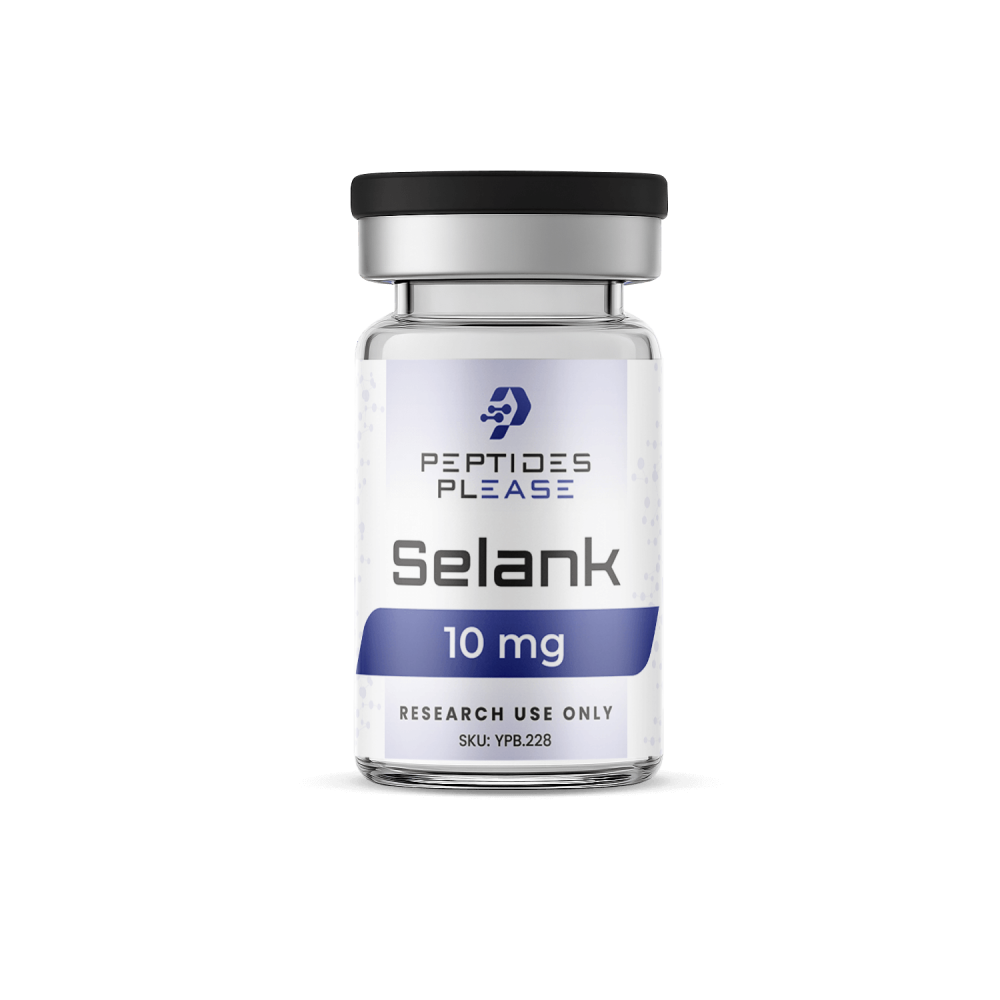 Popular PeptidesSelank (10mg)
 -
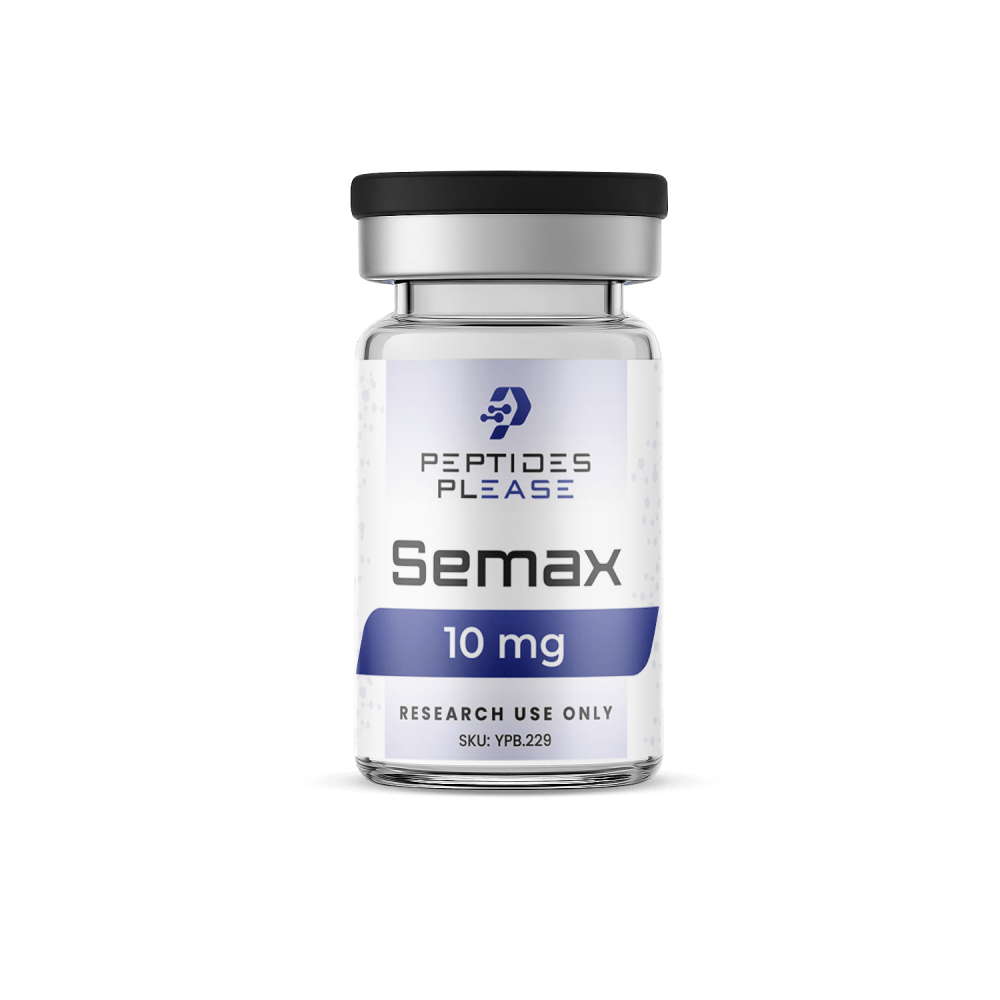 SemaxSemax (10mg)
Peptides for anxiety play an important role in the communication between the brain and the gut, which can influence emotions and mood. Gut-derived peptides help regulate how we respond to stress and anxiety by sending neuronal and hormonal signals throughout the body. Changes in gut microbiota composition can also affect the production of these peptides, influencing how the brain processes feelings linked to psychiatric disorders such as anxiety and depression.
Research shows that higher plasma ghrelin concentrations are often observed in people with anxiety and depression, while a decrease in leptin sensitivity can further affect emotional balance. Interestingly, prebiotics decrease ghrelin and may help restore a healthier gut environment, reducing stress-related symptoms. Understanding how these peptides for anxiety interact with the brain could lead to new treatments that target both gut health and mental health.
What Are the Best Peptides for Anxiety?
Peptides are small protein fragments that can affect gut-brain communication, hormones, and mood regulation. Recent studies suggest that altered gut microbiota and changes in gut peptide concentrations can influence anxiety levels through neural and immune pathways. For example, mice lacking endogenous ghrelin or showing decreased plasma ghrelin levels often exhibit higher anxiety-like behaviors, suggesting the gut microbiota’s influence on ghrelin and other gut peptides plays a vital role in emotional balance and immune function.
Researchers are exploring how gut peptide signaling interacts with the brain to manage stress and mood. Some scientists aim to combine peptide therapy with treatments that support a healthy gut microbiota, potentially improving both mental health and immune stability.
Commonly Researched Peptides
- Selank: A synthetic peptide that may reduce anxiety by increasing leu-enkephalin, a calming brain molecule.
- Oxytocin: Known as the “love hormone,” oxytocin may enhance empathy, bonding, and relaxation.
- Semax: Another neuropeptide that supports mental clarity and mood balance.
Food-Derived Peptides
- Soybean Peptides: Such as soymorphins, shown in animal studies to reduce anxiety and promote calm behavior.
- Casein & Walnut Peptides: Found in milk and walnuts, these peptides influence serotonin, dopamine, and GABA to support mood regulation.
How They Work
Peptides regulate mood through several pathways:
- Neurotransmitter Modulation: Balancing calming (GABA), mood-regulating (serotonin), and motivational (dopamine) brain chemicals.
- Stress Hormone Regulation: Reducing stress responses through gut-brain-immune interactions.
- Anti-inflammatory & Antioxidant Effects: Supporting emotional stability while enhancing immune function.
Combining peptide therapy with approaches that restore healthy gut microbiota may represent a promising strategy for managing anxiety naturally and effectively.
Peptides for Anxiety: Research Insights
Recent research highlights how G protein-coupled receptor-mediated signaling plays a central role in the effects of peptides on mood and emotional regulation. Peptides can influence anxiety symptoms through their interactions with neurotransmitters and gut-derived signaling peptides, linking the gut-brain axis to mental health. These mechanisms are still being explored, but early studies show that modulating specific peptide pathways may help achieve lowered ghrelin levels, improve mood, and reduce stress-related behaviors.
Neuropeptides as Neuromodulators
Peptides act as neuromodulators by interacting with classic neurotransmitters such as serotonin and GABA. They regulate emotional balance, chronic stress, and fear, making them promising targets for neuropsychiatric disorders like anxiety and depression. Signals from peptides such as ghrelin and vasoactive intestinal peptide also influence appetite and emotional behavior through ghrelin receptor-expressing neurons in the brain.
Anxiolytic (Anxiety-Reducing) Peptides
- Neuropeptide Y (NPY): Works as a “brake system” for anxiety and is linked to lower anxiety symptoms when levels are high.
- Oxytocin (OXT): Known for its social bonding effects, it reduces stress and promotes relaxation.
- Food-Derived Peptides: Bioactive peptides from foods like milk, walnuts, and fish affect serotonin and GABA, improving emotional balance.
Anxiogenic (Anxiety-Inducing) Peptides
- CART Peptide: Can increase anxiety-like responses in certain brain areas.
- Ghrelin: This hunger hormone can worsen anxiety and depression when levels are high. Studies also show decreased leptin sensitivity may amplify ghrelin’s effects, influencing mood regulation.
Emerging Research and Clinical Outlook
Researchers are examining how manipulating conventional intestinal microbiota can regulate peptide balance and emotional health. Some medications targeting G protein-coupled receptors, such as GLP-1 receptor agonists, show mixed effects on anxiety outcomes. While most studies are still preclinical, the findings suggest peptides may become innovative tools for managing anxiety through gut-brain modulation and precise receptor targeting.
Are There Peptides for Depression and Anxiety?
Peptides are showing great promise in managing anxiety and depression by influencing both the nervous system and the central nervous system. Current studies explore naturally occurring neuropeptides like oxytocin and neuropeptide Y (NPY), as well as food-derived peptides from soy and walnuts. These compounds can affect mood regulation, stress hormones, and how the gut microbiota modulates behavior, interacts with brain function, offering new pathways for emotional balance.
Emerging evidence shows that the gut microbiome influences central mood regulation through the gut-brain axis. When the gut is imbalanced, issues like inflammation or chronically elevated plasma ghrelin levels may disrupt neurotransmitter activity, leading to symptoms of anxiety or depression. This highlights the importance of maintaining gut health for stable mood and brain activity.
Moreover, research suggests the gut ameliorates insulin resistance and affects metabolic and endocrine responses that are closely tied to emotional regulation. By improving metabolism and reducing stress-related inflammation, peptides can help stabilize both physical and mental health. While early results are encouraging, scientists continue to study these interactions to better understand their long-term effects on mood disorders.
Are There Peptides for Sleep and Anxiety?
Peptides like Selank for calming anxiety without sedation, DSIP for inducing deep delta-wave sleep, and growth hormone releasers such as CJC-1295 and Ipamorelin for improving recovery are being studied for their effects on the immune system and stress regulation. These compounds may influence brain-derived neurotrophic factor (BDNF), which supports neuron growth and emotional balance, potentially improving cognitive function while reducing anxiety and enhancing rest quality.
In addition to their effects on neurotransmitters like GABA, these peptides can interact with other biological systems that inhibit gastric acid secretion and promote better digestion, contributing to a more balanced mind–body connection. The gut microbiota contributes indirectly to these benefits by affecting mood-regulating pathways through the gut–brain axis, showing how mental and physical health are tightly connected.
Meanwhile, therapies involving selective serotonin reuptake inhibitors (SSRIs) share similar goals by raising serotonin levels to stabilize mood and improve sleep. When combined with peptides that modulate hormones and neurochemicals naturally, they may offer a synergistic effect—enhancing emotional well-being, sleep depth, and recovery without heavy sedation or major side effects.
Frequently Asked Questions
Are there peptides for anxiety?
Yes, peptides like Selank, Semax, and Oxytocin show promise for treating anxiety by modulating brain function and acting on respective vagal afferent neurons to promote calm without heavy sedation. These short proteins influence neurotransmitters such as GABA and dopamine, offering rapid relief from stress while avoiding common side effects of traditional medications. Research highlights their role in enhancing neuroplasticity and reducing inflammation linked to anxious states.
Certain peptides also regulate energy homeostasis, potentially affecting metabolic outcomes beyond mental health, as seen in studies on nesfatin-1, phoenixin, and spexin that link anxiety pathways to food intake and weight balance. They may protect against pathogenic bacterial infections by supporting immunity during stress, while liver-innervating vagal pathways tie these effects to lower anxiety-like behaviors in high-fat diet models.
What peptides help anxiety?
Peptides like Selank, Semax, and Oxytocin help anxiety by supporting mental wellness through neurotransmitter modulation and reducing stress without heavy side effects. Selank matches benzodiazepines in calming effects, while Semax boosts cognition and mood for overall emotional balance. These options promote mental wellness as natural alternatives for daily anxiety management.
For major depression linked to anxiety, peptides such as PE-22-28 and BDNF enhance neuroplasticity and rapid antidepressant action, addressing root causes like inflammation. They counter chronic systemic stimulation from prolonged stress, improving resilience and hormone balance. Emerging therapies target both conditions for better outcomes.
Does selank work for anxiety?
Selank works for anxiety by targeting brain cells to boost GABA and serotonin activity, providing a quick calm similar to benzodiazepines but without sedation or addiction risks. Studies show it reduces anxious behaviors in animal models and improves mood in humans during stress. It supports overall emotional balance with nasal spray delivery for easy use.
Selank also influences energy homeostasis by affecting metabolic parameters, such as helping inhibit gastric emptying to stabilize blood sugar and reduce stress-eating. This ties anxiety relief to better gut-brain signaling, preventing metabolic disruptions from chronic worry. Users report sustained benefits for both mind and body.
What is the best peptide for happiness?
Hypocretin stands out as the best peptide for happiness, with levels showing a positive correlation to joyful states and dropping during sadness, potentially boosting mood and alertness when elevated. While gastrin-releasing peptide stimulates fear extinction pathways in the brain to reduce anxiety, hypocretin is directly tied to pleasure pursuit without sedation risks.
What is the most powerful supplement for anxiety?
L-theanine emerges as the most powerful supplement for anxiety, an amino acid found in green tea that calms the stress response by boosting GABA and serotonin without drowsiness, effectively easing anxiety disorders. Studies show 200-400 mg daily reduces worry and improves focus during tension. It’s safe, fast-acting, and outperforms many options for daily mental wellness.
Summary
Peptides play a significant role in understanding and managing anxiety because they influence many physiological processes within the body. For instance, peripherally produced ghrelin exerts important effects on brain regions that control mood and stress. Studies show that central ghrelin expression and related hormones secreted from the gut help modulate pathophysiological processes relevant to emotional regulation. These tiny molecules can influence how the body reacts to fear, stress, and anxiety, offering a promising area for future treatments.
Researchers have found that gut peptides diffuse through various tissues, affecting both the brain and body. The gut peptide distribution and the gut microbiome facilitated interactions help explain why certain normal-weight individuals, obese and lean rodents, and even depressed patients may react differently to stress. This gut-brain connection, often influenced by calcitonin gene-related peptide and adrenocorticotropic hormone, shows how complex the interplay between diet, hormones, and emotions can be when aiming to treat anxiety effectively.