Peptides for Acne
Showing all 3 results
-
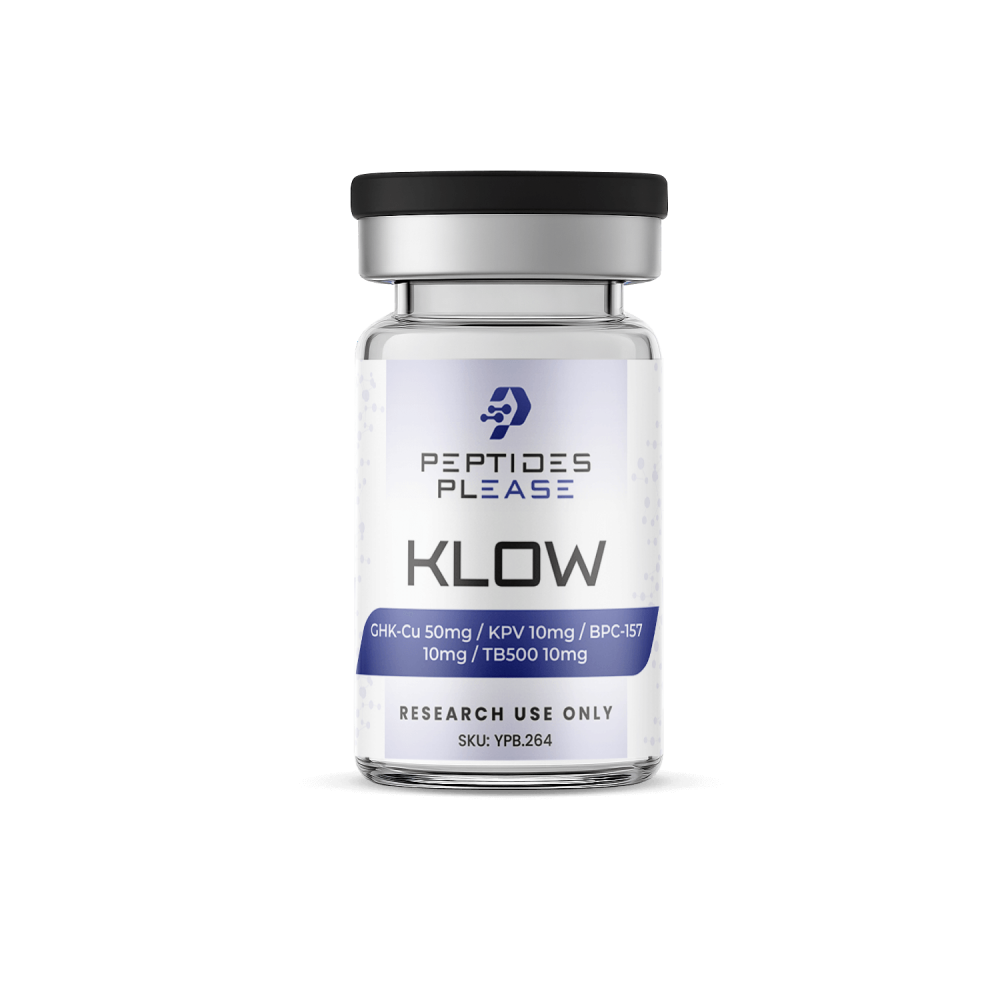 Peptide BlendsKLOW
- GHK-Cu(50mg)
- KPV(10mg)
- BPC-157(10mg)
- TB500(10mg)
-
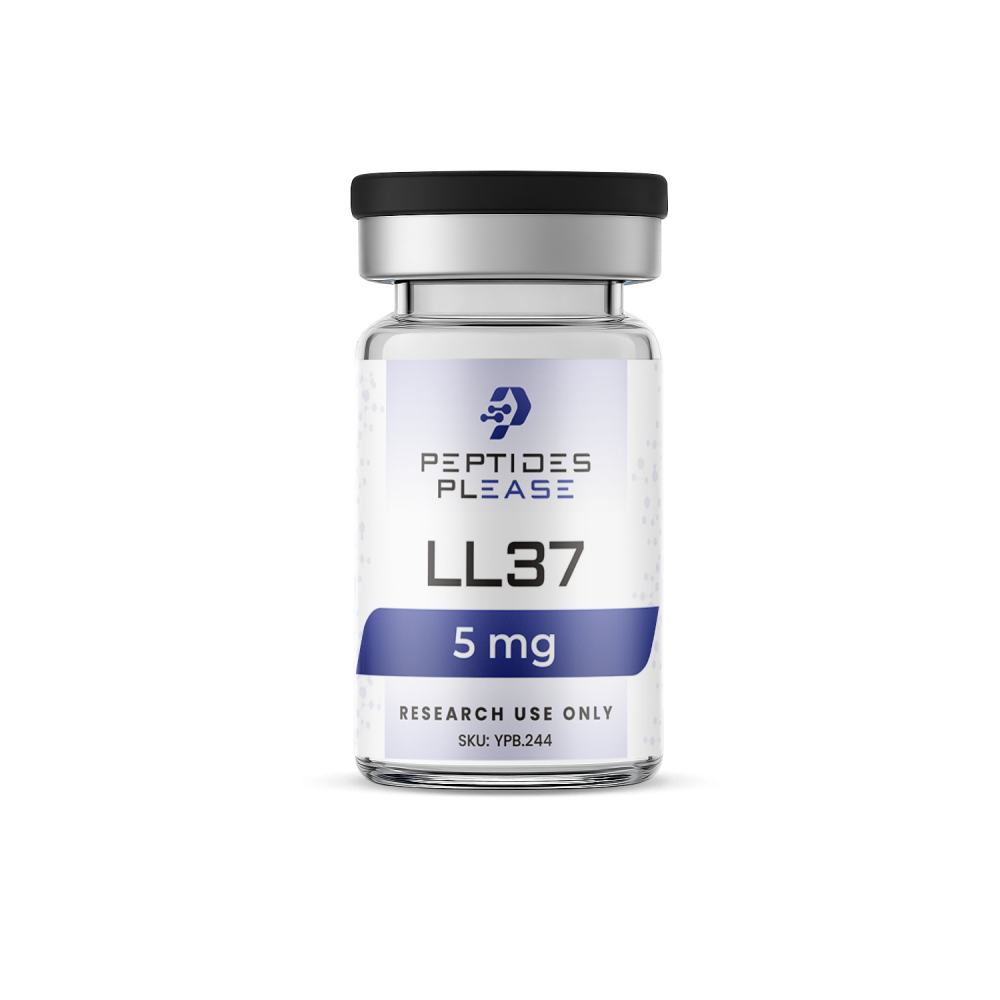 LL37LL37 (5mg)
 -
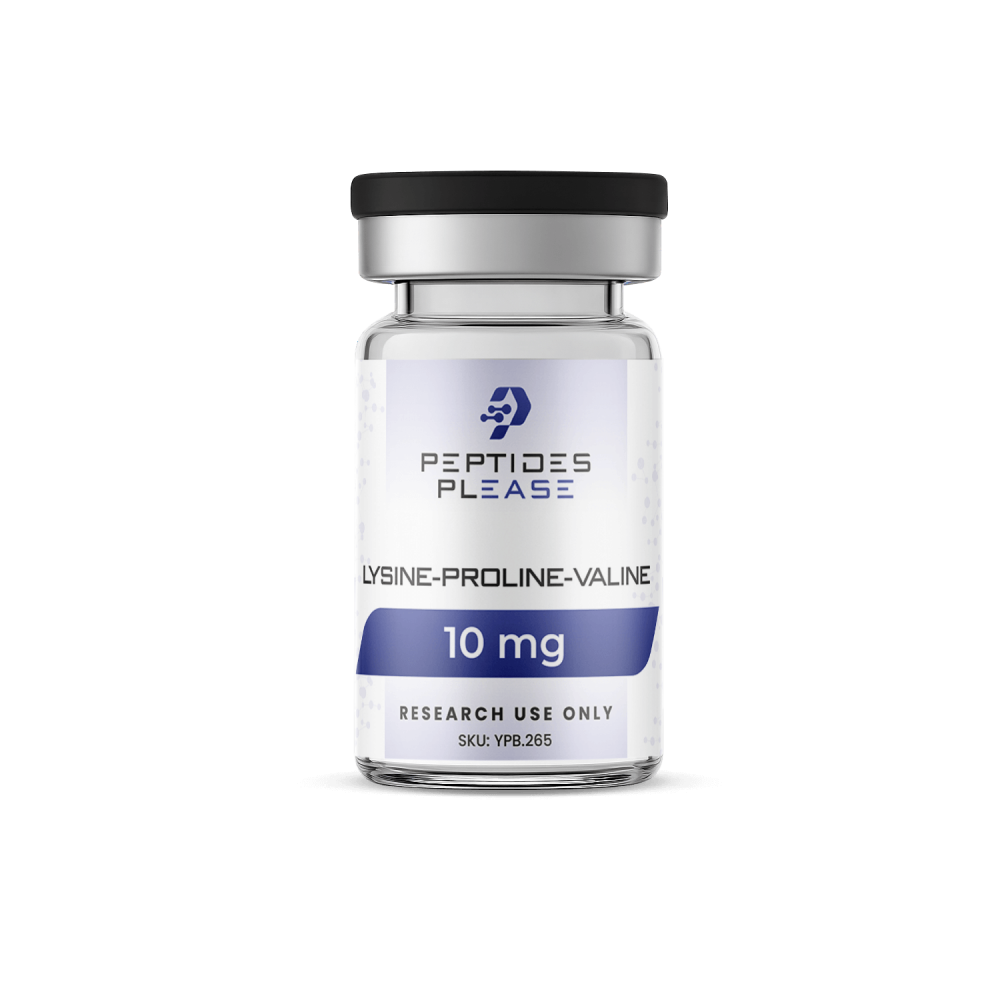 Lysine-Proline-ValineLYSINE-PROLINE-VALINE (10mg)
Peptides for acne are gaining attention as a powerful yet gentle solution for clearer, healthier skin. These short chains of amino acids help repair and strengthen the skin barrier, promote collagen production, and calm inflammation that often accompanies breakouts. Some antimicrobial peptides also target Cutibacterium acnes, the bacteria responsible for acne, reducing blemishes and preventing future flare-ups. Unlike harsher treatments that can cause dry skin or irritation, peptides for acne offer a balanced, skin-friendly approach suitable even for sensitive skin.
Are Peptides Good for Acne?
Peptides are great for acne because of their anti-inflammatory and antibacterial properties. They help fight acne-causing bacteria, calm redness, and speed up skin healing. Peptides also strengthen the skin barrier, making it more resilient and less prone to breakouts. Specific types like Oligopeptide-10 and copper peptides have shown promising results, especially when used together with other acne-fighting ingredients such as salicylic acid.
Find Reliable Peptide Products for Research at PeptidesPlease
Peptides for acne are becoming a popular choice for improving skin health, due to their ability to reduce inflammation, fight acne-causing bacteria, and promote faster healing. These powerful amino acid chains help strengthen the skin barrier and encourage a brighter complexion without irritation. For those exploring the potential of peptides in skincare innovation, you can find reliable peptide skincare products for research at our website, where quality and purity are always our top priorities.
Potential Benefits of Peptides for Acne Treatment
Peptides can be beneficial in managing acne because they help control inflammation, bacteria, oil production, and skin healing. Here are some key ways peptides support acne-prone skin:
- Fighting Bacteria: Some antimicrobial peptides can kill or stop the growth of acne-causing bacteria such as Cutibacterium acnes, reducing breakouts.
- Reducing Inflammation: Peptides can calm irritated skin by blocking substances that trigger inflammation, helping lessen redness and swelling.
- Promoting Healing and Reducing Scars: Peptides boost skin cell turnover and increase collagen and elastin production. This helps acne heal faster and reduces scarring or dark spots.
- Strengthening the Skin Barrier: Peptides reinforce the skin’s protective barrier, making it stronger against bacteria and environmental irritants that can worsen acne.
- Balancing Oil Production: Some peptides help regulate sebum (oil) levels, preventing clogged pores and new acne from forming.
Medical Research and Evidence on the Use of Peptides for Acne
Research on peptides for acne is still developing. Most studies so far come from laboratory tests and animal models, with a few early human trials. These studies show that peptides may help manage acne in several ways and could be useful alternatives or additions to current treatments, especially as antibiotic resistance becomes a growing concern.
- Antimicrobial Effects: Both natural and synthetic antimicrobial peptides (AMPs), such as granulysin-derived peptides and the synthetic peptide LZ1, can kill acne-causing bacteria (Cutibacterium acnes). Some studies even found them to be more effective than antibiotics like clindamycin in lab tests.
- Reducing Inflammation: Peptides may also lower skin inflammation by blocking the release of inflammatory compounds like TNF-α and IL-1β. For instance, palmitoyl tripeptide-8—used in some skincare formulas—is known for its soothing, anti-inflammatory properties.
- Controlling Oil Production: Certain peptides, such as melanocortin mimetics, help reduce excess sebum (oil) production, which can prevent clogged pores and new breakouts.
- Promoting Healing and Repair: Peptides like Hexapeptide-9 and Copper Peptide (GHK-Cu) support collagen production and skin renewal, helping to heal acne lesions and improve the appearance of scars.
Peptides for Acne Treatment Research
Studies show that peptides, especially Antimicrobial Peptides (AMPs), have strong potential as acne treatments. These peptides can kill acne-causing bacteria like Cutibacterium acnes, reduce skin inflammation, and may help address the growing issue of antibiotic resistance.
Both naturally occurring peptides (like granulysin) and lab-designed ones (such as LZ1 and RP556) have been studied for their ability to target harmful bacteria without affecting the skin’s healthy microbes. Because of this selective action, peptides could pave the way for new, effective topical treatments for acne in the future.
Do Peptides Kill Ance Bacteria?
Certain Antimicrobial Peptides (AMPs) can kill acne-causing bacteria such as Cutibacterium acnes. They work by damaging the bacterial cell membrane, which stops the bacteria from growing and spreading. Research shows that some peptides can be even more effective—or act differently—than traditional antibiotics. Many also provide additional skin benefits, like reducing inflammation. While our skin naturally produces some AMPs, scientists are now developing both natural and synthetic versions (from sources like egg whites or plants) to create targeted and powerful acne treatments that may help overcome antibiotic resistance.
Do Peptides Control Acne Bacteria Overgrowth?
Specific peptides can help control the overgrowth of acne-causing bacteria like Cutibacterium acnes (formerly P. acnes). They have strong antimicrobial and anti-inflammatory effects, allowing them to target bacteria and calm skin irritation at the same time. Because of these properties, peptides are being studied as promising alternatives to antibiotics—especially as antibiotic resistance becomes more common.
Do Peptides Help Heal Acne Lesions?
Peptides can support the healing of acne lesions in several ways. They help reduce acne-causing bacteria, calm inflammation, and speed up skin repair. Certain types, like copper peptides and antimicrobial peptides, show strong potential for clearing active breakouts and fading acne scars. By boosting collagen production, fighting bacteria, and promoting faster cell renewal, peptides can play an important role in achieving clearer and healthier skin.
Do Peptides Help Exfoliate Acne and the Scars Left Behind?
Peptides do not exfoliate the skin like alpha or beta hydroxy acids (AHAs or BHAs) do. Exfoliation removes dead skin cells from the surface, usually through ingredients such as salicylic acid or glycolic acid that break the bonds between skin cells. Peptides don’t perform this function. However, some peptides can support skin renewal and improve texture by promoting healthy cell regeneration. This makes them a great complement to exfoliating ingredients in a skincare routine.
Peptides for Oily Acne-Prone Skin
Peptides are great for oily and acne-prone skin. They help strengthen the skin barrier, reduce inflammation, fight acne-causing bacteria, and support healing after breakouts. Specific types like oligopeptides and tetrapeptides are especially beneficial. Peptides work well when combined with ingredients such as niacinamide and hyaluronic acid, especially in lightweight serums or moisturizers. For the best results, choose non-greasy, lightweight formulations and avoid heavy products that may clog pores.
Best Peptides for Acne
Peptides can play a key role in managing acne by reducing bacteria, calming inflammation, and supporting skin repair. Here are some of the most promising types:
- Zinc Peptides: Help control excess oil, reduce inflammation, and speed up skin healing. They are especially beneficial for oily and acne-prone skin.
- Copper Peptides (e.g., GHK-Cu): Deliver copper to promote healing, boost collagen production, strengthen the skin barrier, and improve skin tone and elasticity.
- Palmitoyl Hexapeptide-12: Helps reduce inflammation and maintain healthy skin structure, minimizing irritation and supporting overall skin balance.
- Novel Antimicrobial Peptides (e.g., DAP-7, DAP-10, LZ1): Shown in research to effectively kill acne-causing bacteria (Cutibacterium acnes) and reduce inflammation, with low toxicity. Some of these are currently being studied for future skincare use.
Peptides for Pustules
Peptides are showing strong potential in treating pustules and acne. They work by killing acne-causing bacteria like Cutibacterium acnes (formerly P. acnes), reducing inflammation, and promoting skin healing. In some studies, they’ve even performed better than traditional antibiotics, with a lower risk of resistance.
Antimicrobial peptides (AMPs) act like natural antibiotics, while others, such as palmitoyl tripeptide-8, help calm redness and irritation. Additionally, peptides derived from marine or plant sources, like burdock root, offer antibacterial and repairing properties, making them a promising natural approach for clearer, healthier skin.
Peptides for Papules
Peptides are emerging as a promising option for treating papules—the small, red, inflamed bumps linked to acne. They work in two main ways: by killing acne-causing bacteria and by reducing inflammation. Because of their unique action, peptides also carry a lower risk of bacterial resistance compared to traditional antibiotics.
Peptides for Hormonal Acne
Peptides can be helpful for hormonal acne by addressing key factors like inflammation, bacteria, and excess oil production. Palmitoyl tripeptide-8 is known for calming redness and reducing neuroinflammation, while antimicrobial peptides such as lactoferrin help fight acne-causing bacteria. In some cases, treatments that balance hormones—like GLP-1 agonists—may also help reduce breakouts. However, for persistent or severe hormonal acne, it’s best to consult a dermatologist for proper evaluation and treatment options.
Peptides for Cystic Acne
Peptides, especially Antimicrobial Peptides (AMPs) like lactoferrin and defensins, show strong potential in treating cystic acne. They help by killing acne-causing bacteria such as Cutibacterium acnes (formerly P. acnes), reducing inflammation, and balancing oil production.
Some peptides are being developed as topical treatments that can fight bacteria without causing antibiotic resistance. Designed antimicrobial peptides (dAMPs) target bacteria more precisely, while repair-focused peptides boost collagen and support healing. Together, these actions make peptides a promising option for reducing cystic breakouts, calming redness, and improving skin recovery.
Peptides for Acne Nodules
Peptides hold strong potential for treating inflammatory acne, including nodules, because they combine antimicrobial and anti-inflammatory benefits. They also support wound healing and help reduce the appearance of scars. Unlike traditional antibiotics, peptides carry a much lower risk of causing bacterial resistance, making them a promising option for long-term acne care.
Peptides for Fungal Acne
Peptides aren’t a main treatment for fungal acne (Malassezia folliculitis), but some types, like cathelicidins (LL-37) and histatins, have shown natural antifungal effects. They work by breaking down fungal cell walls and disrupting biofilms, which could make them useful in future treatments. For now, managing fungal acne is best done with antifungal washes containing ingredients like ketoconazole or selenium sulfide, along with using lightweight, oil-free products. Heavy or greasy ingredients can feed the yeast and make breakouts worse.
Peptides for Inflamed Acne
Peptides show great promise for treating inflamed acne because they work in two ways: fighting acne-causing bacteria like Cutibacterium acnes and calming inflammation by reducing pro-inflammatory substances such as TNF-α, IL-1, and IL-8. They also help the skin heal and recover.
Antimicrobial peptides (AMPs) from sources like egg whites, marine organisms, or lab-designed versions such as LZ1 and BLP-7 have shown strong antibacterial power—sometimes even greater than traditional antibiotics. These peptides can help reduce redness, swelling, and bacteria, making them excellent ingredients for topical serums aimed at soothing acne-prone skin.
Peptides for Acne Rosacea
Peptides can be helpful for acne rosacea by reducing inflammation, calming redness, and strengthening the skin barrier. Some also have mild antimicrobial effects that target acne-causing bacteria. Copper peptides and anti-redness peptides are especially beneficial because they soothe irritation, boost collagen production, and support skin repair. Certain peptides also help regulate pathways like LL-37, which are linked to inflammation and abnormal blood vessel growth in rosacea. Overall, peptides are generally safe and suitable for sensitive, rosacea-prone skin.
Peptides for Acne Mechanica
Peptides can be a gentle and effective addition to managing acne mechanica, which is caused by friction or pressure on the skin. Their anti-inflammatory, antibacterial, and healing properties help calm irritation and support skin repair. Peptides also strengthen the skin barrier, making it more resilient against mechanical stress and reducing future flare-ups.
Are Copper Peptides Good for Acne?
Copper peptides can be beneficial for acne-prone skin. They have antibacterial and anti-inflammatory properties that help reduce breakouts and calm redness. These peptides also support wound healing and skin repair, helping to prevent scars and fade existing marks. Copper peptides may help balance oil (sebum) production and strengthen the skin’s barrier, all while being non-comedogenic, meaning they won’t clog pores. They also promote collagen and elastin production, leading to healthier, clearer, and more resilient skin over time.
Best Copper Peptides for Acne
For acne-prone skin, copper peptides—especially GHK-Cu (Copper Tripeptide-1)—are highly effective because of their healing, anti-inflammatory, and antibacterial properties. They help minimize breakouts by reducing acne-causing bacteria while soothing redness and irritation. Additionally, GHK-Cu supports collagen production and skin repair, which aids in fading scars and improving skin texture. This makes copper peptides an excellent choice for promoting clearer, calmer, and healthier-looking skin.
Copper Peptides for Pitted Acne Scars
Copper peptides can be beneficial for pitted acne scars because they help stimulate collagen production, promote skin regeneration, and reduce inflammation, resulting in smoother and plumper skin over time. They work well alongside treatments like microneedling, as the combination enhances collagen remodeling and healing. Improvements are often more noticeable in boxcar scars compared to deeper ice-pick scars. By supporting wound repair and rebuilding damaged tissue, copper peptides contribute to better overall skin texture. However, results can vary, and it’s important to use them correctly—avoiding direct layering with strong acids or retinoids to prevent irritation.
Are Collagen Peptides Good for Acne?
Collagen peptides can be beneficial for acne-prone skin by improving skin hydration, elasticity, and skin repair, which may help reduce inflammation and the appearance of scars. While they don’t directly treat active acne, they support overall skin health and healing, leading to smoother and stronger skin over time. However, not all collagen supplements work the same for everyone—some people may experience breakouts if the dosage is too high or the formulation doesn’t suit their skin. Choosing a balanced, high-quality collagen source and monitoring your body’s response is key.
Best Collagen Peptides for Acne
For acne-prone skin, the best collagen peptides are usually hydrolyzed marine collagen peptides or plant-based collagen alternatives. Marine collagen is easily absorbed by the body and gentle on the skin, helping support repair and elasticity without causing irritation. Plant-based options are also great choices, often combined with nutrients like zinc and vitamin C that help fight acne and support collagen production. Both options promote clearer, healthier skin by encouraging healing and maintaining a strong skin barrier.
Collagen Peptides for Acne Scars
Collagen peptides can help improve acne scars by boosting the skin’s natural collagen production, enhancing elasticity, and promoting tissue repair. They are especially effective for newer or shallow scars, as they encourage smoother and healthier skin regeneration. When combined with treatments like microneedling, lasers, or topical retinoids, collagen peptides can enhance results by improving skin texture and firmness. While taking collagen supplements can aid healing and skin renewal from within, deeper or older scars may still require professional treatments for more noticeable improvement.
Topical Peptides for Acne
Topical peptides, particularly Antimicrobial Peptides (AMPs), are showing great promise in acne care. They work by directly targeting acne-causing bacteria such as Cutibacterium acnes while reducing inflammation and redness. These peptides also help balance the skin’s microbiome, leading to healthier, clearer skin. Some formulations even support collagen production, which can improve acne scars and fade dark marks. Using peptide serums or creams with hydrating ingredients like niacinamide can further enhance results by soothing and strengthening the skin barrier.
Injectable Peptides for Acne
Injectable peptides are showing great promise as a potential acne treatment by addressing the main causes of breakouts. They have strong antimicrobial properties that target acne-causing bacteria like Cutibacterium acnes, while also reducing inflammation, controlling oil production, and supporting skin healing. Peptides such as Oligopeptide-10 and Copper Tripeptides have shown effectiveness in calming redness, fighting bacteria, and repairing the skin barrier. Although still being researched, injectable peptides may soon become a targeted therapy to complement existing acne treatments, with advances like potential peptide-based vaccines currently under development.
Oral Peptides for Acne
While oral peptides for acne are not yet widely used, research suggests they have strong potential—especially Antimicrobial Peptides (AMPs) that can target Cutibacterium acnes and reduce inflammation. These peptides work by disrupting bacterial membranes or influencing the body’s immune response, helping to control acne breakouts and calm irritation. Although most current progress is seen in lab studies, some peptide-based ingredients are already being used in topical acne products. Oral peptide treatments face challenges related to stability and absorption, but may soon offer a new way to fight resistant bacteria and support overall skin health from within.
Are Peptides Good for Acne Scars
Peptides are beneficial for acne scars because they enhance skin texture and tone by stimulating collagen production, reducing inflammation, and speeding up wound healing. Specific types like copper peptides and oligopeptide-10 have been shown to help plump indented (atrophic) scars and fade dark marks left by acne. By supporting the skin’s natural repair processes and improving its structural strength, peptides promote smoother, healthier-looking skin while also calming redness and irritation commonly linked to scarring.
Best Peptides for Acne Scars
For acne scars, copper peptides (GHK-Cu) are among the best options because they stimulate collagen production, reduce inflammation, and improve skin texture and pigmentation. Similarly, palmitoyl pentapeptide-4 (Matrixyl®) helps boost collagen and enhance skin firmness, which smooths fine lines and softens the appearance of scars. Both peptides work by signaling the skin to repair itself, promoting healthier and more even-toned skin over time. However, for deeper scars, combining these peptides with professional treatments can deliver more noticeable results.
Risks and Side Effects of Peptides for Acne
Peptides are generally considered gentle in skincare, but like any active ingredient, they can still cause side effects and are not risk-free.
Common, Mild Side Effects
Most side effects from topical or cosmetic peptides are mild and temporary, especially when you first introduce them into your routine. These may include:
- Skin irritation: Redness, itching, mild burning, or stinging.
- Dryness or tightness: Especially if used with strong actives (like acids or retinoids).
- Breakouts or purging: Some people may notice new spots or clogged pores if the formula is too rich or not suitable for their skin type.
- Allergic reactions (mild): Small patches of rash or hives in sensitive skin types.
These reactions often improve as the skin adjusts, or when you reduce how often you use the product.
Less Common, More Serious Reactions
Serious side effects from skincare peptides are rare but can occur, particularly in very sensitive skin types or in people with multiple allergies:
- Strong allergic reaction: Marked redness, swelling, widespread hives, or intense itching.
- Severe irritation: Burning, peeling, or worsening inflammation, especially if layered with other strong actives.
- Eye irritation: If products migrate too close to the eyes, they can cause stinging, redness, or watering.
If you experience severe swelling, trouble breathing, or widespread rash, stop using the product and seek medical help immediately.
Who Is at Higher Risk?
You may be more likely to react to peptides if you:
- Have very sensitive, reactive, or allergy-prone skin
- Use multiple strong actives (retinoids, AHAs/BHAs, benzoyl peroxide) at the same time
- Have a history of contact dermatitis or eczema
- Apply too many new products at once without patch testing
How to Reduce Risks
- Patch test first: Apply a small amount on the jawline or behind the ear for a few days.
- Introduce slowly: Start 2–3 times a week, then increase if your skin tolerates it.
- Avoid over-layering: Be cautious when combining peptides with strong acids or high-strength retinoids in the same routine.
- Watch your skin: If you notice increasing redness, burning, or persistent acne breakouts, reduce use or stop and consult a dermatologist.
Medical Consensus on the Use of Peptide for Acne Treatment and Management
Experts agree that peptides show promise in treating acne, but their use is still considered experimental. They have not replaced standard treatments like retinoids, benzoyl peroxide, or antibiotics. However, peptides are becoming more popular as supportive treatments, especially for improving acne scars.
Frequently Asked Questions
Are peptides good for cystic acne?
Peptides show promise for treating cystic acne by targeting bacteria like Cutibacterium acnes and reducing inflammation, but they remain investigational and are not a proven standalone treatment.
Can copper peptides help acne?
Copper peptides can help acne by reducing inflammation, promoting wound healing, and aiding in scar reduction, though evidence is promising yet largely preliminary.
Can I use peptides on acne-prone skin?
Yes, peptides are generally safe and beneficial for acne-prone skin, as they help regulate oil, reduce inflammation, and strengthen the skin barrier without causing breakouts.
Can peptides get rid of acne for good?
No, peptides cannot get rid of acne for good, as they manage symptoms like inflammation and bacteria but do not provide a permanent cure for the chronic skin conditions.
Do collagen peptides help acne scars?
Collagen peptides may help improve the appearance of acne scars by boosting skin elasticity, hydration, and wound healing, though evidence is preliminary, and they work best for newer or atrophic scars rather than deep, old ones.
Do copper peptides help with acne scars?
Yes, copper peptides help with acne scars by promoting collagen production, accelerating wound healing, and reducing scar severity, particularly for boxcar and rolling types when combined with treatments like dermarolling.
Do peptides help acne?
Yes, peptides help acne by reducing inflammation, fighting acne-causing bacteria like Cutibacterium acnes, and promoting skin healing, making them a promising adjunctive treatment.
What is the best peptide for acne?
Copper peptides (GHK-Cu) are widely regarded as the best peptides for acne due to their potent antimicrobial, anti-inflammatory, and wound-healing properties that target bacteria and reduce breakouts.
Which peptide is best for acne scars?
Copper peptides (GHK-Cu) are considered the best peptides for acne scars due to their proven ability to accelerate wound healing, boost collagen production, and significantly reduce scar severity, especially boxcar types, when used with dermarolling.
Summary
Peptides offer promising support for acne management by combating inflammation, targeting acne-causing bacteria like Cutibacterium acnes, and promoting skin repair, with copper peptides (GHK-Cu) standing out as particularly effective for both active breakouts and scar reduction through enhanced collagen production and wound healing. While safe for acne-prone skin and useful as adjuncts to standard treatments like retinoids or benzoyl peroxide, they remain investigational without providing a permanent cure, best suited for symptom control, scar fading (especially atrophic types), and overall barrier strengthening rather than standalone therapy.