Nootropic Peptides
Showing all 3 results
-
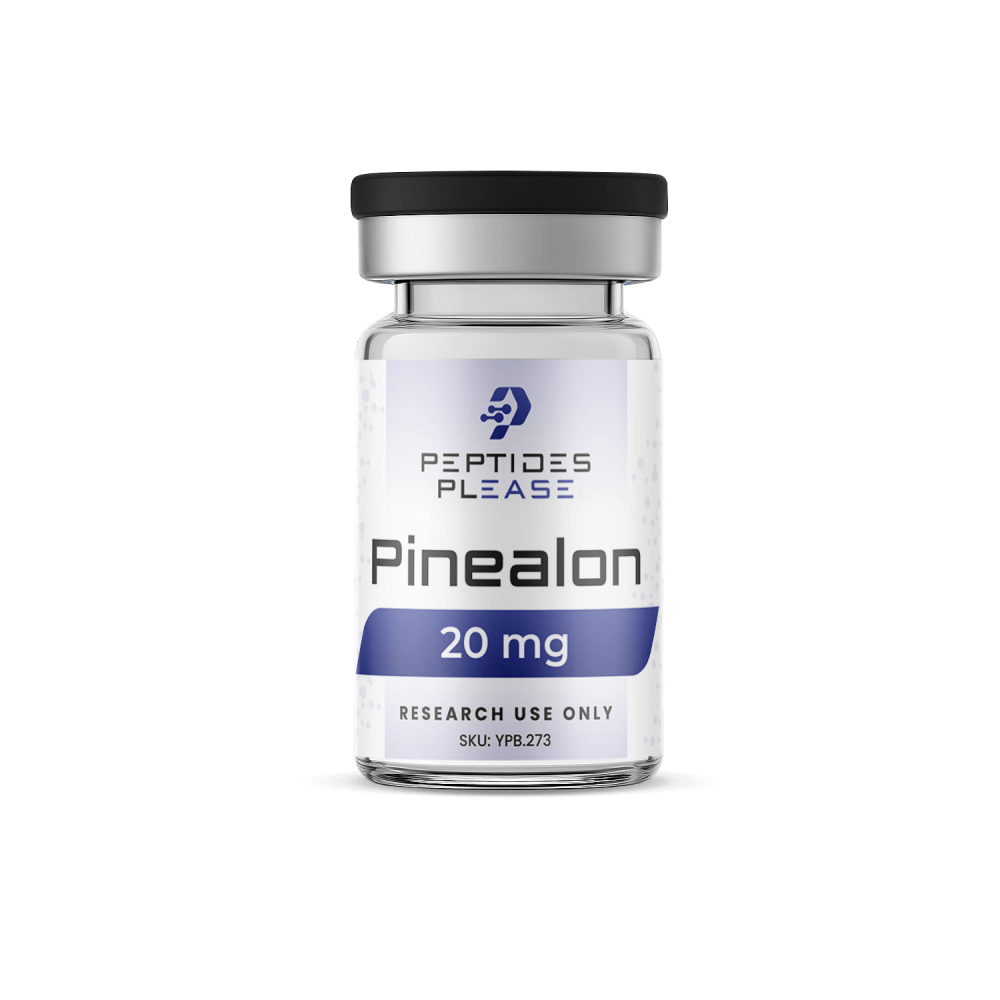 BioregulatorsPinealon (20mg)
 -
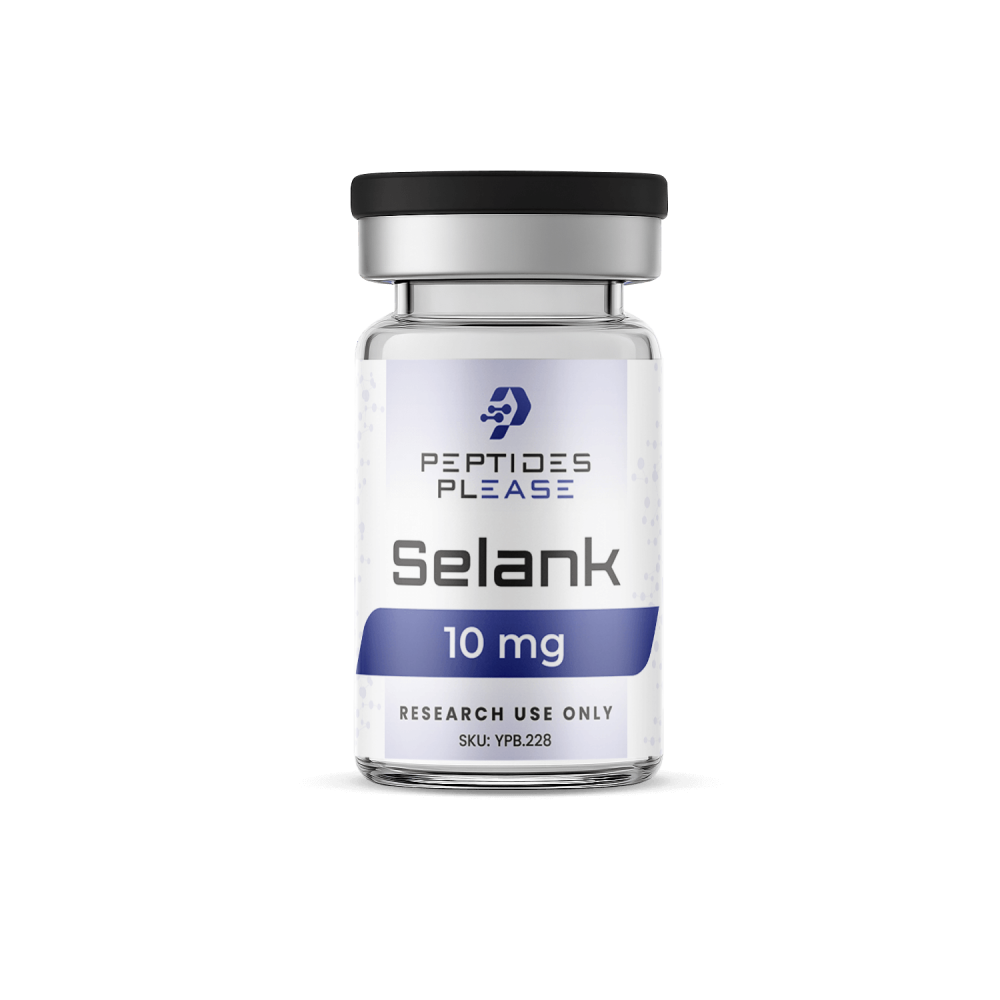 Popular PeptidesSelank (10mg)
 -
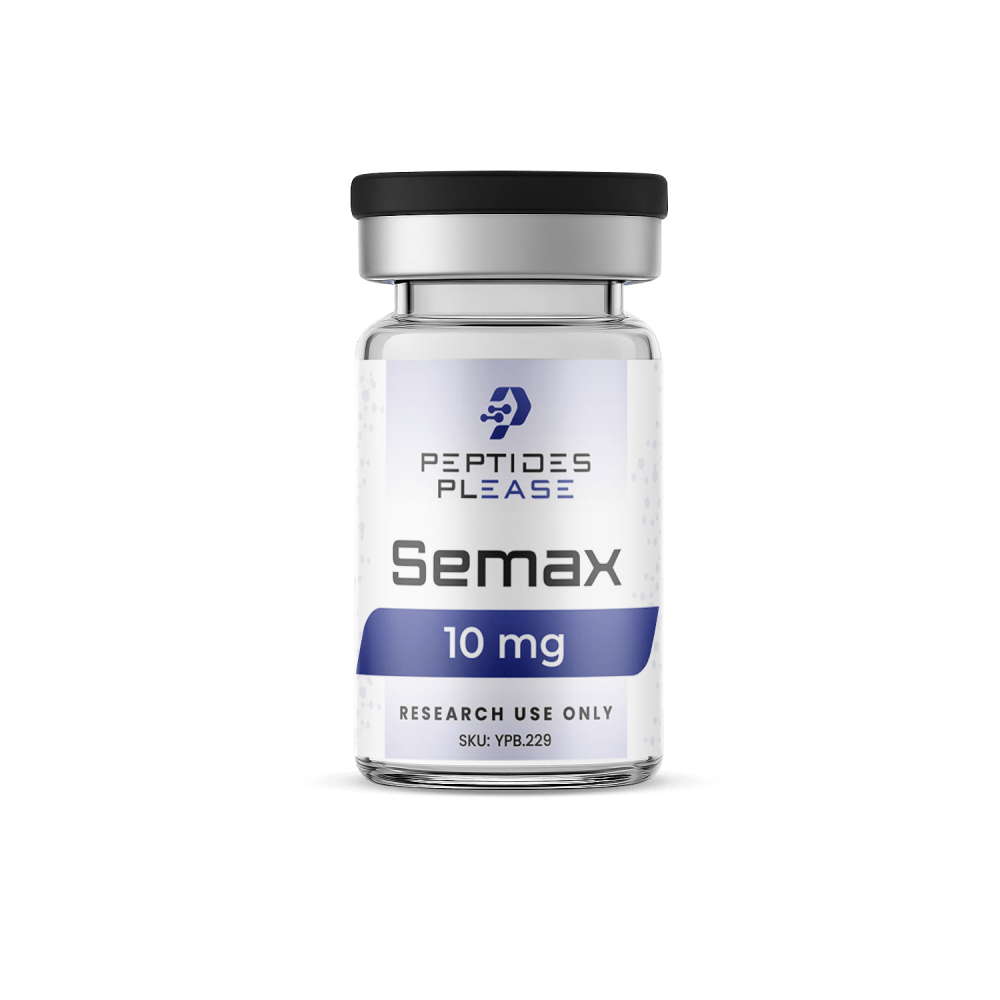 SemaxSemax (10mg)
Nootropic peptides are a class of bioactive compounds designed to enhance cognitive function and support overall brain health. Composed of short chains of amino acids, these cognitive enhancers work by influencing neural signaling, protecting neurons, and promoting synaptic plasticity. Many nootropic peptides are believed to stimulate the production of brain-derived neurotrophic factor (BDNF), a vital protein that supports neuron growth and connectivity—key elements in maintaining healthy brain function.
As research in peptide therapy advances, these compounds are gaining attention for their potential to prevent cognitive decline and optimize cognitive performance. By improving communication between neurons and enhancing energy metabolism in the brain, nootropic peptides offer a promising approach to boosting focus, memory, and mental clarity. Their targeted mechanism and natural origin make them an exciting frontier in the development of safe, effective interventions for strengthening brain resilience and performance.
What are Nootropic Peptides?
Nootropic peptides are small chains of amino acids that serve as signaling molecules in the brain, helping to improve cognitive functions such as memory, focus, and motivation. These compounds can occur naturally in the body or be synthetically produced for therapeutic purposes. By modulating key brain pathways and supporting neural health, nootropic peptides work to enhance overall mental performance and promote optimal brain function.
How Do Nootropic Peptides Work?
Nootropic peptides enhance brain function by mimicking or influencing natural signaling processes. Their small size allows rapid action and precise targeting of receptors or pathways, unlike broader nootropics.
- Neurotransmitter Modulation: These peptides adjust levels of key neurotransmitters such as acetylcholine for memory, dopamine for motivation, serotonin for mood, and GABA for calm. This modulation improves synaptic communication and cognitive performance.
- Neurotrophic Factor Boost: Peptides like Semax and Cerebrolysin elevate BDNF and NGF, promoting neuron survival, neurogenesis, and synaptogenesis essential for learning. BDNF strengthens synapses and supports long-term potentiation.
- Blood Flow and Energy: They enhance cerebral circulation by dilating vessels, delivering more oxygen and glucose to the brain. Improved mitochondrial function increases ATP production, sustaining focus and reducing fatigue.
- Neuroprotection and Stress: Peptides shield cells from oxidative stress, inflammation, and toxins like amyloid-beta. They also regulate the HPA axis to lower cortisol, building resilience against mental strain.
Find Reliable Peptide Products for Research at Peptides Please
At our website, you can find reliable peptide products designed specifically for research on nootropic peptides—advanced compounds that play a key role in supporting cognitive health and enhancing cognitive function. Our peptides are formulated to help researchers explore how these substances interact with brain cells and the central nervous system, offering valuable insights into potential interventions for cognitive impairment. Each product meets strict quality standards, giving you confidence and consistency in every study focused on understanding and improving mental performance.
Potential Benefits of Nootropic Peptides
Nootropic peptides are short chains of amino acids that act as signaling molecules in the brain. They help improve cognitive performance by influencing neurotransmitters, supporting neuron growth, and protecting brain cells from damage.
- Enhanced Memory and Learning: Peptides such as Dihexa and Semax boost the brain’s ability to form and recall memories. They increase levels of brain-derived neurotrophic factor (BDNF), a protein that supports neuron growth and new neural connections.
- Improved Focus and Attention: These peptides enhance mental clarity and concentration by balancing key neurotransmitters like dopamine, serotonin, and acetylcholine, which are essential for motivation, learning, and sustained attention.
- Neuroprotection and Brain Health: Many nootropic peptides protect neurons from oxidative stress, inflammation, and toxins. This neuroprotective effect may help slow down age-related cognitive decline and conditions like Alzheimer’s disease.
- Mood Regulation and Stress Resilience: Peptides such as Selank and BPC-157 help regulate mood, reduce anxiety and depression, and strengthen the body’s resilience to chronic stress by supporting healthy stress response systems.
- Improved Cerebral Blood Flow and Energy: Peptides like Pinealon and Cerebrolysin enhance blood and oxygen flow to the brain. This improves glucose utilization and energy production, supporting sharper thinking and better performance under stress.
- Support for Brain Injury Recovery: Compounds such as Cerebrolysin and BPC-157 assist in neuron repair and may aid recovery from traumatic brain injury (TBI), stroke, or other forms of neural damage by promoting tissue regeneration and healing.
Most Common Nootropic Peptides List
Nootropic peptides are compounds made of short amino acid chains that support brain health and cognitive function. Some of the most common ones include Cerebrolysin, Semax, Selank, Dihexa, Pinealon, Epithalon, and BPC-157. While many show potential for cognitive enhancement, most are not approved by the FDA for this purpose and should be used only under medical supervision.
- Cerebrolysin: A mixture of active peptides derived from pig brain tissue. It is used in over 45 countries to treat stroke and dementia by supporting neuron growth and protein synthesis. However, clinical evidence on its effectiveness remains mixed.
- Semax: Developed in Russia in the 1970s, this synthetic peptide is derived from ACTH (adrenocorticotropic hormone). It is often used to enhance focus, learning, and memory, particularly in tasks that require sustained concentration.
- Selank: A peptide similar in structure to Semax, Selank offers calming and anti-anxiety effects while helping maintain mental clarity. It is often used to support stress management and emotional balance.
- Dihexa: Originally developed to help treat traumatic brain injury (TBI) and Alzheimer’s disease, Dihexa promotes neural repair and connectivity. It is being studied for its strong nootropic and neuroprotective potential.
- Pinealon: This peptide may help improve memory and learning by enhancing oxygen flow and nervous system activity in the brain, supporting mental alertness and cognitive endurance.
- Epithalon: A synthetic version of the natural peptide Epithalamin, Epithalon, is often researched for its anti-aging and neuroprotective benefits, as well as its ability to support healthy cell function.
- BPC-157: Best known for tissue and gut healing, BPC-157 is also being explored for its role in neural protection and its influence on the gut-brain axis, potentially supporting overall brain health.
Most Effective Nootropic Peptides
Nootropic peptides like Semax, Selank, Dihexa, and Pinealon stand out for enhancing focus, memory, anxiety reduction, and neuroprotection through mechanisms such as boosting BDNF (brain-derived neurotrophic factor) and neurogenesis. These are often experimental, lack broad FDA approval for cognitive use, and require medical oversight.
- Semax: A synthetic ACTH derivative that boosts BDNF levels, improving focus, attention, memory, motivation, and neuroprotection under stress. It enhances learning and synaptic plasticity without sedation.
- Selank: An anxiolytic peptide that reduces anxiety and brain fog by balancing serotonin, dopamine, and GABA, while promoting mental clarity and emotional stability. It supports cognitive function without dependency risks.
- Dihexa: A potent synthetic peptide millions of times stronger than BDNF at stimulating synapse formation and neurogenesis, aiding memory, learning, and brain repair in preclinical studies. It targets disorders like Alzheimer’s but remains highly experimental.
- Pinealon: Acts as a neuroprotector by enhancing mitochondrial function, oxygen flow, and synaptic plasticity to combat age-related cognitive decline, improve focus, and boost memory. It supports overall brain resilience and stress resistance.
Nootropic Peptides Cognitive Enhancement
Nootropic peptides function as signaling molecules in the brain through precise mechanisms that support cognition.
- Neurotransmitter Modulation: These peptides adjust levels of key chemicals like acetylcholine, dopamine, serotonin, and norepinephrine. This enhances learning, memory retention, and mood stability for better mental performance.
- Neurogenesis and Synaptogenesis: Compounds like Dihexa drive new synapse formation between neurons, while Semax boosts BDNF and NGF production. These factors promote neuron survival, growth, and brain plasticity essential for learning.
- Cerebral Circulation Boost: Certain peptides widen blood vessels to improve oxygen and nutrient flow to the brain. Enhanced delivery protects tissue from damage and sustains energy for cognitive tasks.
- Neuroprotection and Anti-Inflammation: They combat oxidative stress and inflammation, key culprits in aging brains and diseases like Alzheimer’s. This shields neurons, slowing decline and fostering long-term brain health.
Nootropic Peptides Research
Research into nootropic peptides is an emerging and active field dedicated to discovering compounds that can boost cognitive function and support brain health. These bioactive peptides are designed to enhance neurotransmission, improve memory retention, and protect neurons from oxidative stress. Scientists are particularly interested in how growth hormone-releasing peptides can influence neural regeneration and brain metabolism, potentially reducing the effects of brain fog and cognitive fatigue. Unlike many synthetic drugs, nootropic peptides act as natural signaling molecules, providing a targeted way to optimize cognitive function with minimal side effects.
Recent studies in Nootropic Peptides Research also highlight their potential role in promoting better vascular function and maintaining healthy blood pressure, which is crucial for sustained mental performance. Researchers believe that consistent use of certain peptides may help individuals achieve peak cognitive performance by improving nutrient delivery to the brain and enhancing overall neural efficiency. As this field continues to evolve, it offers promising insights into how precise biochemical modulation can support mental clarity, focus, and long-term cognitive vitality.
Medical Consensus on the Use of Peptides for Nootropic Peptides
The medical consensus on the use of peptides as smart drugs remains inconclusive, especially when applied to cognitive enhancement in healthy individuals. While peptides play vital roles in numerous biological processes, including neural signaling and repair, there is no official medical consensus that supports their widespread use as cognitive enhancers. Some peptides are approved for therapeutic uses, such as treating cognitive disorders or stimulating derived neurotrophic factor (BDNF) to support existing neurons, but these are prescription-based and studied within controlled medical contexts. The majority of so-called nootropic peptides available on the market are unregulated and lack large-scale, peer-reviewed clinical trials demonstrating consistent safety or efficacy.
Currently, most peptides marketed for brain enhancement are classified as dietary supplements, meaning they do not undergo the same rigorous testing required for pharmaceutical approval. Despite anecdotal reports of improved focus, memory, or mood, clinical evidence remains limited, and the long-term effects of peptide-based smart drugs in healthy individuals are not well understood. Until further research bridges the gap between biological theory and clinical proof, medical professionals generally advise caution, emphasizing that maintaining brain health through balanced nutrition, sleep, and exercise remains more effective and evidence-based than relying on experimental peptide supplements.
Associated Risks and Side Effects
Nootropic peptides carry potential risks and side effects, ranging from mild gastrointestinal discomfort to rare neurological or allergic reactions, often linked to dosage, administration, or individual sensitivity. These effects are frequently reported by users and vary by peptide type, such as injectables like Semax or Dihexa.
- Gastrointestinal Issues: Nausea, vomiting, diarrhea, or stomach cramps often occur, especially with oral or injectable forms. Staying hydrated and starting with low doses may help mitigate these.
- Neurological Effects: Headaches, dizziness, fatigue, and insomnia are common as the brain adjusts to neurotransmitter changes. These typically resolve within days but warrant monitoring.
- Cardiovascular Changes: Temporary rises in blood pressure, heart rate, or palpitations can happen due to stimulation of stress pathways. Those with heart conditions should avoid use.
- Administration Reactions: Injectable or nasal peptides like Selank may cause site pain, swelling, redness, or post-nasal drip. Proper technique reduces irritation.
- Allergic Responses: Rare but serious hives, swelling, or breathing issues signal an allergy. Discontinue immediately and seek medical help.
- Mood Alterations: Anxiety, irritability, restlessness, or rare psychosis may emerge from dopamine/serotonin shifts. Pre-existing mental health issues increase vulnerability.
Explore Trusted Peptide Products Designed for Research from PeptidesPlease
Discover a wide selection of trusted nootropic peptide products designed exclusively for research on our website. Each peptide is crafted with precision, ensuring high purity and consistency to support reliable experimental outcomes. Whether you’re exploring cognitive enhancement, neural regeneration, or advanced biochemical applications, our curated collection offers innovative compounds backed by quality assurance and scientific integrity. Empower your research with premium-grade peptides that meet the highest standards of excellence and innovation in nootropic science.
Frequently Asked Questions
What is a nootropic peptide?
A nootropic peptide is a short chain of amino acids that acts as a cognitive enhancer by mimicking neurotransmitter effects, promoting brain-derived neurotrophic factor (BDNF) production, and improving memory, focus, learning, and neuroprotection with fewer side effects than traditional nootropics.
What are the best nootropic peptides?
The best nootropic peptides, based on research highlighting their cognitive enhancement, neuroprotection, and memory benefits, include Semax, Selank, Dihexa, Pinealon, and Cerebrolysin.
What is the most effective nootropic peptide?
Dihexa stands out as the most effective nootropic peptide due to its exceptional potency—reportedly 10 million times stronger than BDNF—in promoting synapse formation, neurogenesis, and cognitive repair, particularly in Alzheimer’s models, with superior efficacy at ultra-low doses and oral bioavailability.
What is the controversy with nootropics peptides?
The primary controversy surrounding nootropic peptides stems from their lack of FDA approval for human use, regulatory bans on compounding due to risks like immunogenicity and impurities, insufficient long-term safety data from human trials, and widespread sale of unregulated “research-grade” products often hyped by influencers despite potential side effects such as headaches, blood pressure changes, and immune responses.
Are nootropics banned?
Nootropics are not universally banned, as natural ones remain legal as dietary supplements in most countries while synthetic variants like racetams occupy legal gray areas without FDA approval, and certain peptides face compounding bans due to safety risks.
Are nootropics scientifically proven?
Nootropics are not universally scientifically proven, as evidence varies—certain natural ones like Bacopa monnieri, citicoline, and phosphatidylserine show modest benefits for memory and cognition in clinical trials, particularly for impaired individuals, while many synthetic options and peptides lack robust, consistent human data.
What are the best nootropic peptides for cognitive enhancement?
The best nootropic peptides for cognitive enhancement are Semax, Selank, Dihexa, Cerebrolysin, and Pinealon, which promote neurogenesis, memory, focus, neuroprotection, and learning through neurotransmitter modulation and brain repair mechanisms.
Summary
Nootropic peptides represent a promising frontier in cognitive enhancement, leveraging their precise molecular structures to target brain pathways involved in memory, focus, and neuroprotection. These short chains of amino acids, such as Noopept and Semax, modulate neurotransmitters, boost synaptic plasticity, and shield neurons from oxidative stress and inflammation, offering benefits like improved mental clarity and resilience against age-related decline. Unlike broader nootropics, their specificity often leads to rapid effects with potentially fewer side effects, as they break down into natural amino acids.
In summary, while research highlights their potential for treating cognitive impairments and enhancing performance in healthy individuals, ongoing studies emphasize the need for careful dosing and medical oversight due to limited long-term human data. Nootropic peptides could revolutionize brain health strategies, complementing lifestyle factors like sleep and exercise for sustained cognitive vitality.