Longevity Peptides
Showing all 13 results
-
-
 FOXO4 PeptideFOXO4 (10mg)
 -
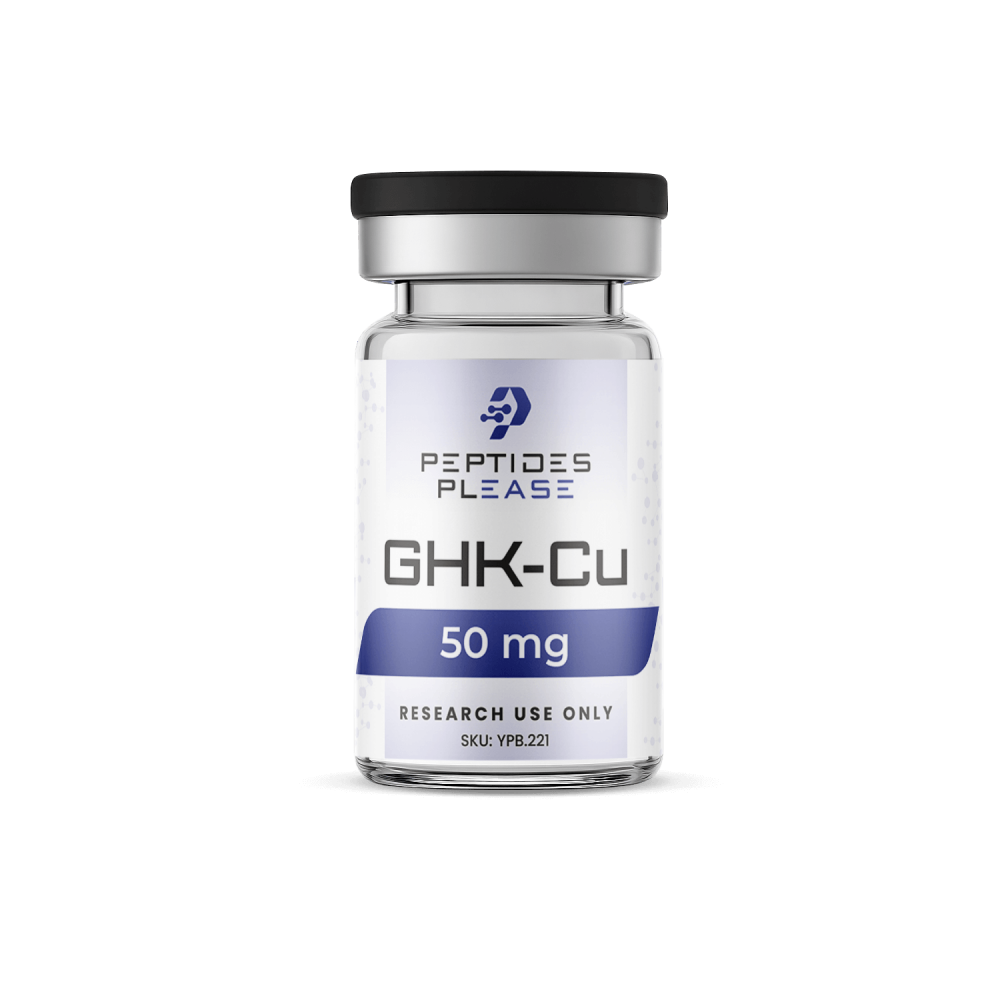
-
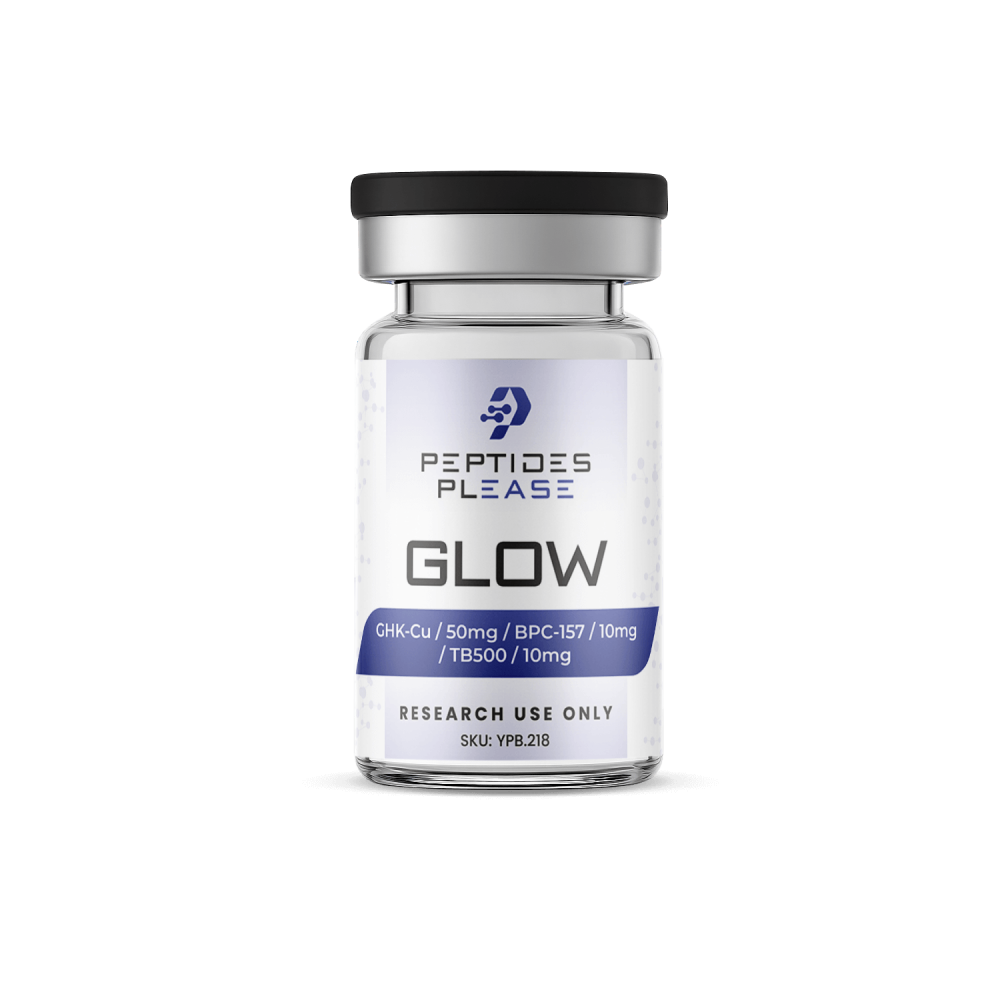 Peptide BlendsGLOW
- GHK-Cu(50mg)
- BPC-157(10mg)
- TB500(10mg)
-
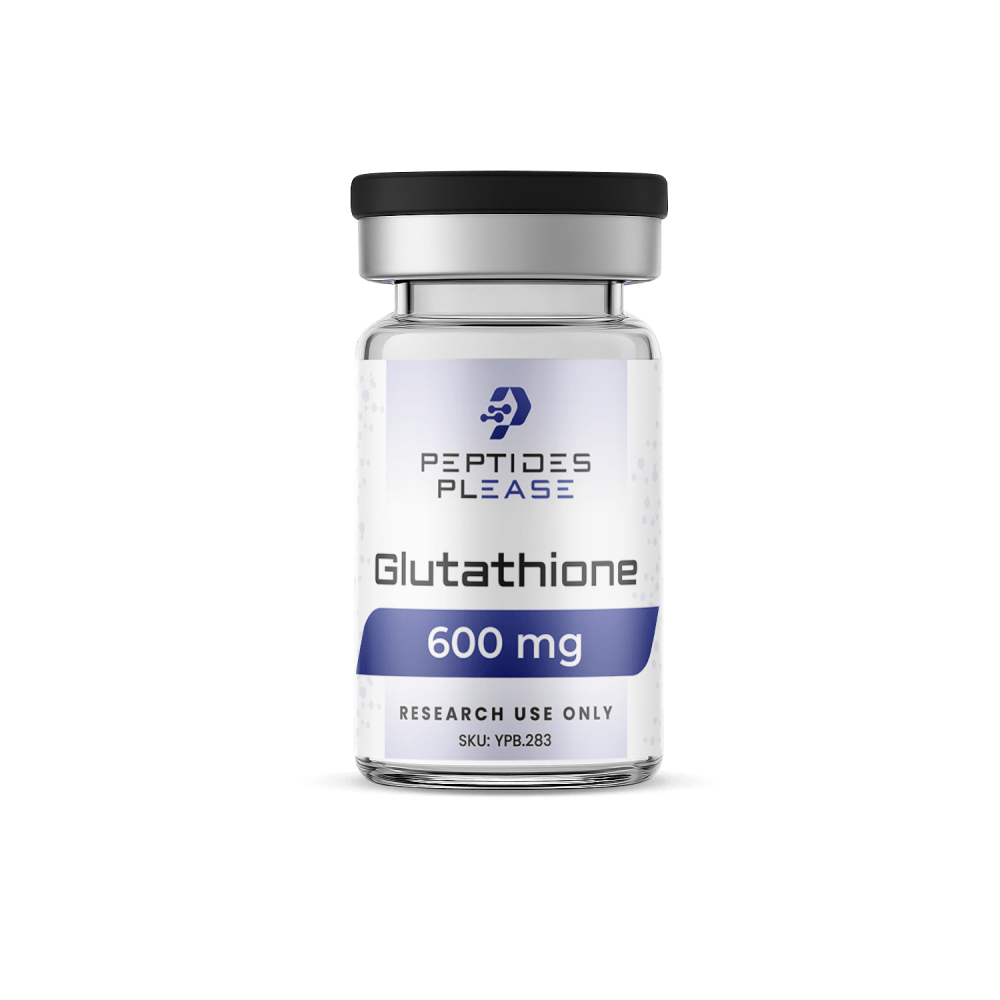
-
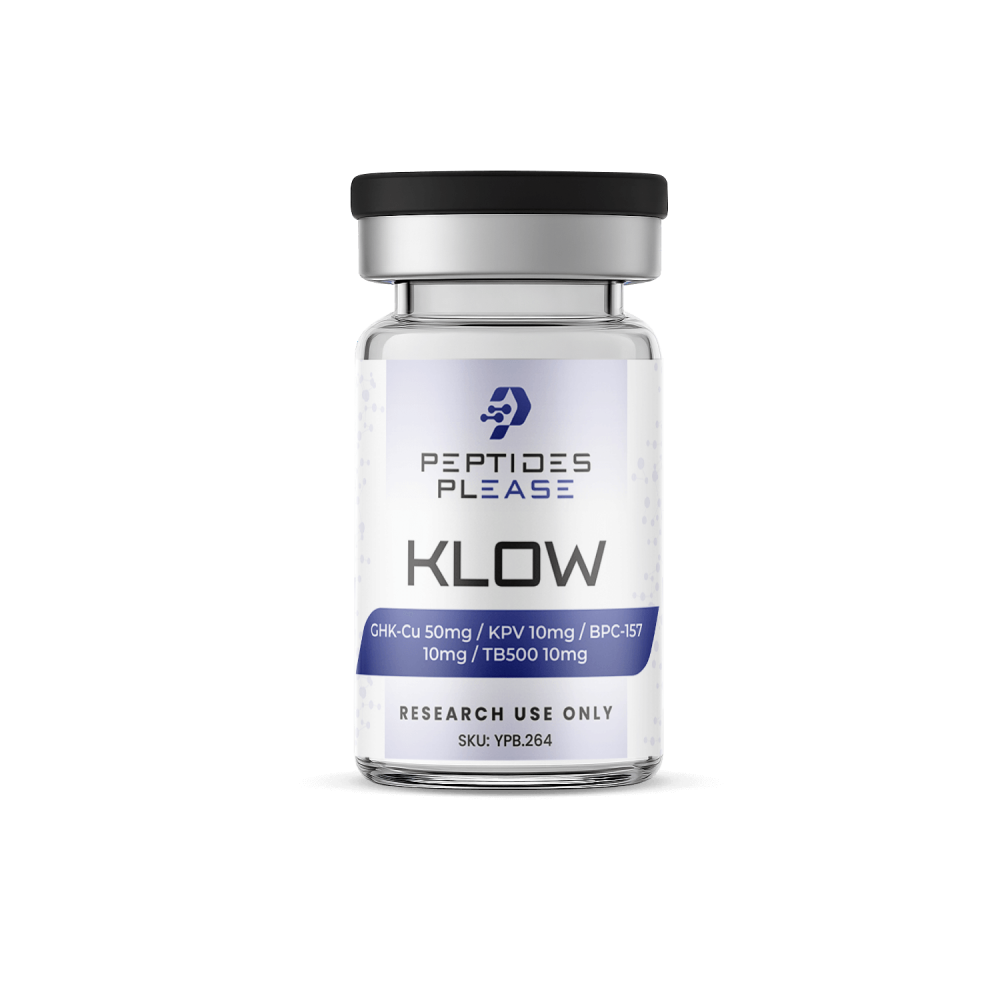 Peptide BlendsKLOW
- GHK-Cu(50mg)
- KPV(10mg)
- BPC-157(10mg)
- TB500(10mg)
-
-
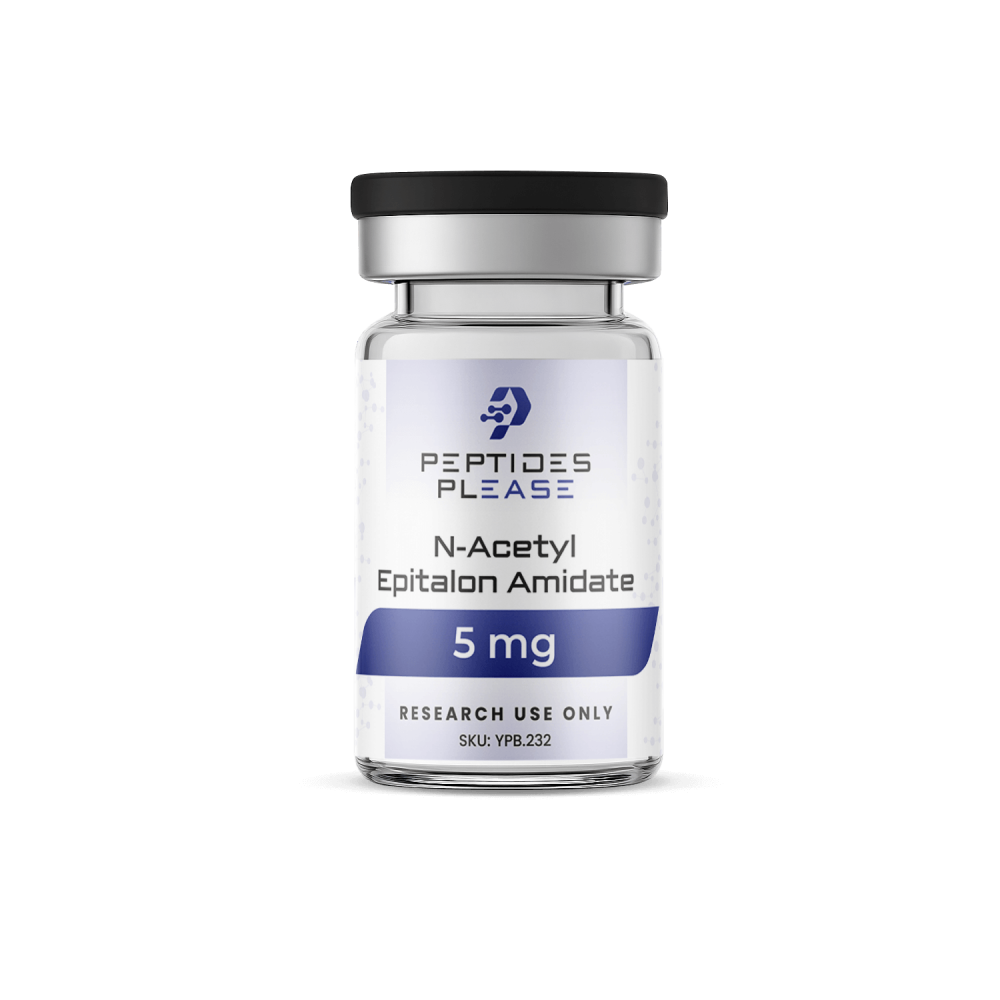 BioregulatorsN-Acetyl Epitalon Amidate (5 mg)
 -
-
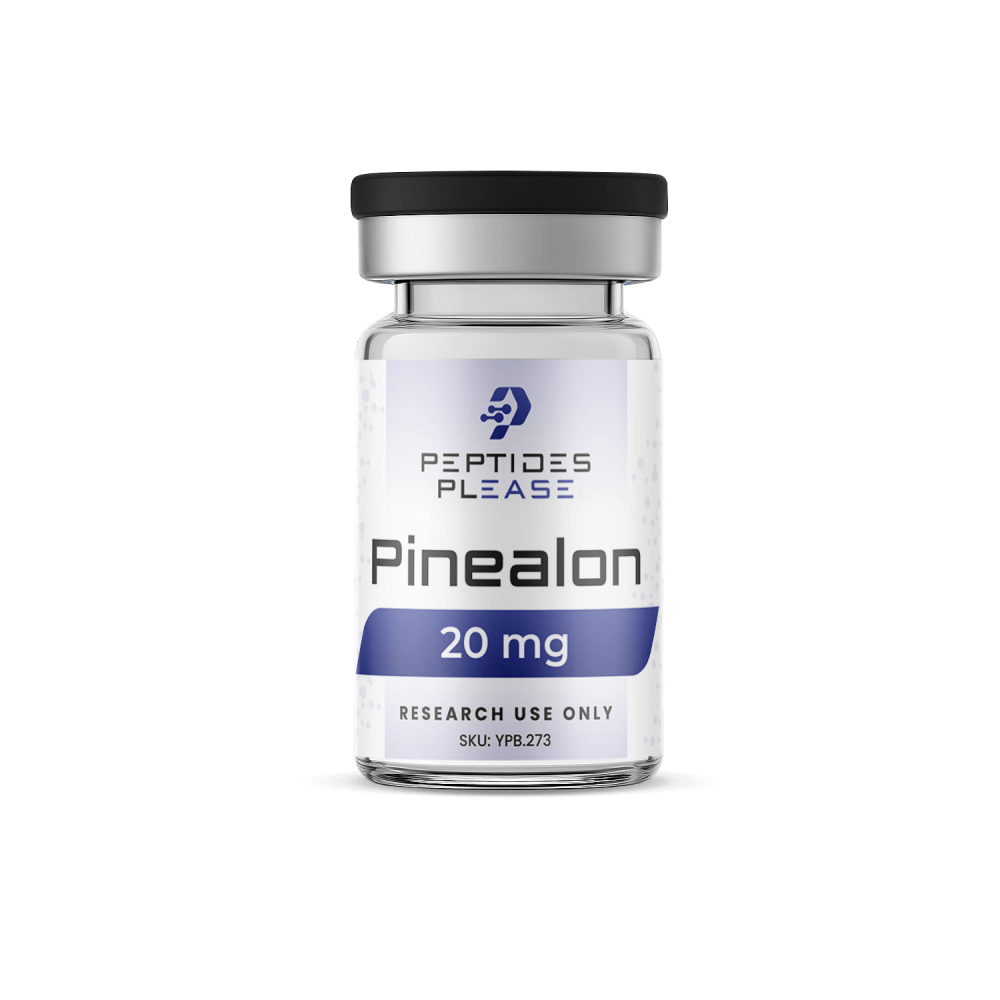 BioregulatorsPinealon (20mg)
 -
-
 BioregulatorsThymalin (10mg)
 -
 ThymosinThymosin Alpha 1 (TA1) (10mg)
Peptides for longevity are short chains of amino acids that play a vital role in supporting various physiological functions related to healthy aging. These naturally occurring compounds help regulate processes such as muscle growth, immune response, and wound healing—key factors in slowing down the aging process. Through targeted peptide therapy, individuals can enhance the body’s natural repair mechanisms, optimize cellular performance, and promote overall vitality.
Beyond internal benefits, peptides also support visible anti-aging effects. Collagen peptides, in particular, contribute to improved skin health by stimulating collagen production, enhancing elasticity, and reducing fine lines. By strengthening the immune system and aiding tissue regeneration, peptide-based interventions promote not just a youthful appearance but also longevity from within. As science continues to explore these compounds, peptides are becoming an essential tool for those seeking a balanced, sustainable approach to healthy aging.
What Are The Best Peptides for Longevity?
Peptides are short chains of amino acids that help regulate many biological processes. In the field of longevity, certain peptides are being studied for their potential to support cellular renewal, immune health, and metabolic balance.
For Cellular Health and Regeneration
- Epitalon (Epithalon) – A synthetic peptide that activates telomerase, helping maintain telomere length (the protective ends of DNA). Longer telomeres are linked to slower cellular aging and reduced risk of age-related diseases.
- GHK-Cu (Copper Tripeptide) – Naturally present in human plasma, but decreases with age. It promotes collagen and elastin production, aids in DNA repair, and provides strong antioxidant and anti-inflammatory effects, especially for skin health and wound recovery.
- SS-31 (Elamipretide) – Targets mitochondria (the cell’s energy center) to reduce oxidative stress and boost ATP energy production, which often declines with age.
For Immune Health and Anti-Inflammation
- Thymosin Alpha-1 (Ta-1) – A natural thymus hormone that strengthens immune defense, improves response to infections, and helps regulate inflammation, often associated with aging (“inflammaging”).
- BPC-157 (Body Protection Compound-157) – Derived from stomach proteins, this peptide supports healing in the gut, muscles, and tendons and has strong anti-inflammatory benefits.
For Metabolic and Hormonal Support
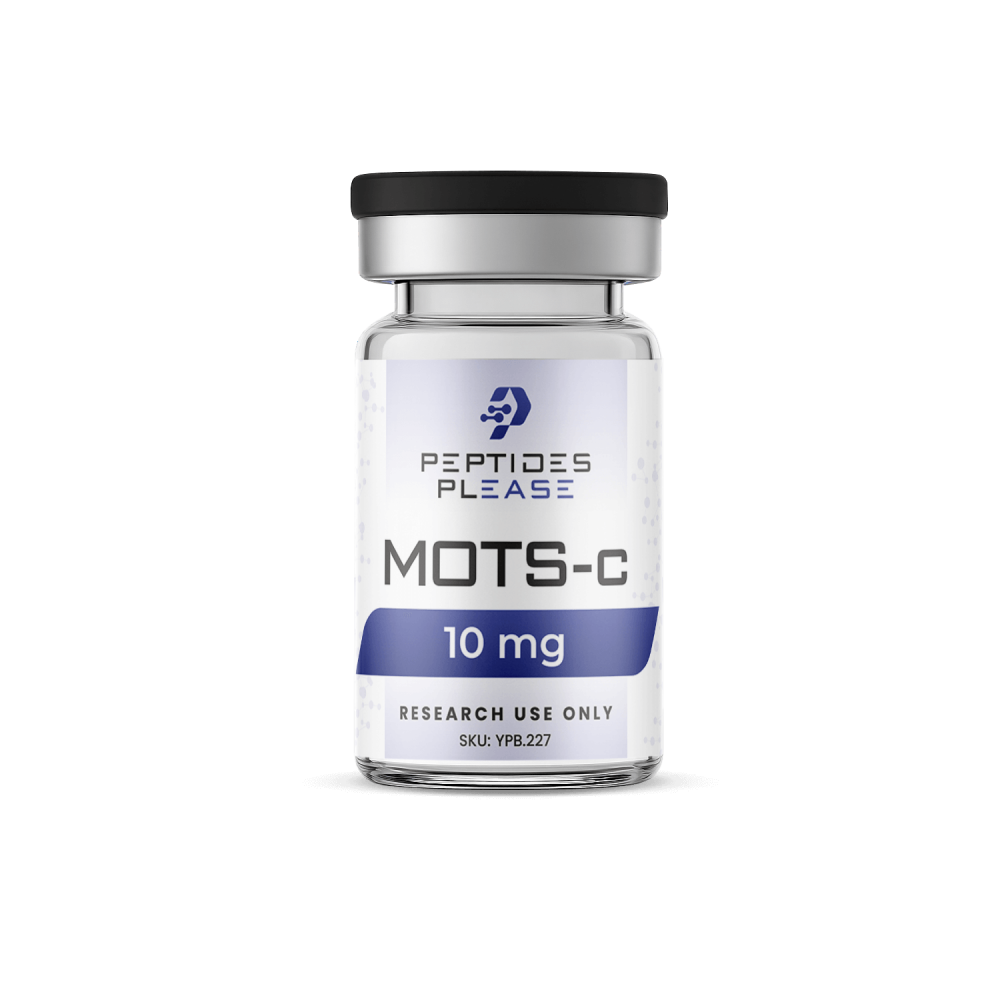
- MOTS-c – A mitochondrial peptide that enhances energy metabolism, glucose use, and stress resistance, potentially improving endurance and physical performance.
- Sermorelin / CJC-1295 + Ipamorelin – These peptides stimulate the body’s natural growth hormone release, supporting better sleep, body composition, muscle repair, and overall vitality.
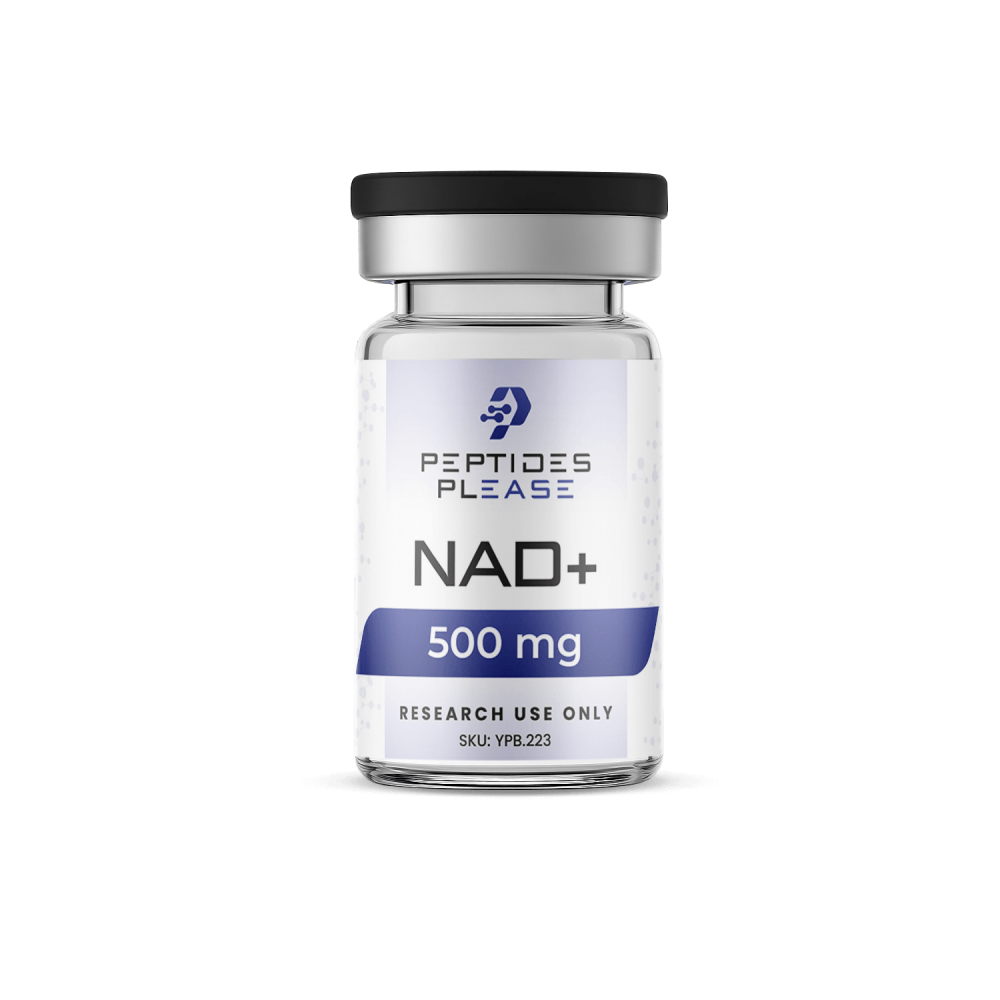
- NAD+ (Nicotinamide Adenine Dinucleotide) – Technically a coenzyme rather than a peptide, NAD+ supports cellular energy and DNA repair. Its levels decline with age, and boosting them is a core goal in longevity research.
Are There Longevity OTC Peptides?
Over-the-counter (OTC) peptides marketed for longevity are increasingly popular, with options like Collagen Peptides, GHK-Cu, and Glutathione commonly found in supplements that support skin, joint, and gut health. These compounds contribute to cellular resilience, metabolic function, and immune resilience, helping the body maintain smoother cognitive function and balanced mitochondrial function as it ages. While such peptides can improve sleep quality, skin elasticity, and joint recovery, their effects tend to be more supportive than transformative because they are often limited to nutritional or topical use rather than systemic therapy.
In contrast, many of the more potent, injectable anti-aging peptides—such as BPC-157 and CJC-1295—are not FDA-approved for human use and are often sold as “research-only” substances or require specialized compounding. These peptides can more directly influence metabolic efficiency, muscle mass, and cognitive health, but their quality, legality, and safety standards vary significantly. This means that while OTC peptide supplements offer accessible wellness support, prescription or clinical-grade formulations typically deliver more direct and measurable longevity benefits when used under medical supervision.
Peptides for Longevity: Research Results
Recent research has highlighted peptides as promising compounds that could influence the biological processes of aging and support longevity.
Mechanisms of Action
Peptides play several roles in regulating biological pathways linked to aging. They influence metabolism through key signaling routes such as insulin-like signaling, AMPK, and mTOR, which control cellular energy use and growth. Additionally, peptides enhance antioxidant activity to reduce oxidative stress, support mitochondrial function to maintain energy production, and influence gene expression through epigenetic mechanisms. Together, these effects help protect cells from age-related decline and may contribute to healthier aging.
Animal Studies
Research in animal models has revealed promising results for the use of peptides in longevity. Certain peptides have been shown to extend the average lifespan of organisms by 20–40%. They also delay or reduce the onset of age-related diseases in these studies. These findings suggest that peptides could have potential as interventions for promoting long-term health and longevity, though more research is needed to confirm these effects in humans.
Human Clinical Evidence (Healthspan)
Human studies indicate that peptides mainly improve healthspan—the years spent in good health—rather than total lifespan. In dermatology, both oral collagen peptides and topical synthetic peptides such as Palmitoyl pentapeptide-4 and Copper tripeptide-1 have improved skin elasticity, hydration, and reduced wrinkles in clinical trials. For metabolic health, GLP-1 peptides like Semaglutide (Ozempic) are FDA-approved treatments for controlling blood sugar and managing obesity—two key risk factors for age-related diseases such as diabetes and cardiovascular disorders. Additionally, Thymosin alpha-1 enhances immune function and helps regulate inflammation, countering the natural decline in immune efficiency that comes with age.
Limitations and Future Directions
Despite encouraging preliminary data, peptide research still faces major limitations. There is a lack of large, long-term human trials specifically assessing their effects on lifespan. Most studies to date focus on clinical health outcomes rather than true longevity effects. Further translational research is needed to evaluate long-term safety, optimal dosing, and individual variability in response to peptide therapy. Popular compounds in wellness use, such as BPC-157, show substantial promise in animal studies but limited human evidence—mainly confined to safety and tissue healing rather than aging itself.
Peptides and Longevity: What’s the Connection?
Peptides are natural signaling molecules in the body that play a key role in processes often affected by aging, such as cellular repair, inflammation control, and hormone regulation. By enhancing or mimicking these natural signals, certain peptides may help slow biological aging and support overall health. However, while early research shows promise, more long-term human studies are needed to confirm their impact on longevity.
How Do Longevity Peptides Help You Live Longer?
Longevity peptides may promote a longer, healthier life by acting as cellular messengers that help restore vital functions in the body. They support cellular repair, boost energy, and reduce age-related inflammation, encouraging cells to function more youthfully. By improving growth hormone activity, immune response, metabolism, and tissue regeneration, these peptides can enhance muscle strength, mental clarity, and overall vitality.
Hormone Therapy vs Peptides for Longevity
Hormone Replacement Therapy (HRT) works by directly replacing hormones such as testosterone or estrogen to relieve symptoms like fatigue and hot flashes. Peptide therapy, on the other hand, stimulates the body’s natural processes by signaling cells to produce their own growth factors, such as human growth hormone (HGH), to promote repair and regeneration. While HRT targets specific hormone deficiencies, peptides support broader functions like healing, metabolism, and muscle growth. Peptide therapy is often considered a gentler option with fewer systemic side effects, although more research is needed to confirm its long-term benefits. In many cases, both therapies can complement each other depending on individual health goals and lab results.
Frequently Asked Questions
What is the best peptide for longevity?
Epitalon (Epithalon) stands out in research for activating telomerase to elongate telomeres, potentially extending cellular lifespan and reducing age-related disease risk.
What are longevity peptides?
Longevity peptides are short chains of amino acids that act as signaling molecules to promote cellular repair, reduce inflammation, enhance energy production, and support healthy aging processes like telomere maintenance and mitochondrial function.
What peptide makes you last longer?
Epitalon (Epithalon) is the peptide most associated with extending lifespan by activating telomerase to maintain telomere length and delay cellular aging.
Are peptides good for longevity?
Peptides show promising potential for supporting longevity by modulating aging pathways like mitochondrial function, inflammation, and telomere maintenance in preclinical studies, though human evidence remains limited with regulatory and safety concerns.
Which peptide is best for anti-aging?
GHK-Cu (Copper Peptide) stands out as the best for anti-aging due to its extensively studied ability to boost collagen production, improve skin elasticity, reduce wrinkles, and promote wound healing.
Are peptides better than hormone replacement therapy?
Neither peptides nor hormone replacement therapy (HRT) is universally better, as peptides offer targeted, natural stimulation of the body’s processes with fewer systemic risks while HRT provides direct, proven relief for severe hormone deficiencies.
Are peptides better than growth hormones?
Peptides are generally considered better than synthetic growth hormones for anti-aging and longevity due to their ability to naturally stimulate the body’s own GH production with fewer side effects like insulin resistance, joint pain, and cancer risks.
What peptide reverses aging?
No peptide fully reverses aging, but OS-01 shows the strongest evidence from research by reducing the skin’s biological age by up to 2.6 years and clearing senescent cells in human skin models.
Summary
Peptides represent a promising frontier in longevity science, offering targeted modulation of key aging pathways such as telomere maintenance, cellular repair, and inflammation reduction without the broad systemic effects of traditional hormone therapies. Compounds like Epitalon for telomere elongation, GHK-Cu for collagen boosting and anti-aging skin benefits, and emerging senolytics like OS-01 demonstrate potential in preclinical and early human studies to extend healthspan, though no peptide fully reverses aging or guarantees lifespan extension.
While peptides generally outperform synthetic growth hormones and HRT in safety profiles by stimulating natural production rather than direct supplementation—reducing risks like insulin resistance or cancer promotion—human clinical evidence remains limited amid regulatory concerns and variability in quality. Future research may solidify their role in personalized longevity protocols, but consultation with healthcare professionals is essential for safe use.