Anti-Inflammatory Peptides
Showing all 7 results
-
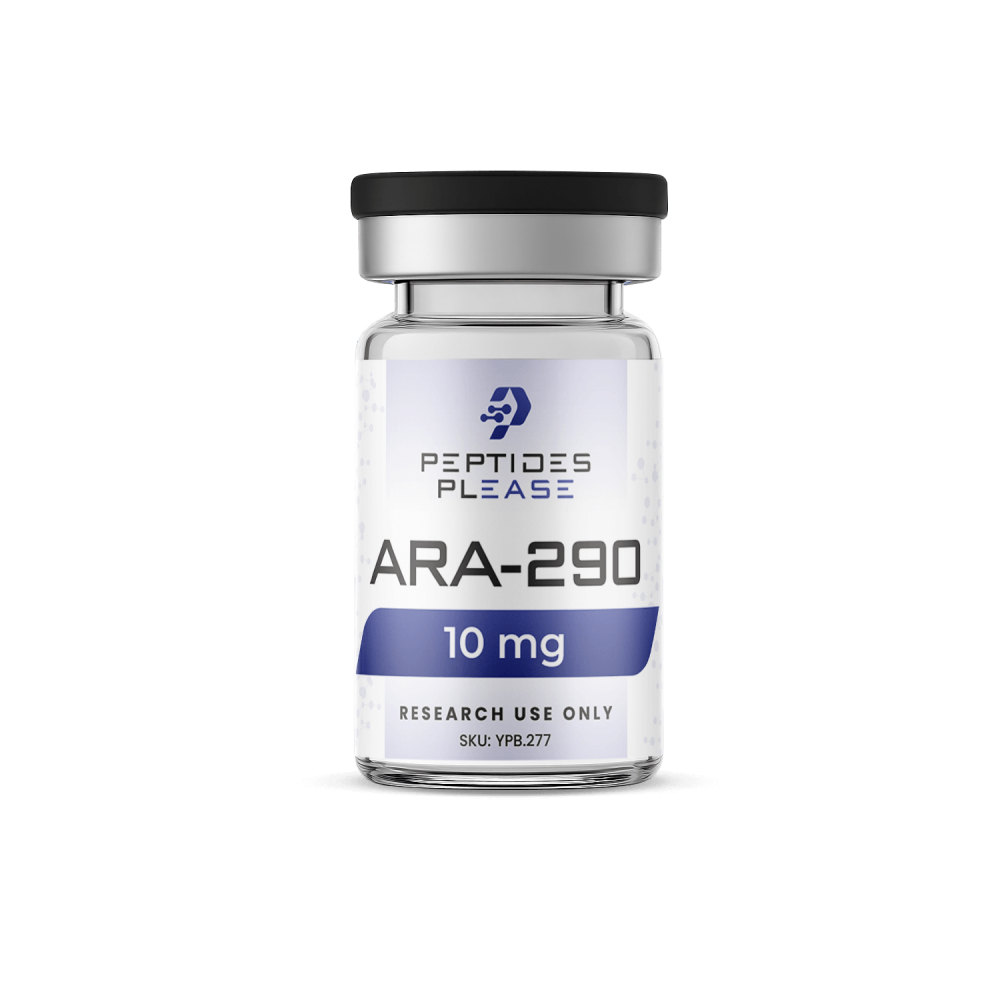 Ara 290 PeptideARA-290 (10mg)
 -
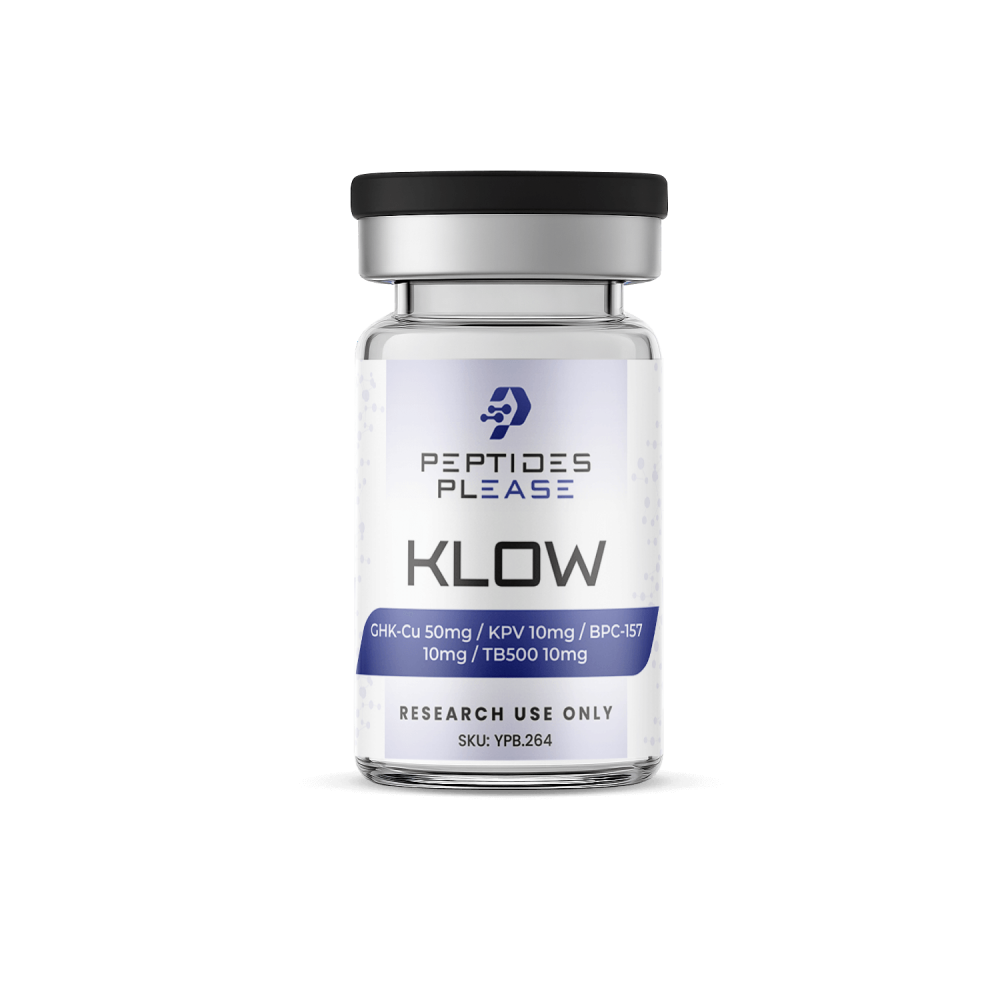 Peptide BlendsKLOW
- GHK-Cu(50mg)
- KPV(10mg)
- BPC-157(10mg)
- TB500(10mg)
-
 LL37LL37 (5mg)
 -
 Lysine-Proline-ValineLYSINE-PROLINE-VALINE (10mg)
 -
 BioregulatorsThymalin (10mg)
 -
 ThymosinThymosin Alpha 1 (TA1) (10mg)
 -
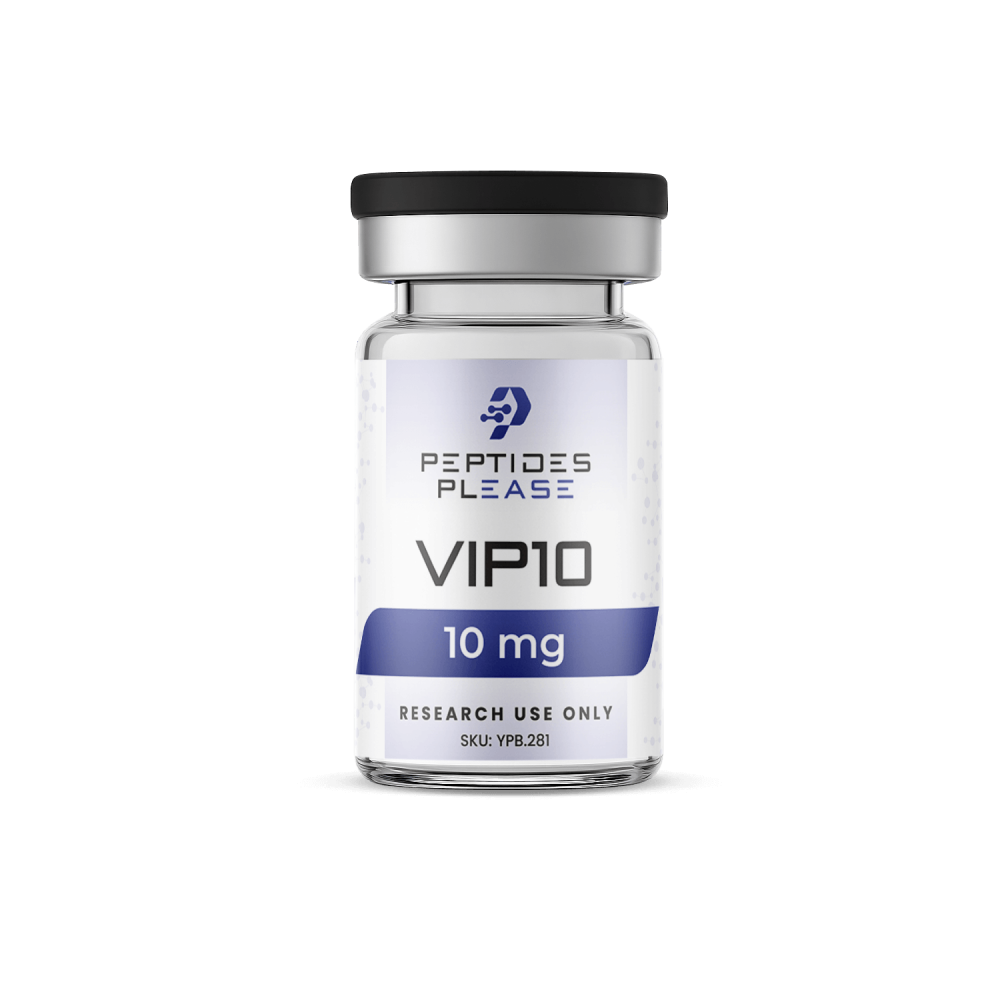 VIP10 PeptideVIP10 (10mg)
Anti-inflammatory peptides are small protein molecules composed of amino acids that play essential roles in regulating inflammatory responses within the body. These bioactive compounds possess significant anti-inflammatory properties, allowing them to suppress inflammatory cytokines and other inflammatory mediators that contribute to tissue damage and disease progression. Researchers have identified various forms of inflammatory peptides that function either as triggers or suppressors of inflammation, providing new insights into managing chronic inflammation and immune system balance.
Recent studies highlight the therapeutic potential of anti-inflammatory peptides in treating autoimmune diseases and conditions such as inflammatory bowel disease, where uncontrolled immune activity leads to tissue injury and discomfort. By targeting key pathways involved in inflammation, these peptides can reduce excessive immune reactions while promoting healing and homeostasis. The exploration of these natural or synthetic molecules opens promising avenues for developing safer, more effective treatments that address inflammation at its molecular root.
Are Peptides Anti-Inflammatory?
Peptides are naturally anti-inflammatory molecules that play a key role in regulating the body’s immune responses. Acting as signaling agents, they can suppress pro-inflammatory cytokines and influence major cellular pathways such as NF-κB and MAPK, both of which are involved in inflammation control. By blocking inflammatory signals, reducing oxidative stress, and supporting tissue repair, peptides help mitigate inflammation caused by factors like an unhealthy diet, physical injury, or chronic disease. These beneficial compounds are found across various natural sources, including plants, marine organisms, and dairy products, making them valuable tools for promoting balance and healing in the body.
Explore Trusted Peptide Products Designed for Research From Peptides Please
Explore trusted peptide products designed for research from our website, where innovation meets quality in the study of anti-inflammatory peptides. These advanced compounds are formulated to support investigations into cardiovascular diseases and the inflammatory process, offering valuable insights into how targeted peptide action can promote anti-inflammatory effects and enhance tissue repair. Our peptides play a vital role in understanding how the immune system responds to inflammation, paving the way for breakthroughs in therapeutic research and medical science.
How Do Peptides Combat Inflammation?
Peptides help combat inflammation by regulating the body’s immune response. They reduce harmful inflammatory signals, block key pathways that trigger inflammation, fight oxidative stress, defend against microbes, and promote tissue healing. These actions together relieve swelling, pain, and tissue damage.
- Cytokine Regulation: Peptides lower the production of pro-inflammatory cytokines such as TNF-α, IL-1β, and IL-6. This helps reduce the chemical “signals” that cause and sustain inflammation.
- Inhibiting Inflammatory Pathways: They block key signaling routes like NF-κB and MAPKs, which are responsible for switching on inflammatory genes.
- Antioxidant Activity: Many peptides act as antioxidants by neutralizing harmful free radicals (ROS) and boosting the body’s natural antioxidant defenses, reducing oxidative stress.
- Antimicrobial Action (AMPs): Antimicrobial peptides can destroy bacteria, fungi, and viruses by breaking down their cell membranes. This helps prevent infections that often trigger inflammation.
- Tissue Repair and Regeneration: Certain peptides, such as Thymosin Beta-4 (Tβ4), support healing by improving blood flow, attracting stem cells, forming new blood vessels, and reducing scarring.
- Immune Cell Modulation: Peptides can directly interact with immune cells, calming their activity and maintaining a balanced immune response.
List of Anti-inflammatory Peptides
Anti-inflammatory peptides (AIPs) are short protein chains from natural sources like plants, dairy, and fish. They reduce inflammation by modulating immune responses and pathways like NF-κB and MAPK, lowering cytokines such as TNF-α and IL-6.
Plant and Food-Derived Peptides
These peptides come from everyday foods and show promise in reducing inflammation and related issues like bone loss.
- Sunflower Protein Isolate (SPI): Derived from sunflower seeds; exhibits antioxidant and anti-inflammatory effects, potentially aiding gut pain.
- Garlic Peptides: Suppress pro-inflammatory cytokines like TNF-α and IL-6 via NF-κB inhibition.
- Rice Peptides (REP9, REP11): Inhibit inflammatory molecules (IL-6, TNF) and osteoclast activity, reducing bone loss.
- Chia Hydrolysates: Reduce cytokines and nitrite levels; linked to antimicrobial and anti-inflammatory benefits.
Egg and Dairy-Derived Peptides
Peptides from eggs and milk proteins target inflammation in cells and tissues.
- Egg White Peptides (e.g., DR-10, ML-7): Inhibit IL-8, TNF-α, and pathways like MAPK/NF-κB in gut cells.
- Dairy Sequences (e.g., WLA, DQWL, WYSL, EYGLF): From α-lactalbumin; show anti-inflammatory activity in various models.
Specific and Synthetic Peptides
These are targeted for healing and specific conditions.
- BPC-157: Promotes tissue repair, reduces TNF-α/IL-6; effective for gut, joints, and inflammation.
- GHK-Cu (Copper Peptide): Lowers TNF-α/IL-6, aids repair in skin, lungs, and arthritis.
- Chromofungin (CHR: CHGA47-66): Regulates immune cells; potential for IBD-like ulcerative colitis.
- [K6T]P8 Peptide: IL-15 antagonist; inhibits TNF-α for rheumatoid arthritis.
Ongoing Research on Peptides and Inflammation
Explore trusted peptide products designed for research from our website, where science meets innovation in the study of anti-inflammatory peptides. Our collection supports ongoing research on peptides and inflammation, a rapidly growing field exploring bioactive compounds from marine, plant, animal, and synthetic origins. These peptides show promise in modulating inflammatory pathways and reducing acute inflammation in a dose-dependent manner. Their precise amino acid composition contributes to properties such as anti-inflammatory activity and antimicrobial peptide functions, enabling researchers to uncover new biological mechanisms and therapeutic potentials.
Our peptide formulations are ideal for studies seeking to understand the complex inflammatory reaction at the molecular level, particularly in chronic conditions such as rheumatoid arthritis and other inflammatory diseases. By influencing mediators like nitric oxide, these compounds provide valuable insights into inflammation control and immune regulation. Researchers worldwide rely on our high-quality products to advance discoveries that could one day lead to safer, more effective alternatives to conventional treatments for inflammation-related disorders.
What Are the Best Anti-Inflammatory Peptides?
Peptides like BPC-157 and Thymosin Beta-4 (TB-500) stand out as top choices for reducing inflammation and promoting tissue repair, based on research into their effects on cytokines and healing pathways. Food-derived options such as Lunasin from soybeans also show strong anti-inflammatory potential by suppressing NF-κB and cytokines like TNF-α. “Best” depends on context, like injury type or condition, with evidence mostly from preclinical studies.
Popular Healing Peptides
These synthetic peptides excel in regeneration and inflammation control.
- BPC-157: Derived from gastric juice; reduces TNF-α/IL-6, heals tendons, ligaments, muscles, and gut.
- Thymosin Beta-4 (TB-500): Synthetic fragment boosts cell migration, cuts inflammation/scarring, aids wound healing, and improves flexibility.
Food-Derived Peptides
Accessible from diet, these target enzymes and joint health.
- Lunasin (soybean): Inhibits NF-κB, lowers MMP-3/MMP-13, eases allergic inflammation.
- Krill Peptides: From Antarctic krill; suppress NO, IL-6/TNF-α, and improve arthritis pain.
- Egg White Peptides: Block TNF-α/IL-6 in cells.
Immune and Targeted Peptides
These modulate broader immune responses for specific diseases.
- Alpha-MSH: Suppresses TNF-α/IL-6/IL-8 via NF-κB; aids RA and granulomatous inflammation.
- Chromofungin (CHR): Enhances anti-inflammatory macrophages; treats colitis/IBD.
- Jusvinza (HSP60-derived): Boosts Tregs, cuts IL-17; helps RA and severe COVID-19 inflammation.
Anti-inflammatory Bioactive Peptides
Anti-inflammatory bioactive peptides (BAPs) are short fragments of proteins derived from natural sources such as milk, plants, fish, and meat that exhibit potent anti-inflammatory activity. They function by blocking pro-inflammatory mediators like NF-κB, TNF-α, IL-1β, and inducible nitric oxide synthase (iNOS), while simultaneously enhancing antioxidant responses through the Nrf2 pathway. By neutralizing excess reactive oxygen species, these BAPs protect tissues from oxidative damage and support the production of anti-inflammatory cytokines, promoting recovery and maintaining immune balance. Their small size enables them to be easily absorbed and biologically active, making them attractive candidates for inclusion in functional foods and therapeutic peptides designed to manage chronic inflammation.
In the field of biomedical research, BAPs inspire the development of synthetic peptide-derived and cyclic peptide scaffolds that mimic or enhance their biological functions. These engineered molecules aim to reduce inflammation more effectively by targeting specific inflammatory cells and signaling cascades with high precision. Compared to traditional drugs, they tend to cause fewer side effects while offering superior selectivity and bioavailability. As a result, anti-inflammatory bioactive peptides hold great promise as natural or engineered agents that bridge nutrition and pharmacology, offering safer, more sustainable alternatives for treating inflammatory conditions.
BPC 157 and Inflammation
BPC-157, a synthetic pentadecapeptide derived from a protective protein in human gastric juice, demonstrates potent anti-inflammatory effects in animal studies by modulating key pathways such as nitric oxide synthesis, reducing pro-inflammatory cytokines like TNF-alpha and IL-6, and downregulating factors like Nos2 and Nfkb to prevent excessive tissue damage. It promotes angiogenesis via VEGFR2-Akt-eNOS activation, enhances collagen synthesis, and accelerates repair in diverse tissues, including muscles, tendons, gut, and periodontal structures, counteracting conditions like adjuvant arthritis, periodontitis, and ischemia-reperfusion injuries.
While preclinical evidence supports its role in reducing inflammation and boosting healing—such as improved tendon functionality and reduced bone resorption in rats—human data remains limited to early Phase I trials assessing safety for muscle injuries and intravenous pharmacokinetics, with no large-scale efficacy studies completed. Regulatory concerns from the FDA and WADA highlight risks of unregulated use, including potential contaminants and unknown long-term effects, underscoring the need for rigorous clinical trials before therapeutic recommendations.
Are Collagen Peptides Anti-Inflammatory
Collagen peptides generally exhibit anti-inflammatory properties, as demonstrated in multiple studies showing reductions in pro-inflammatory markers like IL-1β, IL-6, and TNF-α, alongside decreased oxidative stress through lowered ROS, MDA, and elevated antioxidants such as SOD and GSH. These effects have alleviated symptoms in osteoarthritis by easing joint pain and promoting cartilage repair via enhanced type II collagen synthesis and inhibiting inflammatory pathways. Similarly, in ulcerative colitis models, collagen peptides from sources like cod skin reduced disease activity index, colonic damage, and MPO/NO levels while boosting anti-inflammatory IL-10 and tight junction proteins, though outcomes can vary by dosage, source, and inflammation severity, with some studies noting potential pro-inflammatory risks in high-stress contexts. Overall, they support tissue repair by modulating NF-κB signaling and cytokine balance, but effects depend on collagen type and study design.
State of the Anti-Inflammatory Peptides Market
The anti-inflammatory peptides market is undergoing robust growth, fueled by the rising prevalence of chronic inflammatory conditions such as autoimmune diseases and inflammatory bowel disease (IBD), alongside a surging demand for targeted therapies that offer fewer side effects compared to conventional drugs. Market projections indicate expansion from approximately $1.18 billion in 2024 to over $2 billion by 2031, reflecting a strong compound annual growth rate (CAGR) of around 9%, driven by advancements in peptide synthesis and delivery systems. Research efforts emphasize exploring novel sources like plant-derived and animal byproducts to enhance yield and purification efficiency, while key industry players prioritize product diversification and strategic collaborations to capitalize on peptides’ high specificity, low toxicity, and superior bioavailability as safer alternatives to traditional anti-inflammatories.
Medical Consensus on the Use of Peptides for Anti-Inflammatory Peptides
There is no general medical consensus on the widespread use of unapproved, non-prescription peptides for anti-inflammatory purposes in general clinical practice. While specific peptide-based drugs are FDA-approved for various conditions, such as trofinetide for Rett syndrome and certain diabetes treatments like pramlintide, the vast majority of peptides marketed for wellness and anti-inflammatory benefits—such as BPC-157, KPV, and Thymosin Beta 4—lack sufficient data from large-scale human clinical trials to establish them as a standard of care. Research highlights promising anti-inflammatory effects in animal models and preliminary studies, including modulation of pathways like MAPK and NF-κB, but regulatory bodies like the FDA have banned or restricted many due to risks of immunogenicity, impurities, and absent human safety data. Unapproved peptides are often sold illegally as “research chemicals,” with experts emphasizing the need for rigorous clinical evidence before therapeutic adoption.
Associated Risks and Side Effects
Anti-inflammatory peptides offer benefits but pose risks like injection reactions, contamination from unregulated sources, and potential immune or hormonal effects, with limited long-term human data requiring medical oversight.
Common Side Effects
These typically arise from injections or peptide activity and are often mild.
- Injection Site Reactions: Redness, pain, swelling, itching, or bruising; usually resolves in days.
- Fatigue/Energy Changes: Dizziness, headaches, or lethargy.
- Gastrointestinal Issues: Nausea, bloating, or stomach discomfort.
- Cardiovascular/Metabolic: Fluid retention, blood pressure shifts, or insulin effects.
Specific Risks
Certain peptides or user factors amplify dangers.
- BPC-157: Mild irritation, reversible creatinine changes, headaches, and nausea.
- TB-500/Thymosin Beta-4: Allergic reactions, hyperactivity, and theoretical cancer promotion via cell growth.
- Unregulated Products: Contamination (bacteria, impurities), infections like HIV/hepatitis, incorrect dosing.
- Hormonal/Immune Disruption: Growth pathway interference or autoimmune flares.
Key Cautions
Avoid or use extreme care in these scenarios due to unknown interactions.
- Autoimmune Diseases: May worsen Lupus or RA by altering immune signals.
- Cancer History: Theoretical risk of promoting tumors via VEGF/growth factors.
- Pregnancy/Breastfeeding: No safety data; contraindicated.
- Organ Issues: Caution with kidney/liver disease; monitor closely.
Find Reliable Peptide Products for Research at Peptides Please
Find reliable peptide products for your research needs at our website, where quality and precision come first. We specialize in anti-inflammatory peptides designed to support advanced studies in immunology, inflammation control, and therapeutic innovation. Each peptide is synthesized under strict laboratory standards, ensuring purity, stability, and reproducible results. Whether you are exploring cellular pathways or developing next-generation treatments, our trusted peptide solutions provide the consistency your research deserves.
Frequently Asked Questions
Which peptides are anti-inflammatory?
Common anti-inflammatory peptides include BPC-157, KPV, Thymosin Alpha 1, GHK-Cu, TB-500 (Thymosin Beta-4), and LL-37, which reduce pro-inflammatory cytokines like TNF-α and IL-6, promote tissue repair, and modulate immune responses.
What is the most powerful anti-inflammatory peptide?
BPC-157 stands out as the most powerful anti-inflammatory peptide due to its exceptional ability to modulate cytokines like TNF-α and IL-6, promote tissue repair, and counter inflammation across GI, tendon, and joint conditions in extensive preclinical research.
What is an anti-inflammatory peptide?
An anti-inflammatory peptide is a short chain of amino acids, often derived from food proteins, animals, or synthetic sources, that reduces inflammation by inhibiting pro-inflammatory cytokines like TNF-α and IL-6, blocking pathways such as NF-κB and MAPK, and modulating immune responses.
Does BPC 157 lower inflammation?
Yes, BPC-157 lowers inflammation by potently suppressing pro-inflammatory cytokines such as TNF-α and IL-6, inhibiting NF-κB pathways, accelerating tissue repair, and demonstrating efficacy in models of GI, joint, tendon, and systemic inflammatory conditions.
Are collagen peptides good for inflammation?
Yes, collagen peptides are good for inflammation as they inhibit pro-inflammatory cytokines like IL-1β, IL-6, TNF-α, and oxidative stress markers in skin cells, fibroblasts, keratinocytes, and models of ulcerative colitis, osteoarthritis, and atopic dermatitis.
Summary
Anti-inflammatory peptides represent a promising frontier in managing chronic inflammation by targeting key pathways like cytokine suppression and immune modulation, offering advantages over traditional drugs such as NSAIDs that often cause side effects. These bioactive compounds, derived from sources like food proteins, venoms, or synthetic designs, work by inhibiting pro-inflammatory mediators such as TNF-α, IL-6, and NF-κB signaling while promoting tissue repair and gut barrier integrity. Examples, including BPC-157 for gastrointestinal healing and Thymosin Alpha 1 for immune balancing, highlight their potential in conditions like IBD, arthritis, and autoimmune disorders.
In summary, the versatility of anti-inflammatory peptides—spanning antimicrobial, antioxidant, and regenerative effects—positions them as safer, targeted therapeutics for inflammation-driven diseases, with ongoing research emphasizing small peptides under 1 kDa for optimal bioavailability. Their ability to restore immune homeostasis without broad suppression underscores a shift toward precision medicine, though clinical translation requires further validation of efficacy and safety profiles. Future developments may integrate these peptides into personalized treatments, revolutionizing the management of chronic inflammatory states.