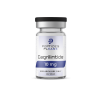
To provide a direct answer: No, cagrilintide is not a GLP-1 (Glucagon-Like Peptide-1). While both are used in the context of metabolic research and weight management, cagrilintide belongs to a completely different class of molecules. GLP-1 is an incretin hormone, whereas cagrilintide is a long-acting analog of amylin. Amylin is a hormone co-secreted with insulin by the pancreatic beta cells, and it plays a critical role in satiety and gastric emptying.
Is Cagrilintide a GLP-1?
The question of whether cagrilintide is a GLP-1 arises because this amylin analog is frequently studied in combination with GLP-1 receptor agonists like semaglutide. Despite their synergistic effects, they are distinct molecules that interact with different biological pathways:
- GLP-1 Receptor Agonists: These mimic the incretin hormones naturally released by the intestines. They primarily function by stimulating glucose-dependent insulin secretion, suppressing glucagon release, and slowing gastric motility. Centrally, they target the hypothalamus to reduce food intake and increase the feeling of fullness.
- Cagrilintide: As a long-acting, non-selective Amylin Receptor Agonist (LAAA), it mimics the hormone co-secreted with insulin. It targets the area postrema and the nucleus tractus solitarius in the hindbrain to modulate satiety signals. Unlike GLP-1, it specifically addresses the rate of nutrient entry into the small intestine and suppresses the post-prandial rise of glucagon.
Clinical data suggest that these two mechanisms complement one another effectively. In double-blind studies, using both classes in tandem addressed hunger and weight regulation through multiple biological angles, yielding results often superior to monotherapy alone.
Find Reliable Peptide Products for Research at PeptidesPlease
In the realm of metabolic science, the quality of research compounds is paramount. PeptidesPlease provides research-grade peptides at ≥99% purity, manufactured by certified facilities and verified through independent third-party laboratory testing.
For investigators looking to explore the pharmacodynamics of amylin analogs or incretin mimetics, it is essential to source materials from reputable suppliers. You can Find Reliable Peptide Products for Research at PeptidesPlease, ensuring that your laboratory findings are based on high-purity, verified sequences with the support of customer service that sets the industry standard.
Understanding Cagrilintide and GLP-1: How Are They Related?
Cagrilintide and GLP-1 function as complementary components within the body's complex system of energy homeostasis and metabolic health. While they originate from different organs and target distinct receptors, their relationship is defined by seven key physiological and research-based intersections:
- Hormonal Origins: GLP-1 is an incretin hormone released from the intestines, whereas amylin (mimicked by cagrilintide) is co-secreted with insulin from the pancreatic beta cells. They represent two distinct biological systems working in tandem to manage nutrient processing.
- Synergistic Appetite Regulation: Both hormones reduce energy intake via different neurological pathways. GLP-1 primarily influences the hypothalamus to increase fullness, while cagrilintide targets the hindbrain to enhance satiety and reduce the reward-seeking aspects of eating.
- Gastric Motility and Nutrient Absorption: Both molecules slow gastric emptying to flatten post-prandial glucose curves. Cagrilintide’s effect is particularly pronounced in regulating the speed at which nutrients enter the small intestine, preventing rapid blood sugar spikes.
- Glucagon Suppression: Both substances lower glucose levels by suppressing glucagon secretion from pancreatic alpha-cells. This inhibition prevents the liver from releasing unnecessary glucose, a critical mechanism for both weight management and glycemic control.
- Combination Therapy Focus: Due to their complementary nature, they are the focus of advanced research like the "CagriSema" project. Researchers aim to bypass biological plateaus by activating dual pathways to achieve weight reduction levels previously seen only with surgery.
- Metabolic Homeostasis and "Cousin" Relationship: These "metabolic cousins" contribute to energy balance and systemic inflammation regulation. While they function independently, a deficiency or resistance in one system often limits the therapeutic efficacy of the other.
- Clinical Efficacy and Enhanced Results: Research in the New England Journal of Medicine suggests that simultaneous targeting of the incretin and amylin pathways leads to significantly greater weight loss. This synergy overcomes natural counter-regulatory mechanisms that often hinder monotherapy.
Is Cagrilintide a GLP-1 Agonist?
Technically, no. Cagrilintide is a non-selective Amylin Receptor Agonist. Because it does not bind to the GLP-1 receptor, it cannot be classified as a GLP-1 agonist.
Instead, it is a specialized analog designed to mimic the effects of the hormone amylin, targeting specific receptors in the hindbrain to signal fullness and satiety to the body. To better understand its unique pharmacological status, consider the following distinctions:
- Receptor Specificity: While GLP-1 agonists target the GLP-1 receptor exclusively, cagrilintide acts as a non-selective agonist for all amylin receptor subtypes (AMY1, AMY2, and AMY3) and calcitonin receptors. This broader activation profile allows it to modulate satiety signals that are completely independent of the incretin system.
- Pharmacokinetic Optimization: Naturally occurring amylin has a very short half-life, but cagrilintide is engineered with an albumin-binding fatty acid side chain to extend its duration of action. This modification enables a once-weekly dosing schedule in research, aligning with the convenience of modern GLP-1 therapies while remaining a different drug class.
- Central Nervous System Activation: Unlike GLP-1, which primarily influences appetite through the hypothalamus, cagrilintide targets the area postrema and the nucleus tractus solitarius in the hindbrain. This distinction allows it to address the biological "satiety threshold" rather than just the "fullness" sensation associated with gut-derived hormones.
- Glucagon Suppression without Insulin Stimulation: One of the most critical differences is that cagrilintide suppresses glucagon without directly stimulating insulin secretion in a glucose-dependent manner. This makes it a specialized tool for regulating post-prandial glucose peaks through rate-of-entry management rather than pancreatic insulin provocation.
In clinical research, cagrilintide is engineered to have a much longer half-life than naturally occurring human amylin. This modification allows for once-weekly administration in trials, which may improve potential treatment adherence compared to shorter-acting compounds. While it shares weight-loss goals with GLP-1 agonists, its pharmacological profile remains entirely distinct.
Cagrilintide vs GLP-1 Medications: Key Differences
While both classes are utilized for weight management, their pharmacological identities are defined by several critical distinctions. These differences highlight why researchers view them as separate therapeutic tools:
- Molecular Classification: GLP-1 medications are incretin mimetics modeled after gut peptides, whereas cagrilintide is an analog of the pancreatic hormone amylin. Their distinct structures are engineered to activate separate hormonal systems within the endocrine landscape.
- Receptor Targeting: GLP-1 drugs bind strictly to the GLP-1 Receptor (GLP-1R). Cagrilintide is a non-selective agonist activating Amylin (AMY) and Calcitonin (CTR) receptors, influencing pathways—such as potential bone turnover markers—that GLP-1 drugs do not.
- Primary Action Sites: GLP-1 agonists broadly influence the hypothalamus and reward centers to curb cravings. Cagrilintide targets specific satiety-sensing regions in the hindbrain, like the area postrema, which are critical for processing physical signals of fullness.
- Glucose Modulation: GLP-1 is glucose-dependent and stimulates insulin secretion. Cagrilintide manages glucose primarily through glucagon suppression and the regulation of gastric nutrient entry, making its combined use effective for preventing sugar spikes.
- Physiological Impact: GLP-1 increases general feelings of fullness and gastric distension. In contrast, cagrilintide specifically modulates the "satiety threshold," allowing individuals to feel satisfied with smaller portions without significant gastrointestinal pressure.
- Clinical Maturity: GLP-1 agonists have been established for decades, initially for type 2 diabetes. Cagrilintide represents a newer generation of amylin-based research specifically focused on high-efficacy obesity treatment and cardiometabolic improvements.
- Synergistic Weight Loss: While GLP-1 monotherapy targets intestinal pathways, cagrilintide adds an independent layer of metabolic suppression. By attacking hunger from two different biological angles, the combination achieves results that monotherapy cannot reach alone.
Can Cagrilintide Be Used with GLP-1 Agonists?
Yes, and this is currently one of the most exciting areas of obesity-related complications research. The combination, known as CagriSema, has been shown to result in a mean weight reduction that is higher than semaglutide alone.
By simultaneously activating the GLP-1 and amylin receptor pathways, this dual-drug approach effectively bypasses the weight-loss plateaus often observed with monotherapy, offering a more robust physiological response for weight management. To understand why this combination is so effective, consider the following:
- Overcoming Metabolic Adaptation: As the body loses weight, counter-regulatory mechanisms often increase hunger signals; dual activation provides a more comprehensive neurological "override" to sustain weight loss. This multi-pathway approach prevents the biological plateaus commonly associated with single-hormone therapies.
- Complementary Satiety Signals: While GLP-1 targets the hypothalamus to manage appetite and cravings, cagrilintide acts on the hindbrain to lower the satiety threshold. This combination ensures that researchers can address both the desire to eat and the physical signal that the body is sufficiently fed.
- Enhanced Glycemic Stability: Combining these agents leads to superior post-prandial glucose control through the simultaneous stimulation of insulin and the potent suppression of glucagon. This dual action flattens glucose curves more effectively than either agent could achieve on its own.
- Cardiometabolic Risk Reduction: Initial data suggest that the rapid weight reduction from combination therapy correlates with significant improvements in systolic blood pressure and lipid profiles. These holistic benefits extend beyond simple weight loss to address the foundational causes of metabolic syndrome.
In the combination therapy group, subjects often achieve greater weight loss compared to those on monotherapy. This increased efficacy is attributed to the synergistic effects of targeting both intestinal and pancreatic hormonal systems, which collectively regulate satiety, appetite, and gastric emptying more efficiently than a single agent targeting only one pathway.
Does Cagrilintide Affect Insulin or Glucose Levels Like GLP-1?
Cagrilintide impacts glucose metabolism through mechanisms that are distinct from, yet complementary to, those of GLP-1 receptor agonists.
While GLP-1 agonists are primarily recognized for their ability to stimulate insulin secretion in a glucose-dependent manner—a critical feature for patients with type 2 diabetes—cagrilintide regulates blood sugar by significantly slowing gastric emptying and suppressing the post-prandial secretion of glucagon.
This ensures that nutrients enter the bloodstream more gradually, preventing the sharp glycemic spikes often seen after meals. To understand its role in glycemic control, consider the following points:
- Independent Glucagon Suppression: Cagrilintide effectively lowers glucose levels by inhibiting the release of glucagon from pancreatic alpha cells during the post-prandial state. Unlike GLP-1, this suppression is a direct effect of amylin receptor activation rather than a secondary result of incretin-driven insulin modulation.
- Nutrient Influx Management: By slowing the rate of gastric emptying, cagrilintide controls the speed at which carbohydrates are converted into glucose in the small intestine. This mechanical regulation prevents the rapid "spike and crash" cycle that often stresses the body's natural insulin response.
- Preservation of Insulin Sensitivity: While cagrilintide does not stimulate insulin production directly, its potent effect on weight reduction significantly enhances peripheral insulin sensitivity. Over time, this reduction in adipose tissue allows the body’s existing insulin to function more efficiently at the cellular level.
- Glycemic Stability without Hypoglycemia Risk: Because cagrilintide does not provoke glucose-independent insulin secretion, it carries a low risk of causing hypoglycemia in research subjects. This provides a stable metabolic environment for observing long-term changes in HbA1c and fasting plasma glucose.
Furthermore, by reducing overall calorie intake and body weight, cagrilintide indirectly improves metabolic markers such as insulin sensitivity. This reduction in body weight also helps manage systemic issues like systolic blood pressure and chronic inflammation, which are common obesity-related comorbidities.
By modulating these pathways without relying solely on insulin stimulation, cagrilintide provides a unique pharmacological approach to maintaining glycemic stability and cardiovascular health.
Which is Better, Cagrilintide or GLP-1?
Determining which is "better" depends entirely on the researcher's objectives and the subject's specific metabolic profile. Their relationship is defined by seven key considerations regarding efficacy and application:
- Efficacy Benchmarks: In head-to-head research, combination therapy consistently outperforms GLP-1 monotherapy, with "CagriSema" trials showing weight reduction results that often surpass the outcomes of 2.4 mg semaglutide alone.
- Clinical Track Record: GLP-1 receptor agonists benefit from decades of longitudinal data, particularly regarding cardiovascular and renal protection, making them the gold standard for long-term safety profiles.
- Primary Mechanism Focus: GLP-1 is essential for stimulating glucose-dependent insulin secretion, whereas cagrilintide excels at modulating the satiety threshold and regulating the rate of nutrient entry into the small intestine.
- Therapeutic Maturity: While GLP-1 is an established treatment for type 2 diabetes, cagrilintide represents a newer frontier in metabolic science, primarily optimized for high-intensity weight management.
- Synergistic Potential: Research suggests that "better" is often found in the combination of both, as they address hunger through different neurological pathways (hypothalamus vs. hindbrain) to prevent biological plateaus.
- Patient Compatibility: GLP-1 is typically the first-line choice for glycemic control, while cagrilintide is considered a potent intervention for subjects who have reached a weight-loss ceiling on traditional incretin mimetics.
- Total Body Health: For adults with significant obesity-related comorbidities, the dual-action approach is currently viewed as the most powerful non-surgical intervention for holistic metabolic regulation.
Cases When You Might Consider Cagrilintide Over GLP-1
In REDEFINE trials and clinical practice, cagrilintide may be prioritized over or in addition to GLP-1 based on seven primary research conditions:
- Overcoming Weight Plateaus: When a subject has reached a weight-loss ceiling on maximum-dose GLP-1 monotherapy, introducing cagrilintide can restart significant weight loss by activating the independent amylin pathway.
- Specific Satiety Needs: Researchers may choose cagrilintide for subjects who experience persistent hunger despite delayed gastric emptying, as its hindbrain-targeting mechanism specifically raises the satiety threshold.
- Glucagon Regulation Focus: If the research goal is primarily to suppress post-prandial glucagon without directly stimulating insulin, cagrilintide provides a more targeted approach than incretin mimetics.
- Treatment Policy Estimand Research: Cagrilintide is often prioritized in studies focused specifically on long-acting Amylin Receptor Agonists (LAAA) to determine the unique metabolic impact of non-selective amylin activation.
- GI Sensitivity Profiles: For individuals who experience severe nausea specifically from GLP-1R activation, cagrilintide may offer a different side-effect profile that allows for continued metabolic management.
- Cardiometabolic Synergy: In cases where systolic blood pressure management is a secondary endpoint, the rapid weight loss facilitated by cagrilintide's unique mechanism provides significant indirect hypertensive benefits.
- Bypassing Incretin Resistance: For subjects showing reduced sensitivity to gut-derived hormones, targeting the pancreatic amylin system offers a viable alternative to achieve energy homeostasis.
Cases When You Might Choose GLP-1 over Cagrilintide
While newer compounds offer high weight-loss potential, GLP-1 receptor agonists remain the clinical standard for research involving seven specific parameters:
- Primary Diabetes Management: For subjects where the main research endpoint is the stimulation of glucose-dependent insulin secretion, GLP-1 agonists are the preferred choice due to their direct pancreatic effects, particularly in diabetic patients.
- Cardiovascular Outcomes: GLP-1 drugs have a mature body of evidence demonstrating MACE (Major Adverse Cardiovascular Events) reduction, making them ideal for high-risk cardiovascular research cohorts.
- Established Safety Profiles: With over a decade of clinical application, GLP-1 medications provide a well-understood safety profile that is critical for Phase IV trials or long-term observational studies.
- Renal Health Endpoints: Researchers focusing on nephroprotection often prioritize GLP-1 agonists because of their documented ability to reduce albuminuria and slow the progression of chronic kidney disease.
- Neuroprotective Explorations: Emerging research into the reduction of neuroinflammation and its impact on conditions like Alzheimer's or Parkinson's primarily utilizes the GLP-1 pathway rather than amylin analogs.
- Cost and Accessibility Factors: In a treatment policy estimation, GLP-1 medications are currently more accessible and have a wider range of approved generic or biosimilar versions compared to newer LAAA compounds.
- Pediatric and Geriatric Data: GLP-1 agonists have broader clinical data across a wider range of age groups, providing more reliable dosing guidelines for pediatric or elderly research populations.
Explore Trusted Peptide Products Designed for Research from PeptidesPlease
Scientific breakthroughs rely on precision. With reliable shipping, rigorous quality control, and dedicated support, PeptidesPlease serves the research community with integrity and confidence. For those conducting comparative studies, sourcing is the foundation of success. Explore Trusted Peptide Products Designed for Research from PeptidesPlease to find the high-grade, ≥99% pure materials necessary for your next study, verified by independent third-party laboratory testing.
Frequently Asked Questions
Is Cagrilintide a GLP?
No, it is technically classified as a long-acting amylin analog and does not interact directly with the GLP-1 receptor, despite often being used in dual-therapy research.
Does cagrilintide work like GLP-1 drugs?
While both promote weight loss, cagrilintide functions through a distinct hindbrain-targeting mechanism that signals satiety and fullness rather than the intestinal incretin pathway used by GLP-1 drugs.
Is cagrilintide approved as a GLP-1 treatment?
Cagrilintide is a separate pharmacological class currently undergoing clinical evaluation in trials like REDEFINE to determine its efficacy as a standalone or combination metabolic treatment.
Is cagrilintide part of combination therapies with GLP-1 drugs?
Yes, it is most notably researched as part of a fixed-dose combination with semaglutide to leverage the synergistic effects of targeting two different hormonal weight-regulation systems.
Can cagrilintide replace GLP-1 medications?
While it may be effective as a monotherapy for specific research goals, cagrilintide is generally viewed as a complementary agent intended to enhance weight loss beyond what is achievable with GLP-1 drugs alone.
Is Cagrilintide classified as a GLP-1 receptor agonist?
No, Cagrilintide is a non-selective amylin receptor agonist (LA-AMYR); it is often combined with GLP-1 agonists (like Semaglutide) for dual metabolic weight loss.
Summary
Data from the NEJM and other journals highlight that while GLP-1 remains a cornerstone, cagrilintide is a powerful ally. Whether through managing blood pressure, improving IWQOL-Lite-CT scores, or monitoring systemic markers like C-reactive protein, these tools are essential. Clinical results for these compounds are generally consistent across various demographics, showing measurable improvements in waist circumference.
While serious adverse events were closely monitored in clinical trials, the most commonly reported adverse events occurred in the form of mild GI symptoms. As we REDEFINE trials in metabolic medicine, cagrilintide stands ready to help patients with overweight or obesity reach their health goals.