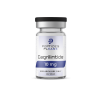
Cagrilintide is a long‑acting amylin analogue (not a GIP/GLP‑1 receptor agonist) that is being studied both alone and in fixed‑dose combination with the GLP‑1 agonist semaglutide—a pairing known as CagriSema—for obesity and type 2 diabetes. In the phase 3 REDEFINE 1 trial, CagriSema produced mean weight loss of roughly 20–23% of body weight over 68 weeks, compared with about 15–16% for semaglutide alone. These effects are mediated by appetite suppression, enhanced satiety, and delayed gastric emptying, making cagrilintide an attractive candidate for patients seeking significant body‑weight reduction, though its full safety profile—especially regarding a potential cagrilintide overdose—is still being characterized.
Although cagrilintide and the CagriSema combination have now completed phase 3 testing and moved toward regulatory filing, formal guidance on a cagrilintide overdose remains limited, and most available data are extrapolated from experience with other incretin‑ and amylin‑based therapies; reported adverse effects at higher doses include nausea, vomiting, and abdominal pain, but serious toxicity has not been clearly established. In the event of suspected overdose—whether due to accidental self‑administration error or exploration of unproven dosing regimens—patients and clinicians should contact local poison control centers immediately, as monitoring for hypoglycemia, severe gastrointestinal symptoms, and cardiovascular changes becomes critical, particularly in individuals already undergoing intensive weight‑loss regimens.
Understanding Cagrilintide Overdose
Understanding a potential overdose involving cagrilintide and semaglutide requires awareness that while these medications are often used in combination for weight management, they can lead to significant gastrointestinal adverse events such as severe nausea, vomiting, diarrhea, and abdominal pain. Because these agents possess long half-lives, symptoms may be persistent, and individuals experiencing concerning side effects should immediately seek medical attention. In the event of an accidental ingestion or dosing error, it is essential to contact professional resources, such as your local poison centers or a specialized drug information center, which can provide expert guidance on assessment and treatment protocols.
Find Reliable Peptide Products for Research at PeptidesPlease
When sourcing research peptides from suppliers like PeptidesPlease, it is essential to prioritize product legitimacy by verifying that the company provides transparent documentation, such as third-party Certificates of Analysis (COAs) that confirm purity, batch information, and the absence of contaminants. Because the market for "research-grade" compounds is largely unregulated and these products are strictly intended for laboratory use—not for human or animal consumption—researchers must exercise caution and rely on established suppliers that demonstrate a clear track record of quality control. Always conduct due diligence by reviewing independent customer feedback, confirming that test results are conducted by credible third-party laboratories rather than the seller itself, and ensuring the supplier provides clear contact and operational details. Given the risks associated with inconsistent or unsafe products in the online marketplace, maintaining these rigorous standards is vital for ensuring the integrity and accuracy of your experimental data.
How Much Cagrilintide is Considered an Overdose?
There is currently no clearly defined “overdose” threshold for cagrilintide in clinical practice, but taking a wrong dose above the prescribed level—especially beyond the studied 4.5 mg weekly range—can markedly increase the risk of adverse effects, including severe gastrointestinal symptoms and, in people using other glucose‑lowering medications, low blood sugar (hypoglycemia). Because cagrilintide‑induced weight loss and side‑effect rates are dose‑dependent, trials have explored cagrilintide doses from 0.3 mg to 4.5 mg per week in adults with elevated body mass index and increased waist circumference, with the phase 3 program settling on a 2.4 mg once‑weekly maintenance dose (combined with 2.4 mg semaglutide in CagriSema), yet higher doses are not necessarily safer or more effective for every individual. In clinical‑trial design, the “intention‑to‑treat” principle means that even participants who receive a wrong dose or deviate from protocol are usually analyzed in their originally assigned group, underscoring the importance of strict adherence to the prescribed regimen and immediate medical review if you suspect an overdose or are experiencing symptoms such as dizziness, confusion, or severe nausea.
Why Does Cagrilintide Overdose Happen?
Cagrilintide overdose usually happens because the dose is given incorrectly, repeated too soon, or confused with another salt forms-related product, especially in self-injection settings where administered once weekly, cagrilintide can be misread or doubled; this risk matters because the drug is being studied for weight reduction and weight management, including in double blind trials, and researchers are also evaluating broader cardiovascular disease outcomes and potential cardiovascular benefits. In simple terms, overdose is less about the medicine “suddenly becoming dangerous” and more about dosing errors, product mix-ups, or misunderstanding the weekly schedule.
Symptoms of Cagrilintide Overdose
Cagrilintide is a long-acting amylin analogue designed to delay gastric emptying and increase satiety. In the event of an overdose, its pharmacological effects are amplified, leading primarily to intensified gastrointestinal symptoms.
- Severe nausea and vomiting: Nausea is already a common side effect (reported in about 47% of clinical trial participants), but overdose may result in persistent or uncontrollable vomiting.
- Severe abdominal pain or discomfort: This may present as intense cramping or a pronounced sensation of fullness.
- Diarrhea or severe constipation: Significant disruption in normal bowel movements can occur.
- Dizziness or headache: These symptoms are often secondary to reduced food and fluid intake.
- Hypoglycemia (low blood sugar): Although uncommon when used alone, the risk increases if cagrilintide is combined with other glucose-lowering medications.
Immediate Steps to Take in Case of Cagrilintide Overdose
If you suspect a cagrilintide overdose, treat it as a medical emergency and act immediately. Do not wait for symptoms to appear. Call your local emergency number or go to the nearest emergency department right away. Let the dispatcher or medical staff know that you took more than the prescribed dose of cagrilintide and, if possible, show them the pen, vial, or packaging so they can confirm the medication and dose.
Watch for key symptoms
A cagrilintide overdose can cause severe gastrointestinal effects and, in people with diabetes on other glucose‑lowering drugs, dangerously low blood sugar (hypoglycemia). Seek urgent care if you notice severe nausea, persistent vomiting, or an inability to keep fluids down. Also, go to the emergency room immediately if you have signs of low blood sugar, such as shakiness, sweating, confusion, dizziness, fast heartbeat, or fainting. Seek emergency help as well if you develop severe abdominal pain, difficulty breathing, chest pain, or swelling or itching that may signal an allergic reaction.
While help is on the way
Do not try to induce vomiting or take extra medications unless specifically told to do so by a poison‑control specialist or emergency clinician. If you have diabetes and are experiencing low blood sugar (for example, blood sugar below 70 mg/dL) and you are conscious and able to swallow, take a fast‑acting source of sugar such as glucose tablets, juice, or honey, and then inform the emergency responders. Ask someone to stay with you in case your symptoms worsen or you lose consciousness, and do your best to stay calm and avoid driving yourself.
Inform doctors and monitor afterward
In the hospital, treatment for a cagrilintide overdose is mainly supportive. Doctors may give you intravenous fluids, anti‑nausea medicines, and, if needed, glucose or glucagon to treat or prevent low blood sugar, since there is no specific “antidote” for cagrilintide. After you are stabilized, follow up with your prescribing clinician to review your dose, injection schedule, and any factors that may have led to the overdose, such as confusion about different pen strengths or timing. Ask them to clarify your instructions and consider safer practices to help prevent this from happening again.
Medical Management of Cagrilintide Overdose
Medical management of cagrilintide overdose involves supportive care, close monitoring of gastrointestinal symptoms such as nausea and vomiting, and ensuring adequate hydration and electrolyte balance, as no specific antidote is currently established. Clinicians should assess patient history, including other medications and patterns of once-weekly subcutaneous administration, to determine the extent of exposure and risk. Special consideration may be given to female participants and adults with overweight or obesity, as these groups are commonly included in treatment populations and may present varying tolerability profiles. Emphasis should also be placed on treatment adherence education to prevent dosing errors, alongside reinforcing lifestyle interventions that support weight management in individuals with overweight or obesity.
Factors That Influence Cagrilintide Overdose Severity
Cagrilintide overdose—most commonly caused by rapid dose escalation or administration errors—primarily presents as severe gastrointestinal (GI) distress. Symptoms typically include intense nausea, vomiting, diarrhea, and constipation. While these effects are often transient and mild to moderate, they can become severe without proper management. The intensity of these adverse events is influenced by a combination of improper dose titration, individual biological variability, and concurrent medication use.
- Dose Titration Speed: Accelerating the recommended 16–20 week titration schedule—such as skipping dose increments or starting at a high dose—significantly increases both the risk and severity of GI side effects. Gradual titration allows metabolic adaptation, while rapid escalation can overwhelm physiological tolerance.
- Administration Method (Compounding Risk): Overdose risk is higher with compounded, non-premeasured formulations. These require manual dose preparation, increasing the likelihood of measurement and calculation errors.
- Combination Therapy (CagriSema): Concurrent use of cagrilintide with semaglutide markedly increases gastrointestinal adverse events, with reported incidence rates reaching up to 79.6%, compared to either agent used alone.
- Individual Sensitivity and Genetics: Patient response varies widely. Some individuals experience severe symptoms at low doses (e.g., 0.6 mg), while others tolerate higher doses (e.g., 2.4 mg). Factors such as genetic variability, gut microbiome composition, and baseline GI health contribute to this variability.
- Hypovolemia and Dehydration: Severe vomiting and diarrhea can lead to dehydration and reduced blood volume, increasing the risk of renal complications. These effects can further intensify the overall severity of the overdose, similar to other long-acting GLP-1 and amylin receptor agonists.
- Baseline Health Status: Patients with pre-existing gastrointestinal disorders, renal impairment, or comorbid conditions such as cardiovascular disease are more likely to experience severe adverse effects rather than moderate symptoms.
How to Prevent Cagrilintide Overdose
Preventing a cagrilintide overdose requires careful attention to dosing, proper administration, and ongoing communication with a healthcare provider. This is especially important when the drug is used alongside other medications such as semaglutide (commonly referred to as CagriSema). Because cagrilintide is still under clinical investigation and not yet FDA-approved for general use as of 2024, following prescribed or trial-specific protocols is critical.
- Follow the prescribed dosage strictly. Never increase the dose on your own, even if you believe it may accelerate weight loss. Treatment typically starts at a low dose and is gradually increased (titrated), often at intervals such as every four weeks.
- Use proper administration techniques. When using a multi-dose vial instead of a prefilled pen, ensure you can accurately measure the dose. Mistakes—especially confusion between units like milliliters and milligrams—are a common cause of overdosing.
- Stick to a consistent weekly schedule. Cagrilintide is intended for once-weekly injection, not daily use. Choose a specific day and time each week to reduce the risk of missed or closely spaced doses.
- Be cautious with compounded formulations. If using a compounded version, verify the medication’s concentration, as strengths can vary between products and increase the risk of dosing errors.
- Seek proper training before self-injecting. If you are unfamiliar with injections, consult a healthcare provider for guidance on drawing and administering the medication safely.
Long-Term Considerations After a Cagrilintide Overdose
After a cagrilintide overdose, long-term considerations should focus on careful monitoring of the patient profile, higher risk, especially among individuals with a relevant family history or pre-existing metabolic conditions, as these factors may contribute to an increased risk of adverse outcomes. Clinicians should evaluate how the event may influence future use of once-weekly cagrilintide, particularly when reassessing the first dose and subsequent titration strategies. Tracking percent change in weight, glycemic control, and other metabolic markers can help determine recovery trends and guide ongoing management under a treatment policy and framework. Additionally, comparing outcomes with a placebo group and reviewing confirmatory secondary endpoints from clinical data may provide useful context for understanding safety signals and informing individualized care plans moving forward.
Explore Trusted Peptide Products Designed for Research from PeptidesPlease
PeptidesPlease specializes in providing research-grade peptides, maintaining a commitment to high standards by ensuring all products reach a purity level of at least 99%. To support rigorous scientific study, the company employs a multi-step quality control process that includes HPLC analysis for purity verification, mass spectrometry for identity confirmation, and independent third-party laboratory testing. These research peptides are supplied in sterile, lyophilized powder form, accompanied by documentation such as Certificates of Analysis to ensure traceability and reproducibility for academic, biotechnology, and independent research institutions.
Frequently Asked Questions
Can you overdose on cagrilintide?
Yes. Although cagrilintide is usually given in fixed once‑weekly doses, taking more than prescribed (for example, injecting a higher dose or extra doses close together) counts as an overdose.
Is a cagrilintide overdose dangerous?
Yes. An overdose can be dangerous because it may intensify the drug’s effects, especially on the stomach, pancreas, and blood sugar. This can lead to severe nausea, vomiting, abdominal pain, dehydration, low blood sugar, or even pancreatitis in high‑risk individuals.
How much cagrilintide is considered an overdose?
There is no single “safe” overdose cutoff, but anything above the dose your doctor has prescribed (for example, exceeding the labeled weekly strength or giving an extra injection too soon) should be treated as a possible overdose. In clinical trials, higher weekly doses (up to 4.5 mg) were studied under strict supervision, not as self‑administered “extra” doses.
What happens if you take too much cagrilintide?
Taking too much can worsen the usual side‑effect pattern: intense nausea, repeated vomiting, abdominal cramps or pain, diarrhea, and feeling very full or bloated. It may also increase the risk of low blood sugar (hypoglycemia), especially if you are also taking other diabetes medicines.
What are the symptoms of a cagrilintide overdose?
Symptoms may include: severe or persistent nausea and vomiting, sharp or ongoing abdominal pain, sometimes radiating to the back, diarrhea or dehydration (dizziness, dry mouth, dark urine), shakiness, sweating, confusion, or feeling faint (signs of low blood sugar), unusual weakness, blurred vision, or signs of an allergic reaction (rash, swelling, difficulty breathing).
What should you do if you accidentally overdose on cagrilintide?
If you think you’ve taken too much: stop taking extra doses and do not “double up” on injections. Seek medical advice immediately, and monitor carefully.
Summary
In summary, cagrilintide, evaluated in active-controlled trials among participants with a mean age of around 47-58 years, delivers greater weight loss compared to placebo or alternatives like semaglutide alone, with reductions up to 10-13% body weight over 68 weeks. Key takeaways: While highly effective for obesity management, accidental overdose—such as injecting 10x the intended dose—typically causes transient gastrointestinal distress, fatigue, and cramping rather than severe toxicity, resolving in days with supportive care like anti-nausea meds and electrolytes, mirroring GLP-1 patterns without specific antidotes. Precise dosing and medical oversight remain essential to harness its benefits safely.