Sermorelin and TRT (testosterone replacement therapy) are popular hormone therapies often compared for addressing age-related declines in vitality, but they target different aspects of hormone levels. Sermorelin, a synthetic growth hormone-releasing hormone (GHRH), stimulates the pituitary gland to naturally produce more human growth hormone (HGH), mimicking the body's own rhythms for safer, pulsatile release. In contrast, TRT directly supplements low testosterone levels to alleviate symptoms like fatigue, reduced muscle mass, and low libido in men with clinically diagnosed deficiencies.
While sermorelin vs TRT debates often focus on their distinct mechanisms—sermorelin boosting growth hormone for recovery, sleep, and body composition without directly impacting testosterone levels—TRT excels at restoring hormone levels tied to sexual function and strength. Sermorelin avoids overdose risks through natural feedback loops involving somatostatin, making it appealing for those seeking pituitary gland support without exogenous HGH. Both can complement each other in combination therapy for comprehensive hormone optimization, but the choice depends on individual labs and symptoms.
Understanding TRT vs Sermorelin
Understanding TRT vs Sermorelin comes down to how each approach supports hormone balance and overall health. Testosterone replacement therapy (TRT), also known as testosterone therapy, directly supplements declining testosterone levels, which can improve energy, muscle mass, and even red blood cell count, but may suppress the body’s natural hormone production over time. In contrast, Sermorelin works by stimulating the body’s own natural growth hormone production, helping to increase growth hormone levels more naturally without replacing them outright. This can support fat metabolism, recovery, and sleep while maintaining a more natural growth hormone rhythm. Choosing between these options depends on individual goals, whether prioritizing direct testosterone support or enhancing natural growth hormone function for a more balanced hormonal approach.
Find Reliable Peptide Products for Research at PeptidesPlease
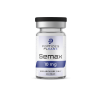
Researchers seeking reliable peptide products for studying hormonal therapies can turn to PeptidesPlease, a trusted supplier offering high-purity research-grade peptides like Sermorelin with ≥99% purity verified by HPLC, mass spectrometry, and third-party testing. Sermorelin, a synthetic GHRH analog, stimulates the pituitary gland to promote natural growth hormone release, potentially supporting research into anti-aging, body composition improvements, muscle repair, and metabolic effects with a favorable safety profile and milder side effects compared to direct GH administration. In contrast, Testosterone Replacement Therapy (TRT) directly supplies exogenous testosterone to address hypogonadism, yielding faster benefits in libido, muscle mass, bone density, mood, and vitality but requiring careful monitoring for risks like elevated red blood cell counts, lipid changes, and fertility impacts. For labs exploring these distinct mechanisms—pulsatile endogenous stimulation via Sermorelin versus direct supplementation with TRT—PeptidesPlease provides consistent, documented products ideal for precise endocrine research.
What is TRT (Testosterone Replacement Therapy)?
Testosterone Replacement Therapy (TRT) is a medical treatment used to restore sexually active men who have clinically low testosterone levels to a healthy range, typically through injections, gels, patches, or other delivery methods. TRT aims to relieve symptoms such as low libido, fatigue, reduced muscle mass, and mood changes by raising both testosterone and free testosterone into the mid‑normal or target range for the individual. While many men experience significant improvement, TRT can also cause side effects; for example, intramuscular injections may lead to mild injection site reactions such as redness, soreness, or swelling at the site of administration.
How is TRT Different from Sermorelin?
Testosterone Replacement Therapy (TRT) and Sermorelin differ primarily in how they influence hormone levels and overall vitality: TRT directly introduces exogenous testosterone to correct low‑T, leading to faster improvements in libido, mood, and muscle development, while Sermorelin is a peptide that stimulates the pituitary gland to enhance the body’s natural production of growth hormone, which in turn supports better sleep, recovery, and metabolic function. Because Sermorelin works with the body’s own feedback loops, it tends to preserve the pituitary’s activity and can promote lean mass, fat loss, and tissue repair without directly replacing testosterone, whereas TRT can sometimes suppress the body’s natural production of testosterone over time and is more focused on restoring sex‑hormone‑driven effects. For many patients, TRT delivers pronounced gains in strength and sexual health, while Sermorelin contributes more broadly to overall vitality and metabolic function by amplifying the body’s own growth‑hormone‑related processes.
Sermorelin vs TRT Structural Difference
Sermorelin and testosterone replacement therapy (TRT) differ fundamentally in structure and function. Sermorelin is a synthetic peptide that mimics growth hormone-releasing hormone (GHRH), signaling the pituitary gland to naturally increase growth hormone production. In contrast, TRT involves the direct administration of exogenous testosterone, bypassing the body's regulatory systems. This key structural difference means Sermorelin works by stimulating natural processes, while TRT replaces or supplements a specific hormone directly.
Sermorelin Therapy vs TRT Hormonal Effects
The hormonal effects of Sermorelin therapy and TRT vary significantly due to how they interact with the endocrine system. Sermorelin promotes a more physiological increase in growth hormone and subsequently insulin-like growth factor 1 (IGF-1), maintaining the body's feedback loops. TRT, however, elevates testosterone levels directly, which can suppress the body’s natural testosterone production over time. As a result, Sermorelin tends to preserve hormonal balance, whereas TRT can alter it more aggressively.
Sermorelin vs TRT for Muscle Growth
When it comes to muscle growth, both Sermorelin and TRT offer benefits, but through different mechanisms. TRT enhances muscle mass and strength by increasing protein synthesis and anabolic activity directly linked to higher testosterone levels. Sermorelin, on the other hand, supports muscle development indirectly by boosting growth hormone and IGF-1, which aid in tissue repair, recovery, and lean muscle maintenance. While TRT often produces faster and more noticeable gains, Sermorelin provides a more gradual and natural improvement.
TRT vs Sermorelin Body Composition Effects
TRT and Sermorelin both influence body composition, but their effects differ in scope and intensity. TRT is known for significantly reducing fat mass and increasing lean muscle, often leading to more dramatic changes in physique. Sermorelin contributes to improved body composition by enhancing fat metabolism and promoting lean tissue preservation, though the changes tend to be subtler and develop over time. Individuals seeking rapid transformation may prefer TRT, while those aiming for steady, long-term improvements might lean toward Sermorelin.
Sermorelin vs TRT Bioavailability
Sermorelin and TRT differ in how they are absorbed and utilized by the body. Sermorelin has relatively low direct bioavailability because it is rapidly broken down and works by triggering the body’s own release of growth hormone in pulses, rather than supplying the hormone itself. TRT, on the other hand, delivers testosterone directly into the system through injections, gels, or patches, resulting in higher and more sustained circulating hormone levels. This makes TRT more immediately bioavailable, while Sermorelin relies on the body’s natural response for its effects.
Sermorelin vs TRT Misconceptions
There are several common misconceptions surrounding Sermorelin and TRT, often leading to confusion between the two therapies. One major misunderstanding is that Sermorelin is a form of hormone replacement similar to TRT, when in reality it stimulates endogenous hormone production rather than replacing it. Another misconception is that both therapies produce identical results in muscle growth and anti-aging, which is not accurate due to their different mechanisms. Clarifying these differences helps individuals make more informed decisions about treatment options.
Sermorelin vs TRT Administration Differences
The administration methods of Sermorelin and TRT reflect their distinct roles in therapy. Sermorelin is typically administered via subcutaneous injection, often taken at night to mimic the body’s natural growth hormone release cycle. TRT offers more varied delivery methods, including intramuscular injections, topical gels, patches, and even pellets implanted under the skin. These differences in administration can influence convenience, compliance, and overall treatment experience for patients.
Sermorelin Therapy vs TRT
Sermorelin therapy and TRT serve different therapeutic purposes despite some overlapping benefits. Sermorelin is commonly used to support growth hormone levels, improve sleep, recovery, and overall vitality by enhancing natural hormone production. TRT is prescribed for individuals with clinically low testosterone levels to restore normal physiological function, including energy, libido, and muscle mass. Choosing between the two depends on individual hormone deficiencies, health goals, and medical guidance.
Cases When Sermorelin is Preferred Over TRT
Sermorelin is often preferred in cases where individuals want to stimulate their body’s natural hormone production rather than introduce external hormones. It may be suitable for those with age-related declines in growth hormone, individuals seeking gradual improvements in sleep, recovery, and overall wellness, or those who want to avoid suppressing their natural testosterone production. It can also be a better option for people not clinically deficient in testosterone but still experiencing symptoms of aging or reduced vitality.
Cases When TRT is Preferred Over Sermorelin
TRT is typically preferred for individuals diagnosed with clinically low testosterone levels, where direct hormone replacement is necessary to restore normal physiological function. It is often recommended for those experiencing significant symptoms such as low libido, fatigue, loss of muscle mass, and mood changes directly linked to testosterone deficiency. In these cases, TRT provides a more immediate and targeted solution compared to Sermorelin, which does not directly address low testosterone levels.
Explore Trusted Peptide Products Designed for Research from PeptidesPlease
Explore trusted peptide products designed for research from PeptidesPlease, a reliable supplier offering high-purity (≥99%), lab-tested research peptides like sermorelin. Sermorelin, a synthetic growth hormone-releasing hormone analog, stimulates the pituitary gland to boost natural GH and IGF-1 production, potentially aiding research into muscle growth, recovery, sleep quality, and body composition without suppressing endogenous hormone axes. In contrast, TRT directly supplements testosterone to enhance libido, muscle mass, bone density, and mood via the HPG axis, often providing faster results but risking shutdown of natural production—making sermorelin a complementary option for studies on synergistic hormone optimization rather than a direct substitute. PeptidesPlease ensures quality with third-party HPLC and mass spectrometry testing, Certificates of Analysis, and lyophilized vials for stability, ideal for legitimate scientific investigations into these mechanisms.
Frequently Asked Questions
Can you use sermorelin and TRT?
Yes, they are sometimes used together because they act on different axes and are not the same treatment. However, that does not mean the combination is automatically appropriate for everyone; the choice depends on the diagnosis, lab results, symptoms, and risk profile.
How does sermorelin compare to Testosterone Replacement Therapy?
Sermorelin aims to raise growth hormone and IGF-1 by stimulating the pituitary, while TRT directly replaces testosterone. In practical terms, TRT is used for hypogonadism/low testosterone symptoms such as low libido, reduced muscle mass, fatigue, and mood changes, whereas sermorelin is aimed more at growth-hormone deficiency or related use cases.
How do sermorelin and TRT work differently?
Sermorelin is a GHRH analog that tells the pituitary gland to release more growth hormone, which then increases IGF-1. TRT supplies testosterone from outside the body, raising circulating testosterone directly and often suppressing the body’s own testosterone production through feedback on the HPG axis.
How do sermorelin and TRT work differently?
Put simply, sermorelin works “upstream” to encourage natural hormone release, while TRT replaces the hormone itself. That’s why they can be complementary rather than redundant.
Are sermorelin and TRT used for the same conditions?
No, not really. TRT is for confirmed low testosterone, while sermorelin is for growth-hormone deficiency or select off-label/compounded uses; some online sources discuss “anti-aging” or body-composition use, but that is not the same as a well-established indication.
Are sermorelin vs TRT supported by clinical research?
TRT has the stronger and more modern clinical evidence base for men with hypogonadism, including systematic reviews and randomized trials showing improvements in quality of life and sexual function. Sermorelin has clinical research too, but the evidence is narrower and older, with better support for diagnosis and pediatric growth-hormone deficiency than for broad adult “optimization” use.
Summary
In conclusion, Sermorelin and TRT serve distinct purposes in hormone optimization: TRT directly replaces low testosterone for rapid gains in muscle, libido, energy, and mood but requires close monitoring due to risks like elevated red blood cells, acne, and fertility suppression, while Sermorelin naturally stimulates growth hormone release to enhance recovery, sleep, fat loss, and vitality with milder side effects such as injection-site irritation and less impact on natural production. Neither is universally superior—TRT suits clinically low testosterone confirmed by labs, Sermorelin fits normal testosterone levels seeking GH support, and combining them often yields synergistic benefits for comprehensive anti-aging effects under medical supervision. Ultimately, personalized lab testing and physician guidance determine the best approach based on individual symptoms, goals, and health profile.