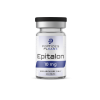
Tesamorelin is a synthetic growth hormone-releasing factor used in some patients with HIV to help reduce excess abdominal fat, so storage matters if you want it to work as intended. In practical terms, the answer to whether tesamorelin needs to be refrigerated is yes for the medication after it has been mixed, and improper storage can affect a treatment that interacts with the growth hormone and growth hormone-releasing hormone pathway.
That said, tesamorelin is also associated with injection site reactions, so it helps to follow storage and handling instructions carefully before each dose. If you’re writing an intro for a guide, you can frame it around why refrigeration, reconstitution, and proper handling are important for preserving the stability of a therapy used in growth hormone deficiency-related care and related hormone treatment contexts.
Understanding Tesamorelin Storage and Shelf Life
Understanding Tesamorelin storage and shelf life is essential for maintaining the stability of this human growth hormone–releasing factor used primarily in HIV‑infected patients with excess abdominal fat accumulation. Once reconstituted in a medication box according to the manufacturer’s instructions, the vial should typically be refrigerated at 2–8°C and used within a few weeks, as prolonged exposure to room temperature or repeated freeze‑thaw cycles can degrade the peptide’s activity. This synthetic analog of human growth hormone–releasing hormone (GHRH) is administered via subcutaneous injection to stimulate the pituitary gland to produce more growth hormone, thereby reducing visceral adipose tissue and improving metabolic parameters in patients with lipodystrophy‑related central obesity. Advances in formulation science have helped optimize the compound’s solubility and stability so that the daily SC dose remains effective and safe for treating stubborn abdominal fat accumulation while still requiring careful adherence to storage conditions and expiration dates.
Find Reliable Peptide Products for Research at PeptidesPlease
Find reliable, research‑grade peptide products at PeptidesPlease, where every batch is manufactured to ≥99% purity and verified through HPLC analysis, mass spectrometry, and third‑party laboratory testing to ensure accurate, reproducible results in your studies. PeptidesPlease supplies lyophilized, sterile‑vial peptides to academic labs, biotech firms, and licensed researchers, supporting a wide range of experimental applications while maintaining full documentation and strict quality‑control protocols from synthesis through delivery.
What Temperature Should Tesamorelin Be Stored At?
Tesamorelin, supplied as tesamorelin powder in vials within the injection box of the medication kit (such as Egrifta WR), should be stored at room temperature between 20°C to 25°C (68°F to 77°F), protected from light, to treat excess fat around the abdomen in HIV patients with lipodystrophy by stimulating the pituitary gland disorder—related growth hormone release. Once reconstituted with bacteriostatic water for subcutaneous injection, the solution (Egrifta WR) is also kept at the same room temperature range and discarded after 7 days, while older formulations like Egrifta SV require refrigeration at 2°C to 8°C (36°F to 46°F) post-mixing; always check the specific product label. Seek medical attention for signs of allergic reaction such as rash, swelling, or breathing issues, and store the injection box items similarly at room temperature.
Should Tesamorelin Be Refrigerated?
Tesamorelin, a synthetic tesamorelin peptide known as tesamorelin acetate, requires specific storage to maintain stability: lyophilized powder can be kept at room temperature during shipping but should be refrigerated or frozen long-term, while reconstituted solutions generally must be refrigerated at 2-8°C (36-46°F) for up to 28-42 days to prevent degradation, though consult your healthcare provider for exact instructions based on the formulation like EGRIFTA SV, which advises against refrigerating the freshly mixed solution and using it immediately. Always follow guidance from your healthcare provider to ensure proper handling, as improper storage can reduce efficacy shown in clinical trials for reducing visceral fat in HIV patients with lipodystrophy. Serious risks include potential birth defects if used during pregnancy (contraindicated), hypersensitivity reactions like difficulty breathing, rash, or swelling requiring immediate medical attention, and other effects like elevated IGF-1 or glucose intolerance, so report any adverse symptoms to your healthcare provider promptly.
Tesamorelin Refrigerate After Opening
To maintain the efficacy of tesamorelin and prevent contamination, the peptide must be refrigerated at 2–8°C immediately after reconstitution with bacteriostatic water, which is preferred over sterile water for its ability to inhibit bacterial growth during multi-dose use. When preparing the injection, ensure you are using clean alcohol swabs to sanitize the injection site and the vial septum, and always verify your medication by checking the clear vial labels rather than relying on cap colors alone. While some studies suggest tesamorelin may help manage certain risk factors associated with heart disease, it should be used with professional guidance, especially for patients with pre-existing cardiovascular conditions. Proper storage and labeling, akin to the rigorous standards found in a national library or clinical facility, ensure that your medication remains stable and identifiable throughout its 14–28 day shelf life.
How Long Does Tesamorelin Last in the Fridge?
Reconstituted Tesamorelin should generally be stored in the refrigerator at 2°C to 8°C (36°F to 46°F) and used within about four weeks, though specific FDA‑approved formulations such as EGRIFTA may require discarding the solution within seven days after mixing and instruct that the reconstituted vial should be kept at room temperature instead of in the fridge, so you must follow the exact storage directions in the product labeling provided with your prescription. The medication typically comes in two boxes—one containing the powder vial and the other containing the diluent, syringes, and needles—so unopened supplies should be refrigerated while the diluent, syringes, and used needles are kept at room temperature in a safe sharps‑disposal box. Always avoid injecting into areas with irritation, redness, or hard bumps, rotate injection sites to reduce local irritation, and never reuse needles or store reconstituted solution beyond the period specified by the FDA‑approved instructions for your specific formulation.
What Happens If Tesamorelin Is Not Refrigerated?
If tesamorelin is not refrigerated after reconstitution, it can lose potency more quickly due to accelerated chemical breakdown and may become more susceptible to bacterial contamination, which can reduce its effectiveness and increase safety risks when used. While a short time at room temperature (a few minutes during handling) is generally unavoidable, prolonged exposure should be avoided, and the product should be discarded if it has been left out well beyond the recommended window or if the manufacturer’s instructions specify refrigeration to maintain stability and sterility.
Does Tesamorelin Need to Be Refrigerated After Mixing?
Tesamorelin generally does need to be refrigerated after it has been reconstituted, unless the manufacturer or your prescriber specifies otherwise. Once mixed with the provided diluent, the solution becomes more vulnerable to degradation and bacterial growth, so keeping it cold helps preserve its stability and safety. Always follow the exact storage instructions that come with your specific product or those given by your healthcare provider or pharmacist.
Best Practices When Storing Tesamorelin in the Fridge
When storing tesamorelin in the refrigerator, keep it in a consistently cool area, typically between about 2°C and 8°C (36°F–46°F), and avoid placing it in the door where temperatures fluctuate. Store the vial upright, protect it from light by keeping it in its original packaging, and clearly label it with the date it was mixed. Do not freeze tesamorelin, as freezing can damage the peptide and render it ineffective.
Risks When Storing Tesamorelin in the Refrigerator
Improper refrigeration of tesamorelin—such as storing it at the wrong temperature, leaving it exposed to light, or keeping it for longer than the recommended time—can reduce its potency and make it less effective. If the solution is contaminated due to poor handling or used past its expiration, it may increase the risk of injection‑site reactions or infections. Always discard any visibly cloudy, discolored, or particle‑containing solution and consult your healthcare provider if you are unsure about its condition.
Explore Trusted Peptide Products Designed for Research from PeptidesPlease
PeptidesPlease offers a curated selection of trusted peptide products specifically designed for research purposes, providing scientists and laboratories with high‑purity compounds backed by rigorous quality control and transparent documentation. Our catalog focuses on research‑grade peptides that support experimental accuracy and reproducibility, making them suitable for cell biology, pharmacology, and biochemical studies. By prioritizing reliability, traceability, and customer support, PeptidesPlease aims to be a dependable source for researchers seeking consistent, well‑characterized peptide materials to advance their scientific work.
Frequently Asked Questions
Does tesamorelin have to be refrigerated?
Tesamorelin in its lyophilized powder form (unreconstituted) is typically stored refrigerated or frozen, depending on the product and guidelines from research peptide suppliers. For the FDA-approved EGRIFTA formulation, the powder vials are refrigerated until use.
Does Tesamorelin Need to Be Refrigerated?
Lyophilized tesamorelin powder generally requires refrigeration at 2-8°C or freezing at -20°C for long-term stability, as recommended by most peptide suppliers. The FDA-approved EGRIFTA product instructs storing unreconstituted vials in the refrigerator.
Does Tesamorelin require refrigeration after reconstitution?
Requirements vary by formulation. FDA-approved EGRIFTA (2 mg vial) must not be refrigerated after reconstitution; use immediately and discard unused solution without freezing or refrigerating. Research-grade or compounded tesamorelin typically requires refrigeration at 2-8°C post-reconstitution for up to 28 days to prevent degradation.
Does refrigeration affect Tesamorelin potency?
For FDA-approved EGRIFTA, refrigeration post-reconstitution is not recommended, as it's designed for immediate use. Some studies on research-grade tesamorelin show refrigerated storage (2-8°C) maintains higher purity (99.15%) over 5 days compared to room temperature (95.1%), while others note potential aggregation in cold for certain formulations. Potency loss occurs rapidly at room temperature regardless.
Summary
Tesamorelin does need to be stored with strict temperature control, but the exact requirement depends on its form and whether it has been reconstituted. Unreconstituted (lyophilized) tesamorelin powder should be kept frozen around −20 °C until ready to use, while reconstituted liquid tesamorelin must be refrigerated at 2–8 °C and used within about 28 days to maintain potency and avoid irreversible protein aggregation. Clinical‑label guidance for the approved injection product also specifies storage in the refrigerator (not the freezer) and protection from light, with diluent and supplies kept at room temperature. In short, yes—tesamorelin generally requires refrigeration after mixing, and any product‑specific instructions from the manufacturer or prescribing label should be followed precisely.