People take peptides for their powerful role in optimizing health, beauty, and performance, as these short chains of amino acids act like targeted messengers in the body. Derived from proteins, peptides include natural options like collagen peptides—broken-down forms of collagen that boost collagen production and support the skin barrier—and synthetic peptides engineered for precise effects. Whether through collagen peptide supplements for daily wellness or advanced peptide therapy via injections, individuals turn to them to address everything from aging and muscle recovery to weight management, making "why do people take peptides" a question rooted in their versatility and science-backed benefits.
In essence, peptides bridge nutrition and medicine, offering collagen peptides for radiant skin and joint health by enhancing the skin barrier and stimulating collagen production, while synthetic peptides power peptide therapy for bodybuilders seeking rapid muscle growth or anti-aging enthusiasts combating wrinkles. As amino acids link up to form these bioactive compounds, collagen peptide supplements have surged in popularity for their ease of use and proven results in promoting youthful vitality. Ultimately, people take peptides to unlock the body's potential, harnessing cutting-edge science for tangible, transformative outcomes.
Why People Take Peptides
People take peptides for their targeted health and performance benefits, such as building muscle mass through peptide injections like growth hormone secretagogues that stimulate protein synthesis and recovery in bodybuilders. Others seek food derived bioactive peptides from sources like collagen-rich foods or whey protein, which provide natural support for skin elasticity by promoting collagen production and reducing wrinkles. Specialized types, including enzyme inhibitor peptides that block breakdown processes to enhance fat loss or blood pressure control, rely on strong peptide bonds linking amino acids for stability and efficacy, making them popular in anti-aging, weight management, and wellness routines.
Explore Trusted Peptide Products Designed for Research from PeptidesPlease
Discover trusted peptide products designed for research from PeptidesPlease, your reliable source for high-quality compounds tailored to advanced biomedical studies. Our catalog features neurotransmitter inhibitor peptides that modulate neural signaling pathways, copper peptides renowned for their role in skin regeneration and immune function enhancement, and specialized formulations supporting blood sugar regulation to aid metabolic research. Each product undergoes rigorous purity testing to ensure consistency and efficacy, empowering researchers in anti-aging, wellness, and physiological optimization projects with peptides that deliver precise, reproducible results.
Main Reasons People Use Peptides
People use peptides primarily for their targeted biological effects, which mimic or enhance natural processes in the body, offering benefits like muscle building, fat reduction, anti-aging, and recovery support without the broader side effects of traditional steroids or hormones. These short chains of amino acids act as signaling molecules, influencing hormone release, tissue repair, and metabolic functions, making them popular among bodybuilders, athletes, wellness enthusiasts, and those seeking optimized health. With rising interest in personalized medicine and anti-aging, peptides provide versatile, often injectable or topical options backed by research for specific goals, from enhancing performance to promoting longevity.
Peptides For Muscle Growth And Recovery
Peptides like growth hormone-releasing peptides (GHRPs) such as Ipamorelin and CJC-1295 stimulate the pituitary gland to boost natural growth hormone (GH) production, promoting muscle hypertrophy, protein synthesis, and faster recovery from intense workouts. Bodybuilders and athletes favor them for increasing lean mass, reducing soreness, and accelerating repair of micro-tears in muscle fibers post-training. Unlike synthetic steroids, these peptides support sustainable gains with minimal disruption to the body's endocrine system, making them ideal for long-term use in strength training regimens.
Peptides For Fat Loss And Metabolic Support
Peptides such as AOD-9604 and Tesamorelin target fat metabolism by enhancing lipolysis—the breakdown of stored fat—while preserving muscle tissue, aiding weight loss even in stubborn areas like the abdomen. They boost metabolic rate, improve insulin sensitivity, and stimulate GH release, which collectively supports efficient calorie burning and energy utilization. Popular in fitness and anti-aging protocols, these peptides help with sustainable fat reduction, especially when combined with diet and exercise, offering a non-stimulant alternative to harsh fat burners.
Peptides For Anti-Aging And Skin Health
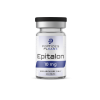
Anti-aging peptides like GHK-Cu and Epithalon combat oxidative stress, stimulate collagen production, and repair DNA damage, leading to firmer skin, reduced wrinkles, and improved elasticity. Applied topically or injected, they enhance cellular turnover, boost antioxidant defenses, and promote wound healing, making them staples in skincare routines for reversing signs of aging. Research shows they mimic youthful signaling pathways, supporting overall vitality, hair growth, and even telomere lengthening for prolonged cellular health.
Peptides For Joint, Tendon, And Injury Recovery
Peptides such as BPC-157 and TB-500 accelerate tissue regeneration by promoting angiogenesis, collagen deposition, and anti-inflammatory responses, speeding up healing in joints, tendons, ligaments, and soft tissues. Athletes recovering from sprains, tears, or chronic issues like tendonitis use them to reduce pain, restore mobility, and prevent scar tissue formation. Their localized effects make them highly effective for injury rehab, often outperforming traditional therapies by directly modulating repair mechanisms at the cellular level.
Peptides For Gut And Digestive Health
Gut-healing peptides like BPC-157 protect and repair the intestinal lining, reduce inflammation, and balance the microbiome, alleviating conditions such as leaky gut, IBS, and ulcers. By enhancing mucosal integrity and modulating gut-brain signaling, they improve nutrient absorption, digestion, and overall immune function tied to gastrointestinal health. These peptides are increasingly used in wellness protocols to support recovery from stress-induced damage or poor diet, fostering a resilient digestive system.
Peptides For Hormone Regulation
Peptides including Kisspeptin and Gonadorelin fine-tune hormone balance by stimulating the hypothalamic-pituitary-gonadal axis, optimizing levels of testosterone, estrogen, and GH for better energy, libido, and mood. They help counteract age-related declines or disruptions from lifestyle factors, providing a natural alternative to hormone replacement therapy. Users in anti-aging and fertility contexts benefit from their precise signaling, which restores endocrine harmony without exogenous hormone overload.
Peptides For Sleep And Physical Recovery
Peptides like DSIP (Delta Sleep-Inducing Peptide) and Epithalon deepen sleep cycles, increase restorative slow-wave sleep, and regulate circadian rhythms, leading to enhanced physical recovery and reduced fatigue. By promoting GH pulses during sleep and lowering stress hormones, they support overnight muscle repair, immune function, and cognitive recharge. Ideal for shift workers or high-performers, these peptides improve overall recovery quality, mimicking the body's natural sleep architecture.
Peptides For Cognitive Performance And Focus
Nootropic peptides such as Semax and Selank enhance brain-derived neurotrophic factor (BDNF), sharpen focus, and protect neurons from stress, improving memory, learning, and mental clarity. They modulate neurotransmitters like dopamine and serotonin, reducing anxiety while boosting executive function, making them valuable for professionals and students. Through neuroplasticity and anti-inflammatory effects in the brain, these peptides offer sustained cognitive upgrades without the crash of stimulants.
Medical and Therapeutic Uses of Peptides
Peptides, short chains of amino acids, play a pivotal role in modern medicine due to their high specificity, low toxicity, and ability to mimic natural biological processes. They serve as targeted therapies across diverse conditions by modulating signaling pathways, hormone regulation, immune responses, and tissue repair. From synthetic insulin analogs for diabetes to antimicrobial peptides combating infections, their versatility stems from precise binding to receptors, enabling treatments with fewer side effects than traditional drugs. Advances in peptide synthesis and delivery systems, like subcutaneous injections or topical formulations, have expanded their clinical applications, making them essential in endocrinology, oncology, immunology, and regenerative medicine. Ongoing research continues to uncover novel peptides for personalized therapies, revolutionizing patient outcomes in chronic and acute diseases.
Peptides For Hormone Disorders
Peptides effectively address hormone disorders by acting as agonists or antagonists to restore endocrine balance. For instance, gonadotropin-releasing hormone (GnRH) analogs like leuprolide treat conditions such as precocious puberty and endometriosis by suppressing excessive hormone production. Growth hormone-releasing peptides (GHRPs) stimulate pituitary secretion to counter deficiencies, while parathyroid hormone (PTH) analogs like teriparatide manage osteoporosis by promoting bone formation. These therapies offer precise dosing via injections, minimizing off-target effects compared to broader steroid treatments. Clinical evidence supports their efficacy in improving hormonal profiles, fertility, and metabolic health, positioning peptides as first-line options for disorders like hypogonadism and thyroid imbalances.
Peptides In Diabetes Treatment
Peptides have transformed diabetes management by enhancing glycemic control and supporting weight loss through incretin mimetics and insulin optimization. Glucagon-like peptide-1 (GLP-1) receptor agonists, such as semaglutide and liraglutide, slow gastric emptying, boost insulin secretion, and suppress glucagon, reducing HbA1c levels by 1-2% in type 2 diabetes patients. Dual agonists like tirzepatide, combining GLP-1 and GIP effects, achieve superior outcomes in blood sugar regulation and cardiovascular risk reduction. Administered weekly via injection, these peptides also promote satiety, aiding obesity-related diabetes. Long-term trials demonstrate sustained benefits, including nephropathy protection, making them integral to current guidelines.
Insulin And GLP-1 Peptides
Insulin peptides, including rapid-acting lispro and long-acting glargine, remain foundational for type 1 and insulin-dependent type 2 diabetes, mimicking endogenous insulin to facilitate glucose uptake and prevent hyperglycemia. GLP-1 peptides complement this by addressing postprandial spikes; exenatide, derived from lizard saliva, and synthetic versions like dulaglutide enhance beta-cell function and reduce appetite. Combination therapies, such as insulin-GLP-1 fixed-ratio formulations (e.g., iDegLira), optimize control while minimizing hypoglycemia and weight gain risks. These peptides improve quality of life through flexible dosing and cardiometabolic benefits, with real-world data showing up to 20% better adherence rates.
Peptides For Growth Hormone Deficiency
Peptides treat growth hormone deficiency (GHD) by stimulating natural GH release, bypassing direct GH injections' immunogenicity risks. Secretagogues like sermorelin and tesamorelin activate the ghrelin receptor on pituitary somatotrophs, elevating IGF-1 levels to promote linear growth in children and lean mass in adults. Ipamorelin offers selective action with minimal cortisol elevation, ideal for anti-aging and recovery contexts. Clinical studies report 20-30% IGF-1 increases, improving body composition, bone density, and energy without supraphysiological spikes. These nightly administered peptides support long-term management, particularly in pituitary disorders or aging-related declines.
Peptides For Autoimmune Conditions
Peptides modulate autoimmune diseases by inducing tolerance or suppressing aberrant immune responses through antigen-specific immunotherapy. Collagen-derived peptides like those in rheumatoid arthritis trials alter T-cell activity, reducing joint inflammation. Thymosin alpha-1 enhances regulatory T-cells in multiple sclerosis and lupus, bolstering antiviral immunity without broad immunosuppression. BPC-157, a gastric pentadecapeptide, accelerates mucosal healing in inflammatory bowel disease. Phase II trials show symptom relief and biomarker reductions, offering safer alternatives to biologics. Their targeted mechanisms minimize infection risks, advancing precision medicine for conditions like psoriasis and type 1 diabetes.
Peptides In Inflammation Management
Peptides excel in inflammation management by inhibiting pro-inflammatory cytokines and promoting resolution pathways. Thymosin beta-4 reduces TNF-alpha and IL-6 in acute injuries, accelerating recovery in conditions like sepsis and arthritis. VIP (vasoactive intestinal peptide) analogs suppress NF-kB signaling for chronic inflammatory diseases such as Crohn's. Ara-290, an erythropoietin-derived peptide, targets neuropathic inflammation without hematopoietic effects. Studies demonstrate 30-50% cytokine reductions, with topical or systemic delivery enhancing bioavailability. These agents bridge acute care and chronic therapy, reducing steroid dependency.
Peptides For Wound Healing And Tissue Repair
Peptides drive wound healing by stimulating angiogenesis, collagen synthesis, and epithelial migration. Thymosin beta-4 promotes actin polymerization for cell motility, proven effective in diabetic ulcers and burns via phase III trials showing 40% faster closure. BPC-157 upregulates growth factors like VEGF, repairing tendons and gut linings in animal models. LL-37 antimicrobial peptides prevent infection while aiding granulation. Applied topically or injected, they outperform standard dressings, with human data supporting reduced scarring and fibrosis. Regenerative potential extends to post-surgical recovery and chronic wounds.
Peptides In Orthopedic And Sports Medicine
In orthopedic and sports medicine, peptides accelerate musculoskeletal repair and performance recovery. BPC-157 and TB-500 enhance tendon-to-bone healing, reducing recovery time by 50% in rotator cuff injuries per preclinical data. Collagen peptides like FORTIGEL support joint health, alleviating osteoarthritis pain through improved cartilage turnover. Ipamorelin aids muscle hypertrophy and fat loss in athletes. Used in rehabilitation protocols, they minimize downtime while complying with anti-doping where approved. Emerging evidence from athlete case series highlights sustained strength gains and injury prevention.
Peptides For Gastrointestinal Disorders
Peptides target gastrointestinal disorders by reinforcing mucosal barriers and modulating motility. BPC-157 protects against NSAID-induced ulcers and IBD by upregulating protective genes, with rodent studies showing complete lesion reversal. Ghrelin mimetics like anamorelin stimulate appetite in cachexia-associated GI cancers. Motilin agonists improve gastroparesis emptying. Clinical pilots report symptom scores dropping 60%, positioning peptides for refractory cases. Oral stability advancements enable non-invasive delivery, enhancing adherence in chronic conditions like leaky gut syndrome.
Peptides In Cardiovascular Treatment
Peptides improve cardiovascular outcomes by promoting vasodilation, reducing fibrosis, and stabilizing plaques. Natriuretic peptides like nesiritide manage acute heart failure by enhancing diuresis and natriuresis without renal compromise. Elamipretide targets mitochondrial function in ischemic cardiomyopathy, preserving ejection fraction. ApoA-1 mimetics raise HDL and regress atherosclerosis in trials. Administered via infusion or injection, they lower hospitalization rates by 20-30%. Their cardioprotective profiles complement statins, addressing unmet needs in hypertension and post-MI remodeling.
Peptides For Neurological And Cognitive Disorders
Peptides offer neuroprotection and cognitive enhancement in neurological disorders by crossing the blood-brain barrier and modulating synaptic plasticity. Cerebrolysin, a neurotrophic peptide mix, improves stroke recovery via BDNF upregulation, with meta-analyses showing better functional scores. Semax enhances memory in Alzheimer's models by boosting NGF. Dihexa promotes synaptogenesis for Parkinson's. Phase II data indicate 15-25% cognitive improvements, with intranasal delivery optimizing CNS access. These therapies hold promise for neurodegeneration, slowing progression beyond symptomatic relief.
Peptides In Cancer Research And Therapy
Peptides advance cancer therapy through targeted delivery, immunotherapy, and angiogenesis inhibition. Tumor-homing peptides conjugate chemotherapeutics for precision killing, reducing systemic toxicity. Immune checkpoint peptides like those mimicking PD-1 enhance T-cell responses in melanoma trials. Radiopeptide therapies, such as Lutathera for neuroendocrine tumors, achieve 80% partial responses. Antimicrobial-like peptides disrupt cancer cell membranes selectively. Ongoing trials expand applications in immunotherapy combinations, improving survival in refractory solid tumors.
Antimicrobial Peptides In Infection Treatment
Antimicrobial peptides (AMPs) combat infections by disrupting bacterial membranes and modulating immunity, addressing antibiotic resistance. Cathelicidins like LL-37 and defensins eradicate MRSA and Pseudomonas in topical formulations, with in vitro MICs rivaling vancomycin. Pexiganan treats diabetic foot ulcers, clearing biofilms. Host-defense peptides like hepcidin regulate iron to starve pathogens. Clinical successes include reduced sepsis mortality, with broad-spectrum activity against fungi and viruses. They represent a paradigm shift for multidrug-resistant outbreaks.
Peptides In Pain Management
Peptides provide analgesia by targeting opioid-independent pathways, minimizing addiction risks. Ziconotide, a cone snail omega-conotoxin, blocks N-type calcium channels for chronic neuropathic pain, effective in 50% of refractory cases via intrathecal pumps. Spadin, a TREK-1 antagonist, offers antidepressant analgesia. BPC-157 reduces inflammatory nociception. Trials show superior efficacy over gabapentinoids with fewer side effects, expanding options for cancer and postoperative pain.
Peptides For Rare And Genetic Diseases
Peptides tackle rare genetic diseases through enzyme replacement and gene modulation. Elosulfase alfa treats Morquio syndrome by supplying missing arylsulfatase B, improving endurance in pivotal trials. Setmelanotide, an MC4R agonist, controls hunger in POMC deficiency obesity. Antisense peptides correct splicing in Duchenne muscular dystrophy. Orphan drug status accelerates development, with response rates up to 70% in small cohorts. Their specificity suits ultra-rare conditions, filling gaps in traditional pharmacotherapy.
Who Typically Uses Peptides?
Peptides—short chains of amino acids that function as signaling molecules—regulate key physiological processes in the body. They're popular across diverse groups, from patients treating chronic conditions to athletes boosting performance and people pursuing anti-aging benefits.
Anti-Aging and Skincare Enthusiasts
- Purpose: Promote collagen and elastin production; reduce wrinkles, improve elasticity, and enhance firmness via topical creams/serums or oral supplements.
- Common Users: Those targeting fine lines, sagging skin, or hydration needs.
- Key Peptides: Palmitoyl pentapeptide-4 (Matrixyl), copper peptides (GHK-Cu) for skin barrier strength.
Athletes and Bodybuilders
- Purpose: Build muscle, boost strength, cut fat, and speed recovery from training or injuries.
- Common Users: Fitness enthusiasts seeking steroid alternatives for body composition.
- Key Peptides: Growth hormone-releasing peptides (GHRPs) like Ipamorelin, CJC-1295, and Sermorelin to stimulate natural GH production.
People Managing Metabolic Conditions
- Purpose: Control blood sugar in type 2 diabetes; drive weight loss by curbing appetite.
- Common Users: Those with diabetes, obesity, or weight struggles.
- Key Peptides: GLP-1 agonists like Semaglutide (Ozempic/Wegovy) and Liraglutide (Victoza).
Wellness and Longevity Seekers
- Purpose: Enhance sleep, fortify bones (against osteoporosis), sharpen cognition, and balance immunity.
- Common Users: Seniors or longevity-focused individuals countering age-related decline.
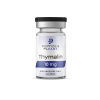
- Key Peptides: Thymosin alpha-1 (immune support), Epitalon (telomere protection/sleep).
Patients with Targeted Therapeutic Needs
- Purpose: Address specific issues like hormone-responsive cancers (e.g., prostate), chronic pain/inflammation, or slow wound healing.
- Common Users: Those under medical supervision for oncology, pain management, or injury recovery.
- Key Applications: Peptides for tumor-targeted delivery, joint pain reduction, or accelerated healing.
Find Reliable Peptide Products for Research at PeptidesPlease
Discover reliable peptide products for research at PeptidesPlease, your trusted source for high-purity peptides designed specifically for biomedical and anti-aging studies. Sourced from FDA-registered facilities with rigorous third-party testing for potency, sterility, and contaminant-free composition, our catalog features top-tier options like BPC-157 for tissue repair, CJC-1295 for growth hormone modulation, and Semaglutide analogs for weight loss research—all backed by certificates of analysis and shipped discreetly worldwide. Whether you're exploring muscle growth, skincare formulations, or metabolic optimization, PeptidesPlease ensures lab-grade consistency to elevate your experiments without compromise.
Frequently Asked Questions
Why do people use peptides?
People use peptides to support anti-aging, muscle growth, skin health, and recovery, as they act as signaling molecules to regulate body functions like hormone production and inflammation.
What happens when you start taking peptides?
You may notice improved energy, better muscle repair, reduced inflammation, and enhanced skin elasticity, with effects varying by peptide type and dosage.
Are peptides really necessary?
Peptides aren't essential for everyone, but they help when natural production declines with age, aiding healing, immunity, and performance.
Why would someone need to take peptides?
Someone might need them to boost low hormone levels, promote weight loss, accelerate injury recovery, or counter age-related declines in cell repair.
What are the benefits of consuming peptides?
Benefits include muscle building, fat loss, stronger immunity, anti-inflammatory effects, better skin moisture, and cognitive support.
Why are research peptides growing in popularity among anti-aging experts?
Peptides offer precise, targeted biological biological optimization—accelerating injury recovery, restoring growth hormone release, and improving skin elasticity safely.
Summary
In summary, people take peptides primarily for their targeted health and performance benefits, from anti-aging and muscle enhancement to immune support. These short amino acid chains act as powerful signaling molecules in the body, addressing specific needs like collagen production, fat loss, and recovery that modern lifestyles often demand.