Peptides have surged in popularity among athletes and bodybuilders for their potential in muscle growth, recovery, and performance enhancement, but a key question looms: Are peptides banned in sports? Governed by the World Anti-Doping Agency (WADA), which maintains a strict list of prohibited substances, many peptides fall under scrutiny—particularly peptide hormones like growth hormone and growth hormone secretagogues, along with related substances. These compounds, often derived from amino acids, mimic or stimulate natural hormonal pathways to promote muscle growth, raising red flags in competitive arenas where fair play is paramount.
While some peptides qualify as dietary supplements and remain legal for general use, their status shifts dramatically in sports due to published clinical trial data demonstrating their efficacy in boosting growth hormone levels and muscle growth. WADA categorizes certain peptide hormones and related substances as banned, both in and out of competition, to prevent unfair advantages. This creates a complex landscape: not all peptides are prohibited, but athletes must navigate the fine line between permissible amino acid-based supplements and those flagged as performance-enhancing, underscoring the need for vigilance and expert guidance.
Why Peptides Are Used in Sports?
Peptides are widely used in sports because they consist of short chains of individual amino acids that mimic natural signaling molecules, promoting muscle growth, faster recovery, and enhanced performance by stimulating growth factors like IGF-1 and the pituitary gland to release human growth hormone. Athletes leverage their similar chemical structure to endogenous hormones, allowing targeted effects such as increased protein synthesis and tissue repair without the bulkier side effects of steroids. However, many peptides constitute an anti-doping rule violation under WADA regulations, as they provide unfair advantages and are rigorously tested for in competitions.
Explore Trusted Peptide Products Designed for Research from PeptidesPlease
Explore trusted peptide products designed for research from PeptidesPlease, your go-to source for high-quality synthetic peptides including luteinizing hormone analogs, insulin-like growth factor variants, and releasing factors tailored for cutting-edge studies. Ideal for investigating applications in doping control protocols, medical treatment innovations, and beyond, our rigorously tested selections ensure purity and reliability, empowering researchers to advance knowledge in hormone regulation, muscle growth, and therapeutic development without compromise.
WADA Rules on Peptides
The World Anti-Doping Agency (WADA) bans most peptide hormones, growth factors, and related substances under Section S2 of its Prohibited List. These are forbidden at all times—in and out of competition—due to their performance-enhancing effects, such as boosting muscle growth, strength, or oxygen delivery. Many lack regulatory approval for human use.
Prohibited Categories
- Peptide hormones: EPO (erythropoietin), CG (chorionic gonadotropin), LH (luteinizing hormone).
- Growth factors: IGF-1 (insulin-like growth factor-1), MGF (mechano growth factor), VEGF (vascular endothelial growth factor).
- Other substances: Insulin and releasing factors (e.g., GHRPs like GHRH).
Experimental and Unapproved Peptides
Substances like BPC-157 fall under S0 (unapproved substances), regardless of potential benefits in research or recovery.
Detection Methods
WADA-accredited labs use advanced blood and urine tests to detect growth hormones and releasing factors, though challenges remain due to peptides' short half-lives.
Exceptions and Distinctions
- Therapeutic Use Exemption (TUE): Required for any permitted medical use.
- Not the same as supplements: Collagen peptides and similar non-performance-enhancing options remain allowed.
Are Peptides on the WADA Prohibited List?
Certain peptides are explicitly included on the World Anti-Doping Agency (WADA) Prohibited List, primarily under category S2: Peptide Hormones, Growth Factors, Related Substances, and Mimetics, which are banned at all times both in- and out-of-competition. This category covers specific examples like erythropoietins (EPO), growth hormone (hGH), insulin-like growth factor-1 (IGF-1), chorionic gonadotropin (CG), luteinizing hormone (LH), and gonadotropin-releasing hormone (GnRH) along with their analogues, as well as any substances with similar chemical structure or biological effects that could enhance performance. Not all peptides are prohibited—only those meeting WADA's criteria for potential performance enhancement, health risks, or violation of sport's spirit—but athletes must verify specifics via the latest WADA list (updated annually, e.g., 2025/2026 versions adding items like pegmolesatide), as misuse has led to adverse analytical findings in doping tests.
Which Peptides Are Banned in Sports?
Peptides like growth hormones, erythropoietin (EPO), and growth factors are banned in sports for boosting performance, muscle growth, or recovery. The World Anti-Doping Agency (WADA) Prohibited List classifies them under S2. Peptide Hormones, Growth Factors, Related Substances, and Mimetics, prohibiting use at all times—in and out of competition.
- Growth Hormone (hGH) and IGF-1: These promote anabolic effects, including muscle growth. IGF-1 appears in products like colostrum or deer antler velvet.
- Erythropoietin (EPO) and Mimetics: Boost red blood cell production for better oxygen delivery. Includes darbepoetin (dEPO), methoxy polyethylene glycol-epoetin beta (CERA), and pegmolesatide.
- Testosterone-Stimulating Peptides: In males, human chorionic gonadotropin (hCG), luteinizing hormone (LH), and gonadotropin-releasing hormone (GnRH) elevate testosterone levels.
- Corticotrophins: Such as corticorelin and tetracosactide, which influence stress responses and recovery.
- Growth Hormone Secretagogues: Include ibutamoren (MK-677) and GHRPs (growth hormone-releasing peptides).
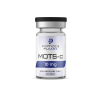
- Experimental or Other Peptides: Unapproved for human use, including BPC-157, TB-500 (Thymosin β4β4), and MOTS-c.
Are Any Peptides Allowed in Sports?
The World Anti-Doping Agency (WADA) bans peptide hormones, growth factors, related substances, and mimetics at all times—in and out of competition—due to their potential to unfairly boost performance and pose health risks. This includes common examples like hGH, IGF-1, EPO, BPC-157, TB-500, and MOTS-c.
- Growth hormone (GH) and analogues like IGF-1 or mechano growth factors (MGFs).
- EPO mimetics such as darbepoetin or CERA.
- Corticotropins like tetracosactide.
- Secretagogues, including GHRPs and ibutamoren (MK-677).
Exceptions and Risks
Therapeutic Use Exemptions (TUEs) are rare for peptides and require rigorous medical justification, but no general allowances exist for performance-enhancing ones. "Research only" labels on peptides do not exempt athletes; use remains illegal and detectable. Health risks include hypertension, diabetes, and cancer, with the 2026 WADA List now in force, adding clarifications to S2.
Peptides vs Steroids in Sports
Peptides and steroids both boost athletic performance, but they work differently and carry distinct risks. Steroids, as synthetic testosterone derivatives, deliver rapid muscle growth and strength with severe health downsides like liver toxicity and hormone suppression. Peptides—short amino acid chains—gently stimulate the body's natural production of growth hormone (GH) and IGF-1, promoting gradual recovery with lower (but not zero) risks.
- Mechanism: Steroids act as artificial hormones to force direct muscle growth. Peptides signal natural hormone production (e.g., GH, IGF-1).
- Results: Steroids yield rapid, massive gains in size and strength. Peptides provide gradual, sustainable improvements in recovery, fat loss, and endurance.
- Side Effects: Steroids cause high risks like hormone suppression, heart strain, and liver damage. Peptides involve fewer, milder issues with minimal shutdown.
- Legality/Detection: Both are banned in sports. Steroids are easily detected; some peptides are harder to spot, but testing advances quickly.
- Steroids: Drive rapid muscle hypertrophy and strength surges, ideal for bulking phases.
- Peptides: Support injury repair (e.g., BPC-157 for tendons), fat loss, endurance, and anti-aging effects.
Can You Compete Naturally While Using Peptides?
Competing "naturally" in sports while using peptides like growth hormone-releasing hormone (GHRH) analogs is a contentious gray area that often violates the World Anti-Doping Code, as these substances function as anabolic agents or fall under prohibited methods by enhancing growth hormone levels to promote muscle growth, fat loss, and recovery beyond physiological norms. While some athletes argue that peptides aren't traditional steroids and thus allow "natural" status in unregulated federations, sophisticated testing detects them directly or via metabolic markers, rendering claims of clean competition dubious. Masking agents, which attempt to conceal peptide use by altering urine profiles or suppressing detectable metabolites, are explicitly banned and carry severe penalties, underscoring that true natural competition demands zero reliance on such enhancements to uphold fairness and integrity.
Consequences of Using Peptides as an Athlete
Athletes using specific peptides, such as metabolic modulators, growth factor modulators, diuretics, and masking agents, face severe consequences under anti-doping regulations like those from WADA, including disqualification, suspensions, and stripped medals due to their classification as prohibited substances. These peptides can enhance performance by promoting muscle growth, fat loss, or recovery, but detection occurs through rigorous sample collection processes involving urine samples collected under direct supervision to prevent tampering, followed by lab analysis using advanced techniques like mass spectrometry.
Positive tests for growth factor modulators (e.g., IGF-1 analogs) or metabolic modulators (e.g., AOD-9604) trigger investigations, while diuretics and masking agents designed to dilute urine samples or hide other banned compounds compound penalties with longer bans. Beyond bans, health risks like hormonal imbalances, organ strain, and long-term metabolic disruptions loom large, underscoring why athletes risk career-ending fallout from unregulated peptide use.
Find Reliable Peptide Products for Research at PeptidesPlease
Researchers seeking reliable peptide products for laboratory investigations, such as those exploring genetically modified cells or performance enhancing drugs derived from human urine, can trust PeptidesPlease for high-purity options tailored to studies on muscle mass, body composition, and human therapeutic use. While these compounds show promise in optimizing body composition and supporting muscle mass gains, it's crucial to source from reputable suppliers like PeptidesPlease to mitigate potential health risks associated with unregulated products—ensuring compliance with research standards and avoiding contaminants that could skew results in experiments on human therapeutic use.
Frequently Asked Questions
Are peptides PEDs?
Yes, many peptides qualify as performance-enhancing drugs (PEDs) in sports due to their ability to boost growth hormone, recovery, or muscle growth.
Are peptides and PEDs the same thing?
No, peptides are short amino acid chains, while PEDs is a broader category including steroids and hormones; some peptides fall under PEDs when they enhance performance.
What peptides are banned in sports?
WADA bans categories like growth hormone secretagogues (GHS), releasing peptides (e.g., CJC-1295, Ipamorelin), and others such as BPC-157 under S0/S2.
Are peptides illegal for NCAA athletes?
Yes, NCAA follows WADA rules, prohibiting banned peptides as doping violations with penalties like suspensions.
Do peptides count as steroids for athletes?
No, peptides are not steroids; steroids are synthetic hormones, while peptides mimic natural signaling, but both can be banned PEDs.
Are all peptides banned in sports?
No, only specific performance-enhancing ones (e.g., GHS, GHRPs); non-enhancing peptides like collagen may be allowed.
Is sermorelin banned in sports?
Yes, sermorelin is a growth hormone-releasing peptide prohibited by WADA under S2.2 at all times.
Summary
In conclusion, many peptides are indeed banned in sports under the World Anti-Doping Agency (WADA) Prohibited List, particularly those classified under S2 (Peptide hormones, growth factors, related substances, and mimetics) due to their potential to enhance performance, such as growth hormone releasers or recovery agents like BPC-157. The 2026 WADA list, effective since January 1, reinforces this by adding clarifications to S2 and other categories, emphasizing stricter identification and enforcement to maintain fair competition. Athletes must consult the latest WADA guidelines and avoid unapproved peptides, as even experimental ones risk sanctions regardless of intent.