Sermorelin, a synthetic 29-amino acid peptide, functions as a Growth Hormone-Releasing Hormone (GHRH) analogue. Stimulating the pituitary gland to produce and secrete endogenous Growth Hormone (GH) facilitates a variety of physiological processes.
However, because the body’s endocrine system operates on a tightly regulated circadian rhythm, the timing of administration is one of the most critical factors in determining the peptide's efficacy. This synthetic peptide is designed to help the body restore hormone levels and address various hormone imbalances that may occur with age.
When Should You Take Sermorelin?
To achieve the best physiological outcomes, it is essential to align Sermorelin administration with the body's natural hormonal fluctuations and sleep-wake cycles. Because the pituitary gland follows a complex, pulsatile schedule governed by the hypothalamus, introducing the peptide at the precise moment when the body is biologically prepared for a Growth Hormone surge can significantly amplify its restorative benefits.
Here are seven key factors to consider regarding the timing of your dose:
- Natural GH Pulsatility: Growth Hormone is secreted in distinct pulses throughout the day, rather than a continuous stream. The most significant and impactful surge occurs during the initial stages of deep sleep, making this the primary window for optimization.
- Mimicking Circadian Rhythms: The primary objective of Sermorelin therapy is to enhance the natural nocturnal surge that occurs in healthy individuals. By following this internal clock, the treatment supports the body's innate biological programming for growth and repair.
- Optimizing Sleep Stages: Timing the dose correctly ensures that the peptide's peak concentration coincides with Stages 3 and 4 of the sleep cycle. These deep sleep phases are when the body focuses most intensely on physical restoration and cellular regeneration.
- Hormonal Synchronicity: Successful administration relies on triggering the pituitary gland when it is most primed and receptive to stimulation. Aligning the injection with the body's natural "ready" state prevents hormonal desensitization and ensures maximum efficacy.
- General Wellness Support: Aligning treatment with the body's internal clock can improve overall health, metabolic function, and energy levels. This synchronization helps harmonize various endocrine processes, leading to a more balanced internal environment.
- Protocol Customization: While general clinical recommendations exist, timing can be fine-tuned based on specific health goals and individual metabolic needs. A healthcare provider can help adjust the schedule better to suit personal lifestyle factors or specific recovery objectives.
- Consistent Secretion: Establishing a regular daily schedule helps the pituitary gland adapt to the stimulation and maintain steady IGF-1 levels. This consistency is vital for supporting long-term vitality and ensuring the body remains in a constant state of effective hormone regulation.
Find Reliable Peptide Products for Research at Peptides Please
Peptides Please provides research-grade peptides at ≥99% purity, manufactured by certified facilities and verified through independent third-party laboratory testing. We are committed to delivering the highest quality research compounds with exceptional customer service that sets the industry standard. With reliable shipping, rigorous quality control, and dedicated support, we serve the research community with integrity and confidence.
When Is the Best Time to Take Sermorelin?
Identifying the most effective time for administration involves aligning with the body's rest-and-repair cycle to maximize the peptide's biological impact. Clinical research indicates that late-night administration offers a unique physiological advantage by leveraging the body's natural chemistry during the onset of sleep, when inhibitory signals are at their lowest.
By strategically timing the introduction of GHRH analogues within this window, researchers and patients can more closely mimic the natural youthful secretion patterns of the pituitary gland.
- Circadian Alignment: Administering the peptide late in the evening supplements the body's natural midnight surge of Growth Hormone. This strategic timing ensures that higher concentrations of Growth Hormone are available exactly when the body is most prepared to initiate intensive cellular repair and metabolic regulation.
- Somatostatin Inhibition: Somatostatin is a naturally occurring hormone that acts as a primary inhibitor to the release of Growth Hormone throughout the day. Because Somatostatin levels tend to fluctuate and drop significantly during the onset of sleep, taking the peptide during this "low-resistance" window allows the GHRH analogue to stimulate the pituitary gland with maximum efficiency.
When to Take Sermorelin Injections
Subcutaneous Sermorelin injections are favored for their high bioavailability and rapid onset of action, typically peaking in the bloodstream within 30 minutes. To maximize the synergy between the synthetic peptide and your biological clock, the injection should be administered roughly 30 to 60 minutes before your planned sleep time.
This precise window ensures that, as you transition into the restorative Stages 3 and 4 of sleep, the pituitary gland receives the necessary GHRH signal to trigger a robust, sustained Growth Hormone pulse.
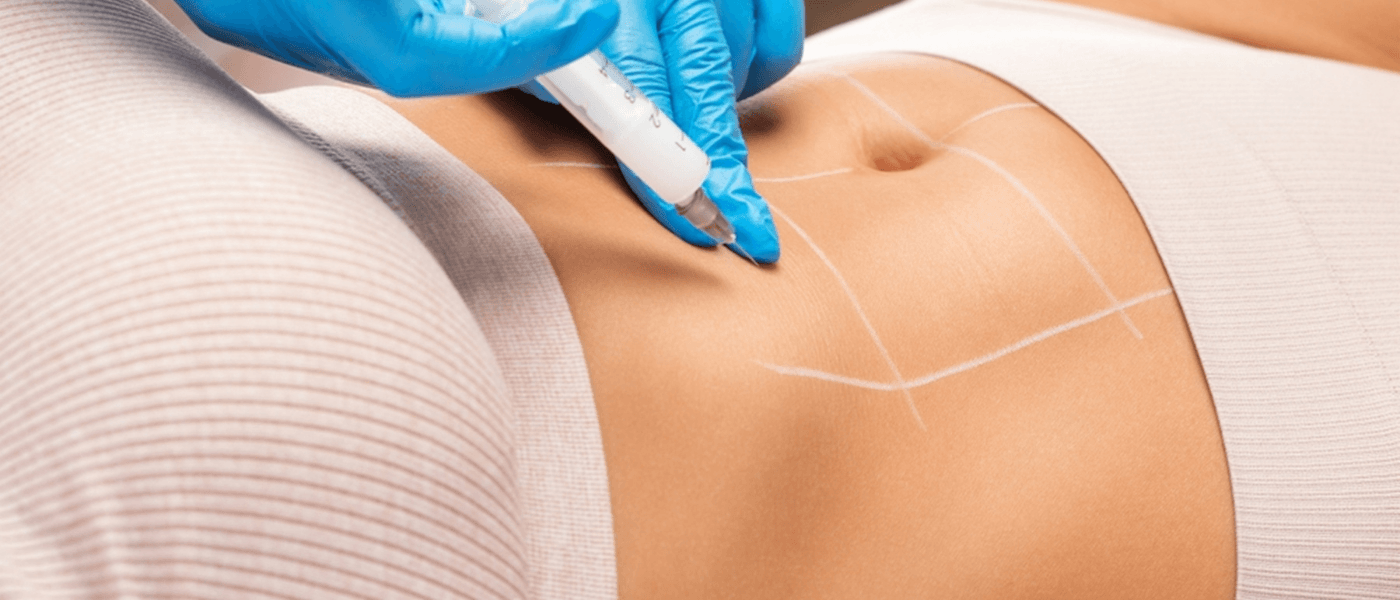
Efficiency and safety in administration are equally vital to the timing of the dose itself. Using a small-gauge insulin syringe for subcutaneous delivery into adipose tissue—most commonly in the abdominal area—ensures a steady, predictable absorption rate.
It is critical to adhere to the following best practices for long-term efficacy:
- Site Rotation: Constantly varying the injection location prevents the development of lipohypertrophy or localized irritation.
- Aseptic Technique: Always use a fresh alcohol swab on the vial and the skin to maintain a sterile environment.
- Consistency: Administering the injection at the same time each evening reinforces the body's hormonal rhythm, leading to more predictable IGF-1 elevation.
When to Take Sermorelin Tablets
Sermorelin tablets, often formulated as sublingual troches or quick-dissolve pills, offer a non-invasive alternative to injections while still targeting the same nocturnal hormonal window.
To ensure optimal absorption, the tablet must be placed under the tongue or against the cheek and allowed to dissolve completely, as this allows the peptide to enter the bloodstream directly through the mucosal membranes.
Swallowing the tablet prematurely is a common error that subjects the delicate peptide chains to gastric acids, which can rapidly degrade the compound and render the dose ineffective.
Because oral delivery methods must bypass the liver's first-pass metabolism to be truly effective, adherence to a strict "fasted" protocol is even more vital than with injections. For the most robust pituitary response, researchers recommend following these guidelines:
- Fasting Requirement: Ensure the dose is taken at least 2 hours after your final meal to avoid interference from insulin.
- Absorption Window: Refrain from drinking liquids for at least 15 minutes after the tablet has dissolved to allow the mucosal uptake to finalize.
- Pre-Sleep Timing: Aim to take the tablet approximately 30 minutes before sleep to align the resulting GH pulse with your body's natural circadian descent.
When to Take Sermorelin: Before Bed
Administering Sermorelin shortly before bed is widely recognized as the gold standard for hormone optimization because it leverages the body's most active regenerative window. During deep sleep, the endocrine system prioritizes anabolic processes such as tissue repair, protein synthesis, and fat oxidation, all of which are directly fueled by Growth Hormone.
By ensuring GH levels are elevated during this period, you facilitate more efficient muscle recovery and metabolic efficiency, effectively turning your sleep cycle into a comprehensive physical restoration session.
Beyond physical repair, the relationship between Sermorelin and sleep is symbiotic, enhancing overall sleep architecture. Many patients report increased Slow-Wave Sleep (SWS), the most restorative phase of rest, which in turn provides a natural environment for endogenous hormone production to thrive.
This creates a beneficial feedback loop in which the peptide supports higher-quality rest. That high-quality rest subsequently improves the body’s long-term responsiveness to hormone therapy and overall vitality.
When to Take Sermorelin in Relation to Meals
Managing dietary intake is perhaps the most critical environmental factor in determining the success of GHRH therapy, as certain macronutrient levels can effectively "mute" the signal to the pituitary gland.
When blood sugar levels are elevated, or insulin is actively circulating to process a recent meal, the body prioritizes storage and energy management over the secretion of Growth Hormone. Consequently, timing your dose relative to your last meal is not merely a suggestion but a requirement for achieving the desired physiological pulse.
- The 2-Hour Fasting Rule: It is highly recommended to take Sermorelin at least 2 hours after your last meal to ensure insulin levels have returned to baseline. This fasting period prevents competitive hormonal signaling and allows the GHRH analogue to stimulate the pituitary without the inhibitory effects of high blood glucose.
- The Carbohydrate and Sugar Factor: Consuming simple sugars or heavy carbohydrates late at night can trigger an insulin spike that acts as a direct biological stop-signal to Growth Hormone production. To achieve optimal results, the stomach should be empty, ensuring that the endocrine environment remains primed for the anabolic surge triggered by the peptide.
When to Take Sermorelin Based on Routine
Adapting peptide therapy to your specific lifestyle is essential for long-term adherence and metabolic stability, especially when your schedule deviates from the standard 9-to-5 cycle.
Because the body's hormonal output is intrinsically tied to your unique sleep-wake patterns rather than a specific time on a clock, you must customize your administration window to match your actual period of restorative rest.
This personalized approach ensures that the GHRH signal is delivered when your pituitary gland is biologically prepared to initiate its recovery phase, regardless of when that occurs.
- Protocols for Night Shift Workers: If you work evening or overnight shifts, you should ignore standard "bedtime" hours and instead administer the peptide 30 to 60 minutes before your primary daytime sleep period. This shift allows the treatment to synchronize with your inverted circadian rhythm, ensuring the Growth Hormone pulse coincides with your body's adjusted rest phase.
- The Importance of Daily Consistency: To maintain stable and effective IGF-1 levels, it is vital to administer your dose at the same point in your routine every single day. Establishing a predictable pattern helps your endocrine system adapt to the stimulation and prevents the fluctuating hormone levels that can occur with a sporadic or irregular dosing schedule.
When to Take Sermorelin for Muscle Growth and Other Intended Effects
To maximize hypertrophic outcomes, Sermorelin should be administered during the window when Muscle Protein Synthesis (MPS) is at its physiological peak. When the peptide triggers a Growth Hormone pulse shortly before sleep, it creates a high-concentration environment of circulating IGF-1 that works in synergy with the body’s nighttime repair mechanisms to fix micro-tears in muscle fibers caused by resistance training.
This strategic alignment ensures that the anabolic signal is strongest during the hours of deepest rest, leading to more pronounced gains in lean muscle mass and significantly reduced recovery times between intense physical sessions.
Beyond muscle building, the timing of your dose significantly influences the "other" intended effects of GHRH therapy, such as lipolysis and improved body composition. Because Growth Hormone is a potent stimulator of fat metabolism, elevated levels during the nocturnal fasting window force the body to use stored adipose tissue for energy rather than glucose.
This dual-action benefit allows users to concurrently support the development of lean tissue while optimizing the body’s ability to burn body fat, resulting in a more refined physical profile and improved metabolic efficiency.
Factors That Influence Timing of Sermorelin Intake
The effectiveness of GHRH analogs is not universal among users, as various biological and environmental variables can alter how the pituitary gland responds to stimulation.
Understanding these individual factors allows for a more nuanced approach to timing, ensuring that the protocol remains effective even as an individual's physiology or lifestyle changes over time.
Below are three primary considerations that can necessitate adjustments to your administration schedule:
- Age and Baseline Hormone Levels: As we age, the body naturally produces higher levels of Somatostatin, a hormone that acts as a primary inhibitor to Growth Hormone release. Older researchers may find that a more rigid adherence to fasting protocols is required to overcome this baseline inhibition and achieve a meaningful hormonal pulse.
- Dietary Habits and Fasting Protocols: Individuals who follow structured nutritional plans, such as Intermittent Fasting or low-carbohydrate diets, often experience more predictable results because their baseline insulin levels are easier to manage. Your specific eating window will dictate when your "safe" administration period begins, as the peptide requires a low-insulin environment to function optimally.
- Impact of Concurrent Medications: Certain medications, particularly those that affect blood sugar or hypothalamic signaling, can interfere with the pituitary's interpretation of GHRH signals. It is essential to coordinate timing with a healthcare provider to ensure that other medications do not inadvertently blunt the peaks of your Growth Hormone secretion.
Common Mistakes and How to Avoid Them
Even with a well-designed protocol, small logistical errors in timing can significantly diminish the physiological impact of GHRH therapy.
To avoid neutralizing the peptide's benefits, it is essential to remain vigilant about common lifestyle disruptions that can interfere with the pituitary's signaling response. Identifying these pitfalls early allows you to refine your daily routine and ensure that every dose translates into the maximum possible elevation of Growth Hormone levels.
- Late-Night Snacking and Insulin Spikes: The most frequent error is consuming food too close to the time of administration, which triggers an insulin response that effectively blocks the peptide's ability to stimulate Growth Hormone release. To avoid this, you must strictly adhere to the two-hour fasting window to ensure your metabolism is in a quiet baseline state before your dose.
- Inconsistency in Administration Timing: Skipping doses or frequently shifting your administration window prevents the body from establishing the stable IGF-1 baseline necessary for long-term metabolic changes. Maintaining a rigorous, identical schedule every night reinforces the body's hormonal rhythm and leads to more predictable and sustainable results.
- Neglecting the Quality of the Sleep Environment: While the peptide provides the signal for Growth Hormone release, the actual pulses occur during deep sleep stages; therefore, a poor sleep environment can reduce the treatment's efficacy. Prioritizing proper sleep hygiene ensures you reach the restorative phases of rest, where the peptide-induced hormone surge can do its most important work.
Explore Trusted Peptide Products Designed for Research from Peptides Please
Peptides Please serves the research community with integrity, confidence, and a commitment to quality. Our research compounds are manufactured by certified facilities and verified through independent third-party laboratory testing to ensure ≥99% purity. We prioritize rigorous quality control and exceptional customer service to support valid scientific outcomes for those investigating the body's ability to regulate Growth Hormone production.
Frequently Asked Questions
When should Sermorelin be taken for the best results?
For optimal results, it should be taken 30–60 minutes before bed on an empty stomach. This ensures that the body responds to the peptide without interference from insulin.
Should Sermorelin be taken at night or in the morning?
A nighttime administration is preferred. Morning administration can lead to daytime lethargy and does not align with the body’s natural secretion rhythm.
Why is Sermorelin often taken before bed?
Sermorelin stimulates the pituitary during the period when the body naturally expects a surge of Growth Hormone. This supports faster recovery and better sleep quality.
Can Sermorelin be taken during the day?
While possible, it is generally less effective. Daytime doses often conflict with meals and high insulin levels, reducing the overall impact on fat loss and muscle recovery.
Does meal timing affect Sermorelin effectiveness?
Yes, significantly. To release Growth Hormone efficiently, the body needs to be in a fasted state. Eating too soon after or before administration blocks the signal to the pituitary gland.
How long before sleep should Sermorelin be taken?
The ideal window for a nighttime dose is 30 to 60 minutes before you intend to fall asleep.
Why is Sermorelin best administered prior to sleep?
Sermorelin is administered at bedtime on an empty stomach to mimic nocturnal physiological surges of human growth hormone (HGH) from the pituitary gland.
Summary
The effectiveness of a Sermorelin treatment is deeply tied to the timing. By administering the peptide 30–60 minutes before bed on an empty stomach, you align the therapy with the body's natural cycle.
Avoiding food for 2 hours before the dose ensures that insulin does not block the release of additional human Growth Hormone, allowing for maximum cellular repair, metabolic health, and weight loss. While it is not a quick fix, consistent use in line with these timing guidelines supports energy levels and long-term muscle growth.